Support our educational content for free when you purchase through links on our site. Learn more
How Chilean Celebrities Shape Culture & Tourism 🌎

How do Chilean celebrities influence local culture and tourism? They turn people, places, traditions, and creative work into stories millions want to see, taste, visit, and share. Their influence can boost regional pride, support local businesses, spotlight Indigenous heritage, and attract travelers—but it can also oversimplify culture or overwhelm fragile destinations.
We have seen this effect firsthand while traveling through Chile: one post from a musician or athlete can make a quiet viewpoint suddenly feel like a must-see stop. A chef’s video can send visitors searching for merkén, seafood, or a family-run market, while an artist such as Juan Dávila can prompt travelers to explore Chilean identity through galleries, political memory, and debates surrounding Mapuche territory.
The strongest celebrity-led tourism does more than display a spectacular landscape. It names the community, credits the guide or producer, explains the cultural context, and encourages visitors to travel responsibly. Celebrity attention opens the door; local voices determine what you understand once you step through it.
Key Takeaways
- Chilean celebrities influence travel choices through music, television, sport, food, film, fashion, and social media.
- Personal stories often outperform traditional advertising by making destinations feel familiar, emotional, and attainable.
- Celebrity content can strengthen cultural identity by promoting regional traditions, Chilean cuisine, Indigenous heritage, festivals, and contemporary art.
- Tourism benefits are not automatic: local guides, artisans, restaurants, communities, and conservation projects should receive measurable value.
- Instagram and TikTok create discovery quickly, but travelers should verify access, safety, seasonality, sponsorships, and cultural claims through official sources.
- The main risks include overtourism, cultural appropriation, greenwashing, privacy concerns, and inaccurate storytelling.
- The best campaigns pair famous figures with local creators and community leaders, combining global reach with authentic knowledge.
- Our recommendation: let celebrity content inspire your itinerary, then book locally, respect cultural protocols, follow conservation rules, and explore beyond the viral viewpoint.
Table of Contents
-
⚡ Quick Tips and Facts: Chilean Celebrities, Culture, and Tourism
-
Fast facts about Chile’s entertainment and tourism landscape
-
🌎 Chilean Celebrity Culture: Background, History, and Social Context
-
The role of Chilean identity, regional pride, and cultural representation
-
📣 1. Celebrity Endorsements That Put Chilean Destinations on the Map
-
📸 2. Instagram, TikTok, and the Rise of Social Media Tourism
-
🏔️ 3. Patagonia, the Atacama Desert, and Chile’s Natural Icons
-
Coastal Chile, forests, lakes, and wine country in the spotlight
-
🎬 4. Film, Television, and Music as Cultural Tourism Catalysts
-
🍷 5. Food, Wine, and Culinary Tourism Powered by Celebrity Voices
-
How celebrities promote indigenous ingredients and regional cuisine
-
Food markets, restaurants, and memorable culinary experiences
-
🧭 6. Cultural Identity, Heritage, and Indigenous Representation
-
Promoting museums, heritage sites, crafts, and local festivals
-
🏙️ 7. Urban Tourism and Celebrity Hotspots in Santiago and Beyond
-
Celebrity-owned businesses, favorite venues, and public landmarks
-
🌐 8. International Chilean Celebrities and Global Destination Branding
-
📈 9. Economic Effects on Chilean Tourism and Local Businesses
-
⚠️ 11. Risks, Criticism, and the Dark Side of Celebrity Tourism
-
Greenwashing, undisclosed sponsorships, and influencer ethics
-
🗺️ Planning a Responsible Chile Trip Inspired by Celebrities
-
Best seasons for Patagonia, the desert, wine country, and the coast
-
Creating authentic campaigns for domestic and international audiences
-
Tracking engagement, bookings, sentiment, and community benefits
-
🔮 The Future of Celebrity Influence on Chilean Culture and Tourism
-
Virtual creators, short-form video, and immersive travel content
-
✅ Conclusion: Are Chilean Celebrities Good for Local Culture and Tourism?
-
Which Chilean celebrities have the greatest influence on tourism?
-
What are the risks of visiting places made popular by celebrities?
Quick Tips and Facts: Chilean Celebrities, Culture, and Tourism
Our guide to celebrities in Chile starts with a useful distinction: celebrity influence is not the same as proven tourism impact. A singer can make a destination trend overnight, but that does not automatically mean more overnight stays, better community income, or responsible cultural representation.
What makes celebrity influence different in Chile?
Chilean celebrities shape local culture and tourism through several overlapping channels:
- Visibility: A famous person introduces a place, dish, festival, museum, or landscape to audiences who may never have searched for it.
- Trust and familiarity: Followers often respond more warmly to a creator’s personal story than to a formal advertisement.
- Identity: Artists and athletes can make Chilean traditions feel contemporary rather than museum-bound.
- International reach: Globally recognized Chileans help frame the country as a source of music, art, sport, cuisine, and creative talent.
- Agenda-setting: A celebrity can draw attention to Indigenous heritage, conservation, regional inequality, or local businesses.
- Fan travel: Concerts, festivals, film locations, and celebrity-linked venues create reasons to visit.
But there is a catch. Attention is measurable; cultural benefit is more complicated. A viral post may produce likes without helping a rural guide, artisan cooperative, or conservation project.
Fast facts about Chile’s entertainment and tourism landscape
| Topic | What it means for culture and tourism |
|---|---|
| Geography | Chile stretches from the Atacama Desert to Patagonia, giving public figures an unusually broad visual canvas. |
| Cultural range | Urban arts, Indigenous traditions, wine, food, music, festivals, and outdoor adventure can all become part of a celebrity narrative. |
| Main tourism hubs | Santiago, Valparaíso, San Pedro de Atacama, the Lake District, Easter Island, and Patagonia attract different visitor profiles. |
| Strongest platforms | Instagram, TikTok, YouTube, television, streaming services, concerts, and sporting events each influence travel differently. |
| Main opportunity | Celebrities can help visitors see Chile as more than scenery. |
| Main risk | A destination may become a backdrop while local people and cultural context disappear from the story. |
The World Tourism Organization treats cultural tourism as travel motivated by experiencing tangible and intangible culture. That definition matters here: a celebrity does not merely promote a mountain or beach. They may also promote language, food, music, memory, craftsmanship, and the people who give a place meaning.
How to use this guide
When we assess celebrity influence, we ask five questions:
- Who is speaking? A local artist, international star, athlete, chef, or digital creator?
- What is being promoted? A destination, product, cultural practice, event, or personal brand?
- Who benefits? National tourism agencies, large hotels, local operators, residents, or nobody beyond the celebrity?
- What is missing? Access information, Indigenous perspectives, environmental limits, or historical context?
- Can the effect be verified? Look for tourism data, local reporting, booking trends, or community feedback rather than assuming virality equals success.
A video featured in this article offers a useful starting point. At #featured-video, Chile is presented not only through desert, fjords, and Tores del Paine, but through farmers, sheepdogs, huasos, traditional clothing, music, dance, and hospitality. That is the more memorable formula: landscape plus human connection.
And that raises the question we will keep returning to: when celebrity storytelling brings people closer to Chilean culture, does it deepen understanding—or simply create another attractive backdrop?
Chilean Celebrity Culture: Background, History, and Social Context

From television personalities to global influencers
Celebrity culture in Chile has evolved from a largely television-led system into a much more fragmented ecosystem. For decades, television hosts, soap-opera actors, musicians, athletes, and festival performers shaped national conversations. Today, their influence overlaps with:
- Instagram creators
- TikTok personalities
- YouTube travel channels
- Podcast hosts
- Streaming actors
- Fashion figures
- Chefs and food commentators
- Environmental advocates
- Regional cultural leaders
This change has made celebrity influence more immediate and more geographically diverse. A Santiago television personality might once have dominated national attention. Now a creator from the south can promote a small food festival, hiking route, or craft tradition directly to a niche audience.
The Subsecretaría de Turismo de Chile and SERNATUR remain important official sources for destination marketing, but independent creators increasingly fill the gap between institutional promotion and personal travel advice.
The role of Chilean identity, regional pride, and cultural representation
Celebrity influence works best when it reflects something audiences already recognize as meaningful. In Chile, those themes often include:
- Regional identity: northern desert communities, central valley wine culture, coastal traditions, southern rural life, and Patagonian landscapes.
- National resilience: cultural figures often connect present-day creativity with difficult political and social histories.
- Language and humor: Chilean slang and informal storytelling make content feel local, even when the subject is internationally famous.
- Food and hospitality: empanadas, mote con huesillos, seafood, barbecue traditions, and wine are easy entry points for cultural tourism.
- Plural identities: Contemporary Chilean culture includes Indigenous, migrant, rural, urban, queer, and diasporic perspectives.
The influence is not always tidy. Chilean-born artist Juan Dávila, for example, became an internationally visible cultural figure whose work questioned official versions of national identity. His exhibitions at venues such as Matucana 100 connected Chilean art with debates about dictatorship, gender, colonialism, migration, and Mapuche territory.
The interview summarized by ArtPulse Magazine quotes Dávila describing a “language of disobedience” and criticizing simplified narratives of Chilean art. His work is not tourism advertising, but it can still influence cultural tourism by encouraging visitors to see Santiago through galleries, political memory, and contested identities rather than postcard scenery alone.
Why local fame can become international tourism appeal
A celebrity’s cultural value can travel in three ways:
| Route | Example | Tourism effect |
|---|---|---|
| Direct promotion | A public figure posts from a vineyard or national park | Followers discover a destination |
| Cultural association | An artist becomes linked to Chilean creativity | Visitors seek museums, galleries, concerts, or heritage sites |
| Symbolic representation | A famous Chilean discusses Indigenous identity or social history | Travelers look for deeper context and local experiences |
The third route is easy to underestimate. A celebrity need not say “book a trip to Chile” to influence tourism. If they make the country appear creative, distinctive, debated, and culturally alive, they can contribute to destination appeal indirectly.
That is why Dávila’s work matters to this discussion. His paintings and exhibitions do not offer a cheerful travel itinerary. Instead, they challenge what visitors think Chile is. A traveler who encounters Wallmapu or related discussions about Mapuche land may approach the landscape with more historical awareness. That is a richer form of cultural tourism, although it requires museums, guides, and institutions to provide context.
Who Counts as a Chilean Celebrity?
Musicians, actors, and television presenters
These figures often have the widest domestic recognition. Their influence includes:
- Promoting concerts and music festivals
- Bringing attention to hometowns and regional venues
- Popularizing accents, fashion, and slang
- Encouraging visits to filming locations
- Supporting cultural charities and local events
- Introducing international audiences to Chilean music
Musicians can be especially powerful tourism ambassadors because concerts create a practical travel reason. Fans may travel for a performance, then add restaurants, museums, nearby attractions, and day trips.
Actors can influence screen tourism, where viewers visit places associated with productions or performers. The effect is stronger when a production shows ordinary streets, cafés, markets, and neighborhoods rather than only dramatic scenery.
Television personalities operate differently. Their influence often depends on repetition and familiarity. A host who visits a rural festival every year may help normalize regional travel for domestic audiences, even without generating an obvious viral moment.
Athletes and sports icons
Sports figures bring a different kind of credibility. Their influence often supports:
- Adventure travel
- Football tourism
- Surfing and coastal destinations
- Sking and snow sports
- Cycling routes
- Hiking and endurance events
- Youth participation in outdoor activities
A football star may promote Chile’s emotional identity more effectively than a tourism slogan. A climber or trail runner can showcase routes that appeal to specialist audiences. However, athletic ability can make difficult travel look deceptively easy. A professional athlete crossing a remote trail may omit the permits, weather planning, rescue coverage, and fitness required by ordinary travelers.
For practical advice, compare celebrity content with official information from CONAF, Chile’s national forest authority, and local park operators before planning an outdoor trip.
Chefs, fashion figures, authors, and cultural ambassadors
These figures often influence tourism through taste and interpretation rather than sheer fame.
- Chefs promote restaurants, markets, ingredients, and regional cooking.
- Designers connect Chilean materials and craftsmanship with contemporary style.
- Authors inspire literary tourism and historical curiosity.
- Visual artists lead visitors toward galleries, museums, and cultural districts.
- Architects and urban commentators influence how people understand city spaces.
- Conservation advocates make remote landscapes part of an ethical travel conversation.
This is where the line between “celebrity” and “cultural authority” becomes blurry. Juan Dávila is not a conventional entertainment celebrity, yet his international profile contributes to Chile’s cultural visibility. His influence illustrates a key point: tourism can be driven by ideas as well as glamour.
YouTubers, TikTok creators, and social media personalities
Digital creators may have smaller audiences than television stars but often produce stronger travel behavior because they show practical details:
- How to reach a destination
- What transport feels like
- What a market actually sells
- How long a hike takes
- What a cultural event sounds like
- Which experiences feel respectful
- Where visitors make common mistakes
This content is often more useful than polished campaigns. A creator who explains why a trail closes seasonally may protect both travelers and the landscape.
Still, check whether the post is sponsored. Under Chile’s consumer protection framework, advertising and commercial communication should not mislead consumers. A polished “spontaneous” recommendation may be a paid partnership.
International Chilean stars and Chile-based celebrities
These two groups influence tourism differently.
| Celebrity type | Strength | Limitation |
|---|---|---|
| International Chilean star | Broad global awareness and media reach | May have limited knowledge of current local conditions |
| Chile-based celebrity | Local familiarity and practical relevance | Smaller international audience |
| Regional creator | Strong community trust and place-specific knowledge | Less national recognition |
| Cultural figure | Deep interpretation and historical context | May not attract mass tourism immediately |
| Sports personality | Inspires activity and destination aspiration | Can understate technical difficulty |
Our recommendation is not to choose one type over another. The strongest campaigns combine reach with local knowledge. A global name can attract attention, while local guides, artisans, historians, and residents explain what visitors are actually seeing.
1. Celebrity Endorsements That Put Chilean Destinations on the Map
How a recommendation becomes travel inspiration
Celebrity influence usually develops through a sequence:
- Exposure: You see a destination in a post, interview, video, song, or television program.
- Recognition: The place becomes familiar enough to search.
- Validation: Reviews, maps, and official websites confirm that the destination is accessible.
- Planning: You compare transport, seasons, accommodation, and activities.
- Booking: A travel decision becomes real.
- Sharing: Your own experience reinforces or challenges the original celebrity narrative.
The most effective content provides enough information to move from inspiration to responsible planning. A spectacular photo creates desire. A clear explanation of trail conditions, cultural protocols, and local operators creates usable trust.
The power of personal stories over traditional advertising
Traditional advertising says, “Visit here.” Personal storytelling says, “This is what happened to me here.”
That difference matters because stories carry:
- Emotion
- Sensory detail
- Social proof
- Imperfection
- A sense of discovery
- A visible human relationship with the place
The first video’s “faces and traditions” framing works because it turns travel into a relationship. Farmers, sheepdogs, huasos, musicians, dancers, and local hosts are not decorative extras. They are the reason the landscape feels inhabited and meaningful.
However, personal storytelling can also distort reality. A celebrity may visit under ideal conditions, with private transport, a guide, security, and professional filming. You may arrive during a crowded weekend with changing weather. Treat the story as inspiration, not an operating manual.
Celebrity partnerships with tourism boards and brands
A tourism campaign can involve:
- SERNATUR or regional tourism offices
- Airlines and transport companies
- Hotels and lodges
- National parks and conservation organizations
- Food and wine brands
- Festivals and event promoters
- Film commissions
- Local municipalities
- Community tourism cooperatives
A strong partnership should disclose:
- Who paid for the content
- Which services were provided
- What environmental rules apply
- Whether local residents participated
- How the campaign measures community benefit
The Federal Trade Commission’s influencer guidance is written for the United States, but its basic principle is useful everywhere: audiences should be able to recognize commercial relationships.
What makes an endorsement credible?
✅ Specific details: The creator explains what they did and what they did not do.
✅ Local voices: Guides, residents, cooks, artists, and park staff appear as contributors.
✅ Practical limitations: Weather, accessibility, crowds, permits, and conservation rules are mentioned.
✅ Clear disclosure: Sponsorship is easy to understand.
✅ Follow-through: The celebrity supports the place beyond one promotional post.
❌ Vague praise: “Paradise!” with no useful information.
❌ Staged authenticity: A local experience presented without acknowledging production support.
❌ Cultural flattening: A complex tradition reduced to a costume or photo opportunity.
❌ Environmental carelessness: Drones, litter, off-trail walking, or wildlife disturbance shown as normal.
2. Instagram, TikTok, and the Rise of Social Media Tourism
How celebrity content shapes travel searches
Social media affects tourism through both deliberate and accidental discovery. A follower may not intend to research Chile, then pause over:
- A sunset in the Atacama
- A musician performing in Valparaíso
- A chef preparing shellfish on the coast
- A footballer hiking in Patagonia
- A creator visiting a craft market
- An actor filming near a historic neighborhood
That moment can trigger a search. From there, algorithms reinforce interest by serving more Chilean content. This is why a single post may matter less than a cluster of repeated images and narratives.
Research on tourism promotion through Instagram examines how visual platforms shape destination communication, but the Taylor & Francis page for “Analyzing cultural tourism promotion on Instagram” was inaccessible to us beyond a security-verification screen. We therefore cannot responsibly quote its findings or assign it statistics. The broader lesson remains sound: Instagram is powerful at creating desire, but desire must be tested against local evidence.
Instagramable places in Chile promoted by public figures
Common visual magnets include:
- San Pedro de Atacama and the Valle de la Luna
- Torres del Paine and the Cuernos del Paine
- Valparaíso’s hills and street art
- Santiago’s museums, markets, and viewpoints
- Chiloé’s wooden churches and island culture
- Easter Island’s moai and volcanic landscapes
- The Elqui Valley
- Wine regions such as Colchagua, Casablanca, and Maipo
- The Lake District
- Coastal towns and surf beaches
Our internal guides to Chile’s destinations and adventure travel are useful for moving beyond the famous frame. The photograph may show one viewpoint, but the trip involves transport, weather, walking surfaces, opening times, local regulations, and communities that deserve more than a quick appearance.
Viral travel videos, hashtags, and destination trends
Virality can produce three types of tourism response:
| Response | Benefit | Risk |
|---|---|---|
| Search interest | More people discover Chile | Curiosity may not become a responsible visit |
| Visitor concentration | Local businesses receive sudden demand | Crowding and ecological pressure |
| Cultural curiosity | Travelers seek food, music, and heritage | Traditions may be simplified or commodified |
To judge a trend, look beyond views. Useful indicators include:
- Increases in accommodation searches
- Park reservation demand
- Visitor counts
- Local business inquiries
- Changes in shoulder-season travel
- Community feedback
- Waste, congestion, or trail damage
- Media coverage from local outlets
A destination that trends for one weekend may not experience lasting economic value. By contrast, consistent seasonal visibility can support guides, family-run accommodation, restaurants, and artisans.
Analyzing cultural tourism promotion on Instagram
Instagram excels at compression. A single image can combine landscape, clothing, food, architecture, and human expression. That is useful, but also dangerous: the platform can compress a living culture into an aesthetic.
When reviewing celebrity posts, ask:
- Is the person shown as an individual or as scenery?
- Are cultural practices explained or merely displayed?
- Is the location named accurately?
- Are local businesses tagged?
- Are Indigenous communities represented by their own voices?
- Does the post encourage respectful behavior?
- Are sponsorships disclosed?
- Does the content show only exceptional beauty, or also everyday life?
Juan Dávila’s work offers a useful counterweight to Instagram’s polished simplicity. His paintings confront migration, gender, political memory, colonialism, and Mapuche land. They remind us that cultural representation is never neutral. The attractive image is only one layer; history and power sit underneath it.
3. Patagonia, the Atacama Desert, and Chile’s Natural Icons
Celebrity influence on Torres del Paine tourism
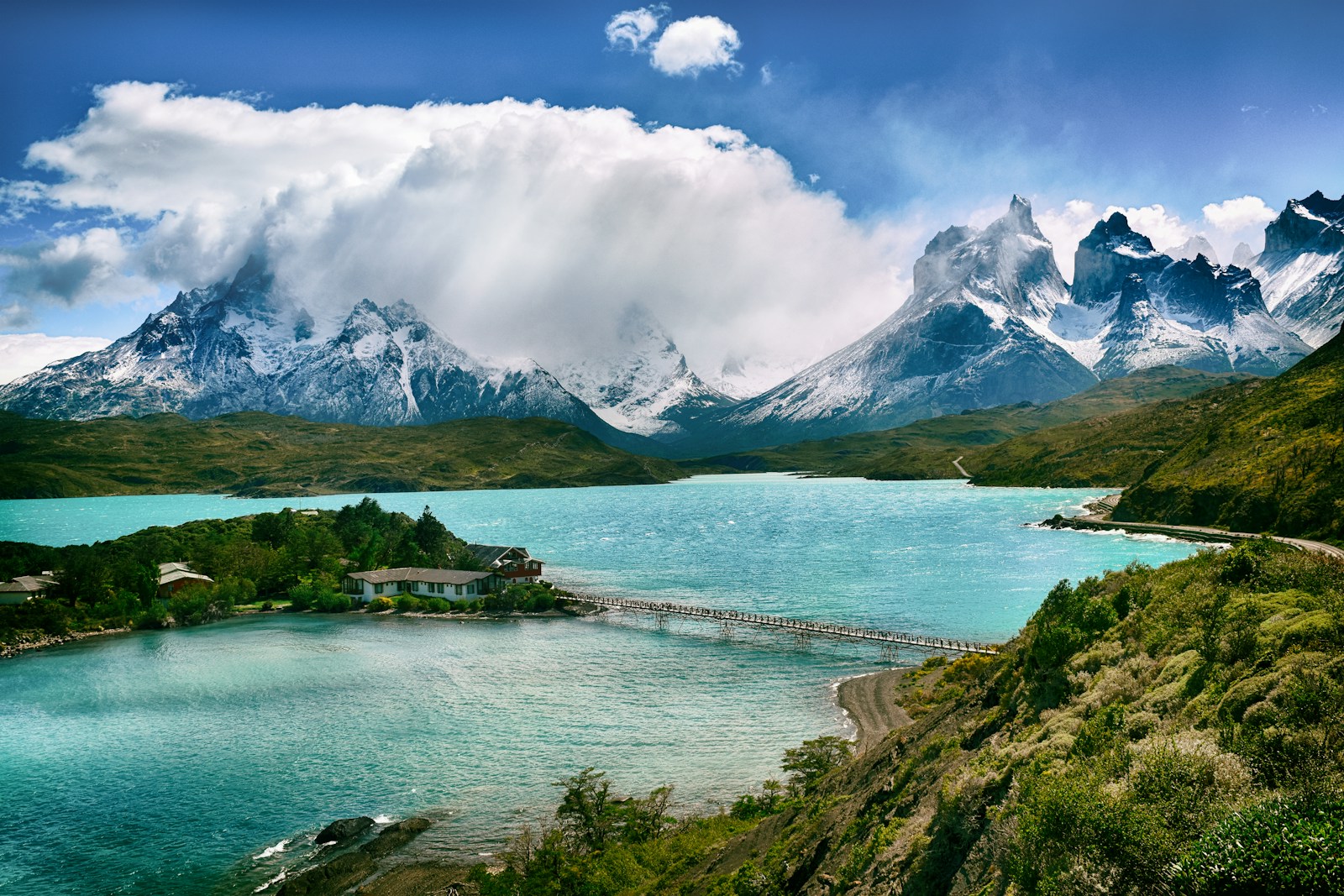
Tores del Paine is among Chile’s most recognizable landscapes. A celebrity post can make the park appear accessible, serene, and almost dreamlike. In reality, conditions change quickly, trails demand preparation, and conservation rules protect a fragile environment.
Before visiting, consult:
- CONAF’s official park information
- Chile Travel’s Patagonia guidance
- Official accommodation and campsite operators
- Current weather and trail notices
- Local guides and transfer providers
Celebrity storytelling can help by demonstrating:
- The value of hiring local guides
- The importance of staying on marked trails
- The need to carry out waste
- The beauty of visiting outside peak periods
- The cultural history of Patagonia beyond scenery
It can harm by showing people approaching wildlife, flying drones where prohibited, camping informally, or treating protected areas as private playgrounds.
How public figures showcase the Atacama Desert
The Atacama offers cinematic visuals: salt flats, volcanoes, geysers, red valleys, and star-filled skies. Public figures often frame it as a place of silence, extremes, and otherworldly beauty.
That story is compelling, but the desert is not empty. It is shaped by:
- Indigenous communities
- Water scarcity
- Mining
- Astronomical research
- Tourism infrastructure
- High-altitude ecosystems
- Archaeological heritage
Visitors should use licensed operators, respect archaeological sites, and avoid removing rocks, plants, or artifacts. Consult SERNATUR and local community tourism providers for current conditions.
Coastal Chile, forests, lakes, and wine country in the spotlight
Celebrity influence can distribute tourism beyond the most famous icons.
| Region | Celebrity-friendly story | Deper cultural angle |
|---|---|---|
| Valparaíso | Street art, music, architecture | Port history, neighborhood life, preservation |
| Casablanca Valley | Wine, food, vineyard scenery | Agriculture, water use, family producers |
| Lake District | Lakes, volcanoes, outdoor adventure | Mapuche heritage, rural livelihoods, conservation |
| Chiloé | Churches, seafood, colorful architecture | Island traditions, maritime culture, local building methods |
| Elqui Valley | Stargazing, wellness, poetry | Rural communities, astronomy, agricultural identity |
| Coastal Chile | Surfing, seafood, beach life | Fishing communities and marine stewardship |
Our Cultural Experiences section helps connect scenery with people and history. That connection is often what transforms a quick photo stop into a meaningful itinerary.
Balancing bucket-list appeal with environmental protection
Celebrity tourism should follow a simple rule: the more fragile the destination, the less acceptable careless promotion becomes.
Travelers can:
- Check whether permits or reservations are required.
- Visit during less crowded periods when possible.
- Stay in authorized accommodation.
- Use marked trails and established transport.
- Avoid touching wildlife or feeding animals.
- Carry reusable water and pack out waste.
- Support local guides and conservation fees.
- Ask before photographing people or ceremonies.
- Avoid geotaging vulnerable sites when requested by local authorities.
- Follow fire, drone, and camping restrictions.
The Leave No Trace principles provide a useful framework even when traveling outside the United States.
4. Film, Television, and Music as Cultural Tourism Catalysts
How Chilean productions encourage location-based travel
Film and television can make ordinary locations emotionally significant. A street becomes “the place from that series.” A café becomes associated with a character. A coastal road gains narrative meaning.
Screen tourism works best when:
- Locations remain accessible
- Residents are involved
- Tourism does not disrupt daily life
- Historical context is provided
- Visitors spread beyond one crowded site
- Production companies support local suppliers
Chile’s landscapes are already visually distinctive, but urban settings deserve equal attention. Santiago’s neighborhoods, Valparaíso’s hills, and regional towns can gain tourism visibility when productions show them with texture rather than using them as anonymous scenery.
Music festivals, concerts, and fan-driven tourism
Music creates a powerful travel loop:
- A fan follows an artist.
- The artist announces a concert or festival.
- The fan travels to the host city.
- The visitor books accommodation and transport.
- The trip expands into dining, shopping, museums, and nightlife.
- Local culture becomes part of the concert memory.
Large events can benefit hotels, restaurants, transport providers, vendors, and cultural venues. They can also create noise, congestion, waste, and security pressures.
A responsible festival campaign should communicate:
- Public transport options
- Accessibility
- Waste-reduction measures
- Local food vendors
- Safe accommodation areas
- Respect for residential neighborhoods
- Clear event and cancellation information
The cultural tourism value of Chilean cinema and television
Entertainment exports can affect perceptions of Chile in subtle ways. International audiences may become curious about:
- Chilean Spanish
- Santiago’s urban culture
- National history
- Social movements
- Family structures
- Music and fashion
- Regional landscapes
- Contemporary art
That interest does not always translate into immediate bookings. It may instead create a longer cultural pathway: watch a film, read an author, visit a museum, then plan a trip years later.
Visiting places connected to famous artists and performers
If you follow a celebrity-linked itinerary, verify the connection before making a special detour. Good sources include:
- Official artist biographies
- Museum archives
- Municipal cultural pages
- Reputable newspapers
- Venue histories
- Local guides
- Chilean cultural institutions
Avoid turning private residences into attractions. A public venue, memorial, gallery, recording site, or festival is fairer and safer than searching for a celebrity’s home.
5. Food, Wine, and Culinary Tourism Powered by Celebrity Voices
Celebrity chefs and Chilean gastronomy
Food is one of the most accessible forms of cultural tourism. A celebrity chef can make viewers curious about:
- Chilean seafood
- Empanadas
- Pastel de choclo
- Curanto
- Cazuela
- Pebre
- Mote con huesillos
- Native potatoes
- Merkén
- Chilean wine and pisco
The benefit is not simply restaurant traffic. Culinary visibility can support farmers, fishers, market vendors, producers, and regional food traditions.
The drawback? A television-friendly dish may overshadow the people and labor behind it. When a chef highlights an ingredient, the best storytelling explains where it comes from, who grows or harvests it, and how supply pressures affect it.
Wine influencers, vineyards, and the Chilean wine route
Wine tourism connects celebrity influence with landscapes, architecture, gastronomy, and rural economies. Public figures can direct attention to:
- Maipo Valley
- Casablanca Valley
- Colchagua Valley
- Aconcagua Valley
- Itata Valley
- Maule Valley
- Elqui Valley
Use the Wines of Chile organization and individual vineyard websites to verify tours, transport, sustainability policies, and tasting formats.
Celebrity content is most useful when it distinguishes between:
- Large commercial wineries
- Boutique producers
- Organic and biodynamic vineyards
- Family-run operations
- Wine museums and heritage sites
- Restaurants pairing local food with regional wines
How celebrities promote indigenous ingredients and regional cuisine
Public figures can bring attention to Indigenous and regional ingredients such as merkén, piñones, native potatoes, seaweed, quinoa, and ancestral preparation methods. That visibility may create demand and pride, but it must avoid treating Indigenous food as an exotic trend.
Responsible promotion includes:
- Naming the community or region accurately
- Crediting cooks and producers
- Avoiding invented “ancient” claims
- Paying contributors fairly
- Explaining cultural context
- Supporting local ownership
- Respecting restrictions around ceremonial foods
Chile’s National Indigenous Development Corporation, CONADI provides relevant institutional context for Indigenous peoples and heritage.
Food markets, restaurants, and memorable culinary experiences
For travelers, the best celebrity-inspired food itinerary usually includes several layers:
- A market visit with a local guide.
- A traditional meal in a family-run restaurant.
- A contemporary chef’s interpretation.
- A regional producer or vineyard.
- A cooking class or community experience.
- A conversation about seasonality and sourcing.
Do not measure culinary authenticity by how rustic a restaurant looks. A modern Santiago kitchen may preserve tradition thoughtfully, while a picturesque venue may flatten it into décor.
6. Cultural Identity, Heritage, and Indigenous Representation
Celebrity storytelling and Chilean national identity
Celebrities act as cultural mirrors. They may reinforce familiar images of Chile—wine, mountains, football, folk dress—or challenge them through new representations of gender, migration, sexuality, class, and Indigenous identity.
A healthy cultural tourism strategy should offer more than one Chile:
- Urban and rural
- Contemporary and historical
- Spanish-speaking and Indigenous
- Pacific-facing and Andean
- Traditional and experimental
- Local and diasporic
Juan Dávila’s career demonstrates why plural representation matters. His paintings challenge conservative ideas about gender and national identity, while his international exhibitions connect Chilean cultural debates with Australia, Europe, and Latin America.
Mapuche culture, traditions, and responsible representation
Mapuche culture should never be reduced to visual motifs, costumes, or a shopping category. Visitors should seek:
- Community-led experiences
- Museums with curatorial context
- Local guides
- Indigenous-owned accommodation and workshops
- Accurate place names
- Permission-based photography
- Information about land and historical relationships
Dávila’s Wallmapu is relevant because it links landscape to political history. The term refers to Mapuche territory, not merely a scenic region. That distinction changes how visitors interpret forests, rivers, farms, and development.
Our Andes Mountains coverage is a useful companion for understanding how mountain landscapes connect with communities, routes, agriculture, and cultural memory.
Promoting museums, heritage sites, crafts, and local festivals
Celebrity attention can increase visits to:
- Museums
- Historic neighborhoods
- Craft markets
- Folk festivals
- Indigenous cultural centers
- Literary landmarks
- Galleries
- Heritage churches
- Archaeological sites
But institutions must be prepared. Suden attention without capacity can produce overcrowding, fragile collections, and disappointed visitors. A viral post should ideally link directly to:
- Opening hours
- Accessibility information
- Booking requirements
- Official visitor rules
- Public transport
- Language support
- Community guidelines
When cultural visibility supports communities
Cultural promotion is beneficial when visibility leads to agency, not just exposure.
Look for evidence that:
- Local residents help design the experience.
- Revenue stays in the community.
- Cultural knowledge holders are credited.
- Young people receive training or employment.
- Visitors learn appropriate behavior.
- Traditions are not altered solely for outsiders.
- Communities can refuse participation.
This is why we recommend booking through community-led operators whenever possible. A celebrity may open the door, but local people should decide what happens inside.
7. Urban Tourism and Celebrity Hotspots in Santiago and Beyond
Santiago neighborhoods associated with celebrity culture
Santiago offers a layered cultural itinerary:
- Bellavista: nightlife, street art, cultural venues, and literary associations.
- Lastarria: museums, independent cinemas, restaurants, and galleries.
- Barrio Italia: design, cafés, antiques, and creative businesses.
- Yungay: heritage architecture, neighborhood identity, and cultural spaces.
- Centro Histórico: civic buildings, museums, markets, and political history.
- Matucana: contemporary art and cultural institutions, including Matucana 100.
Public figures can bring attention to these districts, but neighborhood tourism should avoid treating lived-in communities as film sets. Travel respectfully:
- Keep noise down at night.
- Do not photograph residents without consent.
- Support independent businesses.
- Use public transport or licensed taxis.
- Follow venue rules.
- Avoid blocking doorways and sidewalks for content.
Valparaíso, Viña del Mar, and entertainment tourism
Valparaíso’s visual appeal makes it a natural celebrity backdrop. Its hills, murals, port history, and colorful architecture are highly shareable. Yet the city is not merely a canvas for visitors. It is a working port city with preservation challenges and residential neighborhoods.
Viña del Mar brings a different tourism profile through beaches, festivals, hotels, and entertainment. Celebrity appearances can intensify seasonal demand, particularly around major events.
For both cities, the best approach is to combine popular sites with:
- Local walking tours
- Museums and heritage buildings
- Independent cafés and restaurants
- Public art with permission-based photography
- Regional history
- Off-peak visits
Celebrity-owned businesses, favorite venues, and public landmarks
A celebrity-linked venue may be worth visiting, but verify whether the connection is current. Businesses change ownership, close, relocate, or become more commercial than cultural.
Use:
- The venue’s official website
- Recent social media updates
- Google Maps reviews, read critically
- Local journalism
- Municipal listings
- Reputable travel platforms
A celebrity’s favorite place is not automatically the best place for you. Your priorities may be accessibility, vegetarian options, quiet seating, family suitability, or public transport.
How urban trends spread from local tastemakers
Urban influence often begins with small creative communities. A designer, musician, chef, or gallery owner attracts peers. Media notices. Influencers visit. Tourism follows.
This can revitalize neglected districts by supporting:
- Independent shops
- Cultural venues
- Restaurants
- Workshops
- Walking tours
- Local employment
It can also trigger rent increases and displacement. The UNESCO Creative Cities Network offers useful context for thinking about culture-led urban development, but local residents remain the most important source of evidence.
8. International Chilean Celebrities and Global Destination Branding
How global fame changes perceptions of Chile
International celebrities can challenge a narrow image of Chile as simply a remote adventure destination. They may present the country as:
- Artistically influential
- Musically innovative
- Sportingly competitive
- Gastronomically distinctive
- Politically complex
- Culturally diverse
- Entrepreneurial and creative
Global fame has a halo effect, but it is rarely enough on its own. Visitors need direct routes, trustworthy information, accommodation, and experiences that match the image being promoted.
Diaspora audiences and heritage travel
Chilean communities abroad can become important tourism audiences. Diaspora travelers may return for:
- Family visits
- Weddings and celebrations
- Cultural festivals
- Food and music
- Genealogy
- Property and business
- Nature travel
- Language and identity
International celebrities can make Chile feel visible and relevant to younger members of the diaspora who have not visited before.
Chile’s soft power through entertainment and sport
Soft power is the ability to shape attraction through culture, values, and relationships rather than force. Celebrity influence supports Chilean soft power when it:
- Builds curiosity
- Creates cultural familiarity
- Encourages exchange
- Raises the profile of local talent
- Shows multiple perspectives
- Connects Chile with global conversations
Dávila’s exhibitions demonstrate a cultural form of soft power. His work brought Chilean debates into international artistic networks while also questioning simplistic national narratives.
The difference between representing Chile and selling Chile
Representation asks: What should the world understand about Chile?
Selling asks: What will make people visit or spend money?
They can overlap, but they are not identical. A tourism campaign may prefer a beautiful, uncomplicated image. Artists and activists may insist on contradiction, grief, inequality, or contested history.
Both perspectives are valuable. Visitors deserve inspiration, but they also deserve accuracy. The strongest cultural tourism experiences hold beauty and complexity together.
9. Economic Effects on Chilean Tourism and Local Businesses
Increased visitor demand and destination awareness
Celebrity visibility can increase demand at several stages:
- More destination searches
- More social media mentions
- Increased website traffic
- Higher inquiries to operators
- Greater event attendance
- Longer travel consideration
- More repeat visits
The effect depends on audience fit. A celebrity followed by outdoor enthusiasts may influence Patagonia more than a general entertainment personality. A chef may boost culinary travel, while an actor may increase interest in urban neighborhoods.
Benefits for hotels, restaurants, guides, and artisans
When tourism spreads beyond major chains, possible beneficiaries include:
- Family-run guesthouses
- Local restaurants
- Craft cooperatives
- Community guides
- Transport providers
- Outdoor instructors
- Photographers
- Cultural educators
- Farmers and food producers
The challenge is distribution. A celebrity may tag a luxury hotel while nearby small businesses receive no visibility. Campaigns should deliberately include local operators and direct booking links.
Celebrity-driven events and tourism employment
Concerts, festivals, exhibitions, and sports events create temporary and permanent work:
- Event production
- Security
- Hospitality
- Food service
- Transport
- Translation
- Guiding
- Merchandising
- Cleaning
- Cultural programming
Temporary jobs are useful, but long-term tourism planning should ask what remains after the celebrity leaves. Does the venue gain infrastructure? Do local workers receive training? Does the destination attract visitors in quieter seasons?
Measuring return on investment for tourism campaigns
A serious campaign should measure more than impressions.
| Metric | What it reveals |
|---|---|
| Reach and views | How many people saw the content |
| Engagement quality | Whether audiences asked useful questions or merely reacted |
| Website referrals | Whether interest moved to planning |
| Booking inquiries | Whether commercial intent increased |
| Visitor numbers | Whether travel behavior changed |
| Local spending | Whether money reached community businesses |
| Seasonality | Whether demand spread beyond peak periods |
| Resident sentiment | Whether locals experienced benefits or disruption |
| Environmental indicators | Whether pressure increased beyond capacity |
Without this information, claims about celebrity tourism remain plausible but unproven. The inaccessible Daily Orange page supplied no usable evidence about celebrity influence, and the Taylor & Francis page was similarly blocked by a verification screen. We therefore avoid pretending those sources provide statistics.
10. Community-Based Tourism and Celebrity Philanthropy
Fundraising, conservation, and social-impact campaigns
Celebrities can amplify campaigns for:
- National park conservation
- Disaster recovery
- Coastal cleanups
- Wildlife protection
- Cultural heritage preservation
- Rural schools
- Indigenous rights
- Community health
- Arts education
Their reach can bring attention and donations quickly. However, the best campaigns publish outcomes: funds raised, projects completed, partners involved, and long-term maintenance plans.
For environmental projects, verify claims through organizations such as Fundación Reforestemos, WWF Chile, or relevant government agencies.
Supporting local entrepreneurs and small tourism operators
A celebrity can support local business by:
- Taging the actual operator
- Booking directly
- Featuring the owner’s story
- Paying fairly for content and services
- Encouraging off-season visits
- Promoting longer stays
- Recommending multiple local businesses
- Returning after the initial campaign
A free post is not always enough. Visibility can create labor and demand without compensation. Ethical partnerships define responsibilities clearly.
How to distinguish meaningful activism from publicity
✅ Specific goal: The campaign explains what it seeks to change.
✅ Local partners: Community organizations lead or co-lead.
✅ Transparent funding: Donations and expenses are explained.
✅ Long-term commitment: Support continues beyond a single photo.
✅ Respectful language: The issue is not reduced to celebrity emotion.
❌ No measurable outcome: Only slogans and dramatic imagery.
❌ Centering the celebrity: The affected community barely appears.
❌ Short-term extraction: The campaign disappears once attention fades.
❌ Unverified claims: Environmental or social promises lack documentation.
11. Risks, Criticism, and the Dark Side of Celebrity Tourism
Overtourism and pressure on fragile destinations
A celebrity can unintentionally send thousands of people to a site that has limited:
- Toilets
- Parking
- Waste collection
- Fresh water
- Emergency response
- Trail capacity
- Accommodation
- Local staff
This is particularly serious in deserts, islands, high-altitude environments, protected forests, and narrow historic neighborhoods.
The solution is not to ban publicity. It is to promote capacity-aware publicity: explain when to visit, where to stay, how to book, and which alternatives reduce pressure.
Cultural appropriation and inaccurate storytelling
Cultural appropriation occurs when elements of a culture are taken out of context, commercialized, or presented without meaningful participation from the people who created them.
Warning signs include:
- Generic “tribal” language
- Costumes without explanation
- Sacred objects used as props
- Indigenous traditions presented as ancient decoration
- Food described inaccurately
- Local people excluded from narration
- A celebrity positioned as the expert
Dávila’s work provides a useful reminder that representation is contested. His paintings address Indigenous communities, migrants, gender-fluid bodies, and political violence, while resisting tidy national stories.
Greenwashing, undisclosed sponsorships, and influencer ethics
A post can look environmentally responsible while supporting high-impact travel. Watch for:
- “Eco” labels without standards
- Luxury travel presented as low impact
- Wildlife encounters without welfare information
- No mention of waste or transport
- Paid partnerships hidden in hashtags
- Carbon claims without methodology
Look for recognized certifications and transparent sustainability reporting. Chile’s National Tourism Service and Green Destinations can provide useful starting points, but certifications should still be examined rather than accepted blindly.
Privacy, safety, and the impact on local communities
Celebrity posts can reveal:
- Private homes
- Children
- Sacred spaces
- Unmarked trails
- Sensitive wildlife locations
- Crowded local businesses
- Residents who did not consent to publication
Travelers should not imitate every visible action. If content shows a behavior that would be unsafe, illegal, invasive, or environmentally damaging, do not copy it simply because a famous person did.
12. How to Evaluate Celebrity Travel Recommendations
Sponsored content versus genuine personal advice
Look for labels such as:
- Paid partnership
- Advertisement
- Sponsored
- Gifted
- Hosted
- Affiliate link
- Brand ambassador
A sponsorship does not make content false. It simply means you should evaluate it with more care.
Ask:
- Did the celebrity choose the destination?
- Did a brand organize the itinerary?
- Were negative details omitted?
- Is the recommendation based one short visit?
- Are local businesses included?
- Does the post link to independent information?
Checking geography, seasonality, and practical details
Use a step-by-step verification process:
- Copy the destination name exactly.
- Locate it on an official map.
- Check travel time from the nearest airport or city.
- Confirm seasonal opening dates.
- Review permits and reservations.
- Check weather and altitude.
- Confirm accessibility and physical difficulty.
- Read recent local reviews.
- Book through an established operator.
- Save emergency and cancellation information offline.
For outdoor experiences, compare celebrity claims with Chile Travel, CONAF, and local authorities.
Using official Chile tourism and conservation sources
Reliable starting points include:
- SERNATUR
- Chile Travel
- CONAF
- National Monuments Council
- CONADI
- Municipal tourism offices
- Official park and museum websites
- Established cultural institutions
Use social platforms for inspiration and current atmosphere, not as the sole authority for safety, access, or cultural rules.
Red flags in viral travel content
❌ No location name, only a mysterious geotag.
❌ Claims that a place is “secret” or “untouched” when residents live there.
❌ Wildlife shown being handled or fed.
❌ Sacred sites used as props.
❌ “Authentic” experiences with no local business named.
❌ Dramatic editing that hides dangerous conditions.
❌ No date, making seasonal information impossible to judge.
❌ Comments disabled when viewers ask legitimate questions.
Planning a Responsible Chile Trip Inspired by Celebrities
Choosing destinations beyond the viral viewpoint
Start with the famous attraction, then build outward:
- Add a local museum.
- Book a community-led activity.
- Eat at a regional restaurant.
- Visit a market.
- Choose a locally owned accommodation.
- Schedule a slower day.
- Learn the relevant cultural history.
- Include a less crowded nearby destination.
For example, a Torres del Paine trip can include local conservation learning and regional food rather than only a viewpoint. An Atacama itinerary can include astronomy, Indigenous history, and responsible desert travel. An Easter Island trip should prioritize community-led interpretation and archaeological respect; see our Easter Island guide.
A sample celebrity-inspired Chile itinerary
| Days | Base | Celebrity-inspired theme | Responsible addition |
|---|---|---|---|
| 1–3 | Santiago | Museums, galleries, food, urban culture | Explore Matucana 100 and historic neighborhoods |
| 4–5 | Valparaíso | Street art, music, coastal creativity | Use a local walking guide and respect residential areas |
| 6–7 | Wine country | Culinary and vineyard tourism | Visit a smaller producer and ask about water practices |
| 8–11 | San Pedro de Atacama | Desert landscapes and stargazing | Use licensed operators and respect archaeological sites |
| 12–15 | Patagonia | Adventure and iconic scenery | Follow park rules, reserve services, and reduce waste |
| 16–18 | Chiloé or Lake District | Food, crafts, island or rural traditions | Choose community-led cultural experiences |
This itinerary is deliberately ambitious. If you have less time, choose one region rather than racing through the country. Chile’s geography rewards patience and punishes wishful thinking.
Best seasons for Patagonia, the desert, wine country, and the coast
| Region | Commonly favored period | What to verify |
|---|---|---|
| Patagonia | Austral spring through early autumn | Wind, trail openings, reservations, park rules |
| Atacama | Generally year-round, with high-altitude variation | Temperature swings, altitude, road conditions |
| Wine country | Harvest period and shoulder seasons | Winery schedules, transport, event dates |
| Central coast | Warmer months for beach activities | Crowds, water conditions, accommodation |
| Lake District | Summer for many outdoor activities | Rain, snow, ferry schedules, trail conditions |
| Easter Island | Often favored in warmer, drier months | Festival dates, flights, conservation rules |
Do not rely on a celebrity’s season of travel. Their itinerary may have been arranged around filming or a private event.
Transport, accommodation, guides, and park reservations
Book the parts that constrain your trip first:
- International and domestic flights.
- Park permits and campsites.
- Remote-area accommodation.
- Long-distance buses or transfers.
- Specialist guides.
- Popular cultural events.
- Restaurants and tastings with limited capacity.
Choose operators with clear cancellation policies, licensing information, emergency procedures, and local staff.
How to spend money locally and travel respectfully
✅ Buy directly from artisans or cooperatives.
✅ Hire local guides.
✅ Eat regional food at independent businesses.
✅ Stay longer rather than collecting destinations.
✅ Ask before taking portraits.
✅ Learn basic Chilean Spanish expressions.
✅ Carry reusable supplies.
✅ Follow Indigenous community protocols.
❌ Bargain aggressively with small producers.
❌ Remove stones, shells, plants, or archaeological material.
❌ Assume a public landscape has no owner or cultural meaning.
❌ Treat local people as content props.
❌ Ignore park closures because a celebrity entered anyway.
How Chilean Tourism Marketers Can Work With Celebrities
Selecting the right ambassador for each destination
The biggest name is not always the best fit.
| Campaign goal | Better ambassador profile |
|---|---|
| Promote hiking | Outdoor athlete or trusted adventure creator |
| Highlight cuisine | Chef with regional sourcing credibility |
| Explain heritage | Historian, artist, Indigenous cultural leader, or local guide |
| Reach young travelers | Digital creator with strong engagement |
| Atract international visitors | Global figure paired with local experts |
| Encourage sustainable travel | Conservation advocate with transparent practice |
Audience alignment matters more than raw follower counts.
Creating authentic campaigns for domestic and international audiences
A good campaign should provide:
- Clear location information
- Local pronunciation and place names
- Practical access details
- Cultural context
- Environmental guidance
- Community participation
- Disclosure of sponsorship
- Accessibility information
- Alternative destinations to reduce concentration
Domestic campaigns may focus on affordability, weekend travel, and regional pride. International campaigns need more explanation about distances, seasons, language, and logistics.
Combining celebrity reach with local voices
The strongest structure is a three-part team:
- A recognizable public figure attracts attention.
- A local creator explains daily realities.
- A community leader or specialist provides cultural authority.
This prevents the celebrity from becoming the only narrator.
Tracking engagement, bookings, sentiment, and community benefits
Campaign reports should include:
- Audience geography
- Search increases
- Referral traffic
- Booking conversions
- Local operator participation
- Revenue distribution
- Visitor seasonality
- Resident feedback
- Environmental monitoring
- Complaints and corrective actions
If a campaign creates attention but no community benefit, it needs redesign rather than louder promotion.
The Future of Celebrity Influence on Chilean Culture and Tourism
Virtual creators, short-form video, and immersive travel content
Short-form video will continue to shape destination discovery. New formats may include:
- Live cultural events
- Interactive maps
- 360-degree park previews
- Virtual museum tours
- AI-assisted itinerary planning
- Creator-led audio walks
- Real-time weather and trail updates
These tools can improve access, but they should not replace local participation. A virtual tour of a Mapuche cultural site is valuable; it is not permission to treat living culture as a downloadable backdrop.
Sustainable tourism messaging and climate responsibility
Future celebrity campaigns will face greater pressure to address:
- Water scarcity
- Wildfire risk
- Glacier retreat
- Biodiversity protection
- Overtourism
- Transport emissions
- Waste management
- Community resilience
Celebrities can help normalize slower, lower-impact travel, but only if their own itineraries match the message. Audiences notice contradictions quickly.
Why local creators may matter more than global stars
Local creators often provide:
- Better geography
- More current information
- Stronger community ties
- More realistic budgets
- Greater language fluency
- More accountability
- More diverse cultural perspectives
Global stars can open the door, but local voices explain what lies beyond it. That combination is likely to shape the next generation of Chilean destination marketing.
The answer to our central question
So, how do Chilean celebrities influence local culture and tourism?
They shape what people notice, value, search for, visit, buy, and discuss. Their influence can strengthen regional pride, support artists and businesses, promote conservation, and broaden Chile’s international image. It can also simplify culture, intensify pressure on fragile places, and turn living communities into scenery.
The difference comes down to context, consent, transparency, and local benefit. A celebrity can spark the journey. The quality of that journey depends on the people, places, and institutions that follow.