Support our educational content for free when you purchase through links on our site. Learn more
🌿 Explore Chile’s Natural Parks: 15 Unforgettable Places

How can I explore Chile’s natural parks and reserves? Choose a region, check each park’s current access and booking rules, then give yourself time to experience it instead of racing from trailhead to trailhead. From the Atacama’s high-altitude lakes to Patagonia’s glaciers and forests, Chile’s protected areas reward good planning as much as sturdy boots.
We’ve learned that “just one more stop” can mean a gravel road, a ferry crossing, and a spectacular reason to rethink your arrival time. Chile’s Route of Parks connects 17 national parks across Patagonia, but you don’t need to tackle the whole route to have an extraordinary adventure. Pick a few places that fit your season, transport, and hiking style—and leave room for the unexpected.
Key Takeaways
- Choose a region first. Chile is vast, and northern desert parks, southern forests, and Patagonian trails need different plans.
- Check official access and tickets. Confirm current park status, trail closures, and booking requirements through CONAF and PasesParques.
- Plan transport realistically. Ferries, gravel roads, limited services, and weather can add time, especially along the Caretera Austral.
- Book popular treks and overnight stays early. Park entry, campsites, refugios, and guided excursions may require separate reservations.
- Pack for changing conditions. Layers, rain protection, sun protection, water, food, and offline maps are essentials.
- Travel responsibly. Stay on marked trails, respect wildlife, follow fire rules, and support local communities along the way.
Table of Contents
- ⚡️ Quick Tips and Facts for Exploring Chile’s Natural Parks
- 🌿 Chile’s Protected Areas: How the National Parks and Reserves System Works
- National parks, national reserves, and natural monuments explained
- CONAF, park rules, and protected heritage
- 🗺️ Choosing Where to Go: Chile’s Parks by Region and Landscape
- Atacama Desert, altiplano, and northern Chile
- Central Chile’s mountains, forests, and coastal reserves
- Lakes, volcanoes, and temperate rainforests of the south
- Aysén and the Caretera Austral
- Magallanes, Tierra del Fuego, and Cape Horn
- 🏞️ 15 Chilean National Parks and Reserves Worth Planning Around
- 1. Lauca National Park
- 2. Pan de Azúcar National Park
- 3. Nevado Tres Cruces National Park
- 4. La Campana National Park
- 5. Alerce Costero National Park
- 6. Conguillío National Park
- 7. Huerquehue National Park
- 8. Vicente Pérez Rosales National Park
- 9. Pumalín Douglas Tompkins National Park
- 10. Queulat National Park
- 11. Cerro Castillo National Park
- 12. Patagonia National Park
- 13. Laguna San Rafael National Park
- 14. Torres del Paine National Park
- 15. Alberto de Agostini National Park
- 🥾 The Route of Parks of Patagonia: From Puerto Mont to Cape Horn
- How to plan a Caretera Austral and Patagonia parks road trip
- Suggested itineraries for 7, 14, and 21 days
- Lakes, glaciers, steppes, fjords, and channels
- 📅 Best Time to Visit Chile’s National Parks
- Season-by-season weather and daylight
- When to hike, see wildlife, or visit glaciers
- 🚗 Getting to Chile’s Parks: Flights, Buses, Ferries, and Rental Cars
- Driving the Caretera Austral and remote park roads
- Public transport, park shuttles, and guided tours
- Ferries, border crossings, and route planning
- 🎟️ Park Reservations, Entrance Tickets, and Camping Permits
- How to check current access and booking requirements
- Camping, refugios, and backcountry stays
- 🧭 Hiking and Outdoor Activities in Chile’s Protected Areas
- Day hikes, multi-day treks, and accessible trails
- Wildlife watching, kayaking, climbing, and glacier trips
- Choosing trails for your fitness and experience
- 🦊 Wildlife, Plants, and Chile’s Remarkable Ecosystems
- Where to look for pumas, guanacos, condors, and foxes
- Desert, high-altitude, forest, and Patagonian habitats
- 🎒 What to Pack for Chilean Parks
- Clothing and gear for changing weather
- Food, water, navigation, and emergency supplies
- 🛡️ Safety, Health, and Responsible Travel
- Altitude, weather, fires, and trail hazards
- Leave No Trace, wildlife etiquette, and fire rules
- Supporting local communities and conservation
- 🏡 Where to Stay Near Chile’s National Parks
- Campsites, cabins, lodges, and refugios
- Best gateway towns and park bases
- 💡 Practical Tips for a Smooth Chile Parks Trip
- Connectivity, cash, supplies, and language
- Common planning mistakes to avoid
- ❓ Frequently Asked Questions About Chile’s Natural Parks
- 🏁 Conclusion
- 🔗 Recommended Links
- 📚 Reference Links
Quick Tips and Facts for Exploring Chile’s Natural Parks
Before you set off chasing volcanoes, glaciers, and forests that look suspiciously like dinosaur territory, start with the practical details. We’ve found that a little advance planning can save a lot of time at a locked gate or a full campsite.
| Quick fact | What to know |
|---|---|
| Chile’s protected areas | Chile Travel reports 109 state-protected wild areas: 46 national parks, 45 national reserves, and 18 natural monuments. Counts can change as areas are created or reclassified, so check current official information. |
| Where tickets are sold | Many state-managed areas use PasesParques. Confirm the park’s current ticketing and access instructions before traveling. |
| Best planning habit | Check access, opening status, trail closures, and camping requirements with CONAF and the relevant park operator. |
| Patagonia’s signature route | The Route of Parks of Patagonia links 17 national parks across southern Chile. It is a route, not one continuous park or a single ticketed attraction. |
| Weather rule | Pack layers, a waterproof shell, sun protection, and enough food and water for the day. Patagonia can serve sunshine and sideways rain in the same afternoon. |
| Fire and wildlife rules | Follow park-specific rules. Fires, pets, drones, and off-trail travel may be restricted or prohibited. |
| Useful travel planning | Our Chile Vacay guide is a starting point for pairing protected areas with culture, transport, and other destinations. |
Our strongest advice: choose fewer parks and give each one enough time. Distances in Chile are long, and “just a short drive” can become a ferry crossing, a gravel road, and a very scenic reason to arrive after dark. For more ideas, browse our guides to destinations and adventure travel.
Chile’s Protected Areas: How the National Parks and Reserves System Works
Chile’s protected lands span the Atacama Desert, high Andes, temperate rainforests, fjords, glaciers, and remote Pacific islands. According to Chile Travel, state-protected areas cover around 18.8 million hectares, or roughly 21% of the country’s territory. Figures and categories may change over time, so use official sites for the latest status.
National parks, national reserves, and natural monuments explained
The names are not interchangeable. Each designation has its own conservation purpose and management rules.
| Designation | What it generally protects | What visitors should expect |
|---|---|---|
| National park | Large natural areas and ecosystems with high conservation value | Recreation may be allowed in designated areas, but activities and access are regulated |
| National reserve | Natural resources, habitats, and landscapes managed for conservation and compatible use | Visitor access and permitted activities vary by site |
| Natural monument | A specific feature, species, or compact area of special natural or scientific interest | Smaller sites may have focused access rules |
| Private reserve or park | Conservation land managed by a private owner organization | Separate tickets, opening hours, accommodations, and rules may apply |
A national park is not automatically more accessible than a reserve. Roads, weather, staffing, fire danger, and conservation work can affect access to any protected area. Before traveling, check CONAF’s protected-area information and the official site for private areas such as Huilo Huilo or Tantauco Park.
CONAF, park rules, and protected heritage
Many state-protected areas are administered by CONAF, Chile’s National Forestry Corporation. Private reserves operate separately, so their booking systems and rules may differ.
Use this quick check before departure:
- Find the official park page. Confirm the park’s managing organization and current visitor information.
- Check ticket requirements. If the park uses PasesParques, follow its current instructions. Do not assume you can buy a ticket at the gate.
- Confirm access and trail status. Closures may result from weather, fires, maintenance, or conservation measures.
- Book overnight stays separately. Park admission does not necessarily include a campsite, refuge, boat transfer, or guided excursion.
- Read the rules for your activity. Hiking, boating, fishing, photography, and backcountry travel may have different conditions.
Chile’s parks are not simply outdoor playgrounds; they are protected heritage, with rules designed to safeguard ecosystems and visitors. That can mean fewer conveniences in remote areas, but it also helps keep fragile landscapes from being loved to death.
Choosing Where to Go: Chile’s Parks by Region and Landscape
Chile is remarkably long, which is wonderful for landscape variety and less wonderful if you try to squeeze the whole country into one week. Choose a region based on the scenery and activities you want, then plan transport around it.
Atacama Desert, altiplano, and northern Chile
Northern Chile is the place for high-altitude lakes, salt flats, flamingos, volcanic peaks, and immense desert skies. Lauca National Park, near the Bolivian border, combines Andean scenery with high-elevation wildlife viewing. Allow time to acclimatize before strenuous hikes; altitude can affect visitors who feel perfectly fit at sea level.
Pan de Azúcar National Park offers a striking meeting of desert and Pacific coast, while Nevado Tres Cruces National Park protects high-altitude landscapes and lagons. These parks can involve long drives, limited services, and rough conditions, so carry water, food, sun protection, and a reliable offline map.
For mountain-focused trip ideas, see our Andes Mountains guides.
Central Chile’s mountains, forests, and coastal reserves
Central Chile is a practical choice if you want to combine time in Santiago or Valparaíso with a nature escape. La Campana National Park protects a Mediterranean-climate landscape close to major urban areas. Coastal and inland reserves can offer a mix of forest, wetlands, wildlife, and day hikes.
This region is also where planning around weekends and holidays matters: popular trailheads can get busy, while summer conditions may bring fire restrictions or closures. Check park notices before driving out.
Lakes, volcanoes, and temperate rainforests of the south
Southern Chile is rich in volcanic scenery, lakes, native forest, and waterfalls. Conguillío National Park is known for araucaria trees, lava fields, and views of Llaima Volcano. Vicente Pérez Rosales National Park pairs lakes and volcanoes with easy access from the Puerto Varas area.
You can also explore private conservation lands, including Huilo Huilo Biological Reserve in the Los Ríos Region. Private areas may have a broader mix of guided activities and accommodation, but booking terms are set by the operator.
Aysén and the Caretera Austral
Aysén rewards travelers who can take their time. Queulat National Park, Cerro Castillo National Park, Patagonia National Park, and Laguna San Rafael National Park each offer a different slice of the region’s forests, mountains, glaciers, or stepe.
The Caretera Austral connects many of these experiences, but road travel here takes planning. Ferry timetables, gravel surfaces, fuel availability, and weather can reshape an itinerary. Build in buffer time instead of treating every transfer as a guaranteed arrival.
Magallanes, Tierra del Fuego, and Cape Horn
The far south is famous for Tores del Paine National Park, but it is not the only reason to travel to Magallanes. The region includes expansive protected areas, fjords, islands, glaciers, and remote marine landscapes. Alberto de Agostini National Park is a particularly dramatic destination for boat-based exploration.
Weather is an active participant down here. Pack for wind and rain even when the forecast looks friendly, and confirm boat departures and park access close to travel day.
15 Chilean National Parks and Reserves Worth Planning Around
These picks span the country’s major landscapes. They are not a ranking: the best park for you depends on your time, transport, fitness, season, and appetite for remote travel.
| Park or reserve | Region | Best known for | Best fit |
|---|---|---|---|
| Lauca | Arica y Parinacota | High Andes, lakes, volcanoes | Altitude-ready nature lovers |
| Pan de Azúcar | Atacama | Desert meeting the Pacific | Coastal scenery and wildlife |
| Nevado Tres Cruces | Atacama | High-altitude lagons and mountains | Experienced, self-sufficient travelers |
| La Campana | Valparaíso | Mediterranean landscapes and hiking | Day trips and hikers |
| Alerce Costero | Los Ríos | Ancient alerce forest | Forest walks and nature enthusiasts |
| Conguillío | La Araucanía | Araucarias, lava, volcanoes | Hikers and photographers |
| Huerquehue | La Araucanía | Lakes and forest trails | Day hikes and lake scenery |
| Vicente Pérez Rosales | Los Lagos | Lakes, volcanoes, waterfalls | First-time southern Chile visitors |
| Pumalín Douglas Tompkins | Los Lagos | Temperate rainforest and fjords | Road-trippers and walkers |
| Queulat | Aysén | Hanging glacier and forest | Hikers and road-trippers |
| Cerro Castillo | Aysén | Jaged peaks and alpine trails | Strong hikers |
| Patagonia | Aysén | Stepe, mountains, and wildlife habitat | Multi-day nature travelers |
| Laguna San Rafael | Aysén | Glaciers and fjords | Boat-based exploration |
| Torres del Paine | Magallanes | Granite towers, lakes, glaciers | Hikers and photographers |
| Alberto de Agostini | Magallanes | Fjords, glaciers, and island scenery | Boat and kayak excursions |
1. Lauca National Park
Lauca sits in Chile’s high-altitude north, where volcanoes and lakes dominate the horizon. It is a standout for Andean scenery and wildlife, but altitude is the fine print: take it slowly, drink water, and avoid planning a hard hike immediately after arriving from sea level. Check current road and visitor information with CONAF.
2. Pan de Azúcar National Park
At Pan de Azúcar, desert hills tumble toward the Pacific. The coastal setting makes this park feel very different from the inland Atacama, with marine influences and opportunities to explore both land and sea. Bring sun protection and confirm local access or boat arrangements before arriving.
3. Nevado Tres Cruces National Park
This high-altitude park is a remote choice for travelers drawn to stark volcanic scenery and lagons. It is not the place to improvise supplies or underestimate elevation. Check weather, road conditions, and any access requirements in advance; independent travel here calls for careful preparation.
4. La Campana National Park
La Campana is a rewarding mountain escape in central Chile, with established trails and broad views on clear days. Choose a route that matches your fitness and the day’s conditions, and check for operational updates before setting out. As with all hiking areas, carry more water than you think a short walk requires.
5. Alerce Costero National Park
Alerce Costero protects temperate rainforest and ancient alerce trees. The experience is quieter and more forest-focused than the big Patagonian trekking showpieces. Mudy conditions are common in rainforest environments, so waterproof footwear and a rain layer are useful even when the forecast is optimistic.
6. Conguillío National Park
Conguillío is a dramatic combination of araucaria forest, volcanic terrain, lakes, and views of Llaima Volcano. Chile Travel highlights the park’s marked trails and the Sierra Nevada trail as a popular option, though trail availability and conditions should always be confirmed locally. Find current ticketing instructions through PasesParques where applicable.
7. Huerquehue National Park
Huerquehue is known forest-and-lake hiking in the Araucanía Region. Trails can involve steep climbs, so check distances and elevation gain rather than judging a route by the word “walk” in its description. Start early, pack water and snacks, and allow time to enjoy the scenery without racing the closing time.
8. Vicente Pérez Rosales National Park
Near Puerto Varas, Vicente Pérez Rosales offers an accessible introduction to Chile’s lake-and-volcano scenery. Waterfalls, lakeside views, and boat excursions make it a flexible option for travelers who want nature without committing to a multi-day trek. Confirm operator schedules and park access before building a day around a boat trip.
9. Pumalín Douglas Tompkins National Park
Pumalín Douglas Tompkins is a major highlight of the Route of Parks of Patagonia, with temperate rainforest, fjords, and trails suited to both short stops and longer visits. Its scale makes it tempting to rush through on a road trip. Resist: choose a few trailheads and overnight areas, then check ferry and road logistics through the Route of Parks and official local sources.
10. Queulat National Park
Queulat is famous for its hanging glacier, forest, and mountain scenery. It is a natural stop on the Caretera Austral, but the region’s weather and road conditions can be changeable. Verify trail openings and viewpoint access before driving there, especially outside the peak summer season.
11. Cerro Castillo National Park
Cerro Castillo’s dramatic peaks and demanding trails make it a favorite for hikers seeking a less crowded alternative to some of Patagonia’s most famous routes. The longer treks require sound preparation, appropriate gear, and attention to current entry and camping rules. For a short visit, choose an accessible viewpoint or day hike rather than underestimating the terrain.
12. Patagonia National Park
Patagonia National Park protects a striking mix of stepe, mountains, wetlands, and wildlife habitat. It is a strong choice for travelers who want to experience Aysén beyond the classic glacier-and-fjord image. Plan fuel and accommodation carefully, since services are limited across parts of the region.
13. Laguna San Rafael National Park
Laguna San Rafael is a glacier-and-fjord destination often explored by boat. That makes it a very different experience from a trail-based park visit, and weather can affect departures. Book with a reputable operator, verify cancellation terms, and dress warmly for time on the water.
14. Torres del Paine National Park
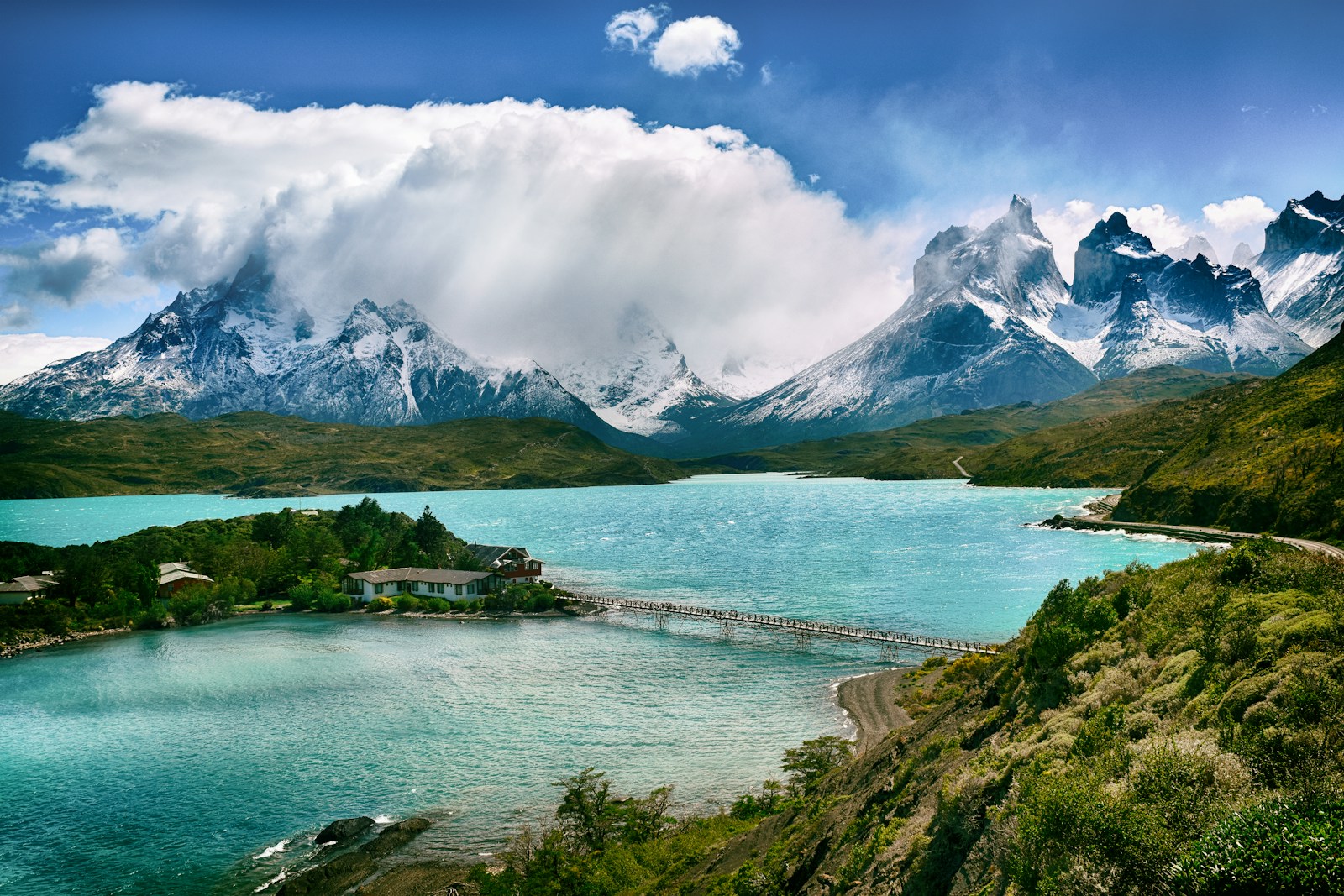
Tores del Paine is Chile’s celebrated Patagonian icon: granite peaks, turquoise lakes, glaciers, stepe, and excellent hiking. Visitors can choose short walks, day trips, or multi-day treks on the W and O circuits. Campsites and refugios on popular routes should be reserved well ahead through the appropriate operators, and park entrance tickets should be checked through PasesParques.
The Chile Travel park guide recommends arriving early for sunrise light on the towers. We agree with the spirit of that advice, with one caveat: check the weather and access plan first. A spectacular dawn is less compelling if you are hiking in unsafe conditions.
15. Alberto de Agostini National Park
For a wilder, water-based Patagonia experience, Alberto de Agostini offers fjords, glaciers, islands, and steep mountain scenery. It is generally approached through organized boat or kayak excursions rather than casual road access. Confirm what is included in the trip, how exposed you will be to weather, and what clothing the operator recommends.
The Route of Parks of Patagonia: From Puerto Mont to Cape Horn
The Route of Parks of Patagonia is a conservation and travel network connecting 17 national parks from Puerto Mont toward Cape Horn. Its published overview describes a route of roughly 1,700 miles and highlights 24 ecosystems, alongside benefits for surrounding communities.
Treat those figures as a description of the broader route, not a promise that every visitor will cover it all. It is a vast region with varied access, seasonal conditions, ferries, and remote stretches. The best version of the journey is usually a thoughtfully chosen section, not a race to tick every park off a list.
How to plan a Caretera Austral and Patagonia parks road trip
- Choose a route segment. Decide whether you are focusing on the northern lakes-and-forest section, Aysén, or the far south.
- Map transport realistically. Mark ferry crossings, road surfaces, fuel stops, and overnight bases. Use the Route of Parks map as a planning aid, then confirm current details locally.
- Check vehicle suitability. Ask rental companies whether your planned roads and ferry crossings are permitted, and review coverage terms before booking.
- Build in spare time. Weather, ferry schedules, and road conditions can shift. A buffer day is not wasted; it is insurance against an itinerary held together by wishful thinking.
- Book key stays and activities. Popular campsites, refugios, guided outings, and boat trips may have limited capacity.
- Carry essentials between towns. Remote stretches may have limited food, fuel, connectivity, and services.
- Recheck conditions before departure. Confirm park access, closures, ferry operations, and trail status shortly before each leg.
Suggested itineraries for 7, 14, and 21 days
These are planning frameworks, not fixed schedules. Actual driving times and access depend on road, ferry, and weather conditions.
| Trip length | A practical focus | Pace |
|---|---|---|
| 7 days | Base yourself around Puerto Varas and explore Vicente Pérez Rosales, or choose one compact Aysén section | Best for fewer transfers and more day trips |
| 14 days | Combine selected lakes-region parks with a carefully planned Caretera Austral segment | Allows a mix of road travel and hikes |
| 21 days | Link several parks along the Route of Parks, with rest and weather-buffer days | Better for travelers comfortable with remote logistics |
Avoid trying to combine Torres del Paine, Aysén, the Lake District, and the Atacama in a single short trip. Chile’s map may look narrow, but the travel time is not.
Lakes, glaciers, steppes, fjords, and channels
The Route of Parks passes through landscapes that change dramatically from one region to another: rainforest, Andean lakes, Patagonian stepe, glaciers, fjords, and channels. The route’s conservation vision also connects visitors with communities and local services, rather than treating the parks as isolated scenery. For cultural context and local experiences, explore our Cultural Experiences guides.
The Route of Parks organization describes the project as a way to connect conservation and travel. Its figures about ecosystems, communities, and economic benefits refer to the network as a whole; they should not be interpreted as a guarantee that every park or town receives equal benefit. Choosing locally operated lodging, food, transport, and guiding services is a practical way to make your own trip more supportive.
Best Time to Visit Chile’s National Parks
There is no single perfect season across a country stretching from desert to subantarctic islands. The best time depends on the region, activity, access, and your tolerance for crowds or cold.
Season-by-season weather and daylight
| Season | What it can offer | What to plan for |
|---|---|---|
| Spring | New growth, flowers, fewer visitors in some areas | Variable weather, lingering snow or closures in mountain areas |
| Summer | Longer daylight and broad access in many southern parks | Higher demand, advance reservations, sun exposure, and possible fire restrictions |
| Autumn | Colorful foliage and quieter shoulder-season travel | Shorter daylight and increasing weather uncertainty |
| Winter | Snowy scenery and winter activities in suitable regions | Reduced access, road hazards, shorter days, and seasonal closures |
For Patagonia, Explora’s planning guide also describes the December–February period as the most popular and notes the appeal of spring and autumn for visitors seeking different seasonal scenery. Conditions differ by location, so check the forecast and park notices rather than relying on a countrywide season label.
When to hike, see wildlife, or visit glaciers
- For multi-day hiking: the warmer months generally offer longer days and more services, but popular circuits book out.
- For quieter trails: shoulder seasons can be rewarding, provided you confirm weather, transport, and opening status.
- For wildlife: sightings are never guaranteed. Move quietly, keep a safe distance, and avoid feeding animals.
- For glaciers and boat trips: check operator schedules, sea or lake conditions, and cancellation policies.
- For desert and high-altitude parks: plan around heat, sun exposure, elevation, and seasonal access.
Getting to Chile’s Parks: Flights, Buses, Ferries, and Rental Cars
Most travelers use a combination of flights, buses, rental cars, ferries, and local transfers. The right mix depends on whether you want a fixed base or a flexible road trip.
Driving the Caretera Austral and remote park roads
Driving offers flexibility in remote regions, but it requires more planning than following a navigation app. Confirm the road surface and vehicle restrictions with your rental provider, and check ferry schedules and booking requirements where relevant.
Before setting out:
- Fill up when fuel is available; do not assume the next town has a station.
- Download offline maps and save accommodation details.
- Keep water, snacks, warm layers, and a basic first-aid kit in the vehicle.
- Leave extra time for gravel roads, weather, and ferry connections.
- Never drive a route that your rental agreement or insurance excludes.
Public transport, park shuttles, and guided tours
Buses and organized tours can reduce driving stress around popular hubs, including Puerto Varas and Puerto Natales. However, services may be limited in remote areas and less frequent outside peak season. Ask accommodation providers and park operators about current transport connections, and verify return times before committing to a trail.
A guided excursion can be particularly useful for remote glaciers, wildlife viewing, or areas where access logistics are complicated. Compare group size, safety arrangements, inclusions, and cancellation terms rather than choosing on scenery alone.
Ferries, border crossings, and route planning
Ferries are part of travel in southern Chile, not an optional scenic flourish. Check current departure schedules, vehicle reservation rules, and weather-related service updates with the relevant operator. If your itinerary crosses into Argentina, verify border requirements, vehicle paperwork, and entry rules for your nationality through official government sources.
Park Reservations, Entrance Tickets, and Camping Permits
Entry tickets, trail reservations, campsites, and refugios are often separate bookings. This is especially important at popular destinations such as Torres del Paine, where a park ticket alone may not secure a place to sleep on a multi-day trek.
How to check current access and booking requirements
Use this sequence:
- Identify the park’s manager. State-managed parks and private reserves may use different systems.
- Check the official visitor page. Look for opening status, trail closures, operating hours, and special restrictions.
- Use the designated ticket platform. For many CONAF-managed areas, start with PasesParques, then follow the park’s current directions.
- Book overnight stays separately. Reserve campsites and refugios with the authorized providers for your route.
- Save confirmation details offline. Remote parks may have weak mobile service.
- Recheck before traveling. Conditions can change after you book.
Chile Travel advises advance planning and ticket purchases for many managed areas. Because requirements vary by park and can change, the official park or ticketing page is more reliable than an old blog post or a screenshot from last season.
Camping, refugios, and backcountry stays
Options range from equipped campsites to refugios, lodges, and remote backcountry camps. Read what each booking includes: bedding, meals, cooking facilities, water, transport, and waste arrangements may differ.
For multi-day treks:
- Reserve each overnight stop in the correct sequence.
- Confirm maximum stay rules and check-in times.
- Pack according to the site’s facilities; do not assume there is a shop.
- Follow fire restrictions and use only permitted cooking systems.
- Carry out your rubbish where required.
Hiking and Outdoor Activities in Chile’s Protected Areas
Chile’s protected areas offer everything from short viewpoints to demanding multi-day treks. The main trick is matching the outing to your actual ability and the day’s conditions, not your most ambitious holiday-self.
Day hikes, multi-day treks, and accessible trails
| Activity style | Good match for | Planning priority |
|---|---|---|
| Short viewpoint walk | Families, time-limited visits, casual walkers | Check distance, surface, and access |
| Half- or full-day hike | Regular walkers | Review elevation gain, daylight, and water needs |
| Multi-day circuit | Experienced hikers | Book all overnights and prepare for changing weather |
| Accessible trail or viewpoint | Visitors seeking lower-impact routes | Confirm current accessibility information with the park |
| Boat or kayak excursion | Glacier and fjord regions | Check operator safety, weather, and equipment |
The W and O circuits in Torres del Paine require advance planning and overnight reservations. In other parks, a well-chosen day hike may provide a more relaxed experience than trying to force a multi-day itinerary into limited time.
Wildlife watching, kayaking, climbing, and glacier trips
Wildlife viewing works best when it is quiet and patient. Use binoculars rather than approaching animals, and follow the guidance of park staff or licensed guides. Kayaking and glacier excursions should be booked with operators who explain safety equipment, weather decisions, and the physical demands of the trip.
Climbing and backcountry travel may require additional permissions or specialist preparation. Confirm the rules with the park, and do not assume that a route shown on a map is open or suitable for independent travel.
Choosing trails for your fitness and experience
Before selecting a trail, assess:
- Distance and elevation gain.
- Trail surface and exposure to wind or sun.
- Expected weather and daylight.
- Your experience on similar terrain.
- Whether the route requires a guide, booking, or special equipment.
- Your turnaround time if conditions worsen.
A useful rule: if the route description says “demanding,” do not treat that as a decorative adjective. Ask park staff or your guide about current conditions and be willing to choose a shorter trail.
Wildlife, Plants, and Chile’s Remarkable Ecosystems
Chile’s protected areas shelter distinctive wildlife and plants, from high-Andean species to forest birds and Patagonian mammals. Sightings depend on habitat, season, weather, and luck; wildlife is not a scheduled performance.
Where to look for pumas, guanacos, condors, and foxes
Patagonian stepe habitats offer possibilities for spotting guanacos, foxes, and condors, while pumas are present in some areas but are elusive and should always be observed responsibly. Forest parks can be rewarding for birdwatching, including woodpeckers and other native species. Private reserves such as Tantauco Park highlight habitat for species including Darwin’s fox, pudú, and the black woodpecker.
For better wildlife encounters:
- Go with a knowledgeable local guide when appropriate.
- Keep your distance and never feed animals.
- Use binoculars or a zoom lens.
- Stay on marked trails and quiet observation areas.
- Avoid sharing sensitive wildlife locations if that could increase disturbance.
Desert, high-altitude, forest, and Patagonian habitats
Chile’s range of environments is one reason park-hopping can feel like traveling between different countries. Northern parks protect high-altitude landscapes and desert ecosystems; central areas include Mediterranean habitats; southern parks protect temperate forests, lakes, glaciers, and stepe. The Route of Parks organization describes its Patagonian network as spanning 24 ecosystems, but individual species and conditions vary by park.
We once packed for a southern forest walk as if “forest” meant gentle and dry. The trail answered with mud, mist, and a lesson in why waterproof layers belong in the daypack. Let the habitat, not the postcard, dictate your gear.
What to Pack for Chilean Parks
Pack for the conditions and activities you actually expect, with room for weather to change its mind.
Clothing and gear for changing weather
- Layering system: moisture-wicking base layer, warm mid-layer, and waterproof outer shell.
- Footwear: broken-in hiking boots or trail shoes suited to the terrain.
- Sun protection: hat, sunglasses, and sunscreen, especially in high-altitude and exposed areas.
- Rain protection: waterproof jacket and, for wet regions, rain covers or waterproof bags.
- Navigation: downloaded offline map, charged phone, and a power bank.
- Daypack: enough capacity for water, food, warm layers, and emergency supplies.
Brands such as Osprey, Patagonia, Merell, and Salomon make outdoor gear, but fit and weather suitability matter more than a logo. Try footwear before your trip rather than introducing brand-new boots halfway up a mountain.
Food, water, navigation, and emergency supplies
Bring enough food and water for your planned route, plus a small reserve. In remote areas, do not count on shops, mobile coverage, or water sources being available at the exact moment you need them.
Useful additions include:
- First-aid basics and any personal medication.
- Headlamp and spare batteries.
- Emergency blanket or extra insulating layer.
- Water treatment method where appropriate.
- Offline park maps and saved transport details.
- A small rubbish bag to carry out waste.
Safety, Health, and Responsible Travel
The safest park visit is one that respects both natural hazards and the limits of your group. Check current warnings, tell someone your plan when traveling remotely, and turn around if conditions become unsafe.
Altitude, weather, fires, and trail hazards
In high-altitude parks, ascend gradually where possible and take symptoms seriously. In Patagonia, wind and rain can make a familiar trail much more demanding. Check official forecasts and park alerts, and do not cross closed trails or barriers.
Fire rules can be strict, especially during dry periods. Use only approved cooking areas and follow park instructions. The CONAF website publishes information related to protected areas and forest fire prevention; check local restrictions before traveling.
Leave No Trace, wildlife etiquette, and fire rules
Responsible park behavior is straightforward, though not always glamorous:
- Stay on marked trails.
- Pack out rubbish.
- Keep a respectful distance from wildlife.
- Do not feed animals or disturb nests.
- Follow pet and drone restrictions.
- Use toilets and waste systems as directed.
- Leave plants, rocks, fossils, and cultural objects where they are.
- Never light a fire unless explicitly permitted.
Supporting local communities and conservation
The Route of Parks of Patagonia emphasizes the connection between conservation, tourism, and communities along the route. Visitors can support that connection by choosing local guides, locally run accommodations, regional food businesses, and authorized transport providers.
The route organization reports broader economic benefits from investment in national parks. Such figures describe the network’s overall case for conservation-linked tourism, not guaranteed income for every business or community. Your own contribution is more direct: spend thoughtfully, respect local guidance, and avoid treating rural services as endlessly available.
Where to Stay Near Chile’s National Parks
Accommodation ranges from campsites and refugios to cabins, hotels, and lodges. Availability can be limited near popular parks, so reserve early when your travel dates are fixed.
Campsites, cabins, lodges, and refugios
- Campsites: flexible and close to nature, but facilities vary widely.
- Refugios: useful for multi-day trekking, with specific booking rules and limited capacity.
- Cabins and guesthouses: practical for families or travelers wanting a kitchen and a warm place to dry gear.
- Lodges and hotels: often offer guided activities or transfers, but check exactly what is included.
- Private-reserve accommodation: may be part of a broader package with park access or excursions.
At Huilo Huilo, the official site lists accommodation and activities across the reserve; check Huilo Huilo’s current options directly. For other private lands, use the operator’s own booking site rather than relying on third-party descriptions for access rules.
Best gateway towns and park bases
| Gateway or base | Useful for |
|---|---|
| Arica | Northern Chile and Lauca access |
| Puerto Varas | Vicente Pérez Rosales and the Lake District |
| Chaitén | Pumalín and northern Caretera Austral travel |
| Coyhaique | Aysén logistics and regional supplies |
| Puerto Natales | Torres del Paine planning and trekking services |
| Punta Arenas | Far southern travel connections |
A gateway town can save time, but it is not a substitute for checking distances and road conditions. Confirm how you will reach the park entrance, trailhead, or boat departure point before booking a stay.
Practical Tips for a Smooth Chile Parks Trip
Small details make a big difference when your nearest shop may be several hours away.
Connectivity, cash, supplies, and language
- Download maps and confirmations before leaving towns.
- Keep some backup payment options; remote services may not accept every card.
- Carry essential medication and personal supplies.
- Learn basic Spanish phrases for directions, weather, and transport.
- Ask locally about road, trail, and ferry conditions rather than relying only on an app.
For travelers watching spending, our Budget Travel guides can help you plan transport and accommodation trade-offs without cutting essential safety gear.
Common planning mistakes to avoid
❌ Trying to cover too much ground. Long distances and ferries consume real time.
❌ Assuming park entry includes camping. Overnight bookings are often separate.
❌ Leaving tickets until arrival. Some parks require advance purchase.
❌ Underpacking for rain and wind. A sunny departure is not a weather guarantee.
❌ Starting a high-altitude hike immediately. Allow time to adjust.
❌ Relying on mobile signal. Download what you need in advance.
❌ Treating wildlife sightings as guaranteed. Give nature the right of refusal.
❌ Ignoring local closures. A closed trail is closed for a reason.
Frequently Asked Questions About Chile’s Natural Parks
How much does it cost to enter Chile’s national parks?
Entrance fees vary by park, visitor category, and ticket type, and they can change. Some parks use PasesParques, while private reserves set their own fees and booking systems. Check the official park or reserve site immediately before travel; do not rely on old prices copied into travel articles.
What wildlife can I expect to see in Chile’s protected areas?
Depending on the region, visitors may see guanacos, foxes, condors, pudús, native birds, and other wildlife. Pumas and more elusive species are possible in some habitats, but sightings are never guaranteed. Keep your distance, stay quiet, and follow local guidance.
Are there guided tours available for Patagonia’s national parks?
Yes. Guided hikes, wildlife excursions, boat trips, and kayak outings are available in many areas, with availability depending on the park and season. Choose operators who explain safety procedures, group size, equipment, and weather-related cancellation policies. For remote routes, a guide may add local knowledge and simplify logistics.
When is the best time of year to explore Chile’s natural parks?
It depends on the region and activity. Summer generally brings longer daylight and high demand in Patagonia; spring and autumn can be quieter but more variable. Northern high-altitude parks and private reserves follow their own seasonal patterns. Check current access, weather, and services for each park rather than applying one season to all of Chile.
What permits are required to visit Chilean nature reserves?
Most visitors need an entrance ticket, and some parks require advance reservations for trails, campsites, refugios, or specific activities. Private reserves use their own systems. Confirm requirements with the park’s official manager or PasesParques where applicable. Do not assume that a park entrance ticket covers overnight stays or guided excursions.
How do I get to Torres del Paine National Park from Santiago?
A common route is to fly from Santiago to Punta Arenas or Puerto Natales when flights are available, then travel onward by bus, rental car, organized transfer. Routes and flight schedules vary by season. Confirm airport connections, ground transport, park access, and accommodation before booking your flights.
What are the best national parks to visit in Chile for hiking?
For iconic multi-day trekking, Tores del Paine is a leading choice. Cerro Castillo suits experienced hikers seeking dramatic mountain terrain, while Conguillío, Huerquehue, and La Campana offer strong day-hiking options. Match the park to your fitness, season, transport, and willingness to book ahead.
What should I pack for a trip to Chile’s nature reserves?
Bring layered clothing, a waterproof shell, suitable footwear, sun protection, water, food, offline navigation, a headlamp, and basic first-aid supplies. Add region-specific gear for cold, altitude, wet forest, or long backcountry routes. Pack for the least favorable likely conditions, not just the forecast at your hotel.
Can I explore Chile’s national parks without a guide?
Many marked trails and developed visitor areas can be explored independently, provided the park allows it and you meet its requirements. Remote routes, technical activities, or boat-based excursions may require a guide, booking, or specialist equipment. Check official park rules and trail conditions first.
How do I get to Patagonia’s most popular national parks?
Access varies by park. Torres del Paine is commonly reached from Puerto Natales or Punta Arenas; parks along the Caretera Austral require road and sometimes ferry planning; remote fjord and glacier parks may be reached by organized boat trips. Use official operator schedules and build in weather and transfer buffers.
Are private reserves different from national parks?
Yes. Private reserves such as Huilo Huilo and Tantauco have separate management, booking systems, fees, operating hours, and activity rules. They can offer guided excursions and accommodation, but you should confirm access directly with the reserve. Their admission is not covered by a national park ticket.
Can I visit Chile’s parks with children?
Many parks have short walks and viewpoints suitable for families, but terrain, altitude, weather, and facilities differ substantially. Check trail length, elevation, toilets, transport, and emergency access before choosing a route. Keep children close near water, cliffs, wildlife, and exposed trails.
Reference Links
- CONAF: National Parks and Protected Areas
- PasesParques: Official park ticketing information
- Chile Travel: Chile’s Parks and Nature Reserves
- Route of Parks of Patagonia
- Explora: Patagonia Travel in Argentina and Chile
- Huilo Huilo Biological Reserve
- Tantauco Park
- Chile Travel: Official Visitor Information
- Chile Vacay: Your Guide to Unforgettable Chilean Adventures
- First featured video: Chile’s most beautiful national parks