Support our educational content for free when you purchase through links on our site. Learn more
Luxury Puma Tracking in Patagonia: 4 Ways to Go 🐆

Luxury puma tracking Patagonia expeditions are best experienced from a comfortable lodge near Torres del Paine, with a knowledgeable local guide, patient wildlife viewing, and enough days in the field to let the landscape set the pace. You get wilderness without having to rough it—and, just as importantly, responsible tracking rather than a promise that a wild cat will appear on cue.
We learned quickly that Patagonia’s grandest show doesn’t always begin with a dramatic entrance. On a wind-brushed morning near Torres del Paine, the guide paused, scanned the grassland, and pointed out fresh tracks before anyone in our group had spotted a puma. That quiet detective work is part of the thrill: tracking is an experience, not a guaranteed sighting.
Below, we break down expedition styles, seasons, lodges, transport, packing, and ethical viewing so you can choose a trip that fits your comfort level—and your expectations.
Key Takeaways
- Choose a specialist guide and stay several days. Puma encounters are wild and unpredictable; extra time gives you more opportunities to track without turning a sighting into a promise.
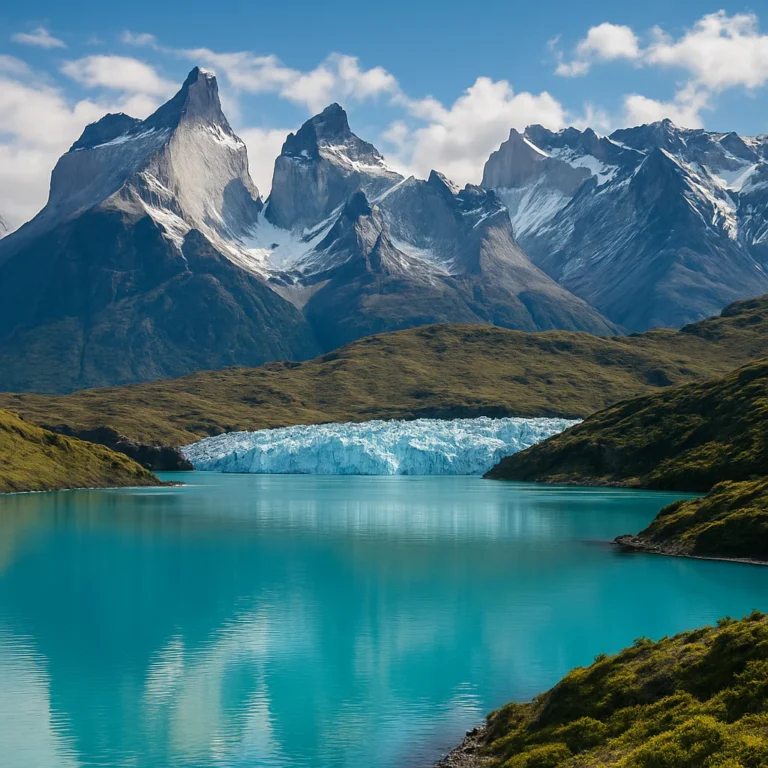
- Tores del Paine is the best-known base for puma tracking in Chilean Patagonia. Combine wildlife drives with time for the park’s trails, mountains, and open stepe.
- Luxury can mean a warm lodge, private transfers, and flexible guiding—not guaranteed wildlife. Ask what’s included, how groups are managed, and what happens if conditions change.
- Travel in Patagonia’s spring or summer for longer daylight and easier access, while remembering that wind, weather, and wildlife behavior can reshape any day’s plan.
- Prioritize ethical viewing. Follow your guide’s instructions, keep a respectful distance, and never pressure anyone to approach or disturb a puma.
Table of Contents
- ⚡️ Quick Tips and Facts
- 🐆 Puma Tracking in Patagonia: What to Expect
- Where to See Pumas in Patagonia
- How Puma Tracking Works
- Puma Tracking vs. Puma Sightings
- 🏔️ Patagonia’s Puma Country: Background and Conservation
- Pumas of Torres del Paine and Chilean Patagonia
- Ethical Wildlife Viewing and Conservation
- ✨ Luxury Puma Tracking Expedition Styles
- 1. Private Puma Tracking Safari
- 2. Luxury Lodge-Based Wildlife Expedition
- 3. Private Overland Patagonia Safari
- 4. Puma Tracking and Multi-Day Treking Combination
- 🧭 How to Choose the Right Patagonia Puma Expedition
- Private Guides, Group Sizes, and Tracking Time
- Lodges, Estancias, and Luxury Accommodation
- What’s Typically Included in a Luxury Safari
- 📍 Where to Stay for Puma Tracking in Torres del Paine
- Luxury Lodges and Estancias Near the Park
- Choosing the Best Base for Wildlife Photography
- 📅 When to Visit Patagonia for Puma Tracking
- Seasonal Weather and Daylight
- Best Time for Wildlife Photography
- 🛫 How to Get to Patagonia and Torres del Paine
- Flying to Punta Arenas or Puerto Natales
- Transfers, Park Entry, and Border Crossings
- 🎒 What to Pack for a Luxury Puma Tracking Safari
- Layering for Patagonia’s Unpredictable Weather
- Camera Gear and Wildlife Photography Essentials
- 📷 Puma Tracking Etiquette and Field Safety
- Responsible Viewing Distances and Guide Instructions
- Accessibility, Fitness, and Family Considerations
- 💬 Guest Experiences: Puma Tracking and Patagonia Safari Reviews
- What Travelers Love About Guided Puma Tracking
- Setting Realistic Expectations for Wildlife Encounters
- 🤝 Planning Your Expedition with a Patagonia Specialist
- Questions to Ask Before Booking
- Custom Itineraries and Trip Timing
- 🗺️ Sample Luxury Puma Tracking Itineraries
- Three-Day Torres del Paine Wildlife Escape
- Five-Day Puma Tracking and Patagonia Highlights
- One-Week Chilean Patagonia Expedition
- 💡 Quick Planning Tips for a Smother Expedition
- 🏁 Conclusion
- 🔗 Recommended Links
- ❓ FAQ
- Are puma sightings guaranteed in Patagonia?
- Is puma tracking safe?
- How many days should I spend tracking pumas?
- Can beginners join a puma tracking expedition?
- What should I wear for puma tracking?
- Can I combine puma tracking with hiking in Torres del Paine?
- 📚 Reference Links