Support our educational content for free when you purchase through links on our site. Learn more
🎭 40 Chilean Actors and Musicians to Know

What are some popular Chilean actors and musicians to know about? Start with actors Pedro Pascal and Daniela Vega, and musicians Mon Laferte, Víctor Jara, Violeta Para, and Los Prisioneros. Together, they offer a lively introduction to Chile’s screen and music culture, from global hits to songs that have become part of the country’s history.
One striking example: Víctor Jara’s “El derecho de vivir en paz” outlived its original moment, becoming an enduring anthem heard across generations. Chilean entertainment is just as varied elsewhere, spanning Hollywood roles, award-winning cinema, folk, rock, pop, hip-hop, and cumbia.
Key Takeaways
- Pedro Pascal, Cote de Pablo, and Daniela Vega are among the Chilean or Chile-connected actors with major international recognition.
- Violeta Para and Víctor Jara are essential names in Chilean folk and nueva canción; Los Prisioneros helped define Chilean rock.
- Mon Laferte, Ana Tijoux, Myriam Hernández, and Los Jaivas show the range of Chilean music across generations and genres.
- Start watching with A Fantastic Woman and Gloria for acclaimed Chilean performances, then explore No and Los 80 for stories connected to the country’s history.
- Popularity depends on audience and era: global fame, local TV stardom, artistic influence, and cultural legacy are different kinds of recognition.
Table of Contents
- ⚡️ Quick Tips and Facts: Chilean Actors and Musicians
- 🎬 Chilean Actors to Know: Film, TV, and International Stars
- 1. Pedro Pascal
- 2. Cote de Pablo
- 3. Daniela Vega
- 4. Alfredo Castro
- 5. Paulina García
- 6. Luis Gnecco
- 7. Antonia Zegers
- 8. Benjamín Vicuña
- 9. Leonor Varela
- 10. Santiago Cabrera
- 11. Aline Kuppenheim
- 12. Amparo Noguera
- 13. Francisco Reyes
- 14. Mariana Loyola
- 15. Gonzalo Valenzuela
- 16. Sigrid Alegría
- 17. Tamara Acosta
- 18. Manuela Martelli
- 19. Marko Zaror
- 20. Cristián de la Fuente
- 🎵 Popular Chilean Musicians and Bands Across Generations
- 1. Violeta Para
- 2. Víctor Jara
- 3. Inti-Illimani
- 4. Quilapayún
- 5. Los Jaivas
- 6. Los Prisioneros
- 7. Los Tres
- 8. Mon Laferte
- 9. Myriam Hernández
- 10. Ana Tijoux
- 11. Gepe
- 12. Javiera Mena
- 13. Los Bunkers
- 14. Francisca Valenzuela
- 15. Denise Rosenthal
- 16. Cami
- 17. Paloma Mami
- 18. Pablo Chill-E
- 19. Chancho en Piedra
- 20. Chico Trujillo
- 📚 Chilean Film, Television, and Music: A Brief Cultural History
- 🌎 Chilean Stars Who Found International Fame
- 🎭 Chilean Acting: Landmark Films, TV Shows, and Performances
- 🎸 Chilean Music Styles: Nueva Canción, Rock, Pop, Hip-Hop, and Cumbia
- 🎧 Where to Watch Chilean Films and Listen to Chilean Music
- 🗺️ How Chile’s Regions and Indigenous Cultures Shape Its Arts
- ✅ Quick Tips for Exploring Chilean Entertainment
- 🏁 Conclusion
- 🔗 Recommended Links
- ❓ FAQ: Popular Chilean Actors and Musicians
- 📖 Reference Links
⚡️ Quick Tips and Facts: Chilean Actors and Musicians
If you’re starting a Chile trip playlist or trying to recognize the country’s biggest screen stars, begin with Pedro Pascal, Daniela Vega, Mon Laferte, Víctor Jara, and Los Prisioneros. For a wider introduction to celebrities connected to Chile, see our guide to 15+ top Chilean celebrities.
| Quick fact | What to know |
|---|---|
| A global acting breakthrough | Sebastián Lelio’s A Fantastic Woman, starring Daniela Vega, won the Academy Award for Best Foreign Language Film at the 2018 Oscars. |
| A defining Chilean music tradition | The nueva canción chilena movement blended folk traditions with social and political themes. Violeta Para and Víctor Jara are two of its most influential figures. |
| Chile’s biggest modern Hollywood name | Santiago-born Pedro Pascal is known internationally for The Last of Us, The Mandalorian, and Narcos. |
| An internationally acclaimed singer | Mon Laferte combines rock, pop, and Latin influences. Her album Norma received a Latin Grammy nomination. |
| An iconic Chilean rock band | Los Prisioneros’ songs, including “El baile de los que sobran,” remain closely associated with Chilean youth culture and social protest. |
| A small spelling detail | The folk artist’s name is Violeta Para, not “Violeta Para”; Isabel Para is her daughter. Names matter, especially when the playlist is good enough to deserve accurate liner notes. |
Our quick-start listening and watching list: try A Fantastic Woman, No, and Gloria; then listen to Violeta Para, Víctor Jara, Los Prisioneros, Mon Laferte, and Ana Tijoux. That mix spans several eras and styles without pretending Chilean culture fits into one tidy playlist.
A note on “most popular”: fame depends on the audience, generation, and medium. A Hollywood viewer might say Pedro Pascal; a Chilean television fan may name a beloved telenovela actor; a music historian might start with Violeta Para. We’ll keep those perspectives distinct rather than treating celebrity as a single scoreboard.
🎬 Chilean Actors to Know: Film, TV, and International Stars
Chilean screen talent reaches from Hollywood and international television to acclaimed local films and long-running telenovelas. Some actors are recognizable worldwide; others are essential to understanding Chilean cinema and TV even if their names are less familiar abroad.
The selections below are a practical introduction, not an official ranking. For wider celebrity coverage across entertainment and other fields, our Chile celebrity guide offers another overview.
| Actor | Best-known work | Why they’re worth knowing |
|---|---|---|
| Pedro Pascal | The Last of Us, The Mandalorian, Narcos | Chile-born star with a major international screen career |
| Cote de Pablo | NCIS | Santiago-born actor known to global television audiences |
| Daniela Vega | A Fantastic Woman | Landmark performance in an Academy Award-winning film |
| Alfredo Castro | The Club, No, Tony Manero | One of Chile’s most acclaimed film and stage actors |
| Paulina García | Gloria | Berlin Silver Bear-winning actor with a celebrated lead performance |
| Luis Gnecco | No, Neruda | A familiar face in Chilean and international productions |
| Antonia Zegers | The Club, A Fantastic Woman | Aclaimed actor with frequent collaborations in Chilean cinema |
| Benjamín Vicuña | Los 80, Vis a vis | Film and television career spanning Chile and other Spanish-speaking markets |
| Leonor Varela | Cleopatra, Blade II | Chile-born actor with an international career |
| Santiago Cabrera | Heroes, The Musketers | Chilean actor known for international television roles |
1. Pedro Pascal
Born in Santiago, Pedro Pascal became a familiar face to global audiences through roles in Narcos, The Mandalorian, and HBO’s The Last of Us. His career is a good reminder that a Chilean actor’s story can travel well beyond Chilean-language cinema.
Pascal’s popular characters often balance vulnerability with dry humor and stubborn courage. If you know him only as the helmeted Din Djarin or Joel, seek out a broader range of his work; his early television appearances show the long road behind the recent stardom.
Why he matters: Pascal is one of Chile’s most internationally visible actors, but he is one part of a much deeper acting tradition rather than the whole story.
2. Cote de Pablo
Cote de Pablo, born in Santiago, became internationally known for playing Ziva David on the long-running American television series NCIS. She moved to the United States as a child and built a career across television, film, and stage.
Her role made her a standout in a major ensemble series and introduced many viewers to a performer with Chilean roots. As with other actors who grow up across countries, her identity and career resist a simple “one place, one label” summary.
3. Daniela Vega
Daniela Vega starred in Sebastián Lelio’s A Fantastic Woman (Una mujer fantástica), a drama whose central character is a transgender woman navigating grief and prejudice. The film won the Academy Award for Best Foreign Language Film at the 2018 Oscars.
Vega’s performance brought international attention to Chilean cinema and to the importance of transgender representation. She was also the first openly transgender presenter at the Oscars ceremony, a milestone noted by the Academy.
Worth watching: see the film for Vega’s performance, but also for its restrained filmmaking and its portrait of a person insisting on dignity in a hostile world.
4. Alfredo Castro
Actor, director, and theater practitioner Alfredo Castro has worked across Chilean stage and screen. International audiences may know him from films such as Pablo Larraín’s No, The Club (El club), and Tony Manero.
Castro’s screen presence is often intense and unsettling; he can make a quiet scene feel like a locked room. His collaborations with prominent Chilean filmmakers have helped bring local stories to international festival audiences.
5. Paulina García
Paulina García earned broad international recognition for playing the title character in Sebastián Lelio’s Gloria. Her performance won the Silver Bear for Best Actress at the Berlin International Film Festival.
The film follows a middle-aged woman pursuing love, pleasure, and independence. García makes Gloria funny, resilient, and gloriously imperfect. It’s an excellent introduction to contemporary Chilean cinema that doesn’t rely on historical background to connect with viewers.
6. Luis Gnecco
Luis Gnecco is a Chilean actor known for a wide-ranging career in film and television. International viewers may recognize him from No and Neruda, both directed by Pablo Larraín, while Chilean audiences know his work across local productions.
He’s a useful name to remember when exploring Chilean cinema: one film might place him in a political drama, another in a more intimate character story. Look for him in the cast rather than assuming a familiar face is just a supporting player.
7. Antonia Zegers
Antonia Zegers has built a strong career in Chilean film and television, including roles in The Club and A Fantastic Woman. Her performances frequently sit at the intersection of personal conflict and the larger social structures around a character.
For travelers interested in Chilean film beyond the biggest international titles, Zegers is a compelling guide to the country’s contemporary screen culture.
8. Benjamín Vicuña
Actor Benjamín Vicuña is a familiar presence in Chilean television and has also worked in film and productions across Latin America and Spain. His credits include the Chilean series Los 80 and Spanish-language television dramas such as Vis a vis.
Vicuña’s career illustrates how Spanish-language entertainment crosses borders: actors may work in several countries without leaving the language, audience, or cultural connections behind.
9. Leonor Varela
Leonor Varela, born in Santiago, has appeared international productions including Blade II and the historical television series Cleopatra. Her work spans English- and Spanish-language projects, making her one of the Chile-born actors whose career has moved between different entertainment industries.
10. Santiago Cabrera
Born in Caracas to Chilean parents, Santiago Cabrera is associated with Chile through family and identity, while his life and career have crossed several countries. He is known internationally for television roles in Heroes, The Musketers, and Salvation.
His story is a useful reminder that “Chilean actor” can describe birthplace, heritage, citizenship, or cultural connection—and those categories do not always line up neatly.
11. Aline Kuppenheim
Aline Kuppenheim is an acclaimed Chilean actor and theater artist, known for work in film, television, and stage productions. Her film credits include A Fantastic Woman, while her career also reflects the importance of theater within Chile’s performing-arts scene.
12. Amparo Noguera
A respected figure in Chilean television, Amparo Noguera has appeared in numerous series and telenovelas. She is especially familiar to viewers who follow Chilean broadcast drama and demonstrates how domestic television stars can be major cultural names even without Hollywood visibility.
13. Francisco Reyes
Francisco Reyes is an established actor across Chilean television, film, and theater. He has appeared in many popular local productions, including the period and family dramas that helped make Chilean television a shared cultural reference point.
14. Mariana Loyola
Actor Mariana Loyola has worked across film and television, with screen credits that include A Fantastic Woman. Her career illustrates the overlap between Chile’s locally rooted TV industry and the internationally recognized film world.
15. Gonzalo Valenzuela
Gonzalo Valenzuela is known for roles in Chilean television and film as well as productions elsewhere in Latin America. He has been a regular presence in popular drama, where an actor’s public profile may grow through a long-running series rather than one high-profile film.
16. Sigrid Alegría
Sigrid Alegría is a prominent Chilean television and film actor, with a career spanning drama, comedy, and telenovelas. For an introduction to Chilean TV culture, her work is a good reminder that locally beloved performers may be more recognizable at home than abroad.
17. Tamara Acosta
Tamara Acosta is known for roles in Chilean film and television, including the much-loved series Los 80. The show follows a family during a politically charged period in Chilean history, using household life to make national change feel personal.
18. Manuela Martelli
Manuela Martelli first gained attention as an actor and later became a filmmaker. Her directorial debut, 1976, offers an intimate perspective on life under the dictatorship, helping connect Chile’s screen acting talent with a younger generation of filmmakers.
19. Marko Zaror
Action performer Marko Zaror is known for martial arts and stunt-heavy roles in films including Undisputed III: Redemption and John Wick: Chapter 4. If you’re exploring Chilean actors through action cinema, Zaror offers a very different screen style from the country’s celebrated drama and arthouse traditions.
20. Cristián de la Fuente
Cristián de la Fuente has worked as an actor and television personality in Chile and internationally, including Spanish-language and English-language productions. His career reflects the broad range of Latin American entertainment, where TV, film, and hosting often overlap.
🎵 Popular Chilean Musicians and Bands Across Generations
Chilean music moves between folk, protest song, rock, pop, hip-hop, cumbia, and contemporary urban sounds. The names below include historic innovators and current performers; they don’t all represent the same genre, generation, or audience.
| Musician or group | Sound or legacy | A good place to start |
|---|---|---|
| Violeta Para | Folk, songwriting, visual art | “Gracias a la vida” |
| Víctor Jara | Folk and protest song | “Te recuerdo Amanda” |
| Inti-Illimani | Nueva canción, Andean-influenced folk | “Vuelvo” |
| Quilapayún | Nueva canción and political folk | “El pueblo unido jamás será vencido” |
| Los Jaivas | Progressive rock with folk influences | “Todos juntos” |
| Los Prisioneros | Chilean rock and social commentary | “El baile de los que sobran” |
| Los Tres | Alternative rock rooted in Chilean traditions | “La espada & la pared” |
| Mon Laferte | Latin pop, rock, bolero influences | “Tu falta de querer” |
| Myriam Hernández | Latin pop and romantic ballads | “El hombre que yo amo” |
| Ana Tijoux | Hip-hop and socially conscious rap | “197” |
| Gepe | Indie pop with folk elements | “Hablar de ti” |
| Javiera Mena | Synth-pop and dance music | “Espada” |
| Los Bunkers | Rock | “Llueve sobre la ciudad” |
| Francisca Valenzuela | Pop and rock | “Muérdete la lengua” |
| Denise Rosenthal | Pop | “Cambio de piel” |
| Cami | Pop and soul-influenced vocals | “Aquí estoy” |
| Paloma Mami | Latin pop and urban music | “Not Steady” |
| Pablo Chill-E | Chilean trap | “Facts” |
| Chancho en Piedra | Funk rock | “Eligiendo una reina” |
| Chico Trujillo | New cumbia | “Loca” |
1. Violeta Para
Singer-songwriter, visual artist, and folklorist Violeta Para is one of the foundational figures of Chilean music. She traveled across Chile collecting and documenting folk songs, helping preserve traditions that might otherwise have disappeared from public view.
Her song “Gracias a la vida” became an international standard, covered by performers far beyond Chile. But Para’s influence is not limited to a single famous song: she helped shape the nueva canción chilena movement and inspired generations of artists to treat local culture as a living source of creativity.
For historical context on her work and legacy, the Memoria Chilena archive offers material on Chilean cultural history.
2. Víctor Jara
Víctor Jara was a singer-songwriter, theater director, and political activist whose music became closely associated with social justice and the nueva canción movement. His songs combine direct storytelling with melodies that are often simple enough to sing together—and powerful enough to linger long after the final note.
Jara was detained and killed in the aftermath of the 1973 military coup. His life and death are documented by the Víctor Jara Foundation, and his cultural legacy is inseparable from Chile’s history of political repression.
Start with “Te recuerdo Amanda” for its tender storytelling, then listen to “El derecho de vivir en paz” to hear the more openly political side of his work.
3. Inti-Illimani
Formed in Santiago in 1967, Inti-Illimani became one of the best-known groups associated with nueva canción chilena. Their music draws on Latin American folk traditions and instruments, while their history is closely tied to Chile’s political upheavals and years in exile.
Their career shows how Chilean music traveled even when many musicians could not safely remain at home. Try “Vuelvo” as an entry point, then explore the group’s wider catalog to hear how Andean sounds meet political song.
4. Quilapayún
Quilapayún is another major ensemble of Chilean nueva canción. Known for choral arrangements and politically engaged songs, the group recorded “El pueblo unido jamás será vencido,” a protest anthem that has been translated and performed internationally.
The song’s title means “The united people will never be defeated.” Its worldwide life is one of those rare musical journeys: a Chilean song that became part of protest movements far beyond its birthplace.
5. Los Jaivas
Los Jaivas are among Chile’s most influential rock bands. Formed in Viña del Mar, the group fused rock with folk and Andean musical influences, creating a sound that feels expansive without losing its Chilean roots.
For a first listen, try “Todos juntos,” then explore Alturas de Machu Pichu, the band’s ambitious musical setting of Pablo Neruda’s poetry. It’s a rewarding choice for anyone curious about how Chilean rock can sound both local and enormous.
6. Los Prisioneros
Fronted by Jorge González, Los Prisioneros became one of the defining Chilean rock bands of the 1980s. Their sharp lyrics addressed inequality, youth frustration, consumer culture, and political life—subjects that helped their music resonate across generations.
“El baile de los que sobran” remains one of their best-known songs. It is often discussed as a generational anthem, and it continues to appear in conversations about Chilean protest and public memory. That cultural life is more complicated than a single label: listeners also dance, sing, and reminisce to it.
7. Los Tres
Los Tres are widely associated with Chilean rock of the 1990s. Their sound draws on alternative rock while noding to older Chilean musical traditions, including cueca and rockabily influences.
Listen to “La espada & la pared” for a polished introduction, then explore the band’s more playful, locally inflected tracks. They’re a good choice if you want to hear Chilean rock that feels neither like a copy of U.S. grunge nor an exercise in folklore.
8. Mon Laferte
Mon Laferte, born Monserrat Bustamante in Viña del Mar, is one of Chile’s most internationally successful contemporary singers. Her music moves among rock, pop, bolero, and Latin styles, while her stage presence makes every performance feel emotionally unfiltered.
“Tu falta de querer” is a strong starting point; “Amárrame,” recorded with Juanes, shows a more playful side. Laferte has earned major Latin music recognition, including Latin Grammy wins and nominations; check the Latin Recording Academy artist page for current award details.
The appealing tension in her music is that it can sound lavish and raw at once. We’ve found that a live performance makes that contrast especially clear.
9. Myriam Hernández
Myriam Hernández is one of Chile’s best-known Latin pop singers, celebrated for romantic ballads and a powerful vocal style. Her songs became popular across Latin America, and her career helped bring Chilean pop into homes well beyond the country.
Start with “El hombre que yo amo” for the big ballad moment, then follow it with a live performance to hear why her voice has endured across decades.
10. Ana Tijoux
Rapper and songwriter Ana Tijoux blends hip-hop with socially aware lyrics and a distinct, measured delivery. Born in France to Chilean parents who were living in exile, she later became one of the most prominent voices in Latin American hip-hop.
Her song “197” introduced many listeners to her work; “Somos sur,” featuring Shadia Mansour, is another powerful collaboration. Tijoux’s international recognition includes a Latin Grammy win with the group Makiza and later solo nominations; the Latin Recording Academy provides award information.
11. Gepe
Gepe, the stage name of Daniel Riveros, is a Chilean singer-songwriter associated with indie pop and folk influences. His music often combines electronic production with acoustic textures, and his lyrics draw on everyday life and Chilean cultural references.
Try “Hablar de ti” or “Fruta y té” if you want a gentler alternative to arena-sized pop.
12. Javiera Mena
Javiera Mena is a Chilean singer-songwriter and producer known for synth-pop and dance-oriented music. Her bright electronic sound has gained a following across Latin America and Spain.
“Espada” is a memorable entry point, especially if your Chile playlist needs something with more neon than nostalgia.
13. Los Bunkers
Los Bunkers, from Concepción, became one of Chile’s most popular modern rock bands. Their songs draw on classic pop and rock traditions, with memorable melodies that work equally well through headphones and in a crowd.
Start with “Llueve sobre la ciudad” and “Bailando solo.” The band’s popularity also shows that major Chilean music stories are not all centered in Santiago.
14. Francisca Valenzuela
Singer-songwriter Francisca Valenzuela combines pop and rock with piano-led arrangements and direct lyrics. In addition to her music career, she co-founded the Ruidosa platform, which supports women and gender-diverse people in the Latin American music industry.
Her work connects a lively pop career with advocacy for greater visibility and equality across the music business.
15. Denise Rosenthal
Denise Rosenthal first became known as an actor and later built a music career as a pop singer. Her songs include “Cambio de piel” and “Agua segura,” and her career shows how Chilean entertainers often move between acting, television, and music.
16. Cami
Cami, born Camila Gallardo, is a Chilean singer known for powerful vocals and pop songs with soul and Latin influences. She first gained wider attention through the Chilean version of The Voice and went on to release successful albums.
Try “Aquí estoy” for a strong introduction to her expressive voice.
17. Paloma Mami
Paloma Mami, born Paloma Castillo in New York to Chilean parents, became a major name in Chilean and Latin urban pop. Her music draws on regaeton, R&B, and contemporary pop production.
“Not Steady” helped introduce her to a broad audience. Her story, like that of several Chilean artists, crosses national borders without losing its ties to Chile.
18. Pablo Chill-E
Rapper Pablo Chill-E is an important figure in Chile’s trap and urban music scene. His music reflects the rise of Chilean trap as a distinct local movement, with performers building large audiences through streaming and social media as well as live shows.
For current releases, use the artist’s verified streaming profiles rather than relying on old viral clips; urban music changes at internet speed.
19. Chancho en Piedra
Chancho en Piedra are known for energetic funk rock, playful lyrics, and a loyal Chilean following. Songs such as “Eligiendo una reina” show the band’s comic, irreverent side.
They’re a fun counterpoint to the political weight of Nueva Canción and the emotional intensity of Chilean ballads. Not every great national band has to make you reconsider your entire worldview; some just make you move.
20. Chico Trujillo
Chico Trujillo helped popularize a fresh wave of Chilean cumbia, mixing dance-floor rhythms with a loose, festive stage presence. Their music is a lively introduction to a sound that regularly brings audiences together.
If you’re in Chile and want a taste of local nightlife, a Chico Trujillo playlist is a better warm-up than trying to memorize every dance step in advance. The crowd will teach you the rest.
📚 Chilean Film, Television, and Music: A Brief Cultural History

Chilean popular culture has been shaped by folk traditions, urban growth, political upheaval, censorship, exile, and later international recognition. Knowing a little of that history makes the music and films more rewarding—though you don’t need a history degree to enjoy the chorus.
Folk music and nueva canción
Violeta Para’s collecting, songwriting, and artistic work helped establish a modern cultural movement rooted in Chilean folk traditions. From that foundation, nueva canción artists—including Víctor Jara, Inti-Illimani, and Quilapayún—combined Latin American musical forms with lyrics about social conditions and political change.
The Chilean National Library’s Memoria Chilena is a reliable place to explore this history through archival material.
The dictatorship, censorship, and exile
The 1973 coup and the dictatorship that followed transformed Chilean cultural life. Artists were silenced, imprisoned, killed, or forced into exile. Jara’s murder is among the most painful examples; the Víctor Jara Foundation documents his life, work, and legacy.
Music still circulated, sometimes through recordings and performances abroad. Later, bands such as Los Prisioneros used rock to express the frustrations of young people living under censorship and political control.
Cinema’s international breakthrough
Contemporary Chilean cinema has earned recognition through films such as No, Gloria, and A Fantastic Woman. These works differ in style and subject, but all show how closely personal lives can be tied to larger social forces.
At the same time, Chile’s screen industry includes popular television and telenovelas, which play a major role in domestic entertainment. A film-festival prize and a hit TV series measure different kinds of success; neither cancels out the other.
Today’s music: wider styles, wider audiences
Chilean performers now work across pop, indie, hip-hop, trap, rock, cumbia, and electronic music. Streaming platforms have made it easier for artists to build listeners abroad, but local venues and festivals remain vital places to discover what people are listening to now.
For travelers planning a culture-focused itinerary, our cultural experiences in Chile and Chile destinations guides can help connect the soundtrack to places and events.
🌎 Chilean Stars Who Found International Fame
“Internationaly famous” can mean a Hollywood lead, a Latin Grammy winner, a touring rock band, or an artist whose work shaped a movement across borders. Here’s a practical comparison of some Chile-linked names and the kind of recognition they’re known for.
| Name | Field | International connection |
|---|---|---|
| Pedro Pascal | Acting | Major roles in globally distributed television and film |
| Cote de Pablo | Acting | International television profile through NCIS |
| Daniela Vega | Acting | Star of the Oscar-winning A Fantastic Woman |
| Paulina García | Acting | Berlin Silver Bear for Gloria |
| Mon Laferte | Music | Latin Grammy recognition and international touring |
| Ana Tijoux | Music | Internationaly acclaimed Latin hip-hop artist |
| Víctor Jara | Music | Songs performed and remembered worldwide |
| Los Prisioneros | Music | Influential Chilean rock group with listeners across Latin America |
| Tom Araya | Music | Born in Viña del Mar; internationally known as Slayer’s vocalist and bassist |
| Myriam Hernández | Music | Successful Latin pop career across Latin America |
Film awards and cultural impact
Awards are useful signposts, not the only measure of an artist’s importance. Daniela Vega’s role in A Fantastic Woman brought a major international spotlight to Chilean cinema; Paulina García’s Berlin win for Gloria marked another high-profile moment. Meanwhile, actors beloved through Chilean television may have enormous local recognition without the same international press coverage.
Touring, records, and streaming
Mon Laferte, Ana Tijoux, Myriam Hernández, and contemporary pop performers have reached audiences outside Chile through concerts, streaming, and Latin music media. The scale of their reach differs, and it changes over time. For awards, verify categories and dates through official organizations such as the Latin Recording Academy rather than relying on copied celebrity lists.
The metal connection
Tom Araya, born in Viña del Mar, became internationally known as the bassist and vocalist of American thrash-metal band Slayer. His career is a reminder that Chile’s musical connections include artists who became famous after relocating and building careers elsewhere.
🎭 Chilean Acting: Landmark Films, TV Shows, and Performances
Want a manageable screen syllabus? These films and series offer different ways into Chilean acting, history, and storytelling.
| Title | What it offers | Start here if you’re curious about… |
|---|---|---|
| A Fantastic Woman (Una mujer fantástica) | Daniela Vega’s award-winning drama | Contemporary Chilean film and representation |
| Gloria | Paulina García’s portrait of a woman seeking connection | Character-driven drama |
| No | A political campaign during the 198 plebiscite | Chile’s recent history and political media |
| The Club (El club) | A dark drama about a community of priests | Moral conflict and unsettling cinema |
| Neruda | Pablo Larraín’s stylized take on the poet and politician | A playful, unconventional historical film |
| Tony Manero | A tense portrait set during the dictatorship | Dark, formally adventurous filmmaking |
| Los 80 | A family series set during the dictatorship | Domestic life and historical memory |
| La Jauría | A crime drama centered on violence against girls and women | Contemporary social issues and TV drama |
A simple viewing order
- Begin with A Fantastic Woman. It’s a strong introduction to a Chilean film that reached a global audience.
- Watch Gloria. Its intimate story offers a completely different mood and a memorable lead performance.
- Add No. The film provides a stylized entry point to the 198 plebiscite and the media campaign around it.
- Choose a series. Los 80 gives a family-centered historical perspective; La Jauría moves into contemporary crime drama.
- Explore by director or performer. If you enjoyed an actor, follow their work into other Chilean productions rather than stopping at one award-winning title.
Availability varies by country and changes over time. Check legal services and catalogs in your region; film distributors and streaming platforms rotate titles regularly.
What international awards can—and can’t—tell you
The Academy Award and Berlinale prize are useful clues to films that received international attention. They don’t define all of Chilean cinema. Local television, independent productions, documentary filmmaking, and regional stories deserve space on your watchlist too.
🎸 Chilean Music Styles: Nueva Canción, Rock, Pop, Hip-Hop, and Cumbia
A quick genre map can help you choose what to play next.
| Style | Artists to try | What you might hear |
|---|---|---|
| Nueva canción chilena | Violeta Para, Víctor Jara, Inti-Illimani, Quilapayún | Folk-rooted music, poetic storytelling, political themes |
| Rock | Los Prisioneros, Los Tres, Los Jaivas, Los Bunkers | From pointed social commentary to expansive, folk-inflected rock |
| Pop and ballads | Myriam Hernández, Mon Laferte, Francisca Valenzuela, Cami | Big vocals, memorable melodies, and varied Latin influences |
| Hip-hop | Ana Tijoux | Socialy aware lyrics and international Latin hip-hop connections |
| Indie and synth-pop | Gepe, Javiera Mena | Electronic textures, catchy hooks, and personal lyrics |
| Urban music and trap | Paloma Mami, Pablo Chill-E | Contemporary Latin urban production |
| Cumbia | Chico Trujillo | Dance-focused rhythms and festive live energy |
| Funk rock | Chancho en Piedra | Playful lyrics, funk grooves, high-energy performance |
Three playlist routes
For Chilean history: Violeta Para → Víctor Jara → Quilapayún → Los Prisioneros.
For modern pop: Myriam Hernández → Mon Laferte → Francisca Valenzuela → Cami.
For a night out: Javiera Mena → Paloma Mami → Chico Trujillo.
These are listening routes, not strict genre boxes. Chilean artists borrow, adapt, and experiment; the fun is hearing where the lines blur.
🎧 Where to Watch Chilean Films and Listen to Chilean Music
Find films and series
- Search legal streaming catalogs: Availability for A Fantastic Woman, Gloria, No, and Los 80 changes by country and season. Check your local services before building a movie night around a title.
- Explore library collections: Public libraries, university libraries, and film societies sometimes provide access to Latin American cinema.
- Follow festivals and cultural centers: Film festivals in Chile and abroad regularly screen Chilean features, documentaries, and restored classics.
- Use official film sources: The Academy’s awards archive confirms the 2018 award for A Fantastic Woman; for screening rights and current distribution, check the film’s distributor or local catalog.
Listen to Chilean artists
- Use artist-verified streaming pages. Search by exact artist and song title to avoid confusing alternate versions or unofficial uploads.
- Look for live recordings. The difference between a studio ballad and a crowd singing it back can be enormous.
- Check liner notes and album credits. They’re especially useful when tracing collaborations or identifying who wrote and performed a song.
- Use official sources for award claims. Check the Latin Recording Academy for Latin Grammy results and nominations.
A local listening session can turn into a travel plan surprisingly fast. A song leads to an artist, an artist leads to a venue, and suddenly you’re looking up where the next gig is in Santiago. For more ideas, see our Santiago and Chile destinations and cultural experiences guides.
🗺️ How Chile’s Regions and Indigenous Cultures Shape Its Arts
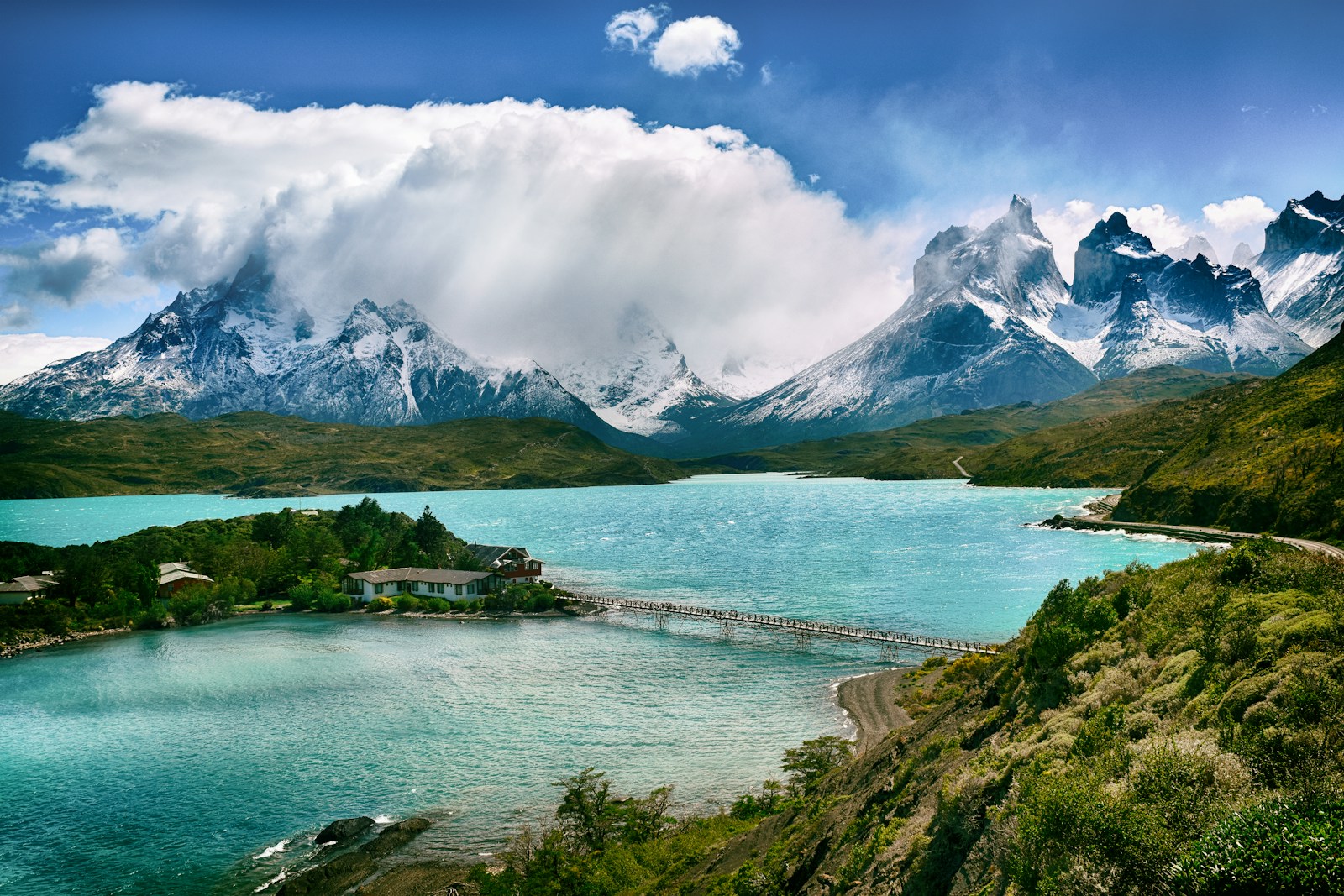
Chile’s geography stretches from the Atacama Desert to Patagonia, with the Andes running along its eastern edge. That variety matters to culture: regional landscapes, migration, local traditions, and urban life all shape what people make and hear. It would be misleading to treat Chilean culture as one uniform sound.
| Place or cultural context | Artistic connection |
|---|---|
| Santiago | Major center for television, theaters, film production, concerts, and recording |
| Viña del Mar | Birthplace of artists including Mon Laferte and the band Los Jaivas’ early story |
| Concepción | A major music city associated with rock bands such as Los Bunkers |
| Andean regions | Folk traditions and instruments have influenced Chilean and broader Latin American music |
| Mapuche cultural contexts | Contemporary artists and cultural practitioners engage with Indigenous identity, language, and history in diverse ways |
| Northern Chile | Regional traditions connect with Andean cultural networks across borders |
| Patagonia and the south | Landscapes and local identities inspire artists, writers, and filmmakers |
Listen beyond the capital
Santiago is a major cultural hub, but artists and audiences are found throughout Chile. Concepción, Valparaíso, Viña del Mar, and other cities have their own musical histories and live scenes. Our guides to Chile’s destinations and the Andes Mountains can help connect arts and travel.
Approach Indigenous representation with care
Mapuche identity and other Indigenous cultures are not simply musical “influences” to add color to a playlist. They are living communities with distinct histories, languages, and contemporary cultural expression. Look for Indigenous artists’ own work and statements, and avoid treating one performer as a stand-in for an entire people.
✅ Quick Tips for Exploring Chilean Entertainment
- Start with five names, not fifty. Try Pedro Pascal, Daniela Vega, Mon Laferte, Víctor Jara, and Los Prisioneros, then follow the work you enjoy.
- Keep your spelling straight. It’s Violeta Para, Inti-Illimani, Quilapayún, and A Fantastic Woman (Una mujer fantástica).
- Separate birthplace from heritage. Some artists were born in Chile; others have Chilean parents or a strong cultural connection. Both can matter, but they are not the same fact.
- Check award details at the source. Use the Academy Awards archive, the Berlin International Film Festival archive, and the Latin Recording Academy.
- Don’t confuse a list with a verdict. A celebrity roundup can introduce names, but it may flatten major differences between film stars, beloved TV actors, historic songwriters, and current chart artists.
- Follow current lineups before planning a concert. Venues and festival schedules change. Check the artist’s official channels and the venue’s own listings before traveling.
- Build a culture day around a neighborhood, not only a headline act. Pair live music, a museum, a film screening, or a theater visit with nearby food and sightseeing. Our cultural experiences and budget travel guides can help with practical planning.
- Use the featured video as a visual starting point, not a definitive ranking. Its countdown introduces Andrea Tessa, Ester Soré, Clara Solovera, Rosita Serrano, Buddy Richard, Myriam Hernández, Lucho Gatica, and Américo, but offers little biography or genre context. Several are important names in Chilean popular music; to understand their work, follow up with reliable discographies and artist histories. The video’s order is an editorial choice, not an official measure of fame.