Support our educational content for free when you purchase through links on our site. Learn more
Atacama Desert Celebrity Stargazing: 7 Stary Escapes ✨

The best Atacama Desert celebrity stargazing experiences are private or small-group tours near San Pedro de Atacama, booked around a dark Moon and backed by a flexible weather policy. Expect expert sky guides, telescope viewing, and—in some tours—astrophotography, not guaranteed celebrity sightings. Here, “celebrity-style” means a more personal, polished night beneath one of Chile’s most spectacular skies.
On our desert nights, the first surprise wasn’t a planet through the telescope. It was how quickly the cold arrived once the sun dropped behind the mountains. Bring warm layers, give yourself time to adjust to the altitude, and keep a backup night free: clouds or bright moonlight can change the show.
Key Takeaways
- Choose the experience to match your trip: private tours offer a more tailored night; shared tours can be sociable and engaging.
- Plan around lunar phase and weather: darker Moon conditions help reveal faint stars and the Milky Way, but clear skies are never guaranteed.
- Check the real inclusions: confirm group size, telescope access, transport, photos, and cancellation or rescheduling rules directly with the operator.
- Dress for a cold desert night and take it easy while acclimatizing to San Pedro’s high altitude.
- Treat “celebrity-style” as a comfort level, not a sighting promise: the stars are the headliners.
Table of Contents
- ⚡️ Quick Tips and Facts
- 🌌 Why the Atacama Desert Is a Stargazing Paradise
- Atacama’s Dark Skies, High Altitude, and Clear Nights
- A Brief History of Astronomy in Northern Chile
- ✨ What “Celebrity Stargazing” Means in the Atacama
- Famous Visitors, Film Crews, and Astrophotography
- How to Spot a Genuine VIP or Private Stargazing Experience
- 🔭 The Best Atacama Desert Stargazing Experiences
- 1. Private Telescope Tours near San Pedro de Atacama
- 2. Luxury Desert Lodges with Guided Astronomy
- 3. Astrophotography Tours beneath the Milky Way
- 4. Moonlight Stargazing in Valle de la Luna
- 5. Indigenous Andean Sky Stories and Cultural Astronomy
- 6. Observatory Visits and Professional Astronomy Experiences
- 7. Private Celebrations and Custom Night-Sky Excursions
- 🌠 How to Choose the Right Atacama Stargazing Tour
- Group Tour vs. Private Guide
- Telescope Quality, Guide Credentials, and Tour Inclusions
- Questions to Ask Before Booking
- 📅 Best Time for Stargazing in the Atacama Desert
- New Moon, Moon Phases, and Dark-Sky Planning
- Seasonal Weather and Southern Hemisphere Sky Highlights
- How Cloud Cover and the Full Moon Affect Your Tour
- 📍 Where to Stargaze around San Pedro de Atacama
- Top Stargazing Locations and Dark-Sky Viewpoints
- Getting There and Protecting the Night Sky
- 🧣 What to Wear and Bring for a Desert Stargazing Tour
- Cold-Weather Layers, Footwear, and Essentials
- Camera Gear, Red-Light Etiquette, and Phone Apps
- 🫁 Altitude, Safety, and Accessibility
- Preparing for San Pedro’s High-Altitude Environment
- Tour Safety, Transport, and Accessibility Questions
- 🏨 Where to Stay for a Luxury Atacama Stargazing Getaway
- 🗓️ How to Plan a Celebrity-Style Atacama Night-Sky Trip
- Sample One-Night and Multi-Night Itineraries
- Combining Stargazing with Desert Adventures
- ✅ Responsible Stargazing and Astrotourism in Chile
- 💡 Quick Tips for an Unforgettable Atacama Night
- 🏁 Conclusion
- 🔗 Recommended Links
- ❓ FAQ
- 📚 Reference Links
⚡️ Quick Tips and Facts
| At a glance | What to know |
|---|---|
| Best base | San Pedro de Atacama, a high-desert town at roughly 2,400 metres (7,900 feet) above sea level |
| Best conditions | Clear, dry nights with little moonlight; the exact best night depends on weather and the lunar calendar |
| Typical experience | Hotel pickup, a short drive away from town lights, a guided sky introduction, telescope viewing, and often hot drinks |
| Private options | Available from operators such as AtacamaStargazing, which offers Classic, Premium, and Private formats |
| What to wear | Warm layers, closed-toe shoes, and a windproof outer layer. Desert afternoons can be warm; nights can be surprisingly cold |
| Important caveat | Tours may be canceled or rescheduled because of cloud, wind, or bright moonlight. Read the operator’s cancellation policy before booking |
| Observatory reality check | A visitor telescope tour is not a visit inside ALMA’s research facilities. Check ALMA’s official public-visit information before building an observatory visit into your plans |
Our quick take: The Atacama’s celebrity-level appeal is the sky, not a guarantee of celebrity sightings. Famous travelers, photographers, and filmmakers may come for the landscape and dark skies, but tours are about the stars—not spotting a recognizable face. For Chilean celebrity context, see our guide to celebrities in Chile.
- Book with the Moon in mind. Around the new moon, the sky is darker; a bright Moon can wash out faint stars and the Milky Way.
- Choose a small group or private tour if personal telescope time, quieter pacing, or astrophotography matters to you.
- Ask what the photos actually include. Some experiences offer guided camera help; others include a professional star portrait.
- Keep a backup night free. Weather can change, and the clearest forecast is never a signed contract from the universe.
- Give yourself time to acclimatize. San Pedro sits high above sea level. Hydrate, take it easy on arrival, and read Chile’s altitude guidance before adding strenuous excursions.
Atacama stargazing facts at a glance
| Fact | Why it matters |
|---|---|
| San Pedro de Atacama is at high altitude | You may feel the altitude, especially if you arrive from sea level or plan demanding day trips |
| The region is exceptionally dry | Clear, dry air is one reason the area is prized for astronomy |
| The Moon affects visibility | Bright moonlight reduces contrast, particularly for faint stars and Milky Way details |
| Professional observatories operate in northern Chile | Their research facilities and visitor programs are separate from commercial tourist stargazing tours |
| Tours use portable telescopes | They can reveal star clusters, planets, and other objects, but they do not reproduce the view from a giant research observatory |
For a broader look at the region, browse our Chile Vacay™ guides to Atacama destinations, Andes travel, and Chilean adventure travel.
🌌 Why the Atacama Desert Is a Stargazing Paradise
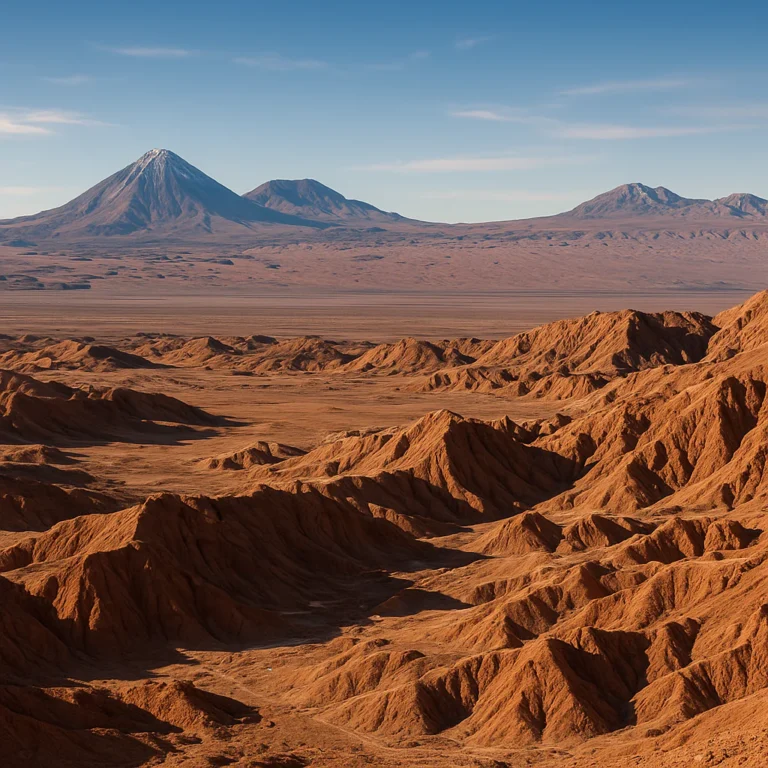
The Atacama does not need a celebrity endorsement. Its selling point is a vast, often startlingly crisp sky above a landscape that looks as if someone turned the contrast dial too far: mountains, salt flats, volcanic silhouettes, and very little city glow.
The region’s combination of dry conditions, high elevation, and dark surroundings makes it a celebrated destination for astronomy. That does not mean every night is cloudless or every visit delivers a postcard-perfect Milky Way. It means the odds can be excellent when you pick your dates carefully and stay flexible.
Atacama’s Dark Skies, High Altitude, and Clear Nights
San Pedro de Atacama sits at more than 2,400 metres above sea level. Operators such as AtacamaStargazing use locations outside the town’s brightest lights for telescope observations and sky interpretation. The combination of elevation and an arid climate helps explain why northern Chile hosts major astronomical research facilities, including ALMA.
Here’s what that means for you:
- Darkness matters: The farther you are from streetlights and illuminated buildings, the more faint stars become visible.
- Dry air helps, but does not guarantee perfect viewing: Clouds, haze, wind, and seasonal conditions can still affect a night.
- Altitude is part of the experience: The sky may feel wonderfully close; your body may also remind you that you are high up.
- The Moon is a major variable: A full or nearly full Moon can brighten the landscape and reduce the contrast of faint celestial objects.
A note on the phrase “world-class”: tourism sites and travelers use it enthusiastically, but the useful facts are the region’s astronomical infrastructure and environment. ESO’s overview of its Chilean observatories and ALMA’s site information provide a more grounded look at why astronomers work here.
A Brief History of Astronomy in Northern Chile
Northern Chile’s relationship with the sky is not limited to modern observatories. Andean communities have long observed the heavens as part of seasonal, agricultural, and cultural life. Today, the Atacama is also home to international astronomy projects that study the universe using some of the world’s most advanced equipment.
That blend is part of what makes a good tour more interesting than a telescope queue. Ask your guide whether they explain Indigenous Andean sky traditions as well as modern astronomy. If cultural context matters to you, explore our Cultural Experiences collection and seek guides who distinguish local traditions from generic “Inca star lore.”
One useful distinction: professional observatories are research facilities, while tourist stargazing tours are guided outdoor experiences. ALMA’s official visitor information explains the observatory’s public-visit arrangements. Don’t assume a commercial night tour includes access to working research telescopes.
✨ What “Celebrity Stargazing” Means in the Atacama
Searches for “Atacama Desert celebrity stargazing experiences” can suggest a private event where famous guests gather under the Milky Way. In practice, “celebrity-style” usually means a more polished, private, or photo-ready experience—not a promise that a celebrity will appear.
Think comfortable seating, fewer people, a dedicated guide, quality telescope time, and perhaps a professional portrait under the stars. Those are real features you can compare. Celebrity sightings? Not something any responsible operator can guarantee.
Famous Visitors, Film Crews, and Astrophotography
The Atacama’s otherworldly landscape attracts photographers and production crews, and the skies make an irresistible subject for night photography. But a famous visitor’s itinerary is usually private, and online rumors are not a reliable way to identify where someone will be.
For travelers, the more rewarding version of the “celebrity” idea is creating a night that feels special:
- Book a private or small-group session rather than joining a large bus tour.
- Choose an operator that explains its telescope setup and photo deliverables clearly.
- Ask whether it can accommodate a celebration, dietary needs, or a slower pace.
- Keep filming and photography respectful; other guests came to see the stars, not star in your behind-the-scenes reel.
A practical inspiration: the first featured video follows the trip from Santiago to Calama and onward to San Pedro, then shows how lunar brightness can change the entire stargazing experience. Its traveler’s warning is worth remembering: timing matters, and a bright Moon can wash out faint stars.
How to Spot a Genuine VIP or Private Stargazing Experience
“VIP” is not a standardized tour category. One company may mean a private vehicle; another may mean a smaller group, an upgraded snack, or a photographer. Before booking, get the details in writing.
| Ask the operator | Why you should ask |
|---|---|
| Is the tour fully private, or just a smaller shared group? | “Premium” does not automatically mean exclusive |
| How many guests share each telescope? | A great telescope is less useful if you get only a few seconds at the eyepiece |
| What happens if the Moon is bright or skies are cloudy? | Rescheduling and cancellation rules vary |
| Are photographs included? How many, and in what format? | “Astrophotography included” can mean anything from camera tips to edited portraits |
| Is transport included from my accommodation? | Pickup coverage may depend on your hotel’s location |
| Which languages are available? | Check the exact date and guide availability rather than assuming |
The clearest comparison is the operator’s own current tour description. AtacamaStargazing describes Classic, Premium, and Private formats, including telescope viewing, hotel transport in many cases, and star portraits. Confirm inclusions directly, because itineraries and availability can change.
🔭 The Best Atacama Desert Stargazing Experiences
There is no single best tour for everyone. A beginner who wants an engaging sky lesson may love a friendly shared tour; an astrophotographer may care more about tripods and shooting time; a couple celebrating anniversary might want private transport and a portrait. Here are the experience types worth comparing.
1. Private Telescope Tours near San Pedro de Atacama
A private tour is the closest match to a true celebrity-style night: your group, your guide, and a schedule that can move at your pace. It can be especially useful for families, photographers, or travelers who prefer questions without an audience.
AtacamaStargazing lists a Private Tour and says its experiences include telescope viewing, an astronomy guide, a bonfire snack, and astrophotography. Its website also describes pickup and drop-off for many San Pedro accommodations. Confirm whether the specific private format is fully exclusive and which inclusions apply on your date.
Best for: Couples, families, small friend groups, and guests who want flexibility.
Potential drawback: Private does not automatically mean better astronomy. Ask about guide expertise, telescope access, viewing time, and weather policies rather than choosing by the label alone.
2. Luxury Desert Lodges with Guided Astronomy
Some travelers would rather stay somewhere with a beautifully dark setting than spend every night joining a separate excursion. Upscale properties in and around San Pedro may offer astronomy programming, sky-viewing areas, or access to specialist guides. Availability and inclusions can vary by season, so confirm directly with the property.
When comparing a lodge-based experience, check:
- Whether the activity is led by an astronomy guide or is simply self-guided stargazing.
- If telescopes are included, and how many guests share them.
- Whether viewing takes place on-site or requires a drive.
- What happens on cloudy or moonlit nights.
- Whether the location is quiet and genuinely dark after the property’s lights are on.
A remote setting can be spectacular, but “desert lodge” is not the same as “dark-sky guarantee.” The International Dark-Sky Association’s guidance offers useful background on responsible lighting and dark-sky protection.
3. Astrophotography Tours beneath the Milky Way
Astrophotography can turn a beautiful night into a keep-forever souvenir—but expectations matter. A phone snapshot, a guided camera session, and a professionally composed star portrait are three very different products.
AtacamaStargazing describes portraits made with a full-frame camera and fast prime lens, with up to three high-resolution photographs included on its listed experiences. Always verify current deliverables with the operator.
If you plan to bring your own gear, ask whether you can use a tripod without interrupting other guests. A sturdy travel tripod and a camera that performs well at high ISO can help, but gear is not a substitute for dark skies and patient setup.
Good questions for photographers:
- Is the portrait included, or is it an optional extra?
- Will you receive edited digital files?
- Can the guide help with your own camera settings?
- Is there enough time for individual shots?
- Does the tour provide tripods, or should you bring your own?
For practical camera guidance, NASA’s astrophotography tips are a sound place to start.
4. Moonlight Stargazing in Valle de la Luna
Vale de la Luna is famous for dramatic desert scenery, but a bright Moon changes the night-sky show. Moonlit excursions can still beautiful: the landscape takes on a silver glow, and the Moon itself becomes a rewarding object to observe. But if your priority is faint stars or a bright Milky Way, a dark-moon date is usually the stronger choice.
Treat these as two different experiences:
| Experience | What shines | Trade-off |
|---|---|---|
| Dark-sky night | Milky Way structure, faint stars, deep-sky targets | Landscape details may be harder to see without artificial light |
| Moonlit outing | Moon, illuminated desert forms, easier terrain visibility | Fainter stars and Milky Way contrast are reduced |
The featured video makes this trade-off tangible: the traveler describes a local tour being affected by bright moonlight. Operators set their own cancellation and rescheduling rules, so don’t assume every full-Moon night will be canceled—or that every company will offer a refund.
5. Indigenous Andean Sky Stories and Cultural Astronomy
A sky tour can be a lesson in physics, but it can also offer a window into how people have interpreted the heavens over generations. Look for guides who explain the specific cultural context of Andean astronomy, acknowledge the diversity of local traditions, and avoid presenting one story as universal to every community.
You can deepen the experience by visiting local artisan markets and cultural sites during daylight, then asking your guide how the night sky connects to local seasons and landscapes. Our Cultural Experiences guide is a useful companion for travelers who want more than a quick photo stop.
6. Observatory Visits and Professional Astronomy Experiences
Northern Chile hosts some of the world’s best-known astronomical facilities, but research observatories are not interchangeable with tourism telescopes. ALMA, for example, is a major radio astronomy facility, while a commercial stargazing tour typically uses portable optical telescopes to observe the visible sky.
Before booking an observatory visit:
- Check the observatory’s official visitor page for current access details.
- Confirm whether visits are available on your dates.
- Read the rules about transport, identification, age limits, and photography.
- Keep a separate evening for a guided stargazing tour; daytime observatory access is not the same as looking through a tourist telescope at night.
Start with ALMA’s official visit page and the European Southern Observatory’s visitor information. Tour schedules and access policies can change, so trust the institutions’ current guidance over older travel posts.
7. Private Celebrations and Custom Night-Sky Excursions
A birthday, proposal, or anniversary can fit naturally into a private sky tour—provided you coordinate the details in advance. Tell the operator what you have in mind and ask what is possible without compromising safety or the viewing schedule.
Consider arranging:
- Private pickup and drop-off.
- Seating or blankets suited to your group.
- A short toast or local snack, if permitted.
- A dedicated portrait session.
- A backup date in case of poor viewing conditions.
A little planning goes a long way. A surprise proposal under a cloudy sky can still be romantic, but it’s less fun if nobody has clarified the rescheduling policy.
🌠 How to Choose the Right Atacama Stargazing Tour
The best booking is not necessarily the one with the fanciest name. Read the inclusions, compare group sizes, and check the Moon before you commit. Reviews can help reveal whether a guide is engaging and whether the night feels rushed, but treat review platforms as one source of traveler opinion, not proof that every detail will match your trip.
Group Tour vs. Private Guide
| Feature | Shared group | Private experience |
|---|---|---|
| Social atmosphere | More chances to chat with other travelers | Quieter, more personal |
| Pace | Follows the group schedule | Can be more flexible, subject to operator and conditions |
| Telescope time | Shared among guests | Often easier to tailor, but confirm actual access |
| Best for | Solo travelers, budget-conscious visitors, first-timers | Couples, families, photographers, special occasions |
| Main trade-off | Less control over timing and questions | Higher cost category, with availability dependent on date |
We’ve heard travelers say that animated guide makes even a chilly, long evening fly by. Others would rather have a quiet hour under the sky than a lively group lesson. Neither preference is wrong; choose the atmosphere you actually enjoy.
Telescope Quality, Guide Credentials, and Tour Inclusions
A bigger telescope can collect more light, but the guide’s skill and the night’s conditions matter just as much. Ask what kinds of objects the tour expects to observe, how many telescopes are available, and how guests rotate through them.
Some travel writers praise small-group tours for their comfortable seating, snacks, and clear instruction. One account of Jorge Corante’s SAT 1 tour describes an astronomy lesson, telescope observations, camera help, blankets, and snacks. Another review of the Roofless Atacama Night Experience highlights padded seating and professional star portraits. Those are helpful firsthand perspectives, but they are not guarantees of current tour operations or availability.
Compare the claims with current operator details:
- AtacamaStargazing lists Classic, Premium, and Private options, telescope observation, astronomy guides, and astrophotography.
- Stargazing Atacama is another operator travelers have discussed; contact it directly to confirm its current tours and booking process.
- Check independent review platforms such as Tripadvisor for recent traveler feedback, then verify essential details with the operator.
What the telescope can—and can’t—show
A portable telescope may reveal star clusters, lunar features, planets, or other objects that look like tiny points to the naked eye. Don’t expect a planet to fill the eyepiece like a high-definition screen. As one photographer-traveler put it, a planet can appear “like a grain of rice.” The point is the live view and the guide’s explanation, not a giant cinematic image.
Questions to Ask Before Booking
Copy this checklist into your notes before you book:
- What is the maximum group size?
- How many guests share each telescope?
- How long is the tour, and when does pickup happen?
- Which locations do you visit, and are they fixed or weather-dependent?
- What is included: transport, snacks, hot drinks, blankets, photos, or camera help?
- What is the policy for cloud, wind, bright Moon, or tour cancellation?
- Can you accommodate dietary needs, mobility needs, or children?
- Which languages are available on my date?
- Do you accept card payment, and what currency or payment method is required?
- Can I use my own camera and tripod?
For tour updates, use the operator’s own website rather than relying only on an old blog post. The details that make a tour wonderful—group size, included photos, pickup zones—can change.
📅 Best Time for Stargazing in the Atacama Desert
The best night is a mix of lunar phase, weather, season, and your tolerance for cold. There is no one magic month that guarantees a perfect sky. Plan around the Moon, stay several nights if you can, and keep a backup evening available.
New Moon, Moon Phases, and Dark-Sky Planning
A new Moon generally provides darker conditions than a full Moon, making faint stars and Milky Way structure easier to see. But you don’t have to cancel your whole trip if your dates coincide with moonlight: the Moon itself can beautiful through a telescope, and a moonlit desert has its own dramatic look.
A simple planning method:
- Find your travel dates.
- Check the lunar calendar using a reliable tool such as timeandate’s Moon phases.
- Ask the tour operator which nights suit your goals.
- Reserve more than one potential stargazing evening if your itinerary allows.
- Confirm what happens if the sky is cloudy or too bright.
In the featured video, a traveler notes that moonlight was bright enough to wash out stars and says the tour could be canceled and refunded under the operator’s policy. That is one traveler’s account, not a universal rule; verify the policy for your booking.
Seasonal Weather and Southern Hemisphere Sky Highlights
The southern sky offers celestial highlights that differ from those visible in the Northern Hemisphere. What you can see depends on the month, time, and horizon. A knowledgeable guide can point out prominent constellations and explain what is visible during your particular visit.
Seasonal differences also affect how comfortable the night feels. Daytime sunshine can make the desert seem warm, while temperatures drop after dark. Bring layers regardless of season and check the forecast close to departure. For broader trip planning, see our Chile destinations and Andes Mountains guides.
How Cloud Cover and the Full Moon Affect Your Tour
Clouds and moonlight affect different parts of the experience:
- Cloud cover can block or obscure celestial objects.
- Bright moonlight increases sky brightness and reduces contrast for faint objects.
- Wind and cold can make long outdoor sessions uncomfortable even when the sky is clear.
- A clear forecast is not a guarantee—desert weather can change.
Ask whether the operator offers a reschedule, refund, or alternative program. Never assume a tour will operate just because the booking system accepted your reservation.
📍 Where to Stargaze around San Pedro de Atacama
Most visitors use San Pedro as a base and travel to darker sites outside the town. Operators choose locations based on their permits, current conditions, logistics, and the kind of experience they offer. The exact field site matters less than a safe, dark setting and a guide who can help you make sense of the sky.
Top Stargazing Locations and Dark-Sky Viewpoints
AtacamaStargazing describes observations at the Ayllu of Cúcuter for its Classic Tour and the Ayllu of Tulor for its Premium Tour. Other operators may use different sites. Ask where your tour goes and how long you will be outside.
| Location type | What to expect | Good to know |
|---|---|---|
| Guided field outside town | Telescope session with a guide and transport | Usually the most straightforward option for first-time visitors |
| Lodge grounds | Convenient viewing, sometimes with an on-site program | Ask about lighting, telescope access, and whether a specialist guide is present |
| Scenic desert viewpoint | Atmospheric landscape and open horizon | A scenic daytime stop is not automatically a permitted or suitable night-sky site |
| Professional observatory | Research equipment and formal visitor arrangements | Access is separate from commercial stargazing tours; check official rules |
Getting There and Protecting the Night Sky
Most visitors reach San Pedro by flying to Calama and continuing by road. The featured video describes a flight from Santiago to Calama followed by an approximately 90-minute van transfer. Actual transfer times depend on traffic, weather, and your pickup point, so confirm arrangements with your accommodation or transport provider.
At night, don’t drive into remote areas without a plan. Join a reputable tour or arrange transport with a licensed operator. For a gentler footprint:
- Use a red-light mode or keep your phone screen dim.
- Avoid shining white lights toward other guests.
- Follow the guide’s directions and stay within the designated area.
- Leave no litter, including snack wrappers.
- Respect local communities, land access rules, and wildlife.
Darkness is part of the attraction—and a shared resource. Good night-sky etiquette helps everyone see more.
🧣 What to Wear and Bring for a Desert Stargazing Tour
The desert likes dramatic temperature swings. You may set off after a sunny afternoon and spend hours under a cold night sky. We recommend dressing as if you’re going to stand still outdoors for longer than you think—because you probably are.
Cold-Weather Layers, Footwear, and Essentials
Pack:
- A warm base layer or thermal top.
- A fleece or insulating mid-layer.
- A wind-resistant outer jacket.
- Long trousers and warm socks.
- Closed-toe shoes with a comfortable sole.
- A beanie and light gloves if you get cold easily.
- Water and any personal medication you need.
Travelers reviewing small-group tours have praised blankets and hot drinks, but those are tour inclusions—not a substitute for your own warm clothing. One firsthand account of Jorge Corante’s tour specifically recommends dressing warmly for a long evening despite blankets and hot chocolate. We agree: bring your own layers and treat provided blankets as a bonus.
Camera Gear, Red-Light Etiquette, and Phone Apps
Your phone can identify constellations, but bright screens can interrupt other people’s night vision. Download an astronomy app before heading out and switch to a dim or red-light setting.
For photos, bring:
- A charged camera or phone.
- Extra batteries, which can drain faster in cold conditions.
- A tripod if you plan to make long exposures and the operator permits it.
- A lens cloth and a small bag to protect gear from dust.
- A red-light flashlight for finding your way without flooding the viewing area.
If photography is a priority, tell the operator before booking. Some tours offer camera instruction or a professional portrait; others focus on telescope viewing. For basic techniques, consult NASA’s night-sky photography guide.
🫁 Altitude, Safety, and Accessibility
A night tour may not involve strenuous exercise, but the altitude can still affect how you feel. San Pedro is high enough that some travelers notice headaches, fatigue, shortness of breath, or trouble sleeping, especially soon after arrival. Read Chile Travel’s altitude-sickness advice and seek medical guidance if you have health concerns.
Preparing for San Pedro’s High-Altitude Environment
A sensible first-day plan:
- Arrive and take it slowly. Don’t schedule a demanding excursion immediately after landing.
- Drink water regularly and avoid overexertion.
- Limit alcohol, particularly if you are feeling unwell.
- Tell your guide if you feel dizzy, nauseated, or unusually breathless.
- Seek medical help for severe or worsening symptoms.
Altitude tolerance varies from person to person; no amount of confidence can predict exactly how you’ll respond. For more mountain and high-altitude travel advice, browse our Andes Mountains category.
Tour Safety, Transport, and Accessibility Questions
Before booking, tell the operator about mobility needs, children, pregnancy, medical conditions, or difficulty standing for long periods. Ask whether there are seats, uneven ground, stairs, accessible transport, restrooms, and a warm place to wait.
For transport, confirm:
- Pickup time and location.
- Whether return transport is included.
- What happens if your accommodation is outside the pickup zone.
- Whether the tour operates in strong wind or poor conditions.
- The operator’s emergency and cancellation procedures.
A polished website is useful, but clear answers to practical questions are better.
🏨 Where to Stay for a Luxury Atacama Stargazing Getaway
Your lodging choice shapes the trip. Stay in central San Pedro if you want restaurants, shops, and easy access tour pickup. Choose a more remote lodge if solitude and on-site desert atmosphere matter more—but confirm how you will get around and whether the property provides astronomy programming.
When comparing hotels and lodges, check:
- Distance from town: Remote does not always mean darker once the property’s own lighting is considered.
- Astronomy offerings: Ask whether the hotel has a guide and telescope, or simply an open view of the sky.
- Transport: Find out whether tours pick up at the property.
- Nightime comfort: Look for sheltered seating and warm indoor spaces.
- Lighting practices: Low, shielded lighting helps protect the night sky.
Don’t book a hotel solely because a marketing page says “stargazing.” Ask what that actually means. Our destinations guide can help you plan a wider Atacama itinerary, while budget-travel advice is useful if you want to balance one special night with simpler lodging.
🗓️ How to Plan a Celebrity-Style Atacama Night-Sky Trip
The trick is to plan for the experience you want without treating the sky as a booked performance. Leave room for weather, give yourself time to adjust to altitude, and make the stargazing night the centerpiece rather than an exhausting afterthought.
Sample One-Night and Multi-Night Itineraries
One night in San Pedro
- Afternoon: Arrive, check in, and rest.
- Early evening: Eat, hydrate, and dress warmly.
- Night: Join a guided stargazing tour with confirmed pickup.
- Afterward: Return to your accommodation and keep the next morning manageable.
Three nights in San Pedro
- Day 1: Arrive from Calama, acclimatize, and explore town.
- Day 2: Visit a daytime desert attraction; stargaze at night if conditions are favorable.
- Day 3: Keep the evening flexible for a second sky tour or a rescheduled booking.
- Departure day: Allow enough time for the road transfer back to Calama.
The additional night is your insurance policy against clouds, wind, or a Moon that is brighter than your plans. It also gives you a second chance if the first tour is lovely but the sky is not cooperating.
Combining Stargazing with Desert Adventures
Pair your evening with daytime experiences, but avoid stacking every demanding activity back-to-back. Popular choices include exploring Valle de la Luna, visiting salt flats and lagons, or taking guided excursions into the Andes. Check altitude and travel time before combining long high-altitude trips with a late night.
For ideas, explore Chile Vacay™’s Adventure Travel, Destinations, and Cultural Experiences guides.
A balanced itinerary might look like this:
| Day | Daytime | Evening |
|---|---|---|
| 1 | Transfer and rest | Easy dinner; no late excursion |
| 2 | Nearby desert sights | Stargazing tour |
| 3 | Choose a less strenuous outing | Backup stargazing night |
| 4 | Longer excursion only if you feel well | Early rest or departure prep |
✅ Responsible Stargazing and Astrotourism in Chile
A dark sky is not just scenery; it is a natural and cultural resource. Choose operators who manage lighting thoughtfully, respect local land and communities, and explain their sites transparently.
Good stargazing etiquette:
- Keep white lights and phone screens dim.
- Follow the guide’s instructions around telescopes and tripods.
- Don’t wander away from the group in unfamiliar terrain.
- Take all rubbish back with you.
- Ask before photographing other guests or local residents.
- Choose operators that communicate clearly about site access and environmental practices.
The International Dark-Sky Association explains how responsible lighting helps reduce light pollution. For cultural context, prefer local guides and clearly identified community knowledge rather than vague marketing claims. Our Cultural Experiences category offers more ways to approach travel with curiosity and respect.
💡 Quick Tips for an Unforgettable Atacama Night
- Check the Moon before booking if the Milky Way is your main goal.
- Keep a backup night free whenever your itinerary permits.
- Ask about group size and telescope sharing, not just telescope specifications.
- Confirm photo inclusions and whether you receive digital files.
- Dress warmly in layers, even after a sunny day.
- Aclimatize before strenuous outings and pay attention to how you feel.
- Bring a dim red light and keep bright screens away from the eyepiece.
- Verify observatory access directly with ALMA or ESO.
- Book a reputable tour with transport, rather than driving unfamiliar desert roads at night.
- Treat “celebrity-style” as a comfort level, not a celebrity guarantee. The night sky is the star—and it has a very demanding schedule.