Support our educational content for free when you purchase through links on our site. Learn more
High-End Heli-Sking Andes Chile: 9 Wild Adventures 🚁

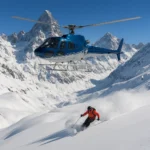
High-end heli-sking Andes Chile adventures are best for strong off-piste skiers who want big mountain terrain, expert guiding, and a comfortable base—with enough flexibility for weather to have its say. For a resort-based option, explore heli-sking at Ski Portillo; for custom lodge, wine-country, or remote itineraries, compare programs directly with Andes Heliboarding.
Chile’s Southern Hemisphere winter means you can chase snow from July into September in the Central Andes, while some Patagonia adventures run on a very different seasonal schedule. One detail worth remembering: a bluebird morning at the lodge doesn’t guarantee a flight. Wind, visibility, and mountain conditions can redraw the day’s plan—and the best operators put safety ahead of the brochure.
We’ll help you compare destinations, trip styles, lodging, safety standards, packing needs, and the questions to ask before booking. Because the real luxury isn’t just a helicopter waiting outside; it’s knowing what your trip includes when the weather changes.
Key Takeaways
- Choose the trip style first: Portillo offers a resort-based heli-ski option; Central Andes programs may include lodge, city, or vineyard stays; Patagonia is more remote and expedition-oriented.
- Plan around conditions, not guarantees: Heli-ski flights depend on weather, visibility, snow, and safe operating decisions.
- Bring genuine off-piste experience: First-time heli-skiers should already be confident in variable snow and demanding terrain.
- Compare the details: Check guiding ratios, aircraft arrangements, lodging, transfers, equipment, meals, and cancellation terms.
- Build in buffer days: Extra time helps absorb weather delays and makes long-haul travel less stressful.
- Verify insurance and current dates: Confirm coverage for heli-sking and evacuation, then check operating seasons directly with your chosen operator.
Table of Contents
- ⚡ Quick Tips and Facts
- 🏔️ High-End Heli-Sking in the Chilean Andes: What Makes It Special
- 📜 A Brief History of Heli-Sking in Chile
- 🗺️ Where to Heli-Ski in the Andes Mountains
- Central Andes: Powder Near Santiago
- Patagonian Andes: Remote Terrain and Wild Scenery
- 🚁 How a Chilean Heli-Ski Adventure Works
- Typical Day: Weather Checks, Flights, and Ski Runs
- Helicopters, Guides, and Group Sizes
- Vertical, Terrain, and Snow Conditions
- ✨ 9 High-End Heli-Sking Andes Chile Experiences
- 1. Private Helicopter and Guide Options
- 2. Exclusive Mountain Lodges and Boutique Stays
- 3. Big-Mountain Sking Above the Clouds
- 4. Volcano and Glaciated-Terrain Routes
- 5. Deep-Powder Runs and Untracked Descents
- 6. Expert Guides and Personalized Ski Plans
- 7. Gourmet Chilean Food and Wine
- 8. Spa Time and Recovery Between Ski Days
- 9. Scenic Flights and Custom Andean Itineraries
- 🎿 Who Should Book a Chile Heli-Ski Trip?
- Skill, Fitness, and Altitude Considerations
- First-Time Heli-Skiers: What to Expect
- 🧭 Choosing a Heli-Ski Operator and Luxury Lodge
- Safety Standards, Guide Credentials, and Rescue Plans
- Questions to Ask Before You Book
- What’s Usually Included—and What Isn’t
- 📅 Best Time for Heli-Sking in Chile
- Chilean Winter Snow Season and Weather Windows
- How Wind, Storms, and Visibility Affect Flying
- 🎒 What to Pack for Andes Heli-Sking
- Ski Equipment and Avalanche Safety Gear
- Clothing, Eyewear, and Personal Essentials
- 🛫 Getting to Chile and Reaching the Andes
- International Flights and Santiago Connections
- Transfers, Domestic Travel, and Buffer Days
- 🛂 Chile Travel Essentials for a Ski Vacation
- Entry Requirements, Insurance, and Medical Planning
- Currency, Connectivity, and Local Etiquette
- 🛡️ Safety, Weather Cancellations, and Environmental Responsibility
- 🧳 Sample Luxury Heli-Ski Itineraries
- A Long Weekend Near Santiago
- A Week of Remote Andean Sking
- Adding Wine Country or Patagonia
- 💡 Quick Tips for Planning Your Chile Heli-Ski Trip
- 🏁 Conclusion
- 🔗 Recommended Links
- ❓ FAQ
- 📚 Reference Links
⚡️ Quick Tips and Facts
- Best general window: Chile’s Central Andes heli-ski season is typically in the Southern Hemisphere winter, roughly July through September. Exact operating dates vary by operator, snowpack, and weather. Ski Portillo lists heli-sking during its ski season, while Andes Heliboarding describes a Central Andes program from mid-July to mid-September.
- Patagonia is a different proposition: Some bespoke Patagonia programs are marketed for November, but these are distinct expedition-style offerings, not a simple extension of a Central Andes resort season. Confirm current dates and aircraft access directly with the operator.
- Flying is weather-dependent: A reservation or request is not a guaranteed flight. Wind, visibility, snow stability, and aviation limits cancel or reshape a day. Ski Portillo explicitly says its service depends on conditions and availability.
- Choose the trip style before choosing the hotel: A Santiago-based program may emphasize convenient access and city dining; a remote lodge or Patagonia expedition prioritizes wilderness, privacy, and a longer commitment.
- Skill level: Heli-sking is best for confident, strong off-piste skiers or snowboarders who can manage variable snow, steep terrain, and repeated descents. “First-time heli-skier” does not mean first-time skier.
- Ask what the package actually includes: Lodging, meals, airport transfers, equipment, avalanche gear, guiding, flight time, and weather contingencies can differ significantly.
- Book flexibility into your itinerary: Add buffer days before and after the mountain portion, and carry travel insurance that explicitly covers heli-sking and evacuation.
- Want a visual preview? The featured video, “Chasing Winter to Chile | Heli Sking the Andes with Pulseline Adventure”, follows a heli-ski expedition into the Andes. It’s a quick taste of the terrain and the Southern Hemisphere winter chase. 🇨🇱❄️
- A Chile trip can be more than skiing: Pair the mountains with Chilean wine, hot springs, Santiago culture, or Patagonia. Browse our guides to Andes Mountains, Adventure Travel, and Destinations.
🏔️ High-End Heli-Sking in the Chilean Andes: What Makes It Special
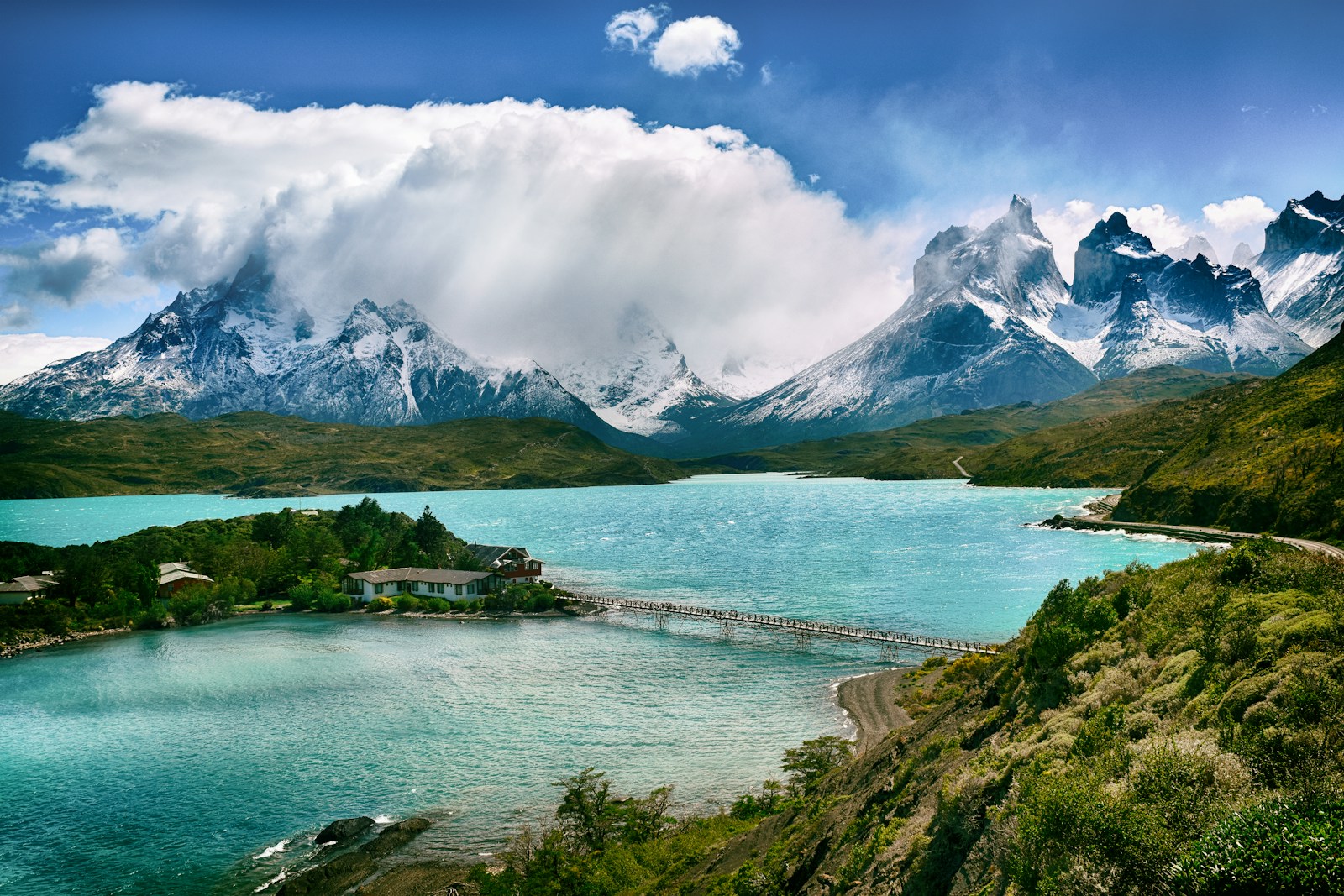
Chile puts you in the Andes, where dramatic volcanic and glaciated landscapes meet a ski season that lands during Northern Hemisphere summer. For travelers chasing winter after their home resorts close, that timing alone has a certain “we’re not done yet” appeal.
The luxury angle is about more than a polished room. The strongest high-end itineraries combine qualified mountain guides, thoughtful logistics, comfortable lodging, good food, flexible terrain choices, and a realistic plan for weather delays. Depending on the operator, you might sleep near Santiago, stay in a remote lodge, add a vineyard retreat, or build a Patagonia expedition around skiing and other outdoor activities.
Ski Portillo describes the surrounding terrain as “comparable to that found in Alaska,” emphasizing the scale and big-mountain character of the Andes. That’s a promotional comparison, not a promise that every run will feel like Alaska: snow, terrain, exposure, and daily conditions vary. The practical takeaway is that Chile can offer serious, varied alpine terrain close to a well-known ski resort, as well as more remote experiences farther south. Read Portillo’s heli-ski overview.
High-end heli-sking also sits within a broader Chilean travel story. You might share a lodge dining room with other skiers one evening and be tasting wine in a valley the next. If you want to add local history, food, and people to the itinerary, explore our Cultural Experiences guides. And if you’re curious about famous visitors and the country’s celebrity connections, see Celebrities in Chile.
What “high-end” should mean in practice
| Trip feature | What to look for | Why it matters |
|---|---|---|
| Guiding | Experienced, appropriately qualified guides; clear group-size and guide-to-guest information | Good guiding shapes terrain choice, pacing, and safety decisions |
| Aviation | Clear information about aircraft, flight operations, and weather limits | Flights are integral to the day, not a scenic add-on |
| Lodging | Convenient access, comfortable recovery spaces, and realistic transfer plans | Long transfers can quietly eat into ski time |
| Flexibility | A clear weather and cancellation policy | Mountain plans sometimes change, even at the best properties |
| Service | Transparent inclusions, equipment support, and communication before arrival | “Luxury” should reduce friction, not obscure the details |
Our view: Start with the mountain operation and safety plan, then choose the lodging and extras. A beautiful hotel cannot make a flight happen in unsafe weather—and no concierge can negotiate with a cloud.
📜 A Brief History of Heli-Sking in Chile

Chile’s appeal to heli-skiers grows from geography: a long north–south country, an extensive Andean spine, high peaks, and a Southern Hemisphere winter. That variety has helped operators develop different trip formats, from resort-based heli-ski runs in the Central Andes to tailored lodge stays, ski touring, and expedition-style Patagonia journeys.
Portillo offers one example of heli-sking integrated with a traditional ski-resort stay. Its current information describes guided access to nearby backcountry terrain, with flight operations dependent on conditions and guest demand. Ski Portillo’s official page identifies Rotortec and an Airbus/Eurocopter AS350 B3 in its operation details; check directly for current aircraft and service arrangements.
Meanwhile, Andes Heliboarding presents a broader range of Central Andes programs—urban stays, lodges, vineyard properties, safaris, and heli-ski touring—as well as separate Patagonia offerings. This range reflects an important distinction: “heli-sking in Chile” is not one standardized package. Season, terrain, access, accommodation, and trip length depend on where you go and how the operation is structured.
Resort-based runs versus expedition-style travel
- Resort-based: Stay at an established ski resort and request heli-sking when conditions and availability allow.
- Lodge-based: Use a mountain lodge or private property as a base, often with a short helicopter connection to terrain.
- Safari-style: Move between terrain zones or lodging bases as part of a custom itinerary.
- Patagonia expedition: Combine remote skiing with boat or lodge accommodation and other activities; confirm the exact season and logistics carefully.
- Ski touring: A different activity from heli-sking, generally involving climbing or skining uphill rather than helicopter access. Some Chile programs combine or offer these options in different seasons.
🗺️ Where to Heli-Ski in the Andes Mountains
The best location depends on your priorities: quick access, a resort setting, a secluded lodge, a wine-country pairing, or a remote expedition. Use the table as a starting point, not a guarantee of current availability.
| Area or base | Typical appeal | Possible trip style | Verify before booking |
|---|---|---|---|
| Portillo and the Central Andes | Established resort base and big-mountain terrain nearby | Resort stay with guided heli-ski runs | Daily availability, weather, reservation procedure, and current aircraft |
| Santiago and surrounding Central Andes | City hotel convenience with mountain access | Urban program or custom transfer-based itinerary | Flight duration, pickup location, weather plan, and included transfers |
| Maipo Valley area | Mountain-lodge setting and volcanic scenery | Lodge-based heli-sking and outdoor activities | Current operating dates, flight access, and alternate-day activities |
| Millahue Valley | Vineyard and luxury-hospitality pairing | Sking combined with wine-country stay | Whether ski operations are included or arranged separately |
| Southern Central Andes | Wider range of valleys and terrain options | Safari or lodge-to-lodge itinerary | Exact route, luggage logistics, and minimum trip length |
| Patagonia | Remote volcanoes, fjords, lakes, and wilderness | Expedition, private lodge, or boat-based adventure | Seasonal dates, landing permissions, weather contingency, and evacuation plan |
Central Andes: Powder Near Santiago
The Central Andes are a practical starting point for many visitors. They offer access to mountain terrain while keeping Santiago within reach for international flights, restaurants, museums, and extra travel days. Portillo is a recognized resort base; custom programs described by Andes Heliboarding include Santiago hotel stays, lodge-based options, and vineyard combinations. See its current program details.
The phrase “near Santiago” still needs careful interpretation. A quoted flight time may describe a flight to a first run under specific operating conditions; it does not necessarily include hotel pickup, airport transfers, safety briefings, weather holds, or the return journey. Ask for a door-to-door itinerary.
Best for: Travelers who want a high-comfort mountain experience without committing to a long, remote expedition.
Patagonian Andes: Remote Terrain and Wild Scenery
Patagonia is the dreamier, more logistically demanding option: fjords, volcanoes, lakes, forest, and weather that can have its own itinerary. Some operators describe November programs involving expedition vessels, private reserves, or lodge stays, with skiing alongside activities such as kayaking, trekking, and hot springs. These are operator-specific offerings, not a universal Patagonia heli-ski season. Check the current program and dates directly with the provider. Andes Heliboarding outlines its Chile programs.
Best for: Experienced skiers who value remoteness and a multi-activity expedition as much as maximizing daily ski laps.
🚁 How a Chilean Heli-Ski Adventure Works
A heli-ski day is a sequence of decisions, not a simple helicopter ride followed by an endless powder buffet. The crew checks weather and mountain conditions, guides assess suitable terrain, and the pilot determines whether flying is safe. Then the group moves through briefings, flights, descents, and ongoing condition checks.
Typical Day: Weather Checks, Flights, and Ski Runs
A typical operating day may look like this:
- Morning conditions review: The team checks wind, visibility, snow stability, and the day’s forecast.
- Guest briefing: Guides review communication, group procedures, emergency equipment, and the plan for the day.
- Equipment check: Confirm boots, skis or snowboard, transceiver, shovel, probe, and other required safety equipment.
- Flight and landing: Follow the pilot and guide instructions exactly; rotor wash and confined landing areas demand care.
- Guided descent: The guide sets the route and pace based on terrain, snow, group ability, and changing conditions.
- Repeat assessment: The team reassesses before subsequent runs. A safe route in the morning may not remain the best choice later.
- Return and debrief: Review the day, equipment, and any changes to the next day’s plan.
The order and number of runs vary. There is no responsible way to promise a fixed number of descents without qualifying it by weather, terrain, and operational limits.
Helicopters, Guides, and Group Sizes
Portillo’s heli-ski information identifies Rotortec and an AS350 B3 helicopter in its published details. Aircraft and arrangements can change, so confirm the current setup with the operator rather than relying on an older description. Portillo’s official heli-ski page.
Before you book, ask:
- How many guests are assigned to each guide?
- Is the helicopter dedicated to the group or shared?
- Who makes the final go/no-go decision?
- What happens if the aircraft becomes unavailable?
- Are guides certified for the terrain and activity being offered?
- What radio, avalanche, and emergency equipment is provided?
- How are guests grouped by ability?
A private helicopter does not automatically mean a private guide, exclusive terrain, or more ski time. Get each point in writing.
Vertical, Terrain, and Snow Conditions
Operators may promote “fresh and dry” snow or extensive, untouched terrain, but conditions change throughout the season and across different elevations and aspects. Ask for recent, location-specific conditions rather than assuming a marketing description applies to your travel dates.
| Factor | What affects it | What to ask |
|---|---|---|
| Snow quality | Recent storms, temperature, wind, aspect, and elevation | How have conditions varied across the operating area? |
| Terrain choice | Visibility, snow stability, group ability, and guide judgment | Are there easier alternatives if the preferred terrain is unsuitable? |
| Vertical descended | Route length, flight access, conditions, and group pace | Is any vertical figure a target, typical outcome, or guarantee? |
| Runs completed | Flying weather, loading time, terrain transitions, and safety decisions | How does the operator define a run and what is included? |
| Surface hazards | Crevasses, rocks, trees, wind features, and avalanche terrain | What hazards are expected, and how are routes selected? |
✨ 9 High-End Heli-Sking Andes Chile Experiences
Luxury in the Andes can look very different from one traveler’s wish list to another. One skier wants the first helicopter out and a quiet room; another wants a vineyard lunch and a private transfer. These experiences are options to investigate, not a claim that every package includes them.
1. Private Helicopter and Guide Options
A private charter can offer scheduling flexibility and a more tailored group experience. It may also mean more coordination, because you need to understand minimum operating requirements, guide arrangements, and what happens if conditions restrict flying.
Ask for clarity on:
- Aircraft type and passenger capacity
- Whether guide seats are included in the aircraft capacity
- Flight-time or run structure
- Shared versus private guide service
- Weather cancellation and rescheduling terms
2. Exclusive Mountain Lodges and Boutique Stays
A lodge can make the trip feel seamless when it reduces transfers, provides recovery space, and gives you a comfortable base between mountain days. Andes Heliboarding lists lodge-based and premium-acommodation concepts, including a Maipo River setting; confirm which properties are operating and what services are included. See the operator’s program overview.
A remote property may mean fewer restaurants and less independence than a Santiago hotel. That is not a flaw if solitude is the point. It is a problem if you expected to wander out for dinner.
3. Big-Mountain Sking Above the Clouds
Central Andes terrain can deliver dramatic open slopes and high-alpine views. Portillo highlights nearby backcountry and mountain descents, while its guides determine what is appropriate on the day. Portillo’s heli-ski information.
The trade-off is exposure: big terrain can feel committing, and visibility or wind can change the plan quickly. Strong technique and a calm response to changing snow are more useful than bravado.
4. Volcano and Glaciated-Terrain Routes
Chile’s volcanic landscapes make for striking itineraries, especially farther south. But a volcano in a brochure is not a guarantee that a particular route will operate. Snow cover, volcanic conditions, access, weather, permits, and aviation decisions all matter.
Ask whether the described terrain is:
- A confirmed operating zone or an illustrative possibility
- Suitable for your experience level
- Glaciated, crevassed, or exposed to other hazards
- Available on your dates, or dependent on a custom expedition plan
5. Deep-Powder Runs and Untracked Descents
The dream is simple: fresh snow, quiet slopes, and a line that looks as though the mountain left it for you. The reality is more nuanced. Fresh snow is weather-dependent; wind can change its quality, and safe terrain choices come before “untracked” braging rights.
Portillo uses “unforgettable experience” to describe the appeal of its heli-sking. That captures the ambition, but your experience will depend on the conditions and the day’s operation. Read Portillo’s description.
6. Expert Guides and Personalized Ski Plans
Personalized guiding is one of the most valuable parts of a premium trip. A guide can adapt terrain and pace to the group, but only if the operator has accurate information about your ability and the group is appropriately matched.
Tell the operator, honestly:
- Your recent off-piste experience
- How you handle steep slopes and variable snow
- Any relevant injury or mobility limitations
- Whether you ski or snowboard
- How comfortable you are with altitude and remote terrain
7. Gourmet Chilean Food and Wine
A wine-country stay can turn a ski trip into a Chilean food-and-landscape journey. Andes Heliboarding lists vineyard-related accommodation options, including Vik Winery and Clos Apalta, but availability and the exact relationship between lodging and ski operations should be confirmed. See its current offerings.
If you plan to drink alcohol, do so after skiing and flying are finished for the day. For regional food and cultural outings, our Cultural Experiences section can help round out the itinerary.
8. Spa Time and Recovery Between Ski Days
Recovery matters when you are skiing multiple days at altitude. Some high-end lodge and expedition concepts advertise saunas, hot tubs, or wellness services. Treat those amenities as a bonus, not a substitute for sleep, hydration, good nutrition, and sensible pacing.
If a spa treatment or hot-spring visit is part of your plan, ask about transport, opening hours, and whether it fits around the next day’s mountain schedule.
9. Scenic Flights and Custom Andean Itineraries
Some travelers want a single heli-ski day; others want a curated route through Chile. Custom itineraries can combine skiing with Santiago, wine country, hot springs, Patagonia, or other outdoor activities. Andes Heliboarding describes tailor-made programs and concierge services, including transport and destination planning. Review its program details.
The catch: Custom does not mean weather-proof. Build spare time into the schedule and verify how an operator handles changes.
🎿 Who Should Book a Chile Heli-Ski Trip?
Heli-sking is best suited to confident off-piste skiers and snowboarders with good fitness, sound technique, and the ability to follow instructions in a remote mountain environment. You do not need to be a professional athlete, but you should be comfortable skiing variable snow and managing long descents.
Skill, Fitness, and Altitude Considerations
Before booking, consider whether you can:
- Ski or ride steadily in ungroomed, changing snow
- Control speed and direction on steper terrain
- Keep moving for repeated descents without losing good judgment
- Follow guides’ instructions promptly
- Manage a full day outdoors in cold, wind, and altitude
Fitness does not replace skill, and enthusiasm does not replace either. If you are unsure, ask the operator to assess your experience before committing.
Altitude affects people differently. Give yourself time to acclimatize, especially if your itinerary moves quickly from sea level to high elevations. The CDC’s travel guidance on altitude illness explains symptoms and prevention basics. Discuss personal medical concerns with a healthcare professional before travel.
First-Time Heli-Skiers: What to Expect
A first heli-ski trip can be suitable for someone who has never flown to ski terrain if they already have the required off-piste ability and fitness. It is not a learn-to-ski program.
Ask the operator:
- What minimum ability do you expect?
- Can guests be placed in ability-based groups?
- Is a warm-up or assessment day available?
- What safety equipment and briefing are included?
- What happens if you decide the terrain is beyond your comfort level?
Portillo says its experience can suit both avid heli-skiers and people trying it for the first time, but that should be understood as first-time heli-sking, not first-time downhill skiing. Check the operator’s current guidance.
🧭 Choosing a Heli-Ski Operator and Luxury Lodge
A glossy lodge photo tells you little about how a team responds to a weather hold. Choose an operator that answers practical questions directly and provides clear terms before you travel.
Safety Standards, Guide Credentials, and Rescue Plans
Ask for specific details about:
- Guide training, experience, and local knowledge
- Avalanche forecasting and daily terrain assessment
- Guest avalanche transceivers, probes, and shovels
- Radio communication and emergency procedures
- Medical response, evacuation, and nearest appropriate care
- Pilot and aircraft operating standards
- Weather-related cancellation decisions
- Insurance requirements and exclusions
For general avalanche education, see the American Avalanche Association and the National Avalanche Center. These resources do not certify an operator, but they help you ask informed questions.
Questions to Ask Before You Book
Use this checklist in an email or call:
- What dates are heli-sking actually scheduled to operate?
- Is the program resort-based, lodge-based, or expedition-style?
- What is included in the package, and what is extra?
- How many guests share a guide and helicopter?
- What ski ability is required?
- What is the cancellation policy for weather, snow, or mechanical issues?
- Is any refund, credit, or alternate activity available when flying is canceled?
- Are equipment rental and avalanche gear available?
- What insurance wording is required?
- What transfer times are realistic?
- What is the backup plan if flights are grounded for multiple days?
What’s Usually Included—and What Isn’t
Packages vary; the word “luxury” is not an inclusion list.
| Item | Often included? | Confirm before booking |
|---|---|---|
| Lodging | Sometimes | Room type, meals, taxes, and check-in/out logistics |
| Heli-ski guiding | Program-dependent | Guide ratio and number of operating days |
| Helicopter flights | Program-dependent | Flight structure, included runs, and weather terms |
| Meals and beverages | Varies | Dietary requirements, alcohol, and mountain lunches |
| Transfers | Varies | Airport, hotel, lodge, and mountain transfers |
| Avalanche equipment | Varies | Transceiver, shovel, probe, training, and rental condition |
| Ski or snowboard rental | Varies | Model, availability, and boot sizing |
| Insurance | Usually your responsibility | Heli-sking, medical evacuation, and trip interruption coverage |
| Non-ski activities | Often optional | Transport, equipment, guide, and weather availability |
📅 Best Time for Heli-Sking in Chile
For the Central Andes, plan around the Chilean winter, generally July to September, but verify the operator’s current dates and conditions. Portillo ties heli-sking to its ski season; Andes Heliboarding describes a mid-July to mid-September Central Andes window. Portillo | Andes Heliboarding.
Patagonia programs may use different seasonal windows. An operator describing a November expedition is not evidence that all Chilean ski areas operate heli-sking in November. Treat each destination and program as its own season.
Chilean Winter Snow Season and Weather Windows
A season range helps with planning, but not with predicting a particular week’s snowfall. Snow cover and quality can vary by storm cycle, elevation, aspect, and location. If your dates are fixed, favor a longer trip and build in non-ski options.
Planning approach:
- Ask the operator which dates are actively staffed and operational.
- Confirm whether your preferred lodging is available during those dates.
- Add buffer days for international travel and weather.
- Check the cancellation policy before paying a deposit.
- Avoid promising yourself an exact number of ski days.
How Wind, Storms, and Visibility Affect Flying
Helicopter operations depend on safe flying conditions. Wind, poor visibility, storms, and mountain conditions can limit flights even when the lodge looks sunny from the window. The pilot and operation team make the final decision.
That uncertainty is one reason we recommend staying flexible. A thoughtful operator should explain how it handles grounded days, including alternate activities, rebooking, credits, or refunds where applicable. Do not assume a weather cancellation automatically triggers a refund.
🎒 What to Pack for Andes Heli-Sking
Your operator should provide a current packing list. Equipment policies vary, so confirm before buying or renting. Pack for a cold, exposed mountain day and for the less glamorous parts: travel delays, wet gear, and a return to the lodge after a long descent.
Ski Equipment and Avalanche Safety Gear
Bring or confirm the availability of:
- Skis or snowboard suitable for off-piste conditions
- Well-fitted boots
- Poles, if you use them
- Helmet and compatible goggles
- Avalanche transceiver, shovel, and probe, if required
- Small pack suitable for the operator’s safety protocol
- Repair items and spare gloves
Do not assume that your personal avalanche equipment is compatible with the operator’s procedures. Ask what gear is mandatory, whether rentals are available, and whether a group briefing is provided.
Clothing, Eyewear, and Personal Essentials
Pack layers you can adjust as the day changes:
- Waterproof shell jacket and pants
- Insulating mid-layer
- Base layers
- Warm gloves and a spare pair
- Neck warmer or balaclava
- Sun protection and high-coverage eyewear
- Sunscreen and lip protection
- Water bottle, personal medications, and small first-aid items
- Dry clothes for after skiing
Leave loose scarves, dangling straps, and unsecured items out of helicopter boarding areas. Follow the crew’s instructions around rotors and loading zones.
🛫 Getting to Chile and Reaching the Andes
Most international travelers arrive through Santiago, then continue by road or with operator-arranged transport. Remote lodge and Patagonia trips may involve additional domestic flights, road transfers, or boat connections.
International Flights and Santiago Connections
Treat Santiago as a useful gateway, not just a layover. If you have time, it offers food, museums, neighborhoods, and a chance to recover from long-haul travel before heading to altitude. Check entry and travel information through Chile’s official tourism site.
Build a buffer before your first scheduled ski day. Tight connections can become expensive stress in a country where the mountain plan is already weather-dependent.
Transfers, Domestic Travel, and Buffer Days
Confirm whether the operator arranges:
- Airport pickup and return
- Transfers between hotel and lodge
- Domestic flights
- Luggage restrictions
- Ground transport in winter conditions
- Boat or helicopter connections for remote programs
Ask how much travel time is realistic door to door, and who is responsible if a delayed flight causes you to miss a transfer. For broader route ideas, browse Chile destinations.
🛂 Chile Travel Essentials for a Ski Vacation
Travel rules and requirements can change. Check current details through official sources close to departure, and confirm any operator-specific documents or insurance requirements.
Entry Requirements, Insurance, and Medical Planning
Before you travel:
- Check entry requirements with the Government of Chile and your airline.
- Make sure your passport and travel documents meet current rules.
- Buy travel insurance that explicitly covers heli-sking, off-piste skiing, emergency evacuation, and trip interruption.
- Review exclusions carefully; some policies exclude helicopter-accessed skiing unless you add a specific activity rider.
- Carry prescriptions and medical information in an accessible format.
- Discuss altitude or medical concerns with a clinician before departure.
Currency, Connectivity, and Local Etiquette
Confirm with your lodge whether Wi-Fi and mobile coverage are reliable; remote mountain settings may have limited connectivity. Download travel documents and maps before leaving dependable service.
A few thoughtful habits go a long way:
- Learn basic Spanish greetings and courtesy phrases.
- Follow local guidance on trail access and protected areas.
- Ask before photographing people or private property.
- Respect meal times and lodge policies.
- Carry a backup plan for communication in remote locations.
For affordable ways to explore beyond a luxury stay, our Budget Travel guides offer useful planning ideas.
🛡️ Safety, Weather Cancellations, and Environmental Responsibility
Heli-sking carries inherent risk. A responsible trip balances the excitement of remote terrain with the willingness to change plans. Your guide and pilot may choose a different route—or no flight at all—based on conditions.
Risk and safety essentials
- Follow guide and pilot instructions without improvising.
- Keep avalanche equipment accessible and know how to use it.
- Disclose injuries, fatigue, or concerns promptly.
- Stay within the group and do not ski beyond your assigned line.
- Read the operator’s cancellation, refund, and evacuation terms.
- Confirm that your insurance covers the activity as it is actually operated.
Environmental responsibility
Remote travel leaves a footprint. Ask operators about local partnerships, waste management, wildlife considerations, and how they respect protected areas. Choose reusable items where practical, follow guide instructions around wildlife, and leave no trace at landing and picnic areas.
We also recommend checking the operator’s sustainability statements against concrete practices. “Eco-luxury” is a description; waste reduction, local employment, and habitat protection are the evidence.
🧳 Sample Luxury Heli-Ski Itineraries
These are planning frameworks, not operating guarantees. Build them around confirmed dates and a realistic weather buffer.
A Long Weekend Near Santiago
| Day | Possible plan |
|---|---|
| 1 | Arrive in Santiago; stay overnight and recover |
| 2 | Transfer to a mountain base; complete briefing and equipment check |
| 3 | Heli-ski if conditions allow; enjoy a relaxed evening |
| 4 | Optional second ski day or weather buffer; return to Santiago |
Best for: Travelers with limited time who are comfortable accepting that a short itinerary leaves little room for weather delays.
A Week of Remote Andean Sking
| Day | Possible plan |
|---|---|
| 1 | Arrive in Santiago and stay overnight |
| 2 | Transfer to a lodge or resort base; gear and safety briefing |
| 3–5 | Heli-ski days, subject to conditions; schedule recovery time |
| 6 | Reserve as a weather buffer or add a cultural or wine-country activity |
| 7 | Return toward Santiago and connect onward with a safe margin |
Best for: Skiers seeking several possible operating days and a more forgiving schedule.
Adding Wine Country or Patagonia
A longer itinerary can pair the Central Andes with a vineyard stay, hot springs, or a separate Patagonia adventure. Keep these experiences in distinct travel blocks rather than assuming they connect effortlessly. Long distances, domestic flights, weather, and ground transfers need time.
For expedition options, Andes Heliboarding describes Patagonia programs involving boats, lodges, and multi-activity itineraries. Confirm current seasons and logistics directly with the operator. Explore its Chile programs.
💡 Quick Tips for Planning Your Chile Heli-Ski Trip
- Book the operation before you fall for the room. Confirm dates, guiding, flight details, and weather terms first.
- Give an honest account of your ability. The right group match makes the day safer and more enjoyable.
- Get every inclusion in writing. Lodging, meals, transfers, equipment, and flights can vary.
- Plan extra days. Weather and aviation limits are part of the experience, not a rare footnote.
- Check insurance wording. “Ski cover” may not include heli-sking or evacuation.
- Ask what happens when flying stops. A clear backup plan is a sign of good preparation.
- Treat promotional season dates as starting points. Verify current operating dates directly.
- Pack for the mountain and the trip around it. A spare warm layer and a buffer day can save the mood.
- Match your trip style to your priorities: Portillo for a resort-based option, Central Andes programs for lodge or custom formats, and Patagonia for remote expedition-style travel.
- Keep the adventure bigger than the ski day. Chile’s food, wine, culture, and landscapes are part of the reward. Browse Andes Mountains and Adventure Travel for more ideas.