Support our educational content for free when you purchase through links on our site. Learn more
How Chilean Celebrities Promote Adventure Travel 🌄

How do Chilean celebrities contribute to adventure and travel promotions? They help put Chile’s landscapes and experiences in front of new audiences through personal stories, social media, media appearances, and tourism or brand partnerships. Their influence works best when the inspiration comes with accurate local advice, responsible travel guidance, and a clear distinction between a sponsored campaign and an independent trip.
A celebrity’s snapshot of a remote road or mountain vista can make you stop scrolling and start imagining your own Chilean adventure. But that image is only the opening scene: checking access, weather, and local guidance is what turns a striking post into a well-planned trip.
Key Takeaways
- Celebrities can raise awareness of Chilean destinations and outdoor experiences, but a famous face in a photo does not automatically mean an official tourism endorsement.
- Social posts inspire; they don’t replace practical advice. Verify locations, access rules, weather, and safety guidance with official sources and local operators.
- Local partnerships matter. Campaigns are stronger when they credit Chilean guides, businesses, and communities—and help direct visitors beyond already-famous spots.
- Look for transparency and evidence. Sponsorship disclosures, named destinations, and measurable local benefits make travel promotion easier to assess.
- Turn inspiration into a responsible itinerary by checking Chile Travel, CONAF, and SENAPRED before heading out.
Table of Contents
- ⚡️ Quick Tips and Facts
- 🌄 How Chilean Celebrities Shape Adventure and Travel Promotion
- What Counts as Celebrity-Led Travel Promotion?
- Why Celebrity Endorsements Matter to Chile’s Tourism Industry
- 📜 The Rise of Celebrity Tourism Marketing in Chile
- From Traditional Advertising to Social Media Storytelling
- The Role of Chile’s National and Regional Tourism Campaigns
- 🌟 Chilean Celebrities and Public Figures Who Put Destinations on the Map
- Athletes and Outdoor Adventurers
- Actors, Musicians, and Television Personalities
- Travel Creators, Photographers, and Digital Influencers
- 🧭 The Main Ways Celebrities Promote Chilean Adventure Travel
- Destination Campaigns and Tourism Partnerships
- Social Media Posts, Rels, and Travel Vlogs
- Television, Film, Events, and Brand Sponsorships
- Outdoor Challenges and First-Person Travel Stories
- 🏔️ Chilean Destinations That Benefit from Celebrity Exposure
- Patagonia, Torres del Paine, and the Caretera Austral
- Atacama Desert and Northern Chile
- Santiago, the Andes, and Central Chile
- Chilean Coast, Lakes, Volcanoes, and Wine Country
- 📣 What Makes a Celebrity Travel Campaign Effective?
- Authenticity, Audience Fit, and Local Knowledge
- Visual Storytelling and Practical Travel Information
- Accessibility, Seasonality, and Responsible Expectations
- 🌱 Benefits for Local Communities and Chilean Tourism Businesses
- Supporting Local Guides, Lodges, and Small Businesses
- Promoting Regional Tourism Beyond Santiago
- Creating Jobs and Encouraging Longer Stays
- ⚠️ Challenges and Responsible Tourism Considerations
- Overtourism, Fragile Landscapes, and Visitor Pressure
- Cultural Respect and Indigenous Representation
- Advertising Transparency and Influencer Disclosures
- How Travelers Can Follow Outdoor Safety Guidance
- 📊 How to Measure the Impact of Celebrity Tourism Promotions
- Reach, Engagement, and Destination Searches
- Bookings, Visitor Numbers, and Local Economic Benefits
- Long-Term Brand Awareness and Repeat Visits
- 🧳 How to Turn Celebrity Inspiration into a Chile Trip
- Verify Locations, Access Rules, and Travel Conditions
- Choose Responsible Tours and Local Operators
- Plan for Weather, Distances, and Outdoor Safety
- 💡 Quick Tips for Tourism Brands and Destination Marketers
- Conclusion
- Recommended Links
- FAQ
- Reference Links
⚡️ Quick Tips and Facts
- Chilean celebrities can help make destinations visible, relatable, and memorable through social media, television, brand partnerships, sporting achievements, and cultural storytelling. But a celebrity post is inspiration—not a substitute for current trail, weather, or park information.
- The phrase “Chilean celebrities” covers very different voices: internationally known athletes, actors and musicians, television personalities, and locally influential travel creators. Not every celebrity has run a tourism campaign, so we distinguish documented activity from potential influence rather than inventing endorsements.
- A useful example of the celebrity-and-Chile connection is Dua Lipa’s social post about “Libre adventures in Chile with YSL Beauty.” It presents Chile as an appealing travel setting, but Dua Lipa is not Chilean, and the post does not identify specific destinations or prove a Chilean tourism-board partnership. (Facebook post)
- For wider context on public figures and cultural life in the country, see our guide to celebrities in Chile. To turn inspiration into a practical itinerary, browse Chilean destinations, adventure travel, and our guides to the Andes Mountains.
- Verify the details before you go: Chile’s protected-area access, weather, road conditions, and activity requirements can change. Check CONAF, Chile’s official protected-area authority, and SENAPRED for current safety information.
- ✅ Use celebrity content to discover ideas and local voices. ❌ Don’t assume a dramatic reel shows a safe, open, or easy-to-reach route.
| Quick fact | What it means for travelers |
|---|---|
| Chile stretches across deserts, mountains, forests, islands, and a long Pacific coastline. | A single campaign can’t tell the whole story; match the destination to your season and interests. |
| A famous face can create attention, but attention isn’t the same as bookings or community benefit. | Look for evidence such as local partnerships, visitor data, and clear links to responsible operators. |
| Firsthand travel guides can complement celebrity posts. | One long-form example is On My Canvas’s Chile travel guide, which shares personal travel recommendations rather than celebrity endorsements. |
| One featured video, “Wonders of Chile” by EpicExplorationsTV EN, offers a broad visual introduction to the country. | Treat it as travel inspiration; confirm current logistics with official sources before planning. |
🌄 How Chilean Celebrities Shape Adventure and Travel Promotion
Chilean public figures can contribute to travel promotion in several ways: by sharing firsthand experiences, representing the country international media, supporting a destination campaign, or simply making a landscape part of a story that travels farther than a conventional ad.
That distinction matters. A celebrity being photographed in Chile does not automatically mean they were hired to promote Chilean tourism. To understand what a post actually shows, we ask: Who created it? What destination is named? Is there a tourism or brand partner? Does it offer useful travel details—or just a memorable view?
What Counts as Celebrity-Led Travel Promotion?
We use “celebrity-led travel promotion” for content in which a public figure helps draw attention to a place or travel experience. It may be an official campaign, a sponsored partnership, or independent storytelling.
| Type of promotion | Example | What travelers should check |
|---|---|---|
| Official tourism partnership | A public figure appears in content commissioned by a tourism authority or destination organization. | The campaign’s stated partner, named locations, and practical visitor information. |
| Brand-sponsored travel content | A brand pairs its product with a destination or adventure setting. | Whether the content promotes the destination, the brand, or both—and whether sponsorship is disclosed. |
| Independent celebrity travel story | A public figure shares a trip without a visible tourism partnership. | Whether the experience is personal, sponsored, or unclear. |
| Cultural representation | A Chilean artist, athlete, or performer brings Chilean places or identity into interviews, performances, documentaries, or other media. | Whether the location and local culture are represented accurately and respectfully. |
| Creator-led destination coverage | A travel creator shares routes, operators, and firsthand advice with an audience. | Recency, local expertise, safety caveats, and whether recommendations are paid. |
The Facebook post by Dua Lipa is a useful example of why these categories shouldn’t be blurred. Its wording, “Libre adventures in Chile with YSL Beauty,” connects an international star, a beauty brand, and the country. It does not, by itself, identify a tourism authority, a specific Chilean adventure operator, or a destination. (Original post)
Why Celebrity Endorsements Matter to Chile’s Tourism Industry
Public figures can make an unfamiliar destination feel more approachable. A well-known Chilean athlete discussing a mountain race, for example, can lend context and credibility to an outdoor experience in a way a glossy landscape photograph may not. A musician talking about a hometown can also prompt interest in food, neighborhoods, festivals, and cultural experiences.
The opportunity is real, but so are the limits:
- Reach: A celebrity may introduce Chilean landscapes to people who weren’t actively searching for them.
- Trust: A personal story can feel more persuasive than a generic advertisement—especially when it includes honest details and local expertise.
- Place identity: Public figures can connect adventure travel with Chilean culture, not just scenery.
- Uneven attention: Famous destinations can attract even more visitors while smaller communities remain overlooked.
- Atribution challenges: A viral post may boost searches without producing trackable stays, tours, or income for local businesses.
That’s why we treat celebrity promotion as one part of a larger destination-marketing mix, alongside official information, local guides, travel journalism, and community recommendations.
📜 The Rise of Celebrity Tourism Marketing in Chile
Chile’s travel image is built through many channels: landscape photography, nature documentaries, sport, film, cultural events, travel creators, and national tourism campaigns. Celebrities can amplify that image, but they don’t create it alone. A visitor may first notice Chile through a famous face, then decide to travel after finding trustworthy advice from a local guide or an official park website.
From Traditional Advertising to Social Media Storytelling
Traditional destination advertising tends to present a polished, planned view: a dramatic mountain, a carefully framed coast, and a clear invitation to visit. Social platforms add immediacy. A short video can show a hike unfolding in real time; a carousel can pair a landscape with food, transport, and a favorite local stop.
That change has advantages and drawbacks:
| Format | Strength | Limitation |
|---|---|---|
| Tourism campaign | Clear destination identity and coordinated messaging. | Can feel highly produced or leave out day-to-day logistics. |
| Celebrity social post | Fast reach and a strong personal connection. | May omit location details, disclosure, safety context, and access rules. |
| Long-form travel guide | More room for routes, practical advice, and nuance. | Information can become outdated; verify changing details. |
| Local operator content | Often close to the actual activity and community. | Quality, safety standards, and expertise vary; check credentials. |
A detailed firsthand guide can provide a useful counterweight to a celebrity snapshot. In On My Canvas’s Chile travel guide, the author describes a six-month solo stay and highlights places and experiences including the Atacama Desert, Villarrica Volcano, and the W trek. That is travel storytelling, not a celebrity campaign—a distinction worth keeping clear when comparing sources.
The Role of Chile’s National and Regional Tourism Campaigns
Official campaigns can supply what an individual post often cannot: destination context, seasonal messaging, itinerary ideas, and links tourism information. Chile’s national tourism site, Chile Travel, presents destinations and experiences across the country; SERNATUR is Chile’s National Tourism Service.
When a public figure appears alongside an official campaign, look for clear evidence of the relationship—such as campaign branding, an official announcement, or an identifiable tourism partner. Without that evidence, call it celebrity travel content, not an official endorsement.
🌟 Chilean Celebrities and Public Figures Who Put Destinations on the Map
There isn’t a reliable universal ranking of Chilean celebrities by their impact on adventure-tourism promotion. Follower counts alone can mislead: an athlete may have unmatched credibility with outdoor audiences, while a performer may reach more people overall. The strongest approach is to assess documented connection, audience fit, and the usefulness of the content.
Athletes and Outdoor Adventurers
Athletes can make adventure travel feel tangible because their public work is already connected to effort, terrain, and training. A Chilean climber, skier, surfer, trail runner, or mountainer may help explain why a landscape matters—not only what it looks like.
For a credible promotion, look for:
- A named activity and location rather than a vague “Chile is amazing.”
- Respect for permits, conservation rules, and local expertise.
- Honest treatment of skill level, conditions, and risk.
- A connection to a local guide, club, event, or community.
We don’t label an athlete a tourism ambassador unless an official source supports that claim. Sporting fame and tourism promotion can overlap, but they are not interchangeable.
Actors, Musicians, and Television Personalities
Actors, musicians, and presenters often promote places indirectly. A film or television production can showcase a setting; an interview can lead audiences to a performer’s hometown; a concert or cultural event can encourage visitors to explore the region around it.
That cultural layer helps make a trip richer. Chile isn’t just a backdrop for outdoor photographs. Pair adventure planning with food, art, heritage, and local experiences through our cultural experiences guide.
A helpful test: Does the content give Chilean people and culture a meaningful role, or is the country merely a pretty background? The answer tells you a lot about the quality of the promotion.
Travel Creators, Photographers, and Digital Influencers
Digital creators may not be household names, but they can be especially useful to travelers. A creator who documents transport, trail conditions, operator choices, and realistic travel time may offer more actionable value than a celebrity with a larger audience and a single scenic post.
Before following a recommendation, check:
- Date: When was the content published?
- Location: Is the place named precisely enough to verify?
- Disclosure: Is a paid partnership clearly indicated?
- Expertise: Does the creator have local knowledge or relevant outdoor experience?
- Safety: Are weather, access, permits, and risks discussed?
- Community benefit: Are local businesses credited and linked?
The best creator content makes you curious—and then gives you enough context to plan responsibly.
🧭 The Main Ways Celebrities Promote Chilean Adventure Travel
Celebrity travel promotion can happen on a phone screen, in a broadcast, or through a collaboration with a tourism organization. The format shapes what viewers learn. A 15-second reel may spark wanderlust; a documentary can show scale and atmosphere; an official campaign may connect the image to a specific destination.
Destination Campaigns and Tourism Partnerships
In a formal partnership, a celebrity may appear in advertisements, destination videos, events, or social content. A well-designed campaign should do more than attach a famous face to a landscape. It should:
- Identify the destination and relevant season.
- Direct travelers to accurate, current information.
- Represent local residents and businesses respectfully.
- Set realistic expectations about access and difficulty.
- Make sponsorship and partnerships transparent.
For an official overview of destinations and travel experiences, start with Chile Travel. For protected-area information, check CONAF rather than relying on a campaign image to establish whether a trail is open.
Social Media Posts, Rels, and Travel Vlogs
Social media helps travel promotion feel personal. A celebrity can show the moments between the postcard shots: wind on a viewpoint, a long drive, or the delight of finding a small café after a hike. That texture can encourage people to imagine themselves in Chile.
But short-form content cuts both ways:
✅ Useful for: discovering destinations, spotting activities, and hearing a public figure’s personal impressions.
❌ Not enough for: checking route difficulty, current closures, permissions, transport schedules, or emergency plans.
The Dua Lipa/YSL Beauty post is a good reminder: it can make Chile look exciting and invite a return visit, while providing no detailed itinerary. (Facebook post) Use that kind of content as the opening scene, not the whole travel plan.
Television, Film, Events, and Brand Sponsorships
A destination can gain exposure when it appears in a film, broadcast, sporting event, music video, or branded production. The benefit may be indirect: audiences become curious about the setting, then seek out routes and attractions themselves.
Branded content requires extra attention. When a beauty, apparel, vehicle, or outdoor brand appears alongside Chilean scenery, ask:
- Is the destination being promoted, the product being sold, or both?
- Is the location actually named?
- Is a tourism organization involved?
- Does the content tell viewers how to visit responsibly?
A brand partnership can create a compelling story. It should not be mistaken for an independent travel review or a government tourism recommendation.
Outdoor Challenges and First-Person Travel Stories
Challenges and personal adventure stories can bring a destination to life—but they can also make a demanding activity look deceptively simple. A summit photo rarely shows the weather checks, guide decisions, acclimatization, training, or contingency planning behind it.
If a celebrity story inspires you to try an activity, use this sequence:
- Identify the exact place and activity.
- Check official access and current conditions.
- Assess your experience honestly.
- Choose a reputable local guide or operator when appropriate.
- Build in time for weather delays and transport.
- Follow leave-no-trace and park rules.
For official alerts, consult SENAPRED; for protected-area guidance, start with CONAF.
🏔️ Chilean Destinations That Benefit from Celebrity Exposure
A celebrity post can point a spotlight in any direction, but Chile’s distances and conditions make practical planning essential. Here’s a quick comparison to help convert inspiration into a realistic starting point.
| Region | Signature scenery and activities | Planning considerations | Useful starting point |
|---|---|---|---|
| Patagonia | Treking, glaciers, mountains, wildlife, and remote roads. | Weather can change quickly; plan transport, permits, and time buffers. | Chile Travel and CONAF |
| Atacama and the north | Desert landscapes, high-altitude scenery, astronomy, and salt flats. | Altitude, sun, hydration, and long distances matter. | Chile Travel |
| Santiago and the Andes | City culture, nearby mountain activities, and day trips. | Conditions vary by season; check access and operator guidance. | Andes Mountains |
| Lakes, volcanoes, and central-southern Chile | Hiking, lakes, forests, volcano viewpoints, and water activities. | Weather, park access, and activity-specific safety rules require checking. | Adventure Travel |
| Coast and wine regions | Coastal walks, surfing, food, wine, and cultural stops. | Some experiences are seasonal; plan transport and responsible tastings. | Destinations |
Patagonia, Torres del Paine, and the Caretera Austral
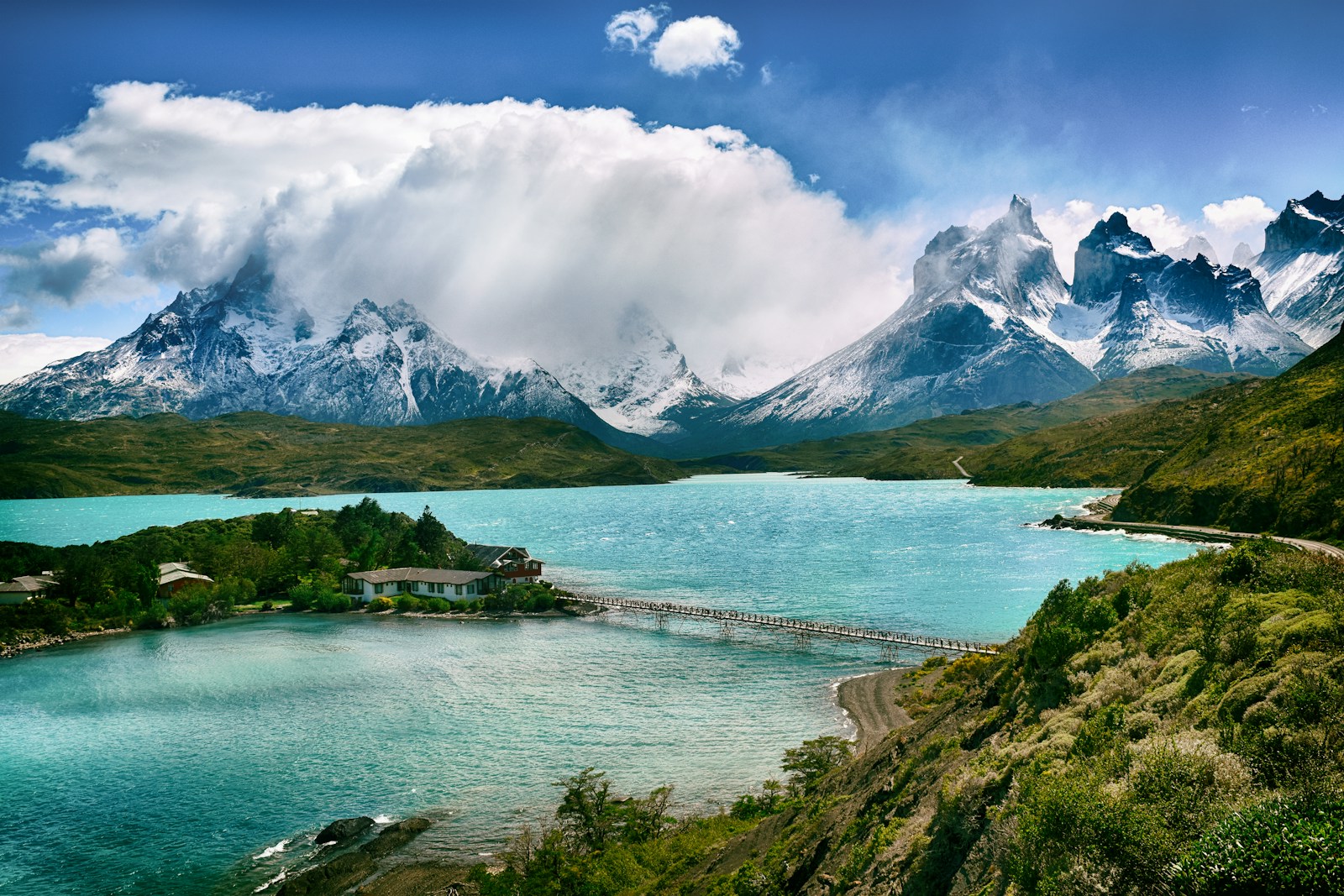
Patagonia’s dramatic scenery is tailor-made for travel storytelling: granite peaks, glacial lakes, and vast open spaces. The famous W trek in Torres del Paine is a multi-day route, not a casual stroll with a cinematic soundtrack. Check current requirements through CONAF and official park information before booking.
The Caretera Austral offers a different kind of adventure, with remote communities, forests, rivers, and long scenic drives. Celebrity content can make the route look wonderfully spontaneous. In practice, distances, weather, road conditions, and limited services reward careful planning.
Atacama Desert and Northern Chile
The Atacama can look almost otherworldly on screen—and it is a powerful example of how visual storytelling can spark travel interest. Visitors may be drawn to desert landscapes, stargazing, salt flats, and high-altitude excursions.
The practical side matters just as much:
- Ask operators about altitude and activity intensity.
- Protect yourself from strong sun and dry conditions.
- Allow time for acclimatization where relevant.
- Confirm current access, transport, and tour details.
A vivid celebrity photo can show the view. A knowledgeable local operator can help explain how to experience it safely and respectfully.
Santiago, the Andes, and Central Chile
Santiago can serve as a gateway to city culture and nearby outdoor experiences. The Andes offer an impressive backdrop, but a mountain trip is still a mountain trip: conditions may change, and access can depend on season and local guidance.
For ideas on mountain-focused travel, explore Chile Vacay’s Andes Mountains section and confirm current conditions with relevant authorities and operators. Celebrity content is most helpful here when it identifies the actual route or activity rather than simply framing the skyline beneath a snowy ridge.
Chilean Coast, Lakes, Volcanoes, and Wine Country
Chile’s adventure story isn’t confined to the high mountains or far south. Coastal areas, lake districts, and wine regions can combine active days with food, culture, and slower travel.
A thoughtful itinerary might pair a guided outdoor activity with a local meal or cultural stop. Browse cultural experiences and destinations to broaden the trip beyond a single “must-see” photograph.
📣 What Makes a Celebrity Travel Campaign Effective?
Fame can buy attention; it cannot guarantee trust. The most useful travel promotion connects a recognizable voice to accurate information, local insight, and responsible visitor behavior.
Authenticity, Audience Fit, and Local Knowledge
An effective campaign feels plausible for the person sharing it. An athlete discussing a demanding route has a natural connection to outdoor travel; a musician sharing a hometown food tradition may better suited to cultural tourism. Either can work, provided the content feels honest and the destination is represented with care.
We look for three signals:
- Personal relevance: The experience makes sense for the public figure.
- Local collaboration: Local guides, creators, and businesses have visible roles.
- Specificity: The content names places and explains what visitors can actually do.
Visual Storytelling and Practical Travel Information
A strong image creates desire; useful details turn desire into a good trip. Campaigns should ideally connect scenic content to official destination pages, local operators, park guidance, and practical planning.
For travelers, our advice is simple: enjoy the story, then verify the logistics. On the Chile Travel website, look for official destination information; on CONAF, check protected-area guidance. The scenic shot and the park notice do different jobs, and you need both.
Accessibility, Seasonality, and Responsible Expectations
A campaign shouldn’t imply that every traveler can access every experience in the same way. It should communicate relevant difficulty, accessibility details, seasonality, and safety expectations—or direct audiences to sources that do.
That matters especially for:
- High-altitude excursions.
- Remote trekking and backcountry routes.
- Activities dependent on weather or water conditions.
- Protected areas with reservations, access restrictions, or conservation rules.
A responsible campaign inspires without promising effortless access.
🌱 Benefits for Local Communities and Chilean Tourism Businesses
Celebrity attention can help local tourism businesses reach new audiences, particularly when content names and links to locally owned operators. It can also bring more visitors to already popular places, creating strain if promotion outpaces conservation and community planning.
Supporting Local Guides, Lodges, and Small Businesses
The best promotion doesn’t stop at the view. It helps travelers find the people who make an experience possible: guides, transport providers, family-run lodges, restaurants, and community organizations.
When a celebrity or creator shares an activity, check whether they:
- Credit the local guide or operator.
- Explain who owns or runs the business.
- Link to a direct booking or information page.
- Encourage visitors to follow local rules.
- Include community perspectives rather than speaking for residents.
This approach can help turn attention into more locally distributed visitor spending—although actual economic impact needs evidence, not just a high view count.
Promoting Regional Tourism Beyond Santiago
Public figures can help bring attention to places outside Chile’s best-known urban and national-park destinations. That can support regional tourism, encourage longer trips, and give travelers a fuller picture of the country.
There’s a catch: simply naming a lesser-known place can create sudden pressure without giving visitors the information or infrastructure they need. Good promotion should pair discovery with guidance from local tourism organizations and residents.
Creating Jobs and Encouraging Longer Stays
When travelers build multi-stop itineraries, more businesses and communities may benefit than when they visit one famous viewpoint and leave. A campaign can encourage that broader exploration by showcasing complementary activities, regional routes, and local experiences.
Still, jobs and revenue are outcomes to measure, not benefits to assume. Tourism bodies and campaign partners should assess bookings, seasonality, local sourcing, visitor distribution, and community feedback—not just impressions.
⚠️ Challenges and Responsible Tourism Considerations
A viral post can make a quiet location famous overnight. For fragile landscapes, that is not always good news. The challenge is to encourage meaningful travel while protecting natural places and respecting the people who live there.
Overtourism, Fragile Landscapes, and Visitor Pressure
Increased attention can concentrate visitors on a handful of recognizable locations, increasing pressure on trails, facilities, wildlife, and local services. Before visiting a protected area:
- Check current access rules and closures with CONAF.
- Follow marked routes and site instructions.
- Don’t disturb wildlife or remove natural materials.
- Use local services where appropriate.
- Consider less busy seasons or alternative destinations only when access is confirmed.
Cultural Respect and Indigenous Representation
Chile’s places are not empty sets waiting for an adventure photo. They are homes, workplaces, and culturally significant landscapes. Content should avoid treating local or Indigenous communities as scenery and should respect restrictions on photography, access, and cultural knowledge.
Travelers can prepare by learning about local context, following community guidance, and choosing cultural experiences led or endorsed by local people. Start exploring through our cultural experiences category.
Advertising Transparency and Influencer Disclosures
If a celebrity or creator was paid, gifted travel, or given another material benefit, audiences should be able to recognize that relationship. Disclosure standards vary by jurisdiction and platform, so travelers should look for clear labels such as “paid partnership” or an explicit sponsorship statement.
A disclosure doesn’t make content untrustworthy. It simply helps you understand its context. Independent opinion, sponsored storytelling, and official tourism messaging are different kinds of evidence.
How Travelers Can Follow Outdoor Safety Guidance
Use this checklist before copying an adventure from a post:
- Confirm the exact location and whether it is open to visitors.
- Check weather and alerts through official sources such as SENAPRED.
- Review park rules and reservations with CONAF.
- Ask a qualified local operator about activity difficulty and equipment.
- Share your itinerary for remote outings and follow local emergency guidance.
- Have a backup plan if conditions change.
The glamorous part of adventure travel is the view at the end. The smart part is knowing when not to push on.
📊 How to Measure the Impact of Celebrity Tourism Promotions
A famous post may collect attention, but tourism organizations need to know whether it creates meaningful, responsible visits. Good measurement combines online signals with real-world evidence and community feedback.
Reach, Engagement, and Destination Searches
Campaign teams can track:
- Views, reach, and audience location.
- Saves, shares, comments, and click-throughs.
- Searches for a destination, route, or activity.
- Visits to official destination pages.
- Referral traffic to local businesses and operators.
These indicators show awareness and intent; they do not prove that someone travelled or spent money locally.
Bookings, Visitor Numbers, and Local Economic Benefits
Stronger evidence may include changes in bookings, visitor counts, seasonality, and business participation. It should also consider where visitor spending goes: local operators and community businesses, or only large intermediaries.
Useful evaluation questions include:
- Did visits increase in the promoted region?
- Were visitors spread across seasons and locations?
- Did local businesses report measurable benefits?
- Did demand exceed the destination’s capacity?
- Were environmental or community impacts monitored?
Long-Term Brand Awareness and Repeat Visits
A campaign’s value may extend beyond immediate bookings. It can improve awareness of Chile as an adventure destination, encourage return visits, or prompt travelers to explore regions they hadn’t previously considered.
Long-term measurement should combine tourism data with resident perspectives and conservation indicators. A campaign is not successful simply because more people arrive; success includes how visitors arrive, where benefits go, and what happens to the destination.
🧳 How to Turn Celebrity Inspiration into a Chile Trip
A celebrity post can be the spark. Here’s the practical process we use to turn that spark into a trip that’s enjoyable, realistic, and respectful.
Verify Locations, Access Rules, and Travel Conditions
- Identify the location. Find the original caption, tagged account, map reference, or official campaign page.
- Cross-check the destination. Use Chile Travel and relevant regional sources.
- Check protected-area rules. Confirm access, reservations, and closures with CONAF.
- Check alerts and conditions. Consult SENAPRED and local authorities.
- Confirm what’s changed. Recent posts may still be out of date; verify with the operator or destination directly.
Choose Responsible Tours and Local Operators
A good operator should explain what’s included, what experience is required, how they manage safety, and what happens if conditions change. Look for local knowledge, clear communication, and respect for environmental and community rules.
We recommend comparing more than the star rating. Read recent reviews for specific details about guides, safety briefings, group sizes, transport, and honest handling of changing conditions. Browse our adventure travel guides for trip-planning ideas.
Plan for Weather, Distances, and Outdoor Safety
Chile’s geography is enormous, and maps can make travel times look friendlier than they are. Leave room for transfers, weather, and rest. For outdoor plans:
- Pack for conditions, not just the forecast in one town.
- Carry water and sun protection suited to your activity.
- Follow guide instructions and marked routes.
- Tell someone your plans when heading into remote areas.
- Keep a flexible backup activity.
If you’re building a lower-cost itinerary, our budget travel section can help you compare ways to travel without cutting corners on safety or responsible local experiences.
💡 Quick Tips for Tourism Brands and Destination Marketers
For brands, tourism boards, and regional destinations considering a celebrity partnership, the best campaign is more than a famous face in front of a mountain.
- Choose audience fit over follower count. A smaller, knowledgeable outdoor voice may be more useful than a broad but unrelated audience.
- Pay local partners fairly and credit them clearly.
- Name the destination accurately and link to official, up-to-date visitor information.
- Include practical context: season, difficulty, access, and safety.
- Disclose sponsorships plainly.
- Avoid concentrating all attention on already crowded locations.
- Measure community and conservation effects alongside reach and engagement.
- Keep claims verifiable. A visit is not proof of an endorsement, and a view count is not proof of economic impact.
That combination—credible storytelling, local participation, and reliable planning information—is what turns celebrity attention into a better invitation to explore Chile.