Support our educational content for free when you purchase through links on our site. Learn more
🏔️ 8 Epic Patagonia Hikes: The Ultimate 2026 Trail Guide


Forget the short lists; the answer to “What are some of the most scenic hiking trails to explore in Chile’s Patagonia region?” is a dynamic mix of eight distinct adventures ranging from the iconic W Trek to the remote Dientes de Navarino. While the famous granite towers of Torres del Paine steal the spotlight, the true magic lies in the variety of landscapes you can traverse, from glacial valleys to windswept steppes. We once watched a storm roll in over the French Valley so fast that the sky turned from brilliant blue to bruised purple in under ten minutes, proving that Patagonia demands your full attention.
Whether you are a seasoned treker or a first-time hiker, this region offers trails that cater to every skill level and appetite for solitude. The wind here doesn’t just blow; it sculpts the very soul of the landscape, creating a backdrop that feels almost otherworldly.
Key Takeaways
- Diverse Options: From the popular W Trek to the challenging O Circuit and the remote Dientes de Navarino, there are 8 distinct trails to suit every hiker’s pace and ambition.
- Timing is Critical: The best window for hiking is December to March, but booking Refugios and campsites 6–8 months in advance is non-negotiable during peak season.
- Weather Preparedness: Expect four seasons in one day; packing high-quality waterproof layers, Merino wool, and sturdy boots is essential for safety and comfort.
- Beyond the Crowds: While the W Trek is iconic, exploring the Fitz Roy region in Argentina or the Laguna Amarga loop offers equally stunning views with fewer people.
Table of Contents
- ⚡️ Quick Tips and Facts
- 🌍 Unveiling the Wild: A Background on Patagonia’s Rugged Landscape
- 🗺️ Where is Patagonia and How to Get There?
- 📅 When to Visit Patagonia for the Best Hiking Weather
- 🥾 The Ultimate Guide to Chile’s Most Scenic Hiking Trails
- 1. The Iconic W Trek: Torres del Paine’s Crown Jewel
- 2. The O Circuit: A Full-Immersion Patagonia Expedition
- 3. The Grey Glacier Trek: Walking Among Icebergs
- 4. The French Valley: A Deep Dive into Glacial Geology
- 5. The Paine Grande to Grey Lake Connector
- 6. The Mirador Las Torres: Chasing the Three Towers
- 7. The Laguna Amarga Loop: A Short but Stunning Alternative
- 8. The Alta Patagonia: Exploring the Remote Southern Trails
- 🏔️ Beyond Torres del Paine: Scenic Hikes in El Chaltén and Fitz Roy
- 🏕️ Navigating the Refugios: Where to Sleep on the W and O Treks
- 🎒 What to Pack for Hiking Patagonia: The Essential Gear List
- 🏋️ How to Train for Hiking Patagonia: Preparing Your Body and Mind
- 🐧 Wildlife Encounters: What Animals Will You See on the Trails?
- 🧊 Unique Patagonia Experiences: Kayaking, Boat Tours, and Ice Hikes
- 🛡️ Is Hiking Patagonia Safe? Navigating Risks and Weather
- 🚴 Active Adventures: Mountain Biking and Horseback Riding Options
- 💡 Lessons Learned: What Makes Patagonia Special?
- ❓ Frequently Asked Questions About Patagonia Hiking
- What is the W Trek in Patagonia?
- How difficult is Patagonia treking?
- Is Patagonia better in Chile or Argentina?
- When is the best time to visit Patagonia?
- Do you need a guide for Patagonia?
- What should you pack for Patagonia?
- Conclusion
- Recommended Links
- Reference Links
⚡️ Quick Tips and Facts
Before you lace up those boots and dream of granite spires, let’s hit the ground running with the absolute essentials. Patagonia isn’t just a place; it’s a mood, a weather system, and a physical challenge all rolled into one.
- The “Four Seasons in One Day” Rule: This isn’t a myth; it’s a guarantee. You might start your hike in shorts under a blazing sun, only to be huddled in a windbreaker, rain jacket, and thermal layers by lunch. Pack for everything.
- The Wind is Real: We’re not talking a gentle breeze. We’re talking gale-force winds that can knock you off balance. If you’ve never felt wind that strong, prepare to be humbled.
- Book Ahead (Seriously): The W Trek and O Circuit have limited capacity. During peak season (December to February), Refugios (mountain lodges) and campsites sell out 6–8 months in advance. Do not show up hoping for a spot.
- Cash is King (in Argentina): While Chile uses cards widely, crossing into Argentina? Bring crisp US dollars. The exchange rate on the “blue market” can be nearly double the official bank rate.
- Leave No Trace: This is a fragile ecosystem. Pack out everything you pack in. No exceptions.
For a broader look at what else this incredible country has to offer beyond the trails, check out our guide on What are the top tourist attractions to see in Chile?.
🌍 Unveiling the Wild: A Background on Patagonia’s Rugged Landscape

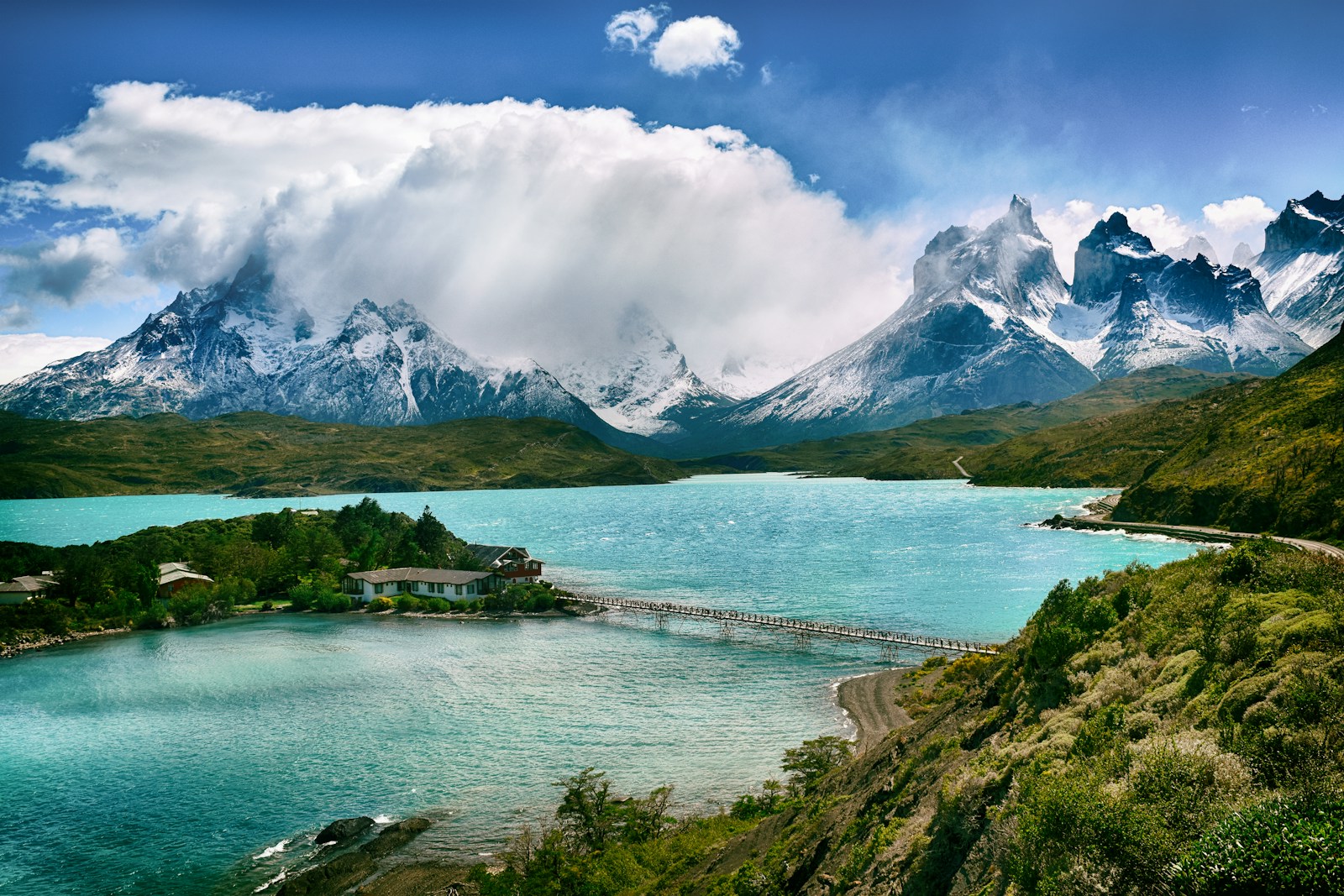
Patagonia is the southernmost tip of South America, a vast, windswept region shared by Chile and Argentina. It’s a land where the Andes Mountains crash into the Atlantic Ocean, creating a dramatic tapestry of glaciers, fjords, steppes, and temperate rainforests.
Historically, this was the domain of the Selk’nam and Yaghan peoples, who navigated these harsh landscapes for millennia before European explorers arrived. Today, it remains one of the last true wildernesses on Earth. The geology is fascinating; the Patagonian Ice Sheet carved out the deep U-shaped valleys and massive lakes you see today, leaving behind the iconic granite towers of Tores del Paine and the jaged peaks of Fitz Roy.
Why does the landscape feel so raw? Because it is. The region sits in the “Roaring Forties,” a latitude band known for relentless westerly winds. This constant battering by the elements has sculpted the trees into twisted, wind-sheared shapes and kept the air crisp and clean. It’s a place that demands respect, but in return, it offers a solitude and beauty that is hard to find anywhere else.
🗺️ Where is Patagonia and How to Get There?
Patagonia spans roughly 1,0 kilometers (620 miles) from north to south. Most hikers focus on two main hubs:
- Chilean Patagonia (Tores del Paine): The gateway is the town of Puerto Natales. From there, it’s a 2.5-hour bus ride to the park entrance.
Fly into: Punta Arenas (PUQ) or Puerto Natales (if seasonal flights are available).
From Punta Arenas: Take a bus to Puerto Natales, then a transfer to the park. - Argentine Patagonia (El Chaltén/El Calafate): The gateway is El Calafate. From there, it’s a 3-hour bus ride to the hiking capital, El Chaltén.
Fly into: El Calafate (FTE).
From El Calafate: Bus to El Chaltén.
Pro Tip: If you plan to do both the W Trek and the Fitz Roy hikes, you’ll need to cross the border. The most common route is flying into Punta Arenas, doing the W Trek, then flying or bus-ing to El Calafate for the Fitz Roy hikes.
📅 When to Visit Patagonia for the Best Hiking Weather
Timing is everything in Patagonia. The weather is notoriously volatile, but there are “best” times to visit.
- Peak Season (December – February):
✅ Pros: Longest daylight hours (up to 17 hours!), warmest temperatures (10°C–20°C / 50°F–68°F), all trails and Refugios open.
❌ Cons: Crowds! Trails can feel like a conveyor belt. You must book months in advance. Prices are highest. - Shoulder Season (November & March):
✅ Pros: Fewer crowds, stunning autumn colors (March), still decent weather.
❌ Cons: Days are shorter. Some services might start closing in late March. Weather is more unpredictable. - Off-Season (April – October):
✅ Pros: Solitude. You might have the whole trail to yourself.
❌ Cons: Many Refugios and services are closed. Snow can block high passes. Temperatures drop below freezing. Not recommended for first-timers.
Our Verdict: Aim for late November or early March if you want a balance of good weather and manageable crowds.
🥾 The Ultimate Guide to Chile’s Most Scenic Hiking Trails
Okay, you’re here for the trails. Let’s break down the most scenic hiking trails to explore in Chile’s Patagonia region. While the W Trek is the famous one, there are other gems that offer equally stunning views with different vibes.
1. The Iconic W Trek: Torres del Paine’s Crown Jewel
The W Trek is the most popular route in Patagonia, named for the “W” shape it traces across the park. It takes about 4–5 days and covers roughly 43 miles (70 km).
- Highlights: The Base Las Torres, the French Valley, and Grey Glacier.
- Difficulty: Moderate to Challenging.
- Why do it? It hits all the major icons in a relatively short time. It’s the “greatest hits” album of Patagonia.
2. The O Circuit: A Full-Immersion Patagonia Expedition
The O Circuit (or Paine Circuit) is the W Trek plus a loop around the back of the Paine Massif. It adds 3–4 days and covers about 75 miles (120 km).
- Highlights: The remote John Gardner Pass, panoramic views of the Grey Glacier from above, and total solitude.
- Difficulty: Challenging. Requires better fitness and self-sufficiency.
- Why do it? If you want to escape the crowds and see the “backside” of the mountains, this is it.
3. The Grey Glacier Trek: Walking Among Icebergs
While part of the W Trek, the hike to Mirador Grey can be done as a standalone day hike or a shorter multi-day trip.
- Highlights: Up-close views of the Grey Glacier, kayaking among icebergs.
- Difficulty: Moderate.
- Why do it? It’s the best place to see active calving (ice breaking off) and get a sense of the sheer scale of the ice sheet.
4. The French Valley: A Deep Dive into Glacial Geology
Often cited as the most beautiful section of the W Trek, the French Valley is a U-shaped valley carved by glaciers.
- Highlights: Surounded by the Vale del Francés, Piedras Blancas Glacier, and the Paine Massif.
- Difficulty: Moderate (step climb to the viewpoint).
- Why do it? The sense of being in a natural amphitheater is unmatched. You can hear the distant roar of avalanches.
5. The Paine Grande to Grey Lake Connector
This is the leg of the W Trek that connects the French Valley to Grey Lake.
- Highlights: Walking through ancient Nothofagus forests, crossing suspension bridges, and the transition from forest to glacial lake.
- Difficulty: Easy to Moderate.
- Why do it? It’s a scenic, relatively flat section that offers a nice break from the steep climbs.
6. The Mirador Las Torres: Chasing the Three Towers
This is the hike to the base of the three granite towers. It can be done as a day hike from the Chileno campsite or as part of the W Trek.
- Highlights: The iconic Las Torres (The Towers) rising above a turquoise lagoon.
- Difficulty: Challenging (step, rocky, and windy).
- Why do it? It’s the most photographed view in Patagonia. The final scramble over boulders is worth every blister.
7. The Laguna Amarga Loop: A Short but Stunning Alternative
Located near the park entrance, this is a great option for a shorter hike or a warm-up.
- Highlights: Views of the Tores del Paine from a distance, Laguna Amarga (Salt Lake), and potential puma sightings.
- Difficulty: Easy to Moderate.
- Why do it? It’s less crowded and offers a different perspective of the mountains.
8. The Alta Patagonia: Exploring the Remote Southern Trails
For the truly adventurous, there are trails further south in the Alta Patagonia region, such as the Dientes de Navarino circuit.
- Highlights: Rugged, untouched wilderness, no Refugios (wild camping only), and extreme isolation.
- Difficulty: Very Challenging.
- Why do it? If you want to feel like the last person on Earth.
🏔️ Beyond Torres del Paine: Scenic Hikes in El Chaltén and Fitz Roy
While Chile’s Tores del Paine gets the glory, the Argentine side of Patagonia, specifically El Chaltén, offers some of the most spectacular hiking in the world.
- Laguna de Los Tres: The hike to the base of Mount Fitz Roy. It’s a 13-mile round trip with 3,454 ft of elevation gain. The final ascent is steep, but the view of the pink granite peak reflecting in the turquoise lagoon is legendary.
- Laguna Torre: A slightly easier hike (13 miles round trip) to a lake with views of Cerro Torre. It’s less crowded than Fitz Roy and offers a different kind of beauty.
- Cerro Chaltén: A shorter hike that offers panoramic views of the town and the surrounding peaks.
Why visit El Chaltén? It’s a hiker’s paradise. The trails start right from the town center, and the infrastructure is geared towards independent hikers. Plus, the vibe is more laid-back than the busy Refugios of Torres del Paine.
🏕️ Navigating the Refugios: Where to Sleep on the W and O Treks
One of the unique aspects of the W and O treks is the Refugio system. These are mountain lodges that provide bunk beds, meals, and shelter.
- Pros: No need to carry a tent or heavy sleeping bag. Hot showers (sometimes), warm meals, and a place to dry your gear.
- Cons: Can be expensive. Bunks are tight. You need to book months in advance.
- Popular Refugios:
Refugio Central: Near the start of the W Trek.
Refugio Paine Grande: A hub for the French Valley and Grey Glacier.
Refugio Chileno: The base for the Las Torres hike.
Refugio Grey: Close to the Grey Glacier.
Camping vs. Refugios: If you prefer solitude and don’t mind carrying a tent, camping is an option. However, campsites are also limited and require booking. For a lighter pack and more comfort, Refugios are the way to go.
🎒 What to Pack for Hiking Patagonia: The Essential Gear List
Packing for Patagonia is an art form. You need to be prepared for sun, wind, rain, and cold all in one day.
Clothing Layers
- Base Layer: Merino wool or synthetic. Avoid cotton!
- Mid Layer: Fleece or lightweight down jacket.
- Outer Layer: Waterproof and windproof shell (Gore-Tex is a must).
- Pants: Convertible hiking pants or waterproof trousers.
- Footwear: Sturdy, broken-in hiking boots with good ankle support.
Essential Gear
- Backpack: 30–40L for day hikes, 50–60L for multi-day.
- Sleeping Bag: Rated to at least -5°C (23°F) if camping.
- Treking Poles: Highly recommended for the steep descents and river crossings.
- Water Filter: Refugios have water, but you’ll need to filter it for the trail.
- Sun Protection: High SPF sunscreen, sunglasses, and a wide-brimed hat.
Recommended Brands:
🏋️ How to Train for Hiking Patagonia: Preparing Your Body and Mind
You don’t need to be an Olympic athlete, but you do need to be in good shape. The W Trek involves 4–5 days of hiking 6–8 hours a day with significant elevation gain.
- Cardio: Focus on running, cycling, or swimming to build endurance. Aim for 30–45 minutes of moderate cardio 3–4 times a week.
- Strength: Leg strength is crucial. Do squats, lunges, and step-ups. Core strength will help you carry your pack.
- Hiking Practice: If possible, do some day hikes with a weighted pack. Get your feet used to the terrain.
- Mental Prep: Be ready for bad weather and long days. Patience and a positive attitude are your best tools.
🐧 Wildlife Encounters: What Animals Will You See on the Trails?
Patagonia is a wildlife lover’s dream. While you might not see a puma every day, you’ll definitely spot:
- Guanacos: The wild cousins of llamas. They are everywhere, grazing in herds.
- Andean Condors: Massive birds with 10-foot wingspans soaring on thermal currents.
- Magellanic Penguins: Found on islands like Isla Magdalena.
- Pumas: Rare but present. The best place to spot them is in Laguna Amarga or on guided tours.
- Foxes and Hares: Commonly seen along the trails.
Tip: Bring binoculars! They make a huge difference in spotting wildlife from a distance.
🧊 Unique Patagonia Experiences: Kayaking, Boat Tours, and Ice Hikes
Hiking isn’t the only way to experience Patagonia.
- Kayaking on Lake Grey: Paddle among icebergs and get a front-row seat to the Grey Glacier. It’s a magical experience.
- Glacier Boat Tour: Take a boat tour to get close to the glacier face. Some tours even offer “ice in your drink” where you can taste a piece of ancient ice.
- Big Ice Trek: On the Perito Moreno Glacier (Argentina), you can hike on the ice with crampons. It’s a once-in-a-lifetime adventure.
🛡️ Is Hiking Patagonia Safe? Navigating Risks and Weather
Patagonia is generally safe, but the environment can be unforgiving.
- Weather: The biggest risk. Sudden storms can bring high winds, rain, and cold. Always check the forecast and be prepared to turn back if conditions worsen.
- Terrain: Some trails are rocky and steep. Use treking poles and watch your step.
- Wildlife: Pumas are rare, but it’s good to be aware. Make noise while hiking to avoid surprising them.
- Navigation: Stick to marked trails. The weather can reduce visibility to zero, making it easy to get lost.
Safety Tip: Always tell someone your itinerary. Carry a map, compass, and a fully charged phone (though signal is spotty).
🚴 Active Adventures: Mountain Biking and Horseback Riding Options
If you want to mix it up, Patagonia offers other active adventures.
- Mountain Biking: The W Trek can be done by bike (though it’s challenging). There are also dedicated mountain biking trails in the region.
- Horseback Riding: Experience the pampas on horseback. It’s a great way to see the landscape from a different perspective.
💡 Lessons Learned: What Makes Patagonia Special?
After hiking the trails, one thing becomes clear: Patagonia is special because of its rawness. It’s not a polished tourist destination; it’s a wild, untamed place that demands your attention. The wind, the weather, the isolation—it all combines to create an experience that stays with you long after you leave.
As one traveler put it, “Patagonia will leave you in awe with its endless beauty.” It’s a place where you feel small, but also connected to something greater.
❓ Frequently Asked Questions About Patagonia Hiking
What is the W Trek in Patagonia?
The W Trek is a 4–5 day hiking route in Tores del Paine National Park that traces a “W” shape across the park. It covers the Base Las Torres, French Valley, and Grey Glacier. It’s the most popular hike in Patagonia.
How difficult is Patagonia treking?
The W Trek is rated moderate to challenging. It involves 4–5 days of hiking 6–8 hours a day with significant elevation gain. The O Circuit is more challenging and requires better fitness.
Is Patagonia better in Chile or Argentina?
Both have their merits. Chile offers the iconic Tores del Paine and the W Trek. Argentina offers Fitz Roy and Perito Moreno Glacier. Many hikers do both!
When is the best time to visit Patagonia?
The best time is December to February (summer) for warm weather and long days. November and March are great for fewer crowds.
Do you need a guide for Patagonia?
No, you don’t need a guide for the W Trek or Fitz Roy hikes. The trails are well-marked. However, guided tours are available if you prefer support.
What should you pack for Patagonia?
Pack layers, waterproof gear, sturdy boots, treking poles, and sun protection. Don’t forget a good sleeping bag if you’re camping.
Conclusion

So, is Patagonia worth the hype? Absolutely. Whether you’re tackling the iconic W Trek, chasing the sunrise at Laguna de Los Tres, or kayaking among icebergs on Lake Grey, Patagonia offers an adventure that is both physically demanding and spiritually rewarding.
The key to a successful trip is preparation. Book your Refugios early, pack for all weather conditions, and be ready to embrace the wild. Patagonia isn’t just a destination; it’s a journey that will challenge you, inspire you, and leave you with memories that last a lifetime.
Ready to start planning? Check out our Recommended Links for gear, tours, and more.
Recommended Links
👉 Shop Hiking Gear on:
- Hiking Boots: Merell | Salomon | Merell Official
- Rain Jackets: Arc’teryx | Patagonia | Patagonia Official
- Backpacks: Osprey | Deuter | Osprey Official
Books & Guides:
Tours & Operators:
- Active Adventures (Highly recommended for guided trips)
- G Adventures (Small group tours)
Reference Links
- Tores del Paine National Park Official Website
- Chilean National Forest Corporation (CONAF)
- Active Adventures: Patagonia Adventure
- Amanda Liggs: Five Hikes in Patagonia
- Suitcase and I: Top 5 Hikes in Patagonia
- AllTrails: Mirador Las Torres
- AllTrails: Laguna de Los Tres
Frequently Asked Questions (Expanded)
What are some of the most iconic and challenging hikes in Torres del Paine National Park, and how can I access them?
The most iconic hikes are the W Trek and the O Circuit. The W Trek is accessible from the park entrance near Puerto Natales. The O Circuit requires a longer permit and starts from the same area but loops around the back of the park. Both require advance booking for Refugios or campsites.
How do I prepare for a multi-day hiking trip in Patagonia, including gear, accommodations, and safety precautions?
Preparation involves physical training, packing the right gear (layers, waterproofs, boots), and booking accommodations (Refugios or campsites) months in advance. Safety precautions include checking weather forecasts, carrying a map and compass, and being prepared for sudden weather changes.
What is the best time of year to visit Chile’s Patagonia region for hiking and outdoor activities?
The best time is December to February (summer) for warm weather and long days. November and March are great for fewer crowds.
What is the best time of year to hike the W Trek in Patagonia?
The W Trek is best hiked from November to March. The park is closed during the winter months (June to August).
How many days do I need to complete the O Circuit in Torres del Paine?
The O Circuit typically takes 7–9 days to complete, depending on your pace and the number of stops.
Are there guided hiking tours available for beginners in Chilean Patagonia?
Yes, there are many guided tours available for beginners. Companies like Active Adventures and G Adventures offer guided trips that include gear, meals, and support.
What essential gear should I pack for hiking in Patagonia’s unpredictable weather?
Essential gear includes layers (base, mid, outer), waterproof jacket and pants, sturdy hiking boots, trekking poles, sunscreen, sunglasses, and a good sleeping bag if camping.