Support our educational content for free when you purchase through links on our site. Learn more
How to Get Around Chile

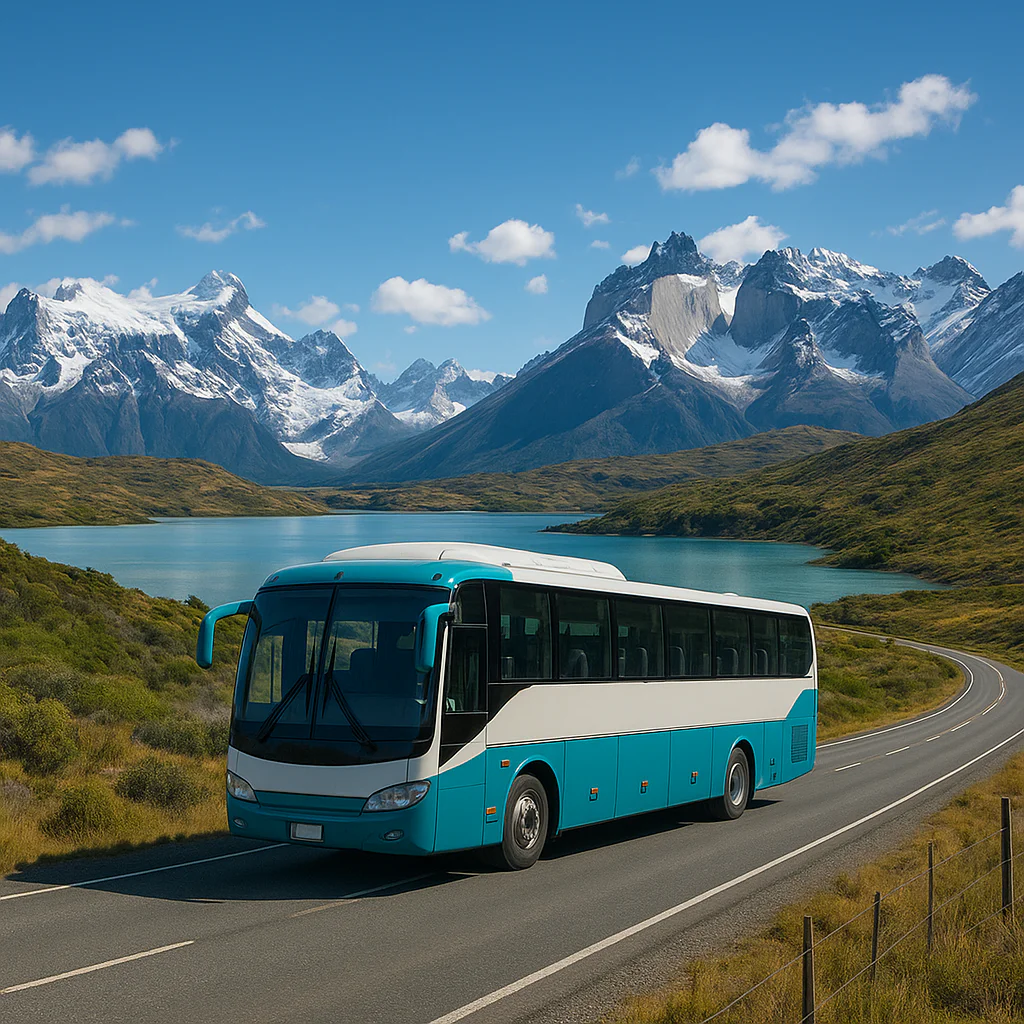
Chile stretches over 4,30 kilometers from the arid Atacama Desert to the icy fjords of Patagonia, a distance so vast that driving the entire length would take you nearly 40 hours of non-stop driving. So, how do you actually navigate this vertical masterpiece without losing your mind or your wallet? The answer isn’t a single mode of transport, but a strategic blend of luxury buses, domestic flights, and rental cars that changes depending on where you are. We once spent 14 hours on a “Salón Cama” bus from Santiago to Puerto Mont, arriving feeling more rested than after a short-haul flight, proving that in Chile, the journey is often as spectacular as the destination.
In this ultimate guide, we break down exactly how to conquer Chile’s unique geography. Whether you are chasing the midnight sun in Patagonia or the stars in the Atacama, we’ll reveal why the bus network is often superior to trains, which airlines dominate the skies to Easter Island, and the specific rules for driving on the gravel roads of the Caretera Austral. From decoding the chaotic but efficient Santiago Metro to finding the hidden gems of regional ferry routes, we’ve got the insider secrets you need to plan a seamless adventure.
Key Takeaways
- The Bus is King: Chile’s long-distance bus network, featuring Semicama and Salón Cama classes, is often more comfortable, frequent, and affordable than flying for distances under 1,0 km.
- Fly for the Extremes: To save time on the 4,30 km stretch, domestic flights with LATAM, Sky Airline, or JetSmart are essential for reaching Easter Island, the Atacama, and Patagonia quickly.
- Rent Smart: Renting a car offers unmatched freedom in the Lake District and Atacama, but requires caution on gravel roads and strict adherence to traffic laws in Santiago.
- City Hopping: In major cities like Santiago, rely on the Santiago Metro and ride-sharing apps (Uber, Cabify) rather than traditional taxis for safety and cost-efficiency.
- Book Ahead: During peak season (December–February), bus and flight tickets sell out weeks in advance; use platforms like Recorido.cl to secure the best seats.
Table of Contents
- ⚡️ Quick Tips and Facts
- 🇨🇱 Chilean Transit History: From Mules to High-Speed Trains
- 🚌 The Bus Network: Chile’s Lifeline and Most Reliable Overland Option
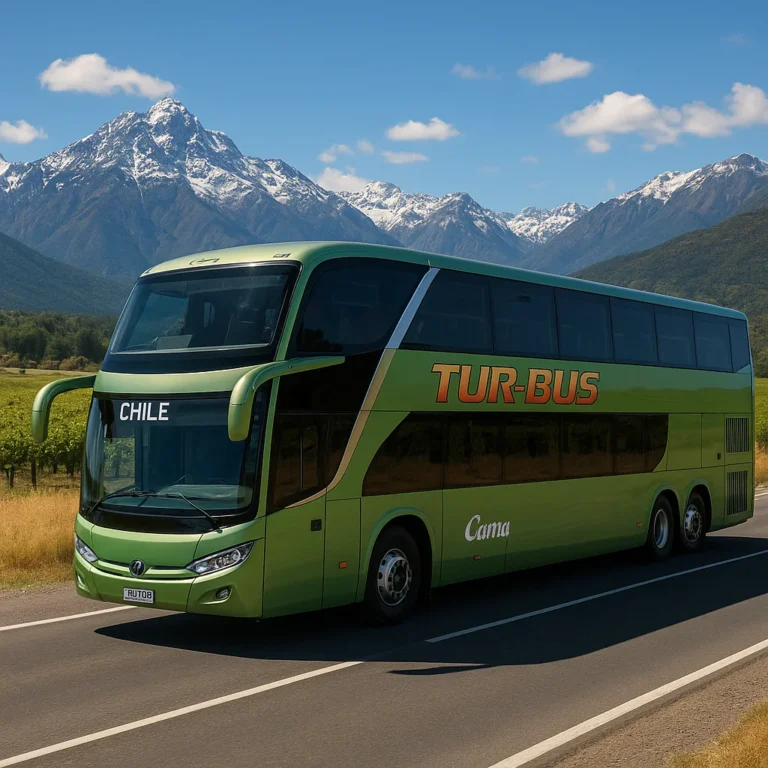
- Premium Long-Distance Cariers: Pullman Bus, Tur Bus, and Buses Buses
- Regional and Local Bus Services: Navigating the Valeys and Coast
- How to Book Chilean Bus Tickets Online and Offline
- ✈️ Domestic Flights: Conquering the 4,30km Length of Chile
- Major Airlines: LATAM, Sky Airline, and JetSmart
- Airport Transfers: Getting from Santiago to the City Center
- Flying to Patagonia and Easter Island: What to Expect
- 🚆 Trains and Metro: The Santiago Commuter Experience and Beyond
- Santiago Metro: Lines, Tips, and the BIP! Card System
- Regional Trains: The Alameda Line to Valparaíso and the Sur Line
- 🚗 Renting a Car: Freedom, Fines, and the Ruta 5 Experience
- Best Car Rental Companies in Chile: Hertz, Europcar, and Local Gems
- Driving in Santiago vs. The Atacama Desert vs. Patagonia
- Essential Documents, Insurance, and Toll Roads (Peajes)
- 🚕 Taxis, Ride-Sharing, and Micros: Getting Around Cities Like a Local
- Uber, Cabify, and Beat: The App-Based Revolution
- Traditional Taxis and Radio Taxis: Safety and Meter Rules
- The “Micro” Bus: Santiago’s Colorful and Chaotic Public Transit
- 🚲 Cycling, Hiking, and Alternative Transport in Chile’s Landscapes
- 🗺️ Seasonal Considerations: Winter in the Andes and Summer in the South
- 💡 Insider Secrets: How to Avoid Tourist Traps and Save Money
- 🏁 Conclusion: Choosing Your Perfect Chilean Adventure
- 🔗 Recommended Links
- ❓ FAQ: Your Burning Questions About Getting Around Chile
- 📚 Reference Links
⚡️ Quick Tips and Facts
Before you pack your bags and head to the airport, let’s hit the rewind button on a few myths. Chile isn’t just a long strip of land; it’s a logistical marvel that defies the standard “one-size-fits-all” travel advice.
Video guide
- The “Long” Truth: Chile stretches over 4,30 km (2,670 miles) from north to south. That’s roughly the distance from New York to Los Angeles, but squeezed into a width that rarely exceeds 180 km. You cannot drive this entire length in a weekend.
- The Bus is King: Unlike many countries where buses are a last resort, in Chile, the long-distance bus network is often superior to trains in terms of comfort, frequency, and coverage.
- Cash is (Still) King: While cards work in cities, rural areas, small bus terminals, and ferry crossings often require Chilean Pesos (CLP).
- The “Semicama” Secret: Never book the cheapest “Clásico” seat for a trip longer than 4 hours. The Semicama (semi-reclining) or Salón Cama (lie-flat) classes are game-changers.
- Border Control is Real: If you are bringing food (even a sandwich!), be prepared for it to be confiscated at border crossings or northern checkpoints. The Ministry of Agriculture takes biosecurity very seriously.
For a deeper dive into the sights you’ll be traveling to, check out our guide on What are the top tourist attractions to see in Chile?.
🇨🇱 Chilean Transit History: From Mules to High-Speed Trains

To understand how to get around Chile today, you have to appreciate the sheer audacity of its history. For centuries, the Andes Mountains and the Atacama Desert acted as natural walls, isolating communities. The primary mode of transport? Mules and llamas.
The game changed in the late 19th and early 20th centuries with the arrival of the railway. The Ferocarril de Antofagasta a Bolivia and the Ferocarril Longitudinal Sur were engineering feats that connected the nitrate mines of the north to the agricultural south. However, as the 20th century progressed, the railway network began to crumble under the weight of maintenance costs and the rise of the automobile.
By the 1970s and 80s, the Pan-American Highway (Ruta 5) became the new lifeline, shifting the focus to buses and private cars. Today, we are seeing a renaissance. The Santiago Metro is one of the most modern in Latin America, and new high-speed rail projects are on the horizon. Yet, the soul of Chilean travel remains the bus terminal, a chaotic, vibrant hub where the country’s diverse cultures collide.
Did you know? The first train in Chile ran in 1851, connecting Caldera and Copiapó. It was built to transport nitrate, not tourists!
🚌 The Bus Network: Chile’s Lifeline and Most Reliable Overland Option
If you ask a local how they travel, they will likely say, “By bus.” The bus network in Chile is not just reliable; it is legendary. It is the backbone of the nation, connecting the desert of Arica to the glaciers of Patagonia.
1. Premium Long-Distance Cariers: Pullman Bus, Tur Bus, and Buses Buses
When we talk about “premium,” we aren’t talking about a legroom upgrade; we are talking about luxury on wheels. The big three—Pullman Bus, Tur Bus, and Buses Buses—dominate the long-haul market.
- The Experience: Imagine a double-decker bus where the lower deck is reserved for Salón Cama (lie-flat) seats. You recline almost 180 degrees, get a blanket, a pillow, and sometimes even a meal served by an attendant.
- The Tech: Most modern buses feature Wi-Fi (speed varies, don’t expect to stream 4K), USB charging ports at every seat, and individual entertainment screens.
- Our Take: We once took a 14-hour overnight bus from Santiago to Puerto Mont. We arrived feeling more rested than after a 2-hour flight! The Semicama class is the sweet spot for budget-conscious travelers who still want comfort.
| Feature | Clásico (Standard) | Semicama (Semi-Flat) | Salón Cama (Lie-Flat) |
|---|---|---|---|
| Recline | 30-40 degrees | 120-130 degrees | 170-180 degrees |
| Legroom | Standard | Generous | Massive |
| Amenities | Basic | Blanket, Pillow | Meal, Blanket, Pillow, Entertainment |
| Best For | Short trips (<3 hrs) | Medium trips (3-8 hrs) | Long trips (>8 hrs) |
| Price Tier | 💲 | 💲 | 💲 |
Pro Tip: Always book your tickets in advance during peak seasons (December-February). These buses fill up faster than a bar on a Saturday night!
2. Regional and Local Bus Services: Navigating the Valeys and Coast
Not every journey requires a luxury liner. For shorter hops or reaching remote villages, regional carriers are your best bet. Companies like Buses Balmaceda or Buses Los Lagos serve specific corridors.
- The Vibe: These buses are often older, single-decker, and may not have Wi-Fi. They stop frequently to pick up locals and their chickens.
- The Route: Essential for reaching places like Valparaíso, Viña del Mar, or the Lake District towns that aren’t on the main highway.
- Caution: Schedules can be fluid. If a bus says it leaves at 10:0, be at the station by 9:45.
3. How to Book Chilean Bus Tickets Online and Offline
Booking a bus ticket in Chile used to be an adventure in itself (standing in line, arguing in Spanish). Now, it’s surprisingly digital.
- Online Platforms: The absolute best tool for English speakers is Recorido.cl. It aggregates schedules from almost all major companies, allows you to compare prices, and lets you book without a Chilean ID. Recorido.cl is a lifesaver. You can filter by “Semicama” or “Salón Cama” and see exactly which bus company is operating the route.
- Offline: You can still buy tickets at the Terminal de Buses (Bus Terminal). In Santiago, the main terminal is Terminal Alameda, but many companies have their own terminals (e.g., Tur Bus has a dedicated terminal near the Alameda).
- Mobile Apps: Some companies like Pullman have their own apps, but Recorido is generally more user-friendly for tourists.
Wait, what about the “Micro”? Don’t confuse long-distance buses with the city “Micros.” We’ll get to those in the city transport section!
✈️ Domestic Flights: Conquering the 4,30km Length of Chile
Let’s be real: if you want to see Easter Island, Patagonia, and the Atacama Desert in a single two-week trip, you must fly. Driving from Santiago to Punta Arenas would take you nearly 40 hours of pure driving time.
1. Major Airlines: LATAM, Sky Airline, and JetSmart
The Chilean sky is dominated by three players, each with a distinct personality.
- LATAM Airlines: The giant. They have the most extensive network, including the only commercial flights to Easter Island (Rapa Nui). Their service is generally reliable, and they offer better baggage allowances on standard fares. Our Experience: We flew LATAM to Easter Island. The flight was smooth, but the seat pitch was tight. However, their frequency is unmatched.
- Sky Airline: The challenger. Often cheaper than LATAM, with a modern fleet. They are great for domestic routes like Santiago to Puerto Mont or Calama. Watch Out: Their “Basic” fares often include only a small personal item. If you have a carry-on, you’ll pay extra.
- JetSmart: The budget disruptor. Ultra-low-cost carrier. If you are traveling light and just need to get from A to B, this is your guy. Warning: Read the fine print. Fees for everything from seat selection to water can add up quickly.
Comparison of Domestic Airlines:
| Airline | Best For | Bagage Policy | Reliability |
|---|---|---|---|
| LATAM | Easter Island, Full Service | Included carry-on (varies) | High |
| Sky Airline | Value, Modern Fleet | Strict on basic fares | High |
| JetSmart | Ultra-Low Cost | Strict on basic fares | Moderate (Weather dependent) |
2. Airport Transfers: Getting from Santiago to the City Center
Santiago’s Arturo Merino Benítez International Airport (SCL) is about 15-20 km from the city center.
- Bus: The Bus Pullman (distinct from the long-distance Pullman Bus) runs frequently to the city center. It’s cheap and reliable.
- Taxi/Uber: Taxis are readily available but can be pricey. Uber and Cabify are widely used and often cheaper than official taxis.
- Rental Car: If you are picking up a rental car, the counters are in the arrivals hall. Note: Driving in Santiago is stressful; we recommend taking a bus or Uber into the city first, then renting a car for your trip out.
3. Flying to Patagonia and Easter Island: What to Expect
- Easter Island (IPC): Flights are exclusively from Santiago. They are long (about 5.5 hours). Book months in advance; seats sell out fast.
- Patagonia (PUQ, WPU, BA): Flights to Punta Arenas (PUQ) or Puerto Natales (BA) are frequent but can be delayed due to the infamous Patagonian winds. Insider Tip: If you are heading to the Torres del Paine, fly into Puerto Natales if possible, or Punta Arenas and take a bus. The bus ride from Punta Arenas to Natales is scenic but long (4-5 hours).
🚆 Trains and Metro: The Santiago Commuter Experience and Beyond
While the train network has shrunk over the decades, it has found a new life in the Santiago Metro and specific regional corridors.
1. Santiago Metro: Lines, Tips, and the BIP! Card System
The Santiago Metro is the best and cheapest way to navigate the capital. It’s clean, fast, and covers most major tourist areas.
- The BIP! Card: You cannot pay with cash on the train. You need a Tarjeta BIP!. You can buy one at any station for a small fee (refundable deposit) and load it with credit. It works on the Metro and the city buses (Red Metropolitana de Movilidad).
- The Lines: Line 1 (Red): Connects the west (San Pablo) to the east (Los Dominicos), passing through Plaza de Armas and Universidad de Chile. Line 5 (Green): Great for reaching Valparaíso (via connection) and the southern suburbs. Line 6 (Purple): Connects the airport (via Line 5) to the north.
- Safety: Generally very safe, but watch out for pickpockets during rush hour.
2. Regional Trains: The Alameda Line to Valparaíso and the Sur Line
- Santiago to Valparaíso: The EFE (Empresa de los Ferocarriles del Estado) operates a commuter train from Estación Central to Valparaíso. It’s a scenic 2-hour ride. Note: The train doesn’t go all the way to the port; you’ll need a bus or taxi from the station to the city center.
- Santiago to Chillán: The Alameda Line (Sur Line) offers a comfortable train ride to Chillán, a great stopover for wine tasting.
- The Reality: Outside of these specific routes, long-distance trains are rare. The bus is usually faster and more frequent.
🚗 Renting a Car: Freedom, Fines, and the Ruta 5 Experience
Renting a car in Chile offers unparalleled freedom, especially in the Atacama, the Lake District, and Patagonia. However, it comes with a learning curve.
1. Best Car Rental Companies in Chile: Hertz, Europcar, and Local Gems
- International Giants: Hertz, Europcar, and Avis have offices in major cities and airports. They are reliable but often more expensive.
- Local Gems: Companies like Localiza (now part of Hertz but often cheaper), Coyote, and Maggi offer competitive rates and better local knowledge.
- Booking: Always book in advance. Prices skyrocket during summer (Dec-Feb).
2. Driving in Santiago vs. The Atacama Desert vs. Patagonia
- Santiago: Avoid if possible. Traffic is chaotic, parking is a nightmare, and the “Zona de Restrición” (congestion charge) applies to many cars. If you must drive, avoid rush hours (7-9 AM, 6-8 PM).
- The Atacama: Roads are wide and well-paved, but distances are vast. Gas stations are sparse; always fill up when you see one.
- Patagonia: This is where the adventure begins. The Caretera Austral (Southern Highway) is a mix of paved and gravel roads. Warning: Flat tires are common on the gravel sections. Ensure your rental includes a spare tire and a jack. Speed: Speed limits are strictly enforced with radar. The limit is usually 10 km/h on highways, but gravel roads require 60-80 km/h.
3. Essential Documents, Insurance, and Toll Roads (Peajes)
- Documents: You need a valid driver’s license from your home country AND an International Driving Permit (IDP). Police (Carabineros) are strict about this.
- Insurance: Full coverage is non-negotiable. Chilean roads can be rough. Ensure your policy covers “gravel roads” if you plan on driving the Caretera Austral.
- Tolls (Peajes): The Ruta 5 (Pan-American Highway) has several toll booths. You can pay with cash (Chilean Pesos) or a Telepago card (rental cars often come with one).
- Border Crossings: If you plan to cross into Argentina, check with your rental company first. Many prohibit crossing borders, or charge a hefty fee.
🚕 Taxis, Ride-Sharing, and Micros: Getting Around Cities Like a Local
Once you arrive in a city, how do you get around?
1. Uber, Cabify, and Beat: The App-Based Revolution
In Santiago and major cities, Uber, Cabify, and Beat are the preferred choices for tourists.
- Why? They are cheaper than traditional taxis, and you don’t need to speak Spanish to set the destination.
- Safety: Apps provide a record of the trip, driver details, and route.
- Availability: Very high in Santiago, moderate in Valparaíso, and scarce in smaller towns.
2. Traditional Taxis and Radio Taxis: Safety and Meter Rules
- Appearance: Traditional taxis are black with a yellow roof.
- The Meter: Always ensure the meter (taxímetro) is on. If the driver refuses, get out and find another.
- Radio Taxis: These are pre-booked via phone or app. They are safer for late-night travel and can be more expensive.
- Colectivos: Shared taxis that run on fixed routes. They are cheap but can be confusing for non-Spanish speakers.
3. The “Micro” Bus: Santiago’s Colorful and Chaotic Public Transit
The Micro is the city bus. They are colorful (red, blue, green) and run on fixed routes.
- How to use: You need a BIP! card. Tap on when you board.
- The Vibe: They can be packed, especially during rush hour. Routes are displayed on the front window.
- Tip: Ask the driver or a local to confirm the route number. “¿Va a [Destination]?” (Does it go to [Destination]?)
🚲 Cycling, Hiking, and Alternative Transport in Chile’s Landscapes
Chile is a paradise for active travelers.
- Cycling: Santiago has an extensive network of ciclovías (bike lanes). Bike Itaú is the bike-share system. Wilderness: The Caretera Austral is a world-famous cycling route. However, you must be self-sufficient. Bring spare tubes, tools, and extra food.
- Hiking: Many remote areas are only accessible by foot. The W Trek in Torres del Paine is a classic.
- Boats: In the south, feries are essential. The Navimag ferry from Puerto Mont to Puerto Natales is a 4-day journey through fjords. It’s slow, but the scenery is unbeatable.
🗺️ Seasonal Considerations: Winter in the Andes and Summer in the South
- Winter (June-August): The Andes are covered in snow. Chains are mandatory for cars in mountain passes. Ski resorts are open.
- Summer (Dec-Feb): This is peak season. Roads are busy, and accommodation books up fast. In Patagonia, the days are long (sun sets at 10 PM!), but the wind can be fierce.
- Shoulder Seasons (March-May, Sept-Nov): Often the best time to travel. Fewer crowds, milder weather, and lower prices.
💡 Insider Secrets: How to Avoid Tourist Traps and Save Money
- Book Buses Early: Use Recorido.cl to compare prices. Don’t just buy the first ticket you see.
- Avoid “Tourist” Taxis: In Santiago, avoid taxis that approach you at the airport or major hotels. Use Uber or the official airport bus.
- Cary Cash: Many small bus companies and rural feries do not accept cards.
- Learn Basic Spanish: “¿Cuánto cuesta?” (How much?) and “¿A qué hora sale?” (What time does it leave?) go a long way.
- Respect the “Cuidador”: In cities, you might see people watching your car for a tip. It’s a common practice, but not mandatory.
One last question: Have you ever wondered how to navigate the Caretera Austral without a car? We’ll touch on that in the FAQ, but the short answer is: It’s tough, but possible with a mix of buses and hitchiking (if you’re brave!).
🏁 Conclusion: Choosing Your Perfect Chilean Adventure

So, how do you get around Chile? The answer is it depends on your style, budget, and timeline.
- For the Budget Traveler: The bus network is your best friend. It’s comfortable, affordable, and connects you to the heart of the country.
- For the Time-Poor: Domestic flights are essential. Skip the 14-hour bus ride and fly to Patagonia in 2 hours.
- For the Adventurer: Renting a car gives you the freedom to explore the Atacama and the Lake District at your own pace. Just be prepared for gravel roads and strict police.
- For the City Dweller: The Santiago Metro and Uber are efficient and safe.
Our Verdict: The most rewarding way to experience Chile is a hybrid approach. Fly to the extremes (North and South), take the bus through the Central Valley, and rent a car for the Lake District. This mix maximizes your time while keeping costs manageable.
Don’t let the size of Chile intimidate you. With the right transport strategy, this incredible country is waiting for you. Are you ready to hit the road?
❓ FAQ: Your Burning Questions About Getting Around Chile

How do I get to remote or rural areas of Chile, such as Easter Island or Patagonia, where public transportation may be limited?
Easter Island: The only commercial way to reach Easter Island is by air via LATAM Airlines from Santiago. There are no feries for passengers. Patagonia: For remote areas like Torres del Paine, the best option is to fly into Puerto Natales or Punta Arenas and then take a local bus or rent a car. In the most remote parts of the Caretera Austral, buses are infrequent, and hitchiking (with caution) or renting a 4×4 is often necessary. Feries like Navimag are also a scenic way to access the fjords.
Can I rent a car in Chile and drive on my own, or are there better transportation options?
Yes, you can rent a car, and it is highly recommended for the Atacama, Lake District, and Caretera Austral. However, for Santiago and Valparaíso, public transport or ride-sharing is better due to traffic and parking issues.
- Better Options: If you are short on time, domestic flights are superior. If you are on a budget, buses are excellent.
- Requirements: You need a valid license and an International Driving Permit (IDP).
Are there any affordable and reliable bus companies in Chile for long-distance travel?
Absolutely. Pullman Bus, Tur Bus, and Buses Buses are the most reliable. For budget options, look for Semicama class on these companies. Recorido.cl is the best platform to compare prices and find the most affordable options.
- Reliability: Chilean buses are known for being punctual and comfortable, often better than their North American or European counterparts.
What are the best ways to travel from Santiago to other major cities in Chile?
- Valparaíso/Viña del Mar: Bus (1.5 hours) or Train (2 hours).
- Concepción: Bus (7-8 hours) or Flight (1 hour).
- Puerto Mont: Bus (14-16 hours) or Flight (2 hours).
- Calama (Atacama): Flight (2 hours) is the only practical option. The bus takes 16+ hours.
- Punta Arenas: Flight (3 hours) is essential. The bus takes 30+ hours.
Read more about “🇨🇱 15+ Cheap Things to Do in Chile (2026): Free & Budget Hacks”
What is the best way to travel between cities in Chile?
It depends on the distance:
- < 40 km: Bus is often the best balance of cost and comfort.
- > 40 km: Flight is usually faster and sometimes cheaper than the bus, especially if you book in advance.
- Scenic Routes: Bus or Car for the Lake District and Caretera Austral.
Read more about “🇨🇱 12 Secrets to Affordable accommodations in Chile (2026)”
Is renting a car in Chile safe and recommended for tourists?
Yes, but with caveats.
- Safety: Driving in Chile is generally safe, but road conditions in the south can be challenging (gravel, potholes).
- Recommendation: Rent a car if you plan to explore the Atacama, Lake District, or Caretera Austral. Avoid driving in Santiago if possible.
- Insurance: Ensure you have full coverage and check for restrictions on gravel roads.
Read more about “How Safe Is It to Travel Around Chile for Tourists? 🇨🇱 (2026)”
How reliable is the bus system for long-distance travel in Chile?
Extremely reliable. Chilean buses are known for their comfort, punctuality, and safety. They are the backbone of the country’s transport network.
- Amenities: Most long-distance buses have Wi-Fi, USB ports, and reclining seats.
- Frequency: Buses run frequently between major cities, often every hour.
Read more about “🎒 8 Essential Items to Pack for a Budget Chile Trip (2026)”
Can I use ride-sharing apps like Uber in Santiago and other Chilean cities?
Yes. Uber, Cabify, and Beat are widely available in Santiago, Valparaíso, and Concepción.
- Advantages: They are often cheaper than traditional taxis and eliminate language barriers.
- Limitations: They may not be available in small towns or remote areas. In these cases, traditional taxis or local buses are your only option.
📚 Reference Links
- Lonely Planet: Getting Around Chile
- Rough Guides: Getting Around Chile: Transportation Tips
- Recorido.cl: Chile Bus Schedules and Booking
- Empresa de los Ferocarriles del Estado (EFE): Regional Train Services
- Navimag: Ferry Services in Patagonia
- Chilean Ministry of Transport: Official Transport Information