Support our educational content for free when you purchase through links on our site. Learn more
39 Essential Chilean Phrases to Master Before Your 2025 Trip 🇨🇱
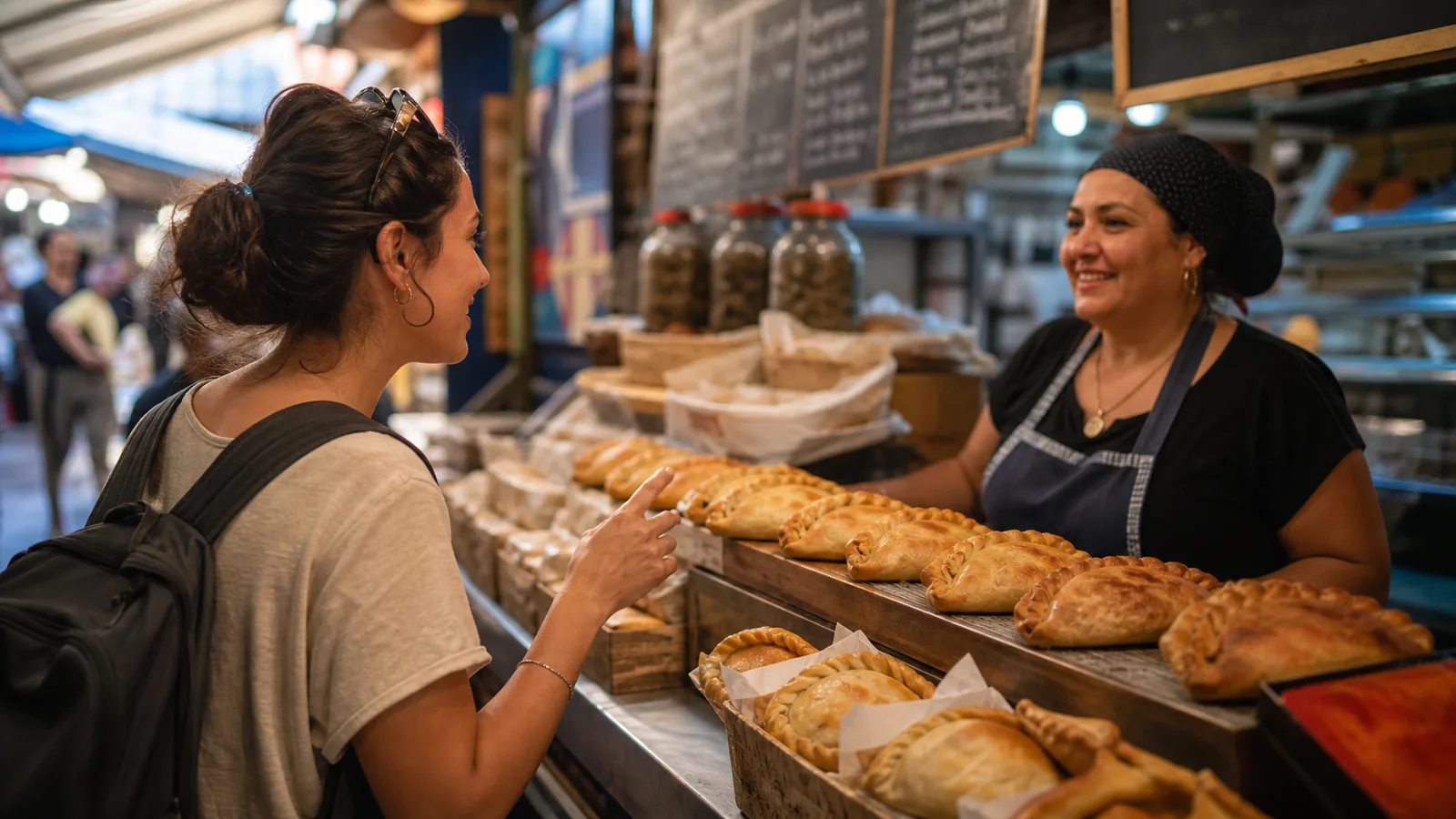
Planning a trip to Chile and wondering how to break the ice with locals beyond the usual hola and gracias? Trust us, Chilean Spanish is a wild rideâpacked with quirky slang, rapid-fire speech, and words that might leave even seasoned Spanish speakers scratching their heads. During our six months exploring from the Atacama Desert to Patagonia, we discovered that mastering just a handful of authentic Chilean phrases instantly transformed our travel experience from touristy to truly local.
Did you know that the word weĂłn can mean âfriend,â âidiot,â or simply act as a fillerâdepending entirely on tone and context? Stick around, because later weâll unpack this and 38 other must-know phrases, complete with insider tips on pronunciation, cultural nuances, and when to drop the iconic po for that unmistakable Chilean flair. Whether youâre haggling at a Santiago market, ordering a chela with new friends, or navigating the infamous tacos (traffic jams), this guide has got you covered.
Key Takeaways
- Chilean Spanish is unique and fast-paced, so learning local slang like weĂłn, po, and cachai will help you blend in effortlessly.
- Master 39 essential phrases covering greetings, slang, food, socializing, and daily life to navigate Chile like a pro.
- Cultural context matters: some words are friendly among peers but can offend eldersâuse them wisely!
- Apps like SpanishDict and Moovit are invaluable tools for language learning and getting around.
- Practice the Chilean accent and intonation to sound natural and avoid common mistakes.
Ready to dive deeper? Scroll down to explore the full list of phrases and insider tips that will make your Chilean adventure unforgettable!
👉 Shop Hiking Boots for Chileâs Terrain:
Download Essential Language Apps:
Table of Contents
- ⚡ïž Quick Tips and Facts for Chilean Spanish Newbies
- 📜 Decoding Chilean Spanish: A Brief Linguistic Journey into “Chilenismos”
- 🗣ïž Everyday Essentials & Greetings: Your First Steps to Sounding Like a Local
- 1. ÂĄHola! ÂżCĂłmo estĂĄs? (Hello! How are you?)
- 2. Por favor y Gracias (Please and Thank You)
- 3. Permiso / Con Permiso (Excuse Me / With Your Permission)
- 4. Lo siento / Disculpa (I’m Sorry / Excuse Me)
- 5. ÂżCuĂĄnto cuesta? (How much does it cost?)
- 6. ÂżDĂłnde estĂĄ…? (Where is…?)
- 7. SĂ / No (Yes / No)
- 8. No entiendo (I don’t understand)
- 9. ¿Hablas inglés? (Do you speak English?)
- 💬 Navigating Chilean Slang & Colloquialisms: The Heart of “Chilenismos”
- 10. “WeĂłn/Weona”: The Ubiquitous Chilean Filler Word (and How to Use It Wisely)
- 11. “HueĂĄ”: The All-Purpose Noun/Expletive (Seriously, It’s Everything)
- 12. “Po”: The Little Word That Adds Emphasis (and Chilean Charm)
- 13. “Cachai?”: Do You Get It? The Chilean “Ya Know?”
- 14. “BacĂĄn,” “Pulento,” “Filete,” “La Raja”: Saying Something’s Absolutely Awesome!
- 15. “QuĂ© Lata”: Expressing Disappointment or Boredom (The Chilean Way)
- 16. “QuĂ© Fome”: When Something’s Just Plain Boring or Lame
- 17. “Piola”: Keeping it Low-Key or Chill (Our Favorite Vibe)
- 18. “Al Toque” & “Al Tiro”: Doing Something Immediately (No Delays!)
- 19. “Caleta”: When There’s a Ton of Something (Quantity Overload!)
- 20. “Aperrao”: Showing Grit and Determination (The True Chilean Spirit)
- 21. “CuĂĄtico” & “BrĂgido”: Describing Intense, Crazy, or Difficult Situations
- 22. “Flaite”: A Term to Understand, But Definitely Not to Use (Social Commentary)
- 23. “Cuico”: Understanding Social Strata (and Avoiding Offence)
- 🍽ïž Food, Drink & Socializing: Essential Phrases for Chilean Fun
- 24. “Once”: The Quintessential Chilean Afternoon Tea Tradition
- 25. “Carrete”: The Chilean Party Scene (Get Ready to Dance!)
- 26. “Chelear”: Grabbing a Cold One (Beer O’Clock!)
- 27. “Copete”: Your Go-To for Any Alcoholic Drink
- 28. “Caña”: The Morning After (Dealing with a Hangover)
- 29. “Curao/CurĂĄ”: When You’ve Had Too Much (Tipsy or Drunk)
- 30. “Pito”: More Than Just a Whistle (Context is Key!)
- 31. “Cabros”: Calling Your Friends (Guys and Gals, All Inclusive!)
- 32. “Pololo/a”: More Than Just a Boyfriend/Girlfriend (A Deeper Connection)
- 🚶â♀ïž Getting Around & Daily Life: Practical Phrases for Your Chilean Adventure
- 33. “La Micro”: Navigating Public Transport Like a Pro
- 34. “Taco”: Not Just for Eating â It’s Traffic! (Avoid the Gridlock)
- 35. “A Pata”: Getting Around on Foot (Embrace the Walk!)
- 36. “Luca”: Your Go-To for a Thousand Pesos (Money Talk Made Easy)
- 37. “Pega”: Your Job or Work (Daily Grind, Chilean Style)
- 38. “Tuto”: Feeling Sleepy (Time for a Siesta?)
- 39. “MechĂłn”: The Freshman Experience (University Life in Chile)
- 🤔 Why Chilean Spanish is So Unique: A Deep Dive into “Chilenismos” and Their Origins
- 🗣ïž Mastering the Chilean Accent: Tips for Pronunciation and Intonation
- ❌ Common Mistakes & How to Avoid Them When Speaking Chilean Spanish
- 🤫 Beyond Words: Understanding Chilean Non-Verbal Communication and Gestures
- 📱 Essential Apps & Resources for Language Learners in Chile
- ✨ Conclusion: Your Chilean Spanish Adventure Awaits!
- 🔗 Recommended Links for Your Chile Trip
- 📚 Reference Links & Further Reading
⚡ïž Quick Tips and Facts for Chilean Spanish Newbies
| Quick-Fire Fact | What It Means | Pro Tip from Chile Vacayâą |
|---|---|---|
| Chilean Spanish â textbook Spanish | Locals speak rĂĄpido and drop final s sounds. | Slow them down with âÂżPuedes hablar mĂĄs lento, porfa?â |
| âPoâ is your new best friend | A tiny word tacked on for emphasis. | Use âSĂ, poâ instead of plain âSĂâ to sound 10 % more Chilean. |
| WeĂłn is⊠complicated | Can mean mate, idiot, or just âumâ. | Never use it with elders unless you want side-eye. |
| Luca = 1,000 pesos | Prices are quoted in lucas at markets. | Memorise: âÂżCuĂĄnto vale?â â âCinco lucasâ. |
| Google Translate fails here | Slang breaks the algorithm. | Download the SpanishDict app (iOS |
Still wondering how to ask for directions to the top tourist attractions to see in Chile without sounding like a robot? Stick aroundâour phrase arsenal is coming up next!
📜 Decoding Chilean Spanish: A Brief Linguistic Journey into “Chilenismos”
Ever heard a Chilean say âEstoy aperraoâ and wondered if theyâd turned into a dog? 🐕 Youâre not alone. Chilean Spanishânicknamed castellano de Chileâis a linguistic cocktail shaken by:
- Mapuche roots (weĂłn may come from weĂŒn, âbrotherâ).
- 19th-century English sailors who left words like overol (overalls).
- Italian immigrants who softened consonants, giving us âpoâ from pues.
The result? A dialect so unique that even native Spanish speakers from Mexico or Spain need subtitles. But hereâs the kicker: master 30â40 key phrases and locals will treat you like a cabro (mate) who grew up next door.
🗣ïž Everyday Essentials & Greetings: Your First Steps to Sounding Like a Local
1. ÂĄHola! ÂżCĂłmo estĂĄs? (Hello! How are you?)
Drop the robotic âHola, señorâ and go for:
- ÂżCĂłmo estai? (informal, dropping the s)
- ÂżCĂłmo andai? (even chiller, literally âhow are you walking?â)
We once greeted a vieja (elderly lady) in ValparaĂso with âÂżCĂłmo andai, tĂa?ââshe laughed so hard she gave us free sopaipillas. True story.
2. Por favor y Gracias (Please and Thank You)
- Porfa = the ultra-casual por favor.
- Gracias, po = adds warmth; use it when someone holds la micro door for you.
3. Permiso / Con Permiso (Excuse Me / With Your Permission)
In packed Santiago tacos, shoulder-tap and say âPermiso, poâ to glide through like a local salmon.
4. Lo siento / Disculpa (I’m Sorry / Excuse Me)
- Disculpa = bumping into someone.
- Lo siento mucho = stepping on a cabroâs toe on the dance floor.
5. ÂżCuĂĄnto cuesta? (How much does it cost?)
Follow up with âÂżMe das un mejor precio?â for haggling at Feria Artesanal de Santa LucĂa.
6. ÂżDĂłnde estĂĄ…? (Where is…?)
Pro-tip: add ââŠla micro para Bellavista?â and watch locals point you to the right bus stop.
7. SĂ / No (Yes / No)
- Sipo / Nopo = sĂ, po and no, po.
- Use ânopoâ sparinglyâit can sound dismissive.
8. No entiendo (I don’t understand)
Pair with a sheepish grin and âÂżPuedes repetir?â for instant sympathy.
9. ¿Hablas inglés? (Do you speak English?)
In Patagonia hostels, 50 % will say âun poquitoâ. In rural ChiloĂ©, 5 % will. Plan accordingly.
💬 Navigating Chilean Slang & Colloquialisms: The Heart of “Chilenismos”
10. “WeĂłn/Weona”: The Ubiquitous Chilean Filler Word (and How to Use It Wisely)
Definition: mate / dude / idiot / thing (context is king).
Usage guide:
| Context | Example | Translation |
|---|---|---|
| Friends | âOye, weĂłn, Âżvamos al carrete?â | âDude, party?â |
| Anger | âÂĄWeĂłn, quĂ© te pasa!â | âDude, whatâs your problem!â |
| Object | âPĂĄsame el weĂłn eseâ | âPass me that thingy.â |
Rule: Only use with peers. Never with your Airbnb hostâs grandma.
11. “HueĂĄ”: The All-Purpose Noun/Expletive (Seriously, It’s Everything)
From la hueĂĄ (the thing) to ÂĄQuĂ© hueĂĄ! (WTF!). We once heard a guĂa describe a flat tyre as âuna hueĂĄ cuĂĄticaââa crazy thing.
12. “Po”: The Little Word That Adds Emphasis (and Chilean Charm)
Think of po as verbal seasoning. Sprinkle, donât pour.
Example: âClaro, po, vamos a Adventure Travel en la cordillera.â
13. “Cachai?”: Do You Get It? The Chilean “Ya Know?”
End every other sentence with âÂżCachai?â and nod knowingly. Itâs like linguistic glue.
14. “BacĂĄn,” “Pulento,” “Filete,” “La Raja”: Saying Something’s Absolutely Awesome!
All mean âawesome,â but ranked by coolness:
| Word | Coolness Level | Example |
|---|---|---|
| BacĂĄn | 😎 | âTu mochila es bacĂĄn.â |
| Pulento | 😎😎 | âEl asado estuvo pulento.â |
| Filete | 😎😎😎 | âFilete el tour de vinos.â |
| La raja | 😎😎😎😎 | âÂĄLa raja tu foto en Torres del Paine!â |
15. “QuĂ© Lata”: Expressing Disappointment or Boredom (The Chilean Way)
When your Budget Travel bus breaks down: âQuĂ© lata, po.â
16. “QuĂ© Fome”: When Something’s Just Plain Boring or Lame
Opposite of bacĂĄn. Use liberally for cancelled flights.
17. “Piola”: Keeping it Low-Key or Chill (Our Favorite Vibe)
âVamos a estar piola en la playa.â = Letâs chill at the beach.
18. “Al Toque” & “Al Tiro”: Doing Something Immediately (No Delays!)
- Al toque = right now.
- Al tiro = straight away.
Both will save you when the last micro is leaving.
19. “Caleta”: When There’s a Ton of Something (Quantity Overload!)
âHay caleta de gente en el mercado.â (Thereâs a boatload of people.)
20. “Aperrao”: Showing Grit and Determination (The True Chilean Spirit)
After hiking 20 km in Patagonia, youâll feel aperraoâand locals will salute you.
21. “CuĂĄtico” & “BrĂgido”: Describing Intense, Crazy, or Difficult Situations
- CuĂĄtico = intense/crazy.
- BrĂgido = tough/dangerous.
Use after surviving the taco on Avenida Vicuña Mackenna.
22. “Flaite”: A Term to Understand, But Definitely Not to Use (Social Commentary)
Refers to lower-class stereotypes. Never direct it at a person. Just recognise it when you overhear it.
23. “Cuico”: Understanding Social Strata (and Avoiding Offence)
Means âposhâ or âsnobby.â Say *âZona cuicaâ to describe Las Condes. Again, use neutrally.
🍽ïž Food, Drink & Socializing: Essential Phrases for Chilean Fun
24. “Once”: The Quintessential Chilean Afternoon Tea Tradition
Not eleven oâclockâonce is tea time (5â8 pm). Accept every invite; youâll get pan con palta and stories.
25. “Carrete”: The Chilean Party Scene (Get Ready to Dance!)
- âVamos de carreteâ = Letâs party.
- Bring a botella de copete (bottle of booze) to win friends.
26. “Chelear”: Grabbing a Cold One (Beer O’Clock!)
From chela (beer). âPillamos una chela?â = Fancy a beer?
27. “Copete”: Your Go-To for Any Alcoholic Drink
Generic term. âTrae copete para el carrete.â
28. “Caña”: The Morning After (Dealing with a Hangover)
âTengo caña brutalâ = I have a killer hangover. Cure with mote con huesillo.
29. “Curao/CurĂĄ”: When You’ve Had Too Much (Tipsy or Drunk)
- Curado = tipsy.
- Curao = drunk.
Use responsibly.
30. “Pito”: More Than Just a Whistle (Context is Key!)
In a bar, pito = shot. At a football match, itâs a refereeâs whistle. Donât mix them up.
31. “Cabros”: Calling Your Friends (Guys and Gals, All Inclusive!)
Gender-neutral. âLos cabros del hostelâ = the hostel gang.
32. “Pololo/a”: More Than Just a Boyfriend/Girlfriend (A Deeper Connection)
Implies exclusivity. If youâre pololeando, youâre officially dating. No ghosting allowed.
🚶â♀ïž Getting Around & Daily Life: Practical Phrases for Your Chilean Adventure
33. “La Micro”: Navigating Public Transport Like a Pro
Short for microbĂșs. Say âSube al microâ to hop on. Pro-tip: sit up front for views, back for speed.
34. “Taco”: Not Just for Eating â It’s Traffic! (Avoid the Gridlock)
Rush hour in Santiago = taco monumental. Use Moovit app (iOS | Android) to dodge it.
35. “A Pata”: Getting Around on Foot (Embrace the Walk!)
âVamos a pataâ = Letâs walk. Santiagoâs hills are steepâpack Merrell Moab 3 or Salomon X Ultra 4 boots.
36. “Luca”: Your Go-To for a Thousand Pesos (Money Talk Made Easy)
Markets quote prices in lucas. 5 lucas = 5,000 CLP. Easy math.
37. “Pega”: Your Job or Work (Daily Grind, Chilean Style)
âEn la pegaâ = at work. Digital nomads, check Selina Santiago for co-working vibes.
38. “Tuto”: Feeling Sleepy (Time for a Siesta?)
âTengo tutoâ = Iâm sleepy. Perfect excuse for a post-once nap.
39. “MechĂłn”: The Freshman Experience (University Life in Chile)
If youâre visiting in March, youâll see mechones in coloured overalls doing initiation games. Join the funâjust donât wear your best clothes.
🤔 Why Chilean Spanish is So Unique: A Deep Dive into “Chilenismos” and Their Origins
Chileâs linguistic DNA is wild. Imagine a Mapuche verb mating with a 19th-century English sailorâs slang, then raising the baby on Italian lullabies. Thatâs Chilenismos. Key mutations:
- Phonetic dropouts: Final s disappears (mĂĄs â mĂĄ).
- Borrowed nouns: Overol (overalls), chutar (to shoot, from English shoot).
- Diminutive overload: -ito/-ita everywhere (cafecito, amiguito).
Fun fact: The Royal Spanish Academy officially added weĂłn to its dictionary in 2019 (source). Respect.
🗣ïž Mastering the Chilean Accent: Tips for Pronunciation and Intonation
| Sound | Standard Spanish | Chilean Twist | Practice Sentence |
|---|---|---|---|
| y/ll | like yellow | sh or j | âYo llamoâ â âSho jamoâ |
| ch | chair | sharper tch | âChileâ â âTchileâ |
| Final s | pronounced | dropped | âMĂĄs o menosâ â âMĂĄ o menoâ |
Pro tip: Mimic the melodyâsentences rise at the end like a question even when theyâre statements. Watch the #featured-video above for native intonation drills.
❌ Common Mistakes & How to Avoid Them When Speaking Chilean Spanish
- Overusing âtĂșâ with strangers â Use âustedâ until invited otherwise.
- Misusing âweĂłnâ â See Section 10.
- Saying âadiĂłsâ to shopkeepers â Use âchaoâ or ânos vemosâ; adiĂłs feels final.
- Pronouncing ârrâ like a motorbike â Chilean rr is softer; think âpeRRoâ not âpeRRRRRRoâ.
- Forgetting the âpoâ â Itâs the difference between âsĂâ (robot) and âsĂ, poâ (local).
🤫 Beyond Words: Understanding Chilean Non-Verbal Communication and Gestures
- The eyebrow raise = ÂżCachai? (You get me?)
- Kissing on the cheek (right cheek first) is standard greetingâeven in business.
- Pointing with lips instead of fingers. Yes, really.
- Hand flick under chin = âNo sĂ©â (I donât know).
📱 Essential Apps & Resources for Language Learners in Chile
| App | Why You Need It | Download |
|---|---|---|
| SpanishDict | Best weĂłn-proof dictionary | iOS |
| Moovit | Real-time micro schedules | iOS |
| Memrise Chilean Spanish | Slang flashcards | Official |
| Google Translate camera | Scan menus instantly | iOS |
Ready to sound like a cabro whoâs been sipping chelas in Santiago since 1998? Scroll up to the TOC and jump to any section you missed.
✨ Conclusion: Your Chilean Spanish Adventure Awaits!
Phew! If youâve made it this far, youâre well on your way to mastering the quirks, charms, and downright fun of Chilean Spanish. From the ubiquitous weĂłn to the subtle power of po, these phrases and slang are your golden ticket to blending in, making friends, and unlocking authentic Chilean experiences that no guidebook can offer.
Remember, Chilean Spanish isnât just about wordsâitâs a cultural dance of rhythm, gestures, and local flavor. Donât be afraid to stumble, laugh at yourself, and ask âÂżCachai?â often. Locals appreciate the effort, and youâll find doors (and hearts) opening wide.
So, whether youâre ordering a chela at a carrete, navigating the micro through Santiagoâs tacos, or sharing once with new cabros, youâre equipped to dive deep into Chileâs vibrant culture.
Ready to impress your new Chilean friends? Time to practice, pack your bags, and say: âÂĄVamos, po!â
🔗 Recommended Links for Your Chile Trip
- SpanishDict App: iOS | Android
- Moovit Public Transport App: iOS | Android
- Memrise Chilean Spanish Course: Official Site
- Google Translate: iOS | Android
- Merrell Moab 3 Hiking Boots: Amazon
- Salomon X Ultra 4 Hiking Shoes: Amazon
- Selina Santiago (Co-working & Hostels): Booking.com
- Book: Lonely Planet Chile & Easter Island â Your ultimate travel companion for exploring Chileâs diverse landscapes. Amazon
- Book: Streetwise Spanish (Chile Edition) â Slang and practical phrases for travelers. Amazon
❓ Frequently Asked Questions (FAQ)

What are some basic Spanish phrases that are commonly used in Chile and can help me communicate with locals?
Basic greetings and polite expressions go a long way. Start with:
- âHola, ÂżcĂłmo estai?â (Hello, how are you?)
- âPorfaâ (please) and âgracias, poâ (thank you) to sound friendly.
- âÂżDĂłnde estĂĄâŠ?â (Where isâŠ?) for directions.
- âNo entiendoâ (I donât understand) to ask for patience.
- âÂżHablas inglĂ©s?â (Do you speak English?) when in a pinch.
Adding Chilean slang like âcachai?â (you get it?) or âpoâ at the end of sentences will make you sound more natural and endearing. Remember, locals appreciate when you tryâeven if imperfect!
How do I pronounce Chilean Spanish words correctly, and are there any regional dialects I should be aware of?
Chilean Spanish is famously fast and drops certain sounds:
- The final s often disappears (mĂĄs â mĂĄ).
- The ll and y sounds are pronounced like sh or j (e.g., âyoâ sounds like âshoâ).
- Intonation often rises at the end of statements, making them sound like questions.
Regional dialects exist: northern Chile has a slightly different accent than Santiago or southern Patagonia. But the biggest challenge is the speed and slang. Practice listening to Chilean podcasts or YouTube channels to tune your ear.
What are some essential phrases to know when dining out or shopping in Chile, such as ordering food or asking for prices?
Dining and shopping phrases include:
- âUna mesa para dos, por favorâ (A table for two, please).
- âÂżTiene menĂș?â (Do you have a menu?).
- âÂżCuĂĄnto cuesta?â (How much does it cost?).
- âLa cuenta, por favorâ (The bill, please).
- âÂżTienen comida vegetariana?â (Do you have vegetarian food?).
- âBuen provechoâ (Enjoy your meal) is a polite phrase to say before eating.
When shopping, use âÂżMe das un mejor precio?â to politely ask for a discount. Remember, âlucaâ means 1,000 pesos, so prices might be quoted in lucas.
Are there any cultural or language nuances I should be mindful of when interacting with Chileans, to avoid unintentionally offending someone or to show respect?
Absolutely! Here are some key points:
- Use âustedâ instead of âtĂșâ when addressing elders or in formal situations.
- Avoid overusing weĂłn unless youâre sure of the context and relationship.
- Saying âadiĂłsâ in shops can sound abrupt; prefer âchaoâ or ânos vemosâ.
- Chileans often greet with a single cheek kiss, even in business settingsâbe prepared!
- Non-verbal cues like eyebrow raises or lip-pointing are common; observe and mirror politely.
- Be patient with the fast pace and slang-heavy speech; locals admire your effort to learn.
How can I effectively learn and practice Chilean Spanish before my trip?
Immersion is key! Besides apps like SpanishDict and Memrise, try:
- Watching Chilean TV shows or YouTube channels (e.g., âEl Club de la Comediaâ).
- Listening to Chilean music genres like cueca or cumbia.
- Practicing with language exchange partners on platforms like Tandem or HelloTalk.
- Reading Chilean news sites like La Tercera.
Donât shy away from making mistakesâChileans are famously warm and will help you along.
What should I do if I get stuck understanding Chilean slang or fast speech while traveling?
Donât panic! Hereâs the game plan:
- Politely ask: âÂżPuedes repetir mĂĄs despacio, porfa?â (Can you repeat more slowly, please?).
- Use translation apps with offline Spanish packs.
- Write down new slang words and look them up later.
- Smile and use body language; Chileans are patient and love teaching their slang.
- Join local tours or homestays where you can practice in a relaxed environment.
📚 Reference Links and Further Reading
- Royal Spanish Academy on weĂłn: rae.es
- Evan Quarnstromâs Essential Chilean Slang: evanquarnstrom.com
- On My Canvas Chile Travel Guide 2025 [From My 6-Month Solo Chile Trip]: onmycanvas.com
- SpanishDict Language Resources: spanishdict.com
- Moovit Public Transport App: moovitapp.com
- Memrise Language Learning Platform: memrise.com
- Lonely Planet Chile & Easter Island Guide: lonelyplanet.com
For more insider tips and travel inspiration, explore our Destinations, Budget Travel, and Adventure Travel categories at Chile Vacayâą.
Ready to dive into Chileâs vibrant culture with confidence? ÂĄBuena suerte y buen viaje! 🌎✈ïž