Support our educational content for free when you purchase through links on our site. Learn more
Pedro Pascal Chile Travel Itinerary: 10 Epic Days 🇨🇱

The best Pedro Pascal Chile travel itinerary is a Chile-inspired route through Santiago, Valparaíso, the Atacama Desert, and Patagonia—not a celebrity-approved tour. There’s no verified itinerary showing Pedro Pascal visited each stop, so we’ve built a practical trip that celebrates his Chilean roots while letting Chile’s cities, culture, and wild landscapes take the spotlight.
Chile’s remarkable variety is the real headline: you can wander Valparaíso’s mural-covered hills, watch the sun sink over the Atacama, then trade desert dust for Patagonian wind. The catch? The country is long, so smart routing matters as much as picking the prettiest places.
Our 10-day itinerary covers the highlights, with shorter and longer options if you’d rather travel at a gentler pace. Think of it as a starting point, not a race to collect destinations.
Key Takeaways
- There’s no confirmed Pedro Pascal travel itinerary for Chile. This route is inspired by his Chilean heritage and the country’s best-known destinations.
- Allow 10–14 days to combine Santiago, Valparaíso, Atacama, and Patagonia; with less time, choose one major nature region.
- Plan around Chile’s distances. Domestic flights are often the practical choice for long journeys, while buses suit many shorter routes.
- Build in time to acclimatize in Atacama before high-altitude excursions such as El Tatio.
- Book Patagonia transport, park access, and accommodation ahead, and check current conditions with official sources.
- Travel for Chile itself: support local guides and businesses, respect cultural and archaeological sites, and leave room for the unexpected.
Table of Contents
- ⚡️ Quick Tips and Facts for a Pedro Pascal–Inspired Chile Itinerary
- 🎬 Pedro Pascal’s Chilean Roots and the Story Behind the Trip
- 🗺️ How to Plan a Chile Travel Itinerary Inspired by Pedro Pascal
- Best Time to Visit Chile
- How Many Days to Spend in Chile
- Getting Around: Flights, Buses, and Rental Cars
- What to Pack for Chile’s Changing Climates
- 📅 A 10-Day Pedro Pascal Chile Travel Itinerary
- Day 1: Arrive in Santiago and Setle In
- Day 2: Explore Santiago’s Neighborhoods and Food Scene
- Day 3: Discover Valparaíso’s Street Art and Coastal Charm
- Day 4: Visit the Casablanca Valley or Viña del Mar
- Day 5: Fly North to San Pedro de Atacama
- Day 6: See the Atacama Desert’s Valle de la Luna
- Day 7: Sunrise at the Tatio Geysers and Desert Stargazing
- Day 8: Travel South to Patagonia
- Day 9: Explore Torres del Paine National Park
- Day 10: Enjoy a Final Patagonian View Before Departure
- ⏳ Shorter and Longer Chile Itinerary Options
- A 5-Day Santiago and Valparaíso Trip
- A 7-Day Chile Highlights Route
- A 14-Day Atacama, Santiago, and Patagonia Adventure
- 📍 Best Places to Visit on a Chile Trip
- Santiago: Culture, Museums, Markets, and Mountain Views
- Valparaíso: Hillside Art and Pacific Coast History
- Atacama Desert: Salt Flats, Lagons, and Stargazing
- Patagonia: Torres del Paine and Chilean Fjords
- Optional Add-Ons: Chiloé, the Lake District, and Easter Island
- 🍽️ What to Eat and Drink in Chile
- Chilean Dishes Worth Trying
- Wine, Pisco, and Nonalcoholic Drinks
- Dietary Tips and Restaurant Etiquette
- 🏨 Where to Stay in Chile: Santiago to Patagonia
- Best Santiago Neighborhoods for Visitors
- Lodging in San Pedro de Atacama
- Hotels, Refugios, and Campsites in Patagonia
- ✈️ How to Get to Chile and Travel Between Regions
- International Flights to Santiago
- Domestic Flights and Long-Distance Buses
- Driving in Chile: Routes, Rules, and Road Conditions
- 🧭 Practical Chile Travel Advice
- Entry Requirements, Safety, and Travel Insurance
- Money, Cards, Tipping, and Mobile Data
- Altitude, Weather, and Responsible Outdoor Travel
- Accessibility and Traveling with Children
- 🎥 Pedro Pascal, Chilean Culture, and Responsible Celebrity Tourism
- 🧳 Suggested Packing List for a Chile Adventure
- ✅ Quick Booking Checklist and Useful Planning Tools
- 🌟 Conclusion
- 🔗 Recommended Links
- ❓ FAQ
- 📚 Reference Links
⚡️ Quick Tips and Facts for a Pedro Pascal–Inspired Chile Itinerary
A quick reality check before we start chasing desert sunsets: there is no verified official “Pedro Pascal travel itinerary” for Chile. This guide is a traveler-friendly route inspired by the Chilean landscapes and culture that attract fans, film buffs, hikers, and curious travelers alike. For context on the actor’s Chilean background and public connections, see our guide to celebrities in Chile.
| At a glance | What to know |
|---|---|
| Best all-round route | Santiago, Valparaíso, Atacama Desert, and Patagonia |
| Recommended duration | 10–14 days for a rewarding, less-rushed trip; longer if adding Rapa Nui or the Caretera Austral |
| Best base in Atacama | San Pedro de Atacama |
| Closest airport for Atacama | El Loa Airport (CJC), outside Calama; continue to San Pedro by transfer or bus |
| Patagonia gateway | Puerto Natales for Torres del Paine; Punta Arenas is another regional hub |
| Getting between regions | Domestic flights save time; buses work well on many ground routes |
| Travel style | Mix city culture, guided excursions, and independent time |
| Bigest planning challenge | Chile is long, and its regions have very different climates and travel logistics |
| Useful first step | Choose your anchor regions before booking flights, then build in transfer and weather buffers |
Quick decisions that make the trip smoother
- Pick two or three regions, not every region. Santiago plus Atacama and Patagonia is already a substantial itinerary.
- Give San Pedro de Atacama several nights. The nearby sights are spread out, and a slower start helps you adjust before high-altitude excursions.
- Treat Patagonia plans as weather-dependent. Keep flexibility where you can, and check park and trail conditions through CONAF.
- Book popular park accommodation and transport early. The official Torres del Paine reservation system is a better starting point than assuming you can arrange everything on arrival.
- Carry layers even when the forecast looks cheerful. Atacama mornings, Patagonian wind, and Santiago afternoons can all feel like different trips.
- Check current entry, safety, and health advice before departure. Start with Chile Travel and your government’s travel advisory.
Chile is also more than a backdrop for celebrity fandom. Explore our destinations, cultural experiences, and adventure travel guides for ideas that put local history, communities, and landscapes at the center.
🎬 Pedro Pascal’s Chilean Roots and the Story Behind the Trip
Pedro Pascal is a Chilean-born actor whose family left Chile when he was young. His life story crosses countries and cultures, but that doesn’t mean there’s a public, confirmed set of Chilean travel stops associated with him. We’re not presenting fan speculation as a celebrity itinerary. Instead, we’ve built a practical route through places that showcase Chile’s extraordinary contrasts and have a natural appeal for fans of the actor’s work and heritage.
A useful distinction: articles about Pascal’s family and personal history are not destination guides. For example, Trinity University’s account of his San Antonio roots discusses his family’s migration and connections to San Antonio, but does not recommend Chilean destinations or provide a Chile itinerary.
Chilean identity, Hollywood fame, and respectful travel
Pascal’s popularity has helped some travelers become curious about Chile. That curiosity is welcome; the best way to follow it is to learn about the places themselves, not to assume the actor has a public connection to every recognizable landscape.
- Santiago offers museums, neighborhood life, architecture, and a view of the Andes.
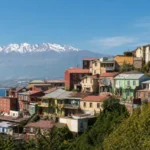
- Valparaíso is a port city of steep hills, historic funiculars, and expressive street art.
- Atacama pairs desert geology with Indigenous history and high-altitude ecosystems.
- Patagonia brings trekking, glaciers, fjords, and changeable weather into one spectacular package.
We’ll refer to this as a Pedro Pascal–inspired route, not a route he has personally endorsed. That little bit of precision lets you enjoy the pop-culture connection without turning a real country into a celebrity scavenger hunt.
🗺️ How to Plan a Chile Travel Itinerary Inspired by Pedro Pascal
Chile’s great strength is also its logistical plot twist: the country stretches through sharply different climates, so crossing between regions can take more planning than the map suggests. A 19-day itinerary in the first YouTube video featured in this article illustrates the range particularly well, moving from Santiago and Valparaíso to Patagonia, Atacama, and Rapa Nui. Its host calls Chile “an incredibly diverse country” and points out that planning around the distances can be challenging.
That is a broad, ambitious route, not a requirement. For most travelers, we recommend choosing a few regions and allowing time for rest, transfers, and weather.
Best time to visit Chile
There isn’t one perfect season for the entire country. The ideal dates depend on whether you’re prioritizing city visits, desert excursions, or hiking in Patagonia.
| Region | Commonly favorable period | What to expect |
|---|---|---|
| Santiago and central Chile | Spring and fall for milder sightseeing; summer for warm, dry city days | Seasonal weather varies; winter can bring rain and cooler temperatures |
| Valparaíso | Spring through fall for comfortable walking and coastal outings | Fog and wind can appear outside the warmest months |
| Atacama Desert | Possible year-round, with seasonal variations in temperature and high-altitude conditions | Large day-to-night temperature swings; some roads and excursions can be affected by weather |
| Patagonia | Southern spring and summer generally offer the broadest hiking access | Wind and rapid weather changes remain part of the deal |
| Rapa Nui | Visit year-round, checking local conditions and park access | Island travel adds flights and advance planning |
Before finalizing dates, check local conditions and park access with Chile Travel, CONAF, and the relevant protected-area operator. A good forecast in Santiago tells you very little about the wind in Patagonia.
How many days to spend in Chile
| Available time | A sensible plan | Our take |
|---|---|---|
| 5 days | Santiago and Valparaíso | Great for culture and city exploration; don’t try to squeeze in Patagonia |
| 7 days | Santiago plus either Atacama or Patagonia | Choose one major nature region |
| 10 days | Santiago, Valparaíso, and one remote region, or a fast three-region overview | Possible, but flights and transfers consume time |
| 14 days | Santiago, Valparaíso, Atacama, and Patagonia | A strong first-trip balance if you plan flights carefully |
| 19 days or more | Add Rapa Nui, the Lake District, or the Caretera Austral | More variety with less of a suitcase relay race |
Getting around: flights, buses, and rental cars
- Domestic flights: Best for connecting Santiago with Calama, Punta Arenas, or other distant regional hubs. Check routes and schedules with LATAM Airlines and, for some southern routes, DAP.
- Buses: Useful for routes such as Santiago–Valparaíso and Puerto Natales–Punta Arenas. Compare schedules with operators including Turbus and Bus-Sur, then confirm the correct departure terminal.
- Rental cars: Helpful for independent exploration in parts of Patagonia or the Lake District, but distances, gravel roads, fuel availability, and weather deserve serious attention. Review conditions with your rental company before driving.
- Transfers and tours: Often the most practical option for Atacama excursions and airport connections, particularly when roads or high-altitude routes are unfamiliar.
The video’s 19-day itinerary uses domestic flights and buses for the major jumps, then a rental car in the remote Aysén region. That’s a useful model: fly for distance, use local transport where it’s dependable, and rent a car only when it genuinely improves access.
What to pack for Chile’s changing climates
- Layers: Lightweight base layer, warm mid-layer, and windproof or waterproof outer layer.
- Sun protection: Sunglasses, hat, sunscreen, and lip balm, especially for desert and high-altitude days.
- Comfortable footwear: Walking shoes for cities; sturdy hiking boots for demanding trails.
- Refillable water bottle: Follow local guidance for drinking water and trail hydration.
- Personal medicines: Carry prescriptions in their original packaging and plan for any altitude-related concerns with a health professional.
- Dry bag or waterproof cover: Handy in Patagonia and on boat trips.
- Small daypack: Keep water, layers, snacks, and essentials accessible on excursions.
For hiking and trekking ideas across the country, browse our Andes Mountains and adventure travel guides.
📅 A 10-Day Pedro Pascal Chile Travel Itinerary
This route connects Chile’s capital, the Pacific coast, the Atacama Desert, and Patagonia. It’s a highlights itinerary, not a leisurely deep dive: flights and transfers take up real time. If you have two weeks, add recovery days rather than adding destinations just because they fit on a screen.
| Day | Base | Main plan | Pace |
|---|---|---|---|
| 1 | Santiago | Arrive, check in, easy neighborhood walk | Gentle |
| 2 | Santiago | Historic center, museums, hilltop views, local food | Moderate |
| 3 | Valparaíso | Day trip or overnight for street art and port history | Moderate |
| 4 | Santiago | Casablanca Valley or Viña del Mar; return for flight preparation | Moderate |
| 5 | San Pedro de Atacama | Fly to Calama, transfer to San Pedro, settle in | Gentle |
| 6 | San Pedro de Atacama | Valle de la Luna and nearby desert scenery | Moderate |
| 7 | San Pedro de Atacama | High-altitude excursion, if acclimatized; otherwise a lower-altitude day | Full |
| 8 | Patagonia | Fly south via a suitable hub; overnight in Puerto Natales or Punta Arenas | Travel day |
| 9 | Patagonia | Torres del Paine day excursion or pre-booked trail | Full |
| 10 | Patagonia | Easy local activity and departure logistics | Gentle |
Reality check: Not every date will have a convenient direct flight. Build the itinerary around actual airline schedules and park bookings, and consider dropping one region if the connections turn the trip into a race.
Day 1: Arrive in Santiago and settle in
Keep your first day forgiving. After an international flight, a simple meal and neighborhood walk are often better than a heroic march through every landmark.
- Check in and confirm your transport to the hotel.
- Get cash or set up a reliable payment option if needed.
- Take a short walk around your neighborhood.
- Have an early dinner and rest.
For current visitor information, start with Chile Travel. If you’re staying centrally, ask your accommodation about the best airport transfer option for your arrival time.
Day 2: Explore Santiago’s neighborhoods and food scene
Begin with Santiago’s historic center, then build in a break before exploring a more relaxed neighborhood.
- Visit Plaza de Armas and the surrounding historic district.
- Consider the Museo Chileno de Arte Precolombino for an introduction to the region’s Indigenous histories and art. Check current opening details with the museum.
- Head to Lastarria for cafés, galleries, and restaurants.
- If conditions and opening hours suit, take in the city from Cerro San Cristóbal or another viewpoint.
A useful first-day lesson from our own Santiago wanderings: the city’s scale is easier to appreciate from a hilltop than from the back seat of a car stuck in traffic. Leave room for a long lunch, and don’t confuse a packed checklist with a great day.
Day 3: Discover Valparaíso’s street art and coastal charm
Valparaíso’s hillside streets, murals, and historic lifts reward slow walking. The city is hilly enough that “just one more staircase” can become a full cardio session, so wear grippy shoes and plan breaks.
- Explore the historic quarter and viewpoints.
- Ride a functioning ascensor (funicular) after confirming current operating status.
- Look for public art and murals, respecting private property and residential spaces.
- Consider La Sebastiana, Pablo Neruda’s former home, through the Pablo Neruda Foundation.
You can visit on a day trip from Santiago, but an overnight stay leaves more time for the city’s food and evening atmosphere. For cultural trip ideas, see our cultural experiences collection.
Day 4: Visit the Casablanca Valley or Viña del Mar
Choose one main outing rather than trying to do everything before an onward flight.
Option A: Casablanca Valley
- Visit a winery offering tours and tastings.
- Use a designated driver, hired transfer, organized tour if tasting wine.
- Check booking requirements directly with the winery.
Option B: Viña del Mar
- Take a coastal stroll, explore the waterfront, and enjoy a slower seaside day.
- Check transport schedules and local conditions before returning to Santiago.
The choice depends on your travel style: Casablanca for wine-country scenery; Viña del Mar for an easy coastal change of pace. For more wine and regional trip ideas, browse Chile Travel.
Day 5: Fly north to San Pedro de Atacama
Fly from Santiago to El Loa Airport (CJC) in Calama, then arrange onward transport to San Pedro de Atacama. The drive is roughly an hour in typical conditions, but allow extra time for transfer coordination and any delays.
- Book the flight and airport transfer as separate, clearly timed steps.
- Confirm pickup location and passenger details with the transfer provider.
- Check into your accommodation in San Pedro.
- Keep the rest of the day easy: drink water, eat, and avoid strenuous activity.
For Atacama planning, Swop’s regional overview also recommends San Pedro as a base and advises allowing time to adjust before a high-altitude visit.
Day 6: See the Atacama Desert’s Valle de la Luna
Vale de la Luna, or Moon Valley, is known for striking desert terrain and sunset views. Arrange access through the relevant local authority or a licensed tour operator, and confirm current visitor rules before you go.
A tour can make logistics simpler, while independent visitors should check transport, entry arrangements, and return timing carefully. Sunset is popular, so book or arrive according to current regulations rather than relying on outdated blog advice.
A Swop Patagonia specialist calls the wider region’s scenery “more unworldly beauty” than almost anywhere they’ve visited. Their guide also points out Valecito, a less-crowded alternative for some visitors. Conditions and access can change, so ask a local operator what is open and appropriate for your travel dates.
Day 7: Sunrise at the Tatio Geysers and desert stargazing
El Tatio is a high-altitude outing, not a casual pre-breakfast stroll. The geyser field sits at roughly 4,300 metres above sea level, and tours typically leave very early. Ask your tour provider about current conditions and suitability, especially if you have a health concern.
- Aclimatize before considering the excursion.
- Bring warm layers, gloves, a hat, water, and sun protection.
- Follow the guide’s instructions and stay on marked paths.
- Choose a lower-altitude outing if you feel unwell or are not acclimatized.
The same Swop guide describes more than 70 geysers and around 100 fumaroles, but exact counts and site conditions may vary by source and season. Its practical advice is the part to keep: expect cold, an early start, and a demanding altitude.
If the geyser trip feels like too much, book an evening astronomy excursion instead. Atacama’s dry, dark skies make stargazing a major draw; use a reputable local operator and check whether moonlight will affect what you can see.
Day 8: Travel south to Patagonia
This is the itinerary’s biggest logistical jump. Depending on flight schedules, you may travel from Calama to Santiago and then onward to Punta Arenas, with a transfer or bus to Puerto Natales. Do not book a tight self-transfer unless you’re comfortable with the risk of a missed connection.
- Compare the full door-to-door travel time, not just flight durations.
- Confirm whether baggage is checked through or must be collected.
- Keep essential medicine, warm clothing, and travel documents in your carry-on.
- If the available connections make the day too long, add an overnight in Santiago or Punta Arenas.
Patagonia can feel like a different planet from the desert, but that’s precisely why the flight schedule deserves more respect than the itinerary spreadsheet gives it.
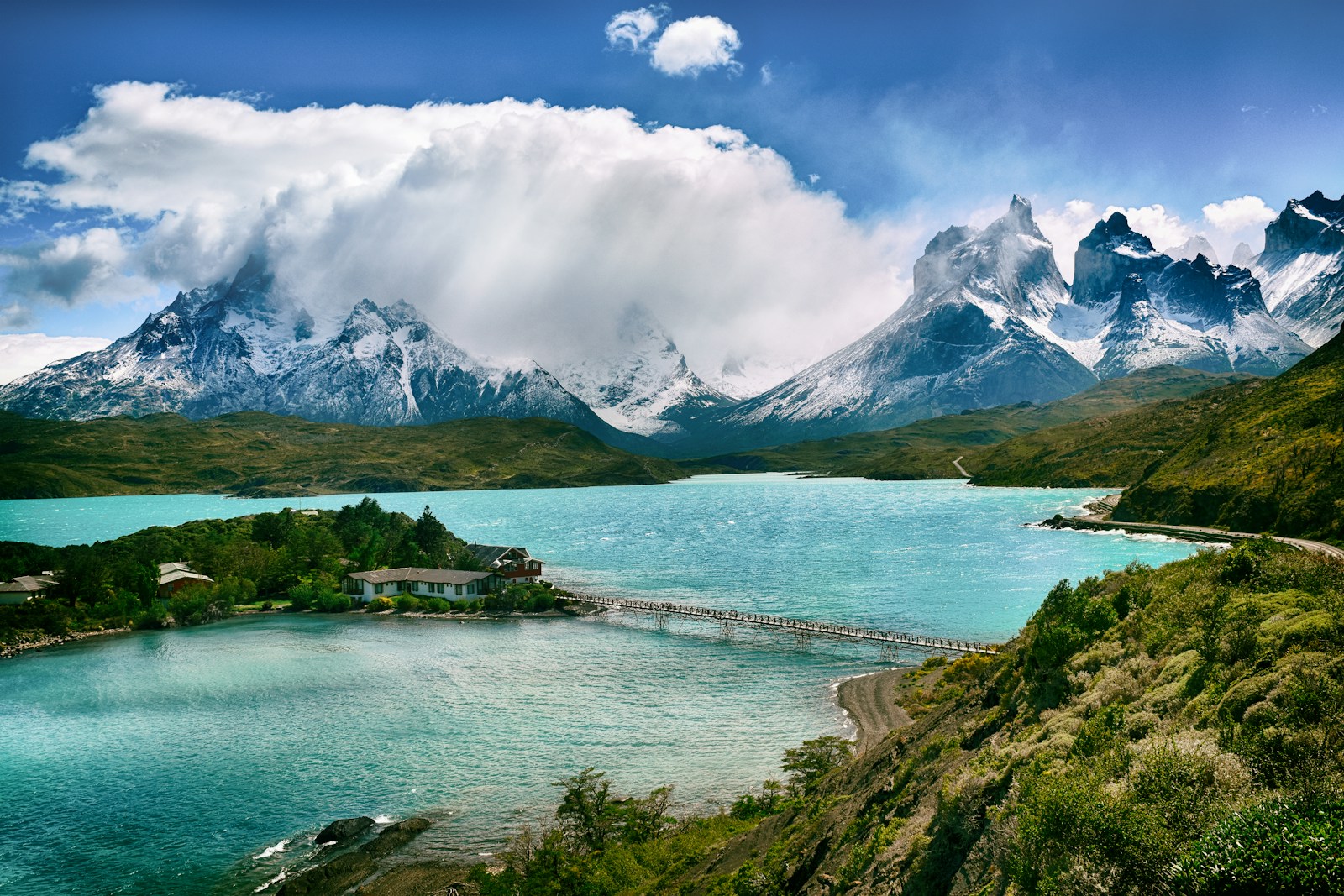
Day 9: Explore Torres del Paine National Park
From Puerto Natales, choose a guided day tour, a pre-arranged independent visit, or a trek that matches your fitness and booking arrangements. The iconic Base Torres hike is a demanding full-day walk; a scenic park drive or shorter trail is a better fit for many travelers on a 10-day trip.
- Check current trail status and park rules with CONAF.
- Use the official Tores del Paine park site for access and planning information.
- Reserve transport and accommodation in advance during busy periods.
- Pack layers, rain protection, food, and sufficient water.
The 19-day video itinerary gives the W Trek four days, including the Base de las Torres, Lago Nordenskjöld, Glacier Francés, and Lago Grey areas. That’s a far more realistic structure for a full trek than trying to bolt the W onto a single day trip.
Day 10: Enjoy a final Patagonian view before departure
Keep your last morning close to your departure point. Options may include a relaxed Puerto Natales stroll, a short local excursion, or a waterfront visit in Punta Arenas if your schedule permits.
- Confirm bus and flight times the day before.
- Allow extra time for regional road travel and weather disruptions.
- Avoid booking a strenuous activity that ends just before an international flight.
The most memorable final view is the one you reach without sprinting through an airport afterward.
⏳ Shorter and Longer Chile Itinerary Options
| Trip length | Suggested route | Best for |
|---|---|---|
| 5 days | Santiago and Valparaíso | First-time city and culture trip |
| 7 days | Santiago plus Atacama or Patagonia | Travelers who want one major nature experience |
| 10 days | Santiago, Valparaíso, Atacama, and a brief Patagonia visit | Fast-moving highlights travelers |
| 14 days | Santiago, Valparaíso, Atacama, and Patagonia with breathing room | A balanced first Chile trip |
| 19 days | Add the Lake District, Caretera Austral, or Rapa Nui | Travelers with time for a wider circuit |
The first video’s 19-day itinerary includes Santiago, Valparaíso, the W Trek, Punta Arenas, Puerto Río Tranquilo, Atacama, and Rapa Nui. It demonstrates how much variety Chile offers, but its number of regions also means frequent travel days and careful advance planning. Use it as inspiration, not a test you must pass.
A 5-day Santiago and Valparaíso trip
- Days 1–3: Santiago’s historic center, museums, neighborhoods, and viewpoints.
- Days 4–5: Valparaíso, either as an overnight visit or a day trip with a slower Santiago evening.
This is the easiest version to organize and leaves space for local food, museums, and unhuried walks. Add a day if you want a winery visit or more time in Valparaíso.
A 7-day Chile highlights route
Choose one major natural region.
Santiago + Valparaíso + Atacama
- Three days around Santiago and the coast.
- Four days based in San Pedro de Atacama.
Santiago + Patagonia
- Two or three days in Santiago and Valparaíso.
- Four or five days around Puerto Natales and Torres del Paine.
Trying to visit both Atacama and Patagonia in seven days is possible only with tight connections and little flexibility. We wouldn’t recommend it for a first visit.
A 14-day Atacama, Santiago, and Patagonia adventure
A comfortable outline might look like this:
- Days 1–4: Santiago and Valparaíso.
- Days 5–8: San Pedro de Atacama, including acclimatization and excursions.
- Days 9–13: Patagonia, allowing time for travel and a park visit or trek.
- Day 14: Departure buffer, ideally near the airport used for the international flight.
This version has a better chance of feeling like a vacation rather than a relay race. For an ambitious extension, consider Rapa Nui only if flight availability and the overall trip length make the extra journey worthwhile.
📍 Best Places to Visit on a Chile Trip
Chile’s highlights are not interchangeable. A desert sunset, a port-city mural, and a Patagonian trail each ask for different gear, pacing, and expectations.
| Destination | Best known for | Allow roughly | Works well for |
|---|---|---|---|
| Santiago | Museums, dining, city neighborhoods, Andes views | 2–4 days | Culture, food, urban exploring |
| Valparaíso | Hills, murals, historic funiculars, port heritage | 1–2 days | Art, history, coastal atmosphere |
| San Pedro de Atacama | Salt flats, volcanoes, geysers, stars | 3–5 days | Desert scenery, astronomy, guided excursions |
| Puerto Natales / Torres del Paine | Treking, lakes, glaciers, mountain scenery | 3–6+ days | Hiking and wilderness |
| Caretera Austral | Remote roads, lakes, fjords, forests | 7+ days | Self-drive adventure and slow travel |
| Rapa Nui | Archaeology, Rapa Nui culture, volcanic landscapes | 4–6 days | Island heritage and remote travel |
Santiago: culture, museums, markets, and mountain views
Santiago works as an arrival point, a food destination, and a city worth exploring in its own right. Visit the Museo Chileno de Arte Precolombino for Indigenous art and histories, then mix central landmarks with neighborhood time in Lastarria, Bellavista, or another area that suits your interests.
What we’d prioritize:
- Plaza de Armas and the historic center.
- One or two museums rather than a museum marathon.
- A viewpoint such as Cerro San Cristóbal, checking operating hours and conditions first.
- A meal featuring Chilean ingredients, with room to try something you didn’t arrive knowing how to pronounce.
Valparaíso: hillside art and Pacific coast history
Valparaíso is a living port city, not a theme park. Its staircases, murals, elevators, and viewpoints are woven into everyday neighborhoods. Respect residents and private property, and check current safety guidance before setting off on a route you found online.
Worth considering: the historic district, public art walks, working funiculars, and La Sebastiana. Check the Pablo Neruda Foundation for house-museum information and reservations.
Atacama Desert: salt flats, lagons, and stargazing
Use San Pedro de Atacama as your base and choose excursions with altitude and travel time in mind.
- Vale de la Luna: dramatic desert formations and sunset scenery.
- Laguna Chaxa: part of the Los Flamencos National Reserve, known for birdlife and salt-flat landscapes.
- Laguna Cejar: a saline lagoon area; check current access rules and conservation guidance before planning a swim.
- El Tatio: a pre-dawn, high-altitude geyser excursion that requires preparation.
- Rainbow Valley: colorful geology and archaeological features; use a guide who can explain the cultural context.
- Stargazing: book with a local operator and check moon phase and cloud conditions.
Swop’s Atacama guide recommends around four days in the region to explore and acclimatize before a high-altitude El Tatio visit. That’s a sensible minimum for many travelers, not a rigid rule. Our own advice: schedule the high-altitude trip later in your stay, not on your first morning.
For conservation and local reserve information, consult CONAF and tour operators’ current notices. For more ideas, browse our Andes Mountains coverage.
Patagonia: Torres del Paine and Chilean fjords
Patagonia is best approached with time, layers, and a flexible attitude. You can enjoy the region without doing a multi-day trek: scenic drives, guided excursions, short walks, and boat trips all have a place here.
- Puerto Natales: practical gateway town for many Torres del Paine visits.
- Tores del Paine National Park: plan trail access, accommodation, and transport ahead.
- Punta Arenas: a regional hub and possible base for excursions, including seasonal wildlife experiences.
- Aysén and the Caretera Austral: excellent for longer, road-focused itineraries, but too far-flung to casually tack onto a short visit.
The CONAF park information and official Tores del Paine site should outrank old forum posts when you’re checking rules, access, and trail conditions.
Optional add-ons: Chiloé, the Lake District, and Easter Island
Chiloé
- Visit for wooden churches, coastal landscapes, and distinctive island culture.
- Allow time for ferries and local transport.
Lake District
- Consider the region around Puerto Varas and the surrounding lakes and volcanoes.
- It’s a strong option if you want outdoor scenery without the same remoteness as southern Patagonia.
Rapa Nui
- Plan flights and accommodation well in advance.
- Check current requirements and protected-site guidance with Chile Travel and the National Park’s official information.
- A local guide can add valuable context to archaeological sites and Rapa Nui history.
The first video includes two days of island exploration covering Rano Kau, Anakena, Rano Raraku, Orongo, and moai sites. That’s an engaging overview, but a longer stay gives you more room for cultural learning and weather flexibility.
🍽️ What to Eat and Drink in Chile
Chile’s food changes with its geography: seafood on the coast, seasonal produce in central valleys, hearty meals in colder regions, and regional ingredients throughout. Ask what is local and in season; menus can vary by town and time of year.
Chilean dishes worth trying
- Empanadas: baked or fried pastries with varied fillings.
- Pastel de choclo: a savory corn-topped dish, often with meat.
- Cazuela: a comforting broth with meat and vegetables.
- Porotos granados: a seasonal bean, corn, and squash dish.
- Fresh seafood: especially fitting in coastal towns.
- Completo: Chile’s generously topped hot dog; it’s a meal with architectural ambitions.
- Calafate-flavored treats: common in parts of Patagonia; local preparations vary.
Wine, pisco, and nonalcoholic drinks
Chile’s wine regions include major valleys in the central part of the country. If visiting wineries, book ahead and arrange a designated driver or guided transport. Tasting and driving don’t mix.
Pisco is used in drinks such as the pisco sour, while nonalcoholic options include juices and locally available herbal or fruit drinks. If you have dietary or allergy requirements, communicate them clearly in Spanish where possible.
Dietary tips and restaurant etiquette
- Ask about ingredients and preparation rather than assuming a dish is meat-free.
- Mention allergies explicitly and confirm cross-contamination precautions.
- Keep some flexibility outside major cities, where specialized options may be limited.
- Check current opening hours; restaurant schedules can differ by town and season.
- Ask locals or your accommodation for trusted neighborhood recommendations.
For more local traditions and food-centered travel ideas, visit our cultural experiences section.
🏨 Where to Stay in Chile: Santiago to Patagonia
Choose accommodation around your transport and activities, not just the prettiest booking photo. In remote destinations, location and reliable transfers can matter more than a long list of amenities.
| Destination | Useful base | What to prioritize |
|---|---|---|
| Santiago | Central neighborhoods or areas with convenient transit | Safe arrival logistics, metro access, and walkability |
| Valparaíso | A well-reviewed area near planned visits | Hillside access, transport, and current neighborhood guidance |
| Atacama | San Pedro de Atacama | Excursion pickup location, heating, and altitude-aware pacing |
| Patagonia | Puerto Natales or park accommodation | Trail access, transfer timing, and cancellation terms |
| Rapa Nui | Hanga Roa | Advance booking, tour access, and local guidance |
Best Santiago neighborhoods for visitors
- Lastarria: appealing for galleries, cafés, and walkable cultural stops.
- Bellavista: dining and nightlife options, with standard urban awareness after dark.
- Providencia: useful for shops, restaurants, and transport connections.
- Historic center: convenient for major landmarks, but research the specific block and your arrival plans.
Compare recent guest feedback, cancellation policies, and transport access on accommodation platforms, then verify details directly with the property.
Lodging in San Pedro de Atacama
San Pedro has options ranging from basic guesthouses to more full-service stays. Consider:
- Whether your room has heating for cold desert nights.
- If breakfast is available before early tours.
- Whether excursion pickups reach the property.
- How the accommodation handles water conservation.
- The cancellation policy if weather disrupts travel.
A central stay can make dinner and tour coordination easy, though some travelers prefer quieter lodging beyond the busiest streets.
Hotels, refugios, and campsites in Patagonia
For a Torres del Paine trek, book accommodation, meals, and any required transport before committing to trail dates. Refugios and campsites can operate under different booking arrangements, and availability changes by season. Check the park and accommodation provider’s official information rather than relying on an old itinerary.
A town-based hotel or hostel is a better fit if you’re taking day trips or want flexible plans. For remote areas, confirm heating, meals, power, and transport before arrival.
✈️ How to Get to Chile and Travel Between Regions
International flights to Santiago
Most international visitors arrive at Santiago’s main airport. Before booking, check:
- Whether your itinerary requires an overnight connection.
- What terminal your domestic flight uses.
- Baggage rules for separate tickets.
- Entry and transit requirements for every country on your route.
For official destination guidance, see Chile Travel and confirm entry information with the relevant government authorities.
Domestic flights and long-distance buses
Chile is too long for many travelers to cross efficiently by road in a short holiday. Domestic flights connect major regions, while buses can be comfortable and practical on established routes.
- Compare flight schedules on LATAM Airlines and DAP where relevant.
- Check bus schedules directly with Turbus or Bus-Sur.
- Buy popular or long-distance bus tickets in advance.
- Verify the departure terminal, luggage allowance, and arrival station.
The video’s host recommends advance bus booking for Valparaíso and uses flights to cover major distances. That’s sound advice: book the long hops first, then fit local activities around them.
Driving in Chile: routes, rules, and road conditions
A rental car can open up regions such as Aysén, but it’s not automatically the easiest option. Before driving:
- Check your license and insurance requirements.
- Confirm whether your rental contract allows travel on gravel roads.
- Map fuel stops and verify opening hours.
- Download offline maps.
- Check weather and road conditions on the day.
- Avoid driving tired or after dark on unfamiliar rural roads.
For Patagonia’s remote routes, tell someone your plan and keep a buffer for delays. The video host recommends DiscoverCars as a comparison option; compare coverage details carefully and read the rental provider’s terms before booking.
🧭 Practical Chile Travel Advice
Entry requirements, safety, and travel insurance
Entry requirements depend on nationality and travel circumstances. Check official government guidance before departure and again close to your travel date. The U.S. Department of State’s Chile advisory is one example for U.S. citizens; travelers from other countries should consult their own government’s advice.
- Keep copies of travel documents separately from originals.
- Use normal city awareness around phones and valuables.
- Confirm medical and evacuation coverage for remote hiking or high-altitude activities.
- Follow guides’ safety directions in parks, on trails, and near geothermal areas.
Money, cards, tipping, and mobile data
- Carry a payment method that works internationally and let your bank know your travel plans if needed.
- Keep some Chilean pesos available for small businesses and rural areas.
- Check whether service or gratuity is included before tipping.
- Ask your mobile provider about roaming or buy a local SIM/eSIM from a reputable provider.
- Download offline maps and important booking details before remote excursions.
Rules and norms can change, so use current local advice rather than assuming payment practices are identical everywhere.
Altitude, weather, and responsible outdoor travel
Atacama excursions can reach high elevations, and visitors may experience symptoms related to altitude. Speak with a healthcare professional before travel if you have relevant medical concerns, take time to acclimatize, and tell your guide if you feel unwell. CDC guidance on high-altitude travel offers general medical information.
Responsible travel basics:
- Stay on marked routes and follow park rules.
- Don’t touch, remove, or climb on archaeological features.
- Keep a respectful distance from wildlife.
- Carry out rubbish and use water thoughtfully in arid regions.
- Choose local operators who explain conservation and cultural context.
Accessibility and traveling with children
Chile’s terrain and transport vary significantly, so accessibility should be checked destination by destination.
- Ask accommodation providers about step-free access, lifts, and bathroom arrangements.
- Confirm whether tours can accommodate mobility needs, medical equipment, or children.
- Check trail surfaces, transfer duration, and restroom access before booking.
- For families, choose fewer bases and allow recovery time after long travel days.
- Ask a pediatric clinician about altitude and health considerations before high-altitude excursions with children.
🎥 Pedro Pascal, Chilean Culture, and Responsible Celebrity Tourism
Celebrity interest can be a door into a destination, but the place deserves to be more than the door. We have found no reliable source establishing that Pascal recommends this route or has publicly visited each stop in this itinerary. The itinerary is inspired by Chile’s scenery, cultural richness, and the broader public interest in his Chilean roots.
A useful counterpoint comes from a different country entirely: RVA Mag’s “What a Chilean Traveler Found in Richmond” is a Richmond, Virginia travel account by Chilean journalist Natalia Freire, not a Chile itinerary or a guide to places associated with Pascal. Freire wonders whether the actor’s fame helped people she met recognize Chile, alongside familiar references to Patagonia, Atacama, wine, and seafood. That’s a charming cultural footnote—not evidence of a celebrity-approved destination list.
Travel respectfully by:
- Supporting locally owned accommodation, guides, and restaurants.
- Learning the context of Indigenous and archaeological sites.
- Asking before photographing people.
- Avoiding claims that a public figure has a connection to a place unless it’s documented.
- Treating local communities as hosts and neighbors, not background scenery.
For more context-rich travel ideas, explore our cultural experiences and destinations sections.
🧳 Suggested Packing List for a Chile Adventure
| Item | Why it earns space | Where it matters most |
|---|---|---|
| Layered clothing | Temperatures can swing between day and night | Atacama, Patagonia |
| Waterproof shell | Helps with rain and wind | Patagonia, coastal visits |
| Warm hat and gloves | Essential for cold pre-dawn excursions | El Tatio, Patagonia |
| Sun hat and sunglasses | Strong sun exposure, especially at altitude | Atacama, Andes |
| Comfortable walking shoes | Cities can be steep; trails can be rough | Santiago, Valparaíso, parks |
| Hiking boots | Support for longer or uneven trails | Patagonia |
| Refillable bottle | Supports hydration and reduces waste | All regions |
| Small daypack | Carries layers, water, and snacks | Excursions |
| Offline maps and power bank | Helps when signal is limited | Remote routes |
| Personal medication | Local availability may differ | All regions |
| Binoculars | Useful for wildlife and distant landscapes | Patagonia, wetlands |
| Travel documents and copies | Makes airport and accommodation check-ins easier | Everywhere |
Pack for your coldest planned activity, not the warmest photo you saw online. For a pre-dawn geyser visit or a windy Patagonian lookout, that one extra layer can be the difference between admiring the view and negotiating with your own shivering elbows.
✅ Quick Booking Checklist and Useful Planning Tools
Step-by-step booking order
- Choose your regions and dates. Decide whether the trip prioritizes cities, desert, hiking, or island culture.
- Check international flights. Make sure arrival and departure points fit the route.
- Book interegional flights. Long distances can determine the whole itinerary.
- Reserve Torres del Paine accommodation and transport. Confirm park and operator requirements through official sources.
- Book Atacama lodging and transfers. Confirm airport pickup and the location of tour meeting points.
- Arrange high-demand excursions. Ask about altitude, cancellation conditions, and weather alternatives.
- Add travel insurance and medical planning. Confirm coverage for the activities you actually plan to do.
- Recheck current advisories. Review entry rules, park notices, road conditions, and weather before departure.
Tools and reliable planning sources
- Chile Travel for destination inspiration and practical tourism guidance.
- CONAF for national park information.
- Tores del Paine official site for park planning.
- Museo Chileno de Arte Precolombino for museum details.
- Pablo Neruda Foundation for house-museum information.
- LATAM Airlines and DAP for regional flight planning.
- Turbus and Bus-Sur for bus routes and schedules.
- CDC high-altitude travel guidance for general health information.
One last question before you book: should you squeeze in every region, or leave space for the places that make you want to stay longer? The answer is usually the second one. The best Chile itinerary isn’t the one with the most pins; it’s the one that gives each landscape enough time to become a memory.