Support our educational content for free when you purchase through links on our site. Learn more
Chile Vacation Planning Guide

Imagine a country so long it stretches from the driest desert on Earth to the icy winds of Patagonia, all within a single border. That’s Chile, and let us tell you, a Chile Vacay is not just a trip; it’s a journey through adventure/”>time, climate, and pure adventure. We once found ourselves sipping a crisp Sauvignon Blanc in the Central Valley at sunset, only to be planning a trek up an active volcano the next morning. It sounds impossible, but in Chile, it’s Tuesday!
While you might be tempted to just book a rental and wing it, our team at Chile Vacay™ has crisscrossed this incredible nation to bring you the ultimate guide. From the surreal landscapes of the Atacama to the vibrant street art of Valparaíso, we’ve uncovered the hidden gems and the logistical hacks you need to avoid the common tourist traps. Whether you’re dreaming of glamping under a billion stars or navigating the “W” trek in Torres del Paine, this guide covers every angle of your perfect getaway. Ready to stop dreaming and start packing? Let’s dive into the 15 unmissable destinations and the insider secrets that will make your 2026 adventure legendary.
Key Takeaways
- Diverse Landscapes: Chile offers everything from the Atacama Desert to Patagonian glaciers, requiring strategic itinerary planning to maximize your time.
- Seasonal Flip: Remember that Chile’s seasons are oposite to the Northern Hemisphere; summer runs from December to February, while winter is June to August.
- Must-Visit Spots: Our curated list includes 15 unmissable destinations, featuring iconic spots like Torres del Paine, San Pedro de Atacama, and the colorful hills of Valparaíso.
- Smart Travel: Packing layers is non-negotiable due to rapid weather changes, and booking domestic flights or buses in advance is crucial for popular routes.
- Cultural Immersion: Don’t miss the local cuisine, from empanadas and completos to world-class Chilean wines and the national spirit, Pisco.
Table of Contents
- ⚡️ Quick Tips and Facts
- 🇨🇱 The Chilean Odyssey: A Brief History of the World’s Longest Country
- 🗺️ Ultimate Chile Itinerary Planning: From the Atacama to Patagonia
- 🏔️ Top 15 Unmissable Destinations for Your Chile Vacay
- 🏨 Where to Stay: Best Chile Vacation Rentals, Boutique Hotels, and Glamping Spots
- ✈️ Getting There and Around: Flights, Buses, and Domestic Travel Hacks
- savoring-chile-a-guide-to-wine-regions-pisco-and-culinary-delights”>🍷 Savoring Chile: A Guide to Wine Regions, Pisco, and Culinary Delights
- 🎒 Essential Packing List: What to Bring for Every Chilean Climate Zone
- 💰 Budgeting Your Trip: Costs, Currency, and Money-Saving Secrets
- 🛡️ Safety First: Navigating Chile with Confidence and Common Sense
- 📅 Best Time to Visit Chile: Seasonal Breakdown and Weather Patterns
- 🚫 Common Tourist Mistakes to Avoid on Your Chile Adventure
- 📸 Instagram vs. Reality: Capturing the Perfect Shot in Chile
- sustainable-travel-how-to-explore-chile-responsibly”>🌿 Sustainable Travel: How to Explore Chile Responsibly
- 🏆 Conclusion: Why Chile Should Be Your Next Dream Destination
- 🔗 Recommended Links and Resources
- ❓ Frequently Asked Questions (FAQ)
- 📚 Reference Links and Further Reading
⚡️ Quick Tips and Facts
¡Hola, fellow adventurers! Ready to dive into the vibrant tapestry that is Chile? As your expert team at Chile Vacay™, we’ve explored every corner of this incredibly diverse nation, from its arid northern deserts to the icy fjords of Patagonia. Trust us, planning a trip to the world’s longest country requires a bit of insider knowledge, and we’re here to spill all the beans!
Video guide
Chile is a land of extremes and breathtaking beauty, stretching over 4,300 kilometers (2,670 miles) along the southwestern coast of South America . Imagine: you can literally go from sandboarding in the Atacama Desert to skiing in the Andes, all within the same country! This incredible geographical diversity means your packing list will be as varied as your itinerary, so packing layers is always a smart move.
Here are some quick facts to get your Chilean adventure started:
- Seasons are Flipped! 🔄 This is a big one! If you’re coming from the Northern Hemisphere, remember that Chile’s seasons are opposite. Summer runs from December to February, and winter from June to August. Don’t make the mistake of thinking it’s always a hot summer destination; higher altitudes can be quite chilly.
- A Land of Contrasts: Chile boasts an incredible range of climates and landscapes. You’ll find the driest desert on Earth (Atacama), towering Andean peaks, fertile central valleys, a sprawling coastline, and the wild, untamed beauty of Patagonia in the south. This regional diversity offers something for every type of traveler looking for Adventure Travel!
- Safety First: Good news! Chile is generally considered a safe country for tourists. However, like any popular destination, it’s always wise to be mindful of your belongings, especially in busy areas like markets or public transport. Locals are typically helpful in pointing out safe areas, so don’t hesitate to ask.
Language Barrier? While many in tourist areas speak some English, a little Spanish goes a long way. Be prepared for Chilean Spanish, which can be quite different from what you might have learned in high school, thanks to its unique slang and dialects. But don’t worry, a smile and a few key phrases will get you far!
- Connectivity: WhatsApp is king here for communication, so make sure you have it downloaded before you go .
- Outdoor Activities Galore! From volcano treks and mountain biking in the Atacama to whitewater rafting in Pucon, Chile is an outdoor enthusiast’s dream. Thinking about what outdoor activities you can do? Check out our article: 12 Epic Outdoor Activities to Try During Your Chile Vacay (2026) 🏞️.
🇨🇱 The Chilean Odyssey: A Brief History of the World’s Longest Country
Before we dive headfirst into the stunning landscapes and thrilling adventures, let’s take a quick detour into Chile’s fascinating past. Understanding a country’s history is like finding the secret ingredient in a delicious dish – it adds depth and flavor to your entire Cultural Experiences journey!
Chile’ s story is as long and varied as its geography. For thousands of years, indigenous cultures thrived across the land. In the north, the Atacameños developed sophisticated agricultural techniques in the harsh desert, while the Mapuche people in the south fiercely resisted outside invaders, including the Inca Empire and later, the Spanish. Their resilience and rich traditions continue to shape Chilean identity today.
The arrival of the Spanish in the 16th century marked a dramatic turning point. Led by Pedro de Valdivia, the conquistadors established Santiago in 1541, but their expansion south was met with fierce resistance from the Mapuche, leading to centuries of conflict. This struggle for control, particularly in the south, left an indelible mark on Chilean society and its frontier spirit.
After nearly three centuries of Spanish colonial rule, Chile declared its independence in 1818, with Bernardo O’Higgins playing a pivotal role. The young republic then embarked on a journey of nation -building, facing internal strife and external conflicts, such as the War of the Pacific in the late 19th century, which significantly expanded Chile’s northern territory and its mineral wealth.
The 20th century brought periods of political turbulence, economic growth, and social change, culminating in the military dictatorship of Augusto Pinochet from 1973 to 1990. Since its return to democracy, Chile has emerged as one of South America’s most stable and prosperous nations, embracing its diverse heritage while looking towards a vibrant future.
So, as you traverse Chile’s incredible landscapes, remember that every mountain, every city, every vineyard has a story to tell, echoing the resilience, passion , and unique spirit of the Chilean people.
🗺️ Ultimate Chile Itinerary Planning: From the
Atacama to Patagonia
Alright, globe-trotters, this is where the rubber meets the road! Planning your Chilean adventure can feel overwhelming given its sheer size and diversity. But fear not, we’ve got the insider scoop on crafting an unforgettable journey, whether you’re a solo explorer or wrangling a family of eager travelers.
Our top piece of advice? Don’t try to “wing it” entirely, especially if you have limited time or are traveling with family. Chile’s vastness and remote areas make a well-planned itinerary, often with local guides, incredibly valuable. As one expert noted, “Using a tour operator to design a fixed itinerary with guides doesn’t equate to travel babysitting — it means guides are more likely to be good and kid-friendly, drivers will be safe and reliable, and that you do what counts and don’t waste time.” We’ve seen firsthand how a little planning can save a lot of headaches and maximize your enjoyment!
For a comprehensive experience without feeling rushed, a 10- to 14-day trip is often recommended to cover major highlights. This allows you to truly immerse yourself in the distinct flavors of different regions.
Crafting Your Chilean Masterpiece: Regional Breakdown
Let’s break down some of Chile’s most iconic regions and how to weave them into your perfect itinerary:
1. Santiago: The Bustling Capital Hub 🏙️
Most international flights land in Santiago, making it your natural starting point. We recommend at least 2 nights here to acclimate and explore.
- Must-Dos: Ascend San Cristóbal Hill via funicular for panoramic city views, wander through the historic Plaza de Armas, and explore vibrant neighborhoods like Bellavista.
Insider Tip:** Santiago serves as the primary urban hub and the starting point for all roads leading to Chile’s wonders. It’s your gateway to everything!
2. Valparaíso: The Colorful Port City
🎨
Just a couple of hours from Santiago, Valparaíso is a UNESCO-protected gem, famous for its labyrinthine streets, 19th-century architecture, and incredible street art.
- Activities: Ride the historic funicular elevators, get lost (in a good way!) among the vibrant murals, and consider a graffiti art lesson for a unique cultural immersion. We once spent an afternoon with a local artist who showed us the stories behind the murals – truly eye-opening!
- Stay Duration: 2 nights is ideal, especially for families with teens or those who love urban exploration.
- Safety Note: Valparaíso has a bit of an “edge,” so a local guide is highly recommended to navigate its winding hills and ensure a safe, informative experience. Don’t miss the street art!
3. Central Valley: Chile’s Wine Country 🍷
A short drive from Santiago, the Central Valley is home to some of the world’s most renowned vineyards.
Experience: Imagine staying at a state-of-the-art hotel like Vina Vik Millahue, set on a sprawling wine estate. Each suite is a unique artistic creation, and the infinity pool views? Simply divine!
Activities: Horseback riding through vineyards, hiking, biking, and, of course, exquisite wine tastings. The food is locally sourced and outstanding.
Stay Duration: 2 to 3 nights is perfect for indulging in the region’s culinary and vinicultural delights.
Traveler Type: Best for those with twens and teens who appreciate creative architecture and gourmet experiences; perhaps less suitable for very young children.
4. Atacama Desert: An Otherworldly Landscape 🏜️
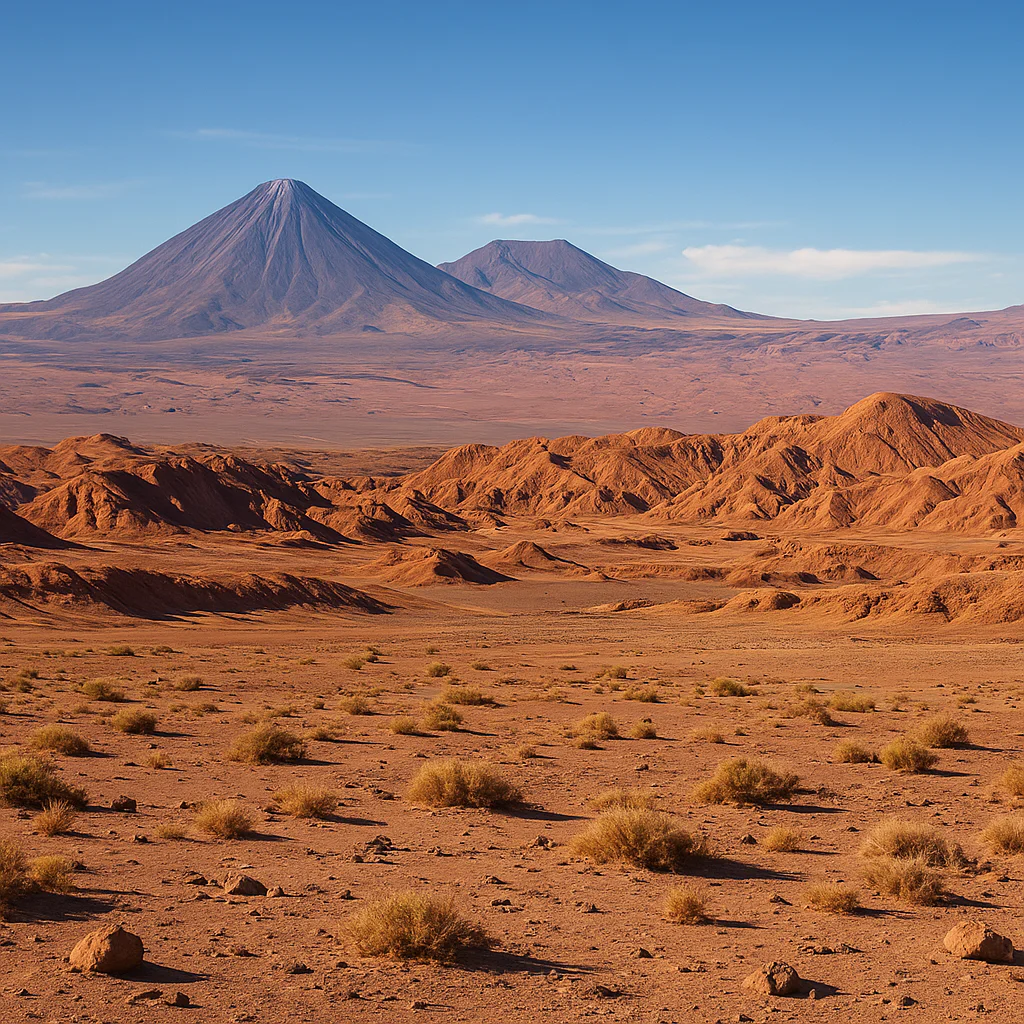
Prepare to have your mind blown. The Atacama is one of the driest places on Earth, yet it boasts an astonishing diversity of landscapes – from hot springs and geysers to salt flats teeming with flamingos and bright blue lagoons. This is a prime spot for Adventure Travel!
- Activities: Volcano treks, mountain biking, sandboarding in Moon Valley, stargazing (it’s one of the best places in the world!), and exploring ancient ruins.
- Altitude Alert: Excursions can reach over 13,000 feet, so acclimatization time is critical. Take it easy on your first day, stay hydrated, and listen to your guides.
- Stay Duration: We recommend 3 to 4 nights to allow for proper acclimatization and thorough exploration. You’ll want every moment to soak in this truly unique Atacama Desert experience. As one traveler put it, “The Atacama is truly a place that must be seen to believed… I would absolutely recommend integrating a visit into any introduction to Chile itinerary.”
5. Pucon: The Adventure Capital of the Lake
District 🌋
Nestled in Chile’s picturesque Lake District, Pucon is an unspoiled paradise centered around the majestic Villarrica Volcano. It reminds us of the US Pacific Northwest, but with a Chilean twist! * Summer (Dec-March) Activities: Whitewater rafting, fishing, boating, hiking, biking, and horseback riding.
- Winter (June-Aug) Activities: Skiing is available, though facilities can be rustic. Note: Check current conditions, as volcanic activity can sometimes lead to closures.
- Stay Duration: 4 or more nights allows you to fully embrace the area’s outdoor offerings.
- Winter Alternative: If skiing is your priority and Pucon isn’t ideal, consider the more developed ski stations in the Andes outside Santiago.
- Patagonia: The Wild South 🐧
Ah, Patagonia! The very name conjures images of rugged mountains, vast glaciers, and untamed wilderness. While utterly spectacular, accessing Chilean Patagonia (like Torres del Paine National Park) requires significant travel time – think a 4.5-hour flight plus a drive.
- Recommendation: Due to the extensive travel involved, we often recommend Patagonia as a dedicated trip or paired with southern Argentina, rather than trying to squeeze it into a shorter, broader Chile itinerary. You want to give this incredible region the time it deserves!
By strategically combining these regions, you can craft an itinerary that perfectly balances adventure , culture, relaxation, and culinary delights. Remember, the key is to tailor it to your interests and pace!
🏔️ Top 15 Unmissable Destinations for Your Chile Vacay
Chile, with its incredible length and diverse landscapes, offers an almost overwhelming array of destinations. But don’t fret! Our Chile Vacay™ team has crisscrossed this magnificent country, and we’ve curated the ultimate list of 15 unmissable spots that truly showcase the best of what Chile has to offer. Get ready to add these to your Destinations bucket list!
1. Santiago: The Heartbeat of Chile 💖
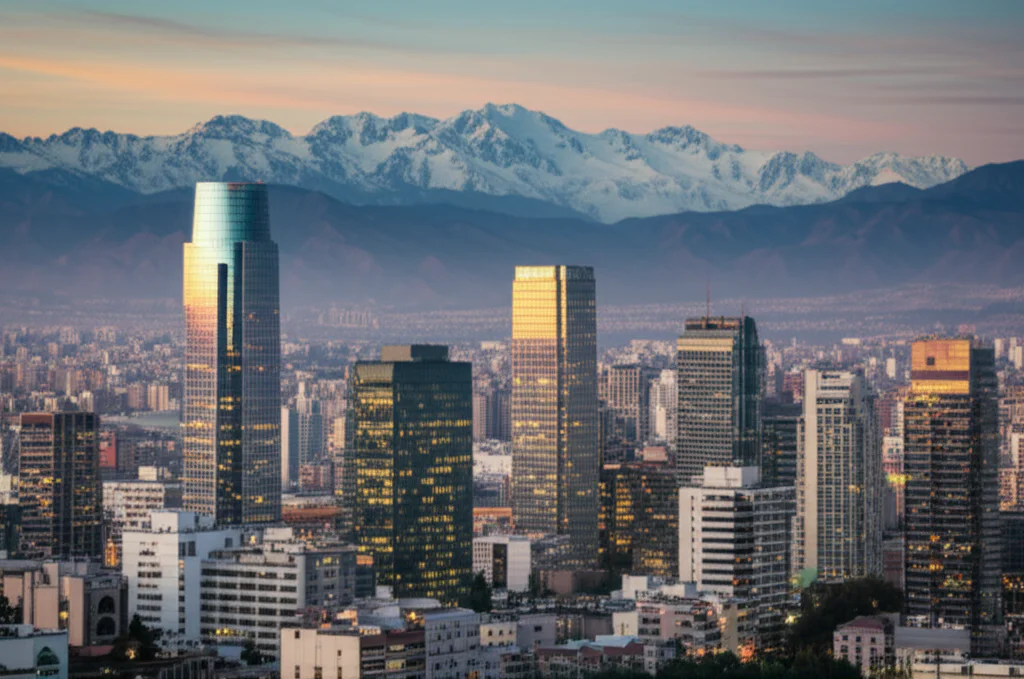
The bustling capital is often your first introduction to Chile. Beyond its urban sprawl, Santiago offers vibrant neighborhoods, world-class museums, and stunning views from Cerro San Cristóbal. It’s a fantastic base for day trips and a cultural melting pot.
2. Valparaíso: The
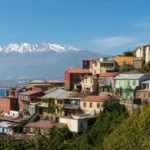
Jewel of the Pacific 🎨 A UNESCO World Heritage site, Valparaíso is a kaleidoscope of colorful hillside homes, historic funiculars, and incredible street art. Getting lost in its winding * cerros* (hills) is an experience in itself, revealing hidden gems and breathtaking ocean views.
3. San Pedro de Atacama: Gateway to the Moon 🌙
Located in the driest desert on Earth, San Pedro de Atacama is an oasis town surrounded by otherworldly landscapes. Think salt flats, geysers, hot springs, and valleys that truly resemble the moon and Mars. It’s an astronomer’s dream for stargazing!
4. Torres del Paine National Park: Patagonia’s Crown Jewel ⛰️
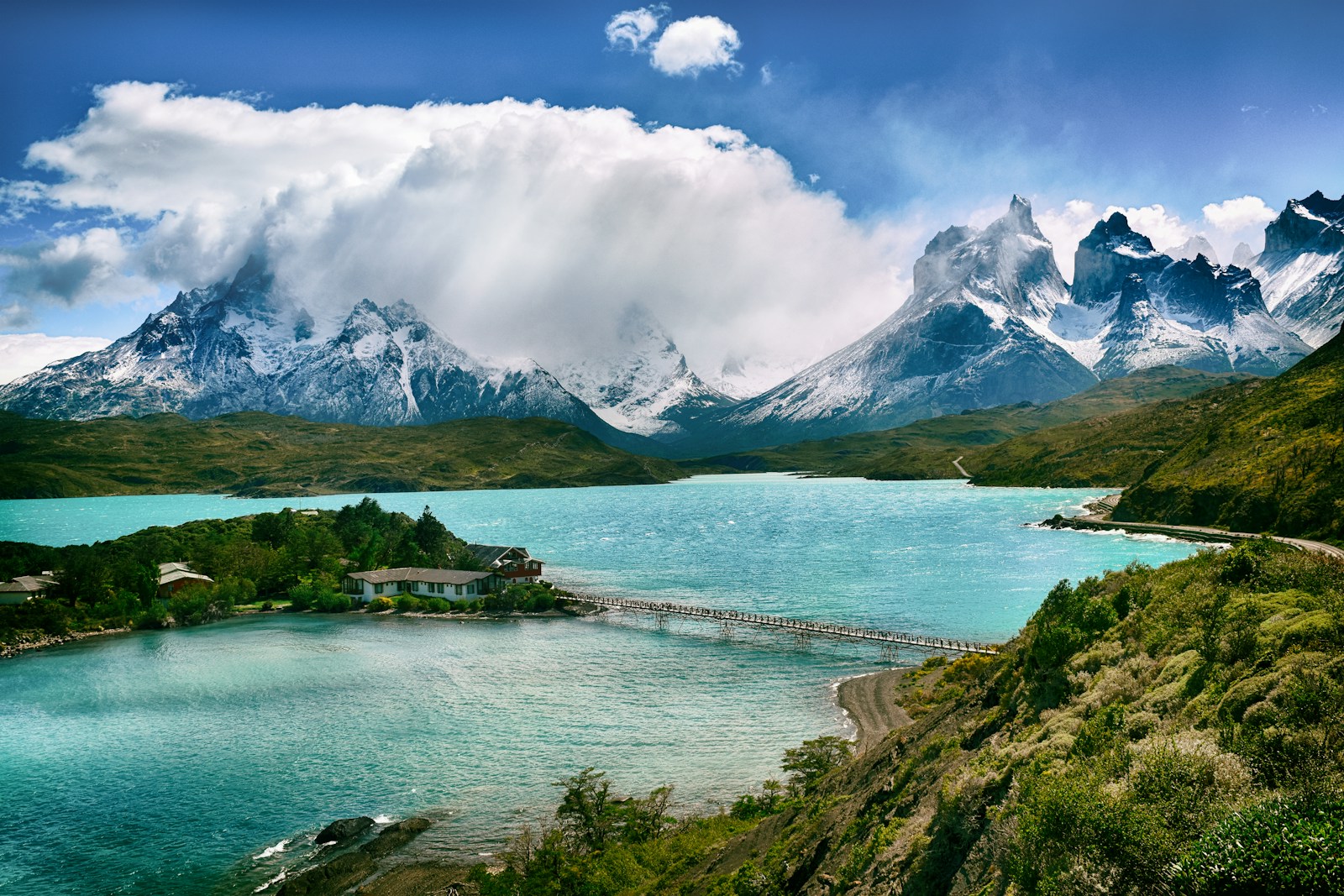
This iconic national park in Chilean Patagonia is a hiker’s paradise, famous for its dramatic granite spires, turquoise lakes, and vast glaciers . Whether you tackle the challenging “W” trek or enjoy shorter day hikes, the scenery is simply unparalleled.
5. Pucon: Adventure Central in the Lake District 🌋
Nestled at the foot of the active Villarrica Volcano, Pucon is Chile’s adventure capital. It’s a hub for whitewater rafting, kayaking, hiking, and during winter, skiing. The surrounding lakes and forests make it a truly picturesque escape.
- Easter Island (Rapa Nui): The Enigmatic Moai🗿 A remote Polynesian island in the Pacific, Easter Island is famous for its monumental moai statues. Exploring this mystical island and learning about its ancient culture is a once-in-a-lifetime journey.
carretera-austral-the-ultimate-road-trip”>7. Carretera Austral: The Ultimate Road Trip 🛣️
For those seeking raw, untamed wilderness, the Carretera Austral is a legendary scenic highway winding through northern Patagonia. Expect fjords, glaciers, dense forests, and charming small towns. It’s an Adventure Travel dream for self-drivers!
8. Elqui Valley: Stargazing and Pisco Perfection ✨
Known for its clear skies, the Elqui Valley is a prime destination for astronomical tourism and the birthplace of Chile’s national spirit, pisco. Enjoy vineyard tours, stargazing observatories, and a relaxed, bohemian vibe.
9. Chiloé Island: Myth, Magic, and Colorful Palafitos 🏡
This unique island archipelago off the coast of Patagonia is rich in folklore, distinctive wooden churches (many UNESCO-listed), and colorful stilt houses (palafitos). It offers a fascinating glimpse into a distinct Chilean culture.
10. Colchagua Valley: Chile’s Premier
Wine Region 🍇 If you’re a wine enthusiast, the Colchagua Valley is a must-visit. Home to some of Chile’s most prestigious wineries, it’s perfect for vineyard tours, tastings, and indulging in fine dining.
11. Lauca National Park: Andean Majesty and Wildlife 🦙
Located in the far north, this high-altitude national park boasts stunning Andean landscapes, including the shimmering Chungará Lake, one of the highest lakes in the world. Keep an eye out for vicuñas, llamas, and flamingos.
12. Frutillar & Puerto Varas: German Heritage by the Lakes 🇩🇪
These charming towns in the Lake District showcase strong German influences in their architecture and cuisine. Set against the backdrop of snow-capped volcanoes like Osorno and Calbuco, they offer serene lake views and outdoor activities.
13.
Iquique: Desert Dunes and Pacific Waves 🏄 A vibrant coastal city in the north, Iquique is famous for its expansive sand dunes, perfect for sandboarding, and excellent conditions for surfing and par agliding. It’s a thrilling blend of desert and ocean.
14. Pumalín Douglas Tompkins National Park: Conservation Paradise 🌳
A breathtaking private conservation area turned national park in Patagonia, Pumalín protects vast temperate rainforests, fjords, and volcanoes. It offers incredible hiking and a chance to witness successful conservation efforts firsthand.
15. Santiago’s Ski Resorts: Winter Wonderland ⛷️
Just an hour or two from Santiago, you’ll find world-class ski resorts like Valle Nevado, Portillo, and La Parva. During the winter months (June-August), these offer fantastic slopes and stunning Andean scenery.
Each of these destinations offers a unique slice of the Chilean experience. Which one will you explore first?
🏨 Where to Stay: Best Chile Vacation Rentals, Boutique Hotels, and Glamping Spots
Choosing the right accommodation can truly elevate your Chile Vacay™ from good to absolutely unforgettable. Whether you’re dreaming of a cozy home away from home, a luxurious boutique experience, or an adventurous glamping escape under the stars, Chile delivers! Our team has explored a range of options, and we’re here to help you find your perfect pillow.
Vacation
Rentals: Your Home Away From Home 🏡
For families, groups, or those who simply crave more space and privacy, vacation rentals are a fantastic choice. Chile offers a robust market, with over 50,000 vacation rentals available for booking. From charming cabins to spacious apartments, there’s something for every taste and budget.
What to Expect: Many rentals come with fantastic amenities that can enhance your stay. We ‘ve found that Internet, pet-friendly policies, and pools are among the top amenities travelers look for. Imagine lounging by a private pool with mountain views, or bringing your furry friend along for the adventure !
Variety is Key: You’ll find everything from cozy 1-bedroom houses perfect for a couple to sprawling 8-bedroom estates that can accommodate large groups. Property types include houses, chalets , farmhouses, and apartments, often featuring outdoor amenities like private pools, hot tubs, barbeques, and gardens.
Top Picks (Examples from HomeToGo):
Pucón Mountain House: Ideal for large groups (up to 10 guests) with a private pool, fireplace, and mountain views.
Santiago Ski Chalet: Perfect for winter sports enthusiasts, featuring a hot tub, fireplace, and close proximity to ski slopes.
Villarrica Waterfront House: Offers a jacuzzi, garden, private pool, and is suitable for remote work.
Las Condes City Apartment: A great option in Santiago with a private pool, fast internet, and balcony with mountain views, ideal for workations.
Finding Your Perfect Rental: Platforms like HomeToGo make it easy to compare thousands of properties. They offer “AI-powered smart search tools to compare 50,081 properties based on location, value, and verified reviews”. This means you can filter by amenities, location, and even check guest reviews on comfort, cleanliness, and value for money.
Benefits:** Expect attentive staff, exquisitely designed rooms, and often, a focus on local cuisine and experiences. They’re perfect for couples seeking a romantic getaway or travelers who enjoy a more curated experience.
✈️ Getting There and Around: Flights, Buses, and Domestic Travel Hacks
So, you’ve decided on your Chilean dream destinations – fantastic! Now, how do you actually get there and navigate this incredibly long country? Don’t worry, our Chile Vacay™ team has clocked countless miles, and we’ve got the lowdown on making your travel smooth and efficient.
Arriving in Chile: International Flights 🌎
Most international travelers will fly into Santiago’ s Arturo Merino Benítez International Airport (SCL). It’s a modern, well-connected airport serving numerous airlines from North America, Europe, and other parts of South America.
- Airlines: Major carriers like LAT AM, American Airlines, Delta, United, Air Canada, and several European airlines offer direct or connecting flights to Santiago.
- Tip: Always compare flight prices across different platforms like Google Flights, Skyscanner, and directly with airline websites to snag the best deals.
Navigating Chile: Domestic Travel Essentials 🗺️
Chile’s length means you’ll likely be covering significant distances. Here’s how to do it:
1. Domestic Flights: Covering
Ground Quickly 💨
For traversing vast distances – think Santiago to the Atacama or Santiago to Patagonia – domestic flights are your best friend. They save precious travel time, allowing you to maximize your exploration.
Key Airlines:
LATAM Airlines: Chile’s largest airline, offering extensive routes and generally reliable service.
Sky Airline: A low-cost carrier that can offer competitive prices, especially if booked in advance.
JetSMART:** Another budget-friendly option, often with good deals for internal flights.
- Booking Tip: Domestic flights, especially to popular destinations like Calama (for Atacama) or Punta Arenas/Puerto Natales (for Patagonia), can fill up and get pricey. Book these well in advance, particularly during peak season (December-February).
2. Long-Distance Buses: The Scenic (and Budget-Friendly) Route 🚌
For shorter to medium distances, or if you prefer a more scenic and budget-conscious journey, Chile’s long-distance bus network is excellent. Buses are comfortable, reliable, and surprisingly luxurious on longer routes, often offering “semi-c ama” (reclining seats) or “salón cama” (fully reclining beds).
- Major Bus Companies:
- Turbus: One of the largest and most comprehensive networks.
- Pullman Bus : Another highly reputable company with extensive routes.
- Cruz del Sur: Great for routes in the south, including Patagonia.
- Our Anecdote: We once took an overnight “salón cama” bus from Santiago to Pucon, and it was more comfortable than some short-haul flights! We arrived refreshed and ready for adventure.
- Booking Tip: You can buy tickets online directly from the bus companies or at the main bus terminals in major cities. For popular routes or holidays, booking a day or two ahead is recommended.
3. Rental Cars: Freedom to Explore 🚗
Renting a car offers unparalleled flexibility, especially if you plan to explore regions like the Lake District, the Elqui Valley, or parts of the Carretera Austral.
- Considerations:
- Road Conditions: Main highways are generally excellent, but rural roads, especially in Patagonia, can be gravel or unpaved. A 4×4 might be necessary for certain routes.
- Insurance: Always opt for comprehensive insurance.
- Driving Style: Chileans can be assertive drivers, especially in cities. Stay alert!
- Fuel: Gas stations are plentiful in populated areas but can be sparse in remote regions, so plan your refills.
- Where to Book:
- RentalCars.com: RentalCars.com Chile
- Hertz: Hertz Chile Official Website
- A vis: Avis Chile Official Website
4. Ferries and Boats: Exploring the Fjords 🚢
In southern Chile, particularly around Patagonia and Chiloé, ferries and boats are an integral part of the transportation network, offering breathtaking journeys through fjords and channels.
- Companies: Navimag and Transmarchilay are two prominent operators.
- Experience: These aren’t just transport ; they’re scenic cruises! You might spot dolphins, whales, and incredible coastal landscapes.
Essential Travel Hacks for Chile 🎒
- Pack Layers: As mentioned, Chile’s diverse climates mean you’ll encounter varying weather. Always pack layers!
- Download Offline Maps: Google Maps or Maps.me can be lifesavers in areas with spotty cell service.
- Keep Small Bills: Useful for local markets, small shops, and tips.
- “Sin Cuotas” for Credit Cards: When paying with a credit card, you might be asked “con cuotas o sin cuotas?” (with installments or without installments?). Always choose “sin cuotas” for a single payment, unless you specifically want to pay in installments (which is usually only for Chilean residents).
- Be Aware of Distances: Don’t underestimate how long it takes to get from one end of Chile to another. Plan your itinerary realistically to avoid travel burnout.
With these tips and tricks, you’ll be zipping around Chile like a seasoned pro, ready to soak in every incredible moment!
🍷 Savoring Chile: A Guide to Wine
Regions, Pisco, and Culinary Delights
Prepare your taste buds, fellow foodies! One of the most delightful aspects of any Chile Vacay™ is diving headfirst into its vibrant culinary scene. From world-class wines to unique national spirits and comforting traditional dishes, Chile offers a gastronomic journey that’s as diverse as its landscapes. Our team considers ourselves honorary Chilean food critics, and we’re excited to share our favorites! This is truly a highlight of any Cultural Experiences trip.
Chile’s Liquid Gold: Wine and Pisco 🥂
1. Chilean Wine: A Global Powerhouse 🍇
Chile has firmly established itself as a major player in the global wine industry, renowned for its excellent quality and incredible value. The country’s unique geography – with the Andes to the east, the Pacific to the west, and the Atacama Desert to the north – creates ideal conditions for viticulture.
- Key Wine Regions:
- Maipo Valley: Often called the “Bordeaux of South America,” it’s one of Chile’s oldest and most prestigious wine regions, just south of Santiago. Famous for its Cabernet Sauvignon.
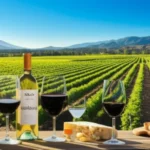
- Colchagua Valley: Widely considered Chile’s premier wine region, producing outstanding Carménère, Cabernet Sauvignon, and Syrah. Many wineries here offer fantastic tours and tastings.
- Casablanca Valley: Known for its cool climate white wines, particularly Sauvignon Blanc and Chardonnay, influenced by the Pacific Ocean.
- Aconcagua Valley: Home to some of Chile’s most iconic red wines, especially Cabernet Sauvignon and Syrah.
- Our Recommendation: A visit to a vineyard like Vina Vik Millahue in the Central Valley isn’t just about wine; it’ s an immersive experience in art, architecture, and gourmet dining. Even if you don’t stay, many vineyards offer tours and tastings, often paired with delicious food.
- Brands to Look For: Con cha y Toro, Montes, Errazuriz, Lapostolle, Santa Rita, and Viña Vik are just a few of the many excellent Chilean wineries.
2. Pisco: Chile’s National Spirit 🍋
While Peru also lays claim to pisco, Chile has its own distinct style of this grape brandy, and it’s a national obsession!
- The Pisco Sour: You absolutely must try a Pisco Sour. This iconic cocktail, made with pisco, lime juice, simple syrup, egg white, and a dash of Angostura bitters, is refreshing, potent, and utterly delicious.
- Elqui Valley: This region in the north is the heartland of Chilean pisco production, offering tours of distilleries and, thanks to its incredibly clear skies, fantastic stargazing opportunities.
Chilean Culinary Delights: A Feast for the Senses 🍲
Chilean cuisine is hearty , flavorful, and often focuses on fresh ingredients from its diverse land and sea.
1. Empanadas: The Ultimate Snack 🥟
You simply cannot visit Chile without indulging in empanadas. These savory pastries come in countless variations, and as the “Don’ts of Visiting Chile” video rightly advises, “Don’t skip out on… empanadas, which are diverse and delicious.”
- P ino: The classic version, filled with ground beef, onions, olives, hard-boiled egg, and sometimes raisins.
- Queso: A simple but satisfying cheese filling.
- Marisco: Seafood empan adas, especially popular in coastal areas.
- Our Tip: Seek out a local empanadería for the freshest, most authentic experience. Each region has its own twist!
2. Completos: A
Chilean Icon 🌭
Forget everything you think you know about hot dogs. The Chilean completo is an art form! It’s a hot dog loaded with a generous amount of toppings, most famously palta (avocado), mayonnaise, and diced tomatoes. It’s messy, it’s delicious, and it’s a quintessential Chilean street food experience.
3. Pastel de Choclo: Comfort in a C
asserole 🌽
This savory corn pie is a beloved comfort food. It features a layer of creamy, sweet corn puree (choclo) topping a mixture of ground beef (pino), onions, chicken, and sometimes olives and hard-boiled eggs. It’s baked until golden and bubbling – perfect for a chilly evening.
4. Curanto: A Southern Feast 🥔
Originating from the Chiloé archipelago, curanto is a traditional cooking method where seafood, meats (like chicken and pork), potatoes, and vegetables are cooked in a pit in the ground, covered with hot stones and leaves. It’s a communal, flavorful feast that’s a true Cultural Experiences highlight.
5. Cazuela: The Hearty Stew 🥣
A staple in Chilean homes, cazuela is a robust and warming stew, typically made with a piece of meat (beef, chicken, or pork), a large potato, a piece of corn on the cob, rice, and various vegetables. It’s the ultimate soul food.
6. Fresh
Seafood: From the Pacific’s Bounty 🦀
Given its immense coastline, Chile boasts an incredible array of fresh seafood. Look for reineta (a firm white fish), congrio (conger eel), loc os (Chilean abalone), and erizos (sea urchins) if you’re feeling adventurous. Seafood stews like caldillo de congrio (conger eel soup) are also a must-try.
So, loosen your belt a notch, embrace the flavors, and let Chile’s culinary scene take you on an unforgettable journey!
🎒 Essential Packing List: What to Bring for Every Chilean Climate Zone
Alright, future Chile explorers, this is where the rubber meets the road – or rather, where your suitcase meets the packing cubes! Chile’s incredible geographical diversity means that what you pack for the arid Atacama will be vastly different from what you need for the glacial landscapes of Patagonia. Our Chile Vacay™ team has learned through trial and error (and a few chilly nights!) that packing layers is absolutely crucial. Seriously, don’t underestimate the need for versatility!
Remember, the seasons are flipped compared to the Northern Hemisphere, so plan accordingly. And as the “Don’ts of Visiting Chile” video wisely points out, “Don’t think Chile is a hot summer destination” everywhere, as higher altitudes can be surprisingly chilly.
To make your packing a breeze, we’ve broken down the essentials by region and general must-haves.
General Must-Haves for Any Chile Trip ✅
These items are universally useful, no matter where your Chilean adventure takes you:
- Versatile Layers: This is our #1 rule! Think t-shirts, long-sleeved shirts, a fleece or wool sweater, and a light-to-medium weight jacket.
Waterproof & Windproof Outer Layer: A good quality rain jacket is indispensable, especially if you’re heading south or visiting during shoulder seasons. Brands like Patagonia or Columbia offer excellent options.
- Comfort able Walking Shoes/Hiking Boots: You’ll be doing a lot of exploring! Ensure your footwear is broken in and suitable for varied terrain.
- Sun Protection: Sunglasses, a wide-brimmed hat, and high- SPF sunscreen are non-negotiable, even on cloudy days or in the mountains. The sun can be intense!
- Reusable Water Bottle: Stay hydrated and reduce plastic waste. Many accommodations offer water refill stations.
- Day pack: A comfortable 20-30L daypack is perfect for daily excursions, carrying water, snacks, and extra layers. We love Osprey for their ergonomic designs.
- Universal Travel Adapter: Chile uses Type L and Type C sockets (two or three round pins).
- Portable Power Bank: Keep your phone and camera charged, especially on longer excursions.
- Basic First-Aid Kit: Include pain relievers, band -aids, antiseptic wipes, and any personal medications.
- Swimsuit: Even if you’re not hitting the beach, many hotels have pools, and you might find hot springs!
- Offline Maps & Translator App: Download these before you lose signal. Google Translate and Maps.me are great.
- Copy of Important Documents: Keep digital and physical copies of your passport, visa, and travel insurance.
Regional Specifics: Tail
oring Your Pack 🎒
1. Atacama Desert (North) 🏜️
- Climate: Extremely dry, hot days, surprisingly cold nights (can drop below freezing). Intense sun.
- Extra Items:
- Warm Layers: Seriously, for stargazing and early morning excursions, you’ll need a warm jacket, hat, and gloves.
- Lip Balm & Moisturizer: The dry air can be brutal on skin and lips.
- Dust Mask/Bandana: Useful for dusty trails.
- Headlamp/Flashlight: Essential for stargazing and early starts.
2. Central Chile (Santiago, Valparaíso, Wine Regions) ☀️
- Climate: Mediterranean climate. Hot, dry summers (Dec-Feb); mild, wet winters (June-Aug).
- Extra Items:
- Smart Casual Attire: For city dining and vineyard visits.
- Lighter Layers: Especially for summer.
- Umbrella/Rain Jacket: If visiting in winter.
3. Lake District & Pu
con (Central South) 🌲
- Climate: Temperate, often rainy, especially outside of summer. Summers are mild.
- Extra Items:
- Waterproof Hiking Boots: Essential for trails that can be muddy.
- Good Quality Rain Gear: Jacket and possibly rain pants.
- Insect Repellent: Especially important near lakes and forests in summer.
4. Patagonia (Far South) 🌬
️
Climate: Unpredictable! Can experience all four seasons in one day. Strong winds are common. Cold, even in summer.
Extra Items:
Heavy-Duty Waterproof & Windproof Outer wear: A high-quality shell jacket and pants are crucial. Brands like Arc’teryx or The North Face are excellent.
Warmest Layers: Fleece, down jacket (packable), thermal underwear.
Warm Hat, Gloves/Mittens, Scarf: Protect against biting winds.
Waterproof Hiking Boots: With good ankle support for uneven terrain.
Gaiters: To keep debris and water out of your boots.
Wool Socks: Several pairs to keep your feet warm and dry.
A Word on Luggage: We generally recommend a sturdy backpack (like an Osprey Atmos/Aura for hiking trips) or a durable rolling duffel (like a Thule Chasm) for ease of transport, especially if you’re moving between multiple locations.
By packing smart and thinking in layers, you’ ll be perfectly prepared for whatever incredible experiences your Chile Vacay™ throws your way!
💰 Budgeting Your Trip: Costs, Currency, and Money-Saving Secrets
Let’s talk brass tacks, adventurers! While Chile offers experiences that are priceless, your Chile Vacay™ does require some financial planning. The good news? Chile can cater to a range of budgets, from backpackers to luxury travelers. Our team has mastered the art of smart spending in Chile, and we’re here to share our money-saving secrets for your Budget Travel adventure!
Chilean
Peso (CLP): Your Currency Guide 💵
Chile’s currency is the Chilean Peso (CLP). You’ll find banknotes in denominations of 1,000, 2,000, 5,000, 10,000, and 20,000 pesos, and coins in 10, 50, 100, and 500 pesos.
Exchange Rates: Check current exchange rates before you go. You can exchange currency at Santiago’s airport, but rates are often better at casas de cambio (exchange houses) in city centers.
- AT Ms: ATMs are widely available in cities and larger towns. We recommend using ATMs affiliated with major banks (like Banco de Chile, Santander) for better security and reliability. Be aware of potential international transaction fees from your bank.
Credit Cards:** Major credit cards (Visa, MasterCard) are accepted in most hotels, restaurants, and larger stores. However, always carry some cash for smaller purchases, local markets, and remote areas.
- “Sin Cuotas” Reminder: When using a credit card, you’ll likely be asked “con cuotas o sin cuotas?” (with installments or without installments?). Always choose “sin cuotas” unless you’re a Chilean resident looking to pay in installments.
What to Expect: General Costs 📊
Chile is generally considered one of the more developed and, consequently, slightly more expensive countries in South America. However, smart choices can keep your budget in check.
Here’s a rough idea of what to expect for various categories (note: these are general ranges and can vary wildly by region, season, and your personal style):
| Category | Budget-Friendly (per day) | Mid-Range (per day) | Luxury (per day) |
|---|---|---|---|
| Accommodation | Hostels, basic guesthouses | ||
| Mid-range hotels, vacation rentals | Boutique hotels, resorts | ||
| Food | Street food, local markets, cooking | Casual restaurants, some fine dining | High-end restaurants |
| Transportation | Public buses | ||
| , long-distance buses | Domestic flights, rental car | Private transfers, premium flights | |
| Activities | Free hikes, self-guided tours | Guided day trips, some paid attractions/”>attractions | Multi-day tours, exclusive experiences |
- Accommodation Insights: Vacation rentals, for example, can range widely. HomeToGo’s data shows that the average apartment price is $174 per night, while cabins average $24 per night and pool properties average $16 per night. These are averages, and you can find options starting from $27 per night. Booking in advance, especially for popular areas like Patagonia, is key to securing better rates .
- Food Costs: Eating at local picadas (small, traditional eateries) or cooking some of your meals (if you have a kitchen in your rental) can significantly reduce food expenses. Supermarkets like Jumbo, Lider (Walmart), and Tottus are widely available.
Money-Saving Secrets from Chile Vacay™ 🤫
Travel During Shoulder Season: Visiting in spring (September-November) or autumn (March-May) can offer pleasant weather and lower prices for flights and accommodation compared to peak summer.
Embrace Local Transport: Long-distance buses are comfortable and much cheaper than domestic flights for many routes. Within cities, use public transport (metro in Santiago) or walk.
Cook Your Own Meals: If your accommodation has a kitchen, hit the local supermarkets and markets (ferias) for fresh, affordable ingredients. This is especially helpful in pricier regions like Patagonia .
Seek Out Menú del Día: Many restaurants offer a menú del día (daily set menu) for lunch, which typically includes a starter, main course, and sometimes a drink or dessert, all at a great price.
Free Activities: Many of Chile’s most stunning attractions – hiking in national parks (though some have entrance fees), exploring city streets, enjoying public beaches – are free or low-cost.
Book Tours Locally: While pre-booking certain popular tours (like to Torres del Paine) is wise, for others, you might find better deals by booking with local agencies once you arrive.
B argain (Respectfully) at Markets: At artisan markets, a little friendly bargaining might be acceptable, but always be respectful.
Travel with a Group: Splitting the cost of accommodation, rental cars, and even some tours with friends can lead to significant savings.
By being mindful of your spending and utilizing these tips, you can enjoy an incredible Chile Vacay™ without breaking the bank!
🛡️ Safety First: Navigating Chile with Confidence and Common Sense
At Chile Vacay™, your safety and peace of mind are paramount. We’re often asked, “How safe is it to travel around Chile for tourists?” The good news is that Chile is generally considered a safe country for tourists. However, like any travel destination, it’s essential to exercise common sense and be aware of your surroundings. Our team has traveled extensively throughout Chile, and we’ve compiled our best advice to help you navigate with confidence.
General Safety Tips ✅
- Situational Awareness: Always be aware of your surroundings, especially in crowded areas like bus terminals, markets, and tourist hotspots. Pickpocketing can occur, so keep valuables secure and out of sight. **”Be mindful of your belongings, especially in busy areas,” ** is a mantra we live by.
- Protect Your Valuables:
- Avoid flashing expensive jewelry, cameras, or large amounts of cash.
- Use a money belt or a secure cross-body bag.
- Leave important documents (like your passport) locked in your hotel safe and carry a photocopy.
- Nighttime Precautions: Be extra cautious after dark. Stick to well-lit, populated areas, and consider taking a registered taxi or ride-sharing service (like Uber or Cabify) rather than walking alone.
- Public Transportation: While generally safe, keep an eye on your bags on buses and the Santiago Metro. Avoid placing bags on empty seats next to you, as they can be snatched.
- Official Taxis vs. Unofficial: At airports and bus terminals, use official, registered taxis or pre-booked transfers. Unofficial taxis may try to overcharge or take longer routes.
- Scams to Watch Out For: Be wary of common distraction scams, where someone might “accidentally” spill something on you or ask for directions while an accomplice attempts to pickpocket you. Politely decline and keep moving.
- Trust Your Gut: If a situation or person feels off, remove yourself. Your intuition is a powerful safety tool.
Regional Specifics and Considerations 🗺️
- Santiago: Like any large city, Santiago has areas with higher crime rates. Exercise caution in crowded downtown areas and avoid walking alone in less-populated neighborhoods at night.
- Val paraíso: While incredibly charming, Valparaíso has a reputation for being a bit “edgy”. We highly recommend exploring with a local guide, especially in the labyrinthine cerros, to ensure both safety and a richer cultural experience.
- National Parks: When exploring Chile’s stunning national parks, always adhere to local rules and regulations. This includes staying on marked trails, informing park rangers of your plans, and being prepared for changing weather conditions.
- Altitude Sickness: If you’re heading to high-altitude areas like the Atacama Desert or the Andes, be aware of the symptoms of altitude sickness . Acclimatize slowly, stay hydrated, and avoid strenuous activity on your first day.
Who to Trust & Where to Get Help 🤝
Locals are Helpful: Generally, Chile ans are friendly and willing to help tourists. “Don’t worry, Chile is pretty safe,” and the locals are generally helpful in pointing out safe areas. If you’re lost or need assistance, approach families or people working in shops.
Emergency Numbers:
Police (Carabineros): 133
Ambulance (SAMU): 131
Fire (Bomberos): 132
Travel Insurance: We cannot stress this enough: always purchase comprehensive travel insurance. It’s your safety net for medical emergencies, trip cancellations, lost luggage , and other unforeseen circumstances.
By keeping these tips in mind, you can confidently immerse yourself in the wonders of Chile, knowing you’re prepared for a safe and enjoyable adventure!
📅 Best Time to Visit Chile: Seasonal Breakdown and Weather Patterns
Deciding when to embark on your Chile Vacay™ is crucial, as this incredibly long country experiences vastly different climates from north to south. As we’ve highlighted, Chile’s seasons are opposite to the Northern Hemisphere, which can sometimes catch travelers off guard. So, let’s break down the best times to visit based on what you want to see and do!
Understanding Chile’s Flipped Seasons 🔄
| Season (Northern Hemisphere) | Chile’s Season | Months | General Climate |
| :————————— | :————- | :————- | :——————————————– | | Summer | Winter | June – August | Cold, wet in Central/South; dry in North. | | Autumn | Spring | Sept – Nov | Mild, blooming; good for most regions. | | Winter | Summer | Dec – Feb | Hot, dry in Central/North; mild in Patagonia. | | Spring | Autumn | March – May | Mild, harvest season; good for wine regions. |
Seasonal Breakdown and What to Expect ☀️❄️
1. Summer (December – February): Peak Season & Patagonia’s Prime
☀️
- Central Chile (Santiago, Valparaíso, Wine Regions): Hot and dry, perfect for city exploration and vineyard visits. Expect clear skies and lively outdoor activities.
- Atacama Desert: Hot days, pleasant nights. Excellent for stargazing and exploring the desert landscapes.
- Lake District (Pucon): Warm and sunny, ideal for water sports, hiking, and volcano climbs. This is peak season here, so expect crowds and book in advance.
- Patagonia (Torres del Paine, Carretera Austral): This is the absolute best time to visit Patagonia. The weather is at its mildest (though still unpredictable and windy!), and all hiking trails and facilities are open. Expect long daylight hours.
- Consideration: This is peak tourist season across the country, meaning higher prices and more crowds.
2. Autumn (March – May): Harvest Hues & Mild Weather 🍂
- Central Chile: Beautiful mild weather, perfect for exploring cities and the wine regions during harvest season. The landscapes turn golden and red.
- Atacama Desert: Still excellent weather, slightly cooler than summer.
- Lake District: Pleasant, with fewer crowds than summer. The autumn colors are stunning.
- Patagonia: Still good for hiking, with fewer people and often stable weather , though temperatures start to drop towards May. Some facilities might begin to close towards the end of the season.
- Consideration: A fantastic “shoulder season” offering a balance of good weather and fewer tourists.
- Winter (June – August): Ski Season & Desert Clarity ❄️
- Central Chile (Santiago): Cooler, with some rain. This is prime ski season in the Andes outside Santiago, with resorts like Valle Nevado in full swing.
- Atacama Desert: Days are mild and sunny, nights are cold. The air is incredibly clear, making it superb for stargazing. Fewer tourists.
- Lake District (Pucon): Cold and rainy. Skiing is available on Villarrica Volcano, but facilities can be rustic. Many outdoor activities are limited.
- Patagonia: Cold, wet, and very windy. Many trails and facilities in Torres del Paine close. Best for experienced winter trekkers or those seeking solitude.
- Consideration: If your focus is skiing or desert exploration, winter can be a great, less crowded time.
4.
Spring (September – November): Blooming Landscapes & Fewer Crowds 🌸
- Central Chile: Warming up, with flowers blooming. Excellent for city breaks and exploring Valparaíso.
- Atacama Desert: Pleasant temperatures, great for all activities.
- Lake District: The landscape comes alive with spring blooms, and temperatures are mild. A great time for hiking and enjoying nature before the summer rush.
- Patagonia: Trails begin to open, and wildlife becomes more active. Still chilly and windy, but a good option for those who want to avoid peak summer crowds while still enjoying the region.
- Consideration: Another excellent “shoulder season” offering a balance of good weather and fewer tourists, particularly in October and November.
Our Expert Recommendation: When to Go? ✅
For Patagonia & Major Hiking: December to February is your best bet, despite the crowds.
For General Exploration (diverse itinerary): October-November (Spring) or March-April (Autumn) offer the best balance of good weather across most regions and fewer tourists.
For Skiing: July -August is prime time in the Central Andes.
For Atacama Desert: Year-round, though spring and autumn offer the most comfortable temperatures.
Ultimately, the best time for your Chile Vacay™ depends on your priorities. Consider what regions you most want to explore and tailor your visit accordingly!
🚫 Common Tourist Mistakes
to Avoid on Your Chile Adventure
Alright, intrepid travelers, we’ve all made a few travel blunders in our time – it’s part of the adventure! But here at Chile Vacay™, we believe in learning from experience, both ours and others’. So, to help you sidestep potential pitfalls and ensure your Chilean journey is as smooth as a glass of Carménère, here are some common tourist mistakes to avoid on your Chile adventure. Pay attention, because a little foresight goes a long way!
1. Underestimating Chile’s Size and Diversity 📏
❌ Mistake: Trying to cram the Atacama, Santiago, and Patagonia into a 7-day trip.
✅ Our Advice: Chile is long – over 4,300 km! Distances are vast, and travel between regions takes time. As we discussed, a 10- to 14 -day trip is ideal to cover major highlights without rushing. Focus on 1-2 regions per week to truly savor the experience. Don’t underestimate the time it takes to get around!
- Forgetting About Flipped Seasons 🔄
- ❌ Mistake: Packing for summer in July, only to find yourself freezing in Patagonia.
- ✅ Our Advice: Remember, Chile’s seasons are opposite to the Northern Hemisphere. Summer is December-February, and winter is June-August. Always check the specific season and weather patterns for the regions you’re visiting. And as the video says, ” Don’t think Chile is a hot summer destination” everywhere, as it can be chilly at higher altitudes.
3. Not Packing Layers (Especially for Patagonia) 🧥
- ❌ Mist ake: Bringing only light clothing, assuming “summer” means constant warmth.
- ✅ Our Advice: Even in summer, Patagonian weather can deliver all four seasons in one day. **”Pack layers due to varying weather” ** is a golden rule for Chile. Be prepared for sun, wind, rain, and even snow, sometimes within hours!
4. Underestimating the Language Barrier 🗣️
- ❌ Mist ake: Relying solely on high school Spanish.
- ✅ Our Advice: While some English is spoken in tourist areas, “High school Spanish might not be enough due to Chilean slang and regional dialects.” Learn a few key phrases, download an offline translator app, and don’t be afraid to use gestures. Chileans appreciate the effort!
5. Skipping Out on Local Cuisine 🌭🥟
- ❌ Mistake: Sticking to familiar international chains.
- ✅ Our Advice: You’d be missing out on a huge part of the cultural experience! “Don’t skip out on ‘completos’ (loaded hot dogs) or empanadas, which are diverse and delicious.” Dive into pastel de choclo, fresh seafood, and local wines. Your taste buds will thank you!
6. Not
Understanding Credit Card Payments (“Sin Cuotas”) 💳
- ❌ Mistake: Accidentally agreeing to pay in installments.
- ✅ Our Advice: When using a credit card, if asked “con cuotas o sin cuotas ?”, always choose “sin cuotas” (without installments) for a single payment, unless you are a Chilean resident and specifically want installments.
7. Overlooking Valparaíso’s Street Art (and Safety) 🖼️
- ❌ Mistake: Rushing through Valparaíso or exploring without proper guidance.
- ✅ Our Advice: “Don’t miss the street art” found in places like Val paraíso – it’s truly magnificent. However, the city has an “edge,” so consider hiring a local guide, especially for families, to navigate safely and understand the stories behind the art.
8. “Winging It” for Complex Itineraries 📝
- ❌ Mistake: Assuming you can easily figure out logistics for remote areas on the fly.
- ✅ Our Advice: For families or those with limited time, a fixed itinerary designed by a tour operator (like Latin Excursions mentioned in our itinerary planning) is highly recommended. It ensures reliable transport, good guides, and maximizes your precious vacation time.
9. Ignoring Altitude Sickness 🤢
- ❌ Mistake: Immediately embarking on strenuous activities in high-altitude areas like the Atacama.
- ✅ Our Advice: Acclimatization is critical in places like the Atacama Desert, where excursions can reach over 13,000 feet. Take it easy on your first day, stay hydrated, and listen to your body.
10.
Forgetting Travel Insurance 🛡️
- ❌ Mistake: Thinking “it won’t happen to me.”
- ✅ Our Advice: Always, always, always purchase comprehensive travel insurance. It’s your safety net for medical emergencies, trip cancellations, lost luggage, and other unforeseen events.
By being mindful of these common missteps, you’re well on your way to a seamless, enjoyable, and truly unforgettable Chile Vacay™!
< div id=”-instagram-vs-reality-capturing-the-perfect-shot-in-chile”>
📸 Instagram vs. Reality: Capturing the Perfect Shot in Chile
We’ve all scrolled through those breathtaking Instagram feeds, double-tapping on perfectly composed shots of Patagonia’s peaks or the Atacama’s ethereal landscapes. Chile is undeniably an incredibly photogenic country, a true feast for the lens! But as seasoned travel bloggers at Chile Vacay™, we know the difference between a curated feed and the raw, beautiful reality of travel. So, let’s talk about how to capture those “wow” moments while embracing the authentic experience of your Chile Vacay™.
The Allure of the Lens: Iconic Chilean Photo Ops ✨
Chile offers an endless array of stunning backdrops. Here are some of our favorites that are sure to make your friends jealous (in a good way!):
Torres del Paine National Park: The granite towers at sunrise, the vibrant blue of Grey Glacier, the reflection of Cuernos del Paine in Lake Pehoé – every turn is a postcard.
- Moon Valley (Valle de la Luna), Atacama: The surreal, Mars-like landscapes, especially at sunset, create dramatic silhouettes and incredible color palettes.
- Valparaíso’s Street Art: The vibrant murals and winding alleys of this port city are a photographer’s dream. As the “Don’ts of Visiting Chile” video emphasizes, “Don’t miss the street art”. Every corner tells a story.
El Tatio Geysers:** Capturing the steam rising against the crisp, cold Andean sunrise is an unforgettable experience.
- Villarrica Volcano: Whether it’s reflecting in a serene lake or looming majestically over Pu con, this active volcano provides a powerful focal point.
- Starry Skies of Atacama/Elqui Valley: With some of the clearest skies on Earth, astrophotography here is unparalleled.
From Screen to Scene
: Tips for Authentic Photography 🤳
While chasing that perfect Instagram shot is fun, remember that the true magic of travel lies in the experience itself. Here’s how to balance your photography ambitions with genuine immersion:
- Be Present First, Photograph Second: Our biggest tip? Sometimes, just put the camera down. Take a moment to breathe in the Patagonian air, listen to the sounds of Valparaíso, or simply gaze at the Atacama stars with your own eyes. The memory will often be richer than any photo.
- Embrace the Imperfect: Reality isn’t always perfectly filtered. A candid shot of a local market, a blurry but joyful photo of you trying to sandboard, or a slightly windswept selfie in Patagonia often tell a more compelling story than a meticulously staged one.
- Respect Local Culture: Always ask for permission before photographing people, especially indigenous communities. Be mindful of local customs and privacy. A smile and a “permiso para una foto?” (permission for a photo?) goes a long way.
- Golden Hour is Your Friend: The hour after sunrise and before sunset offers the soft est, most beautiful light for photography. Plan your key shots around these times.
- Look Beyond the Obvious: While the iconic landmarks are a must, also seek out the smaller details – a colorful doorway, a unique street vendor, a playful llama. These often make for the most unique and personal photos.
- Gear Up (But Don’t Overdo It): A good smartphone camera can capture incredible shots these days. If you’re serious about photography, a mirrorless or DSLR camera with a versatile lens (e.g., 24-70mm) is great. Don’t forget extra batteries and memory cards!
- Safety with Your Gear: Keep your camera gear secure, especially in crowded areas. A sturdy camera strap and a discreet bag are smart investments.
We’ve had our fair share of “Instagram vs. Reality” moments – like trying to get a serene shot of a flamingo in a salt flat, only for it to awkwardly waddle away right as we pressed the shutter! But those are the stories we laugh about later.
Ultimately, your Chile Vacay™ is about creating memories. Let your camera be a tool to enhance that, not a barrier. Capture the beauty, but more importantly, feel the beauty.
🌿 Sustainable Travel:
How to Explore Chile Responsibly
As passionate travelers at Chile Vacay™, we believe that exploring the world comes with a profound responsibility: to protect the very places we cherish. Chile’s pristine national parks, unique ecosystems, and vibrant cultures are precious, and it’s up to all of us to ensure they thrive for future generations. Sustainable travel isn’t just a buzzword; it’s a mindful approach that enhances your experience while minimizing your footprint. Let’s talk about how to be a responsible adventurer in Chile!
Why Sustainable Travel Matters in Chile 🌱
Chile is home to an incredible array of biodiversity, from the endemic flora and fauna of the Atacama to the ancient forests of Patagonia. It’s also a country with rich indigenous traditions and communities that deserve respect and support. Our choices as travelers have a direct impact on these environments and cultures.
Our Top Tips for Responsible Exploration ✅
- Leave No Trace: Pack It In, Pack It Out! 🗑️
This is the golden rule of outdoor ethics. Whatever you bring into a natural area, you must take out. This includes all trash, food scraps, and even organic waste.
“It’s important to be aware of local rules, especially in national parks,” and this often includes strict waste policies. Familiarize yourself with these before you go.
Use reusable water bottles and coffee cups to minimize single-use plastics.
- Respect Wildlife and Nature: 🐾
- Observe from a Distance: Never approach, feed, or disturb wild animals. This can alter their natural behavior and put both you and the animal at risk.
- Stay on Marked Trails: Venturing off-trail can damage fragile ecosystems, contribute to erosion, and potentially put you in danger.
No Souvenirs from Nature: Resist the urge to collect rocks, plants, or other natural items. Leave them for others to enjoy.
- Conserve Resources: 💧💡
- Water is Precious: Especially in arid regions like the Atacama, water is a scarce resource. Be mindful of your water usage in hotels and guesthouses.
- Energy Efficiency: Turn off lights and air conditioning when you leave your room.
- Support Local Communities: 🤝
Buy Local: Purchase handicrafts, souvenirs, and food from local artisans and markets. This directly supports the local economy and helps preserve traditional crafts.
Eat Local: Choose local restaurants and picadas over international chains. This not only gives you an authentic culinary experience but also puts money directly into the community.
Hire Local Guides: Local guides offer invaluable insights into the culture, history, and ecology of a region. They also benefit directly from your tourism.
- Be Mindful of Your Cultural Footprint: 🙏
- Learn Basic Spanish: Even a few phrases can show respect and facilitate interaction. As mentioned, Chilean Spanish has its quirks, but the effort is appreciated.
- Dress Appropriately: In religious sites or more conservative areas, dress modestly.
- Ask Before Photographing: Always ask for permission before taking photos of people, especially in indigenous communities.
- Choose Eco-Friendly Operators: ♻️
- When booking tours or accommodations, look for operators that demonstrate a commitment to sustainability. Many tour companies in Chile are increasingly focused on responsible tourism practices.
By adopting these sustainable travel practices, you’re not just taking a vacation; you’re becoming a part of the solution , helping to preserve the magic of Chile for all who follow. Let’s explore with purpose and leave only footprints!