Support our educational content for free when you purchase through links on our site. Learn more
18 Must-Try Foods & Drinks Served at Chilean Holidays 🎉 (2025)

When Chile throws a party, it’s not just the music and dancing that steal the show—the food and drinks take center stage. From the iconic empanadas that you can’t resist to the cheeky Terremoto cocktail that literally means “earthquake,” Chilean celebrations are a feast for all senses. Whether you’re planning to visit during Fiestas Patrias or just curious about what makes Chile’s holiday table so special, we’ve got you covered with 18 iconic dishes and beverages that define the festive spirit.
Did you know that Chileans consume thousands of empanadas during September alone? Or that the sweet and savory Pastel de Choclo has roots tracing back to indigenous Mapuche traditions? Stick around as we unravel the stories, recipes, and insider tips behind these culinary gems. Plus, we’ll share where to find authentic ingredients and how to enjoy these flavors like a local.
Key Takeaways
- Empanadas, asado, and pastel de choclo are staples at Chilean holidays, especially during Fiestas Patrias.
- The Terremoto cocktail is a must-try festive drink, known for its surprising kick.
- Chilean holiday cuisine blends indigenous, Spanish, and European influences, creating unique flavor profiles.
- Traditional beverages like chicha and mote con huesillo offer refreshing alternatives to alcohol.
- Insider tips include visiting a fonda and pacing yourself with the potent drinks!
👉 Shop Authentic Chilean Ingredients & Drinks:
- Pisco Brands: Alto del Carmen | Pisco Capel
- Chilean Wines: Casillero del Diablo | Santa Rita
- Cooking Essentials: Empanada Pans & Spices
Ready to dive into Chile’s festive flavors? Keep reading to unlock the full list and insider secrets!
Table of Contents
- ⚡️ Quick Tips and Facts About Chilean Holiday Foods and Drinks
- 🎉 The Flavorful History and Cultural Roots of Chilean Festive Cuisine
- 🍽️ 18 Iconic Foods You’ll Find at Chilean Holidays and Celebrations
- 1. Empanadas: The Quintessential Chilean Pastry
- 2. Asado: The Chilean Barbecue Experience
- 3. Pastel de Choclo: Corn Pie with a Sweet Twist
- 4. Pebre: The Zesty Chilean Salsa
- 5. Mote con Huesillo: The Refreshing Summer Drink
- 6. Chicha: Traditional Fermented Grape or Apple Drink
- 7. Curanto: The Southern Chilean Feast
- 8. Sopaipillas: Fried Pumpkin Treats
- 9. Cazuela: The Comforting Chilean Stew
- 10. Chilean Wines: Celebrating with World-Class Vintages
- 11. Terremoto: The Earthquake Cocktail That Shakes Up Parties
- 12. Churrascas: Sweet Corn Cakes
- 13. Chancho en Piedra: The Rustic Chilean Salsa
- 14. Leche Asada: Chile’s Answer to Flan
- 15. Calzones Rotos: Crispy Holiday Pastries
- 16. Alfajores: Sweet Sandwich Cookies
- 17. Pisco Sour: The National Cocktail
- 18. Churrasco Completo: The Ultimate Chilean Sandwich
- 🥳 Special Holiday Events and Food Traditions in Chile
- 👩🍳 Recipes and Stories Behind Chile’s Festive Dishes
- 📱 How Chilean Food Trends and Festive Recipes Are Taking Over Social Media
- 🌿 Where to Find Authentic Chilean Holiday Ingredients and Brands
- 💡 Insider Tips for Experiencing Chilean Holiday Food Like a Local
- 🔍 Common Questions About Chilean Holiday Foods and Drinks
- 📚 Recommended Links for Exploring Chilean Cuisine and Culture
- 📝 Conclusion: Savoring the Spirit of Chilean Celebrations Through Food
- ❓ FAQ: Your Chilean Holiday Food and Drink Curiosities Answered
- 🔗 Reference Links and Resources for Chilean Festive Foods
Alright, fellow adventurers, let’s pull up a chair and talk about one of our absolute favorite parts of Chilean culture: the food! Specifically, the incredible, mouth-watering, and soul-warming dishes and drinks that pop up during holidays and celebrations. If you’ve ever wondered what some must-try foods and drinks are when visiting Chile, you’re in for a treat. Holiday season here is like the country’s culinary scene turning the volume up to eleven!
We’re the team at Chile Vacay™, and we’ve had the delicious privilege of eating our way through countless Chilean fiestas. Trust us, it’s a tough job, but someone’s gotta do it. 😉 So, grab a glass of something tasty, and let’s dive into the festive flavors of Chile.
⚡️ Quick Tips and Facts About Chilean Holiday Foods and Drinks
For those of you who want the juicy details, fast! Here’s a rapid-fire rundown of what you need to know about festive Chilean eats.
| Quick Fact 📝 | The Delicious Detail 😋 |
|---|---|
| Biggest Food Holiday | Fiestas Patrias (September 18th) is the undisputed champion. Think of it as a week-long national barbecue. |
| National Drink | While Pisco Sour is the official national cocktail, the Terremoto is the unofficial king of Fiestas Patrias. |
| Christmas Specialty | Forget eggnog! In Chile, it’s all about Cola de Mono (“Monkey’s Tail”), a milky, coffee-spiked spirit. |
| New Year’s Luck | A spoonful of lentils at midnight is a must for a prosperous new year. |
| The Go-To Snack | Empanadas, especially the classic Empanada de Pino, are everywhere during celebrations. |
| Barbecue is Life | The asado (barbecue) is a sacred social ritual, especially during holidays. |
🎉 The Flavorful History and Cultural Roots of Chilean Festive Cuisine
Ever wonder why a certain dish tastes the way it does? In Chile, every bite tells a story. The country’s holiday cuisine is a vibrant tapestry woven from diverse threads. It’s a delicious fusion of indigenous Mapuche traditions and ingredients, classic Spanish colonial recipes, and later influences from European immigrants, particularly Germans and Italians.
- Indigenous Roots: The Mapuche people gave Chilean cuisine foundational ingredients like corn (choclo), potatoes, quinoa, and the smoky, incredible chili spice known as Merkén. Their connection to the earth is still felt in hearty, traditional dishes.
- Spanish Influence: When the Spanish arrived in the 1500s, they brought wheat, beef, pork, chicken, and wine, which quickly became staples of the local diet. This is where the tradition of empanadas and the love for wine truly began to flourish.
- European Touch: In the 19th and 20th centuries, German immigrants settled in the south, introducing a love for sausages, rich cakes (kuchen), and pork dishes. French and Italian influences also added new layers, from pastries to pastas.
This blend of cultures means that one moment you could be eating a hearty stew with ancient roots, and the next, a pastry that wouldn’t be out of place in a European bakery. It’s this incredible mix that makes Chilean holiday food so unique and exciting.
🍽️ 18 Iconic Foods You’ll Find at Chilean Holidays and Celebrations
Get ready to get hungry! Here are the absolute must-try foods and drinks that define a Chilean celebration.
1. Empanadas: The Quintessential Chilean Pastry
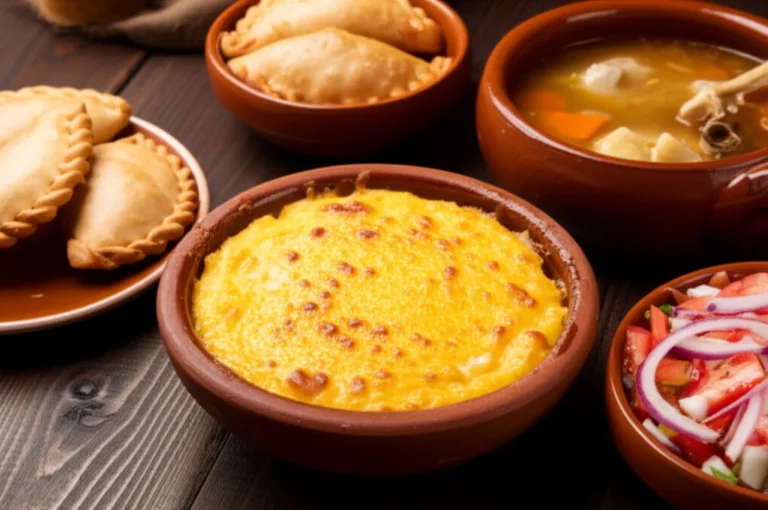
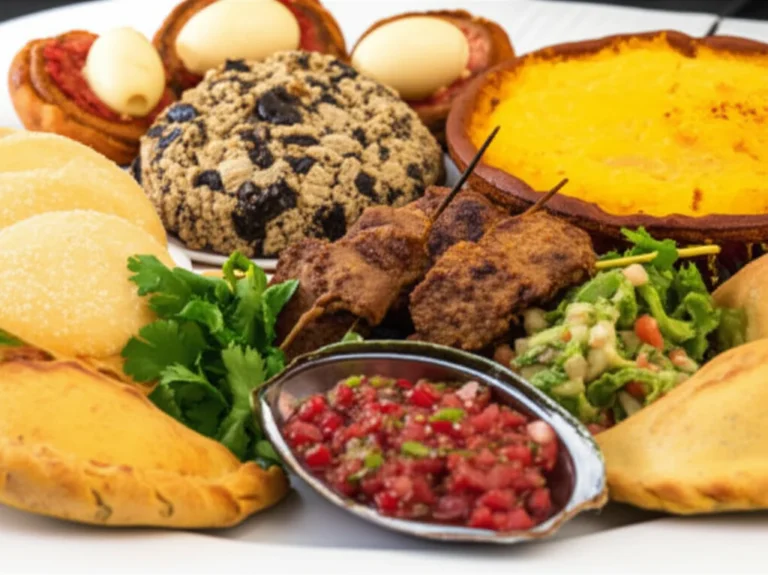
If there’s one food that screams “celebration” in Chile, it’s the empanada. These savory pastries are a national obsession, especially during Fiestas Patrias.
- The Classic: The Empanada de Pino is the star. It’s a baked pastry filled with a savory mixture of ground beef, onions, a black olive (watch out for the pit!), and a slice of hard-boiled egg.
- Don’t Forget: You’ll also find fried versions, most famously the empanada de queso (cheese), which is pure, gooey perfection.
✅ Our Take: An empanada is the perfect handheld party food. We once had a friendly competition to see who could eat the most during a fonda visit… let’s just say the empanadas won.
2. Asado: The Chilean Barbecue Experience
The asado is more than just a meal; it’s a social institution. On any given holiday, the scent of grilled meat fills the air across the country. It’s a slow, deliberate process of grilling various cuts of beef, pork, and sausages over charcoal or wood. It’s a cornerstone of any trip focused on destinations where local culture is key.
- Must-Haves: Look for lomo vetado (ribeye), costillar de cerdo (pork ribs), and plenty of choripán.
3. Pastel de Choclo: Corn Pie with a Sweet Twist
This is Chilean comfort food at its finest. It’s a savory pie with a filling similar to an empanada de pino (beef, chicken, onions, olives, egg) but topped with a sweet, creamy layer of ground corn called choclo. It’s baked in a traditional clay dish (paila) until the top is golden and caramelized. That sweet and savory combination is pure magic!
4. Pebre: The Zesty Chilean Salsa
Forget any salsa you’ve had before. Pebre is Chile’s answer to pico de gallo, and frankly, it’s addictive. It’s a fresh, zesty condiment made from finely chopped tomatoes, onions, cilantro, garlic, olive oil, vinegar, and aji peppers for a little kick.
- How to Eat It: On bread, with grilled meats, on top of a choripán… honestly, we’ve put it on everything. It’s a staple at every asado and fonda.
5. Mote con Huesillo: The Refreshing Summer Drink
Walking through a park on a warm holiday? You’ll see vendors everywhere selling this iconic, non-alcoholic drink. It’s a sweet, nectar-like beverage made from dried peaches (huesillos) that have been rehydrated in a sugary, cinnamon-infused liquid, served with cooked husked wheat (mote) at the bottom. It’s a drink and a snack all in one!
6. Chicha: Traditional Fermented Grape or Apple Drink
Chicha is a traditional, lightly alcoholic beverage that’s especially popular during Fiestas Patrias. It’s typically made from fermented grapes or apples and has a sweet, slightly tangy flavor. It’s rustic, it’s traditional, and it’s a true taste of the Chilean countryside.
7. Curanto: The Southern Chilean Feast
If you find yourself on the island of Chiloé or in southern Chile, you might get to experience a curanto. This is an epic feast where meats, sausages, seafood, potatoes, and potato dumplings are cooked in a pit in the ground over hot stones and covered with giant nalca leaves. It’s a culinary spectacle and a tradition with deep indigenous roots.
8. Sopaipillas: Fried Pumpkin Treats
These are small, round, deep-fried pastries, often made with pumpkin in the dough. You’ll find them sold by street vendors everywhere. They can be eaten savory, often topped with pebre, or sweet, drizzled with chancaca (a dark sugar syrup).
9. Cazuela: The Comforting Chilean Stew
A hearty, home-style stew that feels like a warm hug in a bowl. A typical cazuela contains a large piece of beef or chicken, a potato, a slice of pumpkin, and a piece of corn on the cob, all in a flavorful broth with rice and herbs. It’s a simple, traditional dish that’s deeply loved.
10. Chilean Wines: Celebrating with World-Class Vintages
You can’t talk about Chilean celebrations without mentioning the wine! Chile is a world-class wine producer, and holidays are the perfect excuse to open a good bottle of Carménère, Cabernet Sauvignon, or Sauvignon Blanc. Brands like Casillero del Diablo and Santa Rita are staples at any gathering.
11. Terremoto: The Earthquake Cocktail That Shakes Up Parties
This one is legendary. The Terremoto (meaning “Earthquake”) is the quintessential Fiestas Patrias cocktail. It’s a deceptively potent mix of pipeño (a sweet, fermented white wine), pineapple ice cream, and a splash of grenadine or fernet. As one source notes, “The result is a creamy, fruity drink that goes down easily—but packs a serious punch.”
- Warning: The first one might make your legs feel wobbly (the earthquake), and the second one (called a réplica, or “aftershock”) might just knock you off your feet!
12. Humitas: Savory Corn Cakes
Similar to tamales, humitas are made from a paste of fresh ground corn, often mixed with onion, basil, and butter, which is then wrapped in corn husks and steamed or boiled. They are a savory, creamy delight, especially popular in the central regions of Chile.
13. Chancho en Piedra: The Rustic Chilean Salsa
This is like pebre’s rustic cousin. The name literally means “pig on a stone,” and it’s traditionally made by grinding tomatoes, garlic, chili, and onions together in a stone mortar. It’s thicker and more rustic than pebre and absolutely bursting with flavor.
14. Leche Asada: Chile’s Answer to Flan
For dessert, Leche Asada (“roasted milk”) is a popular choice. It’s a baked milk custard, similar to a crème brûlée or flan, but with a firmer texture and a beautifully caramelized top. It’s simple, sweet, and utterly delicious.
15. Calzones Rotos: Crispy Holiday Pastries
The name hilariously translates to “broken underwear,” but don’t let that deter you! These are light, crispy, fried pastries that are twisted into a unique shape and dusted with powdered sugar. They are a classic winter treat, perfect with a cup of tea on a chilly holiday afternoon.
16. Alfajores: Sweet Sandwich Cookies
A sweet treat found all over Latin America, but Chileans have their own beloved versions. An alfajor consists of two delicate, crumbly cookies sandwiched together with a generous layer of manjar (Chile’s version of dulce de leche). They are sometimes rolled in coconut or dipped in chocolate.
17. Pisco Sour: The National Cocktail
While the Terremoto reigns during Fiestas Patrias, the Pisco Sour is the elegant, year-round national cocktail. Made with Chilean Pisco, lime or lemon juice, simple syrup, and egg white, it’s a frothy, refreshing, and perfectly balanced drink.
-
Top Brands: Look for high-quality piscos like Alto del Carmen or Pisco Capel for the best experience.
-
👉 Shop Pisco on:
18. Churrasco Completo: The Ultimate Chilean Sandwich
While not strictly a holiday food, you’ll find these everywhere during celebrations. A churrasco is a thin steak sandwich, and the completo version comes loaded with toppings: tomato, avocado, and a generous amount of mayonnaise. It’s a glorious mess and a perfect late-night snack after a night of dancing the cueca.
🥳 Special Holiday Events and Food Traditions in Chile
While Fiestas Patrias is the main event, other holidays have their own delicious traditions.
Christmas (Navidad) 🎄
Christmas in Chile happens in the middle of summer, so the food is often a mix of traditional roasts and refreshing salads.
- The Drink: Cola de Mono is the star. This chilled Christmas cocktail is made with aguardiente (a strong spirit), milk, coffee, sugar, and spices like cinnamon and cloves.
- The Cake: Pan de Pascua is Chile’s Christmas cake. Despite its name, which translates to “Easter Bread,” it’s a dense, sweet fruitcake with candied fruits, nuts, and spices.
- The Meal: A Christmas Eve dinner often features roasted turkey or chicken, accompanied by various fresh salads.
New Year’s Eve (Año Nuevo) 🥂
New Year’s in Chile is full of fun and delicious superstitions for good luck!
- Lentils for Prosperity: At the stroke of midnight, it’s tradition to eat a spoonful of cooked lentils to ensure a year of work and prosperity.
- Grapes for Wishes: Like in Spain, many Chileans eat 12 grapes at midnight, making a wish for each month of the coming year.
- The Feast: A New Year’s meal might include a German-style meatloaf (Asado Alemán) or a traditional lamb dish on January 1st.
👩🍳 Recipes and Stories Behind Chile’s Festive Dishes
Many of these dishes have fantastic stories. The Terremoto, for example, is said to have been invented after the 1985 earthquake when German reporters, feeling the aftershocks, were served a potent concoction at a Santiago bar called “El Hoyo.” After one sip, one of them exclaimed, “¡Esto sí que es un terremoto!” (“This truly is an earthquake!”).
And while we’re experts at eating, we also love getting hands-on. Making your own Pebre is incredibly easy and a great way to bring a taste of Chile home.
Super Simple Pebre Recipe:
- Ingredients: 2 ripe tomatoes (diced), 1 small onion (finely chopped), 1 bunch of cilantro (chopped), 1-2 cloves garlic (minced), 1 green chili or ají (seeded and minced), 2 tbsp red wine vinegar, 3 tbsp olive oil, salt to taste.
- Instructions: Mix everything in a bowl. Let it sit for at least 30 minutes for the flavors to meld. That’s it! Serve with fresh bread and enjoy.
The video we’ve featured above, “What Foods Are Commonly Eaten During Holiday Celebrations?” by Worldwide Traditions News, gives a great global overview that helps put Chile’s unique traditions in context. You can check it out at #featured-video.
📱 How Chilean Food Trends and Festive Recipes Are Taking Over Social Media
In today’s world, even the most traditional foods get a modern makeover. On Instagram and TikTok, you’ll see chefs and home cooks alike putting their own spin on the classics. Think deconstructed Pastel de Choclo, gourmet Terremoto cocktails with artisanal pipeño, and beautifully styled photos of asados that will make you want to book a flight immediately. This social media buzz is fantastic because it’s introducing the world to the incredible diversity of Chilean cuisine, which is a key part of any adventure travel experience.
🌿 Where to Find Authentic Chilean Holiday Ingredients and Brands
Want to recreate these dishes yourself? If you’re in Chile, head to the local markets (ferias) for the freshest produce. For pantry staples and specific brands, major supermarkets like Jumbo and Lider (part of Walmart Chile) have everything you need.
- Merkén: Look for this smoky chili spice in specialty shops or the spice aisle. It adds an incredible, authentic flavor to almost anything.
- Pisco: As mentioned, Capel and Alto del Carmen are excellent, widely available brands.
- Wines: You’ll be spoiled for choice. Don’t be afraid to ask for local recommendations!
💡 Insider Tips for Experiencing Chilean Holiday Food Like a Local
Want to celebrate like a true Chilean? Here are our top tips.
- Visit a Fonda: During Fiestas Patrias, you absolutely must go to a fonda. These are traditional festivals or parties set up in parks and open spaces, filled with food stalls, music, and dancing. It’s the heart and soul of the celebration.
- Pace Yourself with the Terremoto: Seriously. We can’t stress this enough. They are stronger than they taste.
- Accept All Food Offers: Chilean hospitality is legendary. If you’re invited to an asado or a family dinner, go! And be prepared to eat. A lot. It’s a great way to travel on a budget and have an authentic experience. Check out our budget travel guide for more tips.
- Learn the Lingo: Knowing a few key food terms will go a long way. ¡Qué rico! (How delicious!) is always a good one to have in your back pocket.
🔍 Common Questions About Chilean Holiday Foods and Drinks
We get a lot of questions about what to expect from a Chilean celebration. One of the most common is whether the food is very spicy. Generally, Chilean food is more savory and flavorful than intensely spicy. The heat usually comes from condiments like pebre or merkén, which you can add to your own taste.
Another question is about vegetarian options. While traditional celebrations are very meat-heavy (especially the asado), you can always find delicious vegetarian options like empanadas de queso, humitas, and plenty of fresh salads.
📚 Recommended Links for Exploring Chilean Cuisine and Culture
- Smithsonian Latino Center: A great resource for understanding the broader context of Latino food traditions.
- Ecocamp Patagonia’s Blog: A fantastic guide to celebrating Fiestas Patrias like a local.
- Lauren on Location’s Guide: A fun and detailed list of all the essentials for a perfect September 18th.
📝 Conclusion: Savoring the Spirit of Chilean Celebrations Through Food
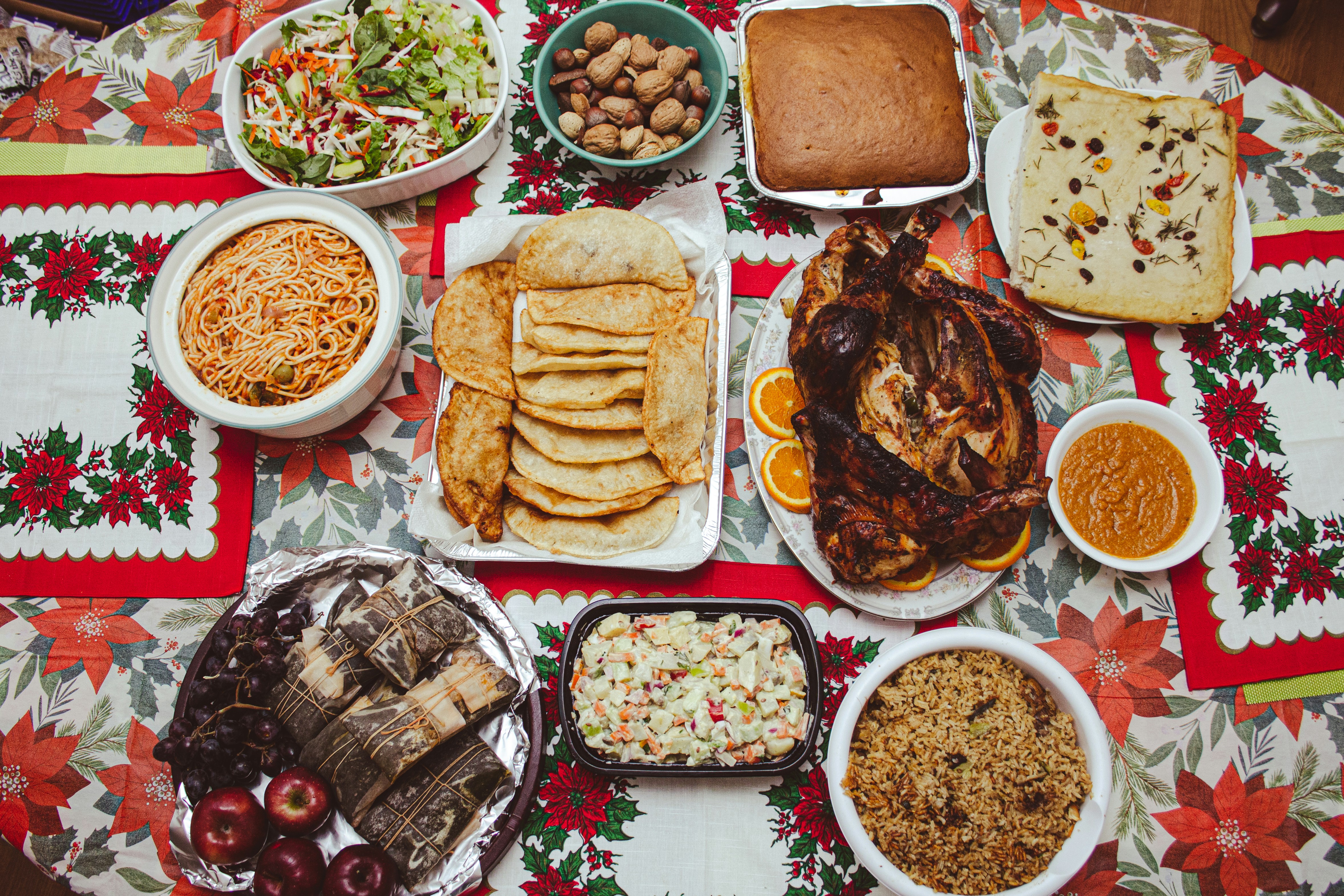
What a delicious journey we’ve had through Chile’s festive table! From the iconic empanadas to the cheekily named calzones rotos, and from the potent terremoto cocktail to the refreshing mote con huesillo, Chilean holiday foods and drinks are a vibrant celebration of culture, history, and community. These dishes are not just about nourishment—they’re about connection, tradition, and joy.
We hope we’ve answered your burning questions about what makes Chilean holiday cuisine so special and why it’s worth diving into with gusto. Remember, the next time you find yourself at a fonda or a family asado, you’re not just eating—you’re partaking in a centuries-old story told through flavors and shared moments.
If you’re inspired to bring a slice of Chilean festivity home, start with simple recipes like pebre or try your hand at a pastel de choclo. And if you’re planning a trip, mark your calendar for September 18th and 19th to experience the country’s biggest and most flavorful holiday firsthand.
Chile’s culinary heritage is a feast for all senses, and we confidently recommend diving in headfirst. Your taste buds—and your heart—will thank you.
📚 Recommended Links for Shopping and Learning More
Ready to explore Chilean flavors at home or plan your foodie adventure? Check out these trusted sources and products:
-
Empanada Ingredients & Cookware:
Amazon Empanada Pans & Molds | Amazon Cornmeal & Spices -
Pisco Brands:
- Alto del Carmen: Amazon | Official Website
- Pisco Capel: Amazon | Official Website
-
Chilean Wines:
Casillero del Diablo on Amazon | Santa Rita Official Site -
Cookbooks and Guides:
❓ FAQ: Your Chilean Holiday Food and Drink Curiosities Answered
What traditional dishes are popular during Chilean national holidays?
The crown jewels of Chilean holidays include empanadas de pino (savory pastries filled with beef, onions, olives, and egg), asado (barbecue featuring various meats), pastel de choclo (a sweet and savory corn pie), and choripán (grilled sausage sandwiches often topped with pebre). These dishes are deeply ingrained in the celebrations of Fiestas Patrias (September 18th), which is Chile’s most important national holiday. Each dish reflects a blend of indigenous ingredients and Spanish colonial influences, making them both delicious and culturally significant.
Which beverages are commonly enjoyed at Chilean celebrations?
During Chilean holidays, drinks like terremoto (a potent cocktail made with sweet fermented wine, pineapple ice cream, and grenadine), chicha (fermented grape or apple drink), pisco sour (Chile’s national cocktail made from pisco, citrus, and egg white), and cola de mono (a creamy coffee and aguardiente-based drink popular at Christmas) are staples. Additionally, Chilean wines from renowned vineyards such as Casillero del Diablo and Santa Rita are enjoyed widely. These beverages not only complement the food but also carry historical and regional significance.
Read more about “9 Unique Chilean Beverages You Must Try & Where to Find Them 🍹 (2025)”
How do Chilean holiday foods reflect the country’s culture and history?
Chilean holiday foods are a delicious narrative of the country’s past and cultural identity. Indigenous Mapuche ingredients like corn, potatoes, and merkén spice blend with Spanish-introduced meats, wheat, and wine. European immigrant influences add further layers, such as German sausages and Italian pastries. The communal nature of meals like the asado and curanto highlights the importance of family and social bonds in Chilean culture. Each dish is a tasty chapter in Chile’s story of resilience, diversity, and celebration.
What are some must-try Chilean desserts served during festivals?
Don’t miss leche asada, a baked milk custard with a caramelized top; alfajores, delicate sandwich cookies filled with manjar (dulce de leche); and calzones rotos, crispy fried pastries dusted with powdered sugar. These sweets are often enjoyed alongside savory dishes and festive drinks, rounding out the holiday experience with a touch of sweetness and nostalgia.
🔗 Reference Links and Resources for Chilean Festive Foods
- Smithsonian Latino Center: Latino Food Traditions
- Ecocamp Patagonia Blog: Celebrate Fiestas Patrias Like a Chilean
- Lauren on Location: 18 Ingredients for the Perfect September 18th in Chile
- Merkén Spice Info: The Manual – What is Merkén?
- Alto del Carmen Pisco: Official Website
- Pisco Capel: Official Website
- Casillero del Diablo Wines: Official Website
- Santa Rita Winery: Official Website
Ready to embark on your own Chilean culinary adventure? Whether you’re tasting these dishes in Santiago, trying recipes at home, or sipping a Terremoto at a local fonda, Chile’s festive foods promise an unforgettable experience. ¡Buen provecho! 🍽️🎉