Support our educational content for free when you purchase through links on our site. Learn more
🇨🇱 10 Epic Chile Festivals to Plan Your 2026 Trip Around

Ever found yourself staring at a map of Chile, wondering how a country so long and thin could possibly pack enough culture to fill a lifetime of travel? We did too, until we got lost in a sea of cueca dancers during Fiestas Patrias and realized that Chile doesn’t just host festivals; it lives them. From the explosive fireworks of Valparaíso’s New Year’s Eve to the ancient, soul-stirring rituals of Easter Island’s Tapati, the answer to “Are there any specific events or festivals in Chile that are worth planning a trip around?” is a resounding, yes. In fact, timing your visit to one of these events is the single best way to unlock the true heartbeat of this diverse nation.
In this guide, we’re spilling the beans on the top 10 unmissable festivals you need to circle on your calendar for 2026. We’ll tell you exactly when to book your flights to catch the grape harvest in the Colchagua Valley, how to survive the crowds at the Viña del Mar music festival, and why you absolutely cannot miss the Fiesta de la Tirana in July. Whether you’re a wine enthusiast, a music junkie, or a culture vulture, we’ve got the dates, the logistics, and the insider secrets you need to turn a standard vacation into a legendary Chilean adventure.
Key Takeaways
- Timing is Everything: Chile’s festival calendar is split by season; plan for September for the massive Fiestas Patrias, February for the Viña del Mar music festival and Rapa Nui Tapati, and July for the spiritual Fiesta de la Tirana.
- Book Early: For major events like Fiestas Patrias and Viña del Mar, accommodations in key cities can sell out 6 to 12 months in advance, so secure your stay immediately.
- Diverse Experiences: Chile offers a unique blend of indigenous traditions, Catholic religious processions, and modern music spectacles, ensuring there is a festival for every type of traveler.
- Cultural Immersion: Attending these events provides unparalleled access to local customs, from traditional cueca dancing and asados (barbecues) to ancient Haka Pei slides on Easter Island.
- Regional Variety: Don’t limit yourself to Santiago; the Atacama Desert, Central Wine Valleys, and Patagonia all host distinct, world-class celebrations worth the detour.
Table of Contents
- ⚡️ Quick Tips and Facts
- 🇨🇱 Chilean Cultural Calendar: A History of Festivals and Events
- 🎉 Top 10 Unmissable Chilean Festivals to Plan Your Trip Around
- 1. Fiestas Patrias: The Ultimate September Celebration
- 2. Vendimia: The Wine Harvest Festivals of the Central Valley
- 3. Fiesta de la Tirana: Faith, Folklore, and Color in the North
- 4. Semana Santa in Huasco: A Unique Easter Tradition
- 5. Festival Internacional de la Canción de Viña del Mar
- 6. Rapa Nui Tapati: The Easter Island Cultural Marathon
- 7. Fiestas de la Vendimia in the South: Patagonian Harvests
- 8. Carnival of the Andes: Celebrating Indigenous Roots
- 9. Santiago a Mil: The City’s Massive Theater Festival
- 10. New Year’s Eve on the Beach: Valparaíso and Viña Del Mar
- 📅 Seasonal Guide: When to Go for Specific Chilean Events
- 🍷 Beyond the Main Stage: Niche Cultural Experiences and Local Fiestas
- 🏨 Planning Your Festival Itinerary: Logistics and Travel Tips
- 🍽️ Culinary Highlights: What to Eat and Drink at Chilean Festivals
- 🚗 Getting Around: Transport Options for Festival Goers
- 💡 Making the Most of Your Time Away: Insider Secrets for Festival Hoppers
- 📍 Destination Spotlight: Best Cities for Festival Tourism in Chile
- 🔍 Search Hotels and More for Your Festival Dates
- ✅ Conclusion: Is Chile the Ultimate Festival Destination for You?
- 🔗 Recommended Links
- ❓ FAQ: Everything You Need to Know About Chilean Festivals
- 📚 Reference Links
⚡️ Quick Tips and Facts
Before you start dreaming of empanadas and pisco sours, let’s hit the ground running with the absolute essentials. Chile is a long, skinny country that stretches from the driest desert on Earth to the icy glaciers of Patagonia, meaning one size does not fit all when it comes to festival planning.
Here is the lowdown on what you need to know before you book that flight:
- Seasonal Flip-Flop: Remember, Chile is in the Southern Hemisphere. Their summer (peak festival season for beach parties) is December to February, while their winter (perfect for snow festivals and cozy wine harvests) is June to August. If you’re planning a trip around the famous Fiestas Patrias, you need to be there in September, which is their spring! 🌸
- The “Asado” Factor: Almost every major festival revolves around food. The Asado (Chilean barbecue) is the heartbeat of these celebrations. It’s not just cooking; it’s a social institution. Expect grilled meats, pebre (a spicy cilantro-onion salsa), and endless bread.
- Customs are Strict: As mentioned in our “first video” overview, Chile takes its agriculture seriously. Do not bring fresh fruit, meat, or nuts. The fines are steep, and the customs officers are not joking. 🚫🍎
- Cash is King: While Santiago and major tourist hubs accept cards, many rural festival vendors operate on cash only. Bring Chilean Pesos (CLP) in smaller denominations.
- Booking Window: For major events like the Viña del Mar International Song Festival, hotels in the region can sell out 6 to 12 months in advance. If you wait until the last minute, you’ll be sleeping in a tent on the beach (unless you like that, in which case, good luck!).
Pro Tip: If you are wondering when the weather is most pleasant for hopping between these events, check out our deep dive on What are the best times to visit Chile for a vacation? to align your festival calendar with the perfect climate.
🇨🇱 Chilean Cultural Calendar: A History of Festivals and Events

Chile’s festival scene is a fascinating tapestry woven from Indigenous roots, Spanish colonial influence, and modern global culture. Unlike many European festivals that have remained static for centuries, Chilean celebrations have evolved dynamically, often blending Catholic traditions with pre-Hispanic rituals.
From Colonial Roots to Modern Celebrations
The history of Chilean festivals is deeply tied to the land and the sea. The Fiesta de la Tirana, for instance, originated in the 16th century as a story of a Spanish soldier and an indigenous woman, evolving into a massive religious and folkloric event. Meanwhile, the Vendimia (harvest) festivals celebrate the viticulture that Spanish missionaries introduced, which has since become a pillar of the national economy.
In the south, the Mapuche people have maintained their own distinct cultural ceremonies, such as the Ngillatun, a prayer for fertility and harvest, which has influenced regional festivals with their colorful kultrun drums and intricate textiles.
The Evolution of the “Fiesta”
Historically, these gatherings were local affairs, confined to a single village or valley. However, with the rise of tourism and the global desire for authentic experiences, many have scaled up. The Viña del Mar festival, once a local music contest, is now a Latin American cultural phenomenon that draws stars from across the globe.
Did you know? The Fiestas Patrias (National Days) were originally celebrated with more solemnity in the 19th century. Over time, they transformed into the raucous, cueca-dancing, empanada-eating extravaganza we know today, reflecting Chile’s shift from a conservative society to a more vibrant, modern nation.
🎉 Top 10 Unmissable Chilean Festivals to Plan Your Trip Around
Ready to pack your bags? We’ve curated the ultimate list of festivals that will make your trip unforgettable. From the chaotic energy of Santiago to the spiritual depth of the Atacama, here are the 10 events you absolutely cannot miss.
1. Fiestas Patrias: The Ultimate September Celebration
When: September 18–19 (plus the surrounding “long weekend”)
Where: Nationwide (Santiago’s Zona Cívica and Zona de la Pampa are the main hubs)
If you only attend one festival in Chile, make it this one. Fiestas Patrias is the Chilean equivalent of the 4th of July, but with more dancing, more drinking, and significantly more empanadas.
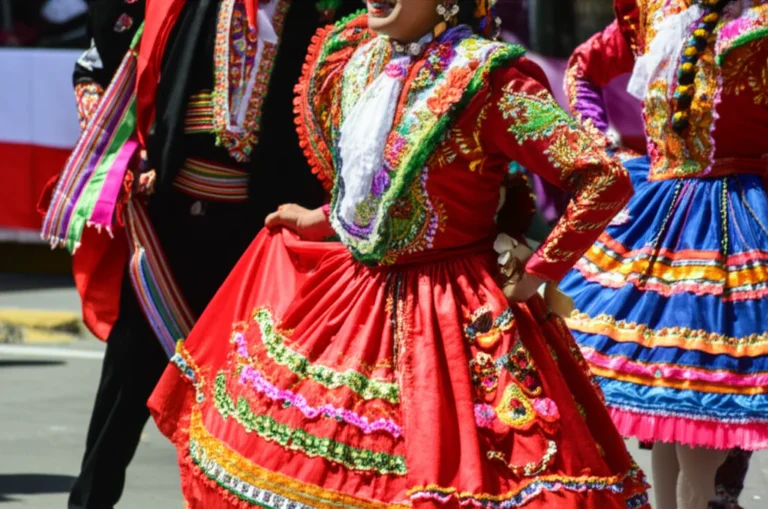
- The Vibe: Imagine a massive, open-air ramada (thatched-roof shelter) where everyone is dressed in traditional huaso (cowboy) or china (cowgirl) attire. The air is thick with the smell of grilled meat and the sound of cueca music.
- What to Expect: You’ll see cueca dancers spinning their handkerchiefs, huasos riding horses, and endless rounds of pisco sour.
- Insider Tip: The Ramada in Santiago can get incredibly crowded. For a more authentic experience, head to the smaller ramadas in the countryside or the Feria de la Pampa in Santiago, which offers a slightly more local feel.
2. Vendimia: The Wine Harvest Festivals of the Central Valley
When: February to March
Where: Maipo, Colchagua, Casablanca, and Aconcagua Valleys
Chile is a wine lover’s paradise, and the Vendimia is the celebration of the harvest. This isn’t just a tasting; it’s a full-blown festival with parades, folk music, and grape stomping.
- The Vibe: Elegant yet rustic. Think vineyard picnics, sunset tastings, and traditional Chilean folk music (música folclórica).
- Top Events:
- Colchagua Valley: Hosts the Fiesta de la Vendimia with a massive parade and wine competitions.
- Maipo Valley: Known for its Fiesta de la Vendimia at the Viña Santa Rita estate, featuring historical reenactments.
- Why Go: It’s the perfect time to taste the year’s new harvest and meet the winemakers.
3. Fiesta de la Tirana: Faith, Folklore, and Color in the North
When: July 16
Where: La Tirana, Atacama Region
This is one of the most spectacular religious festivals in South America. It honors the Virgin of Carmen, the patron saint of Chile, but the story behind it is pure drama.
- The Story: Legend has it that a Spanish soldier fell in love with an indigenous woman, who converted to Christianity. When the Spanish conquistadors arrived, the woman was killed, and the soldier died of grief. The festival commemorates their love and the triumph of faith.
- The Vibe: A sea of colorful diablada (devil) dancers, morenos (black dancers), and chinos (indigenous dancers) filling the streets.
- Don’t Miss: The misa (mass) at the church and the massive parade of comparsas (dance troupes).
4. Semana Santa in Huasco: A Unique Easter Tradition
When: March or April (Easter Week)
Where: Huasco, Atacama Region
While most of the world celebrates Easter with chocolate bunnies, the town of Huasco has a unique tradition that dates back to the 18th century.
- The Tradition: The Cofradía de la Santa Cruz organizes a procession where the statue of the Virgin Mary is carried through the streets, accompanied by cucuruchos (penitents) dressed in white robes and pointed hoods.
- The Vibe: Solemn, spiritual, and deeply moving. It’s a stark contrast to the raucous Fiestas Patrias.
- Why Go: To witness a living piece of history that has remained unchanged for centuries.
5. Festival Internacional de la Canción de Viña del Mar
When: Late February
Where: Viña del Mar, Valparaíso Region
Often called the “Oscars of Latin America,” this is the most famous music festival in the country. It’s a mix of pop, rock, folk, and international superstars.
- The Vibe: Electric, chaotic, and star-studded. The Quinta Vergara amphitheater is packed with fans, and the “Gaviota” (seagull) and “Monito” (monkey) mascots are everywhere.
- What to Expect: International headliners (past acts include Shakira, Paul McCartney, and Ricky Martin) alongside Chilean legends.
- Insider Tip: The “Gaviota” and “Monito” are not just mascots; they are symbols of the audience’s approval or disapproval. If the crowd throws a “Monito” (a stuffed monkey) onto the stage, it means they love the act. If they throw a “Gaviota” (a seagull), it’s a sign of disapproval (though this is less common now).
6. Rapa Nui Tapati: The Easter Island Cultural Marathon
When: February
Where: Hanga Roa, Easter Island (Rapa Nui)
This is not just a festival; it’s a cultural marathon that tests the physical and artistic prowess of the island’s inhabitants.
- The Vibe: Ancient, spiritual, and incredibly competitive. The island transforms into a giant stage for traditional games, dancing, and singing.
- Key Events:
- Haka Pei: A thrilling (and dangerous) slide down a volcano on banana tree trunks.
- Tīvā: A traditional dance competition.
- Cooking Contest: Teams compete to make the best umu (earth oven) meal.
- Why Go: To experience the unique Rapa Nui culture in its most authentic form.
7. Fiestas de la Vendimia in the South: Patagonian Harvests
When: March
Where: Aysén and Magallanes Regions
While the central valley gets all the glory, the south has its own harvest festivals, albeit on a smaller, more intimate scale.
- The Vibe: Cozy, rustic, and focused on local produce. Think apple harvests, berry picking, and traditional Patagonian cuisine.
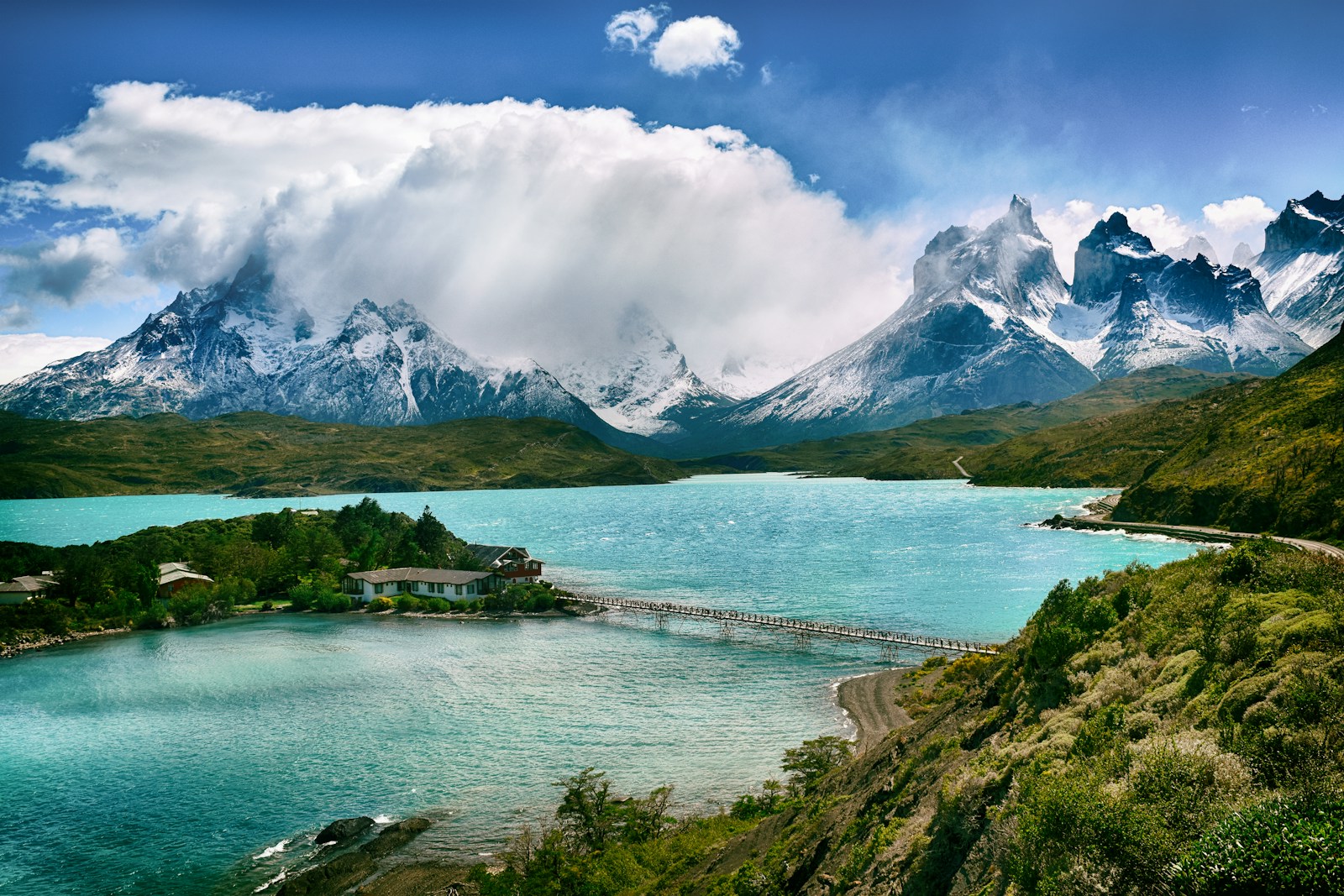
- Why Go: To escape the crowds and experience the raw beauty of Patagonia while celebrating the local harvest.
8. Carnival of the Andes: Celebrating Indigenous Roots
When: February
Where: Various towns in the Andes (e.g., San Pedro de Atacama, Calama)
This festival celebrates the indigenous heritage of the Andean people, blending Catholic and pre-Hispanic traditions.
- The Vibe: Colorful, energetic, and deeply rooted in tradition. You’ll see diablada dancers, morenos, and chinos performing in the streets.
- Why Go: To witness the vibrant fusion of cultures that defines the Andean region.
9. Santiago a Mil: The City’s Massive Theater Festival
When: January
Where: Santiago
If you love the arts, this is the festival for you. Santiago a Mil is one of the largest theater festivals in Latin America.
- The Vibe: Intellectual, artistic, and diverse. The city transforms into a giant stage, with performances in theaters, parks, and even on the streets.
- What to Expect: Over 200 shows from Chile and around the world, ranging from avant-garde theater to traditional folk performances.
- Why Go: To immerse yourself in the cultural heartbeat of Santiago.
10. New Year’s Eve on the Beach: Valparaíso and Viña Del Mar
When: December 31
Where: Valparaíso and Viña del Mar
Chileans celebrate New Year’s Eve with a bang, literally. The fireworks displays in Valparaíso and Viña del Mar are legendary.
- The Vibe: Festive, chaotic, and spectacular. The beaches are packed with families and friends, and the sky is lit up with fireworks.
- What to Expect: Massive fireworks displays, live music, and a sea of people celebrating the new year.
- Insider Tip: Book your accommodation early, as the beaches fill up hours before midnight.
📅 Seasonal Guide: When to Go for Specific Chilean Events
Planning a trip to Chile requires a bit of calendar juggling. Since the country is so long, the seasons vary dramatically from north to south. Here’s a breakdown of when to go for specific events:
| Season | Months | Best For | Key Events |
|---|---|---|---|
| Summer | Dec – Feb | Beaches, Music Festivals, Easter Island | Viña del Mar Festival, Rapa Nui Tapati, New Year’s Eve |
| Autumn | Mar – May | Wine Harvest, Foliage, Hiking | Vendimia (Harvest), Patagonian Harvests |
| Winter | Jun – Aug | Snow, Skiing, Religious Festivals | Fiesta de la Tirana, Ski Season |
| Spring | Sep – Nov | National Celebrations, Wildflowers | Fiestas Patrias, Carnival of the Andes |
Note: The Fiestas Patrias in September is a unique event that happens in the spring, but it’s so important that it deserves its own category.
🍷 Beyond the Main Stage: Niche Cultural Experiences and Local Fiestas
While the big festivals get all the attention, Chile is full of smaller, more intimate celebrations that offer a deeper connection to local culture.
The Fiesta de la Virgen de la Candelaria
When: February 2
Where: Various towns in the south
This festival honors the Virgin of Candelaria and is celebrated with traditional dances and music. It’s a great opportunity to experience the local culture without the crowds.
The Fiesta de la Virgen de la Asunción
When: August 15
Where: Various towns in the north
This festival is celebrated with a mix of Catholic and indigenous traditions, featuring colorful parades and traditional music.
The Fiesta de la Virgen de la Merced
When: September 24
Where: Various towns in the central valley
This festival is a celebration of the harvest and is marked by traditional dances and music.
Why Go? These smaller festivals offer a more authentic experience, where you can interact with locals and learn about their traditions firsthand.
🏨 Planning Your Festival Itinerary: Logistics and Travel Tips
Planning a festival trip to Chile can be a bit tricky, but with the right strategy, you can make the most of your time.
Booking Accommodations
- Book Early: For major festivals like Fiestas Patrias and Viña del Mar, book your accommodations 6 to 12 months in advance.
- Consider Alternatives: If hotels are fully booked, consider staying in nearby towns or using platforms like Airbnb.
Transportation
- Public Transport: Chile has a reliable public transport system, but it can be crowded during festivals.
- Rental Cars: Renting a car is a great option for exploring the countryside and attending smaller festivals.
- Ride-Sharing: Apps like Uber and Cabify are widely available in Santiago and other major cities.
Packing Tips
- Layers: Chile’s weather can be unpredictable, so pack layers.
- Comfortable Shoes: You’ll be doing a lot of walking and dancing.
- Sun Protection: The sun can be intense, especially in the north.
🍽️ Culinary Highlights: What to Eat and Drink at Chilean Festivals
No festival in Chile is complete without the food. Here’s what you need to try:
Must-Try Foods
- Empanadas: The national dish, filled with beef, cheese, or ham.
- Pebre: A spicy cilantro-onion salsa that accompanies almost every meal.
- Asado: Chilean barbecue, featuring grilled meats and sausages.
- Ceviche: Fresh seafood marinated in citrus juice, perfect for summer festivals.
Must-Try Drinks
- Pisco Sour: The national cocktail, made with pisco, lime juice, and sugar.
- Mote con Huesillo: A refreshing drink made with wheat and dried peaches.
- Wine: Chile is famous for its wine, so be sure to try a local varietal.
Pro Tip: Don’t be afraid to try the local street food. It’s often the most authentic and delicious part of the festival experience.
🚗 Getting Around: Transport Options for Festival Goers
Getting to and from festivals can be a challenge, but with the right planning, it’s manageable.
Public Transport
- Buses: Chile has an extensive bus network that connects major cities and towns.
- Trains: The Metrotren service connects Santiago with nearby towns, making it a great option for day trips.
Rental Cars
- Flexibility: Renting a car gives you the freedom to explore at your own pace.
- Cost: Rental cars can be expensive, especially during peak festival seasons.
Ride-Sharing
- Convenience: Apps like Uber and Cabify are widely available in Santiago and other major cities.
- Cost: Ride-sharing can be more expensive than public transport, but it’s often more convenient.
💡 Making the Most of Your Time Away: Insider Secrets for Festival Hoppers
To truly make the most of your festival trip, here are some insider secrets:
Timing is Everything
- Arrive Early: Get to the festival early to secure a good spot and avoid the crowds.
- Stay Late: Many festivals have special events and performances late at night.
Dress Code
- Traditional Attire: If you’re attending a traditional festival, consider dressing in traditional attire. It’s a great way to show respect and immerse yourself in the culture.
- Comfortable Shoes: You’ll be doing a lot of walking and dancing, so wear comfortable shoes.
Cultural Etiquette
- Respect the Locals: Chileans are generally friendly and welcoming, but it’s important to respect their customs and traditions.
- Tipping: Tipping is not mandatory, but it’s appreciated for good service.
Final Thought: The key to a great festival experience is to be open-minded and willing to try new things. Whether it’s a new food, a new dance, or a new tradition, embrace it all!
📍 Destination Spotlight: Best Cities for Festival Tourism in Chile
Chile is full of cities that are perfect for festival tourism. Here are the top picks:
Santiago
- Why Go: The capital city is home to the Fiestas Patrias and the Santiago a Mil theater festival.
- Highlights: The Zona Cívica and Zona de la Pampa are the main hubs for Fiestas Patrias.
Viña del Mar
- Why Go: Home to the Viña del Mar International Song Festival and the New Year’s Eve fireworks.
- Highlights: The Quinta Vergara amphitheater is the main venue for the music festival.
Valparaíso
- Why Go: A UNESCO World Heritage site, Valparaíso is known for its colorful houses and vibrant street art.
- Highlights: The New Year’s Eve fireworks display is one of the best in the world.
San Pedro de Atacama
- Why Go: The gateway to the Atacama Desert, San Pedro is home to the Carnival of the Andes.
- Highlights: The Fiesta de la Virgen de la Candelaria and the Fiesta de la Virgen de la Asunción.
Hanga Roa (Easter Island)
- Why Go: Home to the Rapa Nui Tapati festival, a unique cultural marathon.
- Highlights: The Haka Pei slide and the Tīvā dance competition.
🔍 Search Hotels and More for Your Festival Dates
Ready to start planning? Here are some great resources to help you find the perfect accommodation and activities for your festival trip:
- Booking.com: Search for hotels in Chile
- Expedia: Find flights and hotels
- Airbnb: Unique stays in Chile
- RentalCars.com: Rent a car for your trip
Pro Tip: Use these platforms to compare prices and read reviews from other travelers. This will help you make the best decision for your trip.
✅ Conclusion: Is Chile the Ultimate Festival Destination for You?

So, we’ve taken you from the sun-drenched beaches of Viña del Mar to the spiritual heights of La Tirana, and from the chaotic energy of Fiestas Patrias to the serene harvests of the Colchagua Valley. You might be asking yourself: Is Chile really the place to be for a festival lover?
The answer is a resounding YES, but with a caveat. Chile isn’t just about one massive event; it’s about the diversity of experience. Whether you want to dance until dawn in a ramada, witness a 400-year-old religious procession in the desert, or sip world-class wine while watching the sunset over the Andes, Chile delivers.
The Verdict:
If you are looking for a destination that offers authentic cultural immersion, stunning natural backdrops, and world-class entertainment all in one trip, Chile is unmatched. The only “drawback” is the sheer scale of the country; you can’t do it all in one week. But that’s the beauty of it! It gives you a reason to come back.
Our Top Recommendation:
- For First-Timers: Plan your trip for September to catch Fiestas Patrias. It’s the most accessible, energetic, and “Chilean” experience you can have.
- For Music Lovers: Target February for the Viña del Mar International Song Festival. It’s a bucket-list event.
- For Culture Buffs: Visit July for the Fiesta de la Tirana or February for the Rapa Nui Tapati on Easter Island.
Don’t let the distance or the planning intimidate you. With the right timing and a bit of preparation, you’ll find yourself dancing the cueca with a stranger, sharing a pisco sour with a local, and creating memories that will last a lifetime. Ready to start your adventure?
🔗 Recommended Links
Here are some essential resources to help you plan your Chilean festival adventure, from travel gear to books that will deepen your understanding of the culture.
🎒 Essential Travel Gear
- Travel Backpacks:
- Osprey Farpoint 40: Amazon | Osprey Official
- Deuter Aircontact: Amazon | Deuter Official
- Portable Power Banks:
- Anker PowerCore: Amazon | Anker Official
- Noise-Canceling Headphones:
- Sony WH-1000XM5: Amazon | Sony Official
- Bose QuietComfort: Amazon | Bose Official
📚 Books & Guides
- Lonely Planet Chile: Amazon | Lonely Planet Official
- The Rough Guide to Chile: Amazon | Rough Guides Official
- Chile: A Traveler’s Literary Companion: Amazon | Amazon Search
🍷 Wine & Food
- Wine Tasting Kits:
- Chilean Wine Subscription: Winc | Vivino
- Pisco Sour Mixers:
- Pisco San Pedro: Amazon | San Pedro Official
🏨 Booking Your Stay
- Hotels in Santiago: Booking.com | Expedia
- Eco-Lodges in Patagonia: EcoCamp Patagonia | Booking.com
Note: For a different kind of festival planning inspiration, check out this guide on A Local’s One Week French Riviera Itinerary – Go Ask A Local to see how locals approach event planning in another beautiful destination.
❓ FAQ: Everything You Need to Know About Chilean Festivals

What are the best ways to experience the Fiestas de la Virgen de Carmen in Chile, a traditional festival that takes place in July, and what are the highlights of this event?
The Fiesta de la Virgen de Carmen (also known as Fiesta de la Tirana) is best experienced by immersing yourself in the local comparsas (dance troupes). The highlights include the massive parade of thousands of dancers in colorful costumes, the religious procession carrying the statue of the Virgin, and the traditional music played by bandas (brass bands). To get the best experience, arrive early in the morning to secure a good spot near the church in La Tirana, and be prepared to dance and sing along with the locals.
How do I plan a trip to Chile around the country’s famous wine harvest festival, and what activities can I expect to enjoy during this time?
Planning a trip around the Vendimia (harvest) requires timing your visit for late February to early March. Start by booking accommodations in the Colchagua or Maipo Valleys well in advance. Activities include grape stomping, wine tastings of the new vintage, parades with traditional Chilean music, and gastronomic fairs featuring local produce. Many wineries offer special tours and events during this period, so check their websites for specific schedules.
Are there any unique or off-the-beaten-path events in Chile that are not as well-known to tourists but still worth attending?
Absolutely! Consider the Fiesta de la Virgen de la Candelaria in the south, which features traditional dances and a more intimate atmosphere. Another hidden gem is the Fiesta de la Virgen de la Asunción in the north, where you can witness a blend of Catholic and indigenous traditions. These events offer a deeper, more authentic look at Chilean culture without the crowds of the major festivals.
What are the most popular festivals and celebrations in Chile that showcase its vibrant culture and traditions?
The most popular festivals include:
- Fiestas Patrias (September): The national celebration with cueca dancing and asados.
- Viña del Mar International Song Festival (February): A massive music event featuring international and local stars.
- Fiesta de la Tirana (July): A religious and folkloric celebration in the north.
- Rapa Nui Tapati (February): A cultural marathon on Easter Island.
- Vendimia (February/March): The wine harvest festivals in the central valleys.
What are the best months to visit Chile for cultural festivals?
The best months depend on the festival you want to attend:
- February: Viña del Mar Festival, Rapa Nui Tapati, Vendimia.
- July: Fiesta de la Tirana.
- September: Fiestas Patrias.
- December/January: New Year’s Eve celebrations and summer festivals.
Read more about “Where Can You Spot Celebrities When Visiting Chile? 🌟 (2026)”
When does the Fiestas Patrias celebration occur in Chile?
Fiestas Patrias is celebrated on September 18 and 19, commemorating the beginning of Chile’s independence process. However, the celebrations often extend over a long weekend, with events starting a few days before and continuing after the official dates.
Read more about “When Are the 7 Best Times to Visit Chile for a Vacation? 🇨🇱 (2026)”
Are there any unique music festivals in Chile during the summer?
Yes, the Viña del Mar International Song Festival is the most famous, but there are others like Lollapalooza Chile (usually in March) and Santiago a Mil (January), which features theater and music. Additionally, many smaller towns host local music festivals during the summer months, showcasing regional talent.
Read more about “When to Visit Chile in 2025: 9 Best Months for Outdoor Fun & Festivals 🎉”
What traditional events happen in Chile during the winter season?
Winter in Chile (June to August) is known for skiing and snow festivals in the Andes. However, culturally, it’s the time for the Fiesta de la Tirana in July, which is a major religious and folkloric event. Additionally, many towns hold winter carnivals and indigenous ceremonies like the Ngillatun to pray for a good harvest.
Why is it important to book accommodations early for major festivals?
Major festivals like Fiestas Patrias and the Viña del Mar Festival attract millions of visitors. Hotels and hostels in the host cities often sell out 6 to 12 months in advance. Booking early ensures you have a place to stay and often secures better rates. Last-minute bookings can be expensive or unavailable, forcing you to stay far from the event.
Can I participate in the traditional dances at these festivals?
Yes, many festivals encourage participation! At Fiestas Patrias, you’ll find cueca lessons and open dance floors. At the Fiesta de la Tirana, you can join the comparsas if you register in advance. It’s a great way to connect with the culture and make new friends.
What should I wear to a Chilean festival?
For Fiestas Patrias, traditional huaso or china attire is common, but casual, comfortable clothing is also acceptable. For religious festivals like Fiesta de la Tirana, modest clothing is recommended. Always wear comfortable shoes as you’ll be doing a lot of standing and dancing.
📚 Reference Links
- Chilean National Tourism Service (SERNATUR): Official Website
- Viña del Mar International Song Festival: Official Website
- Fiesta de la Tirana: Official Website
- Rapa Nui Tapati: Official Website
- Wine Chile: Official Website
- Lonely Planet Chile: Guide to Chilean Festivals
- Go Ask A Local: A Local’s One Week French Riviera Itinerary
- Travel Savvy Gal: Italian Truffle Festivals Guide
- The Roaming Numeral: Munich Oktoberfest Guide