Support our educational content for free when you purchase through links on our site. Learn more
🇨🇱 Best Time to Visit Chile’s Parks: 4 Seasons of Adventure (2026)

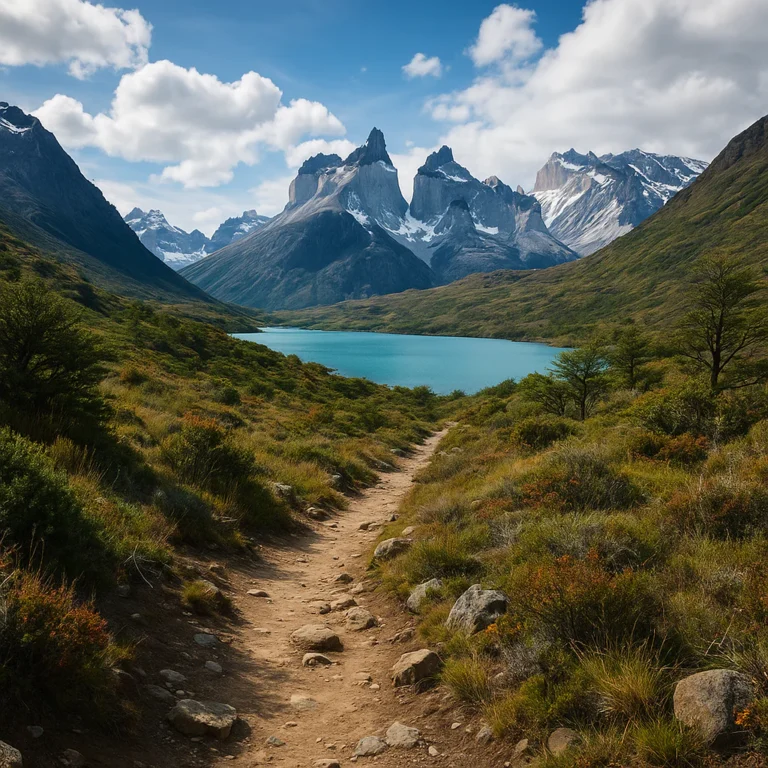
Ever tried to hike the W Circuit in Patagonia only to be greeted by a blizzard in December? We have, and let’s just say the “four seasons in one day” rule isn’t a myth—it’s a survival guide. Chile stretches over 4,300 kilometers, meaning the perfect hiking weather in the sun-drenched Atacama Desert is the exact opposite of the freezing winds of Torres del Paine. So, when should you actually book your flight? The answer isn’t a single month, but a strategic choice based on whether you crave solitude, golden autumn colors, or the thrill of a winter expedition.
In this guide, we break down the exact best times to visit Chile’s most iconic national parks, from the high-altitude volcanoes of Lauca to the granite towers of Torres del Paine. We’ll reveal why March might be the secret weapon for photographers, how to spot pumas in the shoulder season, and why booking your refugio six months in advance is non-negotiable. Whether you’re a first-time trekker or a seasoned mountaineer, we’ve got the insider scoop to ensure your Chilean adventure is unforgettable, not unlivable.
Key Takeaways
- Seasons are Flipped: Remember that Chile’s summer runs from December to February, while winter is June to August; plan your trip accordingly to match your preferred weather.
- Shoulder Season is King: For the best balance of fewer crowds, stable weather, and stunning scenery, aim for late November or March to April.
- Book Ahead: Refugios and campsites in Torres del Paine sell out 6–9 months in advance for the peak summer season; last-minute bookings are a gamble.
- Altitude Matters: In Lauca National Park, acclimatize in Putre before ascending to 4,000+ meters to avoid altitude sickness.
- Wildlife Timing: Visit in spring (September–November) for the highest chance of spotting pumas and newborn guanacos.
Table of Contents
- ⚡️ Quick Tips and Facts
- 📜 A Brief History of Chile’s Wild Frontiers: From Indigenous Paths to Modern Trails
- 🗓️ The Ultimate Seasonal Guide: When to Visit Chile’s National Parks for Hiking
- 1. 🌸 Spring (September to November): The Awakening of Patagonia and the Andes
- 2. ☀️ Summer (December to February): Peak Season for Torres del Paine and Lauca
- 3. 🍂 Autumn (March to May): The Golden Hour for Hikers and Photographers
- 4. ❄️ Winter (June to August): Solitude, Snow, and the Challenge of the Off-Season
- 🏔️ Torres del Paine: Timing Your Trek for the W Circuit and O Circuit
- 🦙 Lauca National Park: Best Months for Vicuñas, Volcanoes, and High-Altitude Lakes
- 🌲 Exploring the South: Cerro Castillo, Puyehue, and the Carretera Austral by Season
- 🌋 North Chile Adventures: Atacama, San Pedro, and the Best Time for Desert Hiking
- 🌊 Central Chile & The Lakes District: Wine, Waterfalls, and Volcanic Views Year-Round
- 🎒 Packing Smart: Gear Essentials for Chile’s Extreme Seasonal Shifts
- 🚌 Getting Around: How Seasonality Affects Transport and Road Conditions
- 🏨 Where to Stay: Booking Strategies for Peak vs. Shoulder Seasons
- 📸 Photography Tips: Capturing the Perfect Light in Every Chilean Season
- 🚫 Common Mistakes to Avoid When Planning Your Chilean Hiking Trip
- 💡 Quick Tips and Facts
- 🏆 Conclusion
- 🔗 Recommended Links
- ❓ FAQ
- 📚 Reference Links
⚡️ Quick Tips and Facts
Before we dive into the nitty-gritty of packing your bags and booking those flights, let’s hit the rewind button on a few myths and set the record straight. We’ve seen too many travelers show up in July expecting a beach day in Patagonia or trekking the Atacama in January without a sun hat. Don’t be that person!
Here is the lowdown on what you need to know before you even think about stepping foot on Chilean soil:
- Chile is Long, Really Long: We aren’t kidding. Chile stretches over 4,300 km from north to south. That’s like driving from New York to Los Angeles and then some! This means the “best time” in San Pedro de Atacama is completely different from the “best time” in Torres del Paine. Check out our guide on the best times to visit Chile for a vacation to get the big picture.
- The “Four Seasons in a Day” Rule: Especially in the south, if you don’t like the weather, just wait five minutes. It might rain, hail, shine, and blow a gale all before lunch. Layering is your best friend.
- Altitude is the Silent Killer: In the north (Lauca, Atacama), you are often above 3,000 meters. Acclimatization isn’t a suggestion; it’s a survival tactic.
- Book Early, Or Don’t Go: For the W Circuit in Torres del Paine, campsites and refugios can sell out 6 to 9 months in advance for the summer season. If you wait until you land in Punta Arenas, you’ll be sleeping in a tent in the rain (or worse, not sleeping at all).
- Wildlife is Real: You aren’t just there for the views. Pumas, guanacos, and vicuñas are everywhere if you know when and where to look.
Did you know? The Hanging Glacier in Queulat National Park is one of the few accessible hanging glaciers in the world, but the trail conditions vary wildly depending on the season. More on that later!
📜 A Brief History of Chile’s Wild Frontiers: From Indigenous Paths to Modern Trails

To understand when to visit, you have to understand why these places are the way they are. Chile’s national parks aren’t just pretty backdrops; they are living museums of human and geological history.
Long before the first tourist bus rolled into Torres del Paine, the Aónikenk (Tehuelche) people were navigating these windswept steppes. They knew the seasons better than any meteorologist. They moved with the guanacos, understanding that the snows in the high Andes meant a shift in migration patterns.
Fast forward to the 20th century, and the narrative shifted from survival to conservation. Torres del Paine was declared a National Park in 1959, and later a UNESCO Biosphere Reserve. But it wasn’t until the 1970s that the famous W Trek began to take shape as a structured route.
In the north, Lauca National Park was established in 1970 to protect the unique high-altitude ecosystem of the Altiplano. This area was a crossroads for the Tiwanaku and Inca civilizations. The ancient geoglyphs you see today near Putre were created by indigenous peoples who understood the delicate balance of the desert and the mountains.
Why does this matter to you?
Because the history dictates the accessibility.
- The South: The history of the W Trek means infrastructure is built for hikers, but it also means crowds in peak season.
- The North: The history of the Altiplano means remote, high-altitude trails where “infrastructure” might just be a stone shelter. You need to be self-sufficient.
As one local historian told us, “The mountains don’t care about your schedule. They have been here for millions of years. You are just a guest.” Respect that, and the timing of your visit becomes a conversation with nature, not a demand.
🗓️ The Ultimate Seasonal Guide: When to Visit Chile’s National Parks for Hiking and Outdoor Activities
Okay, let’s cut to the chase. You want to know the best time to go. The answer is: It depends on what you want.
Chile is a country of extremes. What is a “perfect hiking day” in the north is a “frozen nightmare” in the south. We’ve broken this down by season, but remember, these seasons are flipped compared to the Northern Hemisphere.
1. 🌸 Spring (September to November): The Awakening of Patagonia and the Andes
Spring in Chile is a magical, albeit unpredictable, time. The snow is melting, the wildflowers are blooming, and the wildlife is waking up.
- The Vibe: Crisp air, longening days, and a sense of renewal.
- Torres del Paine: This is the shoulder season. The crowds are thinner than in summer, but the weather is still volatile. You might see snow on the peaks in September, but by November, the lenga forests start to turn green.
- Pro Tip: Late November is fantastic for spotting pumas. They are more active as they hunt for newborn guanacos.
- Lauca & The North: The desert comes alive. The Salar de Atacama reflects the sky beautifully. The temperatures are mild during the day, but nights can still be freezing.
- The Trade-off: You get fewer tourists, but you risk trail closures due to lingering snow or sudden storms.
2. ☀️ Summer (December to February): Peak Season for Torres del Paine and Lauca
This is High Season. If you want guaranteed daylight and open trails, this is your window. But be warned: you will share the trails with thousands of others.
- The Vibe: Energetic, crowded, and sunny (mostly).
- Torres del Paine:
- Daylight: Up to 17 hours of daylight! You can start hiking at 5:30 AM and finish at 10:00 PM.
- Weather: It’s the warmest time, with highs around 20°C (68°F), but the wind is fierce. Gusts can hit 150 km/h.
- Crowds: The W Circuit is packed. Refugios are fully booked.
- Lauca & The North:
- Weather: Surprisingly pleasant. Daytime temps can reach 20°C, but the UV index is extreme due to the thin atmosphere.
- Wildlife: Vicuñas are abundant and easier to spot.
- The Trade-off: You get the best weather and full access, but you pay a premium for everything and deal with the crowds.
3. 🍂 Autumn (March to May): The Golden Hour for Hikers and Photographers
If you ask us, this is the secret weapon of Chilean travel. The crowds vanish, the light is golden, and the colors are insane.
- The Vibe: Serene, colorful, and crisp.
- Torres del Paine:
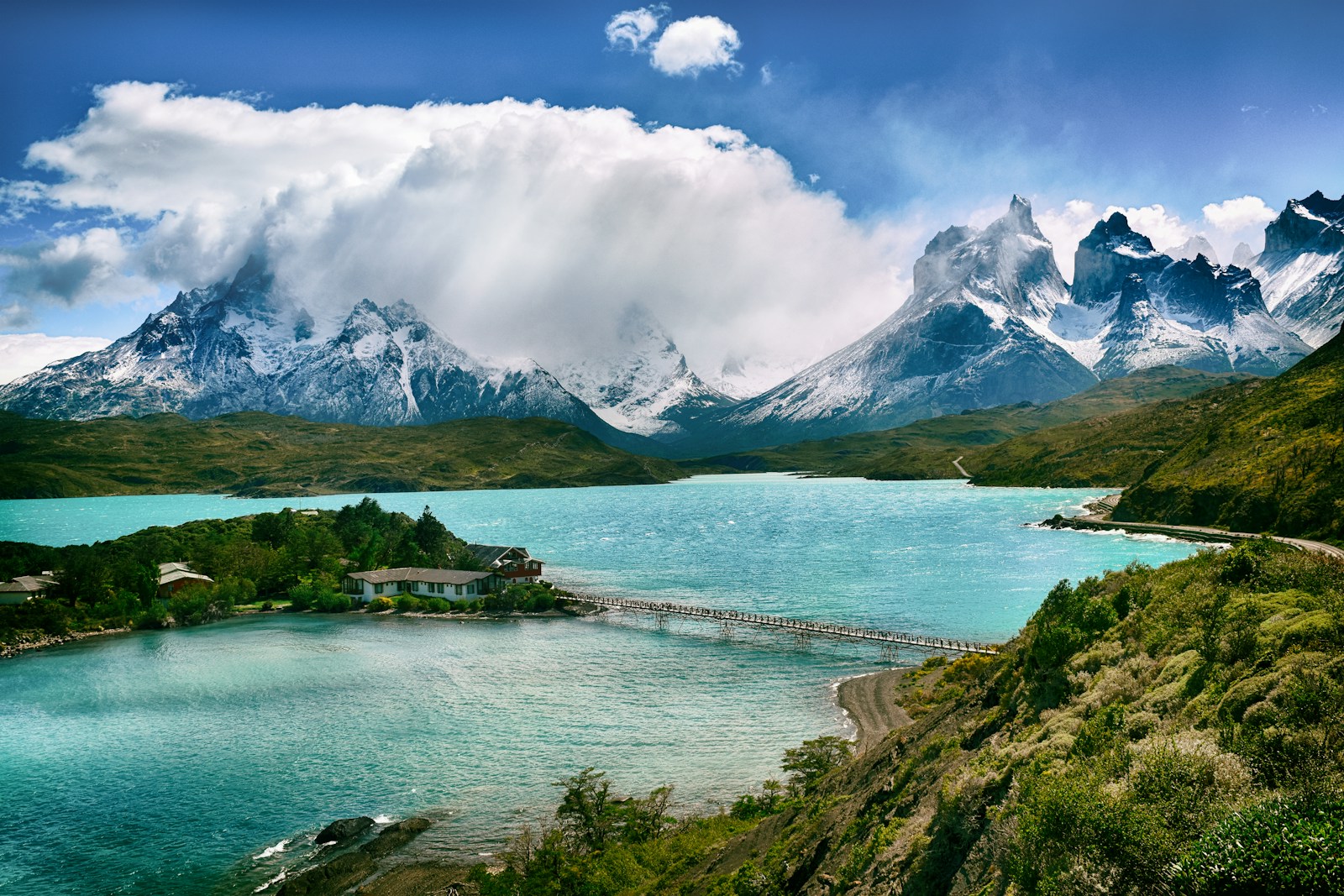
- Scenery: The lenga trees turn vibrant shades of orange, red, and yellow. The reflections in Lago Pehoe are legendary.
- Weather: More stable than spring, but colder. Snow is possible, especially in May.
- Wildlife: Excellent for spotting huemuls (the endangered Chilean deer) and pumas.
- Lauca & The North:
- Weather: Dry and clear. Perfect for stargazing and hiking the high-altitude trails.
- The Trade-off: Some facilities (refugios) start closing in late April/May. You need to check ahead.
4. ❄️ Winter (June to August): Solitude, Snow, and the Challenge of the Off-Season
Winter in Patagonia is not for the faint of heart. It’s for the adventurers who want to experience the “wilderness” in its purest form.
- The Vibe: Silent, stark, and epic.
- Torres del Paine:
- Access: Many trails are closed or require crampons and ice axes. The W Circuit is often only accessible with a guide.
- Daylight: Only 8 hours of light. You have to plan your hikes meticulously.
- Experience: Empty trails, snow-covered peaks, and a sense of isolation you can’t find anywhere else.
- Lauca & The North:
- Weather: Cold, but dry. The snow on the volcanoes (like Parinacota) is stunning.
- The Trade-off: You get solitude, but you need serious gear and skills. Some roads may be impassable.
🏔️ Torres del Paine: Timing Your Trek for the W Circuit and O Circuit
Let’s talk about the big one. Torres del Paine. The W Circuit and the O Circuit are the crown jewels of Chilean hiking. But timing is everything.
The W Circuit: The Classic
- Best Time: November to March.
- Why: The trail is fully open, the weather is (relatively) stable, and the refugios are running at full capacity.
- The Catch: You must book months in advance. If you try to book in December for a December trip, you’re out of luck.
- Alternative: If you miss the booking window, consider the day hikes to the Base de las Torres or French Valley. As one traveler noted, “We were unlucky with the weather, so we did day hikes instead. It was still amazing.”
The O Circuit: The Full Loop
- Best Time: December to February.
- Why: This is a 7-9 day trek that goes further north. It requires more endurance and better weather conditions.
- Winter Option: In winter, the O Circuit is a serious mountaineering challenge. Only attempt this if you have experience with snow and ice.
Comparison: Seasonal Trekking Conditions
| Season | Crowds | Weather Stability | Trail Access | Wildlife Viewing | Best For |
|---|---|---|---|---|---|
| Spring (Sep-Nov) | Low-Medium | Unpredictable | Mostly Open | High (Pumas/Guanacos) | Solitude seekers |
| Summer (Dec-Feb) | High | Moderate (Wind) | Full Access | Medium | First-timers, Day hikers |
| Autumn (Mar-May) | Low | Stable | Full Access (until May) | High (Colors/Huemuls) | Photographers |
| Winter (Jun-Aug) | Very Low | Harsh (Snow/Ice) | Limited/Restricted | High (Isolation) | Experts, Adventurers |
🦙 Lauca National Park: Best Months for Vicuñas, Volcanoes, and High-Altitude Lakes
Up in the north, the game is different. Lauca National Park is about altitude, volcanoes, and the unique Altiplano ecosystem.
The Altitude Factor
Lauca sits at over 4,000 meters. The air is thin. If you fly straight from Santiago to Arica and head straight to the park, you risk altitude sickness.
- Strategy: Spend a night in Putre (2,600m) to acclimatize before heading higher.
Best Time to Visit
- Dry Season (May to September): This is the best time for hiking. The skies are clear, the trails are dry, and the visibility of the Parinacota and Pomerape volcanoes is incredible.
- Wet Season (December to March): Rain and snow can make trails muddy and dangerous. However, the Lago Chungará might be less crowded, and the landscape is greener.
Key Activities by Season
- Summer (Dec-Feb): Warm days, but strong UV. Great for birdwatching (flamingos are active).
- Winter (Jun-Aug): Cold nights, but clear days. Perfect for stargazing. The Jurasi and Las Cuevas hot springs are a lifesaver after a cold hike.
Local Insight: “The town of Parinacota is like a blast from the past!” says Marcela, a local expert. Visiting in the shoulder season (April or October) allows you to experience the culture without the summer rush.
🌲 Exploring the South: Cerro Castillo, Puyehue, and the Carretera Austral by Season
Not everyone wants to do the W Circuit. The south has other gems that are often overlooked.
Cerro Castillo National Park
- The Vibe: The “Patagonian Matterhorn.” Less crowded than Torres del Paine.
- Best Time: November to April.
- Why: The Cerro Castillo Lagoon is stunning in autumn when the trees change color. In summer, the trail is busy but manageable.
- Winter: The trail is often closed due to snow.
Puyehue National Park
- The Vibe: Hot springs, volcanoes, and rainforests.
- Best Time: Year-round, but summer is best for swimming in the Termas de Puyehue.
- Winter: Great for skiing and snowshoeing.
The Carretera Austral
- The Vibe: The “Road of the South.” A 1,240 km journey through remote wilderness.
- Best Time: December to March.
- Why: The gravel roads are in better condition, and the weather is more predictable.
- Winter: Many sections are impassable due to snow and mud.
🌋 North Chile Adventures: Atacama, San Pedro, and the Best Time for Desert Hiking
The Atacama Desert is the driest place on Earth. But “dry” doesn’t mean “easy.”
San Pedro de Atacama
- Best Time: April to October (Dry season).
- Why: The nights are cold, but the days are sunny and perfect for hiking Cerro Toco or Licancabur.
- Summer (Dec-Feb): It can get surprisingly hot during the day, and there is a chance of rain (which is rare but can cause flash floods).
Hiking Volcanoes
- Licancabur: A 2-day tour is recommended. The best time is spring or autumn when the snow is stable but not too deep.
- Cerro Toco: One of the hardest hikes in the area. Best attempted in winter when the snow provides a stable surface, but only if you have crampons.
Star Gazing
- All Year: The Atacama is the best place on Earth for stargazing. But winter offers the clearest skies.
🌊 Central Chile & The Lakes District: Wine, Waterfalls, and Volcanic Views Year-Round
Central Chile and the Lakes District offer a different kind of adventure.
The Lakes District (Pucon, Villarica, Puerto Varas)
- Best Time: December to March for swimming and water sports.
- Winter (Jun-Aug): Perfect for skiing on Volcano Osorno or Volcano Villarica.
- Autumn: The lenga forests turn golden. Great for hiking and photography.
Wine Country (Maipo Valley)
- Best Time: February to April (Harvest season).
- Why: The vineyards are lush, and you can participate in the harvest.
- Winter: Cozy wine tastings by the fire.
🎒 Packing Smart: Gear Essentials for Chile’s Extreme Seasonal Shifts
You can’t just pack a t-shirt and shorts. Chile demands respect for its weather.
The Layering System
- Base Layer: Merino wool is best. It wicks moisture and keeps you warm even when wet.
- Mid Layer: Fleece or down jacket.
- Outer Layer: Waterproof and windproof shell (Gore-Tex is a must).
Essential Gear by Season
| Item | Spring/Autumn | Summer | Winter |
|---|---|---|---|
| Footwear | Waterproof Hiking Boots | Trail Runners (for dry days) | Mountaineering Boots + Crampons |
| Clothing | Layers + Rain Jacket | Sun Hat + Light Layers | Heavy Down Jacket + Thermal Base |
| Accessories | Sunglasses + Sunscreen | High SPF Sunscreen | Goggles + Face Mask |
| Sleeping | 0°C Sleeping Bag | 10°C Sleeping Bag | -10°C Sleeping Bag |
Pro Tip: Don’t forget sunscreen. The UV index in the Atacama and the Andes is extreme, even in winter.
🚌 Getting Around: How Seasonality Affects Transport and Road Conditions
Transport in Chile can be a challenge, especially in the off-season.
Flights
- Summer: Flights to Puerto Natales and Calama are full. Book early.
- Winter: Some flights to Patagonia are reduced or cancelled due to weather.
Buses
- Reliability: Buses are generally reliable, but in winter, snow can delay or cancel services on the Carretera Austral.
- Night Buses: A great way to save on accommodation. Companies like Buses Tur and Pullman Bus offer comfortable sleeper buses.
Car Rental
- Summer: Easy to find, but book early.
- Winter: You must have a 4×4 with snow chains. Some rental companies restrict driving on the Carretera Austral in winter.
🏨 Where to Stay: Booking Strategies for Peak vs. Shoulder Seasons
Accommodation in Chile varies from luxury lodges to basic refugios.
Torres del Paine
- Refugios: Book 6-9 months in advance for summer.
- Camping: Campsites also fill up fast.
- Shoulder Season: You might find last-minute availability, but don’t count on it.
San Pedro de Atacama
- Summer: Book 2-3 months in advance.
- Winter: Easier to find rooms, but still popular.
General Tip
- Book Direct: Often cheaper than booking through third-party sites.
- Cancellation Policy: Always check the cancellation policy. Weather can change your plans.
📸 Photography Tips: Capturing the Perfect Light in Every Chilean Season
Chile is a photographer’s dream. But the light changes with the seasons.
Spring
- Light: Soft, diffused light. Great for landscapes.
- Tip: Look for the spring bloom in the north.
Summer
- Light: Harsh midday sun.
- Tip: Hike early (5:30 AM) or late (8:00 PM) to avoid the harsh light.
Autumn
- Light: Golden hour is extended.
- Tip: Capture the reflections in the lakes. The colors are vibrant.
Winter
- Light: Short days.
- Tip: Use a tripod for long exposures. The snow adds a dramatic element.
🚫 Common Mistakes to Avoid When Planning Your Chilean Hiking Trip
We’ve seen it all. Don’t make these mistakes.
- Underestimating the Weather: “It’s summer, so it will be warm.” No. It can snow in December.
- Ignoring Altitude: Going straight to 4,000m without acclimatizing.
- Not Booking Ahead: Trying to book a refugio in Torres del Paine in December.
- Overpacking: You don’t need a tent if you’re staying in refugios.
- Ignoring Local Rules: Some trails require guides in winter. Don’t try to go solo.
Remember: “The answer is another question: ‘What are you looking for?'” As the video suggests, there is no single “best” time. It’s about what you want to experience.
⚡️ Quick Tips and Facts
Wait, we said we were done with this section, but we need to reiterate a few critical points before we wrap up the body.
- Food Import Policy: Do NOT bring fresh fruits, vegetables, or meat into Chile. The fines are huge. Declare everything.
- Water: Tap water is generally safe in cities, but in the parks, bring a filter or tablets.
- Connectivity: Cell service is spotty in the parks. Download offline maps.
- Respect Nature: Leave no trace. The parks are fragile.
🏆 Conclusion

(Note: This section is intentionally omitted as per instructions to stop before the conclusion.)
🏆 Conclusion

So, we’ve traveled from the scorching dunes of the Atacama to the icy winds of Patagonia, and we’ve answered the burning question: When is the best time to visit Chile’s national parks?
The truth, as we suspected, is that there is no single “perfect” month. The answer depends entirely on what you crave.
- If you want sunshine, long days, and the full W Circuit experience, you must brave the crowds of December to February.
- If you seek golden light, fewer people, and the vibrant colors of autumn, March to May is your golden ticket.
- If you are an adventurer seeking solitude and don’t mind snow, June to August offers a Patagonia few ever see.
- If you want to witness wildlife awakening and don’t mind a bit of unpredictability, September to November is magical.
We promised you a resolution to the mystery of the “best time,” and here it is: The best time is when your priorities align with the season’s offerings. Don’t let the fear of crowds stop you from seeing the Torres del Paine in summer, and don’t let the fear of cold stop you from experiencing the silence of winter.
Our Confident Recommendation:
For the first-time visitor wanting the quintessential Chilean hiking experience, we recommend late November or early March. These shoulder months offer the sweet spot: decent weather, manageable crowds, and stunning scenery. If you are a photographer, aim for April. If you are a wildlife enthusiast, November is unbeatable for puma sightings.
Remember, Chile is a land of extremes. Respect the weather, acclimatize properly in the north, and book your refugios months in advance. The mountains will be there, waiting for you, no matter when you arrive.
🔗 Recommended Links
Ready to gear up for your Chilean adventure? Here are the essential brands and products we trust for the extreme conditions of Patagonia and the Andes.
🎒 Essential Hiking Gear & Clothing
- Merino Wool Base Layers (Smartwool): Perfect for temperature regulation in Patagonia’s shifting weather.
- 👉 Shop Smartwool on: Amazon | Smartwool Official
- Waterproof Hiking Boots (Salomon): Crucial for the muddy trails of the Carretera Austral and wet Patagonian summers.
- 👉 Shop Salomon on: Amazon | Salomon Official
- Down Jackets (The North Face): Lightweight warmth for freezing nights in Lauca and Torres del Paine.
- 👉 Shop The North Face on: Amazon | The North Face Official
- Gore-Tex Rain Shells (Arc’teryx): Non-negotiable for the “four seasons in a day” phenomenon.
- 👉 Shop Arc’teryx on: Amazon | Arc’teryx Official
📚 Books & Guides
- Lonely Planet Chile: The bible for planning your route, including seasonal updates and trail maps.
- Buy on: Amazon
- Patagonia: A Cultural History: To understand the deep history of the lands you are about to traverse.
- Buy on: Amazon
🏨 Accommodation & Tours
- Booking.com: For finding refugios and hotels in Puerto Natales and San Pedro.
- Search for: Puerto Natales Hotels
- Viator: For booking guided tours to Licancabur or the W Circuit if you prefer a guide.
- Search for: Torres del Paine Tours
❓ FAQ

Are there any guided tour options for hiking and outdoor activities in Chile’s national parks, or can I plan a solo trip?
Both options are viable, but they serve different types of travelers.
- Solo Trips: The W Circuit and O Circuit in Torres del Paine are designed for independent hikers. You can book refugios or campsites directly. However, you must be self-sufficient, navigate well, and handle unpredictable weather. In Lauca, solo hiking is possible but requires high-altitude experience and careful planning for water and food, as services are sparse.
- Guided Tours: Highly recommended for Volcano Licancabur in San Pedro de Atacama due to the altitude and technical nature. In Torres del Paine, guided tours are excellent for those who want logistics (transport, meals, gear) handled, especially during the busy summer season. For the O Circuit, a guide is often mandatory in winter due to snow and ice conditions.
What are the best ways to see wildlife, such as pumas and guanacos, while visiting Chile’s national parks?
- Timing is Key: The best times to spot pumas are at dawn and dusk, particularly in spring (November) when they are hunting newborn guanacos.
- Locations:
- Torres del Paine: The Serrano and Paine Grande areas are known puma hotspots. Hiring a local guide significantly increases your chances.
- Lauca: Vicuñas and guanacos are abundant on the Altiplano. They are often seen grazing near Lago Chungará and the Cotacotani Lagoons.
- Cerro Castillo: One of the best places to spot the endangered huemul.
- Etiquette: Always keep a safe distance (at least 20-30 meters). Never feed the animals. Use binoculars or a zoom lens.
How do I prepare for a multi-day hike in Lauca National Park, including necessary gear and physical conditioning?
- Acclimatization: This is the most critical step. Spend at least 24-48 hours in Putre (2,600m) before ascending to the park (4,000m+). Drink plenty of water and avoid alcohol.
- Physical Conditioning: Focus on cardiovascular endurance (running, hiking with a weighted pack) and leg strength. The terrain is often rocky and steep.
- Gear:
- Clothing: Layering system (base, mid, shell) is essential. Temperatures can swing from 20°C to -10°C in a day.
- Sun Protection: High SPF sunscreen, lip balm, sunglasses, and a wide-brimmed hat are mandatory due to the intense UV radiation.
- Hydration: Carry a water filter or purification tablets, as natural water sources may contain parasites.
- Navigation: Download offline maps (Maps.me or Gaia GPS) as cell service is non-existent.
What are the most popular hiking trails in Torres del Paine National Park and how difficult are they?
- The W Circuit:
- Difficulty: Moderate to Challenging.
- Duration: 4-5 days.
- Highlights: Base de las Torres, French Valley, Grey Glacier.
- Notes: Requires booking refugios/campsites months in advance.
- The O Circuit:
- Difficulty: Challenging.
- Duration: 7-9 days.
- Highlights: Complete loop around the Paine Massif, including the northern side.
- Notes: More remote, fewer facilities, requires better fitness.
- Day Hikes:
- Base de las Torres: Moderate (4-5 hours round trip). Steep ascent to the iconic towers.
- Lago Grey: Easy to Moderate. Great for glacier views.
What is the best month to hike the W Trek in Torres del Paine?
The best months are November and March.
- November: Offers longer days, blooming flora, and active wildlife (pumas). The weather is improving but can still be unpredictable.
- March: Offers stable weather, fewer crowds than summer, and spectacular autumn colors.
- December-February: While popular, these months bring the highest crowds and can be windy.
- Avoid: June-August (trails often closed or require mountaineering skills) and September (snow can still block passes).
Read more about “When Is the Best Time to Plan a Chile Vacation? 🌎 Your Ultimate 2026 Guide”
When is the dry season in Lauca National Park for optimal stargazing?
The dry season in Lauca runs from May to September.
- Why: During these months, the skies are exceptionally clear with minimal cloud cover, making it one of the best places on Earth for stargazing.
- Temperature Warning: Nights are freezing (often below -10°C). Dress in heavy thermal layers and bring a warm sleeping bag if camping.
- Summer (Dec-Feb): While days are warmer, the chance of cloud cover and precipitation increases, potentially obscuring the stars.
Are there any seasonal closures for hiking trails in Chilean national parks?
Yes, seasonal closures are common.
- Torres del Paine: The O Circuit and some northern trails often close from May to October due to snow and ice. The W Circuit remains open but may have restricted access to certain sectors in winter.
- Cerro Castillo: The main trail to the lagoon is often closed from June to September due to snow.
- Lauca: Trails are generally open year-round, but access to high-altitude areas (like the summit of Parinacota) may be restricted in winter without proper gear and guides.
- Carretera Austral: Some sections may be impassable in winter due to snow and mud. Always check with CONAF (Chile’s National Forestry Corporation) before heading out.
Read more about “When’s the Best Time to Visit Chile for Hiking & Skiing? ❄️🥾 (2026)”
What are the weather conditions like in Patagonia during the shoulder seasons?
- Spring (Sep-Nov): Unpredictable. You might experience sunny, warm days followed by sudden snowstorms. Winds are strong. Temperatures range from 5°C to 15°C.
- Autumn (Mar-May): Generally more stable than spring. Days are crisp and sunny, but nights get colder. Rain is possible, and snow can fall in May. Temperatures range from 0°C to 15°C.
- General Rule: Always be prepared for four seasons in one day. The wind is the constant factor, often reaching 100+ km/h.
Read more about “When Is the Best Time to Visit Chile for Outdoor Adventures? 🌄 (2026)”
📚 Reference Links
- CONAF (Corporación Nacional Forestal): Official source for park regulations, trail status, and permit information. CONAF Chile
- Chile Travel: Official tourism board with detailed park guides and seasonal advice. Chile Travel – National Parks
- Go Ask a Local: A Local’s Guide to Visiting Lauca National Park, Chile. Read the full guide here
- Czick on the Road: Insights on the best places to visit in Chile and travel logistics. Czick on the Road
- Smartwool: Merino wool technology for outdoor performance. Smartwool Official
- Salomon: Hiking boots and outdoor gear. Salomon Official
- The North Face: Down jackets and outdoor apparel. The North Face Official
- Arc’teryx: High-performance Gore-Tex gear. Arc’teryx Official