Support our educational content for free when you purchase through links on our site. Learn more
15 Unique Cultural Experiences to Have in Chile 🇨🇱 (2026)


Ever wondered if Chile offers cultural experiences as rich and diverse as its breathtaking landscapes? Spoiler alert: it absolutely does! From the fiery dances of the Fiesta de La Tirana in the north to the mystical moai statues of Easter Island, Chile’s cultural tapestry is a vibrant blend of indigenous traditions, colonial legacies, and modern urban flair. We’ve wandered through bustling artisan markets, joined locals in sipping mate under Santiago’s sprawling trees, and even learned the flirtatious steps of the cueca dance — all to bring you the ultimate guide to 15 unforgettable cultural experiences in Chile.
Did you know Chile boasts seven UNESCO World Heritage cultural sites, more per square kilometer than most countries? And that the national sport, Chilean rodeo, is a thrilling spectacle unlike any rodeo you’ve seen before? Stick around as we unpack these gems and share insider tips to help you dive deep into Chilean culture like a local. Ready to transform your trip from sightseeing to soul-filling adventure? Let’s go!
Key Takeaways
- Chile’s culture is a rich fusion of indigenous Mapuche, Spanish colonial, and immigrant influences, offering diverse experiences from north to south.
- 15 unique cultural activities include festivals, traditional dances, indigenous crafts, culinary delights, and historic sites.
- Authentic immersion requires preparation: learn basic Spanish phrases, carry small bills, and embrace Chilean time (a.k.a. fashionably late).
- Must-see highlights: Fiesta de La Tirana, Mapuche ruka stays, Easter Island’s moai, and Santiago’s street art scene.
- Local etiquette matters: sharing mate, respecting indigenous customs, and participating respectfully in festivals enrich your experience.
Ready to unlock Chile’s cultural secrets? Keep reading for detailed insights, personal stories, and practical tips from the Chile Vacay™ team!
Table of Contents
- ⚡️ Quick Tips and Facts About Chilean Cultural Experiences
- 🌎 Chile’s Cultural Roots: A Vibrant Blend of History and Traditions
- 🎉 15 Unique Cultural Experiences to Have in Chile You Can’t Miss
- 1. Dive Into the Fiesta de La Tirana: Northern Chile’s Colorful Religious Festival
- 2. Savor a Traditional Chilean Asado: The Art of Barbecue
- 3. Explore Mapuche Culture: Indigenous Traditions and Crafts
- 4. Experience the Cueca Dance: Chile’s National Dance
- 5. Visit the Chiloé Island Churches: UNESCO World Heritage Sites
- 6. Attend a Chilean Rodeo: The National Sport
- 7. Taste Chilean Wine in the Valle de Colchagua
- 8. Discover Easter Island’s Rapa Nui Culture and Moai Statues
- 9. Participate in a Chilean Mate Ceremony
- 10. Explore Santiago’s Street Art and Urban Culture
- 11. Join a Traditional Chilean Folklore Music Night
- 12. Experience the Carnaval Andino con la Fuerza del Sol
- 13. Discover the Unique Cuisine of Chilean Coastal Towns
- 14. Learn About Chile’s Literary Giants Through Cultural Tours
- 15. Visit Local Artisan Markets for Handcrafted Souvenirs
- 🎭 Chilean Culture — Essential Insights Before You Go
- 🛠️ How to Prepare for Authentic Cultural Immersion in Chile
- 💡 Insider Tips for Navigating Chile’s Cultural Festivals Like a Pro
- 🌟 Must-Know Etiquette and Customs for Travelers in Chile
- 📅 Best Times of Year to Experience Chile’s Cultural Events
- 🎒 Packing Essentials for Cultural Adventures in Chile
- 📍 Top Cities and Regions to Experience Chile’s Cultural Diversity
- 🤔 Common Questions About Chilean Culture Answered
- 🔚 Conclusion: Why Chile’s Cultural Experiences Will Change Your Travel Game
- 🔗 Recommended Links for Planning Your Chile Cultural Trip
- ❓ FAQ: Your Burning Questions About Chilean Culture, Answered
- 📚 Reference Links and Resources for Deeper Exploration
⚡️ Quick Tips and Facts About Chilean Cultural Experiences
- Chile stretches 4,300 km yet is only 350 km wide – that’s 25% of the globe’s latitude in ONE country.
- Spanish is king, but indigenous languages like Mapudungun and Rapa Nui still thrive in pockets.
- Chileans greet with ONE kiss on the right cheek – lean left and you’ll create an awkward tango.
- “Once” is NOT brunch; it’s the light 6 p.m. bread-and-cheese ritual that replaces dinner for many families.
- Pisco is NOT Peruvian tonight – order the Pisco Sour and prepare for a friendly border-war debate.
- Public displays of affection are totally normal; expect full-on make-out sessions on park benches.
- Time is… flexible – arriving 30 min “late” is still fashionable.
- Bread is sacred – locals devour marraqueta three times a day; refuse it and you’ll break hearts.
- Chile has SEVEN UNESCO World Heritage cultural sites – more per kilometre than most continents.
- Most ATMs dispense pesos only – notify your bank, bring zero-fee cards, and stash small bills for artisan markets.
🌎 Chile’s Cultural Roots: A Vibrant Blend of History and Traditions

Chile’s cultural cocktail was shaken, not stirred, by pre-Columbian peoples, Spanish conquistadors, British sailors, German settlers, and Croatian miners. The result? A country where cowboy huasos, Polynesian Rapa Nui, and Mapuche shamans coexist under the southern cross.
We once asked a Mapuche lonko (chief) why Chileans kiss strangers. He laughed: “Because we fought the Spanish with spears, then stole their kisses.” That sums up the national spirit – fierce, warm, and just a bit ironic.
Key Historical Layers That Shape Today’s Traditions
| Period | Influence | Modern Cultural Echo |
|---|---|---|
| 12,000 BCE – Chinchorro | World’s oldest mummies | San Miguel de Azapa Museum |
| 1470 CE – Inca invasion | Qhapaq Ñan roads | Hiking the Inca Trail in Arica |
| 1541 – Spanish founding of Santiago | Catholic pageantry | Fiesta de la Tirana |
| 1840s – German immigration | Bavarian-style villages | Frutillar’s Oktoberfest |
| 1880s – Saltpeter boom | British managerial class | UNESCO ghost towns in Humberstone |
| 1960s – Folk revival | Nueva canción protest songs | Violeta Parra Museum |
🎉 15 Unique Cultural Experiences to Have in Chile You Can’t Miss
1. Dive Into the Fiesta de La Tirana: Northern Chile’s Colorful Religious Festival
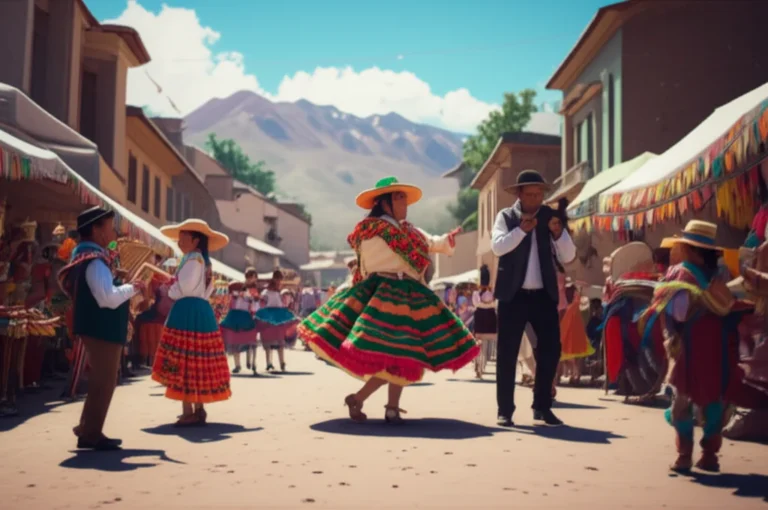
Every July the sleepy desert hamlet of La Tirana (pop. 800) swells to 200,000 devotees dressed as demons, angels, and conquistadors. The 4-day fiesta honors the Virgen del Carmen with 12 hours of non-stop brass bands, whirling diablada masks, and fireworks that rival Burning Man – minus the influencers.
Insider hack: Sleep in nearby Pozo Almonte; La Tirana’s single hostel books out a year ahead. Bring a dust-proof phone pouch – the Atacama will exfoliate your camera sensor.
2. Savor a Traditional Chilean Asado: The Art of Barbecue
Forget your Weber. Chileans cook lamb, longaniza, and blood sausage over quebracho hardwood until 3 a.m. The ritual starts with pisco sours and a prayer to the roto (grill master). We once asked for vegan options at an asado in Talca; the host politely offered us a tomato – and still kissed us goodbye.
Pro tip: Offer to bring Concha y Toro Carménère – it’s like bringing IPA to a Brooklyn party, instant street-cred.
3. Explore Mapuche Culture: Indigenous Traditions and Crafts
In Temuco’s Feria Pinto you can haggle for silver trarilonco (headbands) and watch weavers spin llama wool into cosmic symbols. Stay overnight in a ruka (thatched house) near Budi Lake; hosts teach you to toast flour for muday, a fermented-honey drink that tastes like liquid granola.
Respect protocol: Always offer a small gift (coffee, cigarettes) to the machi (healer) before photographing rituals.
4. Experience the Cueca Dance: Chile’s National Dance
The cueca is rooster-meets-hen courtship in 6/8 time. Couples wave white handkerchiefs like matadors, stomping to charango strings. We learned in Valparaíso’s Plaza Aníbal Pinto when a 70-year-old señora grabbed us, whispering “sigueme, gringo”. By midnight we’d mastered the vuelta – and gained a surrogate abuela.
Where to learn for free: Head to Santiago’s Museo de la Cueca on Sundays; drop-in classes at 11 a.m.
5. Visit the Chiloé Island Churches: UNESCO World Heritage Sites
16 wooden churches built by Jesuit carpenters in the 1700s look like Viking ships turned upside-down. Inside, the scent of incense and seaweed insulation mingles with Chilote chants. We climbed the tower of Church of Castro at sunset; the Pacific looked like molten copper.
Ferry hack: Rent a Kia Picanto on RentalCars.com and hop the Pargua–Chacao ferry; the first departure at 7 a.m. is half-price.
6. Attend a Chilean Rodeo: The National Sport
Think barrel-racing meets bull-fighting, but the star is a cowboy (huaso) on a Chilean horse guiding a steer around a crescent-shaped arena (medialuna). The season peaks during Fiestas Patrias (Sept 18–19). We sat on pine-plank bleachers in Rancagua, sipping mote con huesillo while two-ton steers slid past our knees.
Etiquette: Cheer “¡Viva Chile, m…!” after each round – the middle word is optional but enthusiastically implied.
7. Taste Chilean Wine in the Valle de Colchagua
Colchagua Valley is Carménère’s promised land. At Viña Santa Rita we blended our own bottle, labeling it “Chile Vacay Reserve” – the sommelier laughed so hard she spilled Casillero del Diablo.
👉 CHECK PRICE on:
- Santa Rita 120 Carménère: Amazon | Walmart | Santa Rita Official
- Concha y Toro Marqués de Casa Concha: Amazon | Total Wine | Concha y Toro Official
8. Discover Easter Island’s Rapa Nui Culture and Moai Statues
900 moai stare inland, guarding ancestral mana (spiritual power). We hiked Ahu Tongariki at sunrise – 15 statues silhouetted against a blood-orange sky – and felt the same goose-bumps as when we first saw the Milky Way in the Atacama.
Local taboo: Never sit on top of a moai platform; it’s like standing on someone’s grave – and the Rapa Nui park rangers will fine you faster than you can say “Instagram”.
9. Participate in a Chilean Mate Ceremony
Mate = friendship juice. The server (cebador) pours hot-not-boiling water over yerba mate in a calabash gourd, then passes it clockwise. We joined journalists in Santiago’s Forestal Park; the circle lasted two hours, one thermos, and zero phones.
👉 Shop yerba mate on:
- Cruz de Malta Yerba Mate: Amazon | Walmart | Cruz de Malta Official
- Thermos Lumilagro: Amazon | Etsy
10. Explore Santiago’s Street Art and Urban Culture
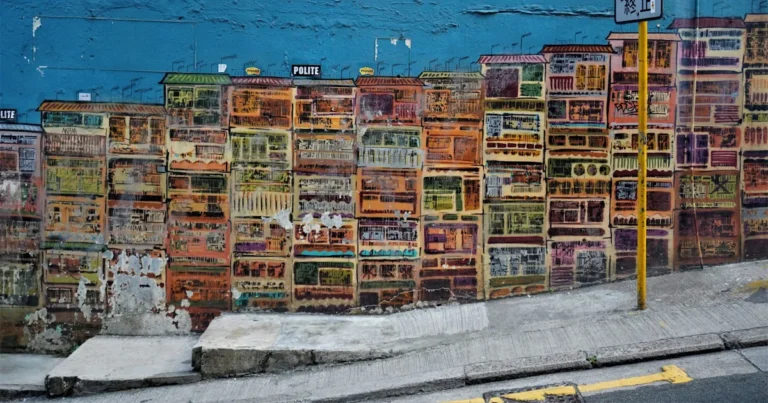
Valparaíso gets the Insta-fame, but Santiago’s Bellavista is the open-air Louvre of Latin America. We followed French graffiti artist Ceks who explained how Chilean murals morphed from protest under Pinochet to psychedelic poetry.
Free walking tour: Tours 4 Tips starts 10 a.m. at Bellas Artes Museum; tip in pesos or Fernet.
11. Join a Traditional Chilean Folklore Music Night
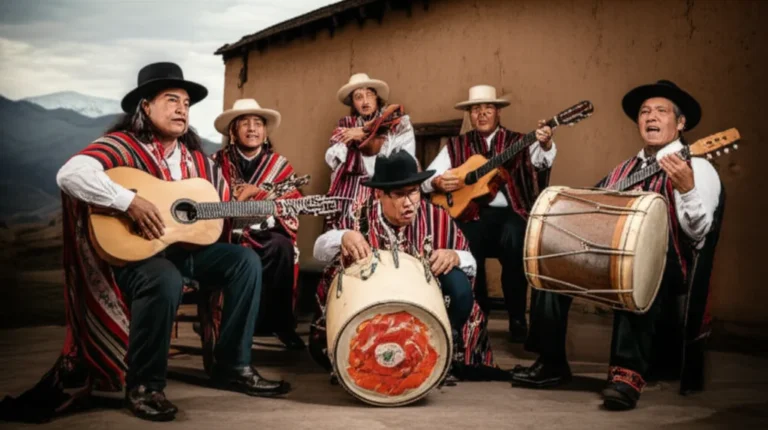
In La Peña de Patricio Manns (Santiago) we sipped pipeño wine from a tin cup while quena flutes told stories of lovers lost in the Andes. By midnight the entire bar was linking arms, swaying to “Volver a los Diecisiete” – even the bouncer cried.
Spotify cheat-sheet: Search “Violeta Parra – Gracias a la Vida” before you go; locals will adopt you.
12. Experience the Carnaval Andino con la Fuerza del Sol
Arica’s February carnival fuses Andean, Afro-Latino, and Amazonian rhythms. Picture barefoot drummers in jaguar masks dancing on floats made of recycled fishing nets. We got painted with achiote seeds – the red dots lasted three showers and one border crossing.
Book accommodation early: Expedia lists hostal residencies that sell out six months ahead.
13. Discover the Unique Cuisine of Chilean Coastal Towns
In Caleta Chañaral we slurped picorocos (giant barnacles) straight from the fisher’s knife – tastes like oceanic sweetbreads. Pair with chicha de manzana from Horcón’s wooden shacks while sea lions bark approval.
Food safety: Shellfish are safest at mercados de mariscos before 11 a.m. – any later and the Pacific sun turns ceviche into bio-hazard.
14. Learn About Chile’s Literary Giants Through Cultural Tours
Follow Pablo Neruda’s footsteps in Valparaíso’s La Sebastiana – his crazy-colorful house overlooks 15 wild dogs and 1,000 poems. We read “Oda al Tomate” aloud on his terrace; a German tourist applauded, then handed us a ripe tomato.
Triple-nerd bonus: Combine with Isabel Allende’s Casa de los Espíritus walking tour in Santiago’s Lastarria – both authors are distant cousins.
15. Visit Local Artisan Markets for Handcrafted Souvenirs
Pueblito Los Dominicos (Santiago) is Disneyland for handicraft nerds. We bartered for lapis lazuli earrings (only mined in Chile & Afghanistan) and alpaca socks so soft they converted a die-hard cotton fan.
👉 Shop lapis lazuli on:
- Lapis Lazuli Heart Pendant: Amazon | Etsy | Chilean Artisan Official
🎭 Chilean Culture — Essential Insights Before You Go
| Topic | Local Reality | Gringo Myth |
|---|---|---|
| Spices | Cumin & oregano only; chili sauce on side | “It’s like Mexican food” ❌ |
| Punctuality | 30 min late is polite | “Chileans are on time” ❌ |
| PDAs | Full-on kissing in parks | “Latinos are conservative” ❌ |
| Bread | Eaten 3× daily, never skipped | “Low-carb friendly” ❌ |
| TV | Blares in every restaurant | “Quiet dinner” ❌ |
🛠️ How to Prepare for Authentic Cultural Immersion in Chile
- Download the “Tutto” app – offline Mapudungun phrases.
- **Pack Imodium – your stomach will thank you after mariscal (seafood stew).
- **Carry small denomination pesos – artisans never break 20,000 CLP.
- Learn basic cueca steps on YouTube – locals love to teach, but hate to wait.
💡 Insider Tips for Navigating Chile’s Cultural Festivals Like a Pro
- **Book buses TWO months early for Fiesta de la Tirana – Pullman seats vanish faster than avocado toast in a Santiago brunch bar.
- **Bring earplugs to carnaval – Andean brass bands hit 95 dB, louder than a Boeing take-off.
- **Carry zip-lock bags for copihue flowers – Chile’s national bloom wilts faster than your willpower at an empanada stand.
🌟 Must-Know Etiquette and Customs for Travelers in Chile
✅ **Always offer your drink before refilling your own mate – greedy = gringo.
✅ **Stand for national anthem in cinemas – sitting invites stares.
❌ **Don’t compare Pisco to tequila – you’ll start a diplomatic incident.
❌ **Avoid **wearing sandals to asados – flip-flops + hot coals = BBQ disaster.
📅 Best Times of Year to Experience Chile’s Cultural Events
| Festival | Region | Month | Weather Hack |
|---|---|---|---|
| Fiesta de la Tirana | Norte Grande | July | Desert nights -5 °C – bring down jacket |
| Fiestas Patrias | Nationwide | Sept 18-19 | Book ramadas (pop-up bars) early |
| Carnaval Andino | Arica | Feb | SPF 50 – UV index 13 |
| Oktoberfest | Frutillar | Oct | Raincoat – Patagonian spring |
🎒 Packing Essentials for Cultural Adventures in Chile
- Voltage adapter Type L – Chile’s unique three-prong diagonal plug.
- Reusable straw – plastic bans in coastal towns.
- Dry-bag – sudden Pacific fog soaks cameras faster than a Vin Diesel chase scene.
📍 Top Cities and Regions to Experience Chile’s Cultural Diversity
- Valparaíso – street-art maze, UNESCO elevators, bohemian nightlife.
- Chiloé – mythical island, palafitos, curanto pits.
- San Pedro de Atacama – Atacameño culture, meteorite museum, star-gazing.
- Castro (Chiloé) – wood-shingle churches, craft fairs, witch-legends.
- Pucón – Mapuche tourism, volcano-climbing, weaving workshops.
🤔 Common Questions About Chilean Culture Answered
Q: Is Chile safe for solo cultural explorers?
A: Yes – violent crime is low, but pickpocketing in Santiago’s Bellavista spikes after 2 a.m. Use Uber instead of yellow taxis.
Q: Do I need to tip?
A: 10% is standard in restaurants; leave cash – credit-card tips rarely reach staff.
Q: Can I use USD?
A: Nope – pesos only, except some tour operators in Torres del Paine. ATMs charge 4,000 CLP per withdrawal – maximize by taking larger sums.
Q: Is English widely spoken?
A: In Santiago & Torres del Paine yes, elsewhere carry Google Translate offline pack.
Q: What’s the deal with “once”?
A: Light evening meal (tea, bread, avocado) – skip it and you’ll offend your host.
Conclusion: Why Chile’s Cultural Experiences Will Change Your Travel Game

So, are there any unique cultural experiences to have in Chile? Absolutely—and then some! From the fiery dances of La Tirana to the mystical moai statues of Easter Island, Chile offers a kaleidoscope of traditions, flavors, and stories that will captivate your soul and ignite your curiosity. Whether you’re savoring a smoky asado under the stars, learning the flirtatious steps of the cueca, or sharing mate with locals in a Santiago park, you’ll find yourself woven into a vibrant cultural tapestry that’s as warm as it is wild.
We’ve shared insider tips, quirky anecdotes, and must-see festivals to help you dive deep into Chile’s heart. Remember, Chilean culture is about connection—through food, music, dance, and shared moments. So, pack your curiosity, loosen your schedule (because Chilean time is a thing!), and get ready for an adventure that’s as rich in history as it is in passion.
If you were wondering about the best way to prepare for these experiences, now you know: learn a few Spanish phrases, bring cash in small bills, and keep an open heart. Chile’s cultural magic isn’t just in the sights—it’s in the people you meet and the stories you share.
Ready to make memories that will last a lifetime? Chile is waiting.
Recommended Links for Planning Your Chile Cultural Trip
-
Santa Rita 120 Carménère Wine:
Amazon | Walmart | Santa Rita Official Website -
Concha y Toro Marqués de Casa Concha:
Amazon | Total Wine | Concha y Toro Official Website -
Cruz de Malta Yerba Mate:
Amazon | Walmart | Cruz de Malta Official Website -
Lapis Lazuli Heart Pendant (Chilean Artisan Jewelry):
Amazon | Etsy | Chilean Artisan Official -
Books to Deepen Your Chilean Cultural Knowledge:
FAQ: Your Burning Questions About Chilean Culture, Answered

Where can I find unique Chilean art and craft traditions?
Chile’s artisanal heart beats strongest in markets like Pueblito Los Dominicos in Santiago, where you can find alpaca textiles, lapis lazuli jewelry, and Mapuche silverwork. For indigenous crafts, visit Temuco’s Feria Pinto, a bustling hub for authentic Mapuche weaving and jewelry. Don’t miss the Chiloé Island markets, where wooden carvings and wool products reflect the island’s mythic heritage. These markets are not just shopping spots—they’re cultural classrooms where artisans share stories behind every stitch and stone.
What are the must-try Chilean foods for a cultural adventure?
To truly taste Chile, you must try:
- Empanadas de pino (beef and onion pastries) – a national staple.
- Pastel de choclo (corn pie with meat and olives) – comfort food with a sweet twist.
- Mariscal (seafood stew) – fresh from the Pacific, best in coastal towns like Caleta Chañaral.
- Asado (Chilean barbecue) – where lamb and longaniza sizzle over quebracho wood.
- Mote con huesillo (sweet wheat and peach drink) – a refreshing street treat during summer.
Pair these with a glass of Carménère or a Pisco Sour for the full sensory immersion. For recipes and food tours, check out our Food & Drink category.
How can I experience indigenous Mapuche culture in Chile?
The Mapuche people are Chile’s largest indigenous group, and their culture thrives especially in the Araucanía region around Temuco and Pucón. You can:
- Stay in a Mapuche ruka (traditional house) and participate in rituals.
- Visit the Museo Mapuche de Cañete to learn about their history and art.
- Join workshops on weaving, pottery, and traditional medicine.
- Attend festivals like the Nguillatun, a communal prayer ceremony.
Respect is key—always ask permission before photographing and bring small gifts like coffee or cigarettes as tokens of goodwill.
What traditional festivals in Chile offer authentic cultural experiences?
Chile’s calendar is peppered with vibrant festivals:
- Fiesta de la Tirana (July) in the north, a dazzling religious and folkloric spectacle.
- Fiestas Patrias (September 18–19), Chile’s Independence Day, featuring rodeos, cueca dancing, and asados nationwide.
- Carnaval Andino con la Fuerza del Sol (February) in Arica, a fusion of Andean and Amazonian traditions.
- Oktoberfest in Frutillar (October), celebrating German heritage with music and beer.
Each offers a distinct window into Chile’s diverse cultural soul.
How can I experience Chilean indigenous traditions during my visit?
Beyond the Mapuche, Chile is home to many indigenous groups like the Aymara, Rapa Nui, Atacameño, and Kawésqar. To engage authentically:
- Visit Easter Island (Rapa Nui) for ancient moai and living Polynesian culture.
- Explore San Pedro de Atacama for Atacameño archaeological sites and desert rituals.
- Participate in guided tours led by indigenous communities, often available through cultural tourism programs.
- Attend indigenous markets and museums that showcase traditional crafts and stories.
This approach supports local economies and fosters genuine cultural exchange.
Where can I find authentic Chilean music and dance performances?
For live folklore music and dance:
- La Peña de Patricio Manns in Santiago offers intimate nights of traditional songs and pipeño wine.
- Valparaíso’s Plaza Aníbal Pinto hosts free cueca dance lessons and street performances.
- Regional festivals like Fiesta de la Tirana and Fiestas Patrias feature spectacular dance troupes.
- Check local listings for folk music concerts at venues like Teatro Municipal de Santiago or Centro Cultural Gabriela Mistral (GAM).
Spotify playlists featuring Chilean folk artists like Violeta Parra and Inti-Illimani can prep your ears before you go.
Reference Links and Resources for Deeper Exploration
- Culture in Chile: a trip around its towns, museums and traditions – Chile Travel
- UNESCO World Heritage Sites in Chile
- Viña Santa Rita Official Website
- Concha y Toro Official Website
- Cruz de Malta Yerba Mate Official Website
- Museo Mapuche de Cañete
- Tours 4 Tips – Santiago Street Art Tours
- RentalCars.com – Car Rentals for Chiloé
Ready to dive into Chile’s rich cultural mosaic? Bookmark this guide, pack your bags, and prepare for an unforgettable journey with Chile Vacay™!