Support our educational content for free when you purchase through links on our site. Learn more
Best Time to Visit the Atacama Desert

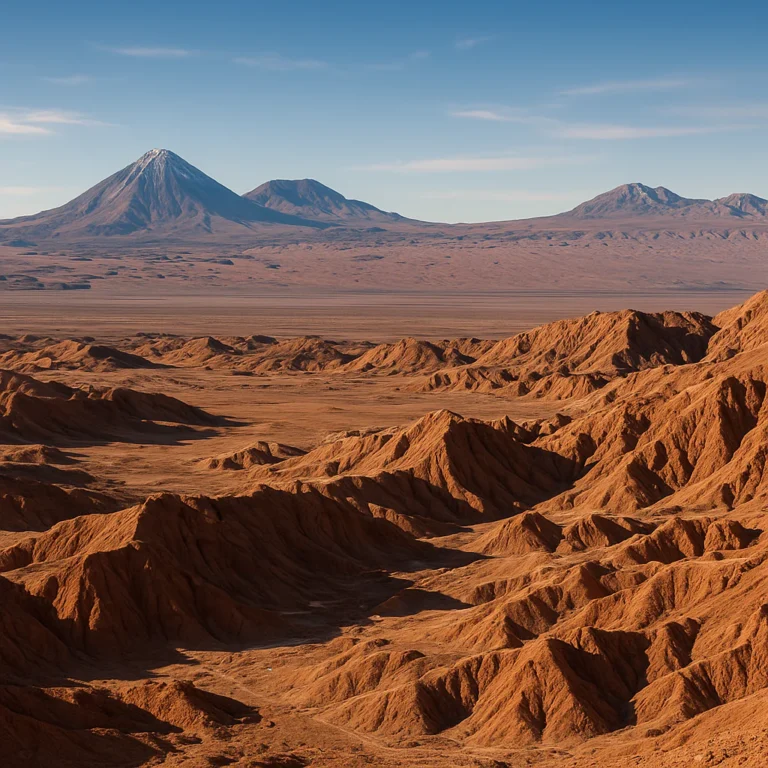
Forget the stuffy, luxury-only guides that treat the Atacama like a museum you can’t touch. We’re here to tell you that the best time to visit the Atacama Desert isn’t a single month; it’s a strategic choice between witnessing the rare “Flowering Desert,” dodging the summer crowds, or freezing your toes off for the world’s most brilliant stargazing. We once packed for a tropical beach vacation only to find ourselves shivering in a parka at 4,000+ meters watching geysers erupt in the pre-dawn dark—a humbling reminder that this place demands respect, not just a reservation.
Whether you are chasing the golden light of autumn for photography, seeking the solitude of winter for astronomy, or hoping to catch the elusive Desierto Florido, timing is everything. In this guide, we break down the month-by-month weather patterns, the peak vs. shoulder season trade-offs, and exactly what to pack so you don’t end up like us, borrowing a thermal layer from a stranger at the Geysers del Tatio. Ready to stop guessing and start planning? Let’s dive into the ultimate seasonal breakdown.
⚡️ Key Takeaways
- 🌌 Winter (June–August) is King for Stargazing: If your main goal is astronomy, visit in July or August for the clearest, most brilliant skies on Earth, but be prepared for freezing nights (often below 0°C).
- 🌸 Spring (Sept–Nov) Offers Rare Magic: This is the only window with a chance to witness the “Desierto Florido” (Flowering Desert), a rare phenomenon where wildflowers bloom, though it requires luck and specific rainfall.
- ☀️ Summer (Dec–Feb) Means Heat & Crowds: Expect the warmest temperatures and the busiest crowds, along with the unique “Altiplanic Winter” afternoon showers in high-altitude areas.
- 🍂 Autumn (March–May) is the Sweet Spot: Many locals and seasoned travelers consider this the perfect balance of comfortable hiking weather, fewer tourists, and stable, clear skies.
- 🧥 Layers Are Non-Negotiable: Regardless of the season, the temperature swing between day and night can exceed 40°F (2°C); pack for both extremes.
Table of Contents
- ⚡️ Quick Tips and Facts
- 🏜️ Unearthing the Past: A Brief History of the Atacama Desert
- 📅 The Ultimate Guide: Best Time to Visit Atacama Desert by Season
- 1. 🌸 Spring (September to November): Wildflowers and Warming Temps
- 2. ☀️ Summer (December to February): Peak Season, Festive Vibes, and Crowds
- 3. 🍂 Autumn (March to May): Golden Sunsets and Perfect Hiking Weather
- 4. ❄️ Winter (June to August): Stargazing Heaven and Chilly Nights
- 🌦️ Weather Patterns & Climate: What to Expect Month by Month
- 🌵 Top Attractions & Activities by Season: Where to Go When
- 1. 🌌 Stargazing in the Valle de la Luna: Why Winter is King
- 2. 🦆 The Flamingo Frenzy: Best Months to Visit Lagunas Altiplánicas
- 3. 🏜️ Geysers del Tatio: Avoiding the Frostbite (and the Crowds)
- 4. 🏊 ♀️ Salt Flats & Hot Springs: When to Swim and When to Shiver
- 🎒 Packing Like a Pro: Seasonal Gear Essentials for the Atacama
- 🏨 Where to Stay: Choosing the Right Base Camp for Your Travel Dates
- 💰 Budgeting for the Desert: High vs. Low Season Costs
- 🚗 Getting There & Getting Around: Logistics for Every Time of Year
- 🌵 Hidden Gems: Off-the-Beaten-Path Experiences by Season
- 🚫 Common Mistakes to Avoid When Planning Your Atacama Trip
- 🏆 Conclusion: When Should You Actually Go?
- 🔗 Recommended Links
- ❓ FAQ: Your Burning Questions About Visiting the Atacama Desert
- 📚 Reference Links
⚡️ Quick Tips and Facts
Welcome, fellow adventurers, to the heart of the Atacama Desert! As your trusted guides at Chile Vacay™, we’ve explored every dune and stargazed under countless celestial shows to bring you the ultimate insider scoop. This isn’t just a destination; it’s an experience that will challenge your perceptions and leave you breathless – literally, thanks to the altitude! 😉
Video guide
Before we dive deep into the best time to visit this otherworldly landscape, here are some quick, essential facts to get your planning gears turning:
- Driest Place on Earth: The Atacama is famously the driest non -polar desert in the world, receiving less than 0.6 inches of rain annually. So, while rain is rare, it’s not entirely impossible, as we once discovered!
- Altitude is Real: San Pedro de Atacama, your likely base town, sits at nearly 8,000 feet (2.5 km) above sea level. Some excursions, like the Geysers del Tatio, can take you up to 14,000 feet (4,300m). Acclimatization is key! 🧘 ♀️
- Temperature Extremes: Expect significant temperature swings. Days can be warm and sunny, but nights and early mornings are surprisingly cold, dropping into the forties (°F) or lower. Layers are your best friend!
- Stargazing Paradise : The Atacama boasts some of the clearest skies on Earth, making it a premier destination for astronomy. While good year-round, July and August offer the absolute clearest and most brilliant skies.
Cash is King (Sometimes): Many local vendors and attraction entrance fees require Chilean Pesos in cash. ATMs can be scarce and costly.
- Book Ahead: Especially during peak season, accommodation , tours, and even rental cars (as the presenters in the first YouTube video discovered) should be booked in advance.
- USD for Savings: The presenters in the featured video, “Atacama Desert – Chile | Travel Guide,” recommend taking US dollars for tour bookings in San Pedro, as their stable value can lead to significant savings.
Ready to uncover the magic? Let’s go! For more incredible destinations in Chile, check out our Destinations page.
🏜️ Unearthing the Past: A Brief History of the Atacama Desert

The Atacama Desert isn ‘t just a geological marvel; it’s a land steeped in a rich and often harsh history, shaped by its extreme conditions and the resilient cultures that have called it home for millennia. Before you embark on your adventure, understanding its past will deepen your appreciation for this incredible place.
For thousands of years, indigenous peoples, most notably the Atacameños (Lickanantay), have thrived here, developing sophisticated agricultural techniques to cultivate crops like quinoa and corn in an unforgiving environment. They mastered irrigation systems, channeling scarce water resources from the Andes, and built impressive stone villages such as Tulor and Pukará de Quitor, whose ruins you can still explore today. These ancient settlements are a testament to human ingenuity and adaptation in the face of extreme aridity.
The desert also holds a darker past, marked by the Spanish conquest in the 16th century, which brought new influences and, unfortunately, exploitation. Later, in the 19th century, the Atacama became a coveted territory due to its vast nitrate deposits, a “white gold” used for fertilizer and explosives. This led to the War of the Pacific (1879-1884), a conflict between Chile, Bolivia, and Peru, which ultimately saw Chile gain control of much of the desert, including its valuable resources. Ghost towns like Humberstone and Santa Laura, now UNESCO World Heritage sites, stand as haunting reminders of this boom-and-bust era, offering a fascinating glimpse into the lives of nitrate miners and their families.
Today, the Atacama continues to be a place of scientific importance, home to some of the world’s most advanced astronomical observatories, like ALMA (Atacama Large Millimeter/submillimeter Array), thanks to its unparalleled clear skies. It’s a land of contrasts: ancient history beneath a modern scientific gaze, stark beauty, and vibrant culture. This deep connection to both the past and the future makes the Atacama not just a travel destination, but a journey through time itself.
📅 The Ultimate Guide
: Best Time to Visit Atacama Desert by Season
So, you’re dreaming of the Atacama, but wondering when to pack your bags? We get it! Choosing the “best” time is like picking your favorite Chilean wine – it depends on your taste! Do you crave scorching sun and lively festivals, or crisp, clear nights perfect for stargazing? Let’s break down the Atacama’s seasons so you can plan your perfect adventure.
1
. 🌸 Spring (September to November): Wildflowers and Warming Temps
Ah, spring in the Atacama! While not a lush, green spring like you might imagine, this season brings its own unique charm. The desert begins to shake off the winter chill, and temperatures gradually climb, making for very pleasant daytime exploration.
What to Expect:
- Weather: Daytime temperatures range from comfortable to warm (around 70-80°F /21-27°C), while nights remain cool (40-50°F / 4-10°C). The winds can pick up, especially in October and November.
- “Flowering Desert” Phenomen on: If you’re incredibly lucky and there’s been unusual rainfall (a rare event!), parts of the Atacama, particularly closer to the coast, can experience the breathtaking “Desierto Florido” (Flowering Desert). This typically occurs in September or October and is a once-in-a-lifetime spectacle of vibrant wildflowers transforming the arid landscape. However, it’s not guaranteed every year, so don’t plan your trip solely around this!
Crowds:** Moderate. It’s not as busy as summer, but popular sites will still see a good number of visitors.
- Activities: Excellent for hiking, exploring archaeological sites, and enjoying the warming weather for outdoor excursions . Stargazing is still fantastic, though not quite as pristine as winter.
Our Chile Vacay™ Take: We love spring for its comfortable temperatures and the chance of witnessing the flowering desert – a truly magical, albeit rare, event. It’s a fantastic shoulder season for those who want good weather without the peak summer crowds.
2. ☀️ Summer (December to February): Peak Season, Festive Vibes, and Crowds
Summer in the Atacama is when the desert truly comes alive with travelers, especially during the Southern Hemisphere’s holiday season. Expect warmer days, lively atmospheres, and a bustling San Pedro de Atacama.
What to Expect: * Weather: Hot days (80-90°F / 27-32°C, sometimes higher) and mild to cool nights (50-60°F / 10-16°C). This is also when the “Altiplanic Winter” (Invierno Altiplánico) can occur, typically in January and February. This phenomenon brings short, localized afternoon thunderstorms to the high-altitude areas, which can sometimes lead to road closures or tour cancellations. While it’s still the driest desert on Earth, these brief rains are a unique occurrence.
- Crowds: High season! This is the busiest time, particularly around Christmas, New Year’s , and Chilean/Argentinian summer holidays. Expect more people at popular attractions and potentially higher prices for accommodation and tours. EcoChile Travel notes that December to February is the “High Tourist Season”.
Activities: All activities are available, but you’ll need to start early to beat the heat for hikes. The warmer evenings are great for outdoor dining and enjoying the vibrant atmosphere of San Pedro. Swimming in salt lagoons or hot springs is particularly inviting.
- Stargazing: Still good, but as EcoChile Travel points out, “the skies are not as clear as they are during the winter months for astronomy enthusiasts”.
Our Chile Vac ay™ Take: If you don’t mind the heat and the crowds, summer offers a vibrant, energetic experience. Just be prepared for the possibility of afternoon showers in the altiplano and book everything well in advance!
- 🍂 Autumn (March to May): Golden Sunsets and Perfect Hiking Weather
Autumn is another fantastic shoulder season in the Atacama, often considered by many (including us!) to be one of the best times to visit. The intense summer heat begins to subside, leaving behind pleasant temperatures and fewer crowds.
What to Expect:
- Weather: Days are comfortably warm (70-80°F / 21-27°C), and nights are cool (40-50°F / 4-10°C). The “Altiplanic Winter” usually subsides by March, leaving behind clear, stable weather.
- Crowds: Moderate. The post-summer rush has dwindled, but the weather is still superb, making it a popular choice for those in the know.
- Activities: Excellent for all outdoor activities, especially hiking and exploring during the day without excessive heat. The light can be particularly beautiful for photography, with stunning golden hues at sunrise and sunset.
- Stargazing: Superb! The skies are typically very clear and stable, offering fantastic stargazing opportunities.
Our Chile Vacay™ Take: Autumn is a sweet spot! You get the best of both worlds: comfortable temperatures for daytime adventures and clear skies for magical nights, all with fewer people around. It’s our personal favorite for a balanced Atacama experience.
4. ❄️ Winter (June to August): Stargazing Heaven and Chilly Nights
Winter in the Atacama is a season of stark beauty, characterized by crisp, clear days and very cold nights. If stargazing is your top priority, this is your golden ticket!
What to Expect:
- Weather: Days are sunny and pleasant (60-70°F /16-21°C), but nights and early mornings are freezing (often below 32°F / 0°C, sometimes much colder, especially at higher altitudes). EcoChile Travel notes that temperatures can plummet into the “forties (°F) or lower” at night. You’ll need proper cold-weather gear!
- Crowds: Moderate to low, outside of specific Chilean or Argentinian holidays. You’ll find fewer tourists, which can make for a more serene experience at popular sites.
- Activities: Stargazing is at its absolute peak! EcoChile Travel explicitly states, “The skies are at their absolute clearest and most brilliant in July and August, making for amazing stargazing even without telescopes”. Daytime activities like visiting the Geysers del Tatio are spectacular due to the dramatic steam plumes in the cold air, but require serious layering.
- Photography: The crisp air and dramatic light create stunning photographic opportunities.
Our Chile Vacay™ Take: While undeniably cold at night, winter offers unparalleled stargazing and a quieter, more reflective desert experience. Just remember to pack your warmest layers – we’re talking serious expedition gear for those early morning geyser visits!
🌦️ Weather Patterns & Climate: What to Expect Month by Month
Understanding the Atacama’s climate isn ‘t just about knowing if it’s hot or cold; it’s about appreciating the nuances of the world’s driest desert. The key takeaway? Expect extremes! Here’s a month-by-month breakdown to help you visualize your trip.
| Month | Average Daytime Temp (°F/°C) | Average Nighttime Temp (°F/°C) | Precipitation (inches/mm) | Notes
| |—|—|—|—|—| | January | 68-82°F (20-28°C) | 45-55°F (7-13°C) | 0.1-0.3 in (3-8 mm) | Warmest month. Possibility of “Altiplanic Winter” showers in high altitudes. Peak tourist season.