Support our educational content for free when you purchase through links on our site. Learn more
What to Pack for Chile

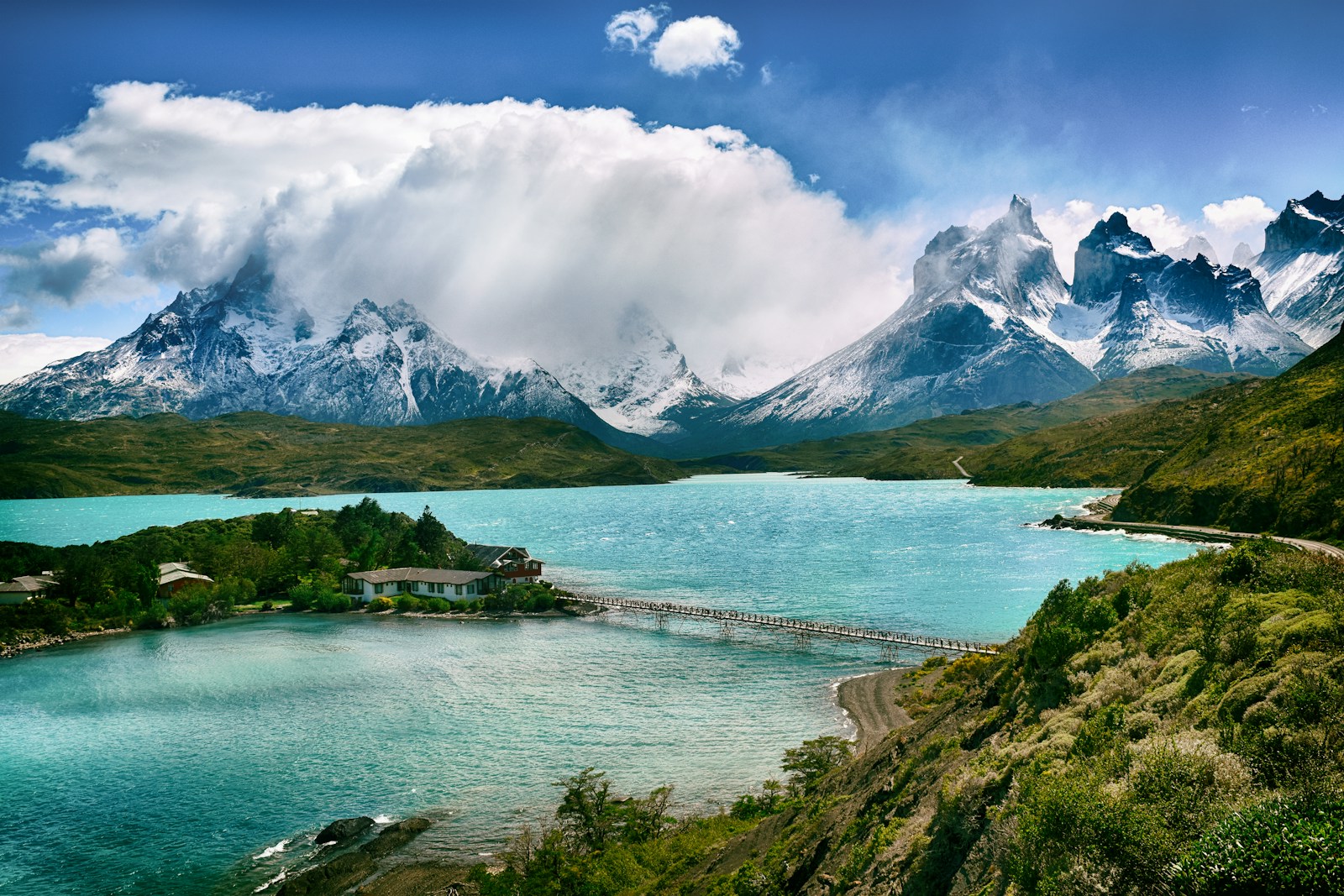
Imagine standing in the driest desert on Earth at noon, sweating under a scorching sun, only to shiver in freezing winds by sunset. Now, imagine doing that same day in Patagonia, where you might experience four seasons in the span of an hour. Welcome to Chile, a country so geographically dramatic that packing for it feels less like a chore and more like solving a complex puzzle. Many travelers make the mistake of assuming “South America” equals “tropical,” only to find themselves stranded in a cold Andean pass with nothing but a thin t-shirt.
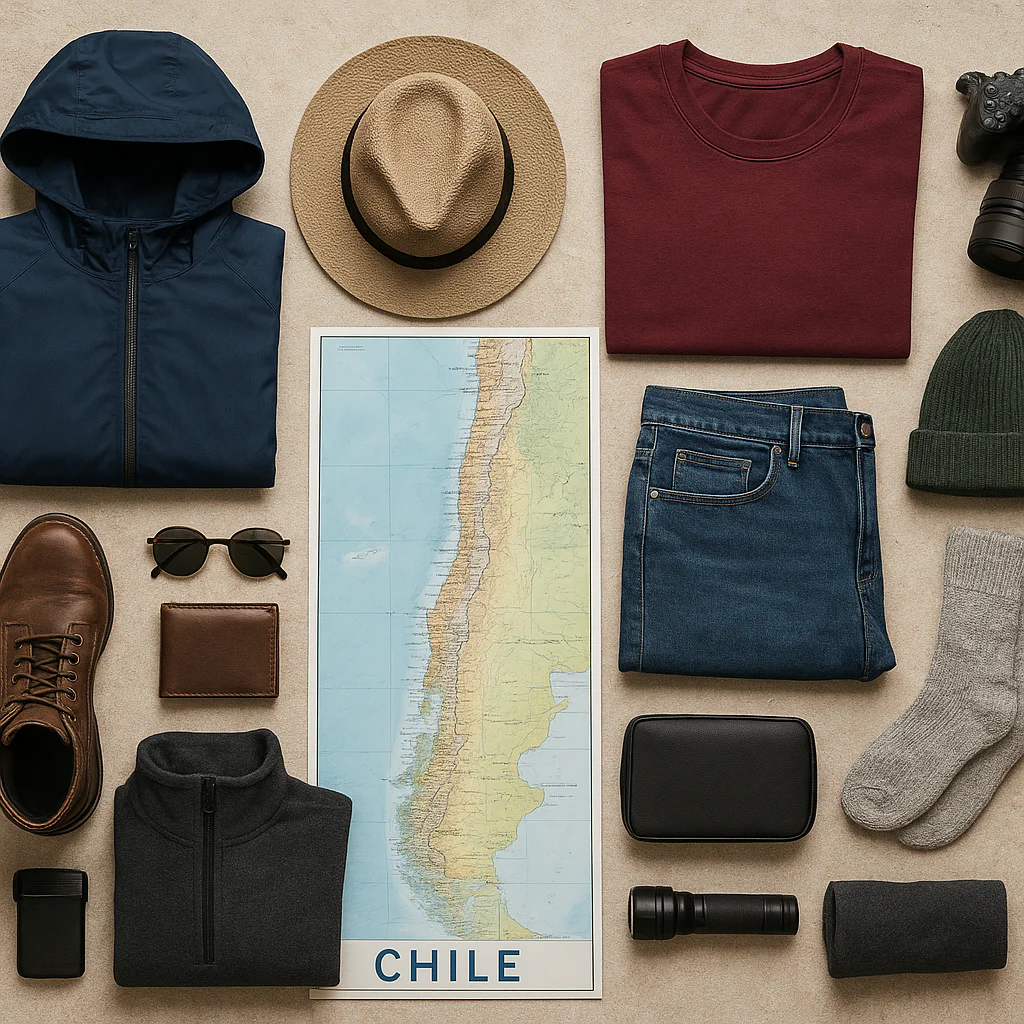
At Chile Vacay™, we’ve learned the hard way that the secret to conquering Chile’s wild weather isn’t about packing more; it’s about packing smarter. In this guide, we break down the 15 absolute essential items you need to survive and thrive from the Atacama’s dust to Torres del Paine’s gales. We’ll reveal the specific layering system that saved us from hypothermia, the one type of fabric you should never bring, and the exact gear that handles the UV index that can burn you in minutes. Ready to stop guessing and start exploring? Let’s get your bag ready for the world’s most diverse climate.
Key Takeaways
- Master the Layering System: Chile’s weather shifts rapidly; success depends on Merino wool base layers, versatile mid-layers, and a waterproof/windproof shell.
- Prioritize Sun Protection: With an extreme UV index, SPF 50+ sunscreen, polarized sunglasses, and wide-brimed hats are non-negotiable, even in winter.
- Ditch the Cotton: Avoid cotton entirely; opt for quick-dry synthetics and Merino wool to manage moisture and stay warm when wet.
- Footwear is Critical: Pack sturdy, broken-in hiking boots for the south and comfortable walking sneakers for the cities; never bring new shoes.
- Regional Specifics: Tailor your pack to the zone—heavy insulation for Patagonia, extreme sun gear for the Atacama, and rain gear for the Lake District.
Table of Contents
- ⚡️ Quick Tips and Facts
- 🌍 Why Chile’s Climate is a Total Mood Swing: A Background on Diverse Weather Zones
- 🎒 The Ultimate Chile Packing List: Essential Items for Every Region
- 1. The Non-Negotiable Base Layers: Managing Temperature Swings
- 2. Mid-Layers That Actually Work: From Patagonian Wind to Santiago Chill
- 3. Outer Shell Essentials: Rain Gear and Windbreakers for the Atacama and South
- 4. Footwear Strategy: Hiking Boots, Sneakers, and Sandals for Chilean Terrain
- 5. Sun Protection Arsenal: Hats, Sunglasses, and High-SPF Gear for the UV Index
- 6. Tech and Power: Adapters, Power Banks, and Connectivity for Remote Areas
- 7. Toiletries and Health: Altitude Sickness Meds, Insect Repellent, and Skin Care
- 8. Documents and Money: Chilean Peso, Credit Cards, and Travel Insurance Must-Haves
- 🗺️ Regional Breakdown: What to Pack for the North, Central, and South
- 🏜️ The Atacama Desert: Surviving Extreme Dryness and Temperature Drops
- 🏙️ Central Chile (Santiago & Wine Valeys): Urban Style vs. Mountain Weather
- 🏔️ Patagonia & Torres del Paine: The Ultimate Wind and Rain Defense Kit
- 🌋 Lake District & Chiloé: Waterproof Everything and Cozy Knits
- 🏝️ Easter Island (Rapa Nui): Lightweight Layers and Reef-Safe Sunscreen
- 🧳 Smart Packing Hacks: One-Bag Strategies for Chile’s Variable Weather
- The Layering System Explained: How to Pack Light Without Freezing
- Fabric Choices: Why Merino Wool and Quick-Dry Synthetics Win in Chile
- Laundry Logistics: Washing Clothes on the Road in Chilean Hostels and Hotels
- ❓ Common Packing Mistakes to Avoid in Chile
- 🏁 Conclusion
- 🔗 Recommended Links
- 📚 Reference Links
⚡️ Quick Tips and Facts
Before you even unzip your suitcase, let’s hit the pause button on the “just throw everything in” mentality. Chile is not a country; it’s a geographic mood swing wrapped in a 4,30-kilometer ribbon of land. One minute you’re sweating in the driest desert on Earth, the next you’re shivering in a Patagonian gale that feels like it’s personally offended you.
Video guide
Here is the golden rule of packing for Chile: Layering is not a suggestion; it is survival.
| Fact | Why It Matters for Your Packing List |
|---|---|
| UV Index is Extreme | Even in winter, the ozone layer is thinner here. You can get sunburned in 10 minutes at high altitude. ❌ No sunscreen = ❌ No trip. |
| Temp Swings are Wild | In the Atacama, you can go from 30°C (86°F) at noon to -5°C (23°F) at night. That’s a 35-degree drop in hours! |
| Indoor Heating is Rare | Most Chilean homes and hostels lack central heating. If it’s 10°C outside, it’s 10°C inside. You need warm layers for lounging. |
| Walkability is Key | Santiago and Valparaíso are built on hills and coblestones. Your shoes must handle 20,0 steps a day without blistering you. |
| Plug Types Vary | Chile uses Type C (European) and Type L (Italian). If you have a Type A (US) plug, you will need an adapter. |
Pro Tip: Check the weather forecast for your specific region before you pack your shoes. As we learned from our recent road trip, “Check the weather before you pack shoes” is the mantra that saved us from hiking in sandals during a sudden Patagonian squall.
For a deep dive into where you should be going with all this gear, check out our guide on What are the top tourist attractions to see in Chile?.
🌍 Why Chile’s Climate is a Total Mood Swing: A Background on Diverse Weather Zones

You might think you’re packing for “South America,” but that’s like packing for “Europe” and expecting to find the same weather in Iceland as you do in Sicily. Chile is a long, narrow strip squeezed between the Andes Mountains and the Pacific Ocean, creating a climate that defies logic.
The Three (Actually Four) Climates You Need to Know
- The North (Atacama Desert): This is the driest place on Earth. It’s a desert, plain and simple. But don’t let the “desert” label fool you into thinking it’s always hot. The lack of humidity means the sun scorches you by day, and the heat escapes instantly at night. It’s a high-altitude desert climate where the air is so dry your lips will crack if you aren’t prepared.
- The Center (Santiago & Central Valley): Think Mediterranean. Hot, dry summers and cool, wet winters. It’s the most populated region, but the air quality in winter can be tricky due to smog trapped by the Andes.
- The South (Lake District & Patagonia): Welcome to the windy, wet, and wild. This is where the weather changes every 15 minutes. You can experience four seasons in a single day. The “Four Seasons in One Day” meme was invented here.
- The Islands (Easter Island & Juan Fernández): Subtropical. Warm and humid, but with strong trade winds.
The Conflict: Many travel blogs suggest packing for “summer” if you visit in December. Wrong. If you are heading to Patagonia in December, you still need a puffer jacket. If you are in Santiago in July (winter), you need a coat. The “season” depends entirely on latitude and altitude.
🎒 The Ultimate Chile Packing List: Essential Items for Every Region
Okay, let’s get to the meat of it. What actually goes in the bag? We’ve broken this down by category, focusing on versatility because you don’t want to be the person dragging a 50lb suitcase through the Santiago Metro.
1. The Non-Negotiable Base Layers: Managing Temperature Swings
Your base layer is your second skin. In Chile, this isn’t just about warmth; it’s about moisture management. You will sweat hiking the Andes, and you will shiver watching the sunset in San Pedro.
- Material Matters: Ditch the cotton. Cotton absorbs sweat, stays wet, and makes you cold. Go for Merino wool or technical synthetics.
- The Strategy: Pack 2-3 base layers. Merino Wool: Brands like Unbound Merino or Icebreaker are fantastic. They regulate temperature, resist odors (crucial for multi-day treks), and dry fast. Synthetics: Patagonia Capilene or Smartwol are great for high-intensity hiking.
Why Merino Wins:
| Feature | Merino Wool | Cotton | Synthetic |
|---|---|---|---|
| Odor Resistance | ✅ Excellent (wear 3+ days) | ❌ Poor | ⚠️ Moderate |
| Temp Regulation | ✅ Warm when wet, cool when hot | ❌ Cold when wet | ✅ Good |
| Drying Speed | ⚠️ Moderate | ❌ Slow | ✅ Fast |
| Comfort | ✅ Soft, non-itchy | ✅ Soft | ⚠️ Can feel clamy |
2. Mid-Layers That Actually Work: From Patagonian Wind to Santiago Chill
This is the layer you wear when the sun goes down or when you step inside a non-heated restaurant.
- Fleece: A lightweight Patagonia Better Sweater or Arc’teryx Covert Hody is perfect. It’s warm but breathable.
- Down/Synthetic Puffer: For the high Andes or Patagonia, a packable puffer is non-negotiable. The Patagonia Nano Puff or Arc’teryx Atom LT are industry standards. They compress down to the size of a water bottle but trap heat like a furnace.
- The “Indoor” Factor: Remember, Chilean homes are cold. A cozy fleece or a thick cardigan is essential for evenings.
3. Outer Shell Essentials: Rain Gear and Windbreakers for the Atacama and South
If you are going South, your outer shell is your life jacket.
- Hardshell Jacket: You need a waterproof, windproof, and breathable jacket. Arc’teryx Beta AR or Patagonia Torrentshell are top-tier. Look for Gore-Tex or similar membranes.
- Windbreaker: For the Atacama or Santiago, a lightweight windbreaker like the Patagonia Houdini is a lifesaver. It blocks the wind but packs into its own pocket.
- Rain Pants: If you are trekking in Patagonia, bring waterproof pants. The rain there is horizontal.
Real Talk: We once saw a traveler in Torres del Paine trying to use a cheap plastic poncho. The wind shredded it in seconds. Invest in a proper shell. It’s not an expense; it’s an investment in your sanity.
4. Footwear Strategy: Hiking Boots, Sneakers, and Sandals for Chilean Terrain
Your feet will thank you if you follow the Two-Pair Strategy.
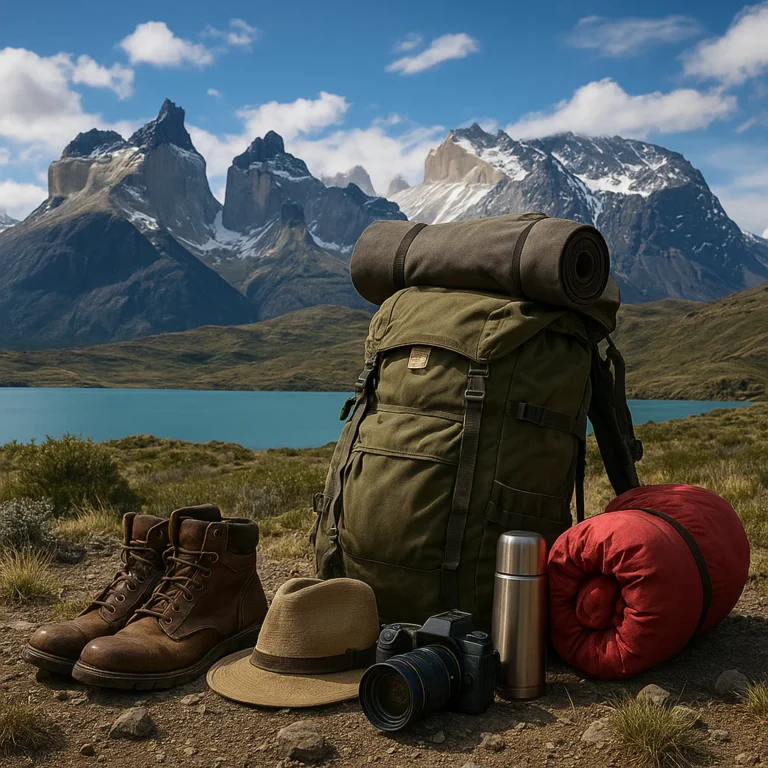
- Primary Shoe (Wear on the Plane): You need a shoe that can handle 15,0+ steps on coblestones, dirt trails, and city streets. Recommendation: Nike Pegasus Trail or Hoka Speedgoat. These offer cushioning for the city and grip for the trails. Why: You don’t want to break in new boots in Chile. Wear your most broken-in pair.
- Secondary Shoe: Sandals: Teva or Chaco sandals are great for hostels, hot springs, or casual evenings. Light Hiking Boots: If you are doing serious trekking (like the W Trek), bring waterproof boots like Salomon Quest 4D.
- Socks: Bring Merino wool socks (Darn Tough or Smartwol). They prevent blisters and keep feet warm even when wet.
5. Sun Protection Arsenal: Hats, Sunglasses, and High-SPF Gear for the UV Index
The UV index in Chile is extreme, even on cloudy days. The ozone layer is thinner here, and the reflection off the snow or sand amplifies the rays.
- Sunscreen: Bring SPF 50+. Brands like La Roche-Posay or EltaMD are widely available, but bring your favorite from home if you have sensitive skin.
- Sunglasses: Polarized lenses are a must. Look for Ray-Ban or Oakley with UV40 protection.
- Hat: A wide-brimed hat (like Coolibar or Sunday Afternons) is essential for the Atacama.
- Lip Balm: With SPF. Your lips will crack otherwise.
6. Tech and Power: Adapters, Power Banks, and Connectivity for Remote Areas
- Power Adapters: Chile uses Type C (two round pins) and Type L (three round pins in a row). A universal adapter (like Epicka) is your best bet.
- Power Bank: In remote areas of Patagonia or the Atacama, power outlets can be scarce. A 20,0mAh power bank (like Anker) is essential for keeping your phone and camera alive.
- Connectivity: Download offline maps (Google Maps or Maps.me) before you go. Signal is spotty in the mountains.
7. Toiletries and Health: Altitude Sickness Meds, Insect Repellent, and Skin Care
- Altitude Sickness: If you are going to San Pedro de Atacama (2,40m) or the high Andes, pack Diamox (consult your doctor) and coca leaves (available locally).
- Skin Care: The air is incredibly dry. Bring a heavy moisturizer (like CeraVe or La Roche-Posay) and a humidifier if you are sensitive.
- Insect Repellent: Essential for the Lake District and southern regions. Sawyer or OFF! with DET works best.
- First Aid: Blister pads (Leukotape), painkillers, and stomach meds.
8. Documents and Money: Chilean Peso, Credit Cards, and Travel Insurance Must-Haves
- Currency: The Chilean Peso (CLP). While cards are accepted in cities, cash is king in rural areas and small towns.
- Credit Cards: Visa and Mastercard are widely accepted. Amex is hit or miss.
- Travel Insurance: Mandatory. We cannot stress this enough. Medical evacuation from Patagonia is expensive. Get a policy that covers high-altitude trekking and adventure sports. Recommended: World Nomads or SafetyWing.
🗺️ Regional Breakdown: What to Pack for the North, Central, and South
Now that you have the basics, let’s tailor your pack to the specific region you are visiting.
🏜️ The Atacama Desert: Surviving Extreme Dryness and Temperature Drops
- Climate: Hot days, freezing nights. Dry air.
- Must-Haves: Thermal Base Layers: For the night. Heavy Sunscreen & Lip Balm: The sun is relentless. Hydration Pack: You need to drink 3-4 liters of water a day. Warm Hat & Gloves: For early morning stargazing or lagoon visits.
- What to Skip: Heavy rain gear (it rarely rains).
🏙️ Central Chile (Santiago & Wine Valeys): Urban Style vs. Mountain Weather
- Climate: Mediterranean. Hot summers, cool/wet winters.
- Must-Haves: Versatile Clothing: Look “put together” for dinner but comfortable for walking. Light Rain Jacket: For winter months (June-August). Comfortable Sneakers: For the coblestones of Valparaíso. Air Quality Mask: If visiting in winter (June-August), a N95 mask can help with smog.
- What to Skip: Heavy winter coats (unless you are going to the Andes for skiing).
🏔️ Patagonia & Torres del Paine: The Ultimate Wind and Rain Defense Kit
- Climate: Unpredictable. Wind, rain, snow, and sun in one hour.
- Must-Haves: Waterproof Hardshell: Non-negotiable. Insulated Puffer: For warmth. Waterproof Pants: For hiking. Sturdy Hiking Boots: Waterproof and ankle support. Windproof Gloves & Hat: The wind here is brutal.
- What to Skip: Cotton anything. It will make you miserable.
🌋 Lake District & Chiloé: Waterproof Everything and Cozy Knits
- Climate: Temperate rainforest. Cool and wet.
- Must-Haves: Rain Gear: Jacket and pants. Warm Sweaters: Wool or fleece. Waterproof Boots: For muddy trails. Umbrella: A compact one is handy for town.
- What to Skip: Shorts (unless it’s a rare hot summer day).
🏝️ Easter Island (Rapa Nui): Lightweight Layers and Reef-Safe Sunscreen
- Climate: Subtropical. Warm and breezy.
- Must-Haves: Lightweight Clothing: Linen or cotton blends are okay here. Swimwear: For the beaches. Ref-Safe Sunscreen: To protect the marine life. Sun Hat: Essential for exploring the Moai.
- What to Skip: Heavy winter gear. It’s rarely cold.
🧳 Smart Packing Hacks: One-Bag Strategies for Chile’s Variable Weather
Can you do Chile with just a carry-on? Yes. But it requires strategy.
The Layering System Explained: How to Pack Light Without Freezing
The secret is versatility. Every item should serve at least two purposes.
- Example: A Merino wool shirt can be a base layer, a mid-layer, or a standalone top.
- Example: A puffer jacket can be worn under a shell or over a t-shirt.
Fabric Choices: Why Merino Wool and Quick-Dry Synthetics Win in Chile
- Merino Wool: Naturally odor-resistant, temperature-regulating, and quick-drying. Perfect for multi-day trips without laundry.
- Synthetics: Lightweight and fast-drying. Great for high-intensity activities.
- Avoid Cotton: It holds moisture, takes forever to dry, and makes you cold.
Laundry Logistics: Washing Clothes on the Road in Chilean Hostels and Hotels
- Hostels: Most have laundry services (paid) or self-service machines.
- Hotels: Many offer laundry services.
- DIY: Bring a Scruba Wash Bag or a Sink Stoper. Wash your clothes in the sink at night, roll them in a towel to remove water, and hang them to dry. In Santiago’s dry climate, they dry overnight.
❓ Common Packing Mistakes to Avoid in Chile
- Overpacking for “All Seasons”: You don’t need a parka for Santiago in summer. Check the forecast for your specific dates.
- Ignoring the Wind: In Patagonia, wind is a factor. A light jacket won’t cut it.
- Forgetting Sun Protection: Even in winter, the UV index is high.
- Wearing New Shoes: Break in your hiking boots before you leave. Blisters in the Andes are a nightmare.
- Not Checking Plug Types: Don’t arrive in Chile only to realize your charger doesn’t fit.
Conclusion

Packing for Chile is an exercise in flexibility. You are preparing for a journey that spans deserts, mountains, and rainforests, often in the same week. The key is to embrace the layering system, prioritize versatile fabrics like Merino wool, and never underestimate the power of a good waterproof shell.
Remember, the goal isn’t to pack for every possible scenario, but to build a small, flexible wardrobe that can adapt to the changing weather. As we’ve learned, less truly is more. By packing smart, you’ll have more energy to enjoy the breathtaking landscapes, the delicious wine, and the warm Chilean hospitality.
So, what are you waiting for? Start packing, and get ready for the adventure of a lifetime!
📚 Reference Links
- Chilean Ministry of Tourism – Climate Information
- National Weather Service – Chile
- Patagonia Travel Guide – Torres del Paine
- Atacama Desert Climate Data
- Traveling Tulls: Argentina Chile Packing List
FAQ

How should I pack for the extreme temperature shifts in the Atacama Desert?
The Atacama is a high-altitude desert where the temperature can swing from 30°C (86°F) during the day to below freezing at night. The key is layering. Pack a lightweight base layer for the day, a fleece or puffer for the evening, and a windproof shell. Don’t forget sunscreen and a wide-brimed hat for the intense daytime sun, and gloves and a beanie for the cold nights.
Read more about “🌍 Chile’s Climate Clash: Coast vs. Mountains vs. Desert (2026)”
What gear do I need for hiking Torres del Paine?
Torres del Paine is known for its unpredictable weather. You need a waterproof hardshell jacket, waterproof pants, insulated puffer, sturdy waterproof hiking boots, and Merino wool socks. A backpack with a rain cover is essential. Don’t forget sunglasses and sunscreen, as the UV index is high even on cloudy days.
Read more about “🇨🇱 Cheapest Time to Visit Chile: The 2026 Guide to Saving 50%”
Is a rain jacket necessary for visiting Santiago in summer?
In summer (December to February), Santiago is generally dry and hot. However, a lightweight windbreaker or rain jacket is still recommended for unexpected afternoon showers or cooler evenings. If you are visiting in winter (June to August), a waterproof jacket is a must.
Read more about “When to Visit Chile in 2025: 9 Best Months for Outdoor Fun & Festivals 🎉”
What clothing layers are best for Chile’s Patagonia region?
Patagonia requires a full layering system. Start with a Merino wool base layer, add a fleece or down mid-layer, and top it with a waterproof and windproof hardshell. Waterproof pants are essential for hiking. Sturdy hiking boots and Merino wool socks are a must. Don’t forget gloves, a beanie, and a buff for the wind.
Read more about “15 Best Places to Visit in Chile (2026) 🌎 Your Ultimate Travel Guide”
How should I pack for the unpredictable weather changes between Santiago and Easter Island?
Santiago has a Mediterranean climate, while Easter Island is subtropical. Pack lightweight clothing for Easter Island, including swimwear and sun protection. For Santiago, bring layers for the temperature swings. A light rain jacket is useful for both, but the sun protection is more critical for Easter Island.
What sun protection items are crucial for high-altitude trekking in the Andes?
The UV index is extremely high in the Andes. You need SPF 50+ sunscreen, polarized sunglasses, a wide-brimed hat, and lip balm with SPF. Consider sun-protective clothing like long-sleeved shirts and pants.
Are there specific rain gear essentials needed for the rainy season in southern Chile?
Yes, the rainy season in southern Chile (May to September) brings frequent and heavy rain. You need a high-quality waterproof jacket, waterproof pants, waterproof hiking boots, and a rain cover for your backpack. Quick-dry clothing is also essential.
What clothing layers are best for visiting Patagonia and the Atacama Desert in the same trip?
This is a challenge! You need a versatile layering system. Pack Merino wool base layers that work in both hot and cold conditions. A lightweight puffer is great for the Atacama nights and Patagonia days. A waterproof shell is essential for Patagonia but can be used as a windbreaker in the Atacama. Sturdy hiking boots and Merino wool socks are a must for both.
Are there any specific health and safety precautions I should take when traveling to rural or remote areas of Chile, and what vaccinations are recommended?
Vaccinations for Hepatitis A and Typhoid are recommended. Altitude sickness is a concern in the Andes, so acclimatize slowly and stay hydrated. Bring a first aid kit with blister care, painkillers, and stomach meds. Travel insurance that covers medical evacuation is essential.
What are the must-have gear and equipment for outdoor activities in Chile, such as hiking, skiing, or surfing?
- Hiking: Sturdy boots, waterproof jacket, backpack, water filter.
- Sking: Ski pass, warm layers, goggles, helmet.
- Surfing: Wetsuit (depending on the season and location), surfboard, leash, wax.
How do I prepare for altitude sickness when traveling to high-elevation areas in Chile, such as San Pedro de Atacama?
acclimatize slowly. Spend a day or two at a lower altitude before ascending. Stay hydrated and avoid alcohol and heavy meals. Consider taking Diamox (consult your doctor) or chewing coca leaves. If you feel symptoms like headache, nausea, or dizziness, descend immediately.
What type of clothing is best suited for Chile’s varying climate, from the Atacama Desert to Patagonia?
The best clothing is versatile and layerable. Merino wool is ideal for its temperature regulation and odor resistance. Quick-dry synthetics are great for high-intensity activities. A waterproof and windproof shell is essential for Patagonia, while a lightweight windbreaker is sufficient for the Atacama. Sturdy hiking boots and Merino wool socks are a must for all regions.