Support our educational content for free when you purchase through links on our site. Learn more
🚐 Rent a Campervan Chile Patagonia: The Ultimate 2026 Guide

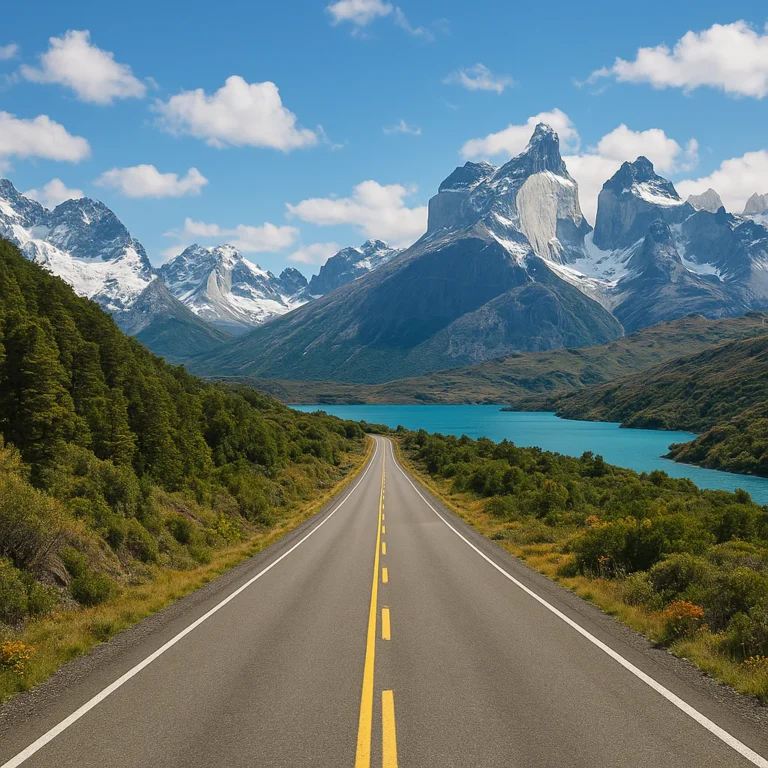
Renting a campervan in Chile Patagonia is the single best way to unlock the region’s raw beauty, offering the freedom to chase sunsets and dodge sudden storms on your own schedule. Whether you are eyeing the gravel roads of the Caretera Austral or the glacial views of Tores del Paine, securing a 4×4 campervan is your ticket to an authentic adventure that hotels simply cannot match.
Imagine waking up to the sound of wind howling outside your van, only to step out and find a herd of guanacos grazing inches from your door. That is the magic of Patagonia road trips; you aren’t just a passenger in the landscape, you are part of it.
We once watched a bus tour struggle to navigate a muddy river crossing while our Toyota Hilux camper splashed through with ease, leaving the tourists behind to wait for a tow. That moment of pure, unadulterated freedom is exactly why you should rent a campervan Chile Patagonia.
Key Takeaways
- ✅ 4×4 is Essential: For the true Caretera Austral experience, a 4×4 campervan is non-negotiable to handle river crossings and rough gravel tracks.
- ✅ Wild Camping Rules: You can sleep anywhere outside national parks, but Tores del Paine strictly requires designated campsites or refugios.
- ✅ Fuel Strategy: Gas stations are scarce; fill up whenever you see one, even if your tank is half full, to avoid being stranded.
- ✅ Seasonal Timing: The best time to rent a campervan is during the summer (Dec-Feb) or shoulder season (Mar-Apr) for optimal weather and road access.
Table of Contents
- ⚡️ Quick Tips and Facts
- 🏔️ From Sheep to Steel: The History of Campervan Travel in Chilean Patagonia
- 🚐 Why Rent a Campervan in Chile Patagonia? The Ultimate Freedom Formula
- 📋 Top 10 Must-Have Features for Your Patagonian Camper Rental
- 🗺️ The Ultimate 2-Week Itinerary: Driving the Caretera Austral and Beyond
- 🛣️ Navigating the Roads: 4×4 vs. 2WD in Patagonia’s Wild Terrain
- ⛺️ Where to Sleep: A Guide to Campgrounds, Wild Camping, and Refugios
- 🍳 Cooking in the Wild: Essential Gear and Local Ingredients for Your Kitchenette
- 🌦️ Patagonia Weather: How to Pack for Four Seasons in One Day
- 💰 Budget Breakdown: How Much Does a Patagonia Campervan Trip Really Cost?
- 🚫 Common Pitfalls: What Not to Do When Renting a Camper in Chile
- 🤝 Who is This Adventure For? Matching Your Travel Style to the Right Rig
- 🏢 Choosing the Right Rental Company: Wicked Campers vs. Local Specialists
- 📝 The Nitty-Grity: Insurance, Deposits, and Paperwork Explained
- 🚗 Picking Up and Dropping Off: Depot Locations in Santiago, Puerto Mont, and Punta Arenas
- 🌲 Eco-Friendly Travel: Leave No Trace Principles for Chilean National Parks
- 📱 Staying Connected: SIM Cards, Wi-Fi, and Offline Maps in the Middle of Nowhere
- 🏁 Conclusion: Is a Campervan the Best Way to See Patagonia?
- 🔗 Recommended Links: Gear, Maps, and Booking Platforms
- 📚 Reference Links: Official Tourism Boards and Safety Resources
⚡️ Quick Tips and Facts
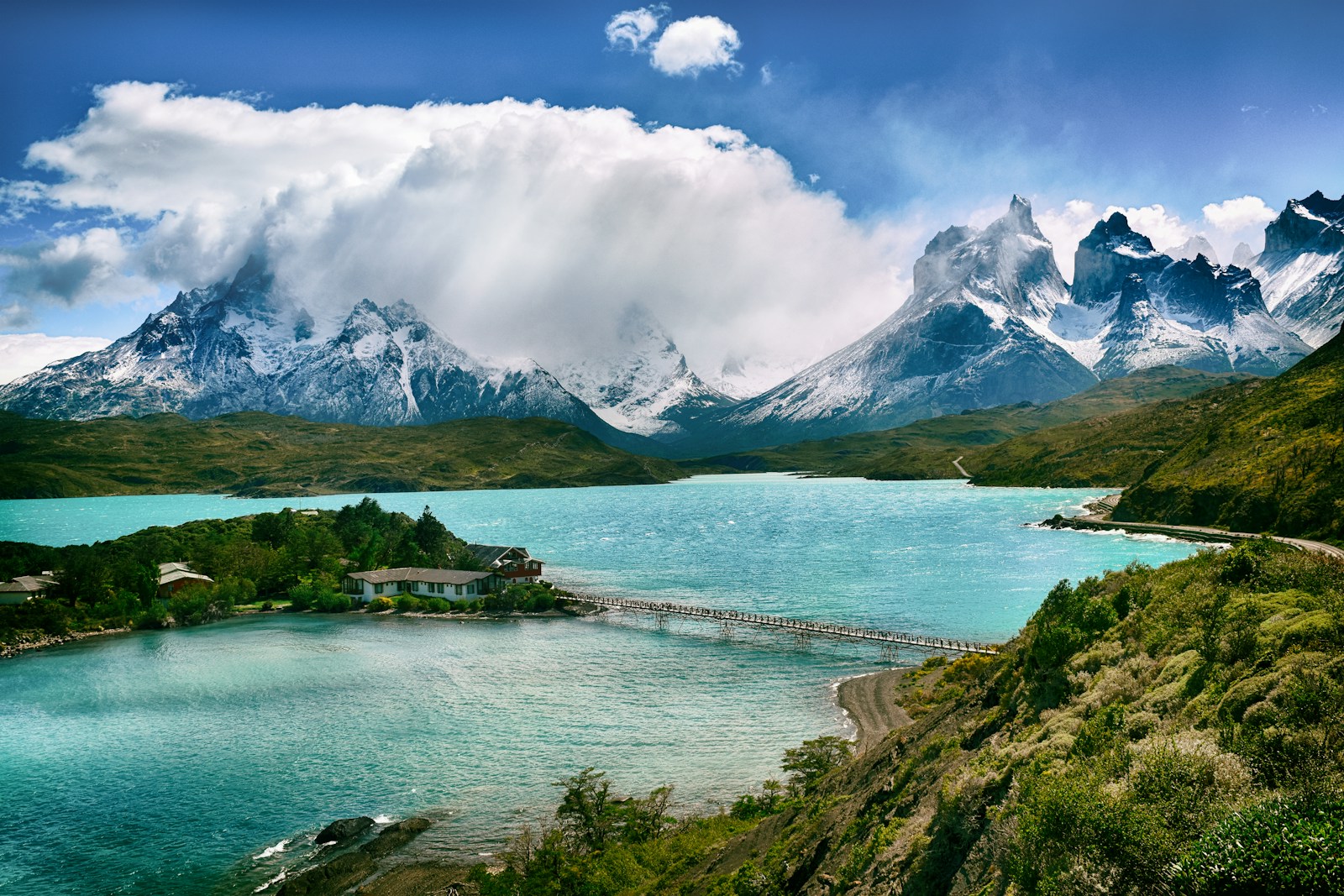
Before you even start dreaming about the turquoise waters of Lago Grey or the wind-swept plains of the Caretera Austral, let’s get the hard truths out of the way. We’ve driven these roads, slept in these vans, and yes, we’ve also dealt with the occasional flat tire in the middle of nowhere. Here is the unfiltered scoop on renting a campervan in Chile Patagonia:
- ✅ The Wind is Real: Patagonia doesn’t just have wind; it has a personality. It can push your van sideways on gravel roads. If you’re renting a high-top van, drive slower than you think you need to.
- ✅ 4×4 is Non-Negotiable for the Austral: While you can stick to paved highways in a 2WD, the real magic of Patagonia lies on the unpaved Caretera Austral. A 4×4 campervan (like the Toyota Hilux setups) is your golden ticket to freedom.
- ✅ Wild Camping is a Double-Edged Sword: You can wild camp (bivouac) in many remote areas, but Tores del Paine National Park is strict. Inside the park, you must stay in designated campsites or refugios. Outside? Be invisible, be clean, and leave no trace.
- ✅ Fuel is Gold: Gas stations are scarce on the southern routes. Fill up whenever you see a station, even if your tank is half full. Running dry in the middle of a 20km stretch of gravel is a nightmare you don’t want.
- ✅ The “Four Seasons in One Day” Rule: It’s not a myth. You might start the morning in a t-shirt, get caught in a hailstorm by noon, and end the day shivering in a snow flurry. Layer up or freeze.
For a deeper dive into our philosophy on exploring this incredible country, check out our guide on Chile Vacay, where we break down how to turn a simple road trip into a life-altering journey.
🏔️ From Sheep to Steel: The History of Campervan Travel in Chilean Patagonia

You might think the idea of rolling up to a glacier in a self-contained vehicle is a modern trend, but the roots of campervan travel in Chile go deeper than you’d expect.
The Era of the Sheep Shearers
Long before the first Toyota Hilux was modified with a camper shell, the roads of Patagonia were dominated by sheep. The landscape was (and still is) dotted with estancias (ranches). In the early 20th century, the only way to traverse these vast, rugged terrains was on horseback or in heavy, slow-moving trucks. The concept of “fredom” was tied to the seasons of wool shearing, not the freedom of the open road.
The Rise of the 4×4 Revolution
The game changed in the 1980s and 90s. As the Caretera Austral began to take shape (officialy opened in 198), the need for reliable transport grew. Enter the Toyota Hilux. It became the undisputed king of Chilean roads. Its durability in the face of river crossings, mud, and gravel made it the perfect canvas for local mechanics to start building custom camper conversions.
The Modern Boom
Fast forward today, and the scene has exploded. What started as a niche for hardy locals has become a global phenomenon. Companies like Wicked Campers brought the “budget backpacker” model to South America, while local specialists like Yeti Campers and Pampa Cruz focused on high-end, off-grid luxury.
“Hiring a 4×4 in Chile is the best way to leave the beaten track and reach isolated places where wild nature still rules.” — Pampa Cruz
The evolution from sheep shearing to Patagonia road trips mirrors the shift from survival tourism to experiential travel. Now, you aren’t just passing through; you’re living in the landscape.
🚐 Why Rent a Campervan in Chile Patagonia? The Ultimate Freedom Formula
Why would you choose a campervan rental over a hotel hop or a guided bus tour? The answer is simple: Autonomy.
When you book a guided tour, you are on a schedule. When you rent a campervan, you are the schedule.
The Freedom to Pivot
Imagine this: You’re driving down the Caretera Austral, and you spot a herd of guanacos grazing near a hidden waterfall. A bus tour driver keeps moving. You? You pull over, set up your kitchen, brew a coffee, and watch them for an hour. That’s the Patagonia campervan experience.
Cost Efficiency vs. Comfort
Let’s be real: Renting a campervan in Chile can be cheaper than booking hotels and eating out for every meal, especially for two people. You save on accommodation costs by sleeping in the van (where allowed) and on food by cooking your own asados (barbecues).
However, there is a trade-off. You are trading the luxury of a hot shower every night for the adventure of a solar-heated shower in the wild. It’s not for everyone, but for those who crave it, it’s unbeatable.
The “Slow Travel” Philosophy
Patagonia is vast. Trying to rush through it in a week is a recipe for burnout. A campervan forces you to slow down. You stop to appreciate the view because you’re already there. You spend an extra day in a town because the weather turned bad, and you have a cozy bed to retreat to.
📋 Top 10 Must-Have Features for Your Patagonian Camper Rental
Not all campers are created equal. Some are glorified tents on wheels; others are rolling fortresses. Based on our years of testing, here are the 10 non-negotiable features you need when renting a campervan in Chile Patagonia.
| # | Feature | Why It Matters |
|---|---|---|
| 1 | 4×4 Capability | Essential for the Caretera Austral and river crossings. 2WD will get you stuck. |
| 2 | High Ground Clearance | To navigate rocky tracks and deep potholes without scraping the undercariage. |
| 3 | Solar Power System | Grid power is non-existent in the wild. You need solar to charge phones, lights, and fridges. |
| 4 | Insulated Heating | Patagonian nights get freezing, even in summer. A diesel heater is a lifesaver. |
| 5 | Self-Contained Toilet | Not all campsites have facilities. A cassette toilet gives you independence. |
| 6 | Fresh & Grey Water Tanks | Large capacity (10L+) is crucial as water sources aren’t always potable or accessible. |
| 7 | Two-Burner Stove | Cooking a full meal on a single burner is a test of patience you don’t need. |
| 8 | Rof Rack/Storage | You’ll need space for bikes, kayaks, or extra gear. |
| 9 | GPS with Offline Maps | Cell service is spotty. A pre-loaded GPS is your lifeline. |
| 10 | 24/7 Roadside Assistance | Breakdowns happen. You need a company that will come get you, not leave you stranded. |
The “Compact” Trap
Be wary of “compact” vans that claim to sleep four. In our experience, a 2-seater camper (like the Wicked Volt Seater 2) is often more comfortable than a cramped 4-seater. The extra space for gear and movement is worth the extra person you might have to leave behind (or upgrade to a larger vehicle).
🗺️ The Ultimate 2-Week Itinerary: Driving the Caretera Austral and Beyond
You’ve got the keys, the van, and the map. Now, where do you go? The Caretera Austral (Route 7) is the crown jewel of Chilean road trips, but it’s not the only option.
The Classic: Caretera Austral Loop
- Duration: 14–18 Days
- Start/End: Puerto Mont or Puerto Varas
- Route: Puerto Mont → Chaitén → Coyhaique → Puerto Río Tranquilo → Villa O’Higgins (optional extension) → Return.
Day 1-3: The Northern Stretch
Start in Puerto Mont. Drive south through the lush forests of the Llanquihue region. Stop at Hornopirén for a ferry ride to Caleta Gonzalo. This section is mostly paved but transitions to gravel quickly.
Day 4-7: The Heart of Patagonia
Reach Coyhaique, the capital of Aysén. It’s a great hub for supplies. From here, head to Puerto Río Tranquilo to see the famous Marble Caves (Cuevas de Mármol). The water here is a surreal turquoise.
Day 8-1: The Deep South
Continue to Villa O’Higgins. This is the end of the road for many. The drive involves river crossings and steep climbs. If you have a 4×4, you can push further to Cerro Castillo for some of the best hiking in the region.
Day 12-14: The Return
Head back north, perhaps taking a different route through Chilean Patagonia to avoid backtracking, or loop back through the lakes region.
The Alternative: Torres del Paine Circuit
If you have less time, skip the full Austral and head straight to Tores del Paine.
- Route: Fly into Punta Arenas or Puerto Natales.
- Highlights: Grey Glacier, the Towers, and the French Valley.
- Note: You cannot wild camp inside the park. You must book campsites months in advance.
🛣️ Navigating the Roads: 4×4 vs. 2WD in Patagonia’s Wild Terrain
This is the question that keeps travelers up at night: Do I really need a 4×4?
The 2WD Reality
If you stick to the main highways (like the Ruta 9 from Santiago to Puerto Mont, or the paved sections of the Caretera Austral near Coyhaique), a 2WD is fine. You’ll save money on the rental.
❌ The Risk:
- River Crossings: Many shortcuts and scenic detours involve crossing rivers. A 2WD will hydroplane or stall.
- Gravel Roads: The Caretera Austral is 80% gravel. While 2WD can handle it, potholes and loose stones can damage your suspension.
- Weather: Rain turns gravel into mud. A 2WD will get stuck.
The 4×4 Advantage
A 4×4 campervan (like the Toyota Hilux conversions) gives you:
- Confidence: You can tackle any road the map throws at you.
- Access: You can reach remote viewpoints and secluded beaches that 2WDs can’t.
- Safety: In case of a breakdown, you have better traction to get to a signal or a town.
Pro Tip: Even with a 4×4, never attempt a river crossing unless you are 10% sure of the depth and current. If in doubt, turn back.
⛺️ Where to Sleep: A Guide to Campgrounds, Wild Camping, and Refugios
Sleeping in a campervan in Patagonia is an art form. You have three main options, each with its own pros and cons.
1. Designated Campgrounds
- Pros: Safe, often have toilets, showers, and sometimes electricity.
- Cons: Can be crowded, expensive, and require booking months in advance (especially in Tores del Paine).
- Best For: Families, those needing showers, and peak season travel.
2. Wild Camping (Bivouac)
- Pros: Free, secluded, and immersive.
- Cons: No facilities, strict rules in national parks, and you must be self-sufficient.
- Rules:
Allowed: On public land outside national parks.
Forbidden: Inside Tores del Paine, Bernardo O’Higgins, and Queulat National Parks.
Etiquette: Arrive late, leave early, don’t make a fire, and take all trash with you.
3. Refugios
- Pros: Warm, safe, and often have meals.
- Cons: Expensive, no privacy, and you can’t sleep in your van.
- Best For: Hikers doing the “W” or “O” circuit who need a base.
Our Recommendation: Mix it up. Stay in a campground for a night to do laundry and shower, then wild camp for a few nights to enjoy the silence.
🍳 Cooking in the Wild: Essential Gear and Local Ingredients for Your Kitchenette
One of the best parts of renting a campervan is the freedom to eat well. But cooking in the wild requires preparation.
The Gear Checklist
Most rentals come with a basic kit, but we recommend bringing:
- Spices: Salt, pepper, and local merkén (smoked chili powder).
- Cooking Oil: Buy a large bottle in the city.
- Coffee: A French press or Moka pot is essential for those early mornings.
- Water Filter: Even if you have a tank, a backup filter is smart.
Local Ingredients to Hunt For
- Lamb: Patagonia is famous for its lamb. Look for local asados or buy fresh meat in Coyhaique.
- Salmon: Fresh from the rivers and lakes.
- Chese: The Chiloé region produces incredible artisanal cheeses.
- Wine: Chilean wine is world-class. Stock up in the cities before heading south.
Recipe Idea: Patagonian Lamb Stew. Sear the lamb, add potatoes, carrots, and onions, and let it simmer in your van’s pot. The smell alone will make you the most popular camper in the campground.
🌦️ Patagonia Weather: How to Pack for Four Seasons in One Day
If you think you know what to pack, think again. Patagonia weather is unpredictable and extreme.
The Layers Strategy
- Base Layer: Merino wool. It wicks moisture and keeps you warm even when wet.
- Mid Layer: Fleece or down jacket.
- Outer Layer: Waterproof and windproof shell. This is non-negotiable.
- Accessories: Beanie, gloves, and a buff. The wind can strip heat from your body in seconds.
Seasonal Breakdown
- Summer (Dec-Feb): Long days (up to 17 hours of light), but still cold at night. Temps: 10°C to 20°C (50°F – 68°F).
- Shoulder (Mar-May): Fewer crowds, but weather gets wilder. Temps: 5°C to 15°C (41°F – 59°F).
- Winter (Jun-Aug): Snow, ice, and very short days. Many roads close. Not recommended for campervan travel unless you are an expert.
Pro Tip: Always check the Chilean Meteorological Service (Meteochile) website before setting out.
💰 Budget Breakdown: How Much Does a Patagonia Campervan Trip Really Cost?
Let’s talk numbers. While we won’t list specific prices (as they fluctuate wildly), we can give you a realistic budget framework.
Major Cost Drivers
- Rental Fee: 4×4 campers are significantly more expensive than 2WD vans.
- Insurance: Comprehensive coverage is a must. Deductibles can be high.
- Fuel: Diesel is expensive in remote areas.
- Camping Fees: Designated campsites cost money; wild camping is free.
- Food: Cooking saves money, but buying supplies in remote towns is pricier.
Cost Comparison: Campervan vs. Hotel
- Campervan: Higher upfront cost, but you save on accommodation and food. Ideal for 2-4 people.
- Hotel/Bus: Lower daily rental cost, but high accommodation and meal costs. Ideal for solo travelers or those who hate driving.
Verdict: For a family or couple, the campervan is usually the more economical choice, offering better value for the experience.
🚫 Common Pitfalls: What Not to Do When Renting a Camper in Chile
We’ve seen it all. Here are the mistakes you should avoid to ensure your trip is memorable for the right reasons.
- ❌ Ignoring the Road Conditions: Don’t assume the map says “road” means “paved.” Check recent travel reports.
- ❌ Overpacking: Campers have limited space. Pack light and versatile.
- ❌ Skipping the Orientation: Take the time to learn how the van works. Ask about the water system, toilet, and heater.
- ❌ Wild Camping in Forbidden Zones: You can get fined heavily in Tores del Paine. Respect the rules.
- ❌ Running Low on Fuel: Always fill up when you see a station.
🤝 Who is This Adventure For? Matching Your Travel Style to the Right Rig
Is a campervan right for you? Let’s break it down by travel style.
The Freedom Seekers
If you hate schedules and love spontaneity, this is your dream. You can change your plans on a whim.
The Nature Lovers
Want to wake up to the sound of a river? A campervan puts you right in the heart of nature.
The Adventure Families
Great for families who want to teach their kids about self-reliance and nature. But be prepared for limited space!
The Road Trip Couples
Perfect for couples who want to share an intimate experience. Just make sure you get along in close quarters!
The Backpackers
If you’re on a tight budget, a campervan can be a great way to save on accommodation, but be aware of the rental costs.
The Curious Travelers
If you want to explore off the beaten path, a 4×4 is your best friend.
🏢 Choosing the Right Rental Company: Wicked Campers vs. Local Specialists
The market is flooded with options. How do you choose?
Wicked Campers
- Pros: Huge fleet, 24/7 support, budget-friendly, multiple locations.
- Cons: Older vehicles, basic amenities, can be noisy.
- Best For: Budget travelers and first-timers.
Yeti Campers
- Pros: High-quality 4×4 vehicles, personalized service, off-grid ready.
- Cons: Higher price point, limited fleet.
- Best For: Adventure seekers who want reliability and comfort.
Pampa Cruz
- Pros: Specialized in Toyota Hilux conversions, great for off-road.
- Cons: Less brand recognition, may require more planning.
- Best For: Serious off-roaders.
Our Take: If you want budget, go with Wicked. If you want quality and off-road capability, choose Yeti or Pampa Cruz.
📝 The Nitty-Grity: Insurance, Deposits, and Paperwork Explained
Renting a campervan involves a lot of paperwork. Here’s what you need to know.
Insurance
- CDW (Collision Damage Waiver): Usually included, but has a high deductible.
- Super CDW: Reduces the deductible to zero. Highly recommended.
- Theft Protection: Essential for remote areas.
Deposits
Most companies require a security deposit, which is held on your credit card. This can be a significant amount.
Paperwork
- Driver’s License: Valid for at least 6 months.
- Passport: Required for ID.
- Credit Card: Must be in the driver’s name.
Pro Tip: Take photos of the van before you leave the depot to avoid disputes later.
🚗 Picking Up and Dropping Off: Depot Locations in Santiago, Puerto Mont, and Punta Arenas
Where can you pick up your campervan?
- Santiago: Good for starting a long trip, but far from Patagonia.
- Puerto Mont/Puerto Varas: The main gateway to the Caretera Austral.
- Punta Arenas: Ideal for Tores del Paine and the southernmost regions.
One-Way Fees: Be aware that dropping off in a different city often incurs a fee. Plan your route accordingly.
🌲 Eco-Friendly Travel: Leave No Trace Principles for Chilean National Parks
Patagonia is fragile. We must protect it.
Leave No Trace
- Pack it in, pack it out: Take all your trash.
- Respect wildlife: Keep your distance.
- Stay on trails: Don’t damage the vegetation.
- Minimize campfire impact: Use a stove instead of a fire.
Why it matters: The ecosystem is delicate. One piece of trash can harm wildlife.
📱 Staying Connected: SIM Cards, Wi-Fi, and Offline Maps in the Middle of Nowhere
Don’t expect 5G everywhere.
SIM Cards
Buy a local SIM (Claro, Movistar, or Entel) in the cities. Entel often has the best coverage in remote areas.
Offline Maps
Download Maps.me or Google Maps offline before you leave the city.
Wi-Fi
Most campgrounds and towns have Wi-Fi, but it can be slow. Don’t rely on it for navigation.
🏁 Conclusion: Is a Campervan the Best Way to See Patagonia?

So, is renting a campervan in Chile Patagonia the right choice for you?
If you crave fredom, love the idea of sleeping under the stars, and don’t mind a bit of adventure, then absolutely yes. It’s the ultimate way to connect with the landscape.
However, if you prefer luxury, fixed schedules, and no driving, a guided tour might better.
Our Final Verdict: For the adventurous soul, nothing beats the freedom of a Patagonia campervan. It’s not just a trip; it’s a transformation.
🔗 Recommended Links: Gear, Maps, and Booking Platforms
Ready to book your adventure? Here are our top picks for gear and rentals.
- Campervan Rentals:
Wicked Campers: Wicked Campers Chile
Yeti Campers: Yeti Campers
Pampa Cruz: Pampa Cruz Chile - Essential Gear:
Merino Wool Base Layers: Merino Wool on Amazon
Portable Solar Charger: Solar Chargers on Amazon
Water Filter: Water Filters on Amazon - Books:
Lonely Planet Chile: Buy on Amazon
The Patagonia Trail: Buy on Amazon
📚 Reference Links: Official Tourism Boards and Safety Resources
- Chilean National Tourism Service (SERNATUR): SERNATUR
- Meteochile (Weather): Meteochile
- CONAF (National Forest Corporation): CONAF
- Pampa Cruz Chile 4×4 Camper Rental: Pampa Cruz
FAQ

What is the best time of year to rent a campervan in Chilean Patagonia?
The best time is during the Chilean summer (December to February) for the warmest weather and longest days. However, March and April (shoulder season) offer fewer crowds and still decent weather, making it a “sweet spot” for many travelers. Avoid winter (June-August) as many roads close due to snow.
How much does it cost to rent a campervan in Patagonia Chile?
Costs vary based on the vehicle type (2WD vs. 4×4), season, and rental duration. 4×4 campers are generally more expensive. While we don’t list specific prices, expect to pay a premium for off-grid capable vehicles. Always check for seasonal discounts.
Do I need a special license to drive a campervan in Chile?
No, a valid driver’s license from your home country is usually sufficient for tourists. However, it must be valid for at least 6 months. Some companies may require an International Driving Permit (IDP) if your license is not in Spanish.
What are the best campervan rental companies in Puerto Natales?
Wicked Campers and Yeti Campers have strong presence in the region. Yeti Campers is particularly noted for their high-quality 4×4 vehicles and personalized service.
Can I drive a campervan on the Caretera Austral?
Yes, but a 4×4 is highly recommended. The road is mostly gravel, with river crossings and steep sections. A 2WD can manage the paved parts but will struggle on the rougher sections.
Are there designated campsites for campervans in Torres del Paine?
Yes, and they are mandatory. Wild camping is forbidden inside Torres del Paine National Park. You must book campsites or refugios in advance.
What documents do I need to rent a campervan in Chile as a foreigner?
You will need a valid passport, a valid driver’s license (and IDP if required), and a credit card in the driver’s name for the security deposit.
What should I do if my campervan breaks down?
Most reputable companies offer 24/7 roadside assistance. Keep their emergency number handy. If you are in a remote area, try to stay with the vehicle and wait for help.
Is it safe to wild camp in Patagonia?
Generally, yes, as long as you follow the rules. Avoid private land, national parks, and populated areas. Be discreet, leave no trace, and be prepared for the weather.
Read more about “Luxury Glamping in Chilean Patagonia”
How do I prepare for the wind in Patagonia?
Drive slower than usual, especially in high-top vans. Secure all loose items inside the van. Check the weather forecast before setting out.
Read more about “Unique and Off-the-Beaten-Path Places in Chile”
Can I bring my own gear?
Yes, most companies allow you to bring your own gear, but check their policies on weight and storage. Some companies provide basic gear, but bringing your own ensures you have what you need.
Read more about “Valle Nevado Ski Resort Guide”
What is the difference between a 2WD and a 4×4 campervan?
A 2WD is suitable for paved roads and light gravel. A 4×4 is essential for river crossings, deep mud, and rough tracks. For the full Patagonia experience, a 4×4 is recommended.
How do I find water and fuel in remote areas?
Fill up whenever you see a station. Water sources are not always potable. Carry extra water and a filter. Plan your route carefully to avoid running out.
What are the best apps for navigation in Patagonia?
Maps.me and Google Maps (offline) are essential. Waze is less reliable in remote areas.
How do I dispose of waste in a campervan?
Use designated dump stations at campgrounds or service stations. Never dump waste in the wild. Follow Leave No Trace principles.
Is it possible to rent a campervan for a one-way trip?
Yes, but it often incurs a one-way fee. Plan your route carefully to minimize costs.
What are the most common mechanical issues with campervans in Patagonia?
Flat tires, battery issues, and heater problems are common. Regular maintenance and a good roadside assistance plan are crucial.
How do I stay warm in a campervan during winter?
Use a diesel heater, wear warm layers, and use a sleeping bag rated for low temperatures. Insulate the windows with reflective covers.
What are the best places to wild camp in Patagonia?
Remote areas outside national parks, such as along the Caretera Austral (outside protected zones), are great for wild camping. Always check local regulations.
How do I book campsites in Torres del Paine?
Book months in advance through the official CONAF website or authorized operators. They fill up quickly during peak season.