🇨🇱 15 Epic Chilean Landmarks & Natural Wonders (2026)

From the alien silence of the Atacama Desert to the thundering ice of Patagonia, Chile is a country that doesn’t just exist; it performs. Stretching over 4,30 kilometers along the Pacific coast, this slender ribbon of land packs more geological drama into its narrow width than most countries do across entire continents. We’ve trekked the jaged granite spires of Torres del Paine, stood in awe before the silent guardians of Easter Island, and watched the sun paint the lunar landscapes of Valle de la Luna in hues of fire and violet. But here’s the kicker: Chile isn’t just a collection of postcard views; it’s a living, breathing testament to the Earth’s raw power, featuring the world’s driest desert, its highest active volcano, and glaciers that calve with the sound of thunder.

You might be wondering, “With so many incredible sites, where do I even begin?” That’s exactly why we’ve crafted this ultimate guide. We’re not just listing places; we’re sharing the stories, the hidden trails, and the “aha!” moments that only come from boots-on-the-ground experience. Whether you’re chasing the elusive puma in Patagonia or decoding the mysteries of the Moai, this article will be your compass. And if you think you’ve seen it all, wait until you read about the remote, uninhabited fjords accessible only by boat—a secret slice of wilderness that will leave you speechless. Ready to discover the 15 landmarks that define a nation? Let’s dive in.

Key Takeaways

  • Unmatched Diversity: Chile offers a staggering range of ecosystems, from the driest desert on Earth in the north to massive glaciers and temperate rainforests in the south.
  • Adventure Capital: Whether you’re climbing active volcanoes like Villarrica, treking the iconic Tores del Paine, or exploring the Marble Caves, the country is a playground for thrill-sekers.
  • Cultural Depth: Beyond nature, discover the mysteries of Easter Island, the unique wooden churches of Chiloé, and the vibrant wine culture of the central valleys.
  • Best Time to Visit: Plan your trip between November and March for Patagonia and the south, while the Atacama Desert is best visited during the shoulder seasons of March-May or September-November.
  • Essential Preparation: Due to extreme altitude and unpredictable weather, proper gear, aclimatization, and comprehensive travel insurance are non-negotiable for a safe and memorable journey.

Table of Contents


⚡️ Quick

Tips and Facts

Welcome to Chile, a land of unparalleled natural beauty and awe-inspiring landmarks! As your expert team at Chile Vacay™, we’re thrilled to guide you through this incredible country. Chile is a geographical marvel, stretching
over 4,300 kilometers (2,670 miles) from its northern border with Peru to the rugged tip of Cape Horn, yet averaging only about 177 kilometers (110 miles) in width. This slender shape results in an astonishing diversity of climates and ecosystems, from the driest desert on Earth to colossal glaciers and volcanic peaks.

Here are some quick facts to get you started on
your Chilean adventure:

  • Geographic Extremes: Chile boasts the driest desert on Earth, the Atacama, and is home to the most powerful earthquake ever recorded.
  • Three
    -Continent Presence
    : Uniquely, Chile spans three continents: South America, Oceania (with Easter Island), and Antarctica, where it maintains a scientific presence.
  • Volcanic Powerhouse: Situated on
    the Pacific Ring of Fire, Chile harbors over 2,000 volcanoes, with approximately 90 considered active!
  • Travel Restrictions: Great news for travelers! There are currently **no travel restrictions
    ** in Chile, making it easier than ever to explore its wonders.
  • Visa-Free Entry: For many nationalities, including British citizens, a visa is not required in advance for entry
    into Chile. However, citizens from countries like Australia, the US, and Canada may need to pay an entry fee upon arrival. Always check the latest requirements for your specific nationality before
    you fly!
  • Best Time to Visit: This really depends on what you want to experience! For Patagonia and the southern regions, the warmer months of November to March are ideal. For the Atacama Desert, year
    -round visits are possible, but March to May and September to November offer pleasant temperatures.

Ready to dive deeper into what makes Chile so utterly captivating? Let’s go! For a comprehensive overview of the country’s top attractions
, check out our guide on What are the top tourist attractions to see in Chile?.

🏛️ A Brief History of Chilean Landmarks and Natural Wonders
Chile
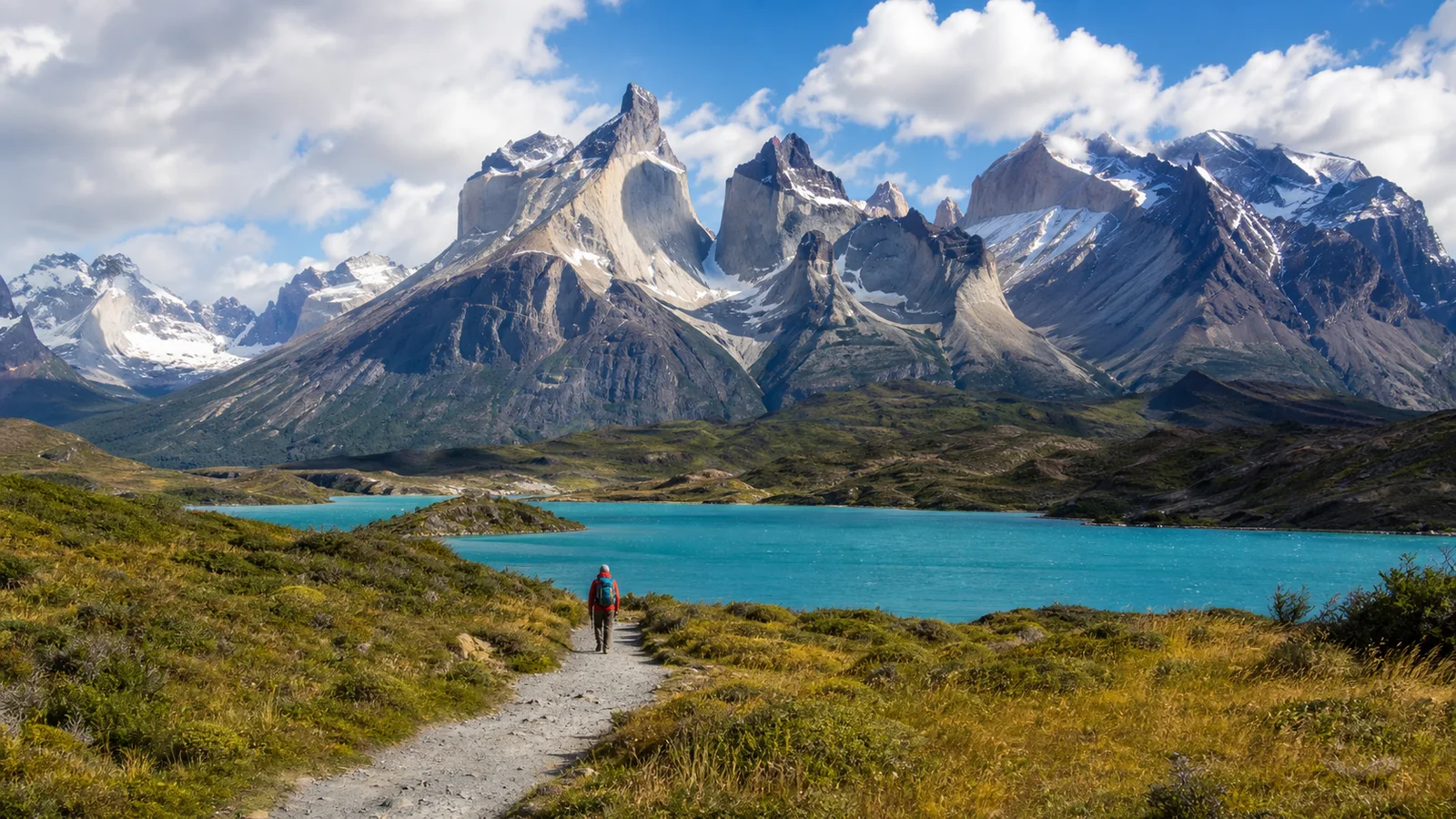
‘s story is etched into its very landscape, a dramatic narrative shaped by millennia of geological forces and centuries of human interaction. From the ancient mysteries of Easter Island to the rugged peaks of the Andes, each landmark tells a tale.

The
formation of the Andes Mountains, our majestic backbone, began millions of years ago with the collision of tectonic plates. This ongoing geological activity continues to shape the country, giving rise to its numerous volcanoes and contributing to its seismic history. Imagine
the sheer power of the Earth at work, carving out valleys, pushing up mountains, and creating the dramatic scenery we marvel at today!

Further north, the Atacama Desert holds secrets of a different kind. Its extreme ar
idity has preserved archaeological sites for thousands of years, offering glimpses into pre-Columbian cultures that adapted to this harsh environment. The desert itself is a living testament to time, with some areas believed to have received no rain for over
400 years.

Then there’s Easter Island (Rapa Nui), a remote speck in the Pacific that continues to baffle historians and archaeologists. Settled by Polynesians around 1280
AD, the island became home to a sophisticated culture that carved and transported nearly 900 colossal Moai statues. How they moved these multi-ton figures across the island without modern machinery remains one of the
world’s great mysteries, though theories involving logs persist. This incredible feat of engineering and artistry speaks volumes about the ingenuity of its ancient inhabitants.

Even the charming wooden churches of Chiloé Island have a
rich history, reflecting the unique blend of indigenous traditions and Jesuit missionary influence that shaped the archipelago’s culture. These UNESCO World Heritage sites are a beautiful example of human creativity adapting to a distinct environment.

Understanding this deep history enriches every
vista and every step you take in Chile. It’s not just about seeing a landmark; it’s about connecting with the forces and peoples who shaped it.

🏔️ The Majestic Andes: Chile’s Mountainous Backbone

Ah, the Andes! You simply can’t talk about Chile without talking about these colossal mountains. They run the entire length of the country
, acting as a dramatic natural border and influencing everything from the climate to the culture. For us at Chile Vacay™, the Andes aren’t just a backdrop; they’re an invitation to adventure!

From the bustling capital of Santiago,
the snow-capped peaks of the Andes loom large, creating a stunning urban-mountain juxtaposition. As Ryan from the “Chile Top 10” video points out, Santiago’s proximity to the Andes offers some really cool nearby places to explore. One such gem is Cajón del Maipo, a spectacular Andean canyon just a couple of hours’ drive from the city. Here, you’ll find a massive reservoir nestled amidst the mountains, perfect for a day trip
of hiking, hot springs, or simply soaking in the incredible scenery.

Why the Andes are a Must-See:

  • Diverse Landscapes: From arid high-altitude deserts in the north to lush forests and glacial valleys in the south,
    the Andes offer an incredible range of ecosystems.
  • Adventure Hub: Think world-class skiing and snowboarding in winter, and phenomenal hiking, mountaineering, and trekking in the warmer months.
  • Wildlife: Keep an eye out for
    condors soaring overhead, guanacos grazing on mountain slopes, and even the elusive puma in remote areas.
  • Cultural Connection: Many Andean communities maintain ancient traditions, offering a glimpse into Chile’s rich indigenous heritage.

Our
Expert Tip
: Don’t underestimate the altitude! When venturing into the higher reaches of the Andes, especially in the northern regions, take time to acclimatize. Drink plenty of water and avoid strenuous activity on your first day.

Recommended
Gear for Andean Exploration:

🌋 Volcanic Wonders: From Villarrica to Ojos del

Salado

Chile is practically a land of fire and ice, thanks to its prime location on the Pacific Ring of Fire! With over 2,000 volcanoes and around 90 considered active, you’re never far from a dramatic
peak. These aren’t just geological features; they’re living, breathing landscapes that offer some of Chile’s most thrilling adventures.

One of the most iconic and active volcanoes is Villarrica,
majestically overlooking the picturesque town of Pucón in the Lake District. As Ryan highlights in his video, Pucón is a perfect base for exploring this region, with the impressive Villarrica volcano as its constant backdrop.
We’ve personally stood at its base, feeling the rumble and seeing the faint glow of lava at its summit – an unforgettable experience! Climbing Villarrica is a popular, albeit challenging, endeavor, offering incredible views and the unique thrill of standing
on an active volcano.

Villarrica Volcano Quick Facts:

Feature Detail
:— :—
Location Lake District, near Pucón
Activity One of Chile’s most active volcanoes, with its last major eruption in 2
015.
Activities Guided ascents (crampons and ice axes required), skiing in winter.
**
Our Take** Absolutely worth it! The guided climb is physically demanding but incredibly rewarding. Seeing the crater up close is a bucket-list item.
Consideration ❌ **Weather
dependent.** Tours can be canceled due to high winds or volcanic activity. Book with reputable operators like Antu Expediciones or Summit Chile.

Further south, in Conguillío National Park, you’ll find **
Llaima Volcano**, another significant active peak. Ryan describes Conguillío as one of the most beautiful and unique places in Chile, with Llaima as its crowning feature. The park is also famous for its ancient
Araucaria trees (monkey puzzle trees), which create a truly primeval landscape against the volcanic backdrop.

But for the ultimate volcanic challenge, look no further than Ojos del Salado. This
behemoth, located in the Atacama Desert, is not only the highest volcano on Earth but also the highest point in Chile, reaching an astonishing 22,615 feet (6,893 meters). Summiting Ojos del Salado is an extreme mountaineering expedition, typically taking 8 to 15 days due to the harsh weather and extreme altitude. The surrounding landscapes are equally stunning, with high
-altitude lakes and abundant wildlife like flamingos and llamas.

Essential Volcano Safety Tips:

  • Always go with a certified guide for volcano ascents. Safety is paramount.
  • Check
    volcanic activity alerts
    before planning your trip.
  • Dress in layers and be prepared for rapidly changing weather conditions.
  • Acclimatize properly if attempting high-altitude climbs.

🏜️ The Atacama Desert: Valle de la Luna and Beyond

Prepare to have your mind blown by the Atac
ama Desert
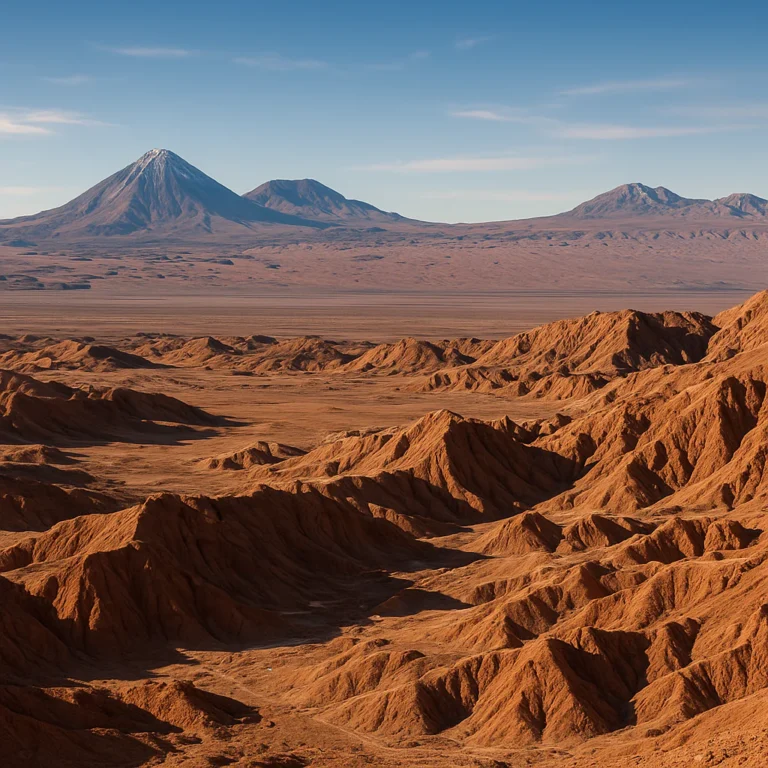
, truly one of the most otherworldly places on our planet! Located in Northern Chile, this isn’t just a desert; it’s the driest place on Earth, with some areas believed to have gone without
rain for over 400 years. Stepping into the Atacama feels like landing on Mars, with its dramatic landscapes, vibrant colors, and profound silence.

Our base for exploring this
incredible region is almost always the charming oasis town of San Pedro de Atacama. From here, a universe of natural wonders unfolds.
Valle de la Luna (Valley of the Moon): A Lunar Landscape

Just a few minutes outside
San Pedro, you’ll discover the iconic Valle de la Luna, or Valley of the Moon. This place is a geological masterpiece, sculpted by wind and water into incredible formations that truly resemble a lunar surface. We’
ve spent countless evenings here, watching the sun dip below the horizon, painting the salt and rock formations in hues of orange, purple, and deep red. It’s a spectacle that never gets old!

Why you MUST visit Valle de la Luna
:

  • Unforgettable Sunsets: The play of light and shadow is simply magical.
  • Unique Geology: Explore caves, sand dunes, and salt formations.
  • Accessibility: Easily reached from San Pedro de
    Atacama via tour or rented bike.

Piedras Rojas (Red Stones): A Vivid Contrast

Venture a couple of hours’ drive from San Pedro, and you’ll encounter Piedras Rojas, or Red Stones. This
surreal landscape features a striking red-hued rock formation set against a unique body of water, creating a breathtaking contrast of colors. The elevation here is over 12,000 feet (3,650 meters), so take it easy and soak in the views. The vibrant red stones, often mirrored in the calm, turquoise waters of nearby lagoons, are a photographer’s dream.

Altiplanic

Lagoons: High-Altitude Oases

The Atacama is also home to stunning Altiplanic Lagoons, high-altitude lakes like Miscanti and Miñiques. These pristine bodies of water, often fringed with white
salt deposits, are nestled amongst towering volcanoes and are home to diverse wildlife, including flamingos. The sheer beauty and tranquility of these remote oases are simply captivating. The Atacama Salt Flat itself is a vast expanse, one
of the largest in the world, where you can witness the incredible power of evaporation.

Lauca National Park & Ojos del Salado: Beyond San Pedro

For those willing to venture further north, Lauca National Park
offers even more high-altitude wonders. Located in the very northern part of Chile, near the town of Arica, it’s about a three-hour drive to reach this park, which sits at an elevation of around 15
,000 feet (4,500 meters). Here, you’ll find stunning lakes like Lago Chungará and the majestic Parinacota volcano as a backdrop, creating truly
bizarre and beautiful scenery.

And of course, we can’t forget Ojos del Salado, the world’s highest volcano, which we discussed earlier, also calls the Atacama home. The areas surrounding it are equally stunning, with high-altitude lakes and abundant wildlife such as flamingos and llamas.

Our Top Atacama Tip: The desert air is incredibly dry, and the sun is
intense. Hydrate constantly and use high-SPF sunscreen! Don’t forget your wide-brimmed hat and sunglasses. We also highly recommend bringing a good camera to capture the incredible light and colors of this unique
destination. [link to Atacama Desert internal category: https://www.chilevacay.com/category/destinations/atacama-desert/]

👉 Shop Atacama Essentials on:

🌊 Patagonia’s Glaciers: Are They Worth the Trek?

Absolutely, unequivocally, YES! Patagonia’s glaciers are not just “worth a visit”; they are a transformative experience
that will leave you speechless. This is where the raw power of nature is on full display, with colossal ice formations carving their way through ancient valleys. If you’re wondering whether to brave the Patagonian winds for a glimpse of these
icy giants, our answer is a resounding “Pack your bags!”

The southern reaches of Chile are home to some of the most spectacular ice fields outside of the polar regions. The sheer scale of these glaciers is difficult to comprehend until you’
re standing before them, hearing the creaks and groans of the ice, and witnessing massive chunks calve off into turquoise waters.

Grey Glacier: Torres del Paine’s Icy Marvel

Within the iconic Torres del
Paine National Park
, the Grey Glacier is a true showstopper. This immense glacier, part of the Southern Patagonian Ice Field, flows into Lake Grey, where icebergs of all shapes and sizes drift serenely. We’ve taken
navigation tours across Lake Grey, getting up close and personal with these floating sculptures, feeling the chill in the air, and marveling at the intense blue hues of the ice. It’s an experience that truly puts you in perspective
against the grandeur of nature.

Our Glacier Expedition Tip: Dress warmly in layers, even in summer! The wind off the ice can be biting. A good waterproof jacket is essential.

The Patagonian Fjords: Un

charted Icy Wilderness

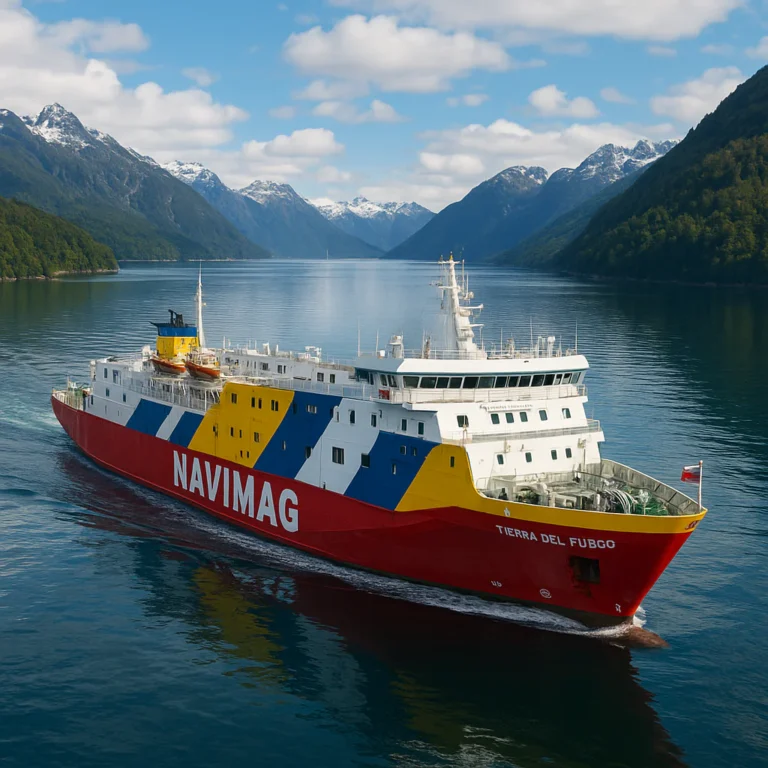
Beyond the well-trodden paths of Torres del Paine lies the truly remote and uninhabited region of the Patagonian Fjords. As Ryan from the “Chile Top 10” video excitedly describes, this is
a vast, wild area on Chile’s side of Patagonia, home to some of the most unbelievable and untouched scenery on Earth. There are no roads or ports here; the only way to reach these hidden gems is by boat
.

Imagine cruising through narrow fjords, surrounded by towering cliffs, cascading waterfalls, and countless named and anonymous glaciers that few humans have ever seen. An expedition cruise specializing in this region is
undoubtedly the best way to experience this raw and beautiful wilderness. It’s a journey into a truly pristine environment, where every turn reveals a new, breathtaking vista.

Why a Glacier Trek is an Unforgettable Adventure
:

  • Unparalleled Beauty: The vibrant blues of the ice, contrasted with the rugged mountains, are simply stunning.
  • Sense of Scale: Standing next to a glacier makes you feel tiny in the best
    possible way.
  • Unique Activities: From boat tours to ice trekking (with specialized guides and equipment), there are various ways to interact with the ice.
  • Cost: Glacier tours and expedition cruises can be
    a significant investment, but we believe they offer exceptional value for the experience.
  • Weather: Patagonian weather is famously unpredictable. Be prepared for all four seasons in a single day!

CHECK PRICE on Glacier Tours &
Cruises:

🏞️ Torres del Paine National Park: The Crown Jewel of Chile

If Chile had a crown, Torres del Paine National Park would undoubtedly be its most sparkling jewel. This
UNESCO Biosphere Reserve in Chilean Patagonia is consistently ranked among the world’s most spectacular national parks, and for very good reason! For us at Chile Vacay™, it’s not just a destination; it’s a pilgrimage.

Ryan from the
“Chile Top 10” video calls Torres del Paine his favorite place in Chile, and we wholeheartedly agree! The moment you arrive, the sheer scale and dramatic beauty hit you. We flew into Punta Aren
as, then took a scenic four-hour drive to the park, and as Ryan recounts, the views of the Los Cuernos mountains are simply incredible.

The Iconic Mirador Base Las Torres Hike

: A Challenge Worth Every Step

One of the main draws, and arguably the most famous hike in all of Patagonia, is the trek to Mirador Base Las Torres. This isn’t a stroll in the park; it’s a
challenging 12.5-mile (20 km) round trip with about 3,000 feet (914 meters) of elevation gain. We started our hike around 8 AM, a
recommendation Ryan also gives, as the last section to the lake closes at 3 PM, and it takes about four hours to reach it.

The trail winds through diverse landscapes: a flat walk, a challenging incline,
and then a beautiful view into a valley. We even stopped at Refugio Chileno halfway, a great spot for a rest and a bite to eat. The final section is an uphill scramble, tough but incredibly rewarding when
you finally reach the top and are greeted by the awe-inspiring sight of the three granite towers reflected in the glacial lake below. We spent a good hour soaking it all in, recovering from the eight-hour trek
– truly one of the hardest, but most worthwhile, day hikes we’ve ever done.

Beyond the Towers: Lakes, Wildlife, and Unforgettable Views

But Torres del Paine is so much more than just
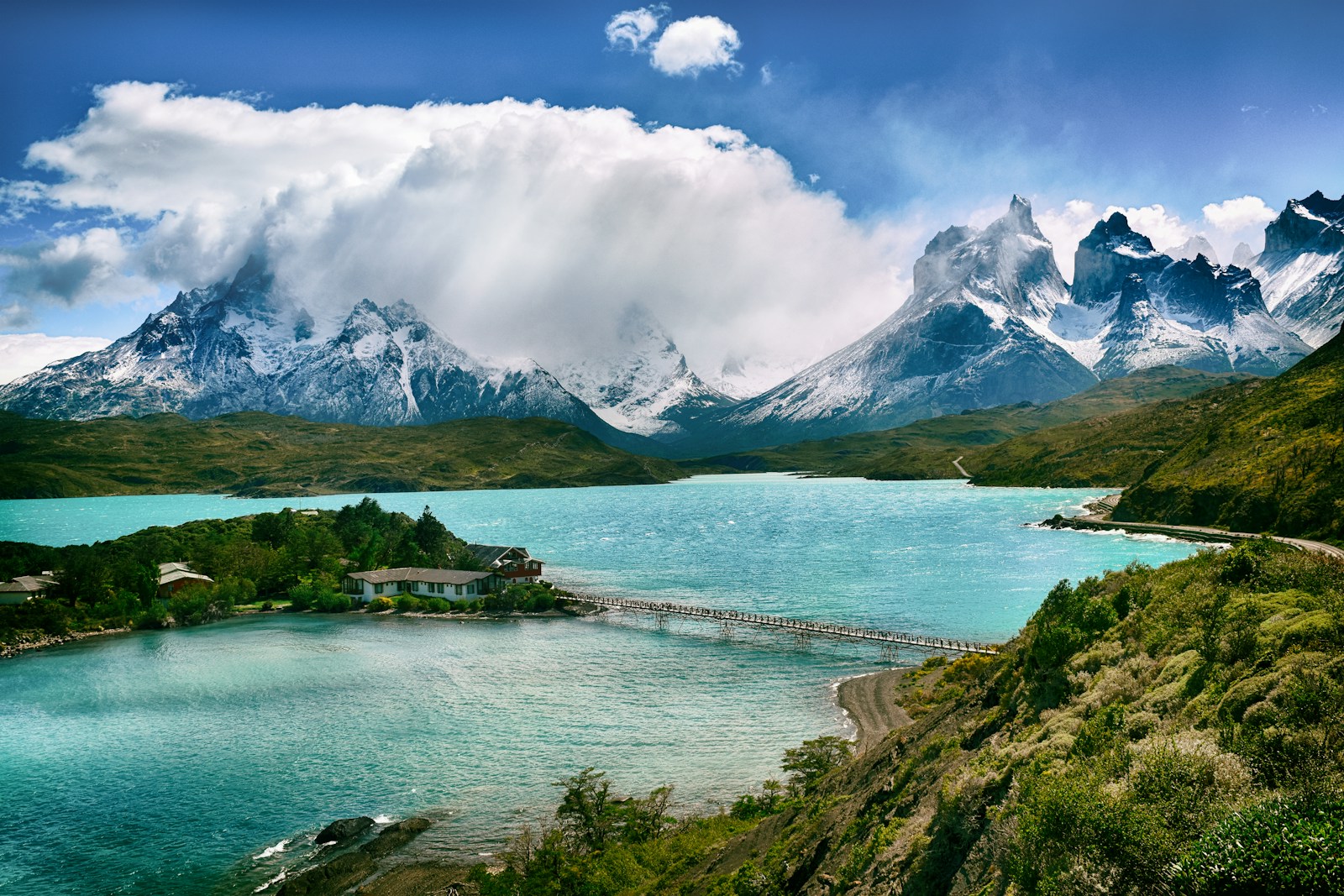
the towers. The park is a tapestry of turquoise lakes, emerald forests, and vast grasslands. Lake Pehoé, with its striking blue color, is particularly stunning, especially when the Patagonian winds whip up waves across its surface. We’ve stopped at numerous lookouts, hiking up to vantage points that offer incredible panoramic views of the Los Cuernos mountains and the surrounding wilderness.

Wildlife Encounters: Torres del Paine is a
haven for wildlife. You’ll almost certainly spot Guanacos, those elegant llama-like creatures, grazing freely. But the real prize for many is spotting the elusive Puma. Ryan had
an incredible experience on a Puma expedition with Lion Amara on private land just outside the park. Starting at 5 AM, they encountered multiple pumas, including a mother and her cub – an absolute adrenaline rush and
an “extremely lucky” encounter, as their guide noted. While expensive, the chance to see these magnificent creatures in the wild is 100% worth it.

Our Torres
del Paine Essentials:

  • Park Entry: As Ryan mentions, it was $55 per person for a three-day pass during his visit. Always check current prices on the official CONAF website.

Accommodation: Options range from luxury hotels like Hotel Las Torres Patagonia to more rustic refugios and campsites within and just outside the park. Book well in advance!

  • Hiking Gear: Sturdy hiking boots, waterproof and
    windproof layers, and a good daypack are non-negotiable.
  • Puma Tracking: If wildlife photography or viewing is a priority, consider a specialized tour with reputable operators like Lion Amara (as mentioned by Ryan) or Puma Tracking Patagonia.

CHECK PRICE on Torres del Paine Tours & Accommodation:

🏝️ Easter Island (Rapa Nui): Mysteries of

the Moai

Prepare to be transported to one of the most remote and enigmatic places on Earth: Easter Island, or Rapa Nui as it’s known to its indigenous people. This tiny speck of land, located
a staggering 3,000 kilometers (1,864 miles) off the coast of Chile, is a testament to human ingenuity and a captivating mystery that continues to intrigue travelers and scientists alike.

Getting there is an adventure in itself! As Ryan points out, the only way to reach Easter Island is via a five-and-a-half-hour flight from Santiago. But trust us, the journey
is absolutely worth it for what awaits you.

The Enigma of the Moai Statues

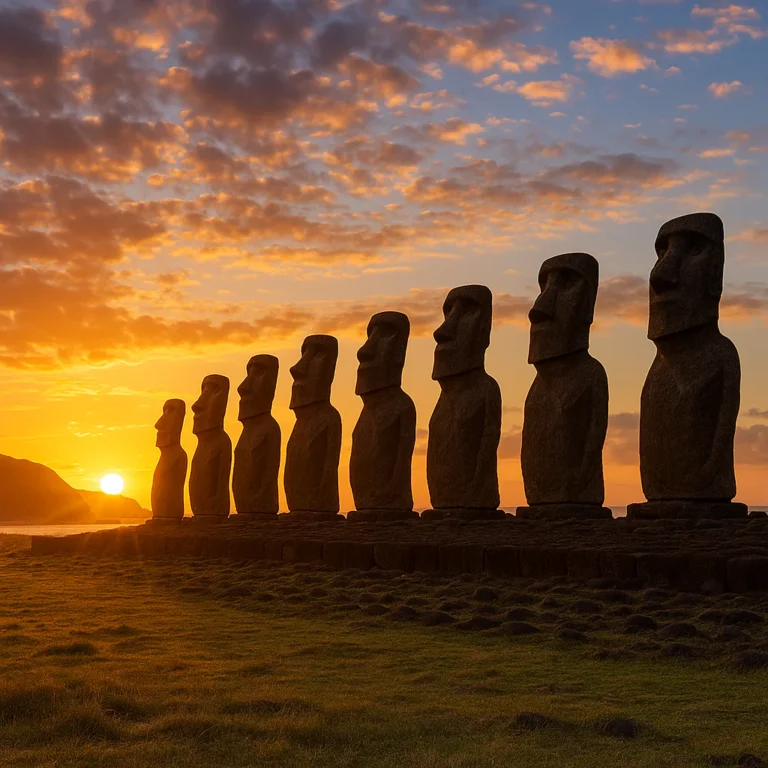
The island’s fame rests squarely on its colossal Moai statues. These monolithic human figures, carved from volcanic rock, stand silent
vigil across the landscape, their backs to the sea. It’s believed the island was settled around 1280 AD by Polynesians who sailed from French Polynesia, and these incredible statues are a legacy of their sophisticated culture.

There are approximately 900 Moai scattered across the island, with the tallest reaching over 10 meters (33 feet) high and weighing over 80 tons. The biggest
question that still sparks debate is: How were these massive statues transported and erected? While the exact methods remain a mystery, the prevailing theory involves the use of logs and ropes, a monumental undertaking for an ancient civilization.

Must-See Moai Sites: Ahu Tongariki and Rano Raraku

Two sites stand out as absolute must-visits for experiencing the Moai:

  1. Ahu Tongariki: This is arguably
    the most iconic image of Easter Island. Here, 15 massive Moai stand perfectly lined up on a ceremonial platform (ahu), with a giant view of the coast behind them. We’ve witnessed countless
    sunrises here, watching the first rays of light illuminate these ancient guardians – it’s a truly spiritual experience.
  2. Rano Raraku: Known as the “Moai factory,” this is the volcanic quarry
    where almost all the Moai were carved. It’s a fascinating and poignant site, with hundreds of unfinished statues still embedded in the volcanic rock, some partially carved, others lying fallen as if abandoned mid-transport. Walking
    among them gives you a profound sense of the scale of the Rapa Nui people’s artistic and engineering ambition.

Our Easter Island Reflection: The island’s history is not without its complexities, including environmental degradation and resource depletion that
may have contributed to the decline of the Rapa Nui civilization. Reflecting on this adds another layer of depth to your visit.

Essential Easter Island Tips:

  • Book Flights Early: Flights to Easter Island (operated by LATAM Airlines) can be expensive and fill up quickly.
  • Respect the Sites: The Moai and Ahu are sacred. Do not touch them or climb on them.
  • Rent a Car/Scooter: While
    tours are available, renting your own transport gives you the freedom to explore at your own pace.
  • Learn a few Rapa Nui phrases: A simple “Kia ora” (hello) goes a long way!

<
a id=”chilo%C3%A9-island-myth-architecture-and-coastal-charm”>

🏘️ Chiloé Island: Myth, Architecture, and Coastal Charm

South of the Lake District, a
short ferry ride takes you to a place unlike anywhere else in Chile: Chiloé Island. This enchanting archipelago is steeped in unique culture, vibrant mythology, and a distinct architectural style that will capture your heart. For us at Chile Vac
ay™, Chiloé is a refreshing contrast to the dramatic landscapes of Patagonia and the Atacama, offering a deep dive into Chilean folklore and coastal life.

Chiloé is instantly recognizable by its colorful wooden churches, many of which are UNESCO
World Heritage sites. These architectural marvels, built without nails, showcase a unique blend of European Jesuit influence and indigenous Chilote craftsmanship. Each church has its own character, often painted in bright hues, standing proudly against the island’s green
hills and misty skies. We love wandering through the small towns, discovering these charming structures around every corner.

Palafitos: Houses on Stilts

Another iconic sight in Chiloé, particularly in the capital city of Castro, are the
palafitos. These brightly painted wooden houses are built on stilts over the water, creating a picturesque waterfront scene. Imagine waking up to the gentle lapping of the tides beneath your home! They’re not just pretty; they’re
a clever adaptation to the island’s coastal environment, allowing residents to live directly over the sea.

Myth and Magic: The Heart of Chilote Culture

Chiloé is famously known as the “Island of Magic.” Its rich
oral tradition is filled with fascinating myths and legends, from the mischievous Trauco and the seductive Pincoya to the ghostly ship Caleuche. These stories are woven into the fabric of daily life, and you’ll find locals
eager to share them. It’s a truly immersive cultural experience, a stark contrast to the purely natural wonders elsewhere.

Marine Life and Gastronomy

The waters around Chiloé are teeming with life. Keep an eye out for
dolphin navigation tours, where you might spot various marine species. The island’s unique bay is a haven for marine life, and its culinary scene reflects this abundance. You absolutely must try a Cur
anto al Hoyo
, a traditional Chilote feast cooked in a pit in the ground with hot stones, combining seafood, meats, and potatoes – a truly communal and delicious experience!

Why Chiloé is a Special Stop:

Cultural Immersion: Experience a distinct Chilean culture, rich in folklore and tradition.

  • Unique Architecture: Marvel at the wooden churches and palafitos.
  • Delicious Food: Indulge in fresh seafood
    and traditional Chilote dishes.
  • Relaxed Pace: A perfect place to slow down and enjoy island life.
  • Weather: Can be rainy and misty, especially outside of summer months. Pack layers and
    waterproofs!

Recommended Experience: Take a boat trip around the smaller islands of the archipelago to discover hidden coves and charming fishing villages.


### 🌊 The Marble Caves of General Carrera Lake

Prepare for a visual feast that will leave you utterly mesmerized! Tucked away in the heart of Chilean Patagonia, on the turquoise waters of General Carrera Lake, lie the breathtaking **
Marble Caves (Capillas de Mármol)**. This geological wonder is a masterpiece sculpted by nature, and it’s an absolute must-see on any Patagonian itinerary.

Imagine a labyrinth of caverns and tunnels carved into
solid marble cliffs, their surfaces polished smooth by thousands of years of wind and waves. The lake’s incredibly pure, glacial meltwater reflects an ethereal blue light onto the marble, creating a mesmerizing dance of colors that shift
with the time of day and the weather. We’ve visited these caves multiple times, and each visit reveals new shades of blue, green, and grey, making it a truly dynamic experience.

Exploring the Azure Labyrinth

The best
way to experience the Marble Caves is by boat tour. Small boats, often departing from the nearby town of Puerto Río Tranquilo, navigate through the intricate passages, allowing you to get up close to the smooth, swirling patterns of the marble. You’ll weave through the “Marble Cathedral” (Catedral de Mármol), the “Marble Chapel” (Capilla de Mármol), and the “Marble Cave” (Cueva de Mármol), each
offering a unique perspective on this natural artwork.

Our Anecdote: On one particularly sunny day, the water was so calm and clear that the reflections of the marble formations on the surface were almost indistinguishable from the actual caves.
It felt like we were floating through a dream!

Key Facts about the Marble Caves:

  • Location: General Carrera Lake (Lago General Carrera), Aysén Region, Chilean Patagonia.

  • Formation: Car
    ved by water erosion over thousands of years into marble cliffs.

  • Best Time to Visit: The austral summer (December to March) offers the calmest waters and best light, though tours run year-round, weather permitting.

  • Access: Tours typically depart from Puerto Río Tranquilo.

  • Photography: Bring a wide-angle lens to capture the full grandeur, and be prepared for low light inside some caverns.

Why the Marble Caves
are a Highlight:

  • Unforgettable Beauty: The vibrant colors and unique formations are truly one-of-a-kind.
  • Photographer’s Dream: Endless opportunities for stunning shots.

Accessible Adventure: Boat tours are suitable for most ages and fitness levels.

  • Weather Dependent: Strong winds can make boat tours impossible or very choppy. Always have a backup plan.
  • ❌ **Remote Location
    **: Requires travel along the Carretera Austral, which can be time-consuming but incredibly scenic.

CHECK PRICE on Marble Caves Tours:

🏴 ☠️ Robinson Crusoe Island: Real

-Life Castaway Adventures

Ever dreamt of being a castaway on a remote, pristine island? Then Robinson Crusoe Island is calling your name! Part of the Juan Fernández Archipelago, this isolated volcanic island holds a captivating history,
famously inspiring Daniel Defoe’s classic novel, Robinson Crusoe. It’s a place where reality and fiction intertwine, offering a truly unique adventure for those seeking to escape the ordinary.

The island’s real-life cast
away was a Scottish sailor named Alexander Selkirk, who was voluntarily marooned here in 1704 for over four years. His incredible story of survival in isolation became the basis for Defoe’s fictional tale. Walking on
Robinson Crusoe Island, you can almost feel Selkirk’s presence, imagining his struggles and triumphs against the wild.

A UNESCO Biosphere Reserve

Beyond its literary connection, Robinson Crusoe Island is a **UNESCO Biosphere Reserve
**, recognized for its extraordinary biodiversity and high degree of endemism. This means many plant and animal species found here exist nowhere else on Earth! The island’s rugged terrain, lush forests, and dramatic cliffs are home to unique flora and fauna, including
the endangered Juan Fernández firecrown hummingbird.

What to Expect on Robinson Crusoe Island:

  • Remote Beauty: Expect stunning, untouched landscapes, crystal-clear waters, and a profound sense of tranquility.
  • **Hiking
    **: Explore trails that lead to panoramic viewpoints, hidden beaches, and historical sites, including Selkirk’s Lookout.
  • Diving and Snorkeling: The surrounding waters are a diver’s paradise, with abundant marine life, including
    lobsters and various fish species.
  • Local Culture: Interact with the small, resilient community of islanders, primarily fishermen, who maintain a unique way of life.

Our Personal Take: This isn’t a destination
for luxury resorts or bustling nightlife. It’s for the adventurous spirit, for those who appreciate raw nature and a deep connection to history. Getting there involves a flight from Santiago to the island’s small airstrip, followed by a boat transfer
to the main village of San Juan Bautista. It’s a journey, not just a trip!

Why Robinson Crusoe Island is an Underrated Gem:

  • Unique History: Walk in the footsteps of a real-life cast
    away.
  • Exceptional Biodiversity: Discover species found nowhere else.
  • Peace and Quiet: Escape the crowds and reconnect with nature.
  • Accessibility: Getting there requires careful planning and can be
    affected by weather.
  • Limited Infrastructure: Don’t expect extensive amenities; embrace the rustic charm.

Recommended Reading: Before you go, pick up a copy of Daniel Defoe’s Robinson Crusoe
to fully appreciate the island’s legacy! [Amazon link to Robinson Crusoe book: https://www.amazon.com/Robinson-Crusoe-Daniel-Defoe/dp/0486290597/]

🏂 Winter in Chile: Skiing, Snowboarding, and Seasonal Magic

When the Northern Hemisphere is
sweltering in summer, Chile transforms into a winter wonderland, offering some of the best skiing and snowboarding in South America! For us at Chile Vacay™, the winter months (roughly June to September) are a magical time to explore a
different side of the country, where the Andes are blanketed in pristine snow and cozy mountain towns beckon.

Chile’s ski resorts are renowned for their incredible powder, challenging terrain, and breathtaking Andean backdrops. Whether you’re a seasoned
pro or a beginner hitting the slopes for the first time, there’s a resort that’s perfect for you.

Top Ski Resorts in Chile:

  1. Valle Nevado: Just a couple of hours from
    Santiago, Valle Nevado is Chile’s largest ski resort and boasts a modern infrastructure, extensive terrain, and stunning views. It’s known for its dry, light powder and heli-skiing opportunities.
  2. Port
    illo
    : Nestled high in the Andes near the Argentine border, Portillo is legendary. It’s one of the oldest and most famous ski resorts in South America, known for its iconic yellow hotel, challenging slopes, and a more intimate, luxurious
    atmosphere. It’s a favorite training ground for Olympic athletes.
  3. El Colorado & La Parva: These two resorts are also close to Santiago and are popular choices for day trips or longer stays. They offer a variety
    of slopes and are easily accessible.
  4. Nevados de Chillán: Further south, this resort is famous not only for its skiing but also for its natural hot springs, offering the perfect way to relax and soothe tired muscles after a
    day on the slopes.

Beyond the Slopes: Winter Adventures

Winter in Chile isn’t just about skiing. The snowy landscapes open up a whole host of other magical experiences:

  • Snowshoeing: Explore serene
    , snow-covered forests and enjoy the tranquility of the mountains.
  • Hot Springs: Many regions, especially in the Lake District, boast natural hot springs that are even more inviting when surrounded by snow.
  • Co
    zy Mountain Retreats
    : Imagine curling up by a fireplace with a glass of Chilean Carmenere after a day of winter activities.
  • Patagonian Winter: While some areas become less accessible, a winter visit to parts of Patagonia can offer
    stark, dramatic beauty and fewer crowds.

Our Winter Wisdom: Book your accommodations and lift tickets in advance, especially if traveling during peak season (July and August). Consider renting a 4×4 vehicle if you plan to drive to
the resorts, as road conditions can be challenging.

CHECK PRICE on Ski & Snowboard Gear:

🧗 The Ultimate Guide to Adventure Travel in Chile

If your idea of a perfect vacation involves an adrenaline rush, breathtaking scenery, and pushing
your limits, then Chile is your ultimate playground! As expert adventure seekers at Chile Vacay™, we can confidently say that this country offers an unparalleled array of thrilling activities, making it a dream destination for any adventure traveler. [link to Adventure Travel internal category: https://www.chilevacay.com/category/adventure-travel/]

From Desert Dunes to Patagonian Peaks: Your Adventure Awaits

Chile’s incredible geographical diversity means that no matter what kind of
adventure you crave, you’ll find it here:

  • Trekking and Hiking: This is arguably the most popular adventure activity, and for good reason!
  • Torres del Paine (Patagonia): The
    “W” and “O” treks are world-famous, offering multi-day journeys through stunning glacial valleys, past iconic granite peaks, and alongside turquoise lakes. The day hike to Mirador Base Las Torres, as we discussed, is a challenging
    but incredibly rewarding experience.
  • The Andes: Countless trails, from casual day hikes near Santiago to multi-day expeditions up volcanic peaks like Villarrica or Osorno.
  • Conguillío National Park: Explore ancient Araucaria forests and volcanic landscapes around Llaima volcano.
  • Mountaineering and Volcano Climbing: For serious
    climbers, Chile offers formidable challenges.
  • Ojos del Salado: The highest volcano in the world and Chile’s highest peak, a serious expedition for experienced mountaineers.

Villarrica Volcano**: Guided ascents offer the thrill of standing on an active volcano, often requiring crampons and ice axes.

  • Water Sports:
  • Kayaking and Rafting: The rivers of the
    Lake District, like the Trancura River near Pucón, offer excellent white-water rafting opportunities. Kayaking among the icebergs on Lake Grey in Torres del Paine is another unforgettable experience.
  • Surfing:
    The Pacific coastline, particularly around Iquique and Pichilemu, boasts fantastic surf breaks. Ryan even mentions the cool sand dunes around Iquique.
  • Scuba Diving: Explore the rich
    marine life around Easter Island or the unique ecosystems of the Juan Fernández Archipelago (Robinson Crusoe Island).
  • Mountain Biking: Chile’s diverse terrain, from desert trails to forest paths, is perfect for mountain biking enthusiasts. The Carretera
    Austral, though mostly unpaved, offers incredible scenic cycling opportunities.
  • Skiing and Snowboarding: As covered, Chile’s winter (June-September) is prime time for world-class skiing in
    resorts like Valle Nevado and Portillo.
  • Sandboarding: In the Atacama Desert, particularly in Valle de la Luna, you can try sandboarding down massive dunes, a thrilling desert adventure!

Planning Your Chilean

Adventure: Expert Advice

  • Fitness Level: Be honest about your fitness. Some treks are extremely demanding.
  • Guided vs. Independent: For complex or high-risk activities (mountaineering, glacier trekking), always
    hire certified guides. For well-marked trails, independent hiking is often feasible.
  • Gear Up: Invest in quality gear. Good hiking boots, layered clothing, waterproofs, and sun protection are crucial.
  • Travel
    Insurance
    : Always, always have comprehensive travel insurance that covers adventure activities.
  • Leave No Trace: Practice responsible tourism. Pack out everything you pack in, respect wildlife, and stay on marked trails.

**Our Ultimate Adventure Challenge
**: Consider tackling a section of the Carretera Austral (Chile’s Route 7). This legendary road, stretching from Puerto Montt through rural Patagonia to Villa O’Higgins, is one of the most scenic drives in
South America. While much of it remains unpaved, it offers hundreds of places to explore, including Queulat National Park with its stunning Hanging Glacier Falls, and access to the Marble Caves. It’
s a true test of endurance and a feast for the senses!

👉 Shop Adventure Travel Essentials on:

🍷 Embracing the Chilean Way: Culture, Food, and Hospitality

Beyond the breathtaking landscapes
and adrenaline-pumping adventures, a trip to Chile is incomplete without immersing yourself in “the Chilean Way.” This vibrant culture, a captivating blend of indigenous traditions and European influences, is rich in warmth, delicious flavors, and genuine hospitality. For us
at Chile Vacay™, connecting with the local culture is just as important as conquering a mountain peak. [link to Cultural Experiences internal category: https://www.chilevacay.com/category/cultural-experiences/]

A

Culinary Journey: Savoring Chilean Flavors

Chilean cuisine is a delightful reflection of its diverse geography, utilizing fresh ingredients from the Pacific Ocean, the fertile central valleys, and the Andean highlands.

  • Seafood Galore: With
    such a long coastline, it’s no surprise that seafood is king! Don’t miss the Ceviche (fresh raw fish cured in citrus juices), Pastel de Jaiba (crab pie), or a hearty
    Paila Marina (seafood stew).
  • Meat Lovers’ Paradise: From succulent Asado (barbecue) in Patagonia to the iconic Empanadas (savory pastries filled with meat, cheese, or seafood), Chilean meat dishes are incredibly flavorful.
  • Unique Specialties: Try a Curanto al Hoyo in Chiloé (as we mentioned, a traditional pit-cooked feast), or the comforting Cazuela (a hearty stew).
  • Wine Country: Chile is a world-renowned wine producer! The Casablanca Valley and Apalta Valley are famous wine regions, home to excellent wineries like Emiliana, known for its organic
    and biodynamic wines. A wine tour is a fantastic way to experience the country’s agricultural beauty and enjoy some exquisite Carmenere, Cabernet Sauvignon, or Sauvignon Blanc.

Our Foodie Tip: Don’t
be shy! Head to local markets (ferias) for fresh produce and street food, and always ask locals for their favorite picadas (small, authentic eateries).

The Warmth of Chilean Hospitality

Chileans are generally
warm, friendly, and proud of their country. You’ll often find yourself welcomed with open arms, whether it’s a casual chat with a vendor or a deeper conversation with a host family. Learning a few basic Spanish phrases will greatly
enhance your interactions and show respect for the local culture.

Music, Dance, and Festivals

Chile’s cultural calendar is vibrant with festivals and celebrations. The national dance, the Cueca, is a lively courtship dance you might
see performed at fondas (traditional eateries) during Fiestas Patrias (Independence Day celebrations in September). Music ranges from traditional folk to contemporary pop, reflecting the country’s dynamic spirit.

Our Cultural Immersion Advice:

  • Engage with Locals: Strike up conversations, ask questions, and be open to new experiences.
  • Learn Basic Spanish: Even a few words can make a big difference.
  • Visit Local Markets: A
    fantastic way to experience daily life and taste local flavors.
  • Consider a Homestay: For a truly authentic experience, a homestay can offer invaluable insights into Chilean family life.

Embracing the Chilean Way means slowing down, savoring
the moments, and allowing yourself to be charmed by the people and traditions that make this country so special.

🗺️ 15 Must-Visit Chilean Landmarks and Natural Wonders You Can’t Miss

Alright, fellow adventurers, if you’ve made it this far, you’re clearly ready to plan an epic
Chilean journey! We’ve crisscrossed this incredible country countless times, and after much deliberation (and a few debates over pisco sours), we’ve compiled our definitive list of 15 Must-Visit Chilean Landmarks and Natural Wonders.
This list covers the absolute best, ensuring you experience the full spectrum of Chile’s mind-blowing diversity. Get ready to fill your itinerary!

  1. Torres del Paine National Park: The undisputed crown jewel of Patagonia. Hike to
    the iconic granite towers, witness the striking blue of Lake Pehoé, and keep an eye out for guanacos and pumas. It’s a place of raw, untamed beauty that will challenge and reward you like no other.

  2. Easter Island (Rapa Nui): Journey to the world’s most remote inhabited island to stand in awe of the mysterious Moai statues. Explore Ahu Tongariki and the quarry of Rano Raraku, and ponder
    the ancient secrets of the Rapa Nui people.

  3. Valle de la Luna, Atacama Desert: Experience a truly lunar landscape just outside San Pedro de Atacama. Witness unforgettable
    sunsets over salt and rock formations, a stark reminder that you’re in the driest place on Earth.

  4. The Marble Caves (Capillas de Mármol): Take a boat tour on
    General Carrera Lake to explore these stunning caverns, carved into solid marble by glacial waters. The swirling patterns and vibrant blue reflections are a photographer’s dream.

  5. Villarrica Volcano: Ascend one of Chile’s
    most active volcanoes near Pucón for an exhilarating climb and panoramic views, or simply admire its perfect cone from the charming lakeside town.

  6. San Pedro de Atacama: The gateway to the At
    acama Desert’s wonders. This charming oasis town is your base for exploring geysers, high-altitude lagoons, and vast salt flats.

  7. The Carretera Austral: Embark on one of the most scenic road
    trips in the world, Chile’s Route 7. This rugged, often unpaved route winds through pristine Patagonian wilderness, offering access to national parks, glaciers, and remote communities.

  8. Ch
    iloé Island
    : Immerse yourself in the unique culture and mythology of this archipelago. Explore its colorful wooden churches (UNESCO World Heritage sites) and palafito houses, and savor its distinctive seafood cuisine.

  9. Grey Glacier (Torres del Paine): Take a boat navigation tour on Lake Grey to get up close to this massive glacier, part of the Southern Patagonian Ice Field, and marvel at the floating icebergs.

Ojos del Salado: For the ultimate mountaineering challenge, set your sights on the highest volcano on Earth and the highest point in Chile. This extreme expedition offers unparalleled high-altitude landscapes and unique wildlife.

  1. Conguillío National Park: Discover the “monkey puzzle tree” forests and the dramatic Llaima volcano in this stunning national park in the Lake District, often referred to as one of Chile’s most beautiful.
  2. Santiago (Grand Torre Costanera & Cerro San Cristobal): Start your Chilean journey in the vibrant capital. Ascend the Grand Torre Costanera, South America’s tallest building, for
    panoramic city views, and take a gondola up Cerro San Cristobal for another perspective of the city against the Andes.
  3. Piedras Rojas (Red Stones): Venture into the Atacama
    Desert to witness this surreal landscape of vibrant red rock formations set against tranquil, high-altitude waters. It’s a truly photogenic spot.
  4. Cajón del Maipo: Just a short
    drive from Santiago, this Andean canyon offers stunning mountain scenery, a massive reservoir, and opportunities for hiking and hot springs, making it a perfect escape from the city.
  5. **Patagonian Fjords
    **: For the most intrepid explorers, embark on an expedition cruise through Chile’s uninhabited fjords. Discover countless named and anonymous glaciers and experience a truly raw and untouched wilderness accessible only by boat.

Leave a Reply

Your email address will not be published. Required fields are marked *