Support our educational content for free when you purchase through links on our site. Learn more
🇨🇱 South America Chile Travel: The Ultimate 2026 Guide to 10 Unforgettable Adventures


Forget everything you think you know about South American road trips; Chile isn’t just a destination, it’s a geological masterpiece waiting to be explored from the driest desert on Earth to the icy winds of Patagonia. If you are planning South America Chile Travel, your core takeaway should be this: book your Patagonian refugios six months in advance or risk missing out on the world’s most dramatic landscapes.
We once watched a sunset in San Pedro de Atacama where the sky turned a shade of violet so deep it felt like the universe was holding its breath. That moment, shared with a stranger over a glass of local Carmenère, is the magic you’ll find here. Chile stretches over 4,30 kilometers, offering more climate diversity in one country than most travelers see in a lifetime.
Whether you are chasing the mysterious Moai of Easter Island or hiking the “W” circuit in Torres del Paine, this guide covers every angle of your journey. From navigating the chaotic charm of Santiago to finding the perfect spot for stargazing, we’ve got the insider secrets you need.
Key Takeaways
- Diverse Landscapes: Experience the Atacama Desert, Patagonian glaciers, and Andean peaks all in one trip.
- Safety First: Chile remains one of the safest countries in South America for solo and group travelers.
- Plan Ahead: Book accommodations and tours early, especially for the high season (December–March).
- Budget Smart: While pricier than neighbors, Chile offers excellent value with world-class wine and reliable infrastructure.
- Cultural Immersion: Don’t miss the local cuisine like empanadas and pisco sour, and the unique traditions of Chiloé.
Table of Contents
- ⚡️ Quick Tips and Facts
- 📜 From Desert to Ice: A Brief History of Chilean Travel
- 🗺️ Why Chile Should Be Your Next South America Adventure
- 🏔️ Top 10 Unforgettable Destinations in Chile
- 🌵 Exploring the Atacama Desert: Stargazing and Salt Flats
- 🏔️ Patagonia Treking: Torres del Paine and Beyond
- 🍷 Wine Country Vibes: Valparaíso, Casablanca, and Maipo Valley
- 🏝️ Island Hopping: Easter Island, Chiloé, and the Juan Fernández Archipelago
- 🚗 The Logistics of Traveling to Chile: Flights, Visas, and Transport
- 🏨 Where to Stay: Best Hotels, Hostels, and Eco-Lodges
- 🍽️ Tasting Chile: Must-Try Dishes and Culinary Hotspots
- 💰 Budgeting for Chile: How Much Does a Trip Really Cost?
- 🎒 Packing List: What to Bring for Chile’s Extreme Climates
- 🛡️ Safety First: Navigating Chile as a Solo or Group Traveler
- 📅 Best Time to Visit Chile by Region and Season
- 🚶 ♀️ Journeys Beyond and Within: Multi-Day Treks and Cultural Immersions
- 💡 Pro Tips for a Seamless Chilean Itinerary
- 🏁 Conclusion
- 🔗 Recommended Links
- ❓ FAQ: Your Burning Questions About Chile Travel Answered
- 📚 Reference Links
⚡️ Quick Tips and Facts
Before you even pack your first sock, let’s hit the rewind button on some common misconceptions. You might think Chile is just a long strip of land, but did you know it’s the longest north-south country in the world? We’re talking over 4,30 kilometers (2,670 miles) of pure geographical chaos! 🌍
Here is the rapid-fire intel you need to survive the planning phase:
| Fact | The Reality Check |
|---|---|
| Geography | From the driest desert on Earth (Atacama) to the wetest rainforests (Valdivia) and the icy glaciers of Patagonia. It’s not just a country; it’s a geological buffet. |
| Language | Chilean Spanish is… unique. It’s fast, slang-heavy, and often drops the ‘s’ at the end of words. Don’t panic, locals are used tourists and will slow down if you ask politely. |
| Currency | Chilean Peso (CLP). Credit cards are widely accepted, but cash is king in remote areas like San Pedro de Atacama or small towns in Chiloé. |
| Safety | Generally one of the safest countries in South America, but Santiago has pickpockets. Keep your wits about you, just like in any major city. |
| Connectivity | 4G/5G is surprisingly good even in remote areas, but download offline maps. Google Maps can get spotty in the deep Andes. |
| Water | Tap water is drinkable almost everywhere, though the mineral content in the north can taste a bit “earthy.” |
Pro Tip: If you’re feeling overwhelmed by the sheer scale of this place, remember that Chile Vacay™ is here to guide you. We’ve spent months (literally) navigating these roads so you don’t have to guess. Check out our full story on Chile Vacay to see how we turned a solo trip into a lifelong obsession.
📜 From Desert to Ice: A Brief History of Chilean Travel
Why does Chile feel so different from its neighbors? It’s all in the history. Unlike the vast empires of the Incas or the sprawling colonies of the Spanish in other parts of South America, Chile was a narrow corridor of conquest.
The Mapuche people dominated the central and southern regions for centuries, fiercely resisting Spanish colonization. This resistance shaped the Chilean identity: independent, resilient, and fiercely protective of their land. When the Spanish finally established a foothold, they found a land that was hard to traverse, leading to isolated communities that developed distinct cultures.
Fast forward to the 19th century, and Chile expanded its borders through the “Pacification of the Araucanía” and the War of the Pacific, acquiring the Atacama Desert (rich in nitrates) and pushing south into Patagonia. This expansion turned Chile into a global player in the nitrate and copper markets, fueling an economic boom that built the grand architecture of Valparaíso and Santiago.
Today, tourism has become the new “gold rush.” The government has heavily invested infrastructure, turning remote areas like Tores del Paine and Easter Island into world-class destinations. But the history remains visible in the wooden churches of Chiloé, the adobe ruins of San Pedro, and the rugged spirit of the Patagonian gauchos.
🗺️ Why Chile Should Be Your Next South America Adventure
You’ve heard the hype. You’ve seen the Instagram photos of the Tores del Paine towers piercing the sky. But is Chile actually worth the long flight and the higher price tag compared to Peru or Bolivia?
The short answer: Yes, absolutely.
Here’s why Chile stands out in the crowded South American travel market:
- Unmatched Diversity: You can ski in the morning in the Andes and surf in the afternoon on the Pacific coast. In Argentina, you might need a week to do that. In Chile, it’s a day trip.
- Infrastructure: While “roughing it” is part of the charm, Chile offers world-class lodges, reliable bus networks, and safe hiking trails. It’s the perfect blend of adventure and comfort.
- Wine Culture: Forget the “cheap wine” stereotype. Chile produces some of the best Cabernet Sauvignon and Carmenère on the planet, often at a fraction of the cost of French or Italian equivalents.
- Safety & Stability: For solo travelers, especially women, Chile is often cited as the safest country in the region. You can walk around Santiago’s Bario Lastaria at night with a level of confidence you might not feel elsewhere.
But there’s a catch. Because it’s so popular, the crowds in peak season (December to February) can be intense. You need to plan ahead. And that’s where the magic happens.
🏔️ Top 10 Unforgettable Destinations in Chile
We’ve walked the trails, slept in the hostels, and eaten the empanadas. Here are the 10 destinations that define the Chilean experience.
- San Pedro de Atacama: The gateway to the driest desert. Think salt flats, geysers, and stargazing that will make you question your existence.
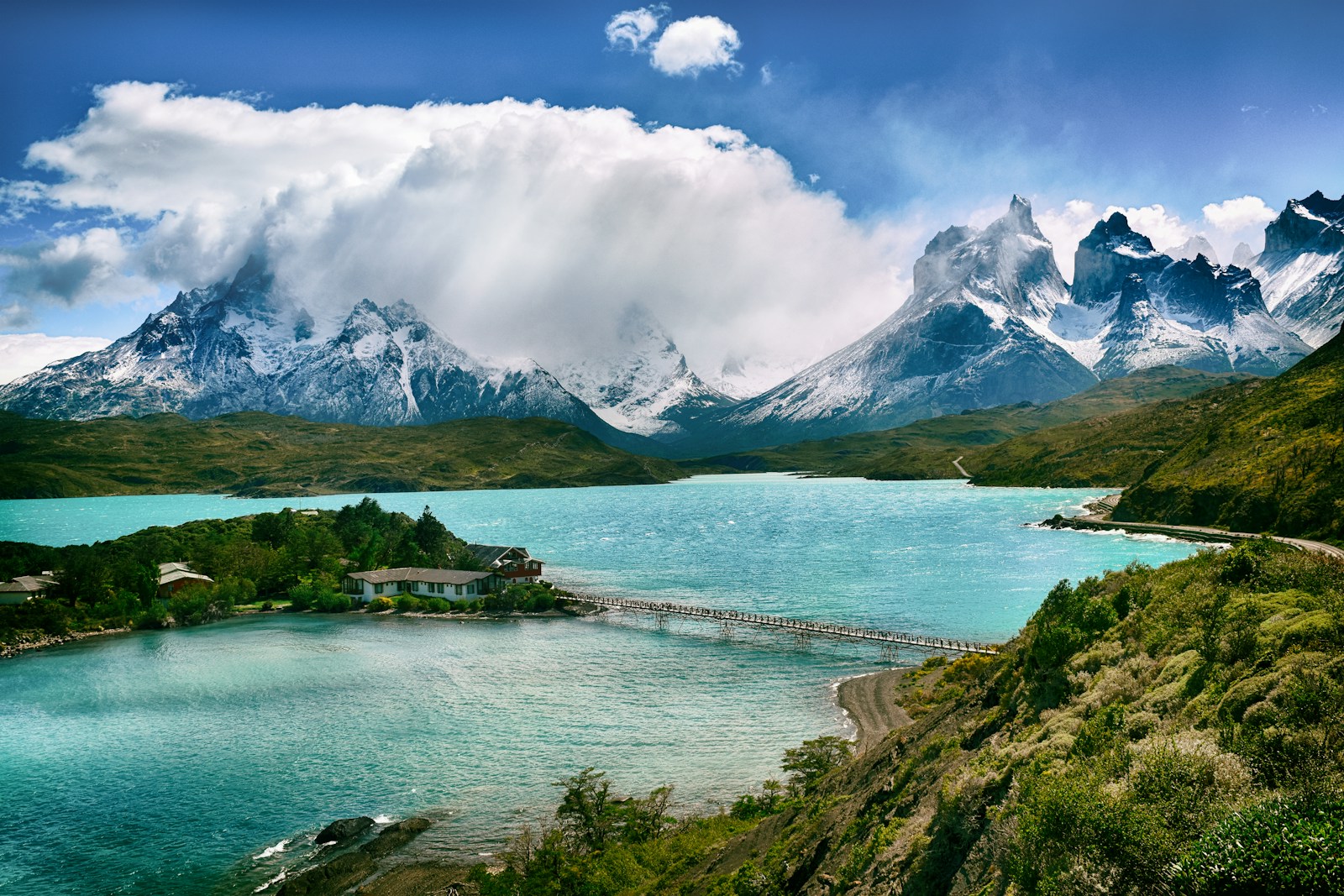
- Tores del Paine National Park: The crown jewel of Patagonia. The “W” and “O” circuits are legendary.
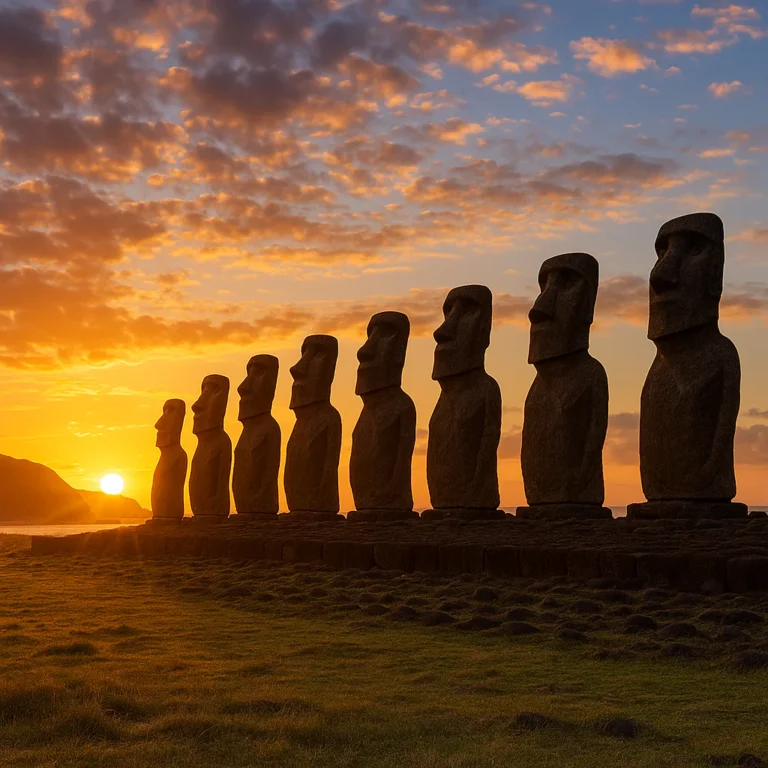
- Easter Island (Rapa Nui): Home to the mysterious Moai statues. It feels like a different planet.
- Valparaíso & Viña del Mar: The colorful, bohemian port city of Valparaíso and the elegant resort town of Viña, just a hop away.
- Santiago: The cosmopolitan capital with a mix of modern skyscrapers and colonial history, backed by the Andes.
- Puerto Varas & Osorno: The “German Lake District.” Think coblestone streets, chocolate shops, and the smoking volcano of Osorno.
- Chiloé Island: A mystical island with stilt houses, wooden churches, and a unique mythology.
- The Marble Caves (Capillas de Mármol): Located on Lago General Carrera, these blue marble formations are a photographer’s dream.
- Pucón: The adventure capital. Hike the Villarrica Volcano, kayak, or relax in thermal springs.
- The Caretera Austral: The “Southern Highway.” A road trip through the heart of the Chilean fjords and rainforests.
🌵 Exploring the Atacama Desert: Stargazing and Salt Flats
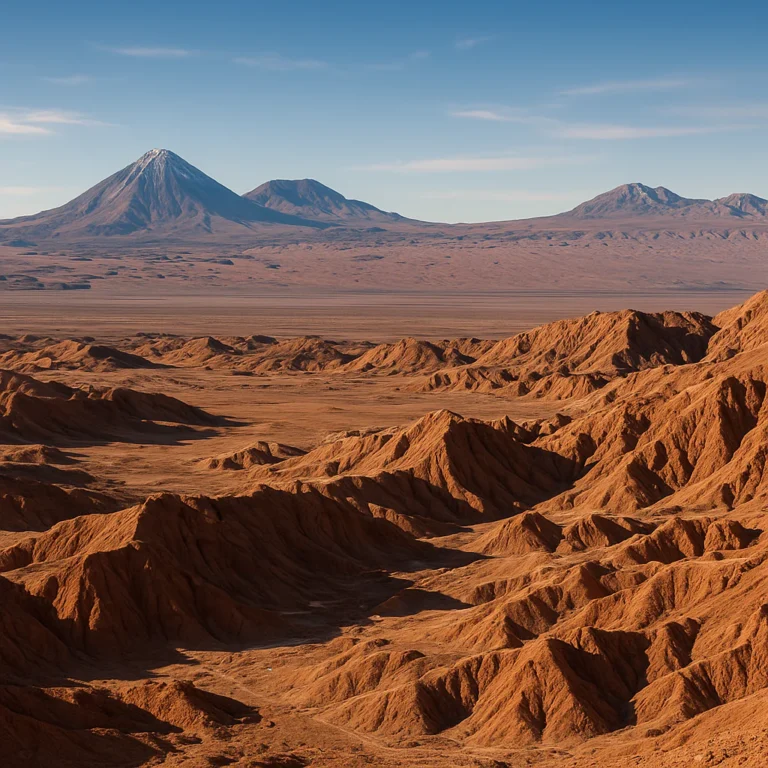
The Atacama isn’t just a desert; it’s a lunar landscape on Earth. We arrived in San Pedro de Atacama expecting dust and heat, but were greeted by a surreal silence and a sky so clear it felt like you could touch the stars.
Must-Do Activities:
- Vale de la Luna (Moon Valley): Hike here at sunset. The red rocks glow like fire, and the shadows stretch for miles.
- El Tatio Geysers: Wake up at 4 AM (yes, really) to see the geysers erupting in the freezing morning air. The contrast of steam and ice is breathtaking.
- Stargazing: The Atacama has the best stargazing conditions in the world. Join a tour with ALMA Observatory or a local guide to see the Milky Way with your naked eye.
Warning: The altitude in San Pedro is 2,40 meters (7,90 ft). Drink plenty of water, avoid alcohol on your first day, and take it slow.
🏔️ Patagonia Treking: Torres del Paine and Beyond
If you love hiking, Tores del Paine is non-negotiable. But let’s be real: the “W” circuit is crowded.
The Insider’s Tip:
Skip the main trailhead crowds and hike the “O” circuit (if you have 7-10 days) or the French Valley for a more solitary experience. The views of the Grey Glacier and the Cuernos del Paine are worth every blister.
Logistics:
- Best Time: November to March (summer).
- Booking: Refugios (mountain huts) and campsites book up 6 months in advance. Use Booking.com or the official Patagonia National Park site.
- Transport: Buses from Puerto Natales are reliable but can be delayed by weather.
🍷 Wine Country Vibes: Valparaíso, Casablanca, and Maipo Valley
Chile’s wine scene is often overlooked, but it shouldn’t be. The Maipo Valley is famous for Cabernet Sauvignon, while Casablanca produces crisp whites like Sauvignon Blanc and Chardonnay.
Our Favorite Spots:
- Concha y Toro: The most famous winery. Great for first-timers.
- Viña Santa Rita: Historic and beautiful, with a great museum.
- Unduraga: A boutique winery with stunning views of the Andes.
Don’t forget to pair your wine with a Chilean empanada or pastel de choclo.
🏝️ Island Hopping: Easter Island, Chiloé, and the Juan Fernández Archipelago
Easter Island (Rapa Nui):
Getting there requires a 5.5-hour flight from Santiago. The island is small, but the history is massive. The Moai statues are everywhere.
- Tip: Rent a scooter to explore the island. It’s the best way to see the remote sites like Rano Raraku (the quarry).
Chiloé:
A world of its own. The palafitos (stilt houses) in Castro are iconic. The food is incredible—try the curanto, a traditional dish cooked underground with meat, seafood, and potatoes.
Juan Fernández:
For the true adventurer. This is where Robinson Crusoe was stranded. It’s remote, rugged, and beautiful.
🚗 The Logistics of Traveling to Chile: Flights, Visas, and Transport
Planning the logistics of Chile can feel like solving a puzzle. Let’s break it down.
Flights
- International: Most travelers fly into Santiago (SCL). LATAM and Sky Airline are the main carriers.
- Domestic: For long distances (e.g., Santiago to Punta Arenas), flying is often cheaper and faster than the bus. LATAM and Sky Airline dominate this route.
Visas
- Visa-Free: Citizens of the US, Canada, EU, Australia, and many others can enter for up to 90 days without a visa.
- Reciprocity Fee: Some countries (like Australia and Canada) used to pay a fee, but this has been largely waived. Always check the Chilean Embassy for the latest.
Getting Around
- Buses: Chile has an excellent bus network. Companies like Pullman Bus, Buses Buses, and Tur Bus offer comfortable, air-conditioned coaches with reclining seats.
- Colectivos: Shared taxis are common in smaller towns and for short distances.
- Car Rental: Great for the Caretera Austral or wine valleys, but driving in Santiago can be a nightmare.
🏨 Where to Stay: Best Hotels, Hostels, and Eco-Lodges
Chile offers everything from luxury eco-lodges to budget-friendly hostels.
Top Picks by Category:
| Category | Recommendation | Why We Love It |
|---|---|---|
| Luxury | Explora Patagonia | All-inclusive, guided hikes, stunning views. |
| Mid-Range | Hotel Las Torres | Great location in Torres del Paine, cozy atmosphere. |
| Budget | Hostal Rio Amazonas (Santiago) | Clean, central, and friendly staff. |
| Eco-Lodge | EcoExplor (San Pedro) | Sustainable, solar-powered, and immersive. |
| Unique | Palafito Waiwen (Chiloé) | Stay in a traditional stilt house. |
Booking Tip: Use Booking.com or Hostelworld to compare prices. Always read recent reviews!
🍽️ Tasting Chile: Must-Try Dishes and Culinary Hotspots
Chilean food is hearty, flavorful, and often underrated.
Must-Try Dishes:
- Empanadas de Pino: Beef, onion, olive, and egg. The national snack.
- Cazuela: A comforting stew with meat, pumpkin, corn, and potatoes.
- Completo: The Chilean hot dog with avocado, mayo, and sauerkraut.
- Milcao: Mashed potato cakes from Chiloé.
- Pisco Sour: The national cocktail. Sour, sweet, and strong.
Where to Eat:
- Mercado Central (Santiago): Fresh seafood and a lively atmosphere.
- La Vega (Santiago): A local market for cheap, authentic food.
- Restaurante Kármia (Puerto Varas): Modern Chilean cuisine with a twist.
💰 Budgeting for Chile: How Much Does a Trip Really Cost?
Chile is more expensive than Peru or Bolivia, but it’s still affordable compared to Europe or the US.
Estimated Daily Budget (per person):
- Budget: $30-$50 USD (Hostels, street food, public transport).
- Mid-Range: $70-$120 USD (Private rooms, restaurants, tours).
- Luxury: $20+ USD (Eco-lodges, fine dining, private guides).
Money-Saving Tips:
- Eat like a local: Avoid tourist traps. Look for “Menú del Día” (set menu) for lunch.
- Travel in shoulder season: November and March are cheaper than December/January.
- Use ATMs: BancoEstado ATMs are reliable. Avoid exchanging money at the airport.
🎒 Packing List: What to Bring for Chile’s Extreme Climates
Chile has four seasons in one day. You need to pack smart.
Essentials:
- Layers: Thermal base layers, fleece, and a waterproof jacket.
- Footwear: Sturdy hiking boots for Patagonia, comfortable sneakers for cities.
- Sun Protection: High SPF sunscreen, sunglasses, and a hat. The UV index is high.
- Water Bottle: Reusable bottle with a filter (like LifeStraw).
- Power Adapter: Type C and L (20V).
Don’t forget: A good pair of wol socks and a warm beanie. The wind in Patagonia is no joke!
🛡️ Safety First: Navigating Chile as a Solo or Group Traveler
Chile is generally safe, but you need to be street-smart.
Safety Tips:
- Santiago: Be careful in the city center (Santa Lucía, Plaza de Armas). Keep your phone in your pocket, not your hand.
- Pickpockets: Common on buses and in crowded areas. Use a money belt or a cross-body bag.
- Protests: Chile has a history of social protests. Avoid large gatherings and stay informed via local news.
- Solo Travel: Women traveling alone report feeling safe, but always trust your instincts.
📅 Best Time to Visit Chile by Region and Season
Timing is everything in Chile.
| Region | Best Time to Visit | Why? |
|---|---|---|
| Atacama | Year-round (Oct-Apr for warmth) | Clear skies for stargazing. |
| Central Valley | Nov-Mar (Summer) | Warm, dry, perfect for wine tours. |
| Patagonia | Dec-Mar (Summer) | Accessible trails, milder weather. |
| Lake District | Dec-Mar (Summer) | Green landscapes, swimming. |
| Santiago | Nov-Mar (Summer) | Hot, but great for outdoor activities. |
Note: Winter (Jun-Aug) is great for skiing in the Andes, but many Patagonian trails are closed.
🚶 ♀️ Journeys Beyond and Within: Multi-Day Treks and Cultural Immersions
If you want to go deeper than a day trip, consider a multi-day trek.
The W Circuit (Tores del Paine):
- Duration: 4-5 days.
- Difficulty: Moderate to challenging.
- Highlights: Grey Glacier, French Valley, Base Las Torres.
The O Circuit:
- Duration: 7-10 days.
- Difficulty: Challenging.
- Highlights: Complete loop around the park, fewer crowds.
Cultural Immersion:
- Voluntering: Programs like English Open Doors allow you to teach English in exchange for room and board.
- Homestays: Stay with local families in Chiloé or the Lake District to experience authentic Chilean life.
💡 Pro Tips for a Seamless Chilean Itinerary
- Book Early: Refugios and campsites in Patagonia fill up months in advance.
- Learn Spanish: Even basic phrases go a long way. Chileans appreciate the effort.
- Download Offline Maps: Google Maps works, but data can be spotty.
- Respect Nature: Follow “Leave No Trace” principles. Chile’s landscapes are fragile.
- Be Flexible: Weather in Patagonia can change in minutes. Have a backup plan.
Final Thought: Chile is a country that demands your attention. It’s not a place to rush. Take your time, soak in the views, and let the landscape change you.
🏁 Conclusion

So, is Chile worth the trip? Absolutely. From the arid silence of the Atacama to the roaring winds of Patagonia, Chile offers a travel experience that is both challenging and rewarding. It’s a place where you can hike through ancient forests, taste world-class wine, and gaze at the stars in a way that feels almost spiritual.
Yes, it’s more expensive than some of its neighbors, but the infrastructure, safety, and diversity make it a top-tier destination. Whether you’re a solo backpacker, a couple seeking romance, or a family looking for adventure, Chile has something for you.
Our Final Recommendation:
Don’t just visit Chile; experience it. Plan your trip with care, respect the local culture, and be ready to be amazed. And if you need help, remember that Chile Vacay™ is here to guide you every step of the way.
Ready to start your adventure? Check out our Destinations page for more detailed guides, or dive into our Adventure Travel section for treking tips.
🔗 Recommended Links
Book Your Stay:
- Luxury Eco-Lodges: Booking.com – Chile Eco-Lodges
- Budget Hostels: Hostelworld – Chile Hostels
- Unique Stays: Airbnb – Chile Unique Stays
Gear & Equipment:
- Hiking Boots: Amazon – Men’s Hiking Boots | REI – Women’s Hiking Boots
- Water Filters: Amazon – LifeStraw Water Bottle
- Travel Insurance: World Nomads – Travel Insurance
Books & Guides:
- Lonely Planet Chile: Amazon – Lonely Planet Chile
- Chilean History: Amazon – The History of Chile
❓ FAQ: Your Burning Questions About Chile Travel Answered

How do I get around Chile using public transportation?
Chile has an extensive bus network. Companies like Pullman Bus and Tur Bus connect major cities. For shorter distances, use colectivos (shared taxis). In cities, the Metro in Santiago is efficient and safe.
What are the essential travel tips for exploring Patagonia in Chile?
- Book early: Refugios and campsites fill up fast.
- Pack layers: Weather changes rapidly.
- Bring cash: ATMs are scarce in remote areas.
- Respect nature: Stay on marked trails.
Read more about “🌬️ Chilean Patagonia Travel: The Ultimate 2026 Guide to 10 Wild Destinations”
How can I experience Chilean culture and cuisine during my trip?
- Eat local: Try empanadas, cazuela, and completo.
- Visit markets: Mercado Central in Santiago is a must.
- Learn Spanish: Even basic phrases help.
- Attend festivals: Check local events for traditional music and dance.
Read more about “🏔️ 15 Epic Chile Adventure Tours for 2026: From Desert to Ice”
What are the top hiking trails in Chile’s national parks?
- Tores del Paine: W Circuit and O Circuit.
- Lauca National Park: Salar de Surire and Lago Chungará.
- Nahuelbuta National Park: Araucaria trees and coastal views.
Read more about “🇨🇱 15+ Top Chile Tourist Attractions: Beyond the Top 20 (2026)”
How safe is it to travel solo in Chile?
Chile is one of the safest countries in South America. Solo travelers, including women, report feeling safe. Just be cautious in crowded areas and at night in Santiago.
Read more about “🇨🇱 15 Epic Things for Your Ultimate Santiago Chile Vacation (2026)”
When is the best time to visit Chile for outdoor adventures?
- Summer (Dec-Mar): Best for Patagonia, Lake District, and hiking.
- Winter (Jun-Aug): Best for skiing in the Andes.
- Shoulder Season (Nov, Apr): Fewer crowds, good weather.
What are the must-visit destinations in Chile for first-time travelers?
- Santiago: The capital and gateway.
- Valparaíso: Colorful and bohemian.
- San Pedro de Atacama: Desert and stargazing.
- Tores del Paine: Iconic Patagonian landscapes.
- Easter Island: Mysterious Moai statues.
Read more about “10 Safest Places to Visit in Chile for Solo Travelers 🧳 (2026)”
How can I plan a budget-friendly trip to Chile, including affordable accommodations and transportation options?
- Stay in hostels: Use Hostelworld to find cheap beds.
- Eat at local markets: Menú del Día is affordable.
- Use buses: Cheaper than flights for long distances.
- Travel in shoulder season: Avoid peak prices.
What is the best way to experience the unique culture and cuisine of Chile, including traditional foods and drinks?
- Take a food tour: Many cities offer guided food walks.
- Visit local wineries: Taste Carmenère and Cabernet.
- Try traditional dishes: Curanto, milcao, and pastel de choclo.
- Drink Pisco Sour: The national cocktail.
Are there any safety concerns or precautions I should take when traveling to Chile, especially in major cities like Santiago?
- Pickpockets: Common in tourist areas. Keep valuables secure.
- Protests: Avoid large gatherings.
- Night safety: Stick to well-lit areas and use taxis/Uber.
What types of outdoor adventures and activities can I expect to find in Chile, such as hiking and skiing?
- Hiking: Torres del Paine, Atacama, Lake District.
- Sking: Portillo, Valle Nevado, La Parva.
- Kayaking: Fjords of Patagonia, Lake District.
- Stargazing: Atacama Desert.
What are the top attractions and places to visit in Chile, including Easter Island and the Atacama Desert?
- Easter Island: Moai statues, Rano Kau crater.
- Atacama: Moon Valley, El Tatio Geysers, salt flats.
- Tores del Paine: Grey Glacier, Base Las Torres.
- Valparaíso: Street art, funiculars.
How do I get to Chile from other countries in South America, and what are the transportation options?
- Flights: LATAM and Sky Airline connect major cities.
- Buses: Long-distance buses from Argentina, Bolivia, and Peru.
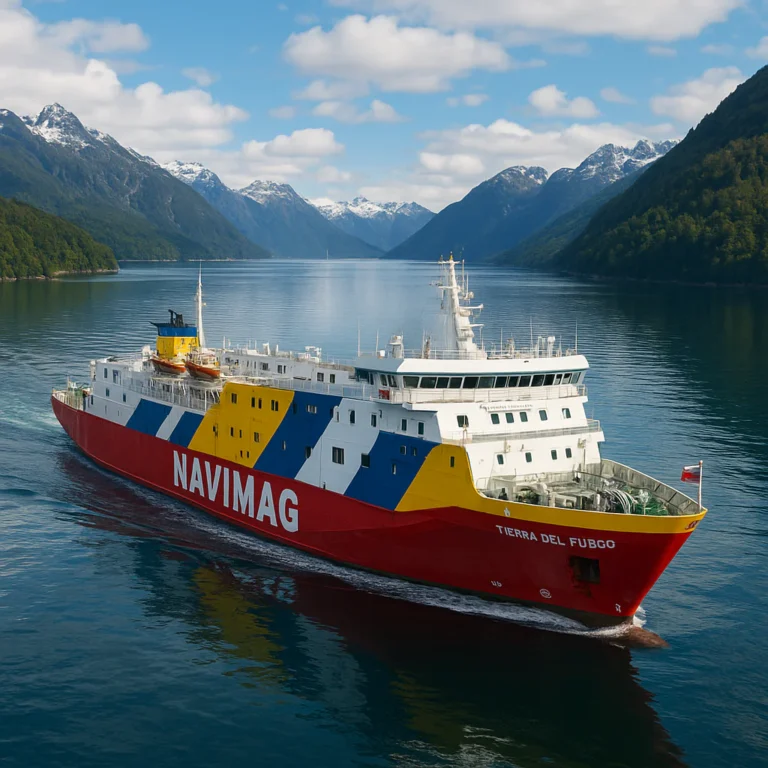
- Feries: Some routes in Patagonia and Chiloé.
📚 Reference Links
- Official Chile Tourism: Chile Travel
- National Parks: Parques Nacionales de Chile
- Weather & Climate: Chilean Meteorological Service
- Safety Information: US State Department – Chile Travel Advisory
- Wine Routes: Wines of Chile
- Transportation: Pullman Bus | Tur Bus
- Accomodation: Booking.com | Hostelworld