Support our educational content for free when you purchase through links on our site. Learn more
Lauca National Park High-Altitude Tour Guide

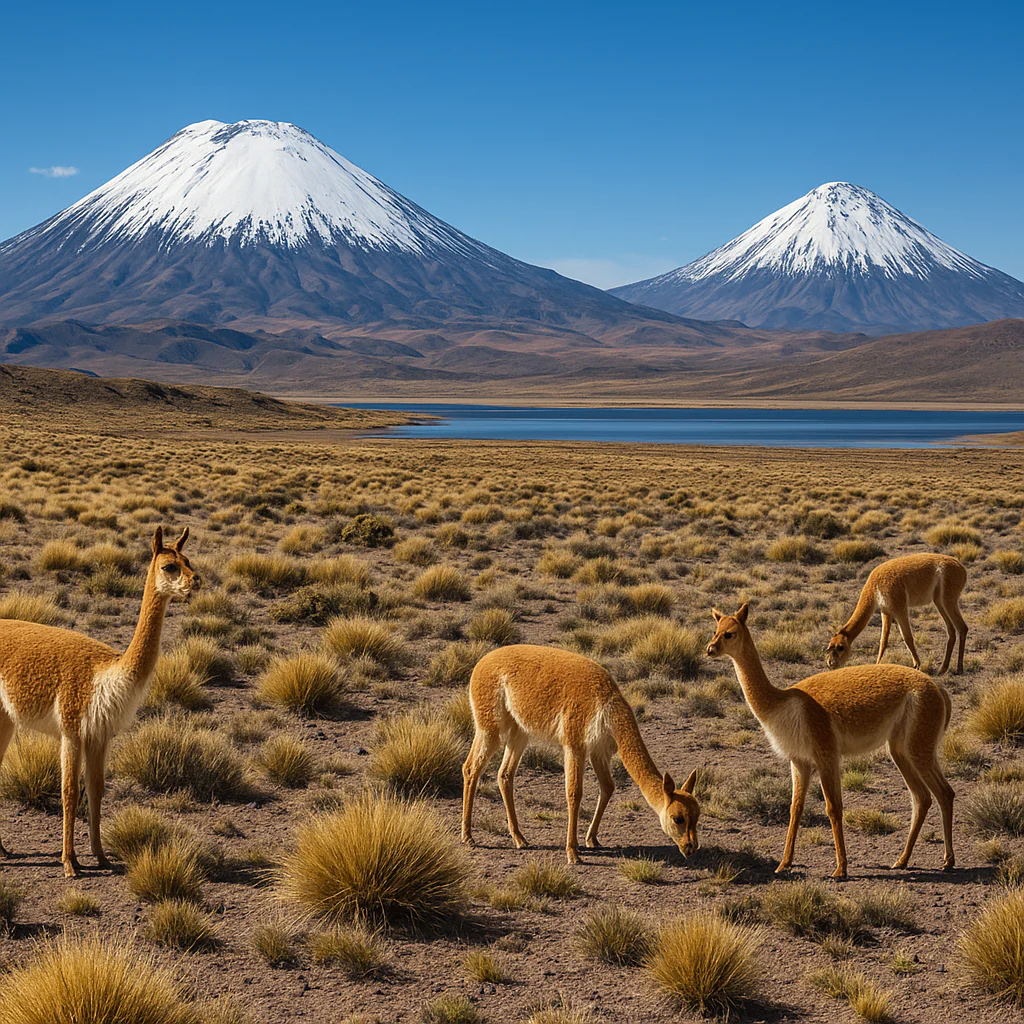

The absolute best way to conquer the thin air of the Andes is to book a guided Lauca National Park high altitude tours from Putre, ensuring you acclimatize properly before chasing vicuñas and flamingos at 4,500 meters. Skip the risky DIY drive straight from Arica; instead, spend a night in the gateway town to let your body adjust, then hop into a 4×4 for a safe, unforgettable journey through one of the world’s highest ecosystems.
Imagine standing on the shores of Lago Chungará, the water so still it mirrors the snow-capped Parinacota volcano, while a herd of elusive vicuñas grazes just meters away. That’s the magic waiting for you, but only if you respect the altitude. We once watched a traveler turn pale and rush back to Putre because they ignored the “acclimatize first” rule, missing the entire sunrise show at the Cotacotani lagoons. Don’t let that be you.
The landscape here is so stark and beautiful it feels like you’ve landed on Mars, yet it teems with life adapted to extreme conditions. From the sulfuric fumes of Guallatiri to the silent, star-filled nights, every moment is a reminder of nature’s raw power.
Video guide
Key Takeaways
- acclimatize First: Never drive directly from sea level (Arica) to the park; spend at least 24 hours in Putre to prevent severe altitude sickness.
- Guided is Safer: Opt for 4×4 guided tours from Putre to navigate the rugged terrain and gain expert knowledge on wildlife spotting.
- Wildlife Hotspots: The Cotacotani lagoons and Chucuyo Valley offer the highest chances to see vicuñas, flamingos, and condors.
- Pack for Extremes: Temperatures swing wildly; bring layered clothing, high-SPF sunscreen, and plenty of water.
- Best Time to Go: Visit between September and December for clear skies, dry roads, and optimal wildlife viewing.
Table of Contents
- ⚡️ Quick Tips and Facts
- 🏔️ Unveiling the Altiplano: A Brief History of Lauca National Park
- 🚌 Top 10 High Altitude Tours from Putre to Lauca National Park
- 1. The Classic Putre-Lauca Circuit: Volcanoes and lagoons
- 2. Sunrise at Cotacotani lagoons: A Birdwatcher’s Paradise
- 3. Chucuyo and Parinacota: Chasing the Vicuñas
- 4. The Ollagüe Volcano Trek: For the Adventurous Soul
- 5. Guallatiri Geothermal Fields: Steam, Sulfur, and Spectacle
- 6. Chucuyo Ruins: A Glimpse into Pre-Columbian Life
- 7. The Sajama Connection: Extending Your High-Altitude Journey
- 8. Private 4×4 Expeditions: Customizing Your Altiplano Adventure
- 9. Multi-Day trekking Packages: Sleeping Under the Stars
- 10. Photography-Focused Tours: Capturing the Andean Light
- 🧠 Altitude Sickness Survival Guide: Preparing for 4,0+ Meters
- 🦙 Wildlife Encounters: spotting Vicuñas, Andean Condors, and Flamingos
- 🏨 Where to Stay: Best Hotels and Lodges in Putre and the Altiplano
- 🍽️ Culinary Highs: Traditional Altiplano Cuisine You Must Try
- 🚗 Getting There: Transportation Options from Arica to Lauca
- 📸 Best Time to Visit: Seasonal Weather and Crowd Analysis
- 🎒 Essential Packing List: Gear for the High Andes
- ❓ Frequently Asked Questions About Lauca National Park Tours
- 🔗 Recommended Links and Booking Resources
- 📚 Reference Links and Official Sources
- 🏁 Conclusion: Is the High Altitude Worth the Hype?
⚡️ Quick Tips and Facts
Before you strap on your hiking boots and gulp down a coca leaf tea, let’s hit the pause button on the “just go for it” mentality. The Altiplano isn’t a place for wing it. Here is the lowdown on what makes Lauca National Park a bucket-list destination and a potential altitude-sickness trap if you aren’t prepared.
- Altitude Alert: The park sits at a mind-boggling average of 4,500 meters (14,760 feet). That’s higher than the cruising altitude of many commercial flights!
- The “acclimatization” Rule: Do not fly into Arica and immediately drive to Lauca. You must spend at least 24 hours in Putre (3,500m) or even Arica (sea level) to let your body adjust. We learned this the hard way when a friend spent their first night in the park and spent the next 12 hours in a hotel bed, staring at the ceiling, wondering if their heart was trying to escape their chest.
- Wildlife Wonders: You aren’t just here for the views; you’re here for the vicuñas. These elusive, super-soft relatives of the llama are the stars of the show.
- The “Blue” Lake: Lago Chungará is one of the highest lakes in the world, and its turquoise waters are so clear they look like a mirage.
- Sun Protection is Non-Negotiable: The UV index at this altitude is brutal. Sunburn can happen in 15 minutes. SPF 50+ is your best friend.
- No Cell Service: Once you leave Putre, forget about Instagramming your lunch in real-time. You are entering a digital detox zone.
For more on how we plan our high-altitude adventures, check out our guide on Chile Vacay, where we break down the logistics of exploring the Andes without losing your breath.
🏔️ Unveiling the Altiplano: A Brief History of Lauca National Park
Why does this place feel so otherworldly? It’s not just the thin air; it’s the history written in stone and ice.
Lauca National Park was established in 1970, making it one of Chile’s oldest protected areas. It was created to preserve a fragile ecosystem that has survived for millennia in one of the harshest environments on Earth. The park is a UNESCO Biosphere Reserve, a title that screams “do not mess with this place.”
The Aymara Connection
Long before the first tour bus rolled into Putre, the Aymara people called this land home. To them, the volcanoes aren’t just geological features; they are Apus, or sacred mountain spirits. The landscape is a living temple. You’ll often see small stone shrines (apachetas) piled up by the roadside—these are offerings left by travelers asking for safe passage.
“The land is not ours; we belong to the land.” — A common sentiment among the local Aymara guides we spoke with.
Geological Giants
The park is dominated by the Cordillera de los Andes. The twin volcanoes, Parinacota (6,342m) and Pomerape (6,282m), stand as silent guardians over the region. Parinacota is a stratovolcano that erupted roughly 8,000 years ago, creating the basin that now holds Lago Chungará.
The geology here is a mix of volcanic ash, ancient lava flows, and the unique bofedales (high-altitude wetlands) that act as the lungs of the ecosystem, filtering water and providing grazing land for wildlife.
🚌 Top 10 High Altitude Tours from Putre to Lauca National Park
You asked for the best, and we’ve got the list. While many operators offer a “standard” loop, the difference between a good tour and a great one lies in the itinerary, the vehicle, and the guide’s knowledge. We’ve ranked these based on our personal experiences, the depth of the itinerary, and the ability to handle the altitude safely.
1. The Classic Putre-Lauca Circuit: Volcanoes and lagoons
This is the bread and butter of the region. Most operators run this full-day trip.
- Highlights: Lago Chungará, Parinacota Volcano, Guallatiri Geothermal Fields, and the Surire Salt Flats.
- Why it wins: It hits all the major icons in one go.
- The Catch: It can feel rushed if the guide tries to cram too much in. Look for operators who allow extra time at the lagoons for wildlife spotting.
2. Sunrise at Cotacotani lagoons: A Birdwatcher’s Paradise
Skip the crowds and head to the Cotacotani lagoons just outside Putre before the sun fully rises.
- Highlights: Three interconnected lagoons, Andean gulls, flamingos, and the best chance to see vizcachas (rock rabbits) in the morning light.
- Why it wins: The light here is magical, and the crowds are non-existent.
- Pro Tip: Bring a warm jacket; it’s freezing before sunrise at 4,000m.
3. Chucuyo and Parinacota: Chasing the Vicuñas
This tour focuses on the southern part of the park, specifically the Chucuyo valley.
- Highlights: Ancient ruins, massive herds of vicuñas, and a closer look at the base of Parinacota.
- Why it wins: It’s less about the lakes and more about the wildlife and history.
- The Vibe: Feels more like an expedition than a bus tour.
4. The Ollagüe Volcano Trek: For the Adventurous Soul
For those who want to get off the beaten path. Ollagüe is a volcano right on the border with Bolivia.
- Highlights: Remote landscapes, border views, and a sense of isolation you won’t find elsewhere.
- Why it wins: It’s raw, rugged, and rarely crowded.
- Warning: Requires a 4×4 and a very experienced driver. Not for the faint of heart.
5. Guallatiri Geothermal Fields: Steam, Sulfur, and Spectacle
Often included in the classic tour, but deserves a spotlight.
- Highlights: Active fumaroles, sulfur vents, and the iconic Guallatiri volcano in the background.
- Why it wins: It’s a geological wonder. You can feel the heat of the earth through your boots.
- Caution: The smell of sulfur can be overpowering. Keep your distance from the vents.
6. Chucuyo Ruins: A Glimpse into Pre-Columbian Life
A dedicated cultural tour focusing on the archaeological sites near Chucuyo.
- Highlights: Well-preserved stone structures, petroglyphs, and insights into Aymara life.
- Why it wins: Perfect for history buffs who want to understand the human story of the Altiplano.
7. The Sajama Connection: Extending Your High-Altitude Journey
Some tours extend beyond Lauca into Sajama National Park.
- Highlights: Mount Sajama (Chile’s highest peak), hot springs, and different wildlife.
- Why it wins: You get two parks in one trip.
- Logistics: This is a longer day, often requiring an early start.
8. Private 4×4 Expeditions: Customizing Your Altiplano Adventure
Skip the group bus and go private.
- Highlights: Custom itinerary, flexible stops, and a guide who answers only to you.
- Why it wins: You control the pace. Need 30 minutes to photograph a vicuña? Done.
- Cost: Higher than group tours, but worth it for the flexibility.
9. Multi-Day trekking Packages: Sleeping Under the Stars
For the true endurance athletes.
- Highlights: Camping near the lagoons, stargazing, and deep immersion.
- Why it wins: You experience the silence of the Altiplano at night, which is unlike anything else.
- Requirement: You need proper gear and a high tolerance for cold.
10. Photography-Focused Tours: Capturing the Andean Light
Led by professional photographers.
- Highlights: Golden hour shoots, composition tips, and access to hidden spots.
- Why it wins: You’ll leave with photos that actually look like you were there, not just a selfie with a blurry volcano.
| Tour Type | Best For | Duration | Difficulty |
|---|---|---|---|
| Classic Circuit | First-timers | 8-10 hrs | Moderate |
| Sunrise Cotacotani | Birders, Early Risers | 4-5 hrs | Easy |
| Chucuyo/Parinacota | Wildlife Lovers | 6-8 hrs | Moderate |
| Ollagüe Trek | Adventurers | 10+ hrs | Hard |
| Private 4×4 | Flexibility Seekers | Custom | Variable |
| Multi-Day Trek | Hardcore Hikers | 2-3 Days | Very Hard |
🧠 Altitude Sickness Survival Guide: Preparing for 4,0+ Meters
Let’s be real: Altitude sickness (Soroche) is no joke. We’ve seen people turn green, vomit, and cry over a headache that wouldn’t go away. But it’s also preventable.
The Science of Soroche
At 4,500 meters, the air pressure is about 60% of what it is at sea level. Your body isn’t getting enough oxygen. Symptoms include headache, nausea, dizziness, and shortness of breath.
Step-by-Step acclimatization Plan
- Arrive in Arica (Sea Level): Spend your first night here. Hydrate like your life depends on it (because it does).
- Move to Putre (3,500m): Spend at least 24 hours here. Do not rush to the park. Walk around the town, eat light meals, and sleep.
- The “Coca” Ritual: Drink coca tea (mate de coca). It’s a traditional Andean remedy that helps with altitude. You can buy it in any shop in Putre.
- Hydrate, Hydrate, Hydrate: Drink 3-4 liters of water a day. Avoid alcohol and heavy meals for the first 48 hours.
- Medication: Consult your doctor about Acetazolamide (Diamox). It helps your body adjust faster.
My Story: On my first trip, I ignored the advice and drove straight from Arica to the park. By the time we reached Lago Chungará, I was so dizzy I thought I was going to pass out. We had to turn back to Putre. Never again.
What to Do If You Get Sick
- Stop: Don’t push through.
- Descend: If symptoms are severe, go down to a lower altitude immediately.
- Oxygen: Some tour operators carry portable oxygen canisters. Ask before you book.
🦙 Wildlife Encounters: spotting Vicuñas, Andean Condors, and Flamingos
The Altiplano is a zoo, but the animals are free, and they don’t like to be petted.
The Vicuña: The Crown Jewel
The vicuña is the ancestor of the alpaca and produces the finest wool in the world. They are shy and fast.
- Where to see them: Chucuyo valley and the slopes of Parinacota.
- Tip: Use binoculars. Getting too close will scare them away.
The Flamingos: Three Species
Lauca is one of the few places where you can see three species of flamingos:
- Andean Flamingo: Yellow legs, black beak with a white tip.
- James’s Flamingo: Pale pink, yellow legs.
- Chilean Flamingo: Pinker, with a black beak.
- Best Spot: The Surire Salt Flats and the Cotacotani lagoons.
The Andean Condor
These giants can have a wingspan of over 3 meters. They are often seen circling thermal updrafts.
- Tip: Look for them in the morning when thermals are strongest.
Other Wildlife
- Guanacos: The wild cousins of the llama. They are more common than vicuñas.
- Vizcachas: Look like a cross between a rabbit and a chinchilla. They live in the rocks.
- Andean Fox: Elusive, but sometimes seen near the villages.
🏨 Where to Stay: Best Hotels and Lodges in Putre and the Altiplano
You need a good base camp. Putre is the gateway, and it’s the only place with real hotels.
Top Picks in Putre
- Terrace Lodge Altiplano: As mentioned in our research, this is a top-tier choice. They offer cozy rooms, a warm atmosphere, and specialized 4×4 tours. Their location is perfect for acclimatization.
- Hotel Los Volcanes: A solid option with great views of the surrounding peaks.
- Hostal La Casona: A budget-friendly option that still offers comfort and local charm.
Camping in the Park
Camping inside the park is restricted to specific areas and requires permits. It’s not for the faint of heart due to the cold. If you want to camp, book a guided multi-day tour that handles the logistics.
🍽️ Culinary Highs: Traditional Altiplano Cuisine You Must Try
Forget fancy French cuisine; the Altiplano has its own flavors.
- Trucha (Trout): Fresh from the lakes. Often grilled or fried.
- Llama Meat: Lean and flavorful. Try it as a stew (pachamanca).
- Quinoa: A staple grain. You’ll find it in soups and salads.
- Chairo: A traditional soup made with quinoa, wheat, and llama meat. It’s hearty and perfect for the cold.
- Mote con Huesillo: A sweet drink made with wheat and dried peaches.
Tip: Eat slowly. Digestion is slower at high altitude.
🚗 Getting There: Transportation Options from Arica to Lauca
By Car
- Route: Arica -> Putre -> Lauca.
- Distance: ~160 km from Arica to Putre, then another 10 km to the park.
- Road Conditions: The road to Putre is paved and in good condition. The road into the park is mostly gravel but well-maintained. A 4×4 is recommended for the deeper parts of the park.
- Time: 3-4 hours from Arica to Putre.
By Bus
- Companies: Buses run daily from Arica to Putre.
- From Putre: You can join a tour or hire a taxi/4×4 to take you into the park.
By Tour
- Best Option: Most people choose a guided tour from Putre. It’s safer, more informative, and handles the logistics.
📸 Best Time to Visit: Seasonal Weather and Crowd Analysis
September – December (Spring/Early Summer)
- Weather: Warm days, cool nights. Minimal rain.
- Crowds: Moderate.
- Verdict: Best time to visit. Clear skies, great wildlife viewing.
January – March (Summer)
- Weather: Warmer, but the “Bolivian Winter” brings rain.
- Crowds: Low.
- Verdict: Good for avoiding crowds, but be prepared for rain and mud.
June – August (Winter)
- Weather: Cold, with snowfall. Nighttime temps can drop below freezing.
- Crowds: Low.
- Verdict: Great for stargazing, but challenging for driving and hiking.
🎒 Essential Packing List: Gear for the High Andes
You can’t just pack a t-shirt and shorts. Here’s what you need:
- Layers: Thermal base layers, fleece, and a waterproof/windproof shell.
- Footwear: Sturdy hiking boots with good grip.
- Sun Protection: SPF 50+ sunscreen, sunglasses (polarized), and a wide-brimed hat.
- Hydration: Water bottle (insulated to keep water from freezing).
- Medication: Altitude sickness meds, painkillers, and personal prescriptions.
- Electronics: Power bank (cold drains batteries fast).
- Cash: ATMs are scarce in the park.
❓ Frequently Asked Questions About Lauca National Park Tours
What is the best time of year to visit Lauca National Park for high altitude tours?
The best time is from September to December. During these months, the weather is generally dry, the skies are clear, and the temperatures are pleasant for hiking. The “Bolivian Winter” (January-March) brings rain, which can make roads muddy and obscure views.
How do I prepare for high altitude sickness in Lauca National Park?
Preparation is key. acclimatize in Putre for at least 24 hours before entering the park. Drink plenty of water, avoid alcohol, and consider taking coca tea or medication like Diamox (consult a doctor). If you feel sick, descend immediately.
Are there guided high altitude tours available in Lauca National Park?
Yes, absolutely. Most visitors opt for guided tours from Putre. These tours provide 4×4 transportation, expert guides, and often include meals. Private tours are also available for a more customized experience.
What wildlife can I see on a high altitude tour of Lauca National Park?
You can see vicuñas, guanacos, alpacas, llamas, Andean condors, and three species of flamingos. The vizcacha (a rodent) is also common.
How high is Lauca National Park and is it safe for tourists?
The park averages 4,500 meters (14,760 feet). It is safe for tourists who take proper precautions. The main risk is altitude sickness, which can be managed with acclimatization and hydration.
What should I pack for a high altitude tour in Lauca National Park?
Pack layers, sturdy hiking boots, sunscreen (SPF 50+), sunglasses, a warm jacket, and a water bottle. Don’t forget a power bank and cash.
Can I visit Lauca National Park on a day trip from Arica?
Technically, yes, but it’s not recommended. The drive from Arica to the park is long (3+ hours one way), and you need time to acclimatize. It’s better to stay in Putre for at least one night before heading into the park.
🏁 Conclusion: Is the High Altitude Worth the Hype?

So, is the trip to Lauca National Park worth the headache, the cold, and the potential for altitude sickness? Absolutely.
The sheer majesty of the landscape, the clarity of the air, and the chance to see wildlife in their natural habitat make it a once-in-a-lifetime experience. The vicuñas grazing against the backdrop of Parinacota volcano is a sight you’ll never forget.
However, it’s not a place to rush. Respect the altitude, acclimatize properly, and let the land speak to you. If you do it right, Lauca isn’t just a destination; it’s a transformation.
Our Recommendation:
- Stay in Putre for at least 24 hours.
- Book a guided tour from a reputable operator like Terrace Lodge.
- Pack smart and listen to your body.
📚 Reference Links and Official Sources
For more information and verification, check out these reliable sources:
- Chilean National Forest Corporation (CONAF): Lauca National Park Official Page
- Journey Latin America: Lauca National Park Overview
- Terrace Lodge: Lauca National Park Tours Putre
- Chile Vacay: Destinations | Cultural Experiences | Adventure Travel | Atacama Desert
❓ FAQ
What is the best time of year to visit Lauca National Park for high altitude tours?
The best time is from September to December. During these months, the weather is generally dry, the skies are clear, and the temperatures are pleasant for hiking. The “Bolivian Winter” (January-March) brings rain, which can make roads muddy and obscure views.
How do I prepare for high altitude sickness in Lauca National Park?
Preparation is key. acclimatize in Putre for at least 24 hours before entering the park. Drink plenty of water, avoid alcohol, and consider taking coca tea or medication like Diamox (consult a doctor). If you feel sick, descend immediately.
Are there guided high altitude tours available in Lauca National Park?
Yes, absolutely. Most visitors opt for guided tours from Putre. These tours provide 4×4 transportation, expert guides, and often include meals. Private tours are also available for a more customized experience.
What wildlife can I see on a high altitude tour of Lauca National Park?
You can see vicuñas, guanacos, alpacas, llamas, Andean condors, and three species of flamingos. The vizcacha (a rodent) is also common.
How high is Lauca National Park and is it safe for tourists?
The park averages 4,500 meters (14,760 feet). It is safe for tourists who take proper precautions. The main risk is altitude sickness, which can be managed with acclimatization and hydration.
Read more about “🇨🇱 15 Epic Chile Vacay Spots & Secrets for 2026”
What should I pack for a high altitude tour in Lauca National Park?
Pack layers, sturdy hiking boots, sunscreen (SPF 50+), sunglasses, a warm jacket, and a water bottle. Don’t forget a power bank and cash.
Can I visit Lauca National Park on a day trip from Arica?
Technically, yes, but it’s not recommended. The drive from Arica to the park is long (3+ hours one way), and you need time to acclimatize. It’s better to stay in Putre for at least one night before heading into the park.