Support our educational content for free when you purchase through links on our site. Learn more
27 Unique Dining Experiences in Chile You Can’t Miss in 2025 🍽️


Chile’s culinary scene is a treasure trove of unforgettable dining moments that go far beyond the usual restaurant fare. From savoring Patagonian lamb slow-roasted over an open fire to sipping a perfectly crafted Pisco Sour on a rooftop overlooking the Andes, this long, narrow country offers a dazzling array of unique food experiences that connect you deeply with its culture, history, and breathtaking landscapes.
Did you know that Chile’s diverse geography—from the driest desert on Earth to lush vineyards and windswept glaciers—creates some of the most distinctive regional flavors anywhere? In this article, we’ll take you on a mouthwatering journey through 27 extraordinary dining experiences across Chile’s cities, coasts, deserts, and islands. Plus, we’ll share insider tips on how to navigate local customs, find hidden gems, and even cook like a Chilean yourself. Ready to feast your senses and create lifelong memories? Let’s dive in!
Key Takeaways
- Chile offers a wide range of unique dining experiences that reflect its diverse geography and rich cultural heritage—from urban speakeasies in Santiago to traditional earth-oven feasts on Easter Island.
- Seafood lovers will be in heaven along the coast, especially in Valparaíso and the fisherman’s coves, where freshness is unmatched.
- Wine country dining in the Central Valley pairs world-class wines with farm-to-table cuisine, creating unforgettable vineyard meals.
- Patagonia’s rustic feasts and Atacama’s stargazing dinners provide immersive culinary adventures in some of the world’s most dramatic landscapes.
- Local drinks like Pisco Sour and Chilean Carménère wines perfectly complement the food and are a must-try for any visitor.
- Practical tips on reservations, tipping, and dietary needs will help you navigate Chile’s dining scene like a pro.
- For hands-on food lovers, cooking classes and private chef experiences offer a deeper connection to Chilean cuisine and culture.
Hungry for more? Check out our curated selection of Chilean cookbooks, wines, and culinary tours to start planning your epic food adventure today!
Table of Contents
- ⚡️ Quick Tips and Facts for Unique Dining in Chile
- 🍽️ Savoring Chile: A Culinary Journey Through Time & Terroir
- Why “Unique Dining” in Chile is a Must-Do for Every Foodie 🍷
- Our Top Picks: 25+ Unforgettable Unique Dining Experiences Across Chile 🌟
- 1. Santiago’s Urban Culinary Escapes: Beyond the Tourist Traps 🏙️
- 2. Coastal Culinary Wonders: Where the Ocean Meets Your Plate 🌊
- 3. Central Valley’s Vineyard Vittles: Wine & Dine in Paradise 🍇
- 4. Patagonia’s Wild Flavors: A Culinary Adventure in the South 🏔️
- 5. Northern Chile’s Desert Delicacies: Flavors of the Atacama 🌵
- 6. Easter Island’s Rapa Nui Riches: Polynesian-Chilean Fusion 🗿
- 7. Beyond the Restaurant: Interactive & Mobile Culinary Experiences 🚶♀️
- Navigating Chile’s Culinary Scene: Tips for the Savvy Diner 🗺️
- Chilean Wine & Pisco: Perfect Pairings for Your Unique Meal 🍷
- Sustainable & Ethical Dining: Supporting Local & Responsible Practices 🌱
- Chile Vacay™ Exclusive: Our Team’s Most Memorable Unique Dining Anecdotes! 😂
- Budgeting for Your Gastronomic Adventures: Splurge vs. Save 💰
- Safety & Health Considerations While Dining Out ⚕️
- Conclusion: Your Chilean Culinary Journey Awaits! ✨
- Recommended Links: Plan Your Next Chilean Food Adventure 🔗
- FAQ: Your Burning Questions Answered 🔥
- Reference Links: Our Trusted Sources 📚
Body
Alright, fellow food adventurers, let’s dive fork-first into the incredible, edible world of Chile! 🌶️ We’ve eaten our way up and down this gloriously long country, from the driest desert to the wildest glaciers, and let us tell you—the stories you collect are just as rich as the food. Forget just finding a place to eat; we’re here to help you find an experience that will stick with you long after the plates are cleared. So, are you ready to find out what makes dining in Chile a truly unforgettable journey? Let’s go!
⚡️ Quick Tips and Facts for Unique Dining in Chile
Before we embark on this epic culinary quest, let’s get you prepped with some essential know-how. Think of this as your appetizer—small bites of crucial info to whet your palate!
| Topic 📝 | Insight 💡 |
|---|---|
| Meal Times ⏰ | Chileans dine late! Lunch (almuerzo) is the main meal, typically between 1-3 PM. Dinner (cena) is lighter and often eaten after 8 PM. Don’t be surprised if restaurants are empty at 6 PM! |
| Tipping Culture 💸 | A 10% tip (propina) is standard and often suggested on the bill. It’s customary but voluntary. We always tip for good service! |
| Reservations 📞 | For popular or high-end spots, especially in Santiago, reservations are a must. For unique experiences like vineyard lunches or remote lodges, booking weeks (or even months) in advance is wise. |
| Water Wisdom 💧 | While tap water is generally safe to drink in major cities, we recommend sticking to bottled water (agua con gas for sparkling, agua sin gas for still) to be safe, especially in rural areas. |
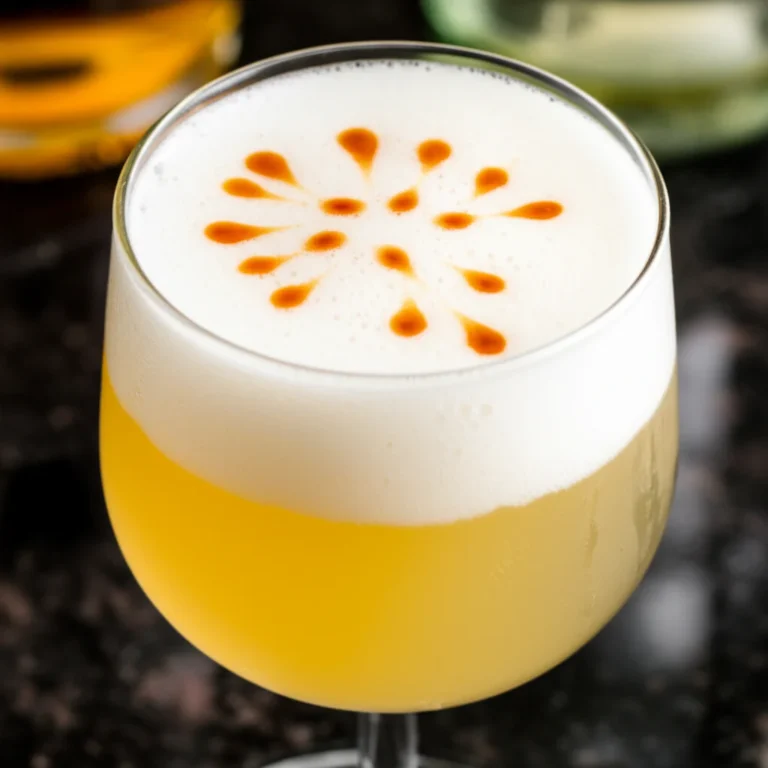
| National Drink 🍹 | You absolutely must try a Pisco Sour. It’s a national obsession for a reason! Made from grape brandy, it’s a zesty, frothy delight. For more on this and other local beverages, check out our guide on must-try foods and drinks in Chile. |
| Dietary Needs 🥜 | Vegetarian (vegetariano/a) and vegan (vegano/a) options are growing, but can be limited outside big cities. Always communicate your needs clearly. “Sin carne, por favor” (without meat, please) is a useful phrase. |
| “Menú del Día” 🍽️ | The “menu of the day” is your best friend for a delicious and affordable lunch. It usually includes a starter, main course, dessert, and a drink. It’s a fantastic way to sample local flavors without breaking the bank. |
🍽️ Savoring Chile: A Culinary Journey Through Time & Terroir
To truly appreciate the unique dining here, you have to understand its roots. Chilean cuisine is a vibrant tapestry woven from diverse threads. It starts with the foundational ingredients of indigenous peoples like the Mapuche—corn, potatoes, quinoa, and fresh seafood. Then, stir in the hearty influence of Spanish colonizers with their love for stews and grilled meats. 🇪🇸
Over the centuries, waves of German, Italian, and French immigrants added their own culinary chapters, introducing everything from sausages and pastries to wine-making techniques. This rich history, combined with Chile’s insane geography (we’re talking desert, coastline, mountains, and glaciers!), creates a “pantry” unlike anywhere else on Earth. This isn’t just food; it’s a taste of history and landscape, a true cultural experience.
Why “Unique Dining” in Chile is a Must-Do for Every Foodie 🍷
Look, you can get a good meal anywhere. But can you eat gourmet food cooked by geothermal steam from a volcano? Or sip world-class Carmenere in the very vineyard where the grapes were grown, with the Andes watching over you? That’s the magic of Chile. ✨
Unique dining here isn’t a gimmick; it’s an extension of the country’s soul. It’s about connecting with the terroir—the land, the climate, the people—in the most direct and delicious way possible. It’s about the story behind the food: the fisherman who caught your sea bass that morning, the family recipe for Pastel de Choclo passed down through generations, the wild herbs foraged from the Patagonian steppe. Choosing these experiences elevates your trip from a simple vacation to an unforgettable adventure.
Our Top Picks: 25+ Unforgettable Unique Dining Experiences Across Chile 🌟
Okay, the moment you’ve been waiting for! We’ve compiled our absolute favorite, most memorable, and downright unique dining experiences from all our travels. Buckle up, buttercup!
1. Santiago’s Urban Culinary Escapes: Beyond the Tourist Traps 🏙️
Santiago is a culinary chameleon, constantly evolving. It’s a city where you can find both old-school institutions and trendy, experimental kitchens. It’s one of our favorite destinations for a city-based food deep-dive.
1.1. Rooftop Revelry: Dining with a View 🥂
There’s nothing quite like sipping a cocktail as the sun sets behind the Andes, painting the sky in fiery hues. Santiago has some incredible rooftop bars and restaurants. We love Tramonto Bar & Terrace at the Noi Vitacura for its stunning panoramic views and chic vibe. It’s the perfect spot to feel on top of the world.
1.2. Speakeasy Suppers: Secret Culinary Adventures 🤫
Who doesn’t love a good secret? Santiago’s speakeasy scene is buzzing. You might find an unmarked door leading to an intimate cocktail bar or a “closed-door” restaurant (puerta cerrada) run from a chef’s own home. These offer a truly personal and exclusive dining experience. Keep an ear to the ground for pop-ups and supper clubs—they’re worth the hunt!
1.3. Market-to-Table Magic: Freshness Redefined 🥕
For the freshest possible meal, head to the source! Some restaurants, like the acclaimed Boragó (often listed among the world’s best), take this to the extreme, foraging for native ingredients. For a more accessible experience, visit the Mercado Central for seafood or La Vega Central for produce, then find a nearby eatery that cooks with market-fresh ingredients. The difference is astounding.
1.4. Immersive Themed Restaurants & Pop-Ups: Storytelling Through Food 🎭
Dining in Santiago can be a theatrical event. The food blog Nomadic Foodist raves about Liguria, a Santiago institution with three themed levels that tell a story of Chilean culture. They describe its fried fish sandwich as “one of the best sandwiches of all time. Seriously.” We agree! Another spot they highlight is Silvestre Bistró, with its eclectic decor and a new menu daily, ensuring “constant variety.” These places aren’t just restaurants; they’re destinations.
2. Coastal Culinary Wonders: Where the Ocean Meets Your Plate 🌊
With thousands of kilometers of coastline, it’s no surprise that Chile’s seafood is legendary. But it’s where and how you eat it that makes all the difference.
2.1. Valparaíso’s Bohemian Bites: Art & Flavor Collide 🎨
Valparaíso is a riot of color, art, and history, and its food scene is just as vibrant. Wander the hilly, graffiti-adorned streets and you’ll find charming cafes and restaurants tucked into unexpected corners. As seen in a popular travel video, the Churrasco Sandwich at Café Vinilo is a must-try, featuring incredibly tender steak. This city is all about creative energy, and that extends to its plates.
2.2. Seafood Shacks & Ceviche Dreams: Fresh Catches Galore 🎣
Forget fine dining for a moment. Some of the best seafood we’ve ever had was at a simple shack on the coast, with plastic chairs and the sound of crashing waves. Look for places serving Machas a la Parmesana (razor clams baked with Parmesan), a dish that the aforementioned video says is “surprisingly incredible.” And of course, there’s Ceviche. The Chilean version is often made with sea bass or halibut, lemon juice, onions, and cilantro. It’s pure, zesty perfection.
2.3. Isla Negra’s Poetic Palates: Neruda’s Influence 📜
Just down the coast from Valparaíso is Isla Negra, home to one of Pablo Neruda’s whimsical houses. The poet had a deep love for life’s simple pleasures, including good food and wine. Dining at a restaurant overlooking the wild Pacific here, like El Rincón del Poeta, feels like stepping into one of his odes. It’s a profoundly moving and delicious experience.
2.4. Coastal Caleta Dining: Fisherman’s Feast & Local Delights ⚓
For the ultimate sea-to-table experience, head to a caleta, or fisherman’s cove. These are bustling hubs where fishermen bring in their daily catch. Many have small, no-frills eateries (cocinerías) that cook up whatever is freshest that day. It doesn’t get more authentic than this.
3. Central Valley’s Vineyard Vittles: Wine & Dine in Paradise 🍇
Welcome to Chilean wine country! This is where our Food & Drink loving hearts truly sing. The valleys around Santiago are carpeted with vineyards producing world-class wines.
3.1. Estate Dining: Gourmet Meals Among the Vines 🌿
Many wineries have exceptional restaurants that offer gourmet tasting menus designed to pair perfectly with their wines. Dining at Rayuela Wine & Grill at Viu Manent Winery in the Colchagua Valley is an experience we’ll never forget. You can literally sit and eat a world-class meal while looking out at the very vines that produced the wine in your glass.
3.2. Pairing Perfection: Beyond the Glass 🧀
It’s not just about the wine! These experiences often involve pairing local cheeses, olive oils, and other artisanal products. It’s a holistic tasting journey that connects you to the entire agricultural richness of the region.
3.3. Farm-to-Fork Experiences: Taste the Terroir 🧑🌾
Some estates, like Matetic Vineyards in the Casablanca Valley, are fully integrated organic farms. Their restaurant, Equilibrio, serves dishes made with ingredients grown right there on the property. You can taste the freshness and care in every single bite.
3.4. Wine Cellar Dinners: Exclusive Underground Feasts 🍷
For a truly exclusive and atmospheric meal, inquire about private dinners in a winery’s cellar. Surrounded by aging barrels and the subtle scent of oak and wine, it’s an intimate and romantic setting that feels like a delicious secret.
4. Patagonia’s Wild Flavors: A Culinary Adventure in the South 🏔️
Dining in Patagonia is as wild and epic as the landscape itself. This is true adventure travel, and the food is part of the thrill.
4.1. Patagonian Lamb Asado: The Ultimate Feast 🔥
This is THE quintessential Patagonian culinary experience. A whole lamb is butterflied on an iron cross (asador) and slow-cooked for hours over an open wood fire until it’s unbelievably tender and flavorful. It’s more than a meal; it’s a celebration, a ritual, and a gathering of community. Many estancias (ranches) and lodges offer this experience.
4.2. Rustic Refugios: Hearty Meals in Remote Locales 🏕️
After a long day of hiking in Torres del Paine, there is nothing—and we mean nothing—better than a hot, hearty meal at a mountain lodge or refugio. The food is simple, nourishing, and deeply satisfying. Think rich lentil stews, fresh-baked bread, and a well-deserved glass of Chilean red wine.
4.3. King Crab & Southern Delights: From the Cold Waters 🦀
The frigid waters of the south are home to the magnificent centolla, or Chilean king crab. In cities like Punta Arenas, you can enjoy it fresh from the sea. It’s sweet, succulent, and needs very little adornment—maybe just a squeeze of lemon. It’s a true delicacy of the deep south.
4.4. Glamping Gourmet: Dining Under the Stars 🌌
Luxury camps like EcoCamp Patagonia offer gourmet dining in the heart of the wilderness. Imagine enjoying a three-course meal with wine pairings inside a cozy geodesic dome while the Patagonian winds howl outside. It’s the perfect blend of rugged nature and refined comfort.
5. Northern Chile’s Desert Delicacies: Flavors of the Atacama 🌵
The world’s driest desert might seem like an unlikely culinary hotspot, but the Atacama will surprise you with its unique ingredients and ancient cooking traditions.
5.1. Andean Ancestral Cuisine: Ancient Recipes, Modern Twists 🍲
Local chefs are reviving ancestral ingredients and techniques. You’ll find dishes featuring llama meat, quinoa, chañar (a sweet fruit), and rica-rica (an aromatic herb). Restaurants in San Pedro de Atacama, like Adobe, offer beautiful courtyard settings to sample these unique flavors.
5.2. Stargazing Suppers: Dining Under the Cosmos ✨
The Atacama Desert has some of the clearest skies on the planet, making it a world-renowned destination for astronomy. Several tour operators and high-end hotels, such as Explora Atacama, offer “astronomical dinners” where you can enjoy a fantastic meal in the middle of the desert followed by a guided tour of the southern sky. It’s a mind-blowing experience for all the senses.
5.3. Oasis Eats: Freshness in the Desert 🌴
It’s amazing what can grow in an oasis. In places like Pica, you’ll find unique citrus fruits, like the tiny, tangy Pica lemon, which is essential for a proper Pisco Sour. Tasting fresh produce in the middle of the desert is a lesson in nature’s resilience.
5.4. Geothermal Cooking: Earth’s Natural Oven Experiences 🌋
This is one of the most unique experiences on our list! Near the El Tatio geysers, some tours offer breakfast cooked using the natural steam vents. It’s a simple meal, usually eggs and bread, but the novelty of cooking with the Earth’s own heat at over 4,000 meters is something you’ll talk about forever.
6. Easter Island’s Rapa Nui Riches: Polynesian-Chilean Fusion 🗿
Thousands of miles off the coast lies Rapa Nui (Easter Island), a land of mystery, giant stone Moai, and a unique culinary scene that blends Polynesian traditions with Chilean influences.
6.1. Hāngi-Style Feasts (Umu Pae): Earth Oven Delights 🍠
The traditional Rapa Nui feast is the Umu Pae, similar to a New Zealand Hāngi. Food—typically chicken, fish, sweet potatoes, and taro—is wrapped in banana leaves and slow-cooked for hours in an earth oven over hot volcanic stones. The result is incredibly moist, tender, and smoky. Several cultural centers offer this as a dinner and show experience.
6.2. Fresh Tuna & Tropical Treats: Island Flavors 🍍
Being a remote island, the seafood is phenomenal. Fresh tuna is a staple, often served raw as ceviche or seared. You’ll also find tropical fruits like pineapple and guava, which feature in both sweet and savory dishes.
6.3. Sunset Beach Picnics: Rapa Nui Romance 🌅
For a truly magical experience, pack a picnic with local goodies—tuna empanadas, fresh fruit, and a bottle of Chilean wine—and head to Ahu Tahai to watch the sunset behind the Moai. It’s simple, romantic, and utterly unforgettable.
7. Beyond the Restaurant: Interactive & Mobile Culinary Experiences 🚶♀️
Sometimes, the most unique experiences happen outside of a traditional restaurant setting.
7.1. Culinary Workshops & Cooking Classes: Get Hands-On! 🔪
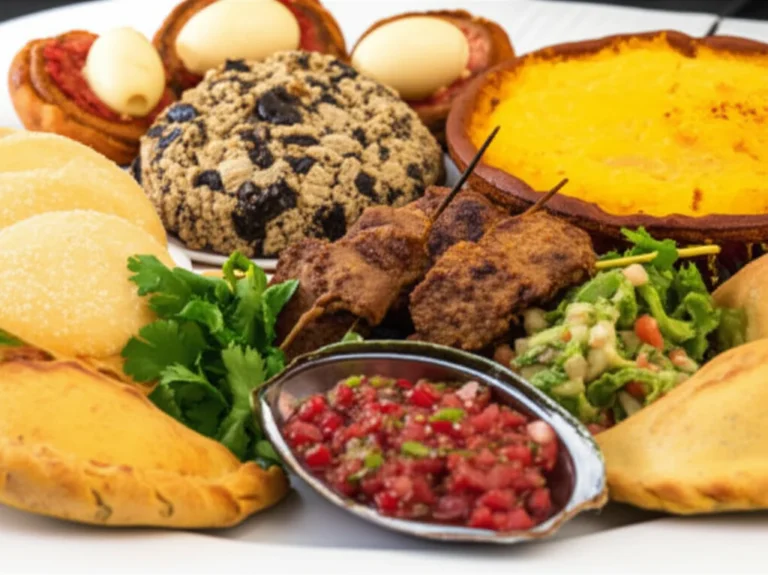
Why just eat the food when you can learn to make it? Taking a Chilean cooking class is a fantastic way to connect with the culture. You’ll often start with a market tour to select ingredients before learning to prepare classic dishes like empanadas, pebre, and, of course, the Pisco Sour.
7.2. Food Trucks & Street Eats: Gourmet on the Go 🚚
Chile’s street food scene is a must-try. The famous Completo Italiano, a hot dog loaded with avocado, tomato, and mayonnaise, is a messy, delicious icon. As one reviewer in the featured video noted, it “mostly just tastes of guacamole,” and honestly, what’s wrong with that? Look for food truck parks in Santiago for more gourmet mobile options.
7.3. Private Chef Experiences: Personalized Palates 🧑🍳
For a special occasion or a more intimate group setting, hiring a private chef can be a fantastic option. They can create a custom menu based on your preferences, often highlighting local and seasonal ingredients, all in the comfort of your rental accommodation.
7.4. Food Tours: A Guided Gastronomic Journey 🚶♂️
Don’t know where to start? A guided food tour can be the perfect introduction. A local expert will lead you to hidden gems, explain the history behind the dishes, and help you navigate the culinary landscape like a pro. We highly recommend this for your first couple of days in a new city.
Navigating Chile’s Culinary Scene: Tips for the Savvy Diner 🗺️
A little local knowledge goes a long way. Here are our pro tips for making your dining experiences smooth and enjoyable.
Making Reservations & Timing Your Meals ⏰
✅ Do: Make reservations online or by phone, especially for well-known restaurants in Santiago, Valparaíso, and popular tourist areas.
❌ Don’t: Show up for dinner at 6:30 PM and expect the restaurant to be buzzing. Embrace the local rhythm and plan for a later meal.
Dietary Restrictions & Allergies: What to Know ⚠️
While awareness is growing, it’s crucial to be proactive.
- Learn key phrases: “Soy alérgico/a a…” (I’m allergic to…), “Soy vegetariano/a” (I’m vegetarian), “Soy vegano/a” (I’m vegan).
- Carry a translation card: Have your dietary needs written down clearly in Spanish.
- Double-check: When ordering, always confirm the ingredients with your server.
Tipping Etiquette & Payment Methods 💸
When you get your bill, the server will likely ask, “¿Acepta la propina?” (“Do you accept the tip?”). This refers to the suggested 10%. Simply say “sí” to include it. Credit cards are widely accepted in cities and tourist areas, but it’s always a good idea to have some Chilean pesos (CLP) on hand for smaller eateries, markets, and tips.
Transportation to Unique Dining Spots 🚗
For city restaurants, rideshare apps like Uber and Cabify are reliable. For more remote locations like vineyards or coastal towns, you might consider:
- Renting a car: Offers the most flexibility. We often use RentalCars.com to compare options.
- Hiring a private driver: A great, stress-free option for wine tours.
- Joining a guided tour: Many tour operators bundle transportation with the dining experience.
Chilean Wine & Pisco: Perfect Pairings for Your Unique Meal 🍷
You can’t talk about food in Chile without talking about its legendary drinks. This is a country that takes its libations seriously!
Exploring Local Varietals: Carmenere, Syrah, Sauvignon Blanc 🍇
- Carmenere: This is Chile’s signature grape! Once thought to be extinct, this red wine is smooth, with notes of red fruit, bell pepper, and spice. It pairs beautifully with grilled meats and hearty stews.
- Syrah: Look for Syrah from the cooler coastal or high-altitude regions. It’s often elegant and peppery.
- Sauvignon Blanc: The Casablanca and Leyda valleys produce crisp, citrusy Sauvignon Blancs that are the absolute perfect match for fresh ceviche and seafood.
The Art of Pisco Sour: Chile’s National Drink 🍋
Ah, the Pisco Sour. It’s a simple but potent mix of pisco, lime or lemon juice, simple syrup, and egg white, which gives it a signature frothy top. Every bartender has their own twist. The travel video we mentioned describes it as “almost like a melted lollipop,” which perfectly captures its sweet-tart magic. The blog Nomadic Foodist recommends Chipe Libre in Santiago as one of the best spots to try one.
Craft Beer & Artisanal Spirits: Beyond Wine 🍻
The craft beer (cerveza artesanal) scene has exploded in Chile! You’ll find excellent local breweries all over the country, especially in Valparaíso and southern regions with German heritage, like Valdivia. Also, keep an eye out for artisanal gin made with unique botanicals from the Atacama Desert or Patagonia.
Sustainable & Ethical Dining: Supporting Local & Responsible Practices 🌱
As travelers, we have the power to make a positive impact with our dining choices.
Farm-to-Table Initiatives: Meeting the Producers 🧑🌾
Choosing restaurants that prioritize local, seasonal ingredients directly supports small farmers and producers. It also means you’re getting fresher, more flavorful food. It’s a win-win!
Indigenous Ingredients & Culinary Heritage 🌍
Seek out restaurants that celebrate and incorporate indigenous ingredients like merkén (a smoked chili spice), piñones (pine nuts from the Araucaria tree), and various Andean grains. This helps preserve ancient culinary traditions and supports indigenous communities.
Reducing Food Waste: Eco-Conscious Choices ♻️
Many modern Chilean chefs are embracing nose-to-tail and root-to-leaf cooking philosophies, finding creative ways to use every part of an animal or plant. Supporting these establishments encourages a more sustainable food system.
Chile Vacay™ Exclusive: Our Team’s Most Memorable Unique Dining Anecdotes! 😂
One time, on a trip deep into the Elqui Valley, we were invited to a local family’s home for a traditional meal. We were expecting a simple dinner. What we got was a full-blown feast, including a goat that had been slow-cooking all day. The grandmother, who spoke no English, communicated entirely through gestures and by piling more and more food onto our plates. We ate until we could barely move, drank homemade pisco, and listened to family stories under the stars. It wasn’t a fancy restaurant, but it was, without a doubt, one of the most “Michelin-star” experiences of our lives. It reminded us that the best meals are about connection, not just consumption.
Budgeting for Your Gastronomic Adventures: Splurge vs. Save 💰
Chile offers unique dining for every budget. Here’s how to balance it.
- Save 💸: Embrace the “menú del día” for lunch. It’s the best value meal you’ll find. Hit up the local markets for cheap and delicious empanadas and street food like sopaipillas (fried pumpkin dough). This is budget travel at its most delicious.
- Splurge 💎: Save your pennies for one or two truly special experiences. This could be a high-end tasting menu in Santiago (like at Casa Luz, which Nomadic Foodist called their favorite restaurant in the city), a gourmet vineyard lunch, or a unique dining tour in the Atacama. These are the memories you’ll cherish.
Safety & Health Considerations While Dining Out ⚕️
Chile has high food safety standards, but it’s always good to be cautious.
- Street Food Smarts: Choose vendors that are busy and have a high turnover. Look for food that is cooked fresh in front of you.
- Seafood Sense: When eating raw seafood like ceviche, make sure you’re at a reputable restaurant, especially one that’s busy with locals. Freshness is key.
- Listen to Your Gut: If something doesn’t look or smell right, it’s better to be safe than sorry. Trust your instincts.
Conclusion: Your Chilean Culinary Journey Awaits! ✨
So, there you have it—a full-course feast of unique dining experiences across Chile, from the bustling urban kitchens of Santiago to the wild, windswept shores of Patagonia, and the mysterious volcanic ovens of Easter Island. We’ve explored how Chile’s diverse geography and rich cultural heritage create a culinary landscape that’s as varied as it is delicious.
Why choose unique dining in Chile? Because it’s not just about filling your belly; it’s about feeding your soul. Whether you’re savoring a Pisco Sour on a rooftop overlooking the Andes, sharing a Patagonian lamb asado around a crackling fire, or learning to cook ancestral Andean dishes in the Atacama, each bite tells a story.
Remember our story from the Elqui Valley family dinner? That’s the heart of Chilean dining—connection, warmth, and tradition. It’s these moments that transform a meal into a memory.
If you’re wondering how to balance splurges and savings, or how to navigate local customs, we’ve got you covered with practical tips to make your journey smooth and joyful.
So, what are you waiting for? Pack your appetite and your sense of adventure, because Chile is ready to serve you a dining experience unlike any other.
Bon appétit—or as they say here, ¡Buen provecho! 🍽️🍷
Recommended Links: Plan Your Next Chilean Food Adventure 🔗
Hungry for more? Here are some great resources and products to help you prepare for your Chilean culinary journey:
-
Cookbooks & Guides:
-
Wine & Spirits:
- Carmenere Wines: Shop Chilean Carménère selections on Wine.com
- Pisco Brands: Explore Mistral Pisco and Capel Pisco
- Craft Beer: Discover Chilean craft beers on Untappd
-
Travel & Dining Experiences:
- Book vineyard tours and dining at Viu Manent Winery
- Reserve unique dining experiences and cooking classes in Santiago on Airbnb Experiences
- Explore guided food tours at Eat Chile
FAQ: Your Burning Questions Answered 🔥
What are the best traditional Chilean dishes to try in unique dining settings?
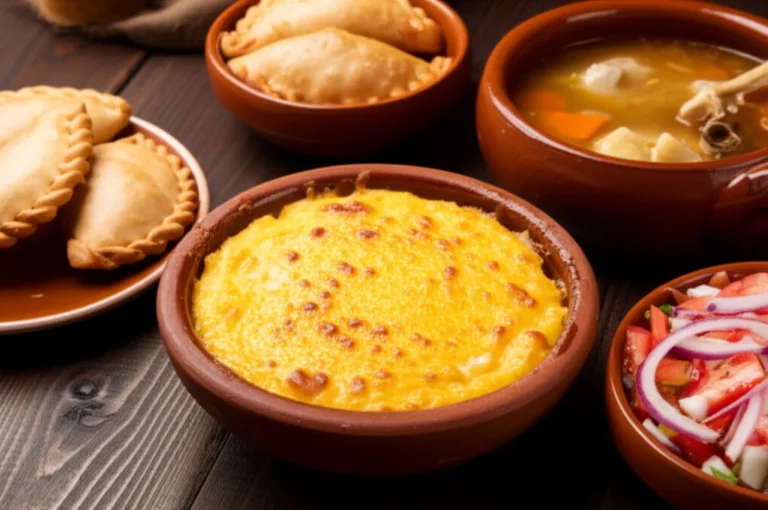
Traditional dishes like Pastel de Choclo (corn pie with meat and egg), Charquicán (hearty beef and vegetable stew), and Empanadas de Pino (meat-filled pastries) are staples you’ll find across Chile. In unique settings, these dishes are often elevated with local ingredients or served in immersive environments, such as family-run puertas cerradas (closed-door restaurants) or vineyard estates. Don’t miss Machas a la Parmesana (razor clams with Parmesan) on the coast or the Patagonian lamb asado in the south, which is a feast and a cultural event rolled into one.
Which regions in Chile offer the most distinctive culinary experiences?
Chile’s geography creates distinct culinary regions:
- Santiago & Central Valley: Urban innovation meets traditional fare; world-class vineyards.
- Coastal Areas (Valparaíso, Caleta): Fresh seafood and bohemian vibes.
- Patagonia: Wild game, seafood, and rustic mountain cooking.
- Atacama Desert: Ancestral Andean ingredients and stargazing dinners.
- Easter Island: Polynesian-Chilean fusion with unique earth oven cooking.
Each region offers a different flavor profile and dining style, so plan to explore multiple areas for a full experience.
How can I find authentic indigenous food experiences in Chile?
Look for restaurants and cultural centers that highlight Mapuche and other indigenous culinary traditions. Ingredients like merkén (smoked chili), piñones (pine nuts), and mote (boiled wheat) are common. Participating in cooking classes or community-based tourism initiatives in southern Chile can provide hands-on experiences. Also, check out farm-to-table restaurants that source from indigenous producers.
What are the top restaurants in Chile known for innovative and unique dining concepts?
Some standout spots include:
- Boragó (Santiago): World-renowned for foraging and native ingredients.
- Casa Luz (Santiago): Praised for superb dishes and intimate atmosphere.
- Rayuela (Colchagua Valley): Gourmet vineyard dining.
- Silvestre Bistró (Santiago): Daily changing menus with eclectic influences.
- Adobe (San Pedro de Atacama): Andean ancestral cuisine with modern flair.
These restaurants combine innovation with deep respect for Chilean culinary heritage.
Reference Links: Our Trusted Sources 📚
For further reading and verification, check out these authoritative resources:
- Nomadic Foodist: 20 BEST Restaurants In Santiago, Chile | Santiago Food Guide
- Viu Manent Winery Official Website
- Mistral Pisco Official Website
- Capel Pisco Official Website
- Chile Travel Official Site
- Mercado Central Santiago
- Eat Chile Food Tours
- Airbnb Experiences in Santiago
Ready to embark on your Chilean culinary adventure? Remember, the best meal is the one that tells a story—and Chile has plenty of stories to share. Bon voyage and buen provecho! 🍽️🇨🇱