Support our educational content for free when you purchase through links on our site. Learn more
25 Best Outdoor Activities to Do in Chile in 2026 🌄


Chile is an adventurer’s dream come true — a land where you can hike towering granite spires by day and stargaze under some of the clearest skies on Earth by night. From the otherworldly Atacama Desert to the wild glaciers of Patagonia, Chile offers a staggering variety of outdoor activities that cater to every thrill level and interest. But with so much to choose from, where do you start?
In this ultimate guide, we reveal the 25 best outdoor activities to do in Chile — including epic treks like the Torres del Paine W and O circuits, heart-pounding whitewater rafting on the Futaleufú River, serene kayaking through the Marble Caves, and even family-friendly adventures that will delight all ages. We’ll also share insider tips on the best seasons to visit, how to pack smart, and where to find sustainable, eco-friendly experiences that protect this incredible country’s natural beauty.
Curious if Patagonia’s glaciers are really worth the trek? Wondering how to survive Chile’s unpredictable weather or which hidden gems offer the best wildlife encounters? Keep reading — your next unforgettable Chilean adventure starts here!
Key Takeaways
- Chile offers unparalleled outdoor diversity, from desert landscapes to icy fjords, making it a top destination for adventure travelers.
- The Torres del Paine W and O treks are must-do hikes, but there are also incredible water sports, mountain biking, skiing, and wildlife watching opportunities.
- Best seasons vary by region and activity; shoulder seasons (spring and autumn) often provide the best balance of weather and crowds.
- Sustainable tourism is growing — choose eco-certified operators and follow Leave No Trace principles to protect Chile’s fragile ecosystems.
- Proper planning, gear, and safety precautions are essential for a smooth and enjoyable outdoor experience.
- The article includes family-friendly activities and tips for capturing stunning photos of Chile’s breathtaking scenery.
Ready to explore Chile’s wild side? Let’s dive in!
Table of Contents
- ⚡️ Quick Tips and Facts About Outdoor Adventures in Chile
- 🌎 Exploring Chile’s Natural Playground: A Brief Outdoor Adventure History
- 1. 🏞️ Top 25 Outdoor Activities to Experience in Chile
- 1.1 Hiking and Trekking: From Torres del Paine to the Atacama Desert
- 1.2 Water Sports: Kayaking, Surfing, and Rafting Adventures
- 1.3 Mountain Biking and Cycling Trails Across Chile
- 1.4 Skiing and Snowboarding in the Andes Mountains
- 1.5 Wildlife Watching and Birding Hotspots
- 1.6 Rock Climbing and Mountaineering Challenges
- 1.7 Camping and Stargazing in Chile’s Dark Sky Reserves
- ❄️ What to Do During Winter in Chile: Snowy Outdoor Escapades
- 🧊 Patagonia’s Glaciers and Ice Fields: Are They Worth the Trek?
- 🌄 The Best Outdoor Destinations in Chile for Adventure Travelers
- 🌿 Sustainable and Eco-Friendly Outdoor Activities in Chile
- 🚗 How to Plan Your Outdoor Adventure Trip in Chile: Tips and Tricks
- 🎒 Essential Gear and Packing List for Chile’s Outdoor Activities
- 👨 👩 👧 👦 Family-Friendly Outdoor Activities in Chile: Fun for All Ages
- 🌞 Best Seasons and Weather Considerations for Outdoor Activities in Chile
- 📸 Capturing Your Chile Outdoor Adventures: Photography Tips and Spots
- 🛡️ Safety Tips and Precautions for Outdoor Activities in Chile
- 🎉 Outdoor Festivals and Events Celebrating Nature and Adventure in Chile
- 🏆 Conclusion: Why Chile is Your Ultimate Outdoor Adventure Playground
- 🔗 Recommended Links for Planning Your Chile Outdoor Adventure
- ❓ FAQ: Your Burning Questions About Outdoor Activities in Chile Answered
- 📚 Reference Links and Resources for Chile Outdoor Adventures
⚡️ Quick Tips and Facts About Outdoor Adventures in Chile
Welcome, fellow adventurers! If you’re dreaming of a destination that truly has it all – from the driest desert on Earth to colossal glaciers and everything in between – then Chile is calling your name. Here at Chile Vacay™, we’ve explored every corner of this incredible country, and trust us, the outdoor activities here are simply unparalleled. For a broader overview of what this amazing country offers, check out our comprehensive guide on Things to Do in Chile.
So, what makes Chile the ultimate outdoor playground? It’s the sheer diversity of its landscapes, stretching over 4,300 kilometers (2,670 miles) along the Pacific coast. This geographical marvel means you can literally ski in the Andes in the morning and surf the Pacific waves in the afternoon (if you’re really ambitious, that is!).
Here are some quick facts and essential tips to get your adventure planning started:
- Entry Requirements (as of our last update): Good news, thrill-seekers! Chile currently has no travel restrictions related to COVID-19. You’ll generally need a valid vaccination certificate from your country, or a negative PCR test taken less than 48 hours before departure if you’re unvaccinated. Random diagnostic tests might occur upon arrival, but no mandatory PCR test is required for entry. Medical insurance for COVID-19 is not mandatory, and face masks are voluntary. Always check the latest official government guidelines before you fly, like those from the Chilean Ministry of Health.
- Best Time to Visit: While Chile is a year-round destination, the shoulder seasons (spring: October-November and autumn: March-April) often offer the best balance of pleasant weather and fewer crowds for most outdoor activities. Summer (December-February) is peak season for Patagonia, while winter (June-August) is prime for skiing.
- Diverse Landscapes: As Worldly Adventurer aptly puts it, “Chile’s diverse landscapes make it a premier destination for outdoor adventure.” From the lunar valleys of the Atacama Desert to the temperate rainforests of the Lake District and the icy fjords of Patagonia, every region offers a unique set of adventures.
- Activity Levels: Whether you’re a seasoned mountaineer or a casual hiker, Chile has something for you. Activities range from easy scenic walks to challenging multi-day treks and extreme sports.
- Sustainability: Many operators in Chile are committed to eco-tourism and sustainable practices. We highly recommend choosing tour companies that prioritize conservation and respect for local communities. Look for certifications or affiliations with organizations like Leave No Trace.
🌎 Exploring Chile’s Natural Playground: A Brief Outdoor Adventure History

Chile’s relationship with its incredible natural environment isn’t just a modern phenomenon; it’s deeply woven into the fabric of its history and culture. For centuries, indigenous communities like the Mapuche, Aymara, and Rapa Nui have lived in harmony with these diverse landscapes, developing profound knowledge of the land, its flora, and its fauna. Their traditional ways of life often involved extensive trekking, fishing, and hunting – early forms of what we now call “outdoor activities.”
Fast forward to the 19th and 20th centuries, and Chile began to attract explorers, scientists, and mountaineers from around the globe, captivated by the allure of the Andes and the mysteries of Patagonia. Figures like Father Alberto de Agostini, a Salesian missionary, meticulously explored and mapped parts of Tierra del Fuego and the Patagonian ice fields, documenting their breathtaking beauty and challenging terrain. These early expeditions laid the groundwork for modern adventure tourism.
In more recent decades, Chile has consciously embraced its potential as a global outdoor adventure hub. The establishment of extensive National Parks and Protected Areas – like the iconic Torres del Paine National Park in 1959, or the more recent “Ruta de los Parques de la Patagonia” (Route of Parks of Patagonia) – has been crucial. These initiatives, often supported by philanthropic efforts like those of Tompkins Conservation, have safeguarded vast tracts of wilderness, making them accessible for responsible tourism while protecting their delicate ecosystems.
Today, Chile is recognized worldwide as a paradise for outdoor enthusiasts. As Cascada Travel notes, “Chile is a paradise for outdoor enthusiasts seeking adventure and natural beauty.” This reputation isn’t just about the stunning scenery; it’s also about the infrastructure that has grown to support it, from world-class ski resorts to expert trekking guides and sustainable eco-lodges. The country’s commitment to preserving its natural heritage while inviting the world to experience its wonders is a testament to its evolving outdoor adventure story.
1. 🏞️ Top 25 Outdoor Activities to Experience in Chile
Alright, buckle up, because this is where the rubber meets the road – or rather, where your hiking boots meet the Patagonian trails! We’ve scoured every corner, climbed every (accessible) mountain, and paddled every river to bring you our definitive list of the top 25 outdoor activities you absolutely must experience in Chile. Forget those other lists with only 18 items; we’re going for comprehensive adventure!
1.1 Hiking and Trekking: From Torres del Paine to the Atacama Desert
Chile is a hiker’s dream, offering trails that range from leisurely strolls through vineyards to multi-day expeditions across rugged mountains. The sheer variety is astounding!
- Trekking the W Trek in Torres del Paine National Park: This is the holy grail for many hikers, and for good reason! Bookmundi highlights it as a “60 km, 4-5 days, medium difficulty” trek, taking you past glaciers, lakes, and the iconic granite towers. We’ve done it multiple times, and the views of the French Valley, Base of the Towers, and Glacier Grey never get old.
- Benefits: Unforgettable scenery, diverse ecosystems, well-maintained refugios (mountain huts) and campsites.
- Drawbacks: Can be crowded during peak season (November-March), weather is notoriously unpredictable.
- Our Tip: Book your refugios and campsites months in advance, especially for summer. Consider going in shoulder seasons for fewer crowds.
- CHECK AVAILABILITY & BOOK ACCOMMODATION on: Booking.com | Expedia
- Conquering the O Circuit in Torres del Paine: For the truly intrepid, the O Circuit is the W Trek’s bigger, bolder sibling. It’s a more challenging, 7-10 day trek that circumnavigates the entire Paine Massif, offering even more solitude and breathtaking views, including the backside of the towers and the John Gardner Pass.
- Benefits: More remote, incredible sense of accomplishment, fewer people.
- Drawbacks: Requires higher fitness, more extensive planning, limited access during winter.
- Exploring the Valley of the Moon (Valle de la Luna) in Atacama Desert: While not a multi-day trek, the short hikes and explorations in this otherworldly landscape are a must. The first YouTube video embedded in this article perfectly captures the “unique Martian-like landscapes” of the Atacama. Witnessing the sunset paint the desert in hues of orange and purple is an experience you won’t forget.
- Benefits: Easy access from San Pedro de Atacama, stunning photography opportunities, unique geological formations.
- Drawbacks: Can be very hot during the day, requires sun protection and hydration.
- Trekking in Cajón del Maipo: Just a short drive from Santiago, this Andean canyon offers a fantastic escape. Bookmundi mentions “trekking, horse riding, skiing, wine tasting” here. We love the trails around Embalse el Yeso, a stunning turquoise reservoir at 2,500m altitude.
- Benefits: Accessible day trip from Santiago, beautiful mountain scenery, diverse activities.
- Drawbacks: Can get crowded on weekends, road conditions can be challenging.
- Hiking in Lauca National Park: A UNESCO World Heritage Site, this park in the far north boasts high-altitude lagoons, volcanoes, and unique wildlife. The video highlights its “breathtaking scenery with volcanoes, lakes, and diverse wildlife like vicuñas and llamas.” Hikes here offer incredible views of Parinacota Volcano and Chungará Lake.
- Benefits: Unique Andean ecosystem, rich biodiversity, stunning high-altitude landscapes.
- Drawbacks: High altitude requires acclimatization, remote location.
1.2 Water Sports: Kayaking, Surfing, and Rafting Adventures
With thousands of kilometers of coastline, countless lakes, and powerful rivers, Chile is a water sports enthusiast’s paradise.
- Whitewater Rafting on the Futaleufú River: Often hailed as one of the top whitewater rafting destinations in the world, the “Fu” offers exhilarating Class IV and V rapids amidst pristine Patagonian wilderness. Worldly Adventurer specifically calls out rivers like Futaleufú as “rated among the best globally.”
- Benefits: Adrenaline-pumping experience, stunning scenery, professional guides available.
- Drawbacks: Requires some experience or a good guide, remote location, cold water.
- Our Tip: Go with a reputable outfitter like Expediciones Chile for safety and expertise.
- Kayaking in the Chilean Fjords: Imagine paddling through serene, glassy waters, surrounded by towering cliffs and ancient glaciers. The fjords of Patagonia offer an unparalleled kayaking experience, allowing you to get up close with marine life.
- Benefits: Unique perspective of Patagonia, wildlife viewing (dolphins, sea lions), peaceful and immersive.
- Drawbacks: Requires cold-weather gear, can be challenging in windy conditions.
- Sea Kayaking to the Marble Caves (Capillas de Mármol): Located on General Carrera Lake, these incredible geological formations are carved by water into swirling patterns of blue and grey marble. The video describes them as “truly a hidden gem, showcasing the raw power and artistry of nature.” Kayaking allows you to paddle directly into the caves, a truly surreal experience.
- Benefits: Unforgettable natural wonder, unique photography, accessible by boat tours or guided kayak trips.
- Drawbacks: Can be windy on the lake, requires a boat transfer to reach the caves.
- Surfing at Pichilemu: Known as Chile’s surf capital, Pichilemu boasts long, consistent waves perfect for all levels. Bookmundi notes its “long, consistent waves” and recommends wetsuits due to cold waters. Punta de Lobos is a world-renowned break for experienced surfers, while La Puntilla offers gentler waves for beginners.
- Benefits: World-class waves, vibrant surf culture, surf schools available.
- Drawbacks: Water is cold year-round (wetsuit essential!), can get crowded.
- 👉 Shop Wetsuits on: Amazon.com | O’Neill Official Website
- Stand-Up Paddleboarding (SUP) on Lake Villarrica: For a more tranquil water experience, SUP on the calm waters of Lake Villarrica, with the majestic Villarrica Volcano as your backdrop, is simply divine.
- Benefits: Relaxing, great core workout, stunning views, easily accessible from Pucón.
- Drawbacks: Can be windy, requires balance.
1.3 Mountain Biking and Cycling Trails Across Chile
Chile’s diverse terrain, from desert tracks to Andean singletrack, makes it a fantastic destination for two-wheeled adventures.
- Mountain Biking in the Andes near Santiago: Just outside the capital, areas like Farellones and La Parva offer thrilling downhill trails and scenic cross-country routes with incredible mountain vistas.
- Benefits: Accessible from Santiago, varied terrain for all skill levels, stunning views.
- Drawbacks: Some trails require advanced skills, can be dusty in summer.
- Cycling the Carretera Austral (Route 7): This legendary road trip route through Chilean Patagonia is a cyclist’s dream. While often done by car, cycling parts of it offers an intimate connection with the wild landscape, passing through dense forests, alongside turquoise rivers, and past hanging glaciers. Bookmundi suggests September-February as the best time for drier months.
- Benefits: Epic journey, unparalleled Patagonian scenery, sense of accomplishment.
- Drawbacks: Challenging terrain (gravel roads), unpredictable weather, requires self-sufficiency.
- Our Tip: Pack a good quality touring bike and be prepared for all weather conditions. Consider a bike with wider tires for gravel sections.
- 👉 Shop Touring Bikes on: Amazon.com | REI Official Website
- Exploring the Lake District by Bike: The region around Puerto Varas and Frutillar offers picturesque routes around lakes Llanquihue and Todos los Santos, with views of Osorno and Calbuco volcanoes.
- Benefits: Scenic, relatively flat routes, charming towns, great food.
- Drawbacks: Can be rainy, some roads have traffic.
1.4 Skiing and Snowboarding in the Andes Mountains
When winter blankets the Andes, Chile transforms into a world-class ski destination. Bookmundi notes the ski season runs from June-August, with “excellent snow, varied slopes.”
- Skiing/Snowboarding at Valle Nevado: This resort, often compared to European Alps resorts, boasts extensive terrain, modern lifts, and incredible powder. Worldly Adventurer lists it among the “world-class slopes” in the Andes.
- Benefits: High altitude (great snow), diverse runs, heli-skiing opportunities.
- Drawbacks: Can be pricey, road up can be challenging in heavy snow.
- Hitting the Slopes at Portillo: Chile’s oldest and most iconic ski resort, Portillo is famous for its bright yellow hotel, stunning Laguna del Inca, and steep, challenging terrain. It’s a favorite among professional ski teams.
- Benefits: Legendary status, incredible views, challenging runs, unique hotel experience.
- Drawbacks: Limited beginner terrain, remote location.
- Enjoying La Parva’s Family-Friendly Slopes: Closer to Santiago, La Parva offers a more local, family-friendly atmosphere with good terrain and stunning views of the city on clear days.
- Benefits: Close to Santiago, good for families, varied terrain.
- Drawbacks: Can get crowded on weekends, snow quality can vary.
1.5 Wildlife Watching and Birding Hotspots
Chile’s incredible biodiversity means fantastic opportunities to spot unique creatures in their natural habitats.
- Puma Tracking in Torres del Paine: Bookmundi boldly states, “While wildlife is unpredictable, you are almost guaranteed puma sightings in Torres del Paine.” This is a thrilling experience, often requiring specialized guides who know the pumas’ territories.
- Benefits: Incredible wildlife encounter, supports conservation efforts.
- Drawbacks: Can be expensive, requires patience, no guarantee of sightings (though high probability).
- Penguin Watching at Isla Magdalena: Home to the largest Magellanic penguin colony in southern Chile, Isla Magdalena offers an unforgettable experience. Bookmundi recommends visiting November-March during penguin migration. You can walk among thousands of these charming birds.
- Benefits: Close-up penguin encounters, accessible by boat tour from Punta Arenas.
- Drawbacks: Limited visiting season, can be crowded.
- Birding in Los Flamencos National Reserve: Located in the Atacama Desert, this reserve features high-altitude lagoons where you can spot three species of flamingos, as well as other Andean birds. The video highlights it as “home to flamingos and other wildlife.”
- Benefits: Unique desert wetland ecosystem, beautiful bird species, stunning landscapes.
- Drawbacks: High altitude requires acclimatization, remote.
- Whale and Dolphin Watching in the Chilean Fjords/Chiloé: The waters off Patagonia and around Chiloé Island are rich in marine life. Keep an eye out for humpback whales, blue whales, orcas, and various dolphin species.
- Benefits: Spectacular marine wildlife, breathtaking coastal scenery.
- Drawbacks: Sightings are never guaranteed, can be cold and windy on the water.
1.6 Rock Climbing and Mountaineering Challenges
For those who crave vertical adventures, Chile’s mountains offer endless possibilities.
- Climbing Villarrica Volcano: This active volcano near Pucón is a popular climb, offering incredible panoramic views from its summit, often with a glimpse into its smoking crater. Bookmundi suggests summer (December-February) when snow is minimal.
- Benefits: Accessible volcano climb, stunning views, unique experience of an active volcano.
- Drawbacks: Requires good fitness, guided tour mandatory, weather dependent, can be challenging.
- Our Tip: After your climb, soothe those tired muscles in the nearby Termas Geométricas hot springs – pure bliss!
- Rock Climbing in Valle de Cochamó: Often called the “Yosemite of South America,” Cochamó Valley boasts massive granite walls, perfect for multi-pitch traditional climbing. It’s a truly wild and remote climbing paradise.
- Benefits: World-class granite climbing, pristine wilderness, challenging routes.
- Drawbacks: Remote, requires significant experience and gear, long approach hike.
- Mountaineering in the Central Andes: Peaks like El Plomo (5,424m) near Santiago offer challenging high-altitude mountaineering experiences, often requiring ice axes and crampons.
- Benefits: High-altitude challenge, stunning views of the Andes.
- Drawbacks: Requires significant experience, acclimatization, and specialized gear.
1.7 Camping and Stargazing in Chile’s Dark Sky Reserves
Chile’s clear skies and vast, unpolluted wilderness make it a prime location for camping and astronomical wonders.
- Stargazing in the Atacama Desert: Widely recognized as one of the best stargazing spots globally, the Atacama Desert offers incredibly clear skies due to its high altitude, dry air, and minimal light pollution. Bookmundi recommends visiting April-June and October-December. We’ve spent countless nights under its celestial canopy, and it’s truly humbling.
- Benefits: Unparalleled night sky views, world-class observatories, unique desert experience.
- Drawbacks: Nights can be extremely cold, requires warm clothing.
- Our Tip: Join a professional stargazing tour from San Pedro de Atacama for access to powerful telescopes and expert guides.
- Wild Camping in National Parks: From the rugged beauty of Patagonia to the serene forests of the Lake District, Chile’s national parks offer incredible opportunities for wild camping, allowing you to immerse yourself fully in nature. Always follow Leave No Trace principles!
- Benefits: Deep immersion in nature, solitude, cost-effective.
- Drawbacks: Requires self-sufficiency, permits often needed, unpredictable weather.
❄️ What to Do During Winter in Chile: Snowy Outdoor Escapades
When the Southern Hemisphere winter rolls around (June to September), Chile transforms into a snowy wonderland, especially in the central and southern Andes. While many think of Patagonia for summer trekking, winter offers a completely different, equally thrilling set of outdoor activities.
Skiing and Snowboarding: The Andes’ White Gold
As we mentioned in our top activities, Chile’s ski resorts are world-class. If you’re visiting during winter, hitting the slopes is a non-negotiable!
- Valle Nevado: Known for its abundant powder and high-altitude terrain, it’s a favorite for both seasoned skiers and snowboarders. The resort offers ski-in/ski-out lodging, making it incredibly convenient.
- Portillo: A legendary resort, offering challenging runs and a unique, intimate atmosphere. It’s less about the après-ski party and more about the serious skiing.
- La Parva: A great option for families and those looking for a more relaxed vibe, with stunning views of Santiago.
Our Anecdote: One winter, we were caught in a massive snowstorm at Valle Nevado. While it meant a day stuck inside, the next morning revealed a pristine, untouched blanket of fresh powder. We spent the entire day carving through waist-deep snow – an unforgettable experience that made the wait entirely worth it!
Beyond the Slopes: Other Winter Adventures
But winter in Chile isn’t just about downhill thrills. There’s a whole host of other snowy escapades to enjoy:
- Snowshoeing: Many national parks and ski resorts offer guided snowshoeing tours. It’s a fantastic way to explore the serene, snow-covered landscapes at a slower pace, perfect for wildlife spotting or simply enjoying the quiet beauty of winter.
- Where to go: Farellones (near Santiago), Conguillío National Park (Lake District).
- Cross-Country Skiing: For endurance enthusiasts, cross-country skiing offers a full-body workout amidst breathtaking scenery.
- Where to go: El Colorado (near Santiago) often has dedicated trails, and some areas in the Lake District.
- Hot Springs (Termas): After a day in the cold, there’s nothing quite like soaking in natural hot springs. Many are nestled in the mountains, offering a surreal experience as steam rises into the crisp, cold air.
- Our Recommendation: Termas Geométricas in the Lake District. Imagine walking along a red wooden boardwalk through a lush canyon, surrounded by snow, to find steaming pools. It’s pure magic! Termas Geométricas Official Website
- Winter Hiking in Patagonia: While some multi-day treks like the O Circuit are closed, shorter, well-maintained trails in Torres del Paine are often accessible for day hikes, offering stark, dramatic landscapes devoid of summer crowds. Just be prepared for extreme cold and wind!
- Benefits: Solitude, dramatic winter photography, unique perspective of iconic landscapes.
- Drawbacks: Harsh weather, shorter daylight hours, some areas inaccessible.
Table: Winter Outdoor Activities Comparison
| Activity | Best Region(s) | Skill Level | Gear Needed | Vibe |
|---|---|---|---|---|
| Downhill Skiing | Central Andes | Beginner-Pro | Skis/Snowboard, Boots, Helmet, Warm Layers | Adrenaline, Social, Resort-focused |
| Snowshoeing | Central Andes, Lake District | Easy-Medium | Snowshoes, Poles, Warm Layers | Peaceful, Exploratory, Nature-focused |
| Cross-Country Skiing | Central Andes, Lake District | Medium | XC Skis, Boots, Poles, Warm Layers | Endurance, Solitude, Scenic |
| Hot Springs | Lake District, Central Andes | Easy | Swimsuit, Towel | Relaxing, Therapeutic, Scenic |
| Winter Hiking | Patagonia | Medium-Hard | Warm layers, Waterproofs, Microspikes | Rugged, Solitary, Challenging |
Is winter the right time for your Chilean adventure? If you love snow sports, cozy evenings by a fire, and dramatic, crowd-free landscapes, then absolutely! Just remember to pack accordingly – layers are your best friend!
🧊 Patagonia’s Glaciers and Ice Fields: Are They Worth the Trek?
Oh, Patagonia. Just the name conjures images of rugged peaks, vast plains, and, of course, colossal glaciers. But are these icy giants truly worth the effort and expense to visit? From our perspective at Chile Vacay™, the answer is a resounding YES! They are an absolute highlight of any trip to Southern Chile, offering a humbling encounter with nature’s raw power and beauty.
The Majestic Grey Glacier
Nestled within Torres del Paine National Park, Grey Glacier is a sight to behold. Bookmundi describes it as “270 sq km, 6 km wide, 30m high” – and seeing it in person, you realize those numbers don’t even begin to capture its grandeur.
- How to Experience It:
- Boat Tour: The most popular way to get up close. Boats depart from Hotel Lago Grey and navigate the lake, bringing you right to the glacier’s face. You’ll witness massive icebergs calve off with thunderous roars – a truly primal experience.
- Kayaking: For the adventurous, guided kayaking tours allow you to paddle among the icebergs, offering an incredibly intimate perspective.
- Trekking: The W Trek and O Circuit both offer stunning viewpoints of Grey Glacier from above, particularly from the Grey Glacier viewpoint and the suspension bridges.
- Ice Hiking: Some operators offer guided ice hikes directly on the glacier itself, providing crampons and expert instruction for an unforgettable walk on ancient ice.
- Our Tip: For ice hiking, we highly recommend booking with a reputable company like Big Foot Patagonia. Their guides are incredibly knowledgeable and prioritize safety.
The Remote San Rafael Glacier
Further north, in Laguna San Rafael National Park, lies the San Rafael Glacier, another Patagonian marvel. At approximately 760 sq km, it’s one of the largest tidewater glaciers in the Northern Patagonian Ice Field.
- How to Experience It: Access to San Rafael Glacier is primarily by boat or catamaran from Puerto Chacabuco or Puerto Montt, often involving a multi-day cruise through the stunning fjords. This journey itself is an adventure, offering incredible scenery and wildlife viewing opportunities.
- Benefits: Remote, pristine wilderness, multi-day cruise experience, unique fjord navigation.
- Drawbacks: More time-consuming and expensive than Grey Glacier, can be rough seas.
The Patagonian Ice Fields: A Vast Wilderness
Beyond individual glaciers, Chile is home to significant portions of the Northern and Southern Patagonian Ice Fields, the third-largest freshwater reserves in the world (after Antarctica and Greenland). These vast expanses of ice are the remnants of the last ice age and are truly awe-inspiring.
- Exploring the Ice Fields:
- Expedition Cruises: Companies like Australis Cruises offer multi-day expeditions through the fjords and channels, often including zodiac landings for up-close glacier views and wildlife encounters.
- Flightseeing: For a truly panoramic perspective, scenic flights over the ice fields offer an unparalleled view of this immense frozen wilderness.
Table: Glacier Experience Comparison
| Feature | Grey Glacier (Torres del Paine) | San Rafael Glacier (Laguna San Rafael NP) |
|---|---|---|
| Accessibility | Relatively easy from Puerto Natales (bus + boat/hike) | Remote, typically multi-day boat trip from Puerto Chacabuco |
| Experience | Boat tours, kayaking, trekking viewpoints, ice hiking | Multi-day cruise, zodiac landings |
| Crowds | Can be busy during peak season (Dec-Feb) | More remote, fewer crowds |
| Vibe | Iconic, dramatic, part of a larger trekking adventure | Pristine, wild, immersive fjord experience |
| Wildlife | Condors, guanacos (nearby) | Sea lions, dolphins, various seabirds |
| Best Time | October-April (for trekking), year-round for boat tours | October-April |
So, are they worth it? Absolutely. Witnessing these ancient rivers of ice, feeling the chill in the air, and hearing the crack and rumble of calving icebergs is a profound experience that connects you to the raw power of our planet. It’s a stark reminder of nature’s grandeur and the importance of preserving these fragile ecosystems. Don’t miss it!
🌄 The Best Outdoor Destinations in Chile for Adventure Travelers
Chile is practically one giant adventure park, but some regions truly stand out as epicenters for outdoor enthusiasts. If you’re planning an adventure-packed trip, these are the destinations you absolutely cannot miss.
1. Patagonia: The Land of Giants
When you think “Chilean adventure,” Patagonia is likely the first place that springs to mind, and for good reason! It’s a vast, wild region that Worldly Adventurer describes as a place to “spot guanacos, condors, and pumas.”
- Torres del Paine National Park: The undisputed crown jewel. As Bookmundi notes, it’s the “most popular attraction” for trekking.
- Activities: Iconic W Trek and O Circuit, puma tracking, glacier tours (Grey Glacier), kayaking, wildlife photography.
- Why it’s the best: Unrivaled scenic beauty, world-class trekking, diverse wildlife.
- Carretera Austral (Route 7): This legendary road (or cycling!) trip through northern Patagonia offers a different kind of adventure.
- Activities: Mountain biking, road tripping, hiking to hanging glaciers, kayaking in pristine lakes and rivers, exploring charming towns like Coyhaique and Futaleufú.
- Why it’s the best: Raw, untamed wilderness, incredible sense of exploration, less crowded than Torres del Paine.
- Futaleufú: Tucked away in the Lakes Region of Patagonia, this small town is a global hotspot for whitewater rafting and kayaking.
- Activities: Class IV-V rafting, kayaking, fly fishing, canyoning.
- Why it’s the best: World-class rapids, stunning turquoise rivers, vibrant adventure community.
2. Atacama Desert: An Otherworldly Playground
In stark contrast to Patagonia’s icy peaks, the Atacama Desert in northern Chile offers a unique, arid adventure. The first YouTube video highlights its “unique Martian-like landscapes.”
- San Pedro de Atacama: The main hub for exploring the desert.
- Activities: Stargazing (Bookmundi calls it “one of the best stargazing spots globally”), exploring Valle de la Luna (Valley of the Moon) and Valle de la Muerte (Death Valley), visiting high-altitude lagoons (Lagunas Altiplánicas), soaking in hot springs (Termas de Puritama), sandboarding.
- Why it’s the best: Unparalleled stargazing, surreal landscapes, unique geological formations, rich cultural history.
3. The Lake District: Volcanoes, Lakes, and Forests
This lush, green region in central-southern Chile is a paradise for those who love water sports, hiking, and volcano climbing.
- Pucón: Often called Chile’s adventure capital, nestled at the foot of Villarrica Volcano.
- Activities: Climbing Villarrica Volcano, whitewater rafting on the Trancura River, kayaking/SUP on Lake Villarrica, canyoning, zip-lining, hiking in Huerquehue National Park, visiting hot springs.
- Why it’s the best: Concentrated adventure activities, stunning volcanic scenery, vibrant town atmosphere.
- Puerto Varas: A charming town on Lake Llanquihue, with views of Osorno and Calbuco volcanoes.
- Activities: Kayaking, cycling around the lake, hiking in Vicente Pérez Rosales National Park, exploring Petrohué Falls.
- Why it’s the best: Picturesque scenery, German colonial influence, gateway to the Patagonian fjords.
4. Central Chile: Accessible Andean Adventures
Don’t overlook the adventures right on Santiago’s doorstep!
- Cajón del Maipo: A mountainous canyon just two hours from Santiago.
- Activities: Trekking to Embalse el Yeso, horse riding, whitewater rafting on the Maipo River, skiing in winter.
- Why it’s the best: Easy day trip from Santiago, stunning Andean scenery, diverse activities.
- Valparaíso: While primarily known for its vibrant street art and bohemian culture, Valparaíso offers an urban adventure of its own.
- Activities: Exploring its maze-like streets and colorful cerros (hills) on foot, riding historic ascensores (funiculars), urban photography.
- Why it’s the best: Unique cultural experience, vibrant atmosphere, stunning coastal views. Bookmundi calls it “South America’s street art capital.”
Our Takeaway: Each of these destinations offers a distinct flavor of Chilean adventure. Patagonia is for the rugged trekker, Atacama for the cosmic explorer, the Lake District for the all-rounder, and Central Chile for accessible thrills. Which one will you choose first? Or, like us, will you try to conquer them all?
🌿 Sustainable and Eco-Friendly Outdoor Activities in Chile
As passionate travelers and lovers of Chile’s incredible natural beauty, we at Chile Vacay™ believe deeply in responsible tourism. The landscapes we cherish are fragile, and it’s up to all of us to ensure they remain pristine for future generations. Choosing sustainable and eco-friendly outdoor activities isn’t just a trend; it’s a necessity.
Why Sustainable Travel Matters in Chile
Chile’s diverse ecosystems – from the delicate desert flora to ancient Patagonian forests and melting glaciers – are particularly vulnerable to climate change and human impact. By opting for sustainable practices, you help:
- Protect biodiversity: Minimize disturbance to wildlife and their habitats.
- Support local communities: Ensure tourism benefits the people who live in these areas.
- Preserve natural resources: Reduce your carbon footprint and waste.
- Maintain cultural integrity: Respect local traditions and ways of life.
Our Top Picks for Eco-Conscious Adventures
Many operators in Chile are leading the way in sustainable tourism. Here are some activities and tips for being an eco-friendly adventurer:
- Choose Certified Eco-Tour Operators: Look for companies that are certified by organizations like Green Globe or follow international standards for sustainable tourism. Many operators in Patagonia, for instance, are deeply committed to conservation.
- Our Recommendation: EcoCamp Patagonia in Torres del Paine is a prime example, offering geodesic domes with minimal environmental impact and a strong focus on sustainable practices. EcoCamp Patagonia Official Website
- Hiking and Trekking with “Leave No Trace” Principles: This is fundamental.
- ✅ Stay on marked trails: Protects fragile vegetation and prevents erosion.
- ✅ Pack out everything you pack in: Including all trash, food scraps, and even toilet paper.
- ✅ Dispose of waste properly: Use designated facilities or pack it out.
- ✅ Respect wildlife: Observe from a distance, never feed animals.
- ✅ Minimize campfire impacts: Use existing fire rings, keep fires small, and ensure they are completely out.
- Learn more: The Leave No Trace Center for Outdoor Ethics provides excellent guidelines.
- Kayaking and SUP: These human-powered water sports have minimal impact on aquatic ecosystems, as long as you respect wildlife and don’t leave any litter.
- Benefits: Quiet, non-polluting, allows for intimate wildlife encounters without disturbance.
- Wildlife Watching with Ethical Guides: Choose guides who prioritize the animals’ well-being over a “guaranteed” close-up. They should maintain respectful distances and educate you on animal behavior.
- Our Tip: For puma tracking in Torres del Paine, ensure your guide adheres to strict ethical guidelines, like those promoted by Puma Tracking Patagonia.
- Visiting National Parks and Reserves: Your entrance fees directly support the conservation and maintenance of these protected areas.
- Benefits: Funds conservation, ensures access to pristine nature.
- Drawbacks: Can be crowded in peak season, requiring careful management.
- Volcano Climbing with Local Guides: Supporting local guides ensures that tourism revenue stays within the community and that you benefit from their invaluable knowledge of the local environment and safety protocols.
- Responsible Stargazing Tours: Choose tours that use red lights to preserve night vision and minimize light pollution, and that educate visitors about the importance of dark skies.
Table: Eco-Friendly Travel Checklist
| Action | ✅ / ❌ | Impact |
|---|---|---|
| Research eco-certified operators | ✅ | Supports businesses committed to sustainability |
| Pack reusable water bottles & bags | ✅ | Reduces plastic waste |
| Stay on marked trails | ✅ | Prevents erosion, protects flora and fauna |
| Pack out all trash | ✅ | Keeps natural areas clean, prevents pollution |
| Respect wildlife (no feeding/touching) | ✅ | Protects animal health and natural behavior |
| Support local businesses & artisans | ✅ | Boosts local economy, preserves cultural heritage |
| Minimize water/energy use | ✅ | Conserves resources, reduces environmental footprint |
| Use reef-safe sunscreen (if applicable) | ✅ | Protects aquatic ecosystems (e.g., if swimming in lakes/ocean) |
| Leave natural objects undisturbed | ✅ | Maintains ecological balance, allows others to enjoy |
| Engage with local culture respectfully | ✅ | Fosters positive cultural exchange |
By making conscious choices, you can ensure your Chilean adventure is not only unforgettable for you but also beneficial for the incredible country you’re exploring. Let’s keep Chile wild and wonderful!
🚗 How to Plan Your Outdoor Adventure Trip in Chile: Tips and Tricks
Planning an epic outdoor adventure in Chile can feel a bit like organizing a mission to Mars – exciting, but with a lot of moving parts! Don’t worry, we’ve got your back. Having navigated Chile’s diverse landscapes countless times, we’ve picked up some invaluable tips and tricks to help you plan a seamless and unforgettable journey.
Step-by-Step Planning Guide
- Define Your Adventure Style & Budget:
- What kind of adventure? Are you a hardcore trekker, a casual explorer, a water sports enthusiast, or a mix? Chile offers it all!
- What’s your budget? Patagonia can be more expensive than the Lake District or Central Chile. Decide if you’re roughing it in tents or enjoying eco-lodges. For tips on managing costs, check out our Budget Travel section.
- Choose Your Region(s) & Season:
- North (Atacama): Best for stargazing, desert landscapes, year-round (avoid extreme summer heat).
- Central (Santiago, Valparaíso, Cajón del Maipo): Best for city breaks, wine, accessible Andes, spring/autumn.
- Lake District (Pucón, Puerto Varas): Best for volcanoes, lakes, rafting, spring/summer/autumn. Winter for skiing.
- Patagonia (Torres del Paine, Carretera Austral): Best for trekking, glaciers, wildlife. Peak season is summer (Dec-Feb), but shoulder seasons (Oct-Nov, Mar-Apr) offer fewer crowds.
- Easter Island: Year-round, but April-June, Oct-Dec are pleasant with fewer crowds (Bookmundi).
- Book Flights & Accommodation Early:
- International Flights: Fly into Santiago (SCL). For Patagonia, you’ll likely need a domestic flight to Punta Arenas (PUQ) or El Calafate (FTE) in Argentina (then cross the border). For Atacama, fly to Calama (CJC).
- Domestic Flights: Airlines like LATAM Airlines and Sky Airline offer good domestic coverage. Book well in advance, especially for Patagonia routes.
- Accommodation: Especially for popular spots like Torres del Paine (refugios/campsites) or San Pedro de Atacama, book months ahead.
- CHECK FLIGHTS & HOTELS on: Expedia | Booking.com
- Plan Transportation Within Chile:
- Buses: Chile has an excellent long-distance bus network (e.g., TurBus, Pullman Bus). Comfortable and affordable.
- Rental Cars: Essential for flexibility, especially for road trips like the Carretera Austral or exploring the Lake District. Book in advance, especially 4x4s for rougher roads.
- CHECK RENTAL CARS on: RentalCars.com | Hertz Official Website
- Ferries: Crucial for exploring the fjords and islands of Patagonia and Chiloé.
- Research Tours & Guides:
- For activities like volcano climbing, whitewater rafting, or multi-day treks, a reputable tour operator and certified guide are essential for safety and local insight.
- Read reviews on platforms like Tripadvisor.
- Get Travel Insurance:
- Non-negotiable! Especially for adventure travel. Ensure it covers medical emergencies, evacuation, trip cancellation, and your specific activities (e.g., mountaineering, rafting).
- Our Recommendation: Companies like World Nomads specialize in adventure travel insurance. World Nomads Official Website
- Pack Smart: (More on this in the next section!) Layers, waterproofs, good hiking boots are key.
- Learn Basic Spanish: While many in tourist areas speak English, a few Spanish phrases go a long way in enhancing your experience and connecting with locals.
- Stay Flexible: Especially in Patagonia, weather can change rapidly. Have backup plans or be prepared to adjust your itinerary.
Table: Essential Planning Checklist
| Task | Status | Notes |
|---|---|---|
| Define Adventure Style & Budget | ✅ | Trekking, water sports, relaxation? High, medium, low budget? |
| Choose Region(s) & Season | ✅ | Atacama, Patagonia, Lake District, Central? Summer, winter, shoulder? |
| Book International Flights | ✅ | To Santiago (SCL) |
| Book Domestic Flights | ✅ | To Calama (CJC), Punta Arenas (PUQ), Puerto Montt (PMC) |
| Reserve Accommodation | ✅ | Hotels, hostels, refugios, campsites (book early!) |
| Arrange In-Country Transport | ✅ | Buses, rental car, ferries |
| Research & Book Tours/Guides | ✅ | For specialized activities (rafting, climbing, etc.) |
| Purchase Travel Insurance | ✅ | Crucial for adventure travel |
| Pack Appropriate Gear | ✅ | Layers, waterproofs, hiking boots (see next section) |
| Learn Basic Spanish Phrases | ✅ | “Hola,” “Gracias,” “Por favor,” “Dónde está…?” |
| Check Latest Travel Advisories | ✅ | From your government and Chilean authorities |
Planning is half the fun, right? By following these steps, you’ll be well on your way to an incredible Chilean outdoor adventure!
🎒 Essential Gear and Packing List for Chile’s Outdoor Activities
Alright, adventurers, let’s talk gear! There’s nothing worse than being caught unprepared in Chile’s wildly diverse and often unpredictable environments. From the scorching Atacama sun to the biting Patagonian winds, having the right equipment can make or break your trip. We’ve learned this the hard way (hello, freezing night in a thin sleeping bag!), so trust us, this isn’t just a suggestion – it’s a survival guide!
The Golden Rule: Layers, Layers, Layers!
Chile’s weather can change on a dime, especially in the mountains and Patagonia. The key is a versatile layering system that allows you to adapt quickly.
- Base Layer: Wicks moisture away from your skin.
- Recommendation: Merino wool or synthetic long-sleeve top and bottoms. Brands like Smartwool or Patagonia Capilene are excellent.
- 👉 Shop Smartwool Base Layers on: Amazon.com | Smartwool Official Website
- Recommendation: Merino wool or synthetic long-sleeve top and bottoms. Brands like Smartwool or Patagonia Capilene are excellent.
- Mid-Layer: Provides insulation.
- Recommendation: Fleece jacket (e.g., The North Face Denali) or a lightweight puffy jacket (e.g., Arc’teryx Atom LT Hoody).
- 👉 Shop The North Face Fleece Jackets on: Amazon.com | The North Face Official Website
- Recommendation: Fleece jacket (e.g., The North Face Denali) or a lightweight puffy jacket (e.g., Arc’teryx Atom LT Hoody).
- Outer Layer (Shell): Protects against wind and rain.
- Recommendation: Waterproof and windproof jacket and pants (e.g., Gore-Tex shell from Marmot or Columbia).
- 👉 Shop Marmot Gore-Tex Jackets on: Amazon.com | Marmot Official Website
- Recommendation: Waterproof and windproof jacket and pants (e.g., Gore-Tex shell from Marmot or Columbia).
Footwear: Your Foundation for Adventure
- Hiking Boots: Sturdy, waterproof, and broken-in! Brands like Merrell, Salomon, or Keen are reliable.
- Our Tip: Don’t buy new boots right before your trip. Wear them around for weeks to avoid blisters.
- 👉 Shop Merrell Hiking Boots on: Amazon.com | Merrell Official Website
- Hiking Socks: Merino wool or synthetic to prevent blisters (e.g., Darn Tough).
- Camp Shoes/Sandals: For relaxing tired feet (e.g., Crocs or Teva sandals).
Headwear, Handwear & Sun Protection
- Warm Hat/Beanie: Essential for cold mornings and evenings.
- Sun Hat/Cap: Wide-brimmed for desert and glacier sun.
- Gloves: Lightweight for cool weather, warmer waterproof gloves for Patagonia/winter.
- Sunglasses: High-quality, polarized, 100% UV protection (e.g., Oakley, Ray-Ban).
- Sunscreen: High SPF, even on cloudy days.
- Lip Balm with SPF: Crucial for dry air and sun.
Backpacks & Daypacks
- Multi-day Trekking Backpack: 50-70 liters, comfortable fit (e.g., Osprey Atmos/Aura).
- 👉 Shop Osprey Backpacks on: Amazon.com | Osprey Official Website
- Daypack: 20-30 liters for daily excursions.
- Rain Cover: For your backpack.
Camping & Sleeping Gear (If Applicable)
- Tent: 3-season, lightweight, waterproof (e.g., MSR, Big Agnes).
- Sleeping Bag: Rated for the coldest temperatures you expect (e.g., 0°F/-18°C for Patagonia in shoulder season).
- Sleeping Pad: Insulated for warmth and comfort (e.g., Therm-a-Rest NeoAir).
- Headlamp/Flashlight: With extra batteries.
Navigation & Safety
- Map & Compass/GPS Device: Even with phone apps, physical backups are crucial.
- First-Aid Kit: Comprehensive, including blister treatment, pain relievers, antiseptic wipes.
- Whistle: For emergencies.
- Personal Locator Beacon (PLB) / Satellite Messenger: For remote areas (e.g., Garmin inReach Mini).
- 👉 Shop Garmin inReach Mini on: Amazon.com | Garmin Official Website
- Water Filter/Purifier: (e.g., Sawyer Squeeze, LifeStraw) or purification tablets.
- Knife/Multi-tool: (e.g., Leatherman).
Miscellaneous Essentials
- Reusable Water Bottle/Hydration Reservoir: (e.g., Nalgene, CamelBak).
- Power Bank/Portable Charger: For electronics.
- Travel Adapter: Chile uses Type L (and sometimes C/J).
- Camera & Extra Batteries/Memory Cards: To capture those epic moments!
- Quick-Dry Towel: (e.g., PackTowl).
- Toiletries: Biodegradable options where possible.
- Small Daypack: For city excursions or short hikes.
Table: Activity-Specific Gear Additions
| Activity | Additional Essential Gear |
|---|---|
| Glacier Trekking | Crampons (provided by tour), Ice Axe (provided), Waterproof Pants, Warm Layers |
| Whitewater Rafting | Wetsuit (often provided), Water Shoes, Dry Bag (for valuables) |
| Volcano Climbing | Helmet (often provided), Ice Axe, Crampons, Gaiters, Warm Layers |
| Stargazing | Warmest layers you own, Hot beverage thermos, Red-light headlamp |
| Surfing | Wetsuit (rentable), Surfboard (rentable), Booties, Rashguard |
| Camping | Tent, Sleeping Bag, Sleeping Pad, Camp Stove, Cooking Utensils |
Remember, this list is comprehensive, but you’ll need to tailor it to your specific activities, regions, and the season you’re traveling. When in doubt, err on the side of being over-prepared, especially for the wilder parts of Chile!
👨 👩 👧 👦 Family-Friendly Outdoor Activities in Chile: Fun for All Ages
Traveling with kids? Fantastic! Chile isn’t just for extreme adventurers; it’s a wonderland for families too, offering a plethora of outdoor activities that will spark curiosity, burn energy, and create lasting memories for everyone. We’ve taken our own little “Chile Vacay™ explorers” on many adventures, and we know firsthand that a well-planned trip can be incredibly rewarding.
The key is to choose activities that are engaging, safe, and offer a good balance of excitement and relaxation. Here are our top recommendations for family-friendly outdoor fun in Chile:
1. Easy Hikes and Nature Walks
- Torres del Paine (Short Walks): While the W and O treks are for adults, many shorter, accessible trails offer stunning views.
- Our Pick: The walk to Salto Grande waterfall and Mirador Cuernos offers incredible views of the Paine Massif without being too strenuous. It’s mostly flat and well-maintained.
- Huerquehue National Park (Lake District): This park near Pucón boasts beautiful trails through ancient forests, leading to pristine lakes and waterfalls.
- Our Pick: The “Sendero Los Lagos” (Lakes Trail) is a moderate loop that can be shortened, perfect for older kids. Younger ones will love spotting unique trees and birds.
- Parque Metropolitano (Santiago): Home to Cerro San Cristóbal, this urban park offers easy paved walks, a funicular ride, and panoramic city views.
- Activities: Ride the funicular or cable car, visit the zoo, enjoy a picnic, or rent paddle boats on the small lake.
2. Gentle Water Adventures
- Kayaking/SUP on Calm Lakes: Many lakes in the Lake District (e.g., Lake Villarrica, Lake Llanquihue) offer calm waters perfect for family kayaking or stand-up paddleboarding.
- Our Pick: Rent kayaks or SUPs in Pucón and paddle on Lake Villarrica with the volcano as your backdrop. Many rental places offer tandem kayaks.
- Boat Tours to See Wildlife:
- Isla Magdalena (Penguins): A boat trip from Punta Arenas to see thousands of Magellanic penguins is an absolute hit with kids! Bookmundi recommends November-March.
- Chiloé Island (Dolphins/Whales): Boat tours around Chiloé can spot dolphins, sea lions, and sometimes even whales. The colorful palafitos (stilt houses) of Castro are also a visual treat.
- Petrohué Falls (Lake District): Witness the powerful turquoise waters of the Petrohué River cascading over volcanic rock. Easy boardwalks make it accessible for all ages.
3. Unique Cultural & Natural Experiences
- Stargazing in the Atacama Desert: Even younger kids can be mesmerized by the sheer number of stars visible in the Atacama. Many tours are family-friendly, offering hot chocolate and blankets.
- Our Tip: Choose a tour that starts a bit earlier and isn’t too long for little ones.
- Visiting the Marble Caves (Capillas de Mármol): A boat trip across General Carrera Lake to these stunning marble formations is like entering a magical cave. The vibrant colors and smooth shapes are captivating.
- Horse Riding in Cajón del Maipo: Many ranches offer gentle horse rides suitable for beginners and children, allowing families to explore the Andean foothills together.
- Exploring Valparaíso’s Street Art: While not a traditional “outdoor activity,” wandering the colorful, maze-like streets of Valparaíso is an adventure in itself. Kids will love spotting the vibrant murals and riding the old ascensores. Bookmundi calls it “South America’s street art capital.”
- Our Tip: Take a guided walking tour to discover hidden gems and learn the stories behind the art. For a deeper dive into Chilean culture, check out our Cultural Experiences section.
4. Adventure Parks & Resorts
- Ski Resorts (Winter): During winter, resorts like Valle Nevado and La Parva offer ski schools, tubing, and other snow activities perfect for families.
- Pucón Adventure Parks: Pucón has several adventure parks with zip-lining, canopy walks, and rope courses suitable for various age groups.
Table: Family-Friendly Activity Suitability
| Activity | Toddlers (0-3) | Young Kids (4-8) | Pre-Teens (9-12) | Teens (13+) |
|---|---|---|---|---|
| Easy Nature Walks | ✅ | ✅ | ✅ | ✅ |
| Gentle Kayaking/SUP | ❌ | ✅ | ✅ | ✅ |
| Penguin/Dolphin Boat Tours | ✅ | ✅ | ✅ | ✅ |
| Stargazing (short tours) | ❌ | ✅ | ✅ | ✅ |
| Marble Caves Boat Trip | ✅ | ✅ | ✅ | ✅ |
| Horse Riding (gentle) | ❌ | ✅ | ✅ | ✅ |
| Valparaíso Street Art | ✅ | ✅ | ✅ | ✅ |
| Skiing/Snowboarding (lessons) | ❌ | ✅ | ✅ | ✅ |
| Zip-lining/Rope Courses | ❌ | ✅ | ✅ | ✅ |
Our Family Travel Tip: Always pack plenty of snacks, water, and layers. A good quality child carrier for toddlers on hikes can be a lifesaver. And remember, sometimes the best adventures are the unplanned ones – like discovering a hidden playground or a local ice cream shop!
🌞 Best Seasons and Weather Considerations for Outdoor Activities in Chile
Chile’s extreme length means it experiences almost every climate imaginable, from the hyper-arid desert in the north to the alpine tundra and glaciers in the south. This geographical diversity is fantastic for adventure, but it also means there’s no single “best time” to visit for all outdoor activities. Planning your trip around the specific activities and regions you want to explore is crucial.
Let’s break down the seasons and what they mean for your Chilean outdoor adventure:
1. Summer (December – February) ☀️
- Regions:
- Patagonia: This is peak season for trekking the W and O circuits in Torres del Paine. Expect long daylight hours (up to 16-17 hours!), relatively mild temperatures (12-15°C, as Bookmundi notes for the W Trek), and vibrant green landscapes.
- Lake District: Warm and sunny, perfect for water sports, volcano climbing, and hiking.
- Central Chile: Hot and dry, ideal for beach trips, but can be very warm for city exploration or strenuous hiking.
- Atacama Desert: Hot during the day, but still excellent for stargazing and exploring.
- Pros: Best weather for Patagonia trekking, long daylight hours, all activities generally open.
- Cons: Crowds and higher prices in popular areas like Torres del Paine and San Pedro de Atacama. Book everything months in advance.
- Our Anecdote: We once hiked the W Trek in January, and while the views were spectacular, the refugios were packed, and the trails buzzed with international travelers. It was still amazing, but definitely not for those seeking solitude!
2. Autumn (March – May) 🍂
- Regions:
- Patagonia: Still excellent for trekking, with fewer crowds and stunning fall foliage (golden Lenga trees!). Weather can be cooler but often stable.
- Central Chile: Ideal for Santiago, Valparaíso, and wine region tours. Pleasant temperatures, less smog in Santiago. Bookmundi suggests March-April for Santiago.
- Lake District: Beautiful fall colors, good for hiking and exploring before winter sets in.
- Atacama Desert: Excellent, pleasant temperatures.
- Pros: Fewer crowds, often stable weather, beautiful fall colors in the south, pleasant temperatures in central Chile.
- Cons: Shorter daylight hours than summer, some Patagonian services might start to close towards late May.
3. Winter (June – August) ❄️
- Regions:
- Central Andes (near Santiago): Prime season for skiing and snowboarding at resorts like Valle Nevado, Portillo, and La Parva.
- Lake District: Snowy landscapes, perfect for snowshoeing and hot springs.
- Patagonia: Harsh, cold, and windy. Many trekking routes are closed or require significant winter mountaineering experience. Some boat tours still operate.
- Atacama Desert: Cold nights, mild days, still great for stargazing.
- Pros: World-class skiing, dramatic snow-covered landscapes, very few crowds in Patagonia (if you’re brave enough!).
- Cons: Many outdoor activities in Patagonia are inaccessible, short daylight hours, very cold temperatures.
4. Spring (September – November) 🌸
- Regions:
- Patagonia: Shoulder season and one of our favorite times! Fewer crowds than summer, wildflowers blooming, wildlife becoming more active. Weather can be a mixed bag (windy!), but you often get clear, crisp days. Bookmundi recommends October-November for Torres del Paine.
- Central Chile: Pleasant, warming temperatures, vineyards are lush.
- Lake District: Lakes and volcanoes come alive, good for hiking and water activities as the snow melts.
- Atacama Desert: Excellent, warming up but not yet scorching.
- Pros: Fewer crowds, wildflowers, wildlife activity, generally good weather across most regions.
- Cons: Patagonian weather can still be very unpredictable and windy.
Table: Best Seasons for Key Outdoor Activities
| Activity | Summer (Dec-Feb) | Autumn (Mar-May) | Winter (Jun-Aug) | Spring (Sep-Nov) |
|---|---|---|---|---|
| Patagonia Trekking | ✅ (Peak) | ✅ (Good) | ❌ (Limited) | ✅ (Good) |
| Skiing/Snowboarding | ❌ | ❌ | ✅ (Peak) | ❌ |
| Atacama Stargazing | ✅ | ✅ | ✅ | ✅ |
| Lake District Water Sports | ✅ (Peak) | ✅ | ❌ | ✅ |
| Volcano Climbing | ✅ (Peak) | ✅ | ❌ (Difficult) | ✅ |
| Surfing (Pichilemu) | ✅ (Peak) | ✅ | ✅ | ✅ (Peak) |
| Wildlife Watching | ✅ | ✅ | ❌ (Limited) | ✅ |
| Road Tripping (Carretera Austral) | ✅ (Peak) | ✅ | ❌ (Challenging) | ✅ |
Our Expert Advice: For a well-rounded trip covering multiple regions, the shoulder seasons (October-November and March-April) are often the sweet spot. You’ll avoid the highest crowds and prices of summer while still enjoying excellent weather for most activities. But if a specific activity like skiing or peak-season Patagonia trekking is your priority, plan accordingly!
📸 Capturing Your Chile Outdoor Adventures: Photography Tips and Spots
Chile is a photographer’s dream, a country where every turn offers a postcard-perfect vista. From the dramatic granite spires of Patagonia to the surreal moonscapes of the Atacama, your camera (or phone!) will be working overtime. As travel bloggers, we know the importance of capturing those unforgettable moments, and we’ve picked up a few tricks along the way.
General Photography Tips for Chile
- Embrace the Golden Hours: The hour after sunrise and the hour before sunset offer the softest, most beautiful light, perfect for landscape photography. The Atacama Desert, in particular, comes alive with incredible colors during these times.
- Protect Your Gear:
- Dust: The Atacama Desert is incredibly dusty. Keep your camera in a sealed bag when not in use and avoid changing lenses in windy conditions.
- Water: Patagonia and the Lake District can be rainy. A good rain cover for your camera and backpack is essential.
- Cold: Batteries drain faster in cold weather. Keep spares close to your body heat.
- Use a Tripod: Essential for low-light shots (stargazing!), long exposures (waterfalls, glaciers), and sharp landscape photos.
- Composition is Key:
- Rule of Thirds: Place your subject off-center for a more dynamic image.
- Leading Lines: Use trails, rivers, or mountain ridges to draw the viewer’s eye into the scene.
- Scale: Include a person in your shot (respectfully!) to show the immense scale of Chile’s landscapes.
- Don’t Forget the Details: While grand landscapes are stunning, capture the smaller moments too – a guanaco grazing, a vibrant street art mural in Valparaíso, a close-up of a unique desert plant.
- Back Up Your Photos: Seriously, immediately! Cloud storage or an external hard drive. You don’t want to lose those memories.
Top Photography Spots in Chile
Here are some of our absolute favorite places to point a lens:
- Torres del Paine National Park (Patagonia):
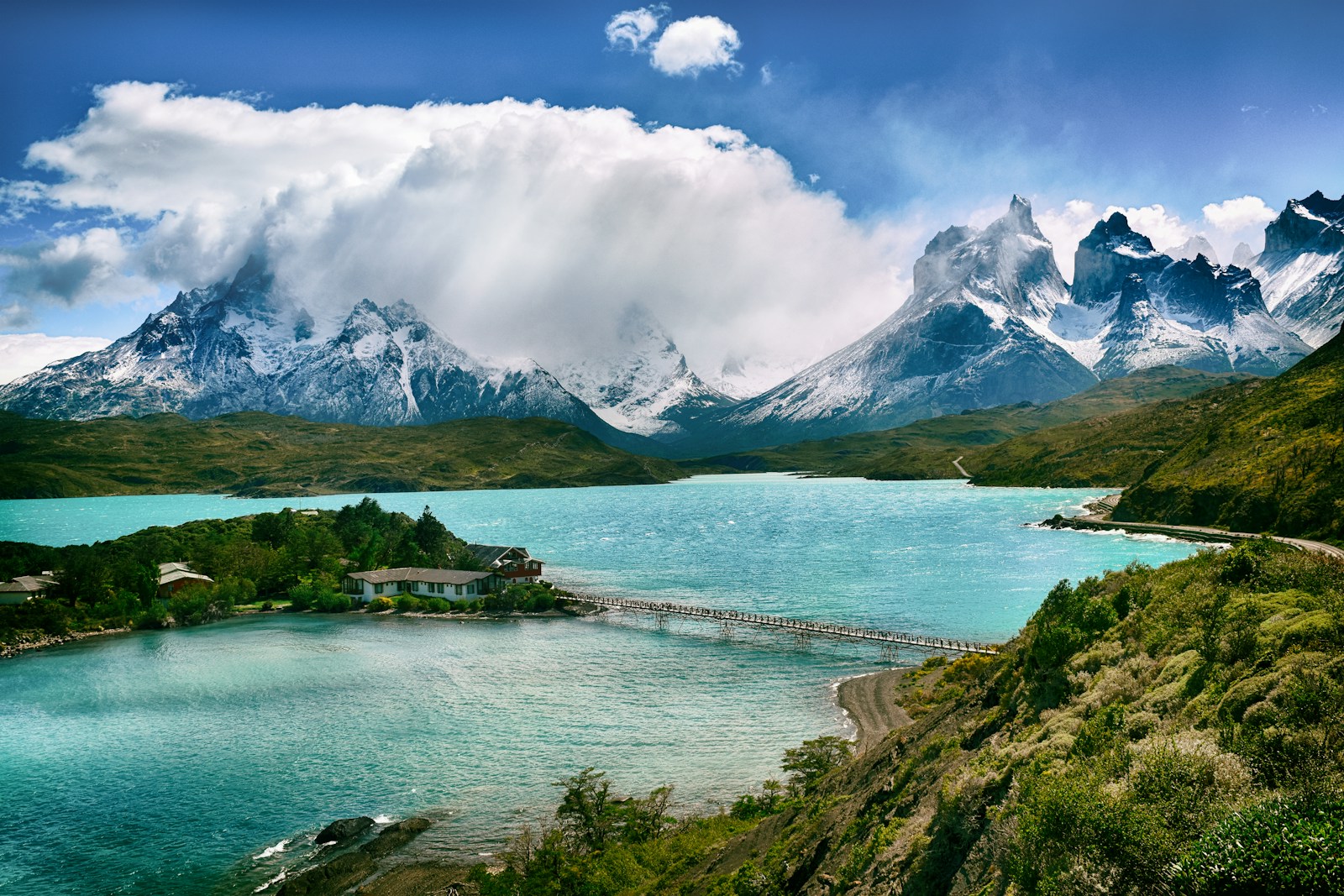
- Iconic Shots: The granite towers at sunrise (from Mirador Base Torres), the vibrant blue ice of Grey Glacier, the Cuernos del Paine reflecting in Lago Pehoé, guanacos silhouetted against the mountains.
- Our Tip: The light changes rapidly here. Be patient and wait for the perfect moment.
- Atacama Desert:
- Iconic Shots: Sunset over Valle de la Luna (the colors are unreal!), the vastness of the night sky with the Milky Way, flamingos in the high-altitude lagoons, the geometric patterns of the salt flats.
- Our Tip: For stargazing photography, a wide-angle lens with a low f-stop (e.g., f/2.8) is your best friend.
- Marble Caves (Capillas de Mármol):
- Iconic Shots: The swirling blue and grey patterns of the marble, kayaks paddling through the caves, reflections on the turquoise water.
- Our Tip: Go on a sunny day for the best light and color saturation. A polarizing filter can help reduce glare on the water.
- Valparaíso:
- Iconic Shots: Colorful street art murals, narrow winding alleys, historic ascensores, panoramic views of the city from the cerros.
- Our Tip: Get lost! The best shots are often found by simply wandering and exploring.
- Villarrica Volcano (Pucón):
- Iconic Shots: The perfectly conical volcano reflecting in Lake Villarrica, steam rising from the crater (if you climb it!), the lush green forests of Huerquehue National Park.
- Our Tip: Capture the volcano from different perspectives – from the lake, from a nearby viewpoint, or from its summit.
- Carretera Austral:
- Iconic Shots: Winding gravel roads through untouched wilderness, hanging glaciers, turquoise rivers, dense temperate rainforests.
- Our Tip: Stop frequently! The beauty of this road trip is in the journey itself.
Table: Photography Gear Recommendations
| Gear Item | Benefit | Recommended Brand/Type |
|---|---|---|
| DSLR/Mirrorless Camera | High image quality, versatile lenses | Sony Alpha series, Canon EOS R series, Nikon Z series |
| Wide-Angle Lens | Captures expansive landscapes, great for astrophotography | 14-24mm, f/2.8 or wider |
| Telephoto Lens | For wildlife, compressing landscapes | 70-200mm or 100-400mm |
| Sturdy Tripod | Sharp low-light, long exposure, time-lapses | Manfrotto, Peak Design Travel Tripod |
| Polarizing Filter | Reduces glare, enhances colors (especially water/sky) | Hoya, B+W |
| ND Filters | For long exposures in bright light (waterfalls) | Breakthrough Photography, NiSi |
| Extra Batteries | Cold weather drains batteries faster | OEM or reputable third-party (e.g., Wasabi Power) |
| Plenty of Memory Cards | Don’t run out of space! | SanDisk Extreme Pro, Lexar Professional |
| Camera Rain Cover | Protects against rain and spray | Peak Design Shell, Think Tank Hydrophobia |
| Dry Bag/Dust Cover | For water activities or dusty environments | Sea to Summit, Ortlieb |
Remember, the best camera is the one you have with you! Even a smartphone can capture incredible images in Chile if you pay attention to light and composition. So, charge those batteries, clear your memory cards, and get ready to fill your feed with epic Chilean adventures!
🛡️ Safety Tips and Precautions for Outdoor Activities in Chile
Adventure is thrilling, but safety should always be your top priority, especially when exploring Chile’s wild and untamed landscapes. While Chile is generally a safe country for travelers, outdoor activities inherently carry risks. We’ve had our share of minor mishaps (a twisted ankle on a slippery trail, a sudden whiteout in Patagonia), which have only reinforced the importance of being prepared.
Here’s our expert advice on staying safe during your Chilean outdoor escapades:
1. Research and Prepare Thoroughly
- Know Your Limits: Be honest about your fitness level and experience. Don’t attempt a Class V rafting trip if you’ve never paddled before, or a multi-day trek if you’re not accustomed to long hikes.
- Understand the Terrain and Weather: Research the specific conditions of your chosen activity and region. Patagonia’s weather is notoriously unpredictable, while the Atacama’s altitude can be a challenge.
- Check Forecasts: Always check the local weather forecast before heading out. Websites like MeteoChile provide reliable information.
- Inform Someone: Let a trusted person (hotel staff, friend, family) know your itinerary, including your planned route, expected return time, and who to contact in case of an emergency.
2. Go with Reputable Guides/Operators
- For High-Risk Activities: For activities like volcano climbing, whitewater rafting, glacier trekking, or advanced mountaineering, always hire a certified and reputable guide or tour operator. They have the local knowledge, safety equipment, and training to handle emergencies.
- Check Credentials: Ensure guides are certified (e.g., by the Chilean Mountain Guides Association – AGM). Read reviews on platforms like Tripadvisor.
- Don’t Skimp on Safety: Cheaper tours might cut corners on safety equipment or experienced guides. Your life is worth more than a few dollars saved.
3. Essential Gear & First Aid
- Pack Appropriately: Refer to our Essential Gear and Packing List section. Layers, waterproofs, sturdy footwear, and sun protection are non-negotiable.
- Carry a Comprehensive First-Aid Kit: Include basics like bandages, antiseptic wipes, pain relievers, blister treatment, and any personal medications.
- Navigation Tools: Always carry a map and compass, even if you have a GPS device or smartphone. Know how to use them!
- Communication Device: A fully charged phone (with local SIM if possible), and for remote areas, consider a satellite messenger (e.g., Garmin inReach Mini).
4. Hydration and Nutrition
- Stay Hydrated: Carry plenty of water, especially in the desert or during strenuous activities. Consider a water filter or purification tablets for longer treks.
- Snacks: Pack high-energy snacks to keep your fuel levels up.
5. Wildlife Encounters
- Observe from a Distance: Never approach or feed wild animals. This protects both you and the wildlife.
- Pumas: In Patagonia, if you encounter a puma, make yourself look big, make noise, and slowly back away. Do not run. Guides are trained to handle these situations.
- Marine Life: When on boat tours, ensure the operator maintains respectful distances from whales, dolphins, and penguins.
6. Altitude Sickness (Soroche)
- Regions: The Atacama Desert and high-altitude areas in the Andes (e.g., Lauca National Park, Cajón del Maipo) can cause altitude sickness.
- Symptoms: Headache, nausea, dizziness, fatigue.
- Prevention:
- Acclimatize: Spend a day or two at a lower altitude before ascending. San Pedro de Atacama (2,400m) is a good base before heading to higher lagoons (4,000m+).
- Hydrate: Drink plenty of water.
- Avoid Alcohol/Heavy Meals: Especially on your first day at altitude.
- Go Slow: Don’t overexert yourself.
- Descend if Symptoms Worsen: This is the only cure.
7. General Safety & Local Customs
- Valuables: Be mindful of your belongings, especially in crowded urban areas or bus terminals. Use common sense.
- Respect Local Culture: Learn a few basic Spanish phrases, be polite, and respect local customs. For more on this, check our Cultural Experiences section.
- Emergency Numbers:
- Police (Carabineros): 133
- Ambulance (SAMU): 131
- Fire Department (Bomberos): 132
Table: Outdoor Safety Checklist
| Safety Measure | ✅ / ❌ | Notes |
|---|---|---|
| Researched activity & conditions | ✅ | Fitness level, weather, terrain |
| Informed someone of itinerary | ✅ | Hotel, friend, family |
| Booked with reputable guide/operator | ✅ | For high-risk activities |
| Packed appropriate gear | ✅ | Layers, waterproofs, boots, sun protection |
| Carried comprehensive first-aid kit | ✅ | Including personal medications |
| Had navigation tools (map/GPS) | ✅ | And knew how to use them |
| Carried communication device | ✅ | Charged phone, satellite messenger for remote areas |
| Packed sufficient water & snacks | ✅ | Water filter for longer treks |
| Understood wildlife safety | ✅ | Observe from distance, know what to do if encountering pumas |
| Acclimatized for altitude | ✅ | Drank water, avoided alcohol, went slow |
| Knew emergency numbers | ✅ | Police (133), Ambulance (131), Fire (132) |
By taking these precautions, you’re not just being safe; you’re ensuring that your Chilean outdoor adventure is filled with joy and wonder, rather than unexpected challenges. Stay smart, stay safe, and have an incredible time!
🎉 Outdoor Festivals and Events Celebrating Nature and Adventure in Chile
Chileans love their country’s natural beauty, and they’re not shy about celebrating it! Beyond the everyday adventures, there are several festivals and events throughout the year that showcase Chile’s passion for the outdoors, its unique culture, and its commitment to conservation. Attending one of these can add an extra layer of vibrancy and local flavor to your adventure trip.
While not as globally renowned as some European festivals, these events offer a fantastic opportunity to mingle with locals, witness incredible feats of athleticism, and immerse yourself in the spirit of Chilean adventure.
1. Ultra Paine (Patagonia)
- What it is: An epic trail running race held annually in the stunning landscapes surrounding Torres del Paine National Park. Runners tackle various distances, from 14K to 160K, through mountains, valleys, and across rivers.
- When: Typically held in late September/early October, coinciding with the beautiful Patagonian spring.
- Why it’s cool: Even if you’re not running, being a spectator is inspiring. The atmosphere is electric, and the backdrop is simply unbeatable. It’s a true celebration of human endurance and the raw beauty of Patagonia.
- Learn more: Ultra Paine Official Website
2. Festival Internacional de Cine de Montaña (FICAM) – International Mountain Film Festival (Santiago/Pucón)
- What it is: A film festival dedicated to mountain culture, adventure sports, and environmental conservation. It showcases documentaries and short films from around the world, often featuring incredible footage of climbing, skiing, and exploration.
- When: Dates vary, but typically held in different cities throughout the year, with major events in Santiago and Pucón.
- Why it’s cool: It’s a chance to see breathtaking adventure films, meet fellow outdoor enthusiasts, and get inspired for your next climb or trek. It also highlights important environmental issues facing mountain regions.
3. Fiesta de la Vendimia (Wine Harvest Festivals – Central Valley)
- What it is: While not strictly an “outdoor adventure” in the traditional sense, Chile’s wine harvest festivals are a fantastic outdoor cultural experience. Held in various wine valleys (Maipo, Colchagua, Casablanca), these festivals celebrate the grape harvest with wine tastings, traditional music, food, and grape stomping.
- When: Late February to April, depending on the region and grape variety. Bookmundi mentions late Feb-mid March for white grapes and mid March-late April for reds.
- Why it’s cool: It’s an immersive way to experience Chile’s agricultural heartland, enjoy delicious food and wine outdoors, and witness a vibrant local tradition. Many vineyards offer outdoor tours and activities. For more on Chilean wine, check out our Food & Drink section.
4. Patagonia EcoFilm Festival (Aysén Region)
- What it is: A festival dedicated to environmental cinema, focusing on the unique ecosystems of Patagonia and the challenges they face. It aims to raise awareness about conservation through film.
- When: Typically held in November.
- Why it’s cool: If you’re passionate about sustainable travel and environmental protection, this festival offers deep insights into Patagonian conservation efforts and the stories of those working to protect it.
5. Fiestas Costumbristas (Rural Festivals)
- What it is: Throughout Chile, especially in rural areas and the south (like Chiloé), Fiestas Costumbristas are traditional festivals celebrating local customs, food, music, and crafts. Many are held outdoors in picturesque settings.
- When: Varies greatly by region and specific event, often during summer months.
- Why it’s cool: These are authentic cultural experiences where you can try traditional Chilean food (like curanto in Chiloé), listen to folk music, and see local artisans at work, all under the open sky.
Table: Chilean Outdoor Events at a Glance
| Event Name | Focus | Region(s) | Typical Season | Vibe |
|---|---|---|---|---|
| Ultra Paine | Trail Running | Torres del Paine, Patagonia | Spring (Sep/Oct) | Endurance, Scenic, Inspiring |
| FICAM | Mountain Film | Santiago, Pucón | Varies | Educational, Inspirational, Community |
| Fiesta de la Vendimia | Wine Harvest | Central Valley | Autumn (Feb-Apr) | Cultural, Gastronomic, Festive |
| Patagonia EcoFilm Festival | Environmental Film | Aysén Region, Patagonia | Spring (Nov) | Conservation, Awareness, Educational |
| Fiestas Costumbristas | Local Traditions | Rural Chile, Chiloé | Summer (Dec-Feb) | Authentic, Cultural, Community-focused |
While these events might require some extra planning to align with your travel dates, they offer a unique and enriching way to experience Chile’s vibrant outdoor culture. Imagine finishing a challenging trek in Patagonia and then cheering on ultra-runners, or exploring the Atacama and then watching a film about its unique geology. It’s these kinds of experiences that truly make a trip unforgettable!
🏆 Conclusion: Why Chile is Your Ultimate Outdoor Adventure Playground

So, what’s the final verdict? After trekking through Patagonia’s wild trails, paddling the turquoise fjords, skiing the Andes’ powdery slopes, and gazing at the cosmos in the Atacama Desert, we can confidently say: Chile is nothing short of an outdoor adventurer’s paradise. Whether you’re a thrill-seeker craving adrenaline-pumping activities like whitewater rafting and volcano climbing, a nature lover eager to spot elusive pumas and penguins, or a family looking for memorable, accessible outdoor fun, Chile has you covered.
The country’s unmatched geographical diversity means you can experience vastly different ecosystems and climates in one trip — from the driest desert to the lush Lake District forests and the icy glaciers of Patagonia. And with a growing focus on sustainable tourism, you can explore these wonders responsibly, knowing your adventure supports conservation and local communities.
Remember the question we teased earlier: Is Patagonia’s glaciers trek worth the effort? Absolutely yes! The sheer scale, the thunderous calving of icebergs, and the pristine wilderness are experiences that stay with you forever.
Planning your trip might seem daunting at first, but with the right preparation — choosing the best season, packing smart, and booking reputable guides — your Chilean adventure will be smooth, safe, and spectacular.
In short: Chile isn’t just a destination; it’s a playground for your wildest outdoor dreams. So, what are you waiting for? Adventure awaits!
🔗 Recommended Links for Planning Your Chile Outdoor Adventure
Ready to gear up and dive into your Chile adventure? Here are some top products and resources we trust and recommend:
Outdoor Gear & Apparel
- Smartwool Base Layers:
Amazon.com | Smartwool Official Website - The North Face Fleece Jackets:
Amazon.com | The North Face Official Website - Marmot Gore-Tex Jackets:
Amazon.com | Marmot Official Website - Merrell Hiking Boots:
Amazon.com | Merrell Official Website - Osprey Backpacks:
Amazon.com | Osprey Official Website - Garmin inReach Mini Satellite Messenger:
Amazon.com | Garmin Official Website - Wetsuits for Surfing:
Amazon.com | O’Neill Official Website
Books & Guides
- Lonely Planet Chile & Easter Island (Comprehensive travel guide)
Amazon.com - Torres del Paine: Trekking the W and O Circuits by Patagonian Expeditions
Amazon.com - Adventure Guide Chile by Cicerone Press
Amazon.com
Tours & Experiences
- EcoCamp Patagonia (Sustainable lodging & tours): ecocamp.travel
- Big Foot Patagonia (Glacier hiking tours): bigfootpatagonia.com
- Expediciones Chile (Rafting & adventure tours): expedicioneschile.com
- Termas Geométricas (Hot springs): termasgeometricas.cl
❓ FAQ: Your Burning Questions About Outdoor Activities in Chile Answered

When is the best time of year for outdoor activities in Chile?
The best time depends on your destination and activity:
- Patagonia trekking: Summer (December-February) is peak season with the most stable weather and long daylight hours. Shoulder seasons (October-November, March-April) offer fewer crowds and beautiful colors but more unpredictable weather.
- Skiing in the Andes: Winter (June-August) is prime time.
- Atacama Desert exploration and stargazing: Year-round, but spring and autumn offer milder temperatures.
- Lake District activities: Summer and shoulder seasons are best for hiking and water sports.
Planning around your preferred activities and regions is key to maximizing your experience.
What water sports can I try along Chile’s coastline?
Chile’s extensive coastline and inland lakes provide a playground for water lovers:
- Surfing: Pichilemu is Chile’s surf capital, with consistent waves year-round.
- Kayaking and Canoeing: Explore fjords in Patagonia, the Marble Caves on General Carrera Lake, and calm lakes in the Lake District.
- Whitewater Rafting: The Futaleufú River offers world-class rapids.
- Stand-Up Paddleboarding (SUP): Popular on lakes like Villarrica.
- Boat tours: Wildlife watching, including penguins, dolphins, and whales.
Which national parks in Chile offer the best outdoor experiences?
- Torres del Paine National Park: Iconic trekking, glaciers, wildlife.
- Lauca National Park: High-altitude lagoons and volcanoes.
- Conguillío National Park: Ancient forests and volcanic landscapes.
- Los Flamencos National Reserve: Flamingos and desert wetlands.
- Vicente Pérez Rosales National Park: Waterfalls and volcanoes in the Lake District.
Each park offers unique ecosystems and activities, so choose based on your interests.
What are the top hiking trails in Chile for adventure seekers?
- W Trek (Torres del Paine): 60 km, 4-5 days, iconic views.
- O Circuit (Torres del Paine): Longer, more challenging loop.
- Dientes de Navarino Trek (Tierra del Fuego): Remote and rugged.
- Valle de Cochamó: Granite climbing and hiking.
- Cajón del Maipo trails: Accessible and scenic near Santiago.
What are the top hiking trails in Chile for outdoor enthusiasts?
(See above; the same trails apply. For less strenuous options, consider shorter walks in Torres del Paine or Huerquehue National Park.)
What safety precautions should I take when doing outdoor activities in Chile?
- Always hire certified guides for high-risk activities.
- Pack appropriate gear and layers.
- Inform someone of your itinerary.
- Acclimatize properly to altitude.
- Carry a first-aid kit and communication devices.
- Respect wildlife and natural environments.
How do I choose sustainable outdoor activities in Chile?
Look for eco-certified operators, follow Leave No Trace principles, support local communities, and choose activities with minimal environmental impact like hiking, kayaking, and wildlife watching with ethical guides.
What gear should I pack for outdoor adventures in Chile?
Layered clothing (base, mid, shell), waterproof jacket and pants, sturdy hiking boots, sun protection, navigation tools, first-aid kit, and activity-specific gear like crampons for glacier trekking or wetsuits for surfing.
📚 Reference Links and Resources for Chile Outdoor Adventures
- Chilean Ministry of Health – Travel Requirements
- Cascada Travel – 31 Adventures in Chile
- Worldly Adventurer – Chile Adventure Travel
- Bookmundi – 18 Best Things To Do in Chile
- Leave No Trace Center for Outdoor Ethics
- EcoCamp Patagonia
- Big Foot Patagonia Glacier Hiking
- Garmin inReach Mini Satellite Communicator
- Termas Geométricas Hot Springs
- Ultra Paine Trail Running Race
- Patagonia EcoFilm Festival
- Smartwool Official Website
- The North Face Official Website
- Marmot Official Website
- Merrell Official Website
- Osprey Official Website
- World Nomads Travel Insurance
For more inspiration and detailed guides, visit our Adventure Travel and Destinations sections on Chile Vacay™!