Support our educational content for free when you purchase through links on our site. Learn more
10 Best Ways to Experience Chile’s Unique Culture & Meet Locals (2026) 🇨🇱

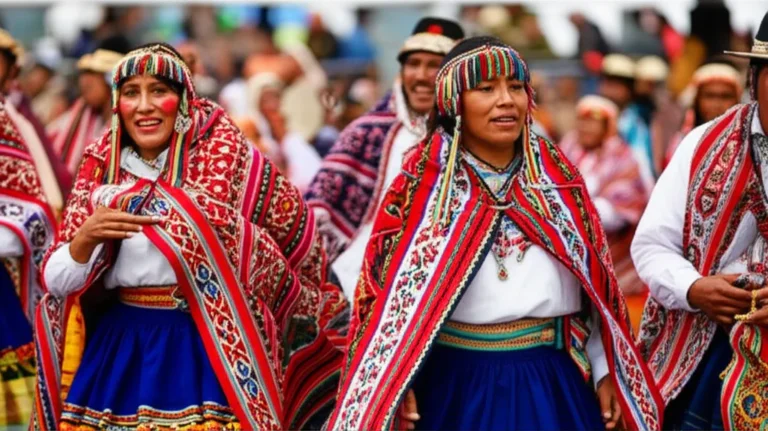
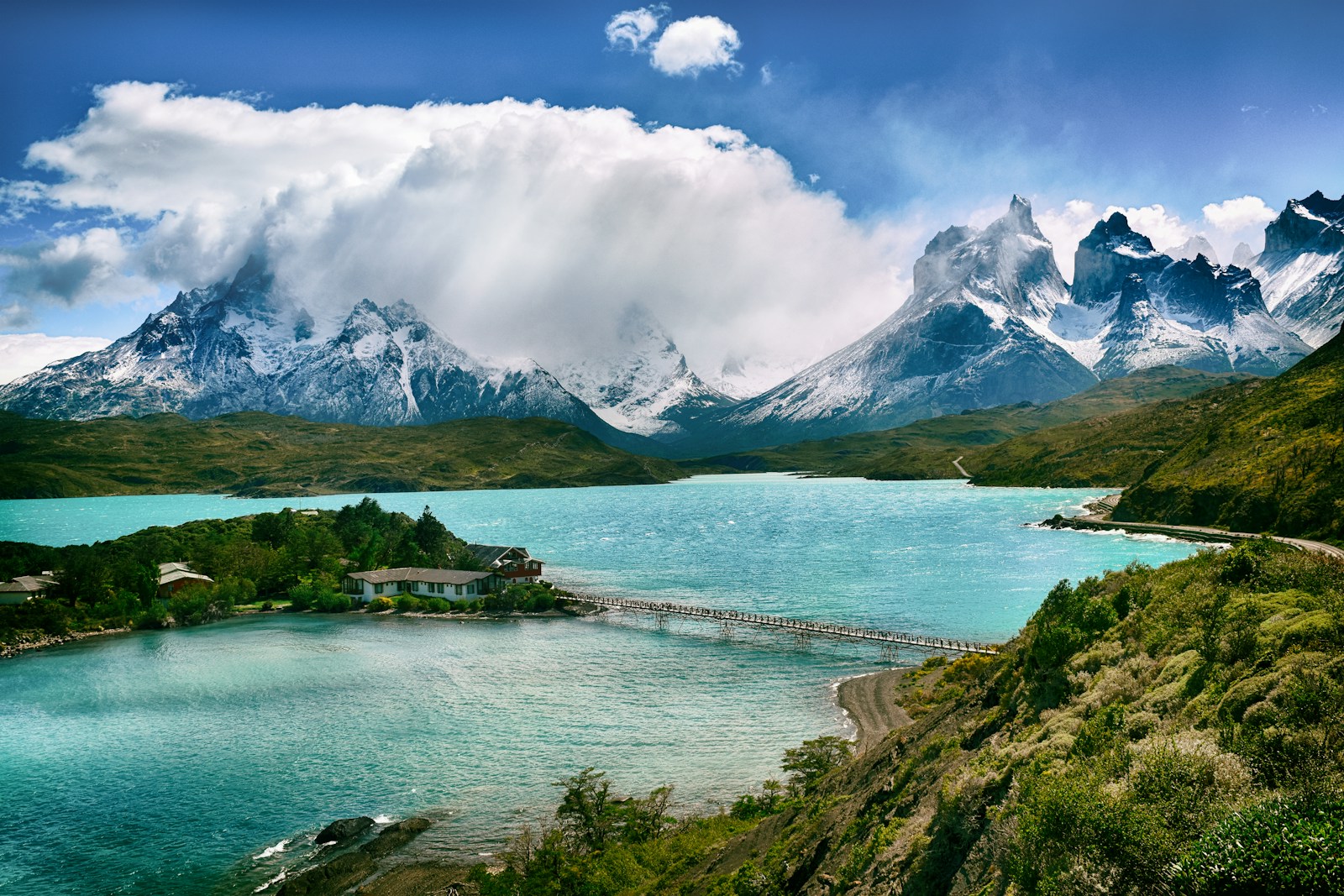
Planning a trip to Chile and craving more than just postcard views? You’re in the right place! Chile isn’t just about staggering landscapes—from the Atacama Desert to Patagonia—it’s a vibrant tapestry woven with centuries-old indigenous traditions, lively festivals, and warm, welcoming communities. But how do you truly live Chilean culture rather than just observe it?
Picture this: sharing a steaming cup of mate with a Mapuche family in their ruka, learning the intricate steps of the cueca dance at a Fiestas Patrias celebration, or cycling through vineyards with a winemaker who reveals the ocean’s secret influence on their grapes. These are the moments that transform a trip into a lifelong memory. In this guide, we’ll reveal 10 authentic ways to immerse yourself in Chile’s culture and connect deeply with locals, from bustling markets to remote indigenous villages. Plus, we’ll share insider tips to avoid tourist traps and find hidden gems that most travelers miss.
Ready to dance, dine, and discover the soul of Chile? Let’s dive in!
Key Takeaways
- Immerse yourself in traditional festivals like Fiestas Patrias and Tapati Rapa Nui for authentic cultural celebrations.
- Engage with indigenous communities such as the Mapuche through respectful, community-led experiences.
- Explore local markets and artisan villages to taste genuine Chilean cuisine and support craftspeople.
- Stay with family-run guesthouses and volunteer to foster meaningful connections beyond typical tourism.
- Learn Chilean dance, music, and language to deepen your cultural understanding and break the ice with locals.
- Plan your trip around regional highlights and seasonal events to maximize cultural immersion opportunities.
Get ready to unlock Chile’s heart and make your journey unforgettable!
Table of Contents
- ⚡️ Quick Tips and Facts About Experiencing Chilean Culture
- 🌎 Discovering Chile’s Rich Cultural Heritage: A Brief Overview
- 1️⃣ Top 10 Authentic Ways to Immerse Yourself in Chilean Culture
- 1.1 Attend Traditional Festivals and Celebrations
- 1.2 Explore Local Markets and Artisan Villages
- 1.3 Participate in Mapuche Community Experiences
- 1.4 Savor Chilean Cuisine with Home-Cooked Meals
- 1.5 Join Wine Tours with Local Vineyards
- 1.6 Learn Chilean Dance and Music Traditions
- 1.7 Volunteer with Community Projects
- 1.8 Stay in Family-Run Guesthouses and Hostels
- 1.9 Take Language Immersion Classes
- 1.10 Explore Chile’s Indigenous Art and Museums
- 🌄 Regional Cultural Highlights: From Santiago to Patagonia
- 🤝 How to Respectfully Engage with Chilean Locals and Communities
- 🎒 Essential Gear and Apps for Cultural Exploration in Chile
- 📅 Planning Your Trip: Best Times and Places for Cultural Immersion
- 💬 Real Stories: Our Personal Encounters with Chile’s Local Communities
- 🛍️ Supporting Local Artisans and Sustainable Tourism in Chile
- 💡 Insider Tips: Avoiding Tourist Traps and Finding Hidden Gems
- 🔍 Frequently Asked Questions About Experiencing Chilean Culture
- 📚 Recommended Links for Deeper Cultural Exploration
- 📖 Reference Links and Resources
- 🏁 Conclusion: Your Ultimate Guide to Connecting with Chile’s Soul
⚡️ Quick Tips and Facts About Experiencing Chilean Culture
- Chile stretches 4,300 km but averages only 177 km wide – that’s 38 degrees of latitude crammed with micro-cultures.
- Spanish is the lingua franca, yet indigenous languages like Mapudungun, Aymara and Rapa Nui still thrive in pockets.
- Chileans greet with one kiss on the right cheek – even men. Don’t panic, just go with it.
- Lunch is late (1–3 p.m.) and dinner even later (9–11 p.m.) – plan your stomach accordingly.
- Tipping 10 % is standard; most restaurants add it automatically (look for propina sugerida).
- Cash is king in rural markets; carry small bills and coins.
- Sunscreen is non-negotiable – the ozone layer is thinner here.
- Chile’s national dance, the cueca, is performed at EVERY celebration – learn the handkerchief flick before you go.
“Connecting with locals through shared activities enriches your understanding of Chile’s diverse culture.” – Bicycle Travellers Facebook Group
🌎 Discovering Chile’s Rich Cultural Heritage: A Brief Overview
Chile’s story is a layer-cake of indigenous resilience, Spanish conquest, immigrant waves and modern reinvention. In the north, pre-Columbian mummies (older than Egypt’s!) lie in the Atacama Desert, while Easter Island guards the mysterious moai. Central valleys gave birth to the huaso (cowboy) culture and world-class wines, and Patagonia still echoes with Tehuelche legends.
We spent three months criss-crossing the country and quickly learnt that culture here is lived, not displayed. You’ll find it in grandma’s kitchen stirring cazuela, in Mapuche rukas where stories are told round an open fire, and in Valparaíso’s muraled alleys where street artists repaint history every week.
1️⃣ Top 10 Authentic Ways to Immerse Yourself in Chilean Culture
1.1 Attend Traditional Festivals and Celebrations
| Festival | Region | When | Why You Shouldn’t Miss It |
|---|---|---|---|
| Fiestas Patrias | Nationwide | 18–19 Sept | Cueca dancing, ramadas tents, terremotos (sweet wine cocktail) |
| La Tirana | Tarapacá | 12–16 July | 200 k devotees, diablada dancers in 40 °C desert heat |
| Semana Valdiviana | Los Ríos | 2nd week Feb | Fireworks, river regattas, German beer halls |
| Tapati Rapa Nui | Easter Island | Late Jan | Body-painting, haka pei banana-sled races |
Pro-tip: Book accommodation six months ahead for Tapati; homestays fill fast.
1.2 Explore Local Markets and Artisan Villages
- Mercado Central, Santiago – slurp caldo de congrio (sea-bass soup) where Pablo Neruda once ate.
- Mercado de Valparaíso – grab chorillanas (fries piled with steak, onion & egg) and watch dockworkers unload the Pacific’s catch.
- Pomaire – a dusty village 50 km west of Santiago where one-clay-pot cooks still feed entire families.
- Dalcahue, Chiloé – Sunday fair with hand-knitted wool socks and curanto steaming in earth pits.
“Listening to their stories and learning about their culture and traditions is a unique, enriching experience.” – Wayfairer Travel
1.3 Participate in Mapuche Community Experiences
We overnighted in Ruka Kimun, a Mapuche community near Temuco. After a trarilonco (welcoming ceremony) of toasted wheat and mate, we ground blue corn for mote stew and learnt the difference between kütral (fire) as life-force, not just heat.
✅ Do: Ask permission before photographing machi (healers).
❌ Don’t: Bring alcohol into the ruka; it’s sacred space.
👉 Shop Mapuche textiles on:
1.4 Savor Chilean Cuisine with Home-Cooked Meals
If you’ve only tasted completos (loaded hot-dogs) you’ve barely scratched the empanada. We joined Chilean Cooking Classes in Santiago and discovered merkén, a smoky Mapuche spice that turns hum-drum pumpkin soup into a hug from the inside.
Must-try dishes:
- Pastel de choclo – corn casserole, summer comfort food.
- Chupe de mariscos – seafood gratin, best on Chiloé.
- Sopaipillas – fried pumpkin bread, sold by street-vendors after rain.
For deeper deliciousness read our 🍷 Ultimate Chile Travel Guide: 15 Must-Try Foods & Wines (2025)
1.5 Join Wine Tours with Local Vineyards
Forget the bus-loads. We cycled Casa Marín’s Sauvignon blanc vines in Lo Abarca with the winemaker’s daughter. She confessed ocean mist gives their whites a salty spine.
Insider hack: Ask for pipeño – rustic, unfiltered wine drunk from guaros (clay cups) in Maule. It’s Chile’s natural wine movement before it was cool.
👉 Shop Chilean wine accessories on:
1.6 Learn Chilean Dance and Music Traditions
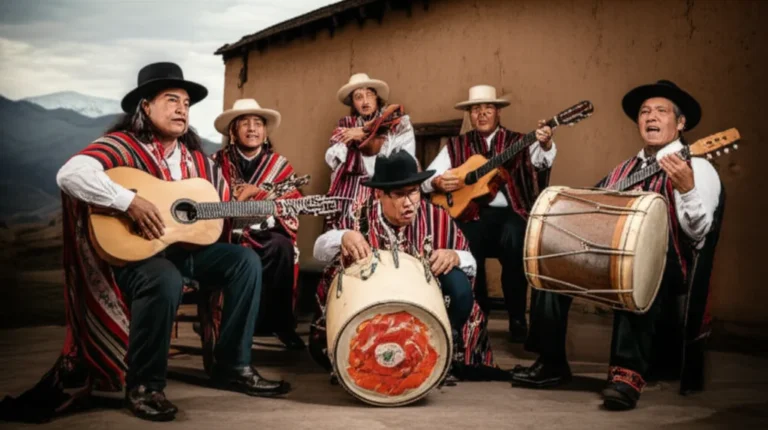
Cueca looks easy – handkerchief twirl, stomp, repeat – until you try matching the 9-beat rhythm. We took a 45-minute class at La Chascona (Neruda’s Santiago house) and left with bruised egos and a new respect for huaso boots.
Playlist to prime your ears:
- Inti-Illimani – Andean protest folk.
- Los Bunkers – indie rock with cueca guitar.
- Javiera Mena – synth-pop that still samples the rain-stick.
1.7 Volunteer with Community Projects
Platforms like Workaway list teaching English in Patagonian schools or building recycling centres in the Atacama. We spent a week insulating a Mapuche school with recycled bottles; the kids taught us Mari-Mari rap in return.
Pro-tip: Bring solid Spanish; rural communities rarely speak English.
1.8 Stay in Family-Run Guesthouses and Hostels
Swap sterile lobbies for abuela’s jam. In Puerto Natales we slept at Hostal Lili, where Lili’s cousin drove us to a secret guanaco viewpoint and returned with fresh churros.
Book family stays on:
1.9 Take Language Immersion Classes
Sure, “cachai” (you know?) sounds like lazy Spanish, but Chilean slang is its own dialect. A week at Tandem Santiago had us confidently ordering “un cortado, no corte” (espresso, no gossip).
Bonus: Many schools arrange afternoon excursions to museums or vineyard labs – culture + conjugation win-win.
1.10 Explore Chile’s Indigenous Art and Museums
- Museo Chileno de Arte Precolombino, Santiago – mummy bundles and Mapuche silver.
- Museo de la Memoria – Pinochet-era human-rights exhibits, heart-wrenching but essential.
- Museo Rapa Nui, Hanga Roa – wooden tablets with still-undeciphered rongorongo script.
Free day: Most museums close Mondays; hit them Sunday morning and grab empanadas de pino from street carts outside.
🌄 Regional Cultural Highlights: From Santiago to Patagonia
| Region | Signature Cultural Experience | Best Base Town |
|---|---|---|
| Santiago & Valparaíso | Street-art tours, bohemian poet cafés | Bellavista or Cerro Alegre |
| Easter Island | Moai quarry, Tapati festival | Hanga Roa |
| Atacama | Likan-Antai heritage, star-gathering with llamas | San Pedro de Atacama |
| Lake District | Mapuche culture, volcano mythology | Pucón or Temuco |
| Chiloé | Wooden churches UNESCO, mythical Trauco | Castro |
| Patagonia | Estancia life, Gaucho barbecues | Puerto Natales |
🤝 How to Respectfully Engage with Chilean Locals and Communities
- Ask, don’t assume. A simple “¿Puedo tomar una foto?” opens doors.
- Dress modestly in indigenous villages – bare shoulders can offend.
- Bring small gifts – school pencils, seeds or local postcards from your home country spark conversations.
- **Follow the “mate circle” rule – never say “gracias” until you’re finished; it signals you don’t want more.
“The key to truly experiencing Chile is immersing yourself in its vibrant communities and listening to their stories.” – Facebook Group Chile Travel Community
🎒 Essential Gear and Apps for Cultural Exploration in Chile
| Item | Why You Need It | Where to Grab It |
|---|---|---|
| Merrell Moab 3 hiking shoes | Cobblestones & vineyard dirt | Amazon |
| Wind-blocking fleece | Patagonian gusts reach 100 km/h | Amazon |
| Mate gourd & bombilla | Share like a local | Amazon |
| XE Currency app | Real-time CLP rates | App Store |
| iOverlander app | Community-verified campsites & homestays | Google Play |
📅 Planning Your Trip: Best Times and Places for Cultural Immersion
- September–November (spring): Wildflowers in central valleys, Fiestas Patrias energy still buzzing.
- December–March (summer): Best for Patagonia and Tapati on Easter Island – but book early.
- April–June (autumn): Harvest festivals in wine valleys, fewer tourists, lower prices.
- July–August (winter): Ski culture in the Andes, Mapuche winter ceremonies (Nguillatun).
💬 Real Stories: Our Personal Encounters with Chile’s Local Communities
We were lost on Chiloé when Don Segundo invited us into his palafito (stilt house). Over caldillo de almejas (clam stew) he confessed the island’s mythical Trauco (dwarf forest spirit) still scares kids into finishing homework. We left at 2 a.m. with a jar of his grandmother’s murtilla jam and an open invite to his granddaughter’s dieciocho birthday cueca party. That’s the Chile you can’t Google.
🛍️ Supporting Local Artisans and Sustainable Tourism in Chile
- Buy direct: Skip airport souvenirs; purchase Mapuche silver at Feria Artesanal de Pucón.
- **Look for “Hecho por artesanos chilenos” sticker – ensures minimum 70 % local labour.
- Offset transport: Use LATAM’s “Juntos por el Medio Ambiente” carbon calculator when booking domestic hops.
👉 Shop sustainable Chilean crafts on:
💡 Insider Tips: Avoiding Tourist Traps and Finding Hidden Gems
❌ Skip San Pedro de Atacama’s overpriced sunset tour to Valle de la Luna – rent a bike and pedal to Cordillera de la Sal for solitude and psychedelic colours.
✅ Swap pricey Santiago city tours for free walking tours by Tours 4 Tips – guides work for gratuities and share dictatorship-era anecdotes you won’t find in books.
❌ Avoid “typical” show-dinner restaurants with $40 empanadas – instead, follow university students to pelmón joints for $4 plates.
🔍 Frequently Asked Questions About Experiencing Chilean Culture
Q: Do I need fluent Spanish?
A: Basic phrases + gestures suffice in cities; rural areas appreciate effort, not perfection.
Q: Is Chile safe for solo cultural travel?
A: Yes, but petty theft exists – use cross-body bags and Uber at night in Santiago.
Q: Can I visit Mapuche communities independently?
A: Always go through licensed community tourism programs – Ruka Kimun or Ruka Newen – to ensure protocol and fair payment.
🏁 Conclusion: Your Ultimate Guide to Connecting with Chile’s Soul

So, what’s the secret sauce to truly experiencing Chile’s unique culture and forging genuine connections with its local communities? It’s a blend of curiosity, respect, and willingness to step off the beaten path. From dancing the cueca at a Fiestas Patrias celebration to sharing mate with a Mapuche family in their ruka, Chile invites you to become part of its living story.
Our journey revealed that authentic cultural immersion is less about ticking tourist boxes and more about embracing the unexpected moments — like Don Segundo’s midnight clam stew on Chiloé or the smoky merkén spice that transformed a humble soup into a memory. Whether you’re cycling through vineyards with winemakers or volunteering in a Patagonian school, these experiences deepen your understanding and leave a lasting impact — both on you and the communities you visit.
Remember, language is your bridge, but so is humility and openness. Learning a few Chilean Spanish phrases, respecting local customs, and supporting family-run guesthouses or artisan cooperatives all contribute to a richer, more responsible travel experience.
Chile’s culture is a mosaic of indigenous heritage, immigrant influences, and modern creativity. It’s waiting for you to explore, listen, and participate. So pack your curiosity, your dancing shoes, and a sense of adventure — Chile’s soul is ready to welcome you.
📚 Recommended Links for Deeper Cultural Exploration
-
Merrell Moab 3 Hiking Shoes:
Amazon | Merrell Official Website -
Mate Gourd & Bombilla Sets:
Amazon | Etsy Chilean Artisans -
Chilean Wine Accessories:
Amazon | Concha y Toro Official -
Books on Chilean Culture & Travel:
-
Volunteer Platforms for Chile:
Workaway | WWOOF Chile
🔍 Frequently Asked Questions About Experiencing Chilean Culture
What cultural tours in Chile offer meaningful interactions with indigenous communities?
Meaningful indigenous cultural tours are best found through community-led initiatives that prioritize respect and fair compensation. For example, the Mapuche communities near Temuco offer immersive experiences like staying in a ruka, participating in traditional ceremonies, and learning about their crafts and medicines. Organizations such as Ruka Kimun and Ruka Newen provide guided visits that ensure you engage authentically and ethically. On Easter Island, local guides share the history of the Rapa Nui people and their sacred sites. Always book through trusted platforms or local tourism offices to avoid exploitative “tourist traps.”
Where can I find homestay opportunities with Chilean families?
Homestays offer unparalleled cultural immersion. Look for family-run guesthouses and hostels in regions like Puerto Natales, Chiloé, and the Lake District. Platforms like Airbnb and Booking.com often list family stays, but for deeper connections, check community tourism websites or volunteer platforms like Workaway. Staying with locals means you’ll experience daily life rhythms, home-cooked meals, and spontaneous invitations to local events — the heartbeats of Chilean culture.
What are the top local markets in Chile to explore authentic crafts and foods?
Chile’s markets are treasure troves of culture. Don’t miss:
- Mercado Central (Santiago): Fresh seafood and traditional dishes.
- Mercado de Valparaíso: Regional foods and vibrant atmosphere.
- Pomaire: Famous for pottery and home-style cooking.
- Dalcahue (Chiloé): Hand-knitted wool and curanto feasts.
These markets are not just shopping spots but social hubs where you can chat with artisans and sample authentic flavors.
How can I participate in traditional Chilean festivals and celebrations?
Plan your trip around key festivals like Fiestas Patrias (mid-September), La Tirana (July), and Tapati Rapa Nui (late January). These events feature traditional music, dance, food, and rituals. To participate respectfully, learn about the festival’s significance beforehand, dress appropriately, and follow local customs (e.g., joining the cueca dance circle). Booking accommodation well in advance is crucial, especially for popular festivals like Tapati.
What are the top local markets and artisan villages to visit in Chile?
Beyond the big markets, artisan villages like Pomaire (pottery), Dalcahue (wool crafts), and Frutillar (German-influenced crafts) offer intimate encounters with Chilean craftsmanship. Visiting these villages supports local economies and allows you to witness traditional techniques passed down generations.
Which indigenous communities in Chile offer cultural tours and experiences?
The Mapuche in the south-central region are the most accessible indigenous group offering cultural tours, including traditional cooking, weaving, and spiritual ceremonies. The Aymara in the north around the Atacama Desert provide insights into high-altitude farming and ancient rituals. On Easter Island, the Rapa Nui people share their unique Polynesian heritage through guided tours and festivals.
What are the best ways to learn about Chilean cuisine from local chefs?
Join cooking classes in cities like Santiago or Valparaíso, where local chefs teach you to prepare dishes like pastel de choclo or empanadas. Some classes include market visits to select fresh ingredients. Alternatively, volunteer in family kitchens during homestays or participate in community food workshops offered by indigenous groups. These hands-on experiences deepen your appreciation of Chile’s culinary diversity.
📖 Reference Links and Resources
- Chile Travel Official Site – Government tourism portal with cultural insights.
- Museo Chileno de Arte Precolombino – Explore Chile’s indigenous art collections.
- Workaway Chile – Volunteer opportunities with local communities.
- Concha y Toro Winery – Leading Chilean vineyard with cultural tours.
- Facebook Group: Chile Travel Community – Real traveler stories and advice.
- Lonely Planet Chile & Easter Island – Comprehensive travel guide.
We hope this guide lights your path to unforgettable cultural adventures in Chile! Ready to dance, dine, and discover? Your Chilean story awaits.