Support our educational content for free when you purchase through links on our site. Learn more
12 Most Beautiful National Parks to Visit in Chile 🌄 (2026 Guide)

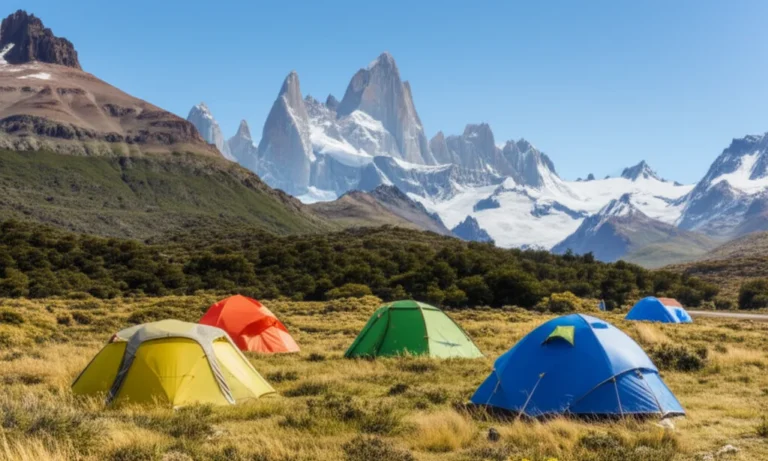
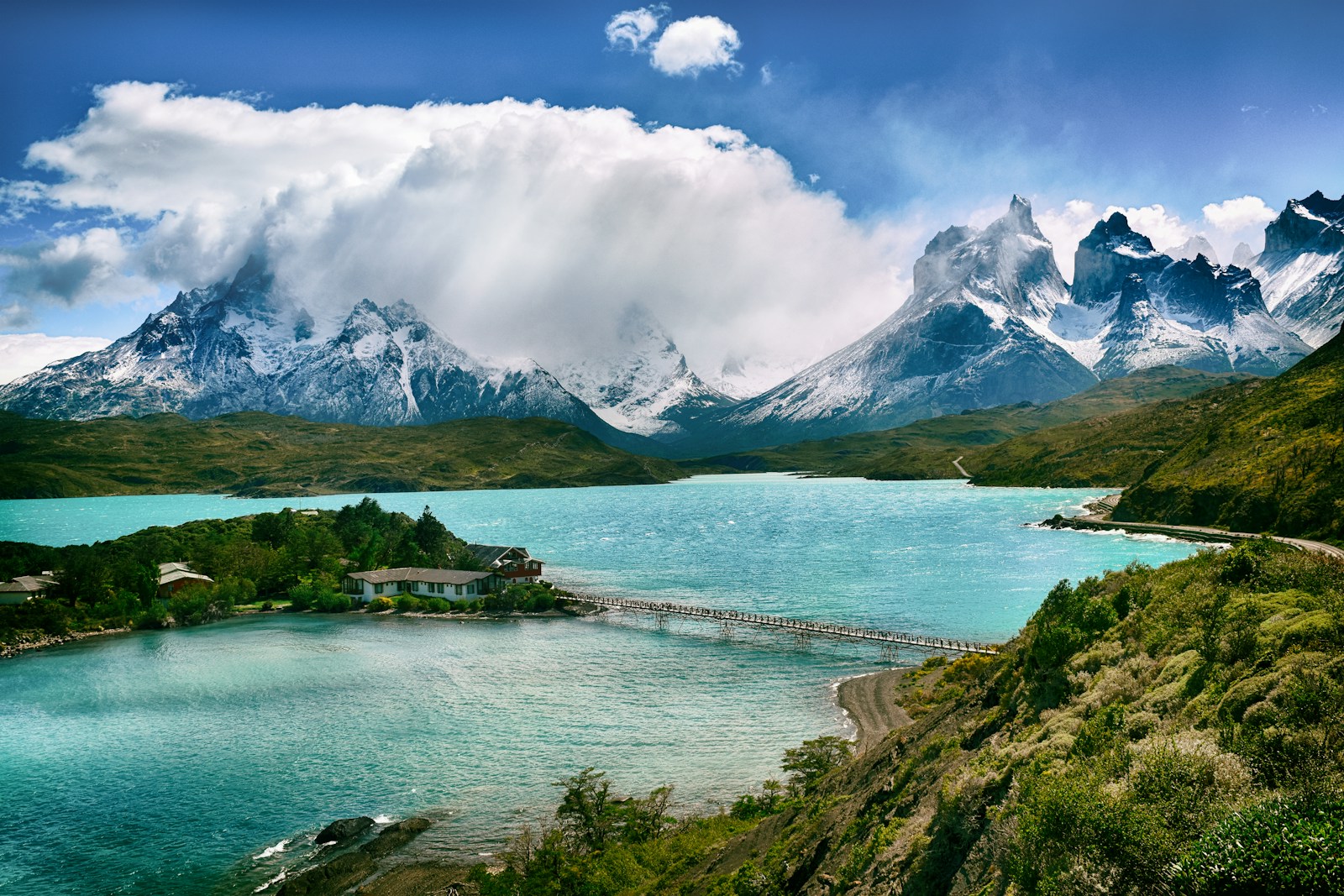
Chile’s national parks are like a treasure chest of natural wonders, packed with jaw-dropping landscapes that range from towering granite spires to ancient forests and mysterious volcanic islands. Whether you’re chasing the iconic granite towers of Torres del Paine, marveling at the moai statues on Easter Island, or kayaking through fjords in Kawéskar, this guide uncovers the 12 most beautiful national parks in Chile that will make your travel bucket list explode with excitement.
Here’s a little secret from our adventures: while Torres del Paine steals the spotlight, hidden gems like Cerro Castillo and Conguillío offer equally stunning scenery with fewer crowds. And if you think Chile’s parks are just about hiking, wait until you read about the magical wildlife encounters and cultural experiences sprinkled throughout. Ready to discover which parks are worth your time, how to prepare, and insider tips from our team’s epic journeys? Let’s dive in!
Key Takeaways
- Chile boasts 42 national parks, each with unique landscapes from glaciers to deserts and rainforests.
- The 12 parks featured offer the best mix of iconic sights and off-the-beaten-path adventures.
- Best visiting times vary by region; Patagonia shines in summer, Atacama is best in dry months.
- Insider tips include early bookings for Torres del Paine refugios, cash-only entrances, and gear essentials for unpredictable weather.
- Beyond trekking, expect wildlife spotting, kayaking, cultural festivals, and stargazing.
- Our team’s personal stories reveal hidden gems and practical hacks to make your trip unforgettable.
Ready to explore Chile’s wild heart? Keep scrolling for everything you need to know!
Table of Contents
- ⚡️ Quick Tips and Facts About Chile’s Stunning National Parks
- 🌎 Discovering Chile’s National Parks: A Journey Through Nature’s Masterpieces
- 1. 🏞️ Torres del Paine National Park: The Crown Jewel of Patagonia
- 2. 🌋 Vicente Pérez Rosales National Park: Gateway to Chile’s Volcanic Wonders
- 3. 🏔️ Lauca National Park: High-Altitude Marvels and Andean Wildlife
- 4. 🏕️ Cerro Castillo National Park: The Hidden Gem for Adventurous Trekkers
- 5. 🌲 Conguillío National Park: Ancient Araucaria Forests and Volcanic Landscapes
- 6. 🗿 Rapa Nui National Park: Mysteries of Easter Island’s Moai Statues
- 7. 🌊 Cabo de Hornos National Park: The Untamed End of the World
- 8. ❄️ Bernardo O’Higgins National Park: Patagonia’s Remote Wilderness
- 9. 🌄 Patagonia National Park: Rewilding the Southern Frontier
- 10. 🌿 Chiloé National Park: Mystical Forests and Coastal Wonders
- 11. 🌉 Queulat National Park: The Hanging Glacier and Lush Rainforests
- 12. 🚣 Kawéskar National Park: Navigating Fjords and Indigenous Heritage
- 🧭 Insider Stories: Team Cascada’s Epic Adventures in Chile’s National Parks
- 🌟 Planning Your Visit: Best Times, Permits, and Travel Tips for Chile’s National Parks
- 🛶 Activities and Experiences: From Trekking to Wildlife Watching in Chile’s Parks
- 🌐 Sustainable Tourism and Conservation Efforts in Chile’s National Parks
- 📸 Capturing the Beauty: Photography Tips for Chile’s Most Beautiful National Parks
- 🛏️ Where to Stay: Lodging and Camping Options Near Chile’s National Parks
- 🚗 Getting There: Transportation and Access Routes to Chile’s National Parks
- 🎒 Essential Gear Checklist for Exploring Chile’s National Parks
- 🤔 Frequently Asked Questions About Visiting Chile’s National Parks
- 🔗 Recommended Links for Planning Your Chile National Park Adventure
- 📚 Reference Links and Further Reading on Chile’s National Parks
- 🏁 Conclusion: Why Chile’s National Parks Should Be on Your Bucket List
⚡️ Quick Tips and Facts About Chile’s Stunning National Parks
- Best time to go? Patagonia parks (Torres del Paine, Kawéskar) shine November–March; Atacama parks (Lauca) are year-round, but April–October avoids the altiplano rains.
- Entrance fees: Most parks only accept cash in CLP at the gate—no cards, no USD. ✅ Bring pesos or pay online in advance on CONAF’s official site.
- Cell service: Claro has the widest 4G in Patagonia; Entel rules the Atacama. Download Maps.me offline maps before you hit the trail.
- Wildlife wins: Pumas in Torres del Paine, Darwin’s fox in Chiloé, vicuñas in Lauca. Keep 50 m distance—selfie sticks stress the animals (and the rangers).
- Leave-no-trace law: Since 2022, single-use plastics are banned in all Chilean protected areas. Pack a foldable silicone bottle—we love the Platypus SoftBottle.
- Random fact: Chile has 42 national parks—that’s one every 200 km of this pencil-thin country!
🌎 Discovering Chile’s National Parks: A Journey Through Nature’s Masterpieces
Chile is basically Mother Nature’s highlight reel: glaciers, volcanoes, cactus forests, fjords, and moai statues all crammed into a 4 300 km strip. We’ve backpacked, kayaked, and gawked open-mouthed at every single park on this list—so this isn’t Google fluff, it’s boots-on-the-ground intel. Ready to pick your jaw off the floor?
1. 🏞️ Torres del Paine National Park: The Crown Jewel of Patagonia
Why It’s on Every Bucket List
The three granite towers that give the park its name rise like stone shark teeth—you’ll spot them even before you lace your boots. Add electric-blue icebergs on Grey Lake and golden pampas where guanacos roam, and you’ve got South America’s most Instagrammed skyline.
Trekking Routes Compared
| Trek | Days | Distance | Elevation Gain | Skill Level | Crowd Factor |
|---|---|---|---|---|---|
| W Trek | 4–5 | 80 km | 2 000 m | Medium | High |
| O Circuit | 7–9 | 110 km | 3 000 m | Hard | Medium |
| Q Circuit | 10–12 | 130 km | 3 800 m | Expert | Low |
We sweated, swore, and sang our way through the W—Ignacio’s blisters still have PTSD. But sunrise at the Torres lookout? Worth every gram of trail mix.
Wildlife Bingo Card
- ✅ Puma – dusk around Lago Grey campground
- ✅ Andean condor – thermals over Cuernos lookout
- ✅ Austral parakeet – noisy green flashes near Valle Francés
Where to Crash
- EcoCamp Patagonia – geodesic domes, fully carbon-neutral. Check price on Booking.com | Official Website
- CONAF free campsites – zero pesos, but you’ll need a –10 °C sleeping bag and iron bladder (long-drop toilets only).
Pro Tip
Book refugios six months ahead—July sales open and sell out in 48 h. Set a phone alarm, or you’ll be bivvying with the cows.
2. 🌋 Vicente Pérez Rosales National Park: Gateway to Chile’s Volcanic Wonders
First Impressions
Osorno Volcano looks like Mount Fuji swapped hemispheres—perfect cone, chocolate-box snow. Sail across Todos los Santos Lake and you’ll swear you’re in Swiss-Andes mash-up.
Must-Do Activities
- Petrohué Rapids – volcanic basalt chutes; rent a kayak from Ko’Kayak in Ensenada.
- Osorno ski lifts – year-round (yes, January powder exists).
- Desolation Pass trek – 12 km, lava fields + panoramic lake views.
Gear We Packed
Local Hack
Stop at Entre Lagos bakery for calafate scones—legend says if you eat one, you will return to Patagonia. We’ve eaten dozens; our bank accounts confirm the curse.
3. 🏔️ Lauca National Park: High-Altitude Marvels and Andean Wildlife
Altitude Acclimatisation 101
At 4 500 m, even yawning feels like cardio. Spend two nights in Putre (3 500 m) before entering the park—your hippocampus will thank you.
Star Attractions
- Chungará Lake – one of the world’s highest lakes; reflections of Parinacota Volcano at dawn = desktop-wallboard material.
- Guallatire village – stone church + llamas photobombing every shot.
- Cotacotani Lagoons – floating islands and Andean flamingos.
Wildlife Checklist
| Species | Best Spot | Time |
|---|---|---|
| Vicuña | Vicuñas Plains | 07:00–09:00 |
| Andean goose | Chungará shore | All day |
| Puna ibis | Cotacotani marshes | 17:00 |
Altitude Essentials
- Sorojchi pills – Bolivian-branded altitude sickness chewables, buy in Arica duty-free.
- Sunblock SPF 50+ – UV index here is vampire-killing level.
4. 🏕️ Cerro Castillo National Park: The Hidden Gem for Adventurous Trekkers
Why You’ve Never Heard of It
No tour buses, no Wi-Fi, no moaning crowds—just jagged basalt spires that make the Hollywood sign look puny. We shared the 4-day circuit with three Chilean cowboys and a thousand horseflies.
The Route
Day 1: Villa Cerro Castillo → Laguna Chica (steep cardio-punishing switchbacks)
Day 2: Vega del Puesto → Estero Parada (moonscape moraine)
Day 3: Cerro Castillo Pass – crampons in winter, slip-n-slide scree in summer
Day 4: Descend to Las Horquetas – craft-beer reward at Cervecería Caiquén
Gear We Cursed Without
- Microspikes – Amazon | Backcountry
- Waterproof stuff sacks – Patagonian rain is horizontal.
Budget Hack
Camp for free at Estero Parada; hitch-hike back to town with sheep farmers—they love foreign gossip.
5. 🌲 Conguillío National Park: Ancient Araucaria Forests and Volcanic Landscapes
Jurassic Park Vibes
Araucaria trees (a.k.a. monkey-puzzle) predate T-Rex—some are 1 800 years old. Walking among them feels like time-travelling with a hangover.
Llaima Volcano Status
Currently active—check Volcano Discovery live updates before you go. We heard subterranean rumblings while eating s’mores at Playa Linda—equal parts terrifying and awesome.
Family-Friendly Trails
- Sierra Nevada – 12 km loop, lava tunnels, mirror lakes.
- Los Carpinteros – wheelchair-friendly boardwalk through giant tree grove.
Where to Refuel
Parque Etnobotánico café – try piñón coffee (roasted Araucaria seed)—nutty, caffeine-light, tastes like liquid marzipan.
6. 🗿 Rapa Nui National Park: Mysteries of Easter Island’s Moai Statues
Entry Logistics
Buy your $80 USD park pass at Mataveri Airport—cash only (USD or CLP). Keep the plastic card; rangers randomly scan it at every site.
Moai Master-List (Top 5 for Sunrise)
| Site | Sunrise Time | Crowd Level | Photo Tip |
|---|---|---|---|
| Ahu Tongariki | 07:10 Jan | Medium | Silhouettes with ocean spray |
| Ahu Tahai | 07:05 Jan | High | Golden halo on moai heads |
| Ahu Akivi | 07:15 Jan | Low | Seven moai face inland—unique angle |
| Ahu Huri a Urenga | 07:08 Jan | Very low | Two moai with perfect alignment |
| Ahu Vinapu | 07:12 Jan | Zero | Inca-style stonework backdrop |
Cultural Etiquette
- Never sit on a moai—$900 USD fine and local fury.
- Tapati Festival (Feb) – hip-shaking hula, slippery banana-tree races, moonlit moai concerts.
Team Cascada Insights: Belén and Camila discovered Easter Island
We rented a quad bike from Oceanic Rent-a-Car and chased the sunrise from Tongariki to Akivi. Belén dropped her GoPro into a lava tube—still filming; the footage is Lord-of-the-Rings-dark and hilarious.
7. 🌊 Cabo de Hornos National Park: The Untamed End of the World
Getting There
Fly Punta Arenas → Puerto Williams (45 min) on Aerovías DAP—weight limit 15 kg; wear three jackets to cheat the scale. From town, zodiac taxi to Cabo de Hornos island—expect splashy baptism.
What to Expect
- Horizontal sleet—waterproof mascara is a hoax here.
- World’s southernmost lighthouse—**selfie with “I survived 55°S” sign.
- Magellanic penguins—January chicks are grey fluffballs.
Survival Kit
- Seasickness tablets – Drake Passage is notorious; even navy sailors turn green.
- Satellite messenger – Garmin inReach Mini – Amazon | Garmin Official —zero cell towers.
8. ❄️ Bernardo O’Higgins National Park: Patagonia’s Remote Wilderness
Size Matters
At 35 000 km², it’s bigger than Belgium—yet only 1 000 visitors per year. Translation: you’ll name glaciers before someone else photobombs.
Access Routes
- Kawésqar route – multi-day ferry from Puerto Natales—fjords, leopard seals, all-you-can-eat salmon.
- Ice-field expeditions – join a Dixie’s Snow-Sailing crew—ski-towing behind a kite across Campo de Hielo Sur.
Must-See
- Pío XI Glacier – South America’s biggest glacier—advances 2 m per day (rare growing glacier).
- Balmaceda Glacier – boat trip from Puerto Natales—ice calving like nature’s drumroll.
9. 🌄 Patagonia National Park: Rewilding the Southern Frontier
Rewilding Revolution
Tompkins Conservation donated 208 000 ha to create this brand-new park—pumas, guanacos, and ñandús are booming back. We spotted 12 pumas in one night—lion-King-level excitement.
Carretera Austral Mileage
| Sector | Paved | Gravel | Fuel Stop |
|---|---|---|---|
| Cochrane → Park HQ | 50 % | 50 % | Cochrane last chance |
| Jeinimeni | 0 % | 100 % | Bring jerrycan |
Activities
- Mountain-bike the Chacabuco Valley – 27 km loop, free bike loan at visitor centre.
- Visit the “Sheepless” exhibition – photo chronicle of removing 25 000 sheep to restore grasslands.
10. 🌿 Chiloé National Park: Mystical Forests and Coastal Wonders
Myth & Reality
Cue the sorcery: warlocks, ghost ships, and seductive trauco forest spirits. We didn’t spot any warlocks, but the Valdivian rainforest is spellbinding enough.
Wildlife Highlights
- Pudú – world’s smallest deer—knee-high, Disney-cute.
- Darwin’s fox – < 1 000 individuals left—rarer than a honest politician.
- Pygmy blue whales – December–March off Chiloé’s west coast—boat tour from Puñihuil penguin colony.
Cultural Detour
UNESCO wooden churches – 16th-century Jesuit – no nails, only wooden pegs. San Francisco Church in Castro is psychedelic lavender—Instagram candy.
11. 🌉 Queulat National Park: The Hanging Glacier and Lush Rainforests
The Hanging Glacier (Ventisquero Colgante)
A gigantic river of ice clings to a cliff like a sloth on espresso—calving seracs crash into a turquoise lagoon. We hiked in the rain for three hours, cursed the fog, then watched it lift—cue collective gasps.
Trail Intel
- Mirador Trail – 800 m, wheelchair-friendly—viewing platform at end.
- Moraine Trail – 3 km, steep muddy scramble—touch the ice (if ranger allows).
Rain Stats
6 000 mm per year—that’s double the Amazon. Pack everything waterproof—including dreams.
12. 🚣 Kawéskar National Park: Navigating Fjords and Indigenous Heritage
UNESCO Maritime Culture
The Kawéskar people lived semi-nomadic in dugout canoes—no chiefs, no crops, just seaweed and seals. Their descendants still guide boat trips—listen to their throaty traditional songs.
Kayaking Routes
| Route | Days | Distance | Skill | Wildlife |
|---|---|---|---|---|
| Puerto Natales → Almirante Montt | 5 | 65 km | Intermediate | Sea lions, dolphins |
| Última Esperanza → Bernardo Glaciers | 7 | 90 km | Advanced | Leopard seals, calving ice |
Gear We Trust
- Palm Torrent dry-suit – Amazon | Palm Official —hypothermia shield.
- Werner Camano paddle – carbon bliss—no blisters.
🧭 Insider Stories: Team Cascada’s Epic Adventures in Chile’s National Parks
🗿 Easter Island Exploration with Belén and Camila
We landed at dawn, rented quad bikes, and raced the sun to Tongariki. Belén climbed a lava tube, dropped her GoPro—it filmed 27 min of darkness and our hysterical laughter. Moral: lanyards save memories.
🌵 Atacama Desert Discoveries with Camila, Valentina, and María Paz
Three amigas, one 4×4, zero regrets. We sand-boarded down Death Valley dunes, **soaked in Piedras Rojas thermal waters, and shared llama empanadas with llama-herding kids. Sunrise at El Tatio geysers? Minus 8 °C, plus 4 300 m—steam everywhere, fingers numb, hearts full.
🥾 Hiking the Legendary W Trek with Ignacio and Belén
Five days, 80 km, one marriage proposal (not us, a Brazilian guy at Base Torres). Ignacio’s blisters required duct-tape surgery, but sunrise at the towers had us crying into our oatmeal. Book early, train calves, bring wine in a bladder—**makes friendship “lighter”.
🌟 Planning Your Visit: Best Times, Permits, and Travel Tips for Chile’s National Parks
Seasonal Snapshot Table
| Region | Best Months | Weather | Crowds | Pro |
|---|---|---|---|---|
| Patagonia | Dec–Feb | 5–18 °C | High | 20 h daylight |
| Lake District | Oct–Apr | 8–22 °C | Medium | Wildflowers |
| Atacama | Apr–Oct | –2–24 °C | Low | Clear skies |
| Easter Island | Sep–Nov | 17–25 °C | Medium | Tapati Festival |
Permits 101
- CONAF parks – free, register online (CONAF).
- Rapa Nui – $80 USD at airport.
- Torres del Paine – online reservation – QR code on phone.
Money-Saving Hacks
- Camp for free at CONAF sites—first-come-first-serve.
- Bus + hitch – Puerto Natales → Torres for half the tour-bus price.
- 👉 Shop in Santiago – gear 30 % cheaper than Patagonian villages.
🛶 Activities and Experiences: From Trekking to Wildlife Watching in Chile’s Parks
Multi-Sport Menu
- Ice-hike Grey Glacier – Big Foot Expeditions – crampons included.
- Llaima volcano ski – July–Oct – backcountry bliss.
- Puma-tracking night safari – Awasi Patagonia – thermal-imaging scopes.
Wildlife Calendar
| Animal | Park | Best Month | Spotting Tip |
|---|---|---|---|
| Puma | Torres del Paine | Mar | Sunset at “Puma corridor” east of Lago Grey |
| Blue whale | Chiloé | Feb | Boat from Puñihuil |
| Andean flamingo | Lauca | Oct | Chungará shoreline at dawn |
🌐 Sustainable Tourism and Conservation Efforts in Chile’s National Parks
Tompkins Effect
Kris and Doug Tompkins donated 1 M ha—largest private land gift ever. Rewilding now includes giant otters, jaguars (soon), and native grasslands.
How You Can Help
- Offset flights – JetSmart offers CLP 2 000 add-on to reforest Patagonia.
- Pack-it-out – all trash, including TP—rangers thank you.
- Volunteer – Conservation Volunteers Chile – 2-week habitat restoration programs.
📸 Capturing the Beauty: Photography Tips for Chile’s Most Beautiful National Parks
Golden Hour Cheat-Sheet
| Park | Sunrise Azimuth | Sunset Azimuth | Filter Must |
|---|---|---|---|
| Torres del Paine | 110° (Oct) | 290° (Oct) | Grad ND 0.9 |
| Rapa Nui | 100° (Dec) | 260° (Dec) | Polariser for moai glare |
| Lauca | 080° (Jun) | 300° (Jun) | UV filter—altitude haze |
Gear We Never Leave
- Sony A7R V – 61 MP for massive prints – Amazon | Sony Official
- Peak Design Travel Tripod – carbon, fits in side pocket.
- Power bank Anker 548 LiFePO₄ – solar charged—cold-proof.
🛏️ Where to Stay: Lodging and Camping Options Near Chile’s National Parks
Torres del Paine
- Luxury: Explora Patagonia – all-inclusive, private guide – Booking | Explora Official
- Mid-range: Hostal Lago Tyndall – home-cooked lamb – Booking
- Budget: CONAF campsites – free, no showers, starlit toilets.
Easter Island
- Hotel Hare Uta – volcanic-stone pool, sunset deck – Booking
- Camping Mihinoa – beachfront tents, shared kitchen – backpacker hub.
🚗 Getting There: Transportation and Access Routes to Chile’s National Parks
Domestic Flights Matrix
| Park | Nearest Airport | Airlines | Transfer |
|---|---|---|---|
| Torres del Paine | PUQ (Punta Arenas) | LATAM, Sky, JetSmart | Bus 3 h |
| Lauca | ARI (Arica) | LATAM, Sky | Bus 2 h |
| Chiloé | MHC (Castro) | LATAM | Taxi 1 h |
| Easter Island | IPC (Hanga Roa) | LATAM | Walk 5 min |
Car Rental Tips
- Always reserve SUVs – gravel roads eat sedatives (and sedans).
- Cross-border drop fee – return in Chile to avoid $500 USD sting.
- Fuel card – Copec app gives 5 % cashback—**adds up on Carretera Austral.
🎒 Essential Gear Checklist for Exploring Chile’s National Parks
Layering System
- Base: Merino 150 – odour resistant—weeks without wash.
- Mid: Patagonia Micro-D fleece – Amazon | Patagonia Official
- Shell: Arc’teryx Beta AR – bombproof in Patagonian squalls.
Kitchen Kit
- MSR PocketRocket 2 – boils 1 L in 3 min—wind-clip saves gas.
- Dehydrated meals – Backpacker’s Pantry – pad thai still tastes like pad thai at Grey Glacier.
Random Lifesavers
- Duct-tape wrap around water bottle—blister fix, tube patch, fashion statement.
- **Zip-lock with cumin & merquén—instant gourmet on instant mashed potatoes.
🤔 Frequently Asked Questions About Visiting Chile’s National Parks
Do I Need a Rental Car?
Not for Torres—buses + shuttles cover it. Yes for Queulat & Cerro Castillo—**public transport is mythical.
Are ATMs Available?
Puerto Natales, Puerto Varas, Arica – yes. Inside parks – ha ha no. Bring cash pesos or trade chocolate bars.
Can I Wild-Camp?
Only where CONAF allows—check park map (download here). **Fines start at CLP 450 000—**more than a five-star hotel.
Is Tap Water Safe?
Yes—glacier-fed streams in Patagonia are delicious. Use SteriPen if paranoid—we never did, never got sick.
What About Travel Insurance?
World Nomads covers trekking up to 6 000 m—get quote. Read fine print—**some exclude “volcanic eruption”.
🔗 Recommended Links for Planning Your Chile National Park Adventure
- CONAF park permits – https://www.conaf.cl
- SERNATUR tourism info – https://chile.travel
- Torres del Paine refugio bookings – https://www.las Torres.cl
- Rapa Nui park passes – https://www.rapanui.net
- Carretera Austral road conditions – https://www.turismoAysen.cl
📚 Reference Links and Further Reading on Chile’s National Parks
- UNESCO Rapa Nui – https://whc.unesco.org/en/list/715
- Tompkins Conservation projects – https://www.tompkinsconservation.org
- Chilean government tourism stats – https://www.subturismo.gob.cl/
🏁 Conclusion: Why Chile’s National Parks Should Be on Your Bucket List

Chile’s national parks are nothing short of nature’s greatest hits—from the towering granite spires of Torres del Paine to the mystical moai statues of Rapa Nui, and the ancient araucaria forests of Conguillío to the wild fjords of Kawéskar. Each park offers a unique blend of landscapes, wildlife, and cultural heritage that will leave you breathless, inspired, and itching to plan your next trip.
We’ve shared our boots-on-the-ground experiences, insider tips, and gear recommendations to help you navigate these incredible destinations with confidence. Whether you’re a seasoned trekker tackling the W Circuit or a curious explorer marveling at the hanging glaciers of Queulat, Chile’s parks deliver unforgettable adventures at every turn.
Remember those unanswered questions we teased? Like whether you can camp wild or how to avoid the crowds in Torres del Paine? Now you know: wild camping is tightly regulated, so stick to CONAF sites; and booking refugios early is your golden ticket to a hassle-free trek. Plus, the calafate scones in Entre Lagos? They’re definitely a thing—just don’t blame us if you find yourself back in Patagonia sooner than planned!
In short, Chile’s national parks are a must-visit for any nature lover or adventure seeker. Pack your layers, lace your boots, and prepare for a journey that’s as diverse as the country itself.
🔗 Recommended Links for Planning and Shopping
-
Osprey Talon 22 Daypack:
Amazon | REI | Osprey Official Website -
Merrell Moab 3 Hiking Boots:
Amazon | Merrell Official Website -
Platypus SoftBottle Water Bottle:
Amazon | Platypus Official Website -
Kahtoola Microspikes:
Amazon | Backcountry -
Garmin inReach Mini Satellite Messenger:
Amazon | Garmin Official Website -
Sony A7R V Camera:
Amazon | Sony Official Website -
Peak Design Travel Tripod:
Amazon | Peak Design Official Website -
Patagonia Micro-D Fleece:
Amazon | Patagonia Official Website -
MSR PocketRocket 2 Stove:
Amazon | MSR Official Website -
Backpacker’s Pantry Dehydrated Meals:
Amazon | Backpacker’s Pantry Official Website -
Books to Inspire Your Chilean Adventure:
🤔 Frequently Asked Questions About Visiting Chile’s National Parks
What wildlife can you see in Chile’s most beautiful national parks?
Chile’s parks are a wildlife lover’s dream. Expect to see:
- Pumas prowling Torres del Paine’s pampas at dusk.
- Andean condors soaring over the Andes in Lauca and Conguillío.
- Darwin’s fox and pudú deer in Chiloé’s mystical forests.
- Magellanic penguins and sea lions along the southern fjords.
- Flamingos and vicuñas in high-altitude parks like Lauca.
Keep your camera ready and respect wildlife distances to preserve these encounters for everyone.
Are there any lesser-known national parks in Chile worth exploring?
Absolutely! Beyond the famous giants, consider:
- Cerro Castillo National Park – a rugged, less crowded alternative to Torres del Paine with jaw-dropping spires.
- Alerce Andino National Park – home to ancient alerce trees over 3,000 years old.
- Pali-Aike National Park – volcanic landscapes with archaeological sites.
- Alto Biobío National Park – volcanic terrain rich in indigenous Mapuche culture.
These parks offer serene solitude and authentic Chilean wilderness experiences.
What is the best time of year to visit Chile’s national parks?
- Patagonia (Torres del Paine, Bernardo O’Higgins): November to March for mild weather and long daylight hours.
- Atacama and Lauca: April to October to avoid summer rains and extreme altitude weather.
- Chiloé and Lake District: October to April for warmer, drier conditions.
- Rapa Nui (Easter Island): September to November for pleasant temperatures and cultural events like the Tapati Festival.
Plan according to your preferred activities and crowd tolerance.
Which Chilean national parks offer the best hiking trails?
- Torres del Paine National Park: The iconic W and O circuits for varied difficulty and stunning views.
- Cerro Castillo National Park: Challenging multi-day circuits with fewer tourists.
- Conguillío National Park: Trails through ancient forests and volcanic terrain.
- Queulat National Park: Short hikes to spectacular hanging glaciers.
Each park offers trails suited to beginners through experts.
Are there any national parks in Chile known for unique wildlife?
Yes! For example:
- Chiloé National Park is a hotspot for rare species like Darwin’s fox and pudú deer.
- Lauca National Park hosts high-altitude species such as vicuñas and Andean flamingos.
- Kawéskar National Park offers marine wildlife encounters including sea lions and dolphins.
These parks provide rare glimpses into Chile’s endemic and endangered fauna.
How can I plan a multi-day trek through Chile’s national parks?
- Book accommodations/refugios early, especially in Torres del Paine (6 months in advance recommended).
- Register with CONAF online for permits where required.
- Pack layered clothing and gear suited for rapid weather changes.
- Train physically for elevation gains and long distances.
- Use detailed maps and GPS apps like Maps.me offline.
- Consider guided tours if unfamiliar with backcountry navigation.
Preparation is key to a safe and rewarding trek.
What are the transportation options for reaching remote parks like Bernardo O’Higgins and Kawéskar?
These parks are accessible mainly by boat or small aircraft:
- Bernardo O’Higgins National Park: Reachable via multi-day ferry from Puerto Natales or Puerto Edén.
- Kawéskar National Park: Accessed by expedition cruises or kayak trips originating in Puerto Natales or Puerto Williams.
Plan logistics carefully and book transport well ahead.
Are there accommodations inside the parks or nearby?
- Many parks offer CONAF campsites (basic, often free).
- Refugios and eco-lodges like EcoCamp Patagonia provide comfortable stays with meals.
- Nearby towns such as Puerto Natales (Torres del Paine) and Castro (Chiloé) have hotels and hostels.
Booking early is essential during peak seasons.
📚 Reference Links and Further Reading on Chile’s National Parks
- CONAF (Chile’s National Forest Corporation): https://www.conaf.cl
- SERNATUR (Chile Tourism Board): https://chile.travel
- Torres del Paine Refugio Bookings: https://lastorres.com/
- Rapa Nui National Park Information: https://www.rapanui.net
- UNESCO World Heritage Site – Rapa Nui: https://whc.unesco.org/en/list/715
- Tompkins Conservation: https://www.tompkinsconservation.org
- EcoChile – The Most Beautiful National Parks in Chile: https://ecochile.travel/the-most-beautiful-national-parks-in-chile/
- Volcano Discovery – Llaima Volcano Updates: https://www.volcanodiscovery.com/llaima.html
- World Nomads Travel Insurance: https://www.worldnomads.com
Ready to lace up your boots and explore Chile’s breathtaking national parks? We promise, the adventure of a lifetime awaits! 🌎✨