Support our educational content for free when you purchase through links on our site. Learn more
10 Must-See Chile Destinations for Solo Backpackers in 2025 🇨🇱

Solo backpacking through Chile is like flipping through a nature lover’s dream photo album—each page more breathtaking than the last. From the towering granite spires of Torres del Paine to the alien landscapes of the Atacama Desert, Chile offers an unrivaled playground for independent travelers craving adventure, culture, and connection. But with so many incredible spots, where should you actually go?
We’ve trekked, explored, and chatted with fellow solo backpackers to bring you the 10 most popular and unforgettable destinations in Chile tailored perfectly for solo adventurers. Whether you’re craving epic multi-day treks, vibrant urban vibes, or mystical island culture, this guide has you covered. Plus, stick around for insider tips on safety, budgeting, and meeting fellow travelers that will make your solo journey smooth and memorable.
Did you know Chile stretches over 4,300 km from north to south, encompassing deserts, glaciers, volcanoes, and oceans? That means your solo trip can be as varied as your imagination allows. Ready to find your next adventure?
Key Takeaways
- Torres del Paine’s O-Circuit is the ultimate multi-day trek for solo backpackers seeking challenge and solitude.
- San Pedro de Atacama offers otherworldly desert landscapes and some of the best stargazing on Earth.
- Valparaíso and Santiago provide vibrant urban culture and social hubs perfect for meeting fellow travelers.
- Chiloé Island and Carretera Austral deliver unique cultural experiences and off-the-beaten-path adventures.
- Smart budgeting and safety tips ensure your solo trip is both affordable and secure.
- Hostels and group tours are great ways to connect with other solo backpackers on the road.
Ready to dive deeper? Let’s explore each destination and uncover what makes Chile a solo backpacker’s paradise!
Table of Contents
- ⚡️ Quick Tips and Facts for Solo Backpacking in Chile
- Why Chile is a Solo Backpacker’s Dream: A Journey Through Its Diverse Landscapes
- Navigating Chile Solo: Safety, Logistics, and Local Insights for Independent Travelers
- The Most Popular Tourist Destinations in Chile for Solo Backpackers
- Patagonia’s Crown Jewel: Torres del Paine National Park for Solo Trekkers 🏔️
- Understanding the O-Circuit vs. W-Circuit: Which Patagonian Trek is Right for Your Solo Adventure?
- Solo O-Circuit Torres del Paine: An Epic 8-Day Itinerary & Essential Planning Guide
- Packing for Patagonia: Gear Essentials for the O-Circuit and Beyond
- Camping vs. Refugios: Your Accommodation Choices on the Patagonian Trails
- Fueling Your Adventure: Full Board vs. Self-Supported Trekking in Torres del Paine
- What to Expect at Each Refugio and Campsite in Torres del Paine
- Beyond the Circuits: Hidden Gems and Day Hikes in Torres del Paine for the Solo Explorer
- Punta Arenas & Puerto Natales: Gateway Cities to Southern Chilean Adventures
- Chiloé Island: Myth, Magic, and Maritime Culture for the Solo Explorer 🛶
- Carretera Austral: The Road Less Traveled for Independent Souls in Patagonia 🛣️
- Valparaíso: Bohemian Rhapsody and Street Art for the Urban Wanderer 🎨
- Santiago: The Vibrant Heart of Chile for Solo City Explorers 🏙️
- Chile’s Wine Valleys (e.g., Colchagua): Savoring Chilean Flavors Solo 🍷
- San Pedro de Atacama: Desert Wonders and Stargazing for the Adventurous Spirit ✨
- Lauca National Park: High-Altitude Beauty and Andean Culture in Northern Chile ⛰️
- Iquique: Sandboarding, Surfing, and Pacific Vibes for the Solo Thrill-Seeker 🏄 ♀️
- Patagonia’s Crown Jewel: Torres del Paine National Park for Solo Trekkers 🏔️
- Budgeting for Your Chilean Solo Adventure: Smart Spending Tips for Backpackers 💰
- Transportation in Chile: Getting Around as a Solo Traveler 🚌
- Staying Connected: SIM Cards, Wi-Fi, and Digital Nomad Tips for Chile 📱
- Eating Solo in Chile: From Street Food to Fine Dining Experiences 🍽️
- Meeting Fellow Travelers: Hostels, Tours, and Socializing Safely in Chile 🤝
- Health and Safety for Solo Backpackers in Chile: Essential Precautions 🛡️
- Responsible Tourism: Leaving Only Footprints on Your Chilean Journey ♻️
- Conclusion: Your Unforgettable Solo Journey Through Chile Awaits!
- Recommended Links: Essential Resources for Chilean Backpacking
- FAQ: Answering Your Burning Solo Travel Questions About Chile
- Reference Links: Our Sources and Further Reading
Hey there, fellow adventurers! It’s the team from Chile Vacay™, your go-to experts for unforgettable Chilean escapades. We’ve traversed this long, beautiful country from top to bottom, armed with nothing but our backpacks and an insatiable curiosity. And let us tell you, Chile is a solo backpacker’s paradise. But where do you even begin in a country that stretches over 4,000 kilometers, boasting everything from the world’s driest desert to colossal glaciers?
That’s the million-peso question, isn’t it? You’re probably wondering which spots are truly unmissable, where you’ll meet fellow travelers, and how to navigate this epic landscape on your own. Well, you’ve come to the right place. We’re about to spill all our secrets and give you the ultimate guide to the most popular—and breathtaking—destinations for solo backpackers in Chile.
⚡️ Quick Tips and Facts for Solo Backpacking in Chile
Before we dive deep, here’s a cheat sheet to get you started on your Chilean solo journey.
| Topic | Quick Tip / Fact |
|---|---|
| 💰 Budget | Chile is one of South America’s more expensive countries. A shoestring budget is possible, but aim for around $50 USD/day for a more comfortable experience. |
| 🚌 Transport | Long-distance buses are comfortable, affordable, and the most popular way to travel. For vast distances, budget airlines like SKY and JetSMART are your best friends. |
| 🗣️ Language | Spanish is the official language. While you’ll find English in tourist hubs, learning basic Spanish phrases will open up a world of local connections. |
| 🔌 Plugs | Chile uses plug types C and L. Don’t forget your universal adapter! |
| 📱 Connectivity | Buy a local SIM card from providers like Entel or Movistar for the best coverage, especially in remote areas. |
| 🌦️ Best Time to Visit | Patagonia: December to March (peak season) or the shoulder months (November, April) for fewer crowds. Atacama Desert: Year-round, but December to February is ideal for stargazing. |
| 🥾 Top Adventure | Trekking in Torres del Paine National Park is a bucket-list experience for many. |
| ✨ Unique Experience | Stargazing in the Atacama Desert, one of the best places on Earth to see the Milky Way. |
Why Chile is a Solo Backpacker’s Dream: A Journey Through Its Diverse Landscapes
Why do we rave about Chile for solo travel? Imagine a country that’s a highlight reel of Earth’s greatest hits. That’s Chile. As the creators of the featured video in this article beautifully showcase, you can journey from the otherworldly landscapes of the Atacama Desert, where NASA tests Mars rovers, to the pristine rivers and snow-capped volcanoes of the Lake District. You can get lost in the vibrant, bohemian streets of Valparaíso one day and be trekking past granite giants in Patagonia the next.
This incredible diversity is what makes Chile so compelling. It’s a place that constantly surprises you. One of our team members recalls standing in the Moon Valley in the Atacama, feeling like they’d landed on another planet, and just a week later, they were kayaking among the Marble Caves on the impossibly blue waters of Lago General Carrera. It’s these “pinch me” moments that define a solo trip here. The country’s sheer length packs in so many different worlds, offering a journey of endless discovery for the independent traveler.
Navigating Chile Solo: Safety, Logistics, and Local Insights for Independent Travelers
First things first, let’s talk safety. Chile is widely considered one of the safest countries in South America, making it an excellent choice for solo adventurers, including female travelers. Of course, like anywhere in the world, it pays to be smart. For a deep dive into this topic, check out our guide on What are the safest places to visit in Chile for solo travelers?.
Generally, the biggest concerns are petty theft and pickpocketing in crowded areas of big cities like Santiago and Valparaíso. One traveler shared her experience of having her phone stolen in Santiago but also noted that “Patagonia and the Atacama Desert… are very safe for women and I didn’t hear of any thefts, either.”
Here are our top tips for staying safe and savvy:
- ✅ Be Vigilant in Cities: Keep your valuables secure and out of sight. Avoid flashing expensive electronics.
- ✅ Trust Your Gut: If a situation or area feels off, it probably is. Don’t walk alone at night in unfamiliar neighborhoods.
- ❌ Don’t Resist: In the unlikely event of a robbery, do not resist. Your belongings are not worth your safety.
- ✅ Use Reputable Transport: Stick to licensed taxis or ride-sharing apps like Uber and Cabify.
- ✅ Stay Connected: Share your itinerary with someone back home and check in regularly.
Chileans are generally warm, friendly, and helpful people. A little effort with Spanish goes a long way, and you’ll often find locals happy to help you with directions or recommendations.
The Most Popular Tourist Destinations in Chile for Solo Backpackers
Alright, let’s get to the main event! Here are the absolute must-visit spots that should be on every solo backpacker’s Chilean itinerary.
1. Patagonia’s Crown Jewel: Torres del Paine National Park for Solo Trekkers 🏔️
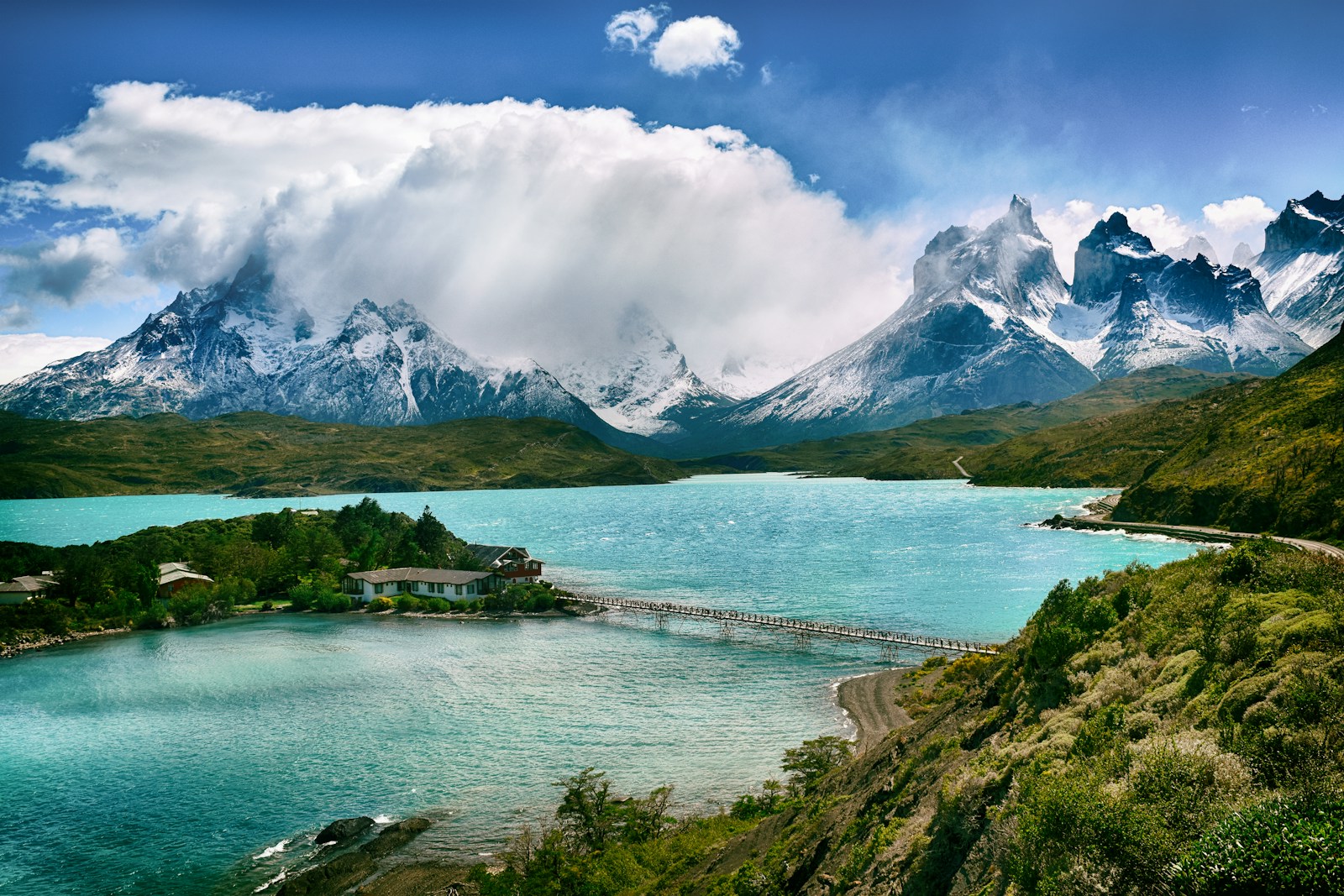
If there’s one place that defines Chilean adventure travel, it’s Torres del Paine. This Patagonian paradise is a trekker’s dream, with iconic granite peaks, turquoise lakes, and massive glaciers. It’s a bucket-list destination for a reason and perfectly suited for solo travelers who want to connect with nature and fellow hikers.
Understanding the O-Circuit vs. W-Circuit: Which Patagonian Trek is Right for Your Solo Adventure?
The two main multi-day treks in the park are the “W” and the “O”. So, what’s the difference?
| Feature | W-Circuit | O-Circuit |
|---|---|---|
| Duration | 4-5 days | 7-10 days |
| Distance | ~70 km | ~126 km |
| Route | A “W” shaped path covering the park’s main highlights. | A full loop that includes the W-Circuit plus the more remote backside. |
| Crowds | More popular and busier. | The backside offers significantly more solitude. |
| Difficulty | Challenging, but accessible to most fit hikers. | More strenuous, with challenging sections like the John Gardner Pass. |
| Best For | Solo hikers short on time or those wanting a “greatest hits” experience. | Adventurous solo trekkers seeking a more immersive, challenging, and remote experience. |
Our take? If you have the time and the grit, go for the O-Circuit. The sense of accomplishment and the serene beauty of the backside are unparalleled.
Solo O-Circuit Torres del Paine: An Epic 8-Day Itinerary & Essential Planning Guide
Hiking the O-Circuit solo is an incredible journey. Here’s a typical 8-day itinerary to give you an idea of the adventure that awaits.
- Day 1: Central to Serón (Easy, 4-5 hours)
- Day 2: Serón to Dickson (Moderate, 6 hours)
- Day 3: Dickson to Los Perros (Moderate, 4.5-5 hours)
- Day 4: Los Perros to Grey (Difficult, 10-12 hours over John Gardner Pass)
- Day 5: Grey to Paine Grande (Easy-Moderate, 3.5-4.5 hours)
- Day 6: Paine Grande to Francés/Cuernos (Moderate, hike into the French Valley)
- Day 7: Francés/Cuernos to Chileno (Moderate, 6.5 hours)
- Day 8: Chileno to Base of the Towers & back to Central (Difficult, 7 hours)
Crucial Planning Tip: You MUST book all your campsites or refugios months in advance, especially for peak season. Wild camping is strictly forbidden. You can book through the official park operators, Las Torres Patagonia (formerly Fantastico Sur) and Vertice Patagonia. A great third-party site that shows availability for both is Torres Hike.
Packing for Patagonia: Gear Essentials for the O-Circuit and Beyond
Packing right is key to a successful trek. The weather in Patagonia is notoriously unpredictable—you can experience all four seasons in a single day!
Key Gear:
- Waterproof Everything: A high-quality rain jacket and pants are non-negotiable.
- Layers, Layers, Layers: Think merino wool base layers, a fleece mid-layer, and a puffy jacket for warmth.
- Broken-in Hiking Boots: Your feet will thank you.
- Sturdy Backpack: A 50-70 liter pack is ideal.
- Camping Gear (if camping): A lightweight tent, warm sleeping bag (0°C comfort rating), and sleeping pad.
- Trekking Poles: These will save your knees on the steep descents.
👉 Shop Hiking & Camping Gear on:
- Osprey Backpacks: Amazon | Osprey Official Website
- Patagonia Outerwear: Amazon | Patagonia Official Website
- MSR Tents: Amazon | MSR Official Website
- Black Diamond Trekking Poles: Amazon | Black Diamond Official Website
Camping vs. Refugios: Your Accommodation Choices on the Patagonian Trails
You have two main options for sleeping on the trail: camping or staying in refugios (mountain huts).
- Camping: ✅ The most budget-friendly option. It allows you to be closer to nature. You can either bring your own gear or rent fully-equipped campsites. ❌ Your pack will be heavier.
- Refugios: ✅ A warm bed in a dorm-style room, hot showers, and no need to carry a tent or sleeping bag. ❌ Significantly more expensive and you’ll be sharing sleeping quarters with strangers.
One solo hiker we admire, Andrea Ference, noted, “If I were solo backpacking Patagonia again, I would personally chose to camp over the refugios both for financial reasons… but also for the fact that I don’t enjoy sharing sleeping quarters with strangers.” It really comes down to personal preference and budget!
Fueling Your Adventure: Full Board vs. Self-Supported Trekking in Torres del Paine
- Self-Supported: ✅ The cheapest way to go. You carry all your own food and a camp stove. This gives you total flexibility. ❌ It adds significant weight to your pack.
- Full Board: ✅ The ultimate convenience. You get dinner, breakfast, and a packed lunch at the refugios. The food is surprisingly delicious! You don’t even need to be staying in the refugio to book meals. ❌ It’s the most expensive option.
A happy medium can be to carry your own breakfasts and lunches (oatmeal, trail mix, etc.) and book dinners at the refugios to get a hot, hearty meal at the end of the day.
What to Expect at Each Refugio and Campsite in Torres del Paine
Most campsites have basic amenities like toilets and running water. The larger sites attached to refugios (like Grey, Paine Grande, and Central) have hot showers, small convenience stores selling snacks and drinks (yes, even beer and Pisco Sours!), and indoor common areas. The more remote campsites on the O-Circuit backside (like Serón, Dickson, and Los Perros) are more rustic.
Beyond the Circuits: Hidden Gems and Day Hikes in Torres del Paine for the Solo Explorer
Don’t have time for a multi-day trek? You can still experience the magic! The hike to Mirador Base Las Torres (the base of the iconic three towers) is one of the most famous day hikes in the world. It’s a challenging 20km round trip, but as the video presenter noted, it’s “well worth it.”
2. Punta Arenas & Puerto Natales: Gateway Cities to Southern Chilean Adventures
You can’t get to Torres del Paine without passing through one of these southern hubs.
- Punta Arenas: The larger of the two, it’s a great place to fly into and is known as the gateway to Antarctica.
- Puerto Natales: This charming town is the main base for Torres del Paine. It’s perfectly set up for trekkers, with gear rental shops, supermarkets, and great hostels like Last Hope, which is a favorite among solo travelers. It’s the ideal place to stock up, meet hiking buddies, and grab a celebratory beer post-trek.
3. Chiloé Island: Myth, Magic, and Maritime Culture for the Solo Explorer 🛶
Ready for something completely different? Head to Chiloé Island, a place steeped in myth and legend. Famous for its unique wooden churches (a UNESCO World Heritage site), colorful stilt houses called palafitos, and fascinating folklore, Chiloé offers a rich cultural experience. It’s a fantastic destination for the solo traveler looking to get off the beaten path and immerse themselves in a unique corner of Chilean culture.
4. Carretera Austral: The Road Less Traveled for Independent Souls in Patagonia 🛣️
For the truly adventurous solo backpacker, the Carretera Austral is the ultimate road trip. This 1,240 km route winds through the heart of rural Patagonia, connecting remote villages and offering access to some of the most pristine and untouched landscapes on the planet. As seen in the featured video, highlights include the Hanging Glacier in Queulat National Park and the incredible Marble Caves.
While renting a car is a great option, many solo backpackers choose to hitchhike, which is common and relatively safe here. It’s a fantastic way to meet locals and other travelers. Patagonia is considered one of the best places in South America for this kind of adventure travel.
5. Valparaíso: Bohemian Rhapsody and Street Art for the Urban Wanderer 🎨
Welcome to Valparaíso, a chaotic, colorful, and utterly captivating port city. This UNESCO World Heritage site is a labyrinth of steep hills, quirky funicular elevators, and alleyways covered in spectacular street art. It’s a city that begs to be explored on foot.
Join a free walking tour with a company like Tours4Tips to get your bearings and learn about the city’s history. While some travelers have noted feeling on edge here due to an increase in crime, sticking to the main tourist areas of Cerro Alegre and Cerro Concepción during the day should ensure a great experience.
6. Santiago: The Vibrant Heart of Chile for Solo City Explorers 🏙️
Most journeys in Chile begin or end in the capital, Santiago. This bustling metropolis offers a fantastic mix of history and modernity. Take the gondola up Cerro San Cristóbal for panoramic views of the city against the Andes, explore the historic Plaza de Armas, and dive into the trendy neighborhoods of Bellavista and Lastarria. Santiago has a great hostel scene, making it easy to meet other solo travelers at places like Hostal Forestal or Hostal Providencia.
7. Chile’s Wine Valleys (e.g., Colchagua): Savoring Chilean Flavors Solo 🍷
Did someone say wine? Chile is world-renowned for its incredible wines, and a visit to one of its scenic wine valleys is a must for any food & drink lover. The Colchagua Valley, known for its robust Carmenere and Cabernet Sauvignon, is easily accessible from Santiago. Many wineries, like Montes and Viña Santa Cruz, offer tours and tastings. You can join a guided tour or, for a more budget-friendly option, organize a tasting with new friends from your hostel.
8. San Pedro de Atacama: Desert Wonders and Stargazing for the Adventurous Spirit ✨
Prepare to be mesmerized by the Atacama Desert, the driest place on Earth. The small, dusty town of San Pedro de Atacama is the main hub for exploring this incredible region. It’s a very safe and welcoming destination for solo travelers, with a strong community of backpackers and tour operators.
Exploring the Atacama Desert: Must-See Sights and Solo-Friendly Tours
From San Pedro, you can join a myriad of tours to explore the surrounding wonders:
- Valle de la Luna (Moon Valley): Famous for its lunar-like landscapes and incredible sunsets.
- El Tatio Geysers: A field of steaming geysers best visited at sunrise.
- Altiplanic Lagoons (Miscanti & Miñiques): Stunning high-altitude lakes with vibrant blue waters.
- Piedras Rojas (Red Rocks): A unique landscape of red-hued rocks set against a turquoise salt flat.
Joining tours is the easiest way to see the sights as a solo traveler and a great way to meet people.
Stargazing in Atacama: A Celestial Experience for One
The Atacama’s high altitude, clear skies, and lack of light pollution make it one of the best places on the entire planet for stargazing. Joining a stargazing tour is an absolute must-do. You’ll get to look through powerful telescopes and learn about the cosmos from passionate guides. It’s a truly humbling and unforgettable experience.
9. Lauca National Park: High-Altitude Beauty and Andean Culture in Northern Chile ⛰️
For those who venture to the far north near the Bolivian border, Lauca National Park is a hidden gem. This high-altitude biosphere reserve is home to dramatic volcanoes, including the perfectly conical Parinacota, sparkling lakes, and abundant wildlife like llamas, alpacas, and vicuñas. It’s a stunning and less-visited destination that offers a glimpse into the Andean world.
10. Iquique: Sandboarding, Surfing, and Pacific Vibes for the Solo Thrill-Seeker 🏄 ♀️
Looking for some coastal action? The northern city of Iquique offers a unique combination of city, beach, and desert. It’s famous for its massive sand dunes that drop right down to the Pacific Ocean, making it a prime spot for sandboarding. The city also has a consistent surf break and a relaxed, duty-free port town vibe, making it a fun stop for the solo traveler looking for some sun and thrills.
Budgeting for Your Chilean Solo Adventure: Smart Spending Tips for Backpackers 💰
Let’s talk money. Chile has a reputation for being pricey compared to its neighbors like Bolivia and Peru, and it’s true. However, traveling on a budget is absolutely doable with some smart planning.
- Daily Budget: A shoestring backpacker could get by on around 36,000 CLP, but a more comfortable budget would be between 45,000-65,000 CLP ($50-70 USD) per day. This allows for hostels, a mix of cooking and eating out, and some paid excursions.
- Accommodation: Hostel dorms are your most affordable option.
- Food: Save money by cooking meals in your hostel kitchen. When eating out, look for the menú del día (menu of the day), a fixed-price lunch that’s usually a great value.
- Tours: Activities, especially in Patagonia and Atacama, will be your biggest expense. Prioritize what’s most important to you and book accordingly.
For more tips, check out our Budget Travel section!
Transportation in Chile: Getting Around as a Solo Traveler 🚌
Getting around Chile is surprisingly easy and comfortable.
- Buses: The bus network is extensive, reliable, and affordable. Companies like Turbus and Pullman Bus are the major players. For overnight journeys, splurge on a cama (bed) or semi-cama (reclining seat) for maximum comfort. You can compare and book tickets on sites like Recorrido.cl.
- Flights: Given Chile’s immense length, flying is often necessary to save time. Budget airlines like SKY Airline and JetSMART offer competitive fares, especially when booked in advance.
- City Transport: Santiago has an efficient Metro system. In other cities, local buses (micros) and shared taxis (colectivos) are common.
Staying Connected: SIM Cards, Wi-Fi, and Digital Nomad Tips for Chile 📱
Staying connected is relatively easy in Chile’s towns and cities.
- SIM Cards: Pick up a prepaid SIM card from Entel, Movistar, or Claro at the airport or a local shop. Entel generally has the best coverage in remote and Patagonian regions.
- Wi-Fi: Most hostels, cafes, and restaurants in tourist areas offer free Wi-Fi. However, don’t expect high speeds in remote places like Patagonia or parts of the Atacama.
- Digital Nomads: Santiago, particularly in neighborhoods like Providencia and Las Condes, is a growing hub for digital nomads, with plenty of coworking spaces and cafes with reliable internet.
Eating Solo in Chile: From Street Food to Fine Dining Experiences 🍽️
Chilean cuisine is a delicious journey in itself. Don’t be shy about eating alone!
- Must-Try Dishes:
- Empanadas: Especially the empanada de pino (filled with ground beef, onions, olive, and hard-boiled egg).
- Pastel de Choclo: A savory “corn pie” with a creamy corn topping over a meat filling.
- Cazuela: A hearty, comforting stew with meat, potatoes, corn, and other vegetables.
- Completo: The Chilean take on a hot dog, loaded with toppings like avocado, tomato, and mayonnaise.
- Street Food: Grabbing an empanada or a completo from a street vendor is a classic, budget-friendly solo dining experience.
- Markets: Head to the local mercado central in any city for fresh seafood and lively, communal dining counters.
- Pisco Sours: You can’t leave Chile without trying its national cocktail, the Pisco Sour!
Meeting Fellow Travelers: Hostels, Tours, and Socializing Safely in Chile 🤝
One of the best parts of solo travel is the people you meet. Chile’s well-trodden backpacker trail makes it easy to connect with others.
- Stay in Hostels: This is the #1 way to meet fellow travelers. Look for hostels with common areas, kitchens, and social events. Hostelworld is your best resource for finding and booking.
- Santiago: Hostal Forestal, La Chimba Hostel
- San Pedro de Atacama: Hostal Rural, Aji Verde Hostel
- Puerto Natales: YaganHouse, Hostal Lili-Patagonicos
- Join Group Tours: Day tours, walking tours, and multi-day treks are fantastic for instant camaraderie.
- Be Open: Strike up a conversation in the hostel kitchen, on a long bus ride, or on the trail. A simple “Where are you from?” can lead to a great friendship or a new travel buddy.
Health and Safety for Solo Backpackers in Chile: Essential Precautions 🛡️
Chile is a modern country with good health standards.
- Water: Tap water is generally safe to drink in major cities, but it’s heavily chlorinated. In rural and northern areas, it’s best to stick to bottled or filtered water.
- Altitude Sickness: If you’re heading to San Pedro de Atacama or Lauca National Park, be aware of the high altitude. Take it easy for the first day or two, drink plenty of water, and avoid heavy meals and alcohol.
- Sun Protection: The sun is incredibly strong, especially in the desert and at high altitudes. A hat, sunglasses, and high-SPF sunscreen are essential.
- Travel Insurance: This is non-negotiable. Make sure you have comprehensive travel insurance that covers medical emergencies and theft.
CHECK COVERAGE on:
Responsible Tourism: Leaving Only Footprints on Your Chilean Journey ♻️
Chile’s natural landscapes are its greatest treasure. As travelers, it’s our responsibility to protect them.
- Leave No Trace: In national parks, pack out everything you pack in. Stick to marked trails to prevent erosion.
- Respect Wildlife: Observe animals from a distance and never feed them.
- Support Local: Eat at local restaurants, buy souvenirs from artisans, and hire local guides.
- Conserve Water: This is especially important in arid regions like the Atacama Desert.
- Reduce Plastic: Carry a reusable water bottle and shopping bag to minimize plastic waste.
Conclusion: Your Unforgettable Solo Journey Through Chile Awaits!

So, there you have it—our comprehensive guide to the most popular tourist destinations in Chile for solo backpackers. From the jaw-dropping peaks of Torres del Paine to the mystical charm of Chiloé Island, and the star-studded skies of the Atacama Desert, Chile offers a kaleidoscope of experiences that cater perfectly to the independent traveler.
Is Chile safe for solo backpackers? ✅ Absolutely, with sensible precautions. Is it expensive? ✅ It can be, but with smart budgeting, you can stretch your pesos and still enjoy the best of what this diverse country has to offer. Will you meet fellow travelers? ✅ Hostels, tours, and the natural camaraderie of the trail make it easy to connect.
Remember the question we teased at the start: Where do you even begin in Chile? Now you know the hotspots, the logistics, and the insider tips to make your solo adventure not just possible but truly unforgettable.
Pack your bags, lace up your boots, and get ready to explore Chile—the land of endless horizons and endless stories waiting to be told. Your solo backpacking adventure starts now!
Recommended Links: Essential Resources for Chilean Backpacking
Ready to gear up for your Chilean adventure? Here are some trusted products and resources we recommend:
-
Osprey Backpacks:
Amazon | Osprey Official Website -
Patagonia Outerwear:
Amazon | Patagonia Official Website -
MSR Tents:
Amazon | MSR Official Website -
Black Diamond Trekking Poles:
Amazon | Black Diamond Official Website -
Universal Travel Adapters:
Amazon -
Travel Insurance:
World Nomads | SafetyWing -
Books to Inspire Your Chile Trip:
Lonely Planet Chile & Easter Island – Amazon
Trekking in Patagonia by Lonely Planet – Amazon
FAQ: Answering Your Burning Solo Travel Questions About Chile

What are the safest cities in Chile for solo backpackers?
Chile is one of the safest countries in South America, but like anywhere, safety varies by area. Santiago, the capital, is generally safe in tourist neighborhoods like Providencia, Bellavista, and Lastarria, especially during the day. Valparaíso requires more caution, particularly at night and in less-touristy neighborhoods. Puerto Natales and Punta Arenas, gateways to Patagonia, are safe and welcoming, with a strong backpacker presence. Always practice standard safety measures: avoid poorly lit areas at night, keep valuables secure, and use licensed transportation.
Read more about “8 Safest Places to Visit in Chile for Solo Travelers (2025) 🇨🇱”
Which Chilean national parks are best for solo travelers?
Torres del Paine National Park is the crown jewel for solo backpackers, offering well-marked trails, refugios, and campsites that make solo trekking manageable and social. The O-Circuit is perfect for those seeking a longer, more immersive experience, while the W-Circuit suits those with limited time. For a quieter, less crowded experience, Lauca National Park in the north offers high-altitude trekking with stunning Andean landscapes. The Carretera Austral region also features multiple parks and reserves ideal for independent exploration.
Read more about “15 Unforgettable Experiences in Chile Every Traveler Must Try (2025) 🇨🇱”
How can solo backpackers meet other travelers in Chile?
Meeting fellow travelers is easy if you know where to look:
- Hostels: Choose social hostels with communal kitchens and organized events. Examples include Hostal Forestal in Santiago and YaganHouse in Puerto Natales.
- Group Tours: Join day trips or multi-day treks; these are natural icebreakers.
- Public Transport: Long bus rides often lead to spontaneous conversations.
- Local Events: Check out local markets, festivals, or cultural events.
- Apps: Use travel apps like Meetup or Couchsurfing to find gatherings.
Read more about “6 Epic Chilean Patagonia Hiking & Camping Adventures to Try in 2025 🏕️”
What budget tips are essential for solo backpacking in Chile?
- Cook Your Own Meals: Many hostels have kitchens; buying groceries and cooking saves a ton.
- Use Buses: Long-distance buses are affordable and comfortable.
- Book in Advance: For popular treks like Torres del Paine, early booking saves money and guarantees spots.
- Travel Shoulder Season: Visit Patagonia in November or April to avoid peak prices.
- Look for Menú del Día: Fixed-price lunch menus in local eateries offer great value.
- Rent Gear Locally: Instead of buying expensive equipment, rent from local outfitters in hubs like Puerto Natales or San Pedro de Atacama.
Additional FAQs
How difficult is the O-Circuit for a solo backpacker?
The O-Circuit is challenging, especially the John Gardner Pass section, which involves steep ascents and potentially harsh weather. However, with proper preparation, fitness, and gear, solo hikers can complete it safely. Booking refugios or campsites ahead and carrying a reliable map or GPS is essential.
Is Spanish necessary for solo travel in Chile?
While tourist areas often have English speakers, knowing basic Spanish phrases greatly enhances your experience and safety. Locals appreciate the effort, and it opens doors to authentic cultural interactions.
Read more about “Is Chile Safe for Solo Travelers in 2025? 12 Must-Know Facts! 🇨🇱”
Reference Links: Our Sources and Further Reading
- Andrea Ference’s detailed O-Trek experience and advice: andreaference.com
- Tales of a Backpacker’s South America guide, including Chile insights: talesofabackpacker.com
- Backpacking through Chile and Argentina in December? Facebook group discussion: Facebook Post
- Official Torres del Paine National Park website and booking portals: Las Torres Patagonia, Vertice Patagonia
- Chilean national tourism site: Chile Travel
- Safety and travel advisories: U.S. Department of State – Chile
Ready to embark on your solo Chilean adventure? We hope this guide lights your path and fuels your wanderlust. Stay curious, stay safe, and most importantly—have the time of your life! 🌎✨