Support our educational content for free when you purchase through links on our site. Learn more
Top 10 Must-See Attractions in Chile for First-Time Travelers (2026) 🇨🇱


Welcome to Chile, a country that’s like a living postcard—where you can watch the Milky Way explode above the otherworldly Atacama Desert one night and hike beside towering glaciers in Patagonia the next. If you’re a first-time traveler, Chile offers an unbeatable mix of landscapes, culture, and adventure that will leave you breathless and craving more.
In this guide, we’ll take you on a whirlwind tour of the top 10 attractions and destinations you absolutely cannot miss—from the colorful hills of Valparaíso to the mystical Moai statues of Easter Island. Plus, we’ll share insider tips on when to visit, how to get around, and how to craft an itinerary that maximizes your time and minimizes backtracking. Curious where to catch the best stargazing or sip the finest Carmenère? Keep reading—you’re about to unlock the secrets of Chile’s most unforgettable experiences.
Key Takeaways
- Chile’s diverse geography offers everything from deserts and volcanoes to glaciers and beaches—all accessible in one trip.
- Top destinations include Santiago, Atacama Desert, Patagonia, Easter Island, and Valparaíso, each with unique cultural and natural highlights.
- Best travel times vary by region, with spring and early summer ideal for most outdoor adventures.
- Open-jaw flights and domestic connections are key to efficient travel across Chile’s vast distances.
- Local customs and safety tips will help you blend in and enjoy your journey worry-free.
Ready to explore Chile like a pro? Let’s dive in!
Table of Contents
- ⚡️ Quick Tips and Facts
- 🇨🇱 Unveiling Chile: A Brief History & Geographic Tapestry for First-Timers
- Why Chile is a Must-Visit for Your First South American Adventure
- Top Attractions & Destinations for Your Inaugural Chilean Journey:
- 1. 🏙️ Santiago: The Vibrant Heart of Chile
- 2. 🏜️ The Atacama Desert: An Otherworldly Landscape
- 3. 🗿 Easter Island (Rapa Nui): A Mystical Polynesian Outpost
- 4. 🏞️ Patagonia: Majestic Peaks and Glacial Wonders
- 5. 🎨 Valparaíso: The Colorful Port City
- 6. 🍷 Chile’s Wine Regions: A Toast to the Andes
- 7. 🌊 Chiloé Island: Myths, Palafitos, and Unique Culture
- 8. 🌋 The Lake District: Volcanoes, Lakes, and German Heritage
- 9. 🐧 Punta Arenas & Tierra del Fuego: Gateway to Antarctica
- 10. ☀️ La Serena & Elqui Valley: Sun, Stars, and Pisco
- When to Visit Chile: Seasonal Insights for First-Timers
- Getting Around Chile: Transportation Tips & Tricks
- Accommodation in Chile: From Boutique Hotels to Eco-Lodges
- Packing Essentials for Your Chilean Adventure
- Budgeting for Your First Trip to Chile
- Safety in Chile: Staying Savvy and Secure
- Cultural Etiquette & Local Customs: Blending In
- Optimizing Your Flights: Open-Jaw & Multi-City Strategies for Chile
- Suggested Itineraries for First-Time Visitors to Chile
- Pin this post for later! 📌
- Discover more from Chile Vacay™ ✈️
- Conclusion: Your Chilean Adventure Awaits!
- Recommended Links & Resources
- FAQ: Your Burning Questions Answered
- Reference Links
⚡️ Quick Tips and Facts
- Chile stretches 4,300 km top-to-toe but averages just 177 km wide – you can hop from the driest desert on Earth to penguin-topped glaciers in one trip.
- Currency: Chilean peso (CLP). Cards work almost everywhere, but carry a little cash for rural empanada stands.
- Language: Spanish. Download the free SpanishDict app – locals love it when you try.
- Tap water is safe in most cities; in San Pedro de Atacama stick to bottled.
- Power plug: Type C & L (220 V). A universal adapter saves the day.
- Siestas aren’t a thing; restaurants open late (9 pm is normal).
- Tipping: 10 % is often added to the bill – look for propina.
- Seasons are flipped – December-February is summer, June-August is ski season.
- Altitude sickness is real in the Atacama – hydrate, chew coca candy, ascend slowly.
- Chile is shockingly earthquake-prone; download the “Sismos Chile” app for real-time alerts.
Curious how we once watched the Milky Way bloom above the Atacama with a glass of Carmenère in hand? Keep reading – we’ll show you exactly where to stand. 😉
🇨🇱 Unveiling Chile: A Brief History & Geographic Tapestry for First-Timers

Imagine a single country that crams in Mars-like deserts, Mediterranean vineyards, volcano-dotted lakes, fjords deeper than Norway’s, and ice-blue Patagonian skyscrapers – that’s Chile. The Mapuche successfully resisted the Inca and later the Spanish for 300 years, leaving a proud indigenous thread still woven into today’s culture. Spanish conquistadors founded Santiago in 1541, and independence was sealed in 1818. Copper replaced gold, Pablo Neruda’s poetry seduced the world, and the 1990s transition to democracy turned Chile into South America’s most stable launch-pad for explorers.
Geography nerd alert: Chile straddles five climate zones, sits on the Ring of Fire, and owns a slice of Antarctica. Translation for travelers? You can breakfast on tropical fruit in the Elqui Valley, lunch on king-crab chupe in Punta Arenas, and still make it back to Santiago for a midnight terremoto cocktail.
Why Chile is a Must-Visit for Your First South American Adventure
Because one passport stamp equals five planets. Where else can you stand amid 4000-year-old mummies (older than Egypt’s!) in the morning and by sunset toast cloud-forest botanicals distilled into pisco? Add Latin America’s lowest crime rate, excellent bus networks, and a currency that won’t demolish your savings, and Chile becomes the perfect gateway continent for nervous first-timers. Plus, no malaria, no yellow-fever requirement, and direct flights from Miami, Atlanta, Sydney, Madrid.
Top Attractions & Destinations for Your Inaugural Chilean Journey:
1. 🏙️ Santiago: The Vibrant Heart of Chile
Most visitors land at Arturo Merino Benítez and sprint south – rookie mistake. Santiago is worth at least 48 hours of your life. Sandwiched between the snow-capped Andes and a coastal range, the capital delivers world-class museums, rooftop pisco sours, and funicular rides that rival Lisbon’s.
Must-See Sights & Experiences in Santiago
- Cerro San Cristóbal – sunset + smog-free skyline = Instagram gold.
- La Chascona – one of Neruda’s kooky houses; audio guides narrate his clandestine love life.
- Bellas Artes neighborhood – street mimes, craft beer, and the Museo Nacional de Bellas Artes.
- Central Market – yes it’s touristy, but the king-crab chupe at Donde Augusto still slaps.
- Sky Costanera – the tallest building in Latin America; 360° views from the 61st floor.
Insider hack: buy a Bip! card at any metro station; it slashes bus & metro fares by 25 % and works in Valparaíso too.
Day Trips from Santiago: Wine Valleys & Coastal Charms
Hop on the Tren del Vino (weekends) and roll through Maipo Valley vineyards – Concha y Toro and Santa Rita both offer English tours ending with generous pours. Rather smell the Pacific? Bus 611 to Valparaíso takes 90 min; read on for why you should.
2. 🏜️ The Atacama Desert: An Otherworldly Landscape
If the Moon and Mars had a baby, it would be the Atacama. San Pedro de Atacama, population 5 000, sits at 2 400 m and feels like a frontier film set. Days blaze, nights freeze, and the lack of humidity makes stars pop like spilled glitter.
Stargazing, Geysers, and Salt Flats: Atacama Highlights
- Valle de la Luna – sandboard at sunset; the dunes glow blood-orange.
- El Tatio Geysers – leave at 4 am, slurp coca tea, watch 80 steaming vents under a violet sky.
- Laguna Cejar – float in saltier-than-Dead-Sea waters while flamingos strut nearby.
- ALMA Observatory – free weekend tours; you’ll stand where Nobel-winning astronomers decode galaxies.
Altitude warning: geysers hit 4 300 m. Spend 48 h acclimatizing or risk a skull-splitting headache.
3. 🗿 Easter Island (Rapa Nui): A Mystical Polynesian Outpost
Five hours west by plane lies the most isolated inhabited island on Earth. Moai statues, volcanic craters, and surf breaks straight from a National Geographic cover await.
Exploring the Moai and Rapa Nui Culture
- Ahu Tongariki – 15 resurrected statues; sunrise here is goose-bump material.
- Rano Raraku quarry – 397 moai in various stages of carving; walk the factory floor.
- Orongo village – birdman petroglyphs and vertigo-inducing cliffs.
- Anakena beach – white coral sand, turquoise water, and seven moai photobombing your selfie.
Sustainability tip: pack reef-safe sunscreen – the island’s only coral reef is struggling.
4. 🏞️ Patagonia: Majestic Peaks and Glacial Wonders
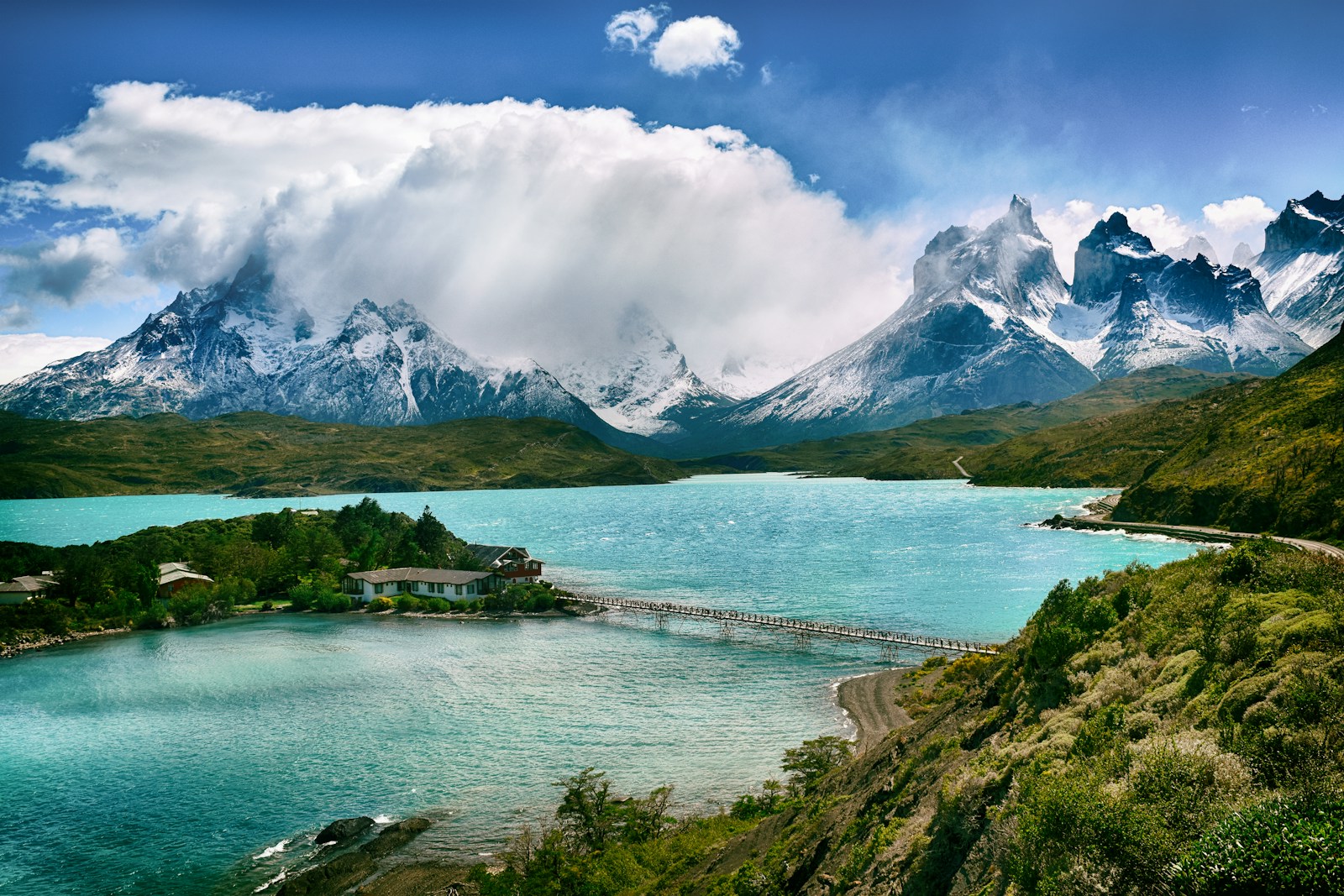
Torres del Paine is the poster child, but the entire Patagonian Andes stretch into ice fields, fjords, and pampas roamed by guanacos and pumas.
Torres del Paine National Park: A Hiker’s Paradise
- W Trek – 4-5 days, 80 km, refugios with hot showers (luxury!).
- O Circuit – 8 days, full loop, fewer crowds, raw Patagonia.
- Base de las Torres – day-hike to the three granite towers; start early to beat the wind.
Booking hack: reserve camps through Vertice Patagonia or Fantastico Sur six months ahead – spots vanish faster than dulce de leche at breakfast.
Other Patagonian Gems: Marble Caves & Carretera Austral
- Capillas de Mármol – kayak through azure cathedral-like caves; best December-April.
- Queulat Hanging Glacier – a two-hour hike rewards you with a glacier waterfall straight out of Frozen.
- Caleta Tortel – stilt-boardwalk village where cars are useless.
5. 🎨 Valparaíso: The Colorful Port City
UNESCO-listed Valpo is a graffiti gallery built on 45 hills connected by ascensores (funiculars) from 1883. Think San Francisco meets Berlin with better empanadas.
Ascensores, Street Art, and Bohemian Vibes
- Ascensor Concepción – oldest lift; ride to Paseo Gervasoni for craft pisco cocktails.
- Open-air museum – Cerro Bellavista; murals rotate every year.
- La Sebastiana – Neruda’s house; quirky audio guide voiced by a local poet.
- Nightlife: Cervecería Altamira’s IPA pairs perfectly with chorrillana fries – cardiologist not included.
Safety note: stick to well-lit hills after dark; Uber home if you’ve sampled too many terremotos.
6. 🍷 Chile’s Wine Regions: A Toast to the Andes
Chile is a grape-growing paradise thanks to the Andean irrigation, Mediterranean climate, and phylloxera-free vines. Cabernet Sauvignon put the country on the map, but Carmenère is the signature grape rescued from pre-phylloxera France.
Casablanca, Maipo, and Colchagua Valleys
- Casablanca – cool fog = killer Sauvignon Blanc & Chardonnay; bike between Bodegas RE and Casas del Bosque.
- Maipo – Cabernet royalty; tour Santa Rita’s 19th-century cellars + Andean museum.
- Colchagua – hop the wine train from Santiago; Lapostolle’s biodynamic Clos Apalta scores 95+ points yearly.
👉 CHECK PRICE on:
- Concha y Toro Winery Tour | Tripadvisor | Viator
- Casas del Bosque Bike & Wine | Booking.com | Tripadvisor
7. 🌊 Chiloé Island: Myths, Palafitos, and Unique Culture
Chiloé feels like Chile’s attic – misty, wooden-church-filled, and whispering legends of ghost ships and sorcerers. The UNESCO churches are built with wooden pegs instead of nails – 17th-century IKEA.
- Palafitos – colorful stilt houses in Castro; stay in one turned boutique B&B.
- Parque Nacional Chiloé – hike through peat bogs to spot blue-whale-sized Darwin foxes.
- Curanto – ancestral feast of shellfish, potatoes, and meat cooked over hot stones in a earth oven.
Ferry tip: book the naviera Austral online in high season or you’ll sleep in your rental car – we’ve been there, neck-crick included.
8. 🌋 The Lake District: Volcanoes, Lakes, and German Heritage
Think Switzerland with volcanoes and better beer. Bavarian settlers arrived in 1852, bringing kuchen recipes and timber chalets.
Pucón: Adventure Hub of the South
- Villarrica volcano climb – peer into a lava-lit crater; crampons provided, nerves not.
- Termas Geométricas – 17 natural hot pools in a red-boardwalk canyon – Studio Ghibli vibes.
- White-water rafting on the Trancura River – Class IV rapids guarantee adrenalin.
Season: December-March for hiking; July-September for skiing.
9. 🐧 Punta Arenas & Tierra del Fuego: Gateway to Antarctica
The southernmost city on mainland South America is wind-whipped, penguin-packed, and oozing polar history. It’s also your last ATM before Antarctica – withdraw wisely.
- Isla Magdalena – 120 000 Magellanic penguins waddle here; follow the marked path or risk a beak to the ankle.
- Museo Nao Victoria – full-size replica of Magellan’s ship; claustrophobia guaranteed.
- Cruise departures – Antarctica expeditions leave November-March; book two years ahead for peak berths.
10. ☀️ La Serena & Elqui Valley: Sun, Stars, and Pisco
Chile’s second-oldest city is your springboard to the Elqui Valley, birthplace of Gabriela Mistral (Nobel-lit) and pisco grapes.
- Mamalluca Observatory – tourist-friendly telescopes; Saturn’s rings will make you gasp.
- Pisco distilleries – Capel and Los Nichos offer tastings; the frosted pisco sour is mandatory.
- Valle de Elqui – energy vortex seekers meditate here; crystals sold next to empanadas.
When to Visit Chile: Seasonal Insights for First-Timers
| Region | Best Months | Why |
|---|---|---|
| Atacama | Apr-Oct | Clear skies, mild days, no crowds |
| Santiago & Wine Country | Sep-Nov, Mar-May | Harvest festivals & fall colors |
| Lake District | Dec-Mar | Warm, dry, perfect for hiking |
| Patagonia | Nov-Mar | Open trails, penguins, 18 hrs daylight |
| Easter Island | Sep-Nov, Mar-May | Comfortable temps, cheaper flights |
| Ski Bums | Jun-Sep | Portillo & Valle Nevado open |
Insider nugget: shoulder seasons (Oct-Nov & Mar-Apr) gift you bargain beds, mild weather, and room on the trail – we hiked the W in April and had Refugio Grey’s deck almost to ourselves.
Getting Around Chile: Transportation Tips & Tricks
Flights, Buses, and Car Rentals: Your Options
- Domestic flights – LATAM, Sky, JetSmart; book Tuesday at 3 pm local for promos.
- Buses – Turbus & Pullman are first-class comfy; splurge on Cama (lie-flat) for 12-hr hauls.
- Car rental – essential in Patagonia & Lake District; RentalCars.com compares local insurers.
- Ferries – Navimag’s Puerto Montt–Puerto Natales route is a 3-day fjord cruise – dolphins included.
Pro move: combine an open-jaw ticket (land Santiago, fly home Punta Arenas) with one-way domestic flights – saves backtracking 4 000 km.
Accommodation in Chile: From Boutique Hotels to Eco-Lodges
- Santiago – The Aubrey (Bellavista mansion with a piano-bar pool) or Luciano K (art-deco rooftop).
- Atacama – Tierra Atacama (all-inclusive stargazing deck) or Hostal Rural (backpacker oasis).
- Torres del Paine – EcoCamp (geodesic domes) or Refugio Paine Grande (dorm bunks).
- Valparaíso – Casa Higueras (hilltop spa) or Hostal Po (graffiti tours on request).
Eco-lodge tip: look for S or CH certification – Chile’s official sustainability seal.
Packing Essentials for Your Chilean Adventure
- Layers, layers, layers – desert sun to glacier wind in one day.
- Sunblock SPF 50+ – UV index is brutal at altitude.
- Microfiber towel – hostels charge for rentals.
- Dry-bag – kayak in Patagonia or salt-flat photo ops.
- Power bank – outlets scarce on long bus rides.
- Reusable bottle – Chile has potable tap water almost everywhere.
👉 Shop Travel Essentials on:
- Patagonia Houdini Jacket | Amazon | Patagonia Official
- Anker PowerCore 10000 | Amazon | Anker Official
Budgeting for Your First Trip to Chile
| Budget Level | Daily Cost (USD) | What You Get |
|---|---|---|
| Backpacker | $30-50 | Dorm bed, completo (loaded hot dog), local bus |
| Mid-range | $80-150 | 3-star hotel, restaurant meals, car rental |
| Luxury | $300+ | 5-star eco-lodge, helicopter glacier landings, private wine tour |
Money hack: withdraw up to 200 000 CLP at once – ATMs charge a fixed fee (~3000 CLP) regardless of amount.
Safety in Chile: Staying Savvy and Secure
✅ Low violent crime; petty theft is the real nuisance.
✅ Uber & DiDi widely available – no dodgy haggling.
❌ Protests can flare; avoid Plaza Italia in Santiago during demos.
❌ Altitude & UV are bigger threats than criminals – hydrate & slather.
Solo female traveler? We’ve done it – stick to well-lit streets in Valpo, use radio taxis at night, and you’ll be fine.
Cultural Etiquette & Local Customs: Blending In
- Greeting: one cheek kiss (right cheek first) – even men/women in social settings.
- Punctuality: arrive 15 min “late” to parties; on time for business.
- Don’t compare Chile to Argentina – it’s like calling Canada “the 51st state”.
- Say “¿Cómo estái?” in the south – local slang for ¿Cómo estás?
- Tipping: 10 % is often pre-added; leave coins if service rocked.
Optimizing Your Flights: Open-Jaw & Multi-City Strategies for Chile
Fly into Santiago, out of Punta Arenas – this open-jaw trick shaves 4 000 km of backtracking and often costs the same or less than a round-trip. LATAM’s South America Airpass can add Easter Island or Mendoza for a few extra bucks if booked before departure.
Example routing:
Home → Santiago (3 days) → Calama (Atacama) → Puerto Montt (Lake District) → Punta Arenas (Patagonia) → Home.
Suggested Itineraries for First-Time Visitors to Chile
The “Best of Chile” Two-Week Adventure
| Day | Where | Highlights |
|---|---|---|
| 1-2 | Santiago | City bike tour, Sky Costanera sunset |
| 3 | Valparaíso | Street-art walking tour, ascensor rides |
| 4-5 | Casablanca Valley | Bike & wine at Casas del Bosque |
| 6-8 | Atacama | Moon Valley, geysers, stargazing |
| 9-11 | Puerto Varas | Osorno volcano, Frutillar teutonic town |
| 12-14 | Torres del Paine | Day hike to Base Torres, glacier cruise |
Northern Wonders & Desert Dreams (10 Days)
Santiago → La Serena (stargazing) → Elqui Valley (pisco) → San Pedro (desert) → Caldera beaches → Santiago.
Patagonia & Southern Charms (10 Days)
Santiago → Punta Arenas (penguins) → Puerto Natales (Torres del Paine) → El Calafate (Perito Moreno, Argentina side-trip) → Santiago.
Pin this post for later! 📌
Found the perfect stargazing spot or volcano hike? Hover over any image, click the red Save button, and stash these tips on your Pinterest travel board so you’re ready when borders open.
Discover more from Chile Vacay™ ✈️
Craving more? Dive into our Destinations category for hidden beaches, Food & Drink for curanto recipes, or Adventure Travel for volcano-boarding hacks. And if you’re still hungry, check out our 🍷 Ultimate Chile Travel Guide: 15 Must-Try Foods & Wines (2025) – because calories don’t count on holiday.
Conclusion: Your Chilean Adventure Awaits!

So, what’s the verdict on Chile for first-time travelers? Chile is nothing short of a kaleidoscope of landscapes, cultures, and experiences that will leave you breathless and craving more. From the star-studded skies of the Atacama Desert to the thunderous glaciers of Patagonia, every corner offers a new story, a new flavor, a new adventure.
Positives:
✅ Unmatched geographic diversity in a single trip
✅ Friendly locals who love sharing their culture
✅ Excellent infrastructure for travelers (flights, buses, tours)
✅ World-class wine and cuisine that pair beautifully with the scenery
✅ Safe and accessible for solo travelers, couples, and families alike
Challenges:
❌ Vast distances require careful planning and sometimes pricey flights
❌ Weather can be unpredictable, especially in Patagonia
❌ Altitude sickness in the north demands acclimatization
❌ Some remote areas require advance bookings and patience
But don’t let those challenges scare you off! With a bit of savvy planning (like our open-jaw flight tips and early reservations for Torres del Paine), you’ll glide through Chile’s wonders like a pro. Remember our teaser about the Milky Way spectacle? Now you know to head to the Atacama’s Valle de la Luna or ALMA Observatory for that cosmic show. And that terremoto cocktail? Best enjoyed on a rooftop in Santiago or a beach bar in Valparaíso, watching the sun dip behind the Andes.
Ready to pack your bags? Chile Vacay™ has your back every step of the way.
Recommended Links & Resources
Travel Essentials & Gear:
- Patagonia Houdini Jacket: Amazon | Patagonia Official Website
- Anker PowerCore 10000 Power Bank: Amazon | Anker Official Website
- Universal Travel Adapter: Amazon
Tours & Experiences:
- Concha y Toro Winery Tour: Tripadvisor | Viator
- Casas del Bosque Bike & Wine Tour: Booking.com | Tripadvisor
Books for Deeper Insight:
- Moon Chile by Kelly B. James – Amazon
- Lonely Planet Chile & Easter Island – Amazon
- National Geographic Traveler: Chile – Amazon
FAQ: Your Burning Questions Answered

What are the top outdoor activities to try in Chile for adventure seekers?
Chile is an adrenaline playground. Hiking the W Trek in Torres del Paine is a bucket-list must, offering glacier views and jagged peaks. In the Atacama, try sandboarding in Valle de la Luna or hot-air ballooning at dawn. The Lake District invites white-water rafting and volcano climbing (Villarrica). For water lovers, kayaking the Marble Caves or whale watching in Patagonia are unforgettable. Skiers flock to Valle Nevado in winter. Our advice? Pick activities that match your fitness and acclimatize properly to altitude.
How can I plan an itinerary to explore Chile’s diverse landscapes on my first trip?
Start by deciding your priorities: desert, mountains, coast, or culture? For a balanced first trip, consider an open-jaw flight (e.g., in Santiago, out of Punta Arenas) to avoid backtracking. Allocate 2-3 days in Santiago and Valparaíso, 3-4 days in Atacama, and 4-5 days in Patagonia or the Lake District. Use domestic flights to save time, and book popular tours and refugios months in advance. Our detailed itineraries above offer a solid blueprint.
Which Chilean cities offer the best cultural experiences for first-time visitors?
Santiago is the cultural hub with museums, theaters, and vibrant neighborhoods like Bellavista. Valparaíso dazzles with street art, bohemian cafes, and historic funiculars. Puerto Varas and Frutillar showcase German heritage and lakeside charm. For indigenous culture, Chiloé Island offers myths, wooden churches, and seafood traditions. Don’t miss the Museo de la Memoria y los Derechos Humanos in Santiago for a sobering look at Chile’s recent history.
What are the must-see natural wonders in Chile for first-time visitors?
- Torres del Paine National Park: iconic granite towers and glaciers.
- Atacama Desert: Valle de la Luna, El Tatio geysers, salt flats.
- Easter Island: mysterious Moai statues and volcanic craters.
- Lake District: snow-capped volcanoes and crystal-clear lakes.
- Marble Caves: surreal turquoise caverns on General Carrera Lake.
- Magellanic penguin colonies near Punta Arenas.
What is the best time of year to visit Chile for outdoor adventures?
For most outdoor activities, spring (September-November) and early summer (December-February) are ideal, offering mild weather and longer daylight. Patagonia’s hiking season peaks from November to March but expect wind and sudden weather changes. The Atacama is best visited in the dry months from April to October. Ski enthusiasts should plan for June to September in the Andes.
How can first-time travelers plan an itinerary to explore Chile’s diverse landscapes?
Start by grouping destinations geographically to minimize travel time. For example, combine Santiago, Valparaíso, and Casablanca Valley in central Chile, then fly north to Atacama or south to Patagonia. Use domestic flights for long distances and buses or rental cars for local exploration. Prioritize must-see spots but leave room for spontaneous detours — Chile’s charm often lies in the unexpected.
Reference Links
- Chile Travel Guide 2025 [From My 6-Month Solo Chile Trip] | On My Canvas:
https://www.onmycanvas.com/travel-guide-chile/ - LATAM Airlines Official Website: https://www.latam.com
- Concha y Toro Winery: https://www.conchaytoro.com/en/
- Torres del Paine National Park Official: https://www.parquetorresdelpaine.cl/en/
- Patagonia Official Website: https://www.patagonia.com
- Chile Tourism Board: https://chile.travel/en
- ALMA Observatory: https://www.almaobservatory.org/en/home/
- Navimag Ferries: https://www.navimag.com/en/
- TripAdvisor Chile Travel Forum: https://www.tripadvisor.com/ShowForum-g294305-i8925-Chile.html
Chile Vacay™ hopes this guide lights your path to unforgettable Chilean adventures. Ready to explore? Your passport is calling! 🌎✈️