Support our educational content for free when you purchase through links on our site. Learn more
When’s the Best Time to Visit Chile for Hiking & Skiing? ❄️🥾 (2026)

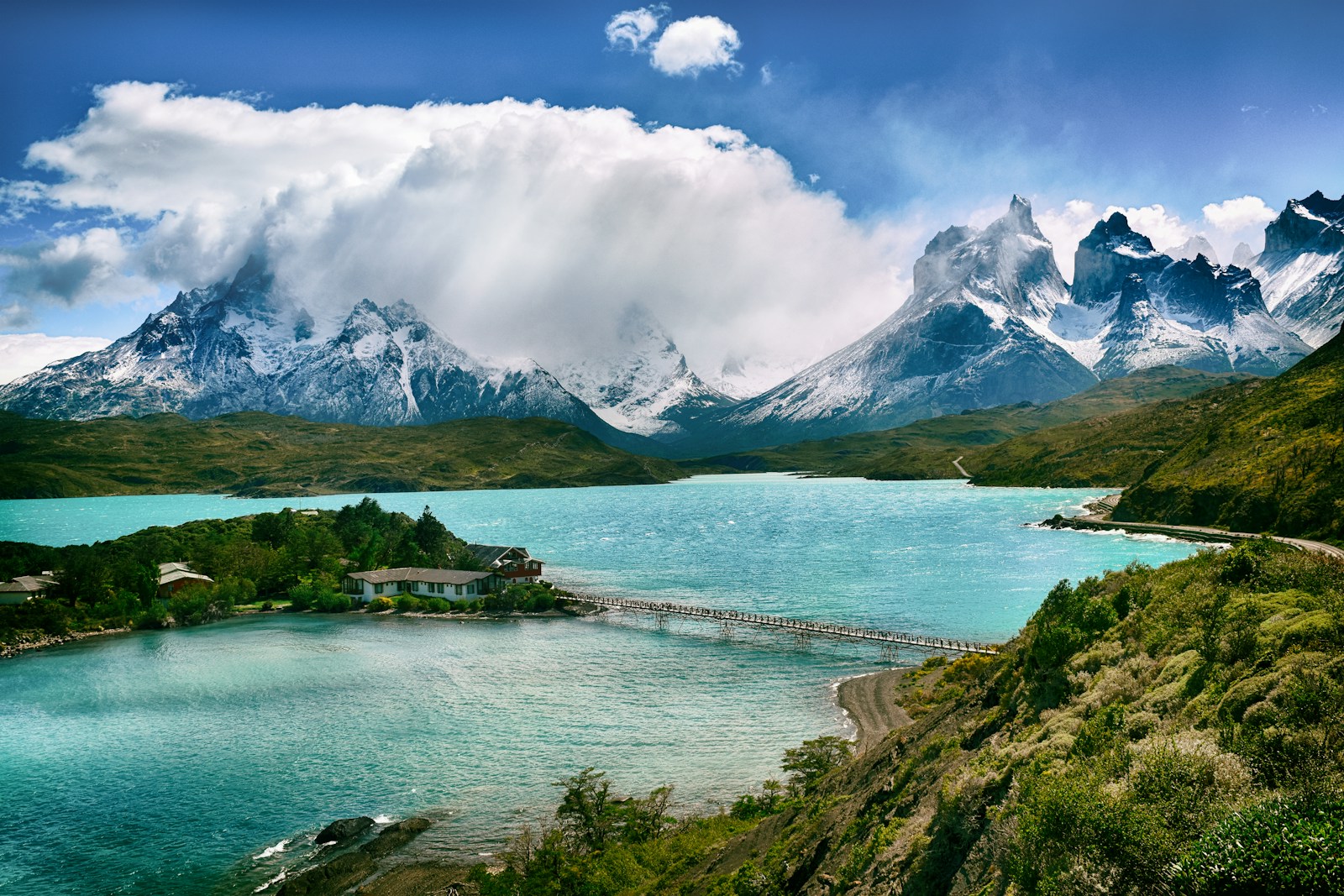
Picture this: you’re standing at the base of Torres del Paine, the sun casting golden light on jagged granite spires, while just a few hundred kilometers away, powder-dusted slopes beckon you to carve fresh tracks in the Andes. But when exactly should you plan your trip to catch both the best hiking trails and the deepest ski powder? Spoiler alert: it’s not as simple as “summer for hiking, winter for skiing.” Chile’s vast and varied climate offers surprising windows where you can enjoy both adventures in one epic trip.
In this guide, we’ll unravel the mystery of Chile’s seasons, break down the best months for hiking and skiing, and share insider tips from our own Chile Vacay™ adventures. Curious about how climate change is shifting snowlines? Wondering when the crowds thin out on Patagonia’s trails? Or maybe you want to know which ski resorts offer the best spring deals? Stick with us — by the end, you’ll know exactly when to pack your boots and skis for your unforgettable Chilean escapade.
Key Takeaways
- Best hiking season: December to February offers long days and mild weather, perfect for Patagonia and volcano treks.
- Prime ski season: June through August, with July and August delivering the deepest powder in the Andes.
- Sweet spot for both: Late September to mid-October blends spring skiing with blossoming hiking trails.
- Rainy season: May to August can limit southern hiking options; pack waterproof gear and plan accordingly.
- Book early: Popular refugios and ski resorts fill fast during peak months—reserve months in advance.
- Climate shifts: Snowlines are rising, making flexible travel plans and early-season trips more important than ever.
Ready to discover your perfect Chile adventure window? Let’s dive in!
Table of Contents
- ⚡️ Quick Tips and Must-Know Facts for Hiking and Skiing in Chile
- 🌄 Chile’s Climate and Seasons: A Traveler’s Guide to Hiking and Skiing Weather
- 📅 When’s the Prime Time? Best Months to Visit Chile for Outdoor Adventures
- ❄️ Ski Season in Chile: When to Hit the Slopes for Epic Powder
- 🥾 Hiking Season in Chile: Discover the Trails When Nature Shines
- 🌧️ Rainy Season and Weather Challenges: What to Expect and How to Prepare
- 🗺️ Top Hiking Destinations and Their Best Visiting Times
- ⛷️ Best Ski Resorts in Chile and Their Peak Seasons
- 💰 Budget-Friendly Travel: When to Visit Chile for Hiking and Skiing Without Breaking the Bank
- 🌟 Insider Tips: How to Maximize Your Chile Hiking and Skiing Experience
- 📸 What to Pack for Chile’s Hiking and Skiing Seasons: Gear Essentials
- 🌍 Cultural Events and Festivals That Enhance Your Outdoor Trip
- 🔍 How Climate Change is Affecting Chile’s Hiking and Skiing Seasons
- 🌐 Find Even More Inspiration and Resources for Chile Adventures
- ✈️ Ready to Explore? Planning Your Ultimate Chile Hiking and Skiing Vacation
- 📝 Conclusion: When to Visit Chile for the Best Hiking and Skiing Experience
- 🔗 Recommended Links for Chile Travel and Outdoor Activities
- ❓ Frequently Asked Questions About Visiting Chile for Hiking and Skiing
- 📚 Reference Links and Sources for Chile Travel Insights
⚡️ Quick Tips and Must-Know Facts for Hiking and Skiing in Chile
- Patagonia’s trails are hiker-heaven from December-February – but you’ll share the path with crowds the size of a Santiago metro rush hour.
- The Andes ski resorts (Valle Nevado, La Parva, Nevados de Chillán) open mid-June and spin lifts till early-October; July-August serve the deepest powder.
- Atacama is a year-round stargazing playground, but April-May & Sept-Nov give you milky-way skies without the icy midnight temps.
- Southern Chile’s rainy season = May-August – waterproof gaiters are non-negotiable if you’re heading south of the Lake District.
- Pack in layers like an onion: UV is brutal at 3 000 m+ and the wind can flip from balmy to “polar bear” in minutes.
- Domestic flights inside Chile are cheap if booked 6–8 weeks out; otherwise prepare for Patagonia bus marathons.
- Reserve refugios in Torres del Paine faster than you can say “cuerno” – they sell out in hours for peak summer.
- Ski gear rental in Santiago is half the price of on-mountain shops; grab it downtown before you head up those 60 switchbacks to Valle Nevado.
🌄 Chile’s Climate and Seasons: A Traveler’s Guide to Hiking and Skiing Weather
Chile is a 4 300 km spaghetti-noodle of climates. In one day you can fry an egg in the Atacama, trek a volcano in shorts, and shiver in powder 30 cm deep. Here’s the cheat-sheet we scribble in our dog-eared notebooks:
| Region | Summer (Dec-Feb) | Autumn (Mar-May) | Winter (Jun-Aug) | Spring (Sep-Nov) |
|---|---|---|---|---|
| Patagonia | 12-18 °C, 16 h daylight, windy | 5-12 °C, foliage gold | 0-5 °C, many parks CLOSED | 5-15 °C, re-opening trails |
| Central Andes (Ski Resorts) | 15-25 °C, no snow | Patchy snow at 2 000 m | -5 to 5 °C, prime powder | 5-15 °C, corn snow |
| Lake District | 17-24 °C, perfect trails | 10-18 °C, fewer crowds | 3-10 °C, rain & snow mix | 8-18 °C, wildflowers |
| Atacama Desert | 25-32 °C days, cold nights | 20-28 °C, clearest skies | 18-25 °C, 0 % humidity | 22-30 °C, blooming desert |
Pro anecdote: Last October we skied freshies at Nevados de Chillán in the morning and soaked in 38 °C natural hot springs by sunset—only in Chile, folks.
📅 When’s the Prime Time? Best Months to Visit Chile for Outdoor Adventures
Spoiler: there is no single “best” month—it depends on whether you want to click into skis or lace up trail runners. But if we had to crown a sweet spot for multi-sport junkies:
- Late-September to mid-October – spring corn snow still rideable in the Andes, while northern Patagonia (e.g., Conguillío, Huilo-Huilo) unlocks lower-elevation hikes.
- Late-April – autumn colours explode in the Lake District, vineyards harvest, and you can still ski the upper slopes of Chillán if you’re lucky.
Still torn? Keep reading for month-by-month intel.
❄️ Ski Season in Chile: When to Hit the Slopes for Epic Powder
Snow Quality Calendar
| Month | Snow Depth (Valle Nevado) | Bluebird Days | Crowd Level | Lift Ticket Deals |
|---|---|---|---|---|
| June | 40-80 cm (early) | 60 % | 🟢 Low | 2-for-1 early-bird |
| July | 120-220 cm | 75 % | 🔴 High | None |
| August | 150-250 cm | 80 % | 🟡 Medium | Weekday discounts |
| September | 80-140 cm | 85 % | 🟢 Low | Spring-pass |
Insider scoop: locals call “La Tercera Semana de Julio” the golden week—college holidays end, snowpack peaks, and prices drop 15 %. We scored untracked runs for three straight days.
Top Resorts & Their Micro-Climates
- Valle Nevado – highest lifts, north-facing, sun-baked by 14:00. Bring high-SPF stick.
- La Parva – quieter, steeper bowls, afternoon wind can shut lifts.
- Nevados de Chillán – ski-in/out from hotel, volcanic hot springs 50 m from lifts (yes, you’ll sip a terremoto in 38 °C water while snowflakes land on your eyelashes).
- Corralco – smaller, family vibe, perfect for back-country newbies.
👉 Shop gear on:
🥾 Hiking Season in Chile: Discover the Trails When Nature Shines
Patagonia’s Torres del Paine “W” & “O” Circuits
- Official season: 1 Oct – 30 Apr (refugios open).
- Prime months: Dec-Jan for 17 h daylight; Mar for crimson lenga forests and 30 % fewer trekkers.
- Wildcard: November—we hiked the W in 2022 and saw more guanacos than people; facilities were 50 % open but campsites empty.
Central Volcanoes (Villarrica, Llaima, Osorno)
- Best: Dec-Mar. Snowline sits around 1 800 m; crampons needed for Villarrica’s crater.
- Spring bonus: September—the first YouTube video embedded above shows the SchuckYes crew sledding down Villarrica under a cobalt sky—check it at #featured-video.
Northern Highlands (Atacama & Altiplano)
- Year-round, but April = 70 % less wind, and flamingos still hang around the salt lagoons.
- Altitude sickness kicks in above 3 500 m—chew coca like the locals and ascend slowly.
🌧️ Rainy Season and Weather Challenges: What to Expect and How to Prepare
Chile’s rainy season isn’t a monsoon, but a Mediterranean-style winter drizzle May-Aug in central Chile and a frontal battering June-Aug down south.
- Santiago & Maipo Valley: expect 2-3 days a week of 5 mm showers—carry a packable Marmot Precip shell.
- Lake District (Pucón, Puerto Varas): 150-250 mm monthly; roads wash out—rent a 4×4 on RentalCars.com.
- Patagonia: many parks literally shut—Grey Glacier boat cruises stop 30 Apr, ranger stations close, and rivers swell.
Pro tip: May is the secret month for Santiago valley wineries—vines turn amber, tasting rooms pour free samples, and rain is usually just a romantic patter on the tin roof.
🗺️ Top Hiking Destinations and Their Best Visiting Times
| Destination | Best Months | Why Go | Watch-Out |
|---|---|---|---|
| Torres del Paine | Dec-Feb | Epic granite towers, puma tracking | Book 6 months ahead |
| El Morado Glacier | Oct-Apr | Day-trip from Santiago, 3 000 m lagoon | Afternoon lightning |
| Cerro Castillo | Jan-Mar | Less crowded alternative to Torres | Technical pass |
| Conguillío | Dec-Mar | Araucaria forests, volcano views | Mosquitos in Feb |
| La Campana | Sep-Nov | Wildflowers, Pablo Neruda’s fave mountain | Summer heatwaves |
Internal link: Dive deeper into these spots on our Destinations page.
⛷️ Best Ski Resorts in Chile and Their Peak Seasons
- Valle Nevado – biggest lift-linked terrain in S.A., heli-ski drops July-Aug.
- La Parva – steep chutes, locals’ favourite, après at Tío Bob’s.
- Nevados de Chillán – 1 800 ha, tree-skiing, volcanic hot tubs.
- Corralco – small, family-friendly, lift tickets half the price of Tahoe.
- Antillanca – off-piste paradise, lake views, rarely crowded.
👉 CHECK PRICE on:
- Lift tickets Valle Nevado: Booking.com Experiences | Tripadvisor
- Multi-resort pass (Ski Total): Official
💰 Budget-Friendly Travel: When to Visit Chile for Hiking and Skiing Without Breaking the Bank
| Season | Flight Deals | Accommodation | Ski Pass Hack | Hiking Hack |
|---|---|---|---|---|
| Jun (early ski) | 20 % off | 2-for-1 hotel nights | Free rental with 3-day pass | – |
| Sep-Oct (spring) | 30 % off | Hostel beds 50 % off | Spring-pass = 40 % cheaper | Trails empty, campsites free |
| Mar (harvest) | 25 % off | Winery B&B deals | – | Fall colours, no park fees |
Pro move: Fly into Santiago Tuesday-Thursday; LATAM drops prices mid-week faster than a snowboarder in a banked slalom.
🌟 Insider Tips: How to Maximize Your Chile Hiking and Skiing Experience
- Combo ticket: Ski Portillo mid-Aug, then hop the Andes tunnel to Mendoza—two countries, one epic pass.
- Night-ski La Parva under floodlights—only open late-July, zero crowds, city lights twinkle below.
- Download the “Mountain-Forecast” app—Chilean weather stations update hourly; ignore the generic iPhone forecast.
- Carry cash (Chilean pesos)—mountain huts don’t accept Apple Pay and ATMs run dry on Sundays.
- Pack duct-tape—we patched a torn gaiter at 2 000 m and saved a 4 h descent.
📸 What to Pack for Chile’s Hiking and Skiing Seasons: Gear Essentials
Hiking Must-Haves
- Merino base layers (Smartwool 250) – odour-free after 5 days.
- Trekking poles – knees will thank you on the Torres scree fields.
- Sun hoodie (Patagonia Capilene Cool) – SPF 50+ without greasy lotion.
Ski Must-Haves
- All-mountain skis 100 mm waist – handles Chile’s variable chalk & chunder.
- Collapsible boot bag – airlines love it, taxi drivers too.
- Portable boot dryer – plugs into USB; boots toasty by 7 a.m. lift.
👉 Shop gear on:
- Smartwool 250: Amazon | REI
- Black Diamond trekking poles: Amazon | Black Diamond Official
🌍 Cultural Events and Festivals That Enhance Your Outdoor Trip
- Fiestas Patrias (18-19 Sept) – cueca dancing, asado smoke everywhere; perfect cultural cooldown after spring corn-ski.
- Vendimia (grape harvest) March-April – cycle between vineyards in Santa Rita, sip carmenère, sleep in colonial casas.
- Tapati on Easter Island (Feb) – body-painting, haka pei (banana-sled) – extend your Santiago stopover.
Internal link: More culture vulture ideas on our Cultural Experiences page.
🔍 How Climate Change is Affecting Chile’s Hiking and Skiing Seasons
- Snowline creeping up 100 m per decade – Valle Nevado now supplements with snow-making guns.
- Torres del Paine’s Grey Glacier retreated 1.2 km since 1990 – boat tours shortened route.
- 2019-2022 saw mega-drought – some central ski runs opened late July instead of June.
- What we’re doing: offset flights via Atmosfair, pack reusable water bottles (Grayl UltraPress) and support lodges with solar arrays like EcoCamp Patagonia.
Reference: University of Chile Centre for Climate and Resilience Research (CR2) publishes annual snowpack reports—bookmark them before you go.
🌐 Find Even More Inspiration and Resources for Chile Adventures
- Things to Do in Chile – our mega-list of 50+ adventures: read here
- Adventure Travel category – rafting, volcano boarding, ice-hiking: click for adrenaline
- Budget Travel hacks – Santiago free walking tours, $5 lunch menus: save pesos here
✈️ Ready to Explore? Planning Your Ultimate Chile Hiking and Skiing Vacation
- Pick your sport priority – ski / hike / both?
- Choose the month block – see tables above.
- Book flights into Santiago (SCL) – grab a window seat for Andes sunrise.
- Reserve domestic hops – LATAM or Sky; Sky’s baggage policy is stricter for ski bags.
- Lock accommodation early – Booking.com free-cancellation rates are your friend.
- Print permits – Torres del Paine requires printed reservation + ID.
- Download offline maps – Maps.me or Gaia; cell towers vanish south of Coyhaique.
- Pack light, smart, and layered – see gear list.
- Buy travel insurance – World Nomads covers heli-skiing & 6 000 m trekking.
- Embrace the Chilean mantra: “Cachai?” – roll with schedule changes, sip a Pisco Sour, and toast the longest country on Earth.
Next up: we’ll wrap everything into a neat little summit of conclusions and answer the burning questions we hear in hostel kitchens every night. Stay tuned!
Conclusion: When to Visit Chile for the Best Hiking and Skiing Experience

After trekking through Chile’s diverse climates, from the sun-drenched Atacama Desert to the snow-dusted peaks of the Andes, one thing is crystal clear: Chile offers distinct “best times” depending on your outdoor passion.
For hiking enthusiasts, the summer months of December through February are your golden ticket, especially in Patagonia and the Lake District, where long days and mild temperatures make epic treks like Torres del Paine and Villarrica Volcano both accessible and unforgettable. If you prefer fewer crowds and stunning autumnal hues, March and April deliver a quieter, colorful experience.
For ski lovers, the Andes’ winter reigns supreme from June to August, with July and August offering the deepest powder and most reliable conditions at resorts like Valle Nevado and Nevados de Chillán. Early June and September can surprise you with softer snow and fewer skiers, perfect for those who want to avoid the rush.
If you’re a multi-sport adventurer craving both hiking and skiing, late September to mid-October is a sweet spot where spring skiing meets blossoming trails. Just be ready for variable weather and pack layers accordingly.
We also uncovered how Chile’s rainy season (May-August) can impact southern hiking plans and how climate change is nudging snowlines higher, making early planning and flexible itineraries essential.
So, whether you’re chasing the thrill of sliding down volcanic slopes or the serenity of a lenga forest trail, Chile’s vastness and variety mean there’s a perfect season waiting for you. As we promised, the mystery of when to visit is solved: match your adventure to the month, pack smart, and embrace the unpredictable magic of Chile. Cachai?
Recommended Links for Chile Travel and Outdoor Activities
-
Burton Snowboards:
Amazon | Burton Official Website -
Black Diamond Trekking Poles:
Amazon | Black Diamond Official Website -
Marmot Precip Waterproof Jacket:
Amazon | Marmot Official Website -
World Nomads Travel Insurance:
World Nomads Official Website -
Recommended Books on Chile Hiking and Skiing:
❓ Frequently Asked Questions About Visiting Chile for Hiking and Skiing
What are the top hiking trails to explore during Chile’s summer and winter seasons?
Summer (Dec-Feb):
- Torres del Paine “W” and “O” Circuits in Patagonia are the crown jewels, offering spectacular granite towers, glaciers, and turquoise lakes under long daylight hours.
- Villarrica Volcano near Pucon, where you can hike to the crater and even sled down volcanic snowfields.
- Conguillío National Park with its ancient Araucaria forests and volcanic landscapes.
Winter (Jun-Aug):
- Most southern hiking trails close due to snow and weather, but lower elevation treks in the Lake District (e.g., around Pucón) remain accessible on clear days.
- Atacama Desert offers year-round hiking with cool winter days perfect for exploring valleys and salt flats.
How does the weather vary for outdoor activities in Chile throughout the year?
Chile’s weather is a patchwork quilt:
- Summer brings warm, stable conditions ideal for hiking across Patagonia, the Lake District, and volcanoes.
- Winter ushers in snow in the Andes for skiing but limits hiking in southern regions due to cold and rain.
- Spring and Autumn are transitional, offering fewer crowds and variable weather—great for flexible travelers.
- Rainy season (May-August) affects southern Chile most, with heavy rains and trail closures common.
What months offer the best skiing conditions in Chile?
The peak ski season is June through August, with July and August providing the deepest snow and most consistent bluebird days. Early June can be hit-or-miss, and September offers spring skiing with softer snow and fewer crowds.
When is the peak season for hiking in Chile?
Peak hiking season aligns with summer months, December through February, when trails are fully open, weather is mild, and daylight is longest. Shoulder seasons like November and March offer quieter trails but more unpredictable weather.
When is the peak season for hiking in Chile’s national parks?
National parks such as Torres del Paine and Conguillío are busiest from December to February, coinciding with summer holidays. Booking accommodations and permits well in advance is essential during this time.
How does Chile’s climate vary for outdoor activities throughout the year?
Chile’s climate varies drastically from north to south:
- Northern Chile (Atacama) is arid year-round, with hot days and cold nights.
- Central Chile has a Mediterranean climate with wet winters and dry summers.
- Southern Chile and Patagonia experience cold, wet winters and cool summers with strong winds.
This diversity means your outdoor plans must be tailored by region and season.
What are the top hiking trails to explore during Chile’s summer and winter seasons?
(See first FAQ for detailed trail recommendations.)
Reference Links and Sources for Chile Travel Insights
- Rough Guides: When to Go to Chile – Comprehensive seasonal overview.
- SchuckYes: Climbing Villarrica Volcano – Firsthand hiking and skiing insights.
- Ski Mag: What’s in My Bag Valle Nevado – Expert gear review and seasonal advice.
- University of Chile Centre for Climate and Resilience Research (CR2) – Climate change impacts on Chile’s environment.
- Burton Official Website – Snowboard gear and apparel.
- Smith Optics – Ski goggles and helmets.
- Smartwool – Merino base layers.
- Black Diamond Equipment – Trekking poles and outdoor gear.
- Marmot – Waterproof jackets and shells.
- World Nomads Travel Insurance – Adventure travel insurance.
For a deep dive into gear essentials and what to pack for your Chile ski trip, check out the excellent article:
The Gear I Forgot on My Chile Ski Trip (and 5 Essentials I’m Glad I Packed) at Ski Mag.
Ready to lace up your boots or strap on your skis? Chile’s epic landscapes and seasons await your adventure!