Support our educational content for free when you purchase through links on our site. Learn more
28 Popular Tourist Spots in Chile 🇨🇱

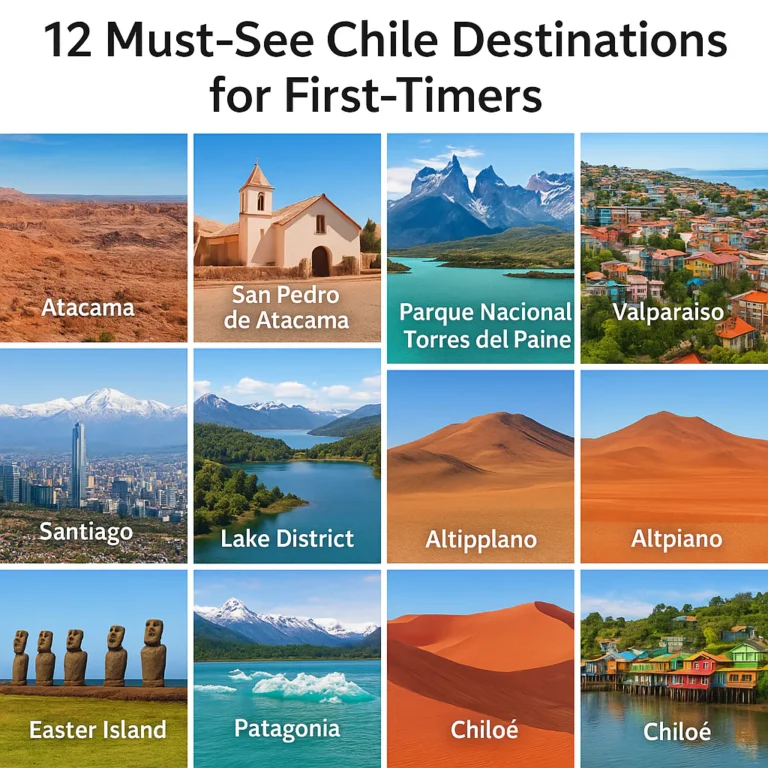
The best way to explore the popular tourist spots in Chile is to choose two or three regions and give each room to breathe. From the Atacama Desert’s stargazing skies to the granite peaks of Torres del Paine, Chile packs extraordinary variety into a country so long that crossing it can feel like visiting several worlds.
We’ve found that the magic often happens between the headline sights: a slow seafood lunch in Chiloé, a clear morning when Osorno appears above Lake Llanquihue, or a Patagonian trail that turns a “quick viewpoint stop” into the moment you remember most. The list below covers 28 standout places, with practical guidance to help you decide what belongs on your trip.
Key Takeaways
- Chile is vast: Plan around regions and travel time instead of trying to see everything at once.
- For first-time visitors: Santiago, Valparaíso, and the Atacama make a varied route; the Lakes District is a rewarding alternative.
- For outdoor adventures: Prioritize Torres del Paine, the Caretera Austral, Pucón, or the Atacama, depending on your interests and experience.
- Book Patagonia ahead: Reserve key park accommodation, campsites, and transport before finalizing your itinerary.
- Match your timing to your destination: Patagonia is most popular in the austral summer, while the Atacama offers desert adventures year-round.
- Leave room for the unexpected: Weather, mountain roads, and ferry schedules can shift plans, but flexibility often leads to the best stories.
Table of Contents
- ⚡️ Quick Tips and Facts for Visiting Chile
- 🗺️ Chile at a Glance: Geography, History, and Culture
- 🏜️ Northern Chile: Desert Landscapes and Andean Wonders
- 1. Atacama Desert and San Pedro de Atacama
- 2. Valle de la Luna
- 3. El Tatio Geysers
- 4. Lauca National Park and Chungará Lake
- 5. Humberstone and Santa Laura Saltpeter Works
- 🎨 Central Chile: Cities, Coast, and Wine Country
- 6. Santiago and the Andes Viewpoints
- 7. Valparaíso’s Colorful Hills and Street Art
- 8. Viña del Mar and the Pacific Coast
- 9. Casablanca Valley and Chilean Wine Country
- 10. Cajón del Maipo and Embalse El Yeso
- 11. Rapa Nui (Easter Island) and the Moai
- 🌋 Chile’s Lakes and Volcanoes
- 12. Puerto Varas and Lake Llanquihue
- 13. Pucón, Villarrica Volcano, and Lake Villarrica
- 14. Huerquehue National Park
- 15. Valdivia and the Calle-Calle River
- 16. Chiloé Island and the Chepu Valley
- 🧭 Patagonia and the Far South
- 17. Torres del Paine National Park
- 18. Puerto Natales and the Última Esperanza Fjord
- 19. Punta Arenas and the Strait of Magellan
- 20. Chilean Tierra del Fuego
- 21. Caretera Austral and Northern Patagonia
- 22. Marble Caves on General Carrera Lake
- 23. Queulat National Park and the Hanging Glacier
- 24. Aysén’s Rivers, Fjords, and Wildlife
- 🌿 More Unforgettable Places Beyond the Beaten Path
- 25. Conguillío National Park
- 26. Cochamó Valley
- 27. Alerce Andino National Park
- 28. Navarino Island and the Dientes de Navarino Trek
- 📅 Best Time to Visit Chile’s Top Tourist Attractions
- 🚍 How to Get Around Chile: Flights, Buses, and Road Trips
- 🥾 Outdoor Activities, Wildlife, and Cultural Experiences
- 🛏️ Where to Stay: Chile Accommodation by Region
- 🍽️ What to Eat and Drink in Chile
- 🧳 Chile Travel Essentials: Safety, Packing, and Practical Advice
- 🗓️ Chile Itineraries: 10 Days, 14 Days, and Longer
- 🏁 Conclusion
- 🔗 Recommended Links
- ❓ FAQ About Popular Tourist Spots in Chile
- 📚 Reference Links
⚡️ Quick Tips and Facts for Visiting Chile
Chile is a country of spectacular contrasts: the Atacama Desert in the north, the Andes running down its spine, Pacific coastlines in the middle, and vast Patagonia in the south. In our experience, the trick isn’t finding somewhere worth visiting. It’s choosing what to leave for next time. For a companion overview of the country’s headline sights, see our guide to the top tourist attractions to see in Chile.
| Quick fact | What you need to know |
|---|---|
| Geography | Chile stretches more than 4,000 km from north to south, so travel times between regions can be substantial. |
| Best first-trip strategy | Pick two or three regions, rather than trying to see the entire country in one sprint. |
| Top natural highlights | Atacama Desert, Torres del Paine, the Lakes District, Chiloé, and the fjords and forests of the Caretera Austral. |
| Best time for Patagonia hiking | The austral summer, broadly December to February, offers longer days, but also brings more visitors and strong winds. |
| Best time for desert stargazing | Clear skies are common year-round around San Pedro de Atacama; moon phase, weather, and tour schedules affect what you’ll see. |
| Getting around | Domestic flights save time over long distances; buses are useful between cities, while remote Patagonia often calls for a rental car, ferry, organized tour. |
| High-altitude caution | Some Atacama excursions climb well above San Pedro’s elevation. Take time to acclimatize, hydrate, and follow your guide’s advice. |
| Park planning | Check current access rules, trail conditions, permits, and reservations with CONAF before setting out. |
Our strongest recommendation: Plan by geography. Pair the Atacama with Santiago or the coast, or combine the Lakes District with Chiloé. Patagonia deserves its own time rather than a hurried add-on. Browse more ideas in our Chile destinations and adventure travel guides.
✅ Do: Leave buffer time for weather, ferry schedules, and long road journeys.
❌ Don’t: Assume two places that look close on a map are quick to reach. Chile is long, and its mountains and fjords don’t care about your spreadsheet.
🗺️ Chile at a Glance: Geography, History, and Culture

A country shaped by extremes
Chile borders Peru and Bolivia to the north, Argentina to the east, the Pacific Ocean to the west, and the Southern Ocean near its far-southern reaches. The Andes and the Pacific create a striking range of climates and landscapes, from arid plateaus to temperate forests and subantarctic islands. The CIA World Factbook’s Chile profile provides a concise reference for the country’s geography and government.
| Region | Signature landscape | Good base |
|---|---|---|
| Norte Grande | Salt flats, volcanoes, high-altitude lagons, and desert | San Pedro de Atacama |
| Central Chile | Capital city, vineyards, beaches, and coastal hills | Santiago or Valparaíso |
| Lakes District | Lakes, forests, hot springs, and volcanoes | Puerto Varas or Pucón |
| Chiloé | Wooden churches, island culture, wetlands, and rugged shores | Castro or Ancud |
| Northern Patagonia | Fjords, glaciers, rainforest, and remote roads | Puyuhuapi, Coyhaique, or Cochrane |
| Southern Patagonia | Stepe, mountain ranges, glaciers, and dramatic trekking | Puerto Natales |
History and living culture
Chile’s cultural landscape includes Indigenous nations and traditions, Spanish colonial history, immigrant communities, and distinct regional identities. In Chiloé, for example, wooden churches and traditional food tell a story shaped by island geography and local craftsmanship. In Valparaíso, steep hills and port history have created a city where murals and funiculars are part of everyday life, not just a visitor checklist. Explore more through our cultural experiences in Chile.
For context on Indigenous peoples and Chile’s cultural heritage, consult UNESCO’s country profile and Chile’s official National Monuments Council.
🏜️ Northern Chile: Desert Landscapes and Andean Wonders
1. Atacama Desert and San Pedro de Atacama
San Pedro de Atacama is the essential base for exploring the high desert: an adobe-walled town surrounded by salt flats, volcanoes, lagons, and immense open sky. The Atacama is often described as the world’s driest non-polar desert; NASA has discussed its extreme dryness and its value as a Mars analogue in research on the Atacama.
What to see and do:
- Join an astronomy tour on a clear, dark night. Check the moon phase before booking; a bright moon can wash out faint stars.
- Visit Laguna Chaxa in the Salar de Atacama, where flamingos feed in shallow water.
- Take a guided trip to the Altiplanic Lagons and Piedras Rojas for vivid mineral colors, volcano views, and high-altitude scenery.
- Explore the Baltinache lagons where access is permitted, following local rules about swimming and conservation.
- Try sandboarding or a sunset excursion in the dunes, with a reputable operator and appropriate equipment.
Our field note: We love the Atacama most when the day is allowed to unfold slowly. A morning lagoon tour, a proper lunch, and a quiet evening under the stars beat string together every possible excursion until altitude and dust win.
Plan for altitude: San Pedro itself sits at roughly 2,400 m, while some excursions rise much higher. Give yourself time to acclimatize, avoid strenuous activity on arrival, and consult a health professional if you have concerns. The CDC’s traveler guidance for altitude explains common risks and precautions.
Getting around: If you don’t rent a car, book tours for major sights; local public transport to remote attractions is limited. Self-driving gives flexibility but requires careful planning for fuel, road conditions, and altitude.
| Experience | Best for | Practical note |
|---|---|---|
| Astronomy tour | First-time stargazers | Ask about moon phase and cloud cancellation policies |
| Altiplanic Lagons | Big landscapes and photography | Expect altitude and a long day |
| Laguna Chaxa | Flamingos and salt-flat scenery | Keep a respectful distance from wildlife |
| Piedras Rojas | Volcano-and-lagoon views | Confirm road and access conditions |
| Valle de la Luna | Sunset and sculpted desert terrain | Bring sun protection and water |
Find more outdoor ideas in our Andes Mountains guides.
2. Valle de la Luna
Vale de la Luna, or Moon Valley, is a landscape of salt, rock, dunes, and wind-carved formations just outside San Pedro. Visit in late afternoon for warm light, but don’t assume every viewpoint or trail is open; access rules can change.
How to make the visit count:
- Check same-day access and transport arrangements.
- Bring water, sun protection, and a light layer for the evening.
- Follow marked paths and avoid climbing fragile formations.
- Stay for the changing colors if your transport allows it.
The valley is popular for good reason, but it can feel busy around sunset. If you want a quieter experience, ask a local operator about alternative viewpoints or an earlier visit.
3. El Tatio Geysers
At high elevation in the Andes, El Tatio is one of the world’s highest geyser fields. Many tours leave before dawn so visitors can see steam against the cold morning air. That early start is memorable; so is the altitude.
Go prepared:
- Dress in layers, including gloves and a warm hat.
- Carry water and follow your guide’s instructions.
- Don’t touch hot water or cross barriers.
- Ask your operator about altitude precautions and road conditions.
- Consider acclimatizing in San Pedro before the excursion.
The Chilean National Tourism Service, SERNATUR is a useful starting point for visitor information. For geyser access and current conditions, confirm directly with your tour operator before departure.
4. Lauca National Park and Chungará Lake
Near Chile’s northern border, Lauca National Park pairs high Andean wetlands and volcanoes with the bright waters of Chungará Lake. Vicuñas, flamingos, and other high-altitude wildlife may be seen, though animals are never scheduled attractions.
Because the park is at significant elevation, this is best for travelers who have already acclimatized. Check park access and current road conditions with CONAF, and avoid rushing a long day trip from lower elevations.
5. Humberstone and Santa Laura Saltpeter Works
The abandoned saltpeter towns of Humberstone and Santa Laura preserve an important chapter of Chilean mining and labor history. Their industrial remains and public buildings offer a striking counterpoint to the country’s natural attractions. UNESCO lists the sites as a World Heritage property; see its official site listing.
Visit respectfully, stay on designated routes, and check current opening arrangements before traveling. This is a powerful stop for travelers who want more than scenery: it puts human stories into the desert landscape.
🎨 Central Chile: Cities, Coast, and Wine Country
6. Santiago and the Andes Viewpoints
Santiago is Chile’s main international gateway, but it’s worth more than a night between flights. Historic plazas, museums, food markets, parks, and Andes views make one to three days a rewarding introduction.
A balanced city stay:
- Walk around Plaza de Armas, the Metropolitan Cathedral, and nearby historic streets.
- Visit Cerro Santa Lucía for a compact green escape and central views.
- Take the funicular or cable car in Parque Metropolitano for a wider city panorama, weather permitting.
- Make time for a museum such as the Museum of Memory and Human Rights or the National Museum of Fine Arts.
- Leave room for a long lunch. Santiago’s food scene is more enjoyable when you’re not racing a checklist.
The Santiago municipal tourism site and the Museum of Memory and Human Rights offer visitor information. Air quality and mountain visibility vary, so don’t be disappointed if the Andes hide behind haze on your first day.
7. Valparaíso’s Colorful Hills and Street Art
Valparaíso is a port city built across steep hills, with murals, stairways, historic elevators, and colorful houses. UNESCO recognizes its historic quarter as a World Heritage Site.
What we recommend:
- Explore Cerro Alegre and Cerro Concepción on foot during daylight.
- Use working funiculars when available, but check operations locally.
- Join a walking tour to learn how the city’s port history shaped its neighborhoods.
- Keep valuables discreet and ask your accommodation which routes feel sensible after dark.
Valparaíso rewards curiosity, but its steep streets and changing urban conditions call for attention. Travelers who prefer a more structured visit may find a guided day trip from Santiago easier.
8. Viña del Mar and the Pacific Coast
Next door to Valparaíso, Viña del Mar offers beaches, gardens, and a more resort-like feel. It’s an easy coastal add-on, though Pacific water can be cold and surf conditions vary.
A short visit works well for a seaside walk, a meal, or a change of pace after Valparaíso’s hills. Check beach flags and local advice before swimming; picturesque water is not automatically safe water.
9. Casablanca Valley and Chilean Wine Country
Between Santiago and the coast, Casablanca Valley is known for cool-climate wine, including varieties such as Sauvignon Blanc and Pinot Noir. Choose a winery tour that includes transport if you plan to taste, and book ahead during busy travel periods.
| Winery day style | Best suited to |
|---|---|
| Guided group visit | Visitors who want transport and a simple schedule |
| Private driver | Small groups seeking flexibility |
| Self-drive | Designated drivers who plan to skip tastings |
| Santiago-based tasting | Travelers short on time |
For responsible travel, arrange transport before drinking and confirm directly with wineries about tour availability.
10. Cajón del Maipo and Embalse El Yeso
The Cajón del Maipo is a mountain valley southeast of Santiago, popular for scenery, outdoor activities, and trips toward Embalse El Yeso. The reservoir’s striking blue water can make the journey look effortless online; in reality, road conditions and weather matter.
Before you go:
- Check access restrictions and road status with a local operator or relevant authorities.
- Use a suitable vehicle and avoid driving unfamiliar mountain roads in poor conditions.
- Bring warm layers, food, water, and sun protection.
- Don’t assume every tour reaches the reservoir; confirm its exact itinerary.
11. Rapa Nui (Easter Island) and the Moai
Rapa Nui is one of the world’s most remote inhabited islands, celebrated for its moai, volcanic landscapes, and living Polynesian culture. It is not a quick side trip; flights are limited compared with mainland routes, and visitors should plan their stay and site access carefully.
The Rapa Nui National Park authority provides current visitor guidance. Follow rules for archaeological sites, stay on marked paths, and choose local guides when possible. For history and heritage context, consult UNESCO’s Rapa Nui listing.
🌋 Chile’s Lakes and Volcanoes
12. Puerto Varas and Lake Llanquihue
Set beside Lake Llanquihue, Puerto Varas has a handsome waterfront, German-influenced architecture, and superb views toward Osorno Volcano on clear days. Use it as a comfortable base for waterfalls, lake excursions, and nearby towns.
Top outings:
- Visit Saltos de Petrohué, where water runs over dark volcanic rock.
- Continue to Lago Todos los Santos for lakeside scenery or a boat excursion.
- Take a day trip to Frutillar for its waterfront and cultural attractions.
- Ask locally about road, weather, and volcano access before heading toward Osorno.
A frequent visitor warning: December and January can bring horseflies on some trails. Long sleeves and insect repellent can make an otherwise lovely walk far more pleasant.
13. Pucón, Villarrica Volcano, and Lake Villarrica
Pucón is an outdoor hub beneath Villarrica Volcano, offering lake activities, hot springs, rafting, and hiking. The volcano is active, and climbing access depends on current conditions and official restrictions. Check SERNAGEOMIN’s volcano monitoring information and use an authorized operator; never treat a summit permit as a formality.
Beyond the volcano:
- Swim or paddle on Lake Villarrica where conditions allow.
- Try rafting or kayaking on the Trancura River with a reputable outfitter.
- Explore nearby hot springs after a day outdoors.
- Consider Santuario El Cañi for a challenging forest hike and broad mountain views.
Drawback: Pucón is especially busy in summer and holiday periods. Shoulder season can feel calmer, but weather and activity availability become less predictable.
14. Huerquehue National Park
Huerquehue National Park is known for native forest, lakes, and trails through Araucaria and other southern Chilean landscapes. Routes vary in length and difficulty, so choose according to daylight, fitness, and current trail conditions.
Use CONAF’s park information to verify access rules. Pack water, layers, and food, and begin early enough to return before dark. In wet weather, expect muddy paths rather than a tidy postcard stroll.
15. Valdivia and the Calle-Calle River
Valdivia combines university-town energy, riverside walks, historic forts, and a lively food-and-drink scene. The city’s fish market is famous for its resident sea lions; enjoy the spectacle from a respectful distance and don’t feed wildlife.
Worth adding to your visit:
- Explore riverside markets and waterfront paths.
- Take a boat trip to the Spanish fortifications around Niebla and nearby islands.
- Sample local craft beer and regional seafood.
- Check local schedules for museums and river excursions.
The city is a strong choice for travelers seeking culture and a slower pace between Santiago and Patagonia.
16. Chiloé Island and the Chepu Valley
Chiloé’s appeal lies in its distinctive island culture: wooden churches, colorful palafitos, green hills, misty shores, and memorable food. Several churches are part of the UNESCO-listed Churches of Chiloé World Heritage property.
Bases and highlights:
- Castro: central for palafitos, services, and island excursions.
- Ancud: convenient for northern Chiloé and boat trips near Puñihuil.
- Chiloé National Park: trails, coastal scenery, and temperate rainforest.
- Chepu Valley: wetlands and drowned-forest landscapes, best explored with local guidance.
- Curanto: a traditional feast of seafood, meat, potatoes, and other ingredients, often cooked in a covered earth pit.
Some earlier travel accounts describe a dramatic drowned forest in Chepu following a major earthquake. Conditions and tour offerings change, so arrange access with a current local operator rather than relying on old schedules. Chiloé is often rainy; pack waterproof layers and insect repellent.
🧭 Patagonia and the Far South
17. Torres del Paine National Park
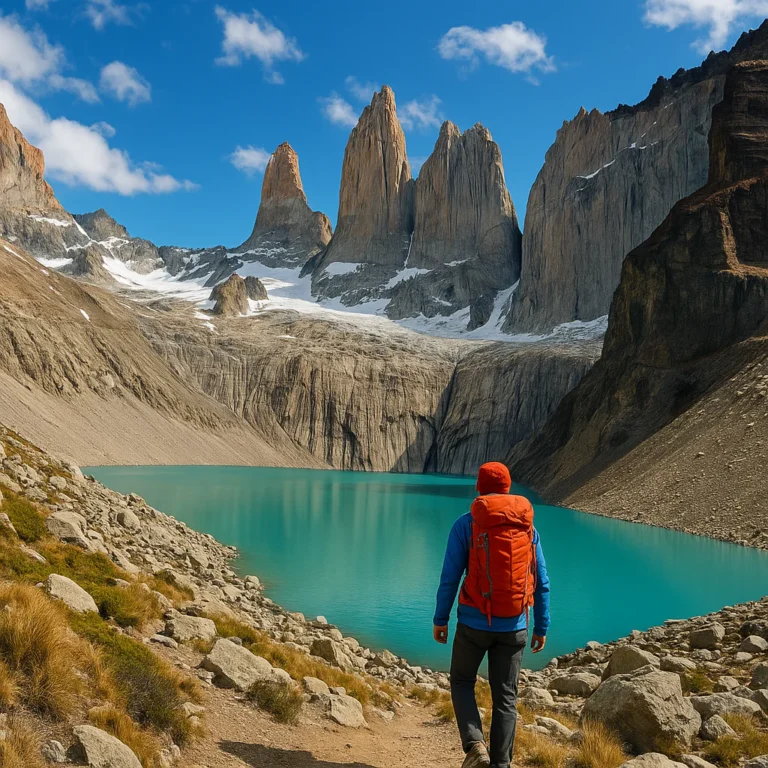
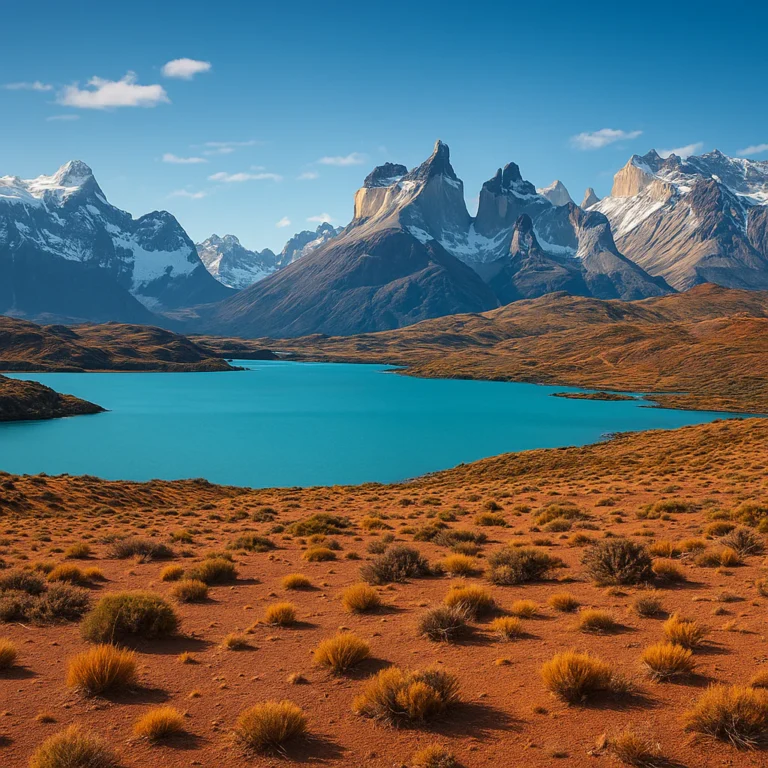
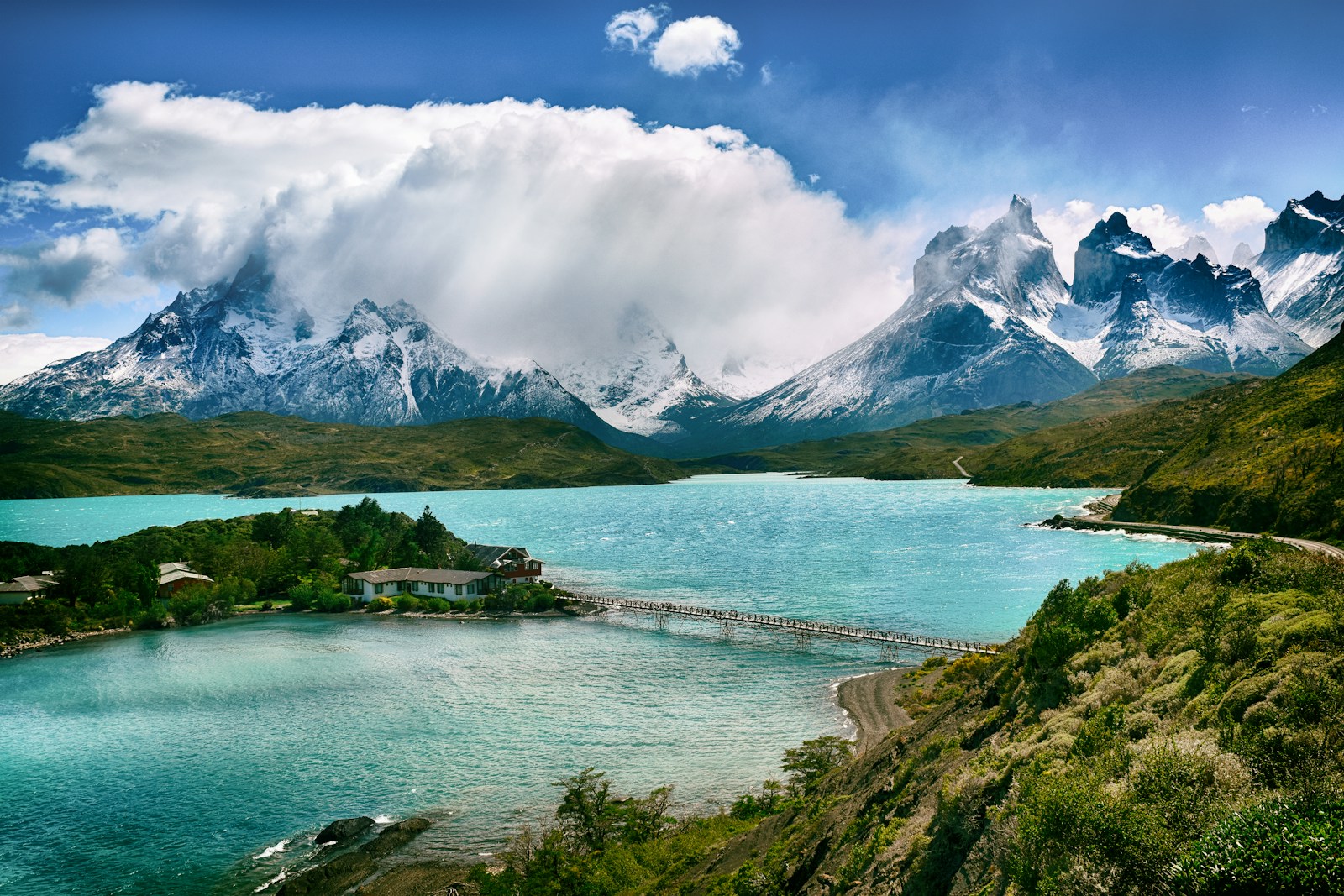
Tores del Paine is Chile’s signature Patagonia destination: granite towers, glacial lakes, sweeping stepe, and wildlife such as guanacos and foxes. It offers everything from short viewpoints to multi-day trekking, but the park requires more planning than its dramatic photos suggest.
Choose your adventure:
| Option | Typical commitment | Best for |
|---|---|---|
| Day visit | One or more days | Travelers with limited time or no multi-day hiking plans |
| W Trek | Several days | Hikers seeking the park’s main valleys and famous viewpoints |
| O Circuit | Longer, usually around a week or more | Experienced trekkers wanting a broader loop |
| Guided itinerary | Varies | Visitors who want logistics, navigation, and support arranged |
Route lengths, access, and itinerary duration vary by operator, campsite, and current park rules. Confirm the current details directly with CONAF, trail operators, and accommodation providers.
Book the hard-to-replace pieces first: campsites, refugios, and transport can sell out during peak season. Don’t book flights and assume you can solve trail lodging later.
A competing traveler account calls the Full Circuit a better choice than the W for a quieter, more complete experience. That can be true for travelers with extra days and the fitness to handle the longer route; the W remains the more practical choice for many first-time Patagonia hikers. Neither is automatically “easy.” Weather, wind, pack weight, and trail conditions matter.
“The 20 Best Places to Visit in Chile” at Back-Packer.org also highlights Torres del Paine among the country’s defining destinations. The useful takeaway across traveler accounts is consistent: secure your trekking arrangements before building the rest of your itinerary.
18. Puerto Natales and the Última Esperanza Fjord
Puerto Natales is the main base for preparing for Torres del Paine. You’ll find grocery shops, outdoor gear services, buses, and operators for fjord and glacier excursions.
Use a day here to:
- Check trekking equipment and weather forecasts.
- Buy food and organize transport.
- Walk the waterfront and see the Milodón Monument.
- Consider a boat trip toward Balmaceda and Serrano glaciers, subject to current schedules and conditions.
The town is more than a staging area, but its real talent is making a remote trek feel logistically possible.
19. Punta Arenas and the Strait of Magellan
Punta Arenas is a southern transport hub on the Strait of Magellan and a gateway to wildlife excursions. Isla Magdalena is known for its Magellanic penguin colony; seasonal access, boat departures, and visitor rules vary. Check current information with the CONAF protected-area service and tour operators.
Plan with care:
- Book a reputable boat trip and verify departure conditions.
- Follow marked visitor routes and keep wildlife space.
- Bring windproof clothing, even on a sunny day.
- Allow a buffer if you have a flight or onward bus the same day.
Punta Arenas also has a lively history shaped by maritime routes, migration, and exploration. A few hours in its museums and central streets can add context to the landscapes beyond town.
20. Chilean Tierra del Fuego
Chilean Tierra del Fuego is a remote landscape of peat bogs, lakes, forest, and wind-shaped shorelines. It rewards independent travelers who are comfortable with long distances and limited services.
King penguins at Parque Pingüino Rey are a special draw, but sightings are managed within a conservation setting. Check the park’s current visitor rules and booking arrangements before crossing to the island. A rental car can provide flexibility, though you should confirm ferry operations, road conditions, insurance coverage, and fuel availability.
A traveler’s description of Tierra del Fuego as “the most beautiful place” they’d seen is personal rather than scientific, of course. Still, it captures the region’s power: here, the silence and scale are part of the attraction.
21. Caretera Austral and Northern Patagonia
The Caretera Austral runs through some of Chile’s most remote scenery: rainforest, fjords, glaciers, lakes, and small settlements. It’s a road trip that demands flexibility, not a route to squeeze between two flights. Ferry crossings and road surfaces can affect the schedule.
A practical route-planning sequence:
- Choose a realistic section. Many travelers focus on a few highlights rather than attempting the whole route.
- Check rental permissions. Confirm that your rental company allows travel on the route and across required ferries.
- Map fuel and services. Distances between towns can be long, and opening hours are not metropolitan.
- Book ferries and key stays. Verify seasonal schedules directly with operators.
- Add weather buffers. A delayed ferry can rearrange more than one day.
- Carry offline maps and essentials. Mobile service is unreliable in many remote areas.
Highlights include Pumalín Douglas Tompkins National Park, Queulat National Park, Cerro Castillo, Marble Caves, and Patagonia National Park. For broader route ideas, browse our destinations and adventure travel guides.
22. Marble Caves on General Carrera Lake
The Capillas de Mármol, or Marble Caves, are wave-sculpted formations on General Carrera Lake. Boat and kayak trips depart from the Puerto Río Tranquilo area, with the experience shaped by lake conditions.
Best approach: book locally, ask whether the operator provides flotation gear, and follow safety instructions. The water can be cold and conditions change quickly, so a calm-looking morning is not a guarantee for the afternoon.
23. Queulat National Park and the Hanging Glacier
Queulat National Park’s hanging glacier is one of the Caretera Austral’s most recognizable sights. Trails and viewpoints vary with weather and park operations; a short walk may still involve steep, muddy sections.
Arrive early if you want a quieter visit, check access with CONAF, and bring rain gear. The glacier is a natural feature, not a stage backdrop: visibility depends on cloud, precipitation, and season.
24. Aysén’s Rivers, Fjords, and Wildlife
Aysén is a region for travelers who enjoy the journey as much as the destination. Expect rivers, mountains, fjords, temperate rainforest, and towns where services can be sparse.
Possible add-ons:
- Futaleufú: rafting and other river-based adventures.
- Cochrane: access to Patagonia National Park and nearby trails.
- Caleta Tortel: a distinctive fjord-side settlement connected by wooden walkways.
- Villa O’Higgins: a remote southern endpoint for hikers and glacier excursions.
For white-water activities, choose operators with clear safety briefings, appropriate equipment, and guides who explain conditions. “World-class river” is not a substitute for checking your own experience level.
🌿 More Unforgettable Places Beyond the Beaten Path
25. Conguillío National Park
Conguillío’s volcanic landscapes, Araucaria forests, and mountain trails make it a rewarding alternative to Chile’s busier headline parks. The Sierra Nevada route is popular for views toward lakes and volcanoes, but trail conditions and access can change.
Check CONAF’s park updates and plan transport carefully; public connections may be limited, especially outside peak season.
26. Cochamó Valley
Cochamó Valley is known for granite walls, forest, rivers, and demanding hiking. It’s sometimes compared with Yosemite for its rock scenery, but the comparison doesn’t make the trails easy. Plan with current local guidance, respect private land and access rules, and pack for wet conditions.
27. Alerce Andino National Park
South of Puerto Mont, Alerce Andino protects temperate rainforest and ancient alerce trees. Trails can be muddy, and rainfall is part of the local personality. Check park access and trail status with CONAF, and bring waterproof footwear rather than hoping your sneakers develop a rainproof setting.
28. Navarino Island and the Dientes de Navarino Trek
Navarino Island and Puerto Williams offer a remote, rugged alternative to better-known Patagonia routes. The Dientes de Navarino Circuit is a demanding multi-day trek, suited to experienced, self-sufficient hikers with navigation skills and proper equipment.
Weather can change fast, trails are remote, and rescue support may be limited. Check current registration and safety requirements with local authorities, carry a dependable navigation plan, and don’t attempt the route simply because a map makes it look compact.
📅 Best Time to Visit Chile’s Top Tourist Attractions
Chile’s seasons run opposite to those in the Northern Hemisphere. The best time depends on where you’re going and what you want to do.
| Season | Best suited to | Trade-offs |
|---|---|---|
| December–February | Patagonia hiking, Lakes District road trips, longer daylight | Peak demand, strong winds in Patagonia, more visitors |
| March–April | Autumn colors, some quieter destinations | Shorter days and variable weather |
| May–August | Sking near Santiago, city breaks, some winter scenery | Many southern trails and services may close or operate less frequently |
| September–November | Spring landscapes and shoulder-season travel | Weather can be unsettled; some high routes remain snowy |
Regional advice:
- Atacama: Often visited year-round, but check high-altitude road and weather conditions.
- Santiago and central Chile: Spring and autumn are pleasant for city exploring; summer can be hot and dry.
- Lakes District: Summer is popular for outdoor activities; winter brings rain and snow in the mountains.
- Patagonia: Summer offers longer days and more services, while shoulder seasons may mean fewer visitors but fewer open facilities.
- Rapa Nui: Plan around flight availability and park access, not just mainland weather.
For current park dates and restrictions, use CONAF. For destination-specific seasonal advice, browse our Chile destination guides.
🚍 How to Get Around Chile: Flights, Buses, and Road Trips
Domestic flights
Flying makes sense for long jumps such as Santiago to Calama or Santiago to Punta Arenas. Compare schedules and baggage rules directly with airlines such as LATAM Airlines and Sky Airline. Weather and seasonal schedules can affect remote routes, so avoid tight connections.
Buses
Chile’s intercity bus network is useful between major cities and towns. For long overnight routes, choose a reputable operator, secure valuables, and keep essential medication and documents with you rather than in the luggage hold.
Rental cars
A car is useful for flexible regional exploration, especially in the Atacama, Lakes District, and parts of Patagonia. Before booking, confirm:
- Whether gravel roads and ferries are permitted under the rental agreement.
- Insurance and roadside-assistance coverage.
- Spare tire, fuel range, and emergency equipment.
- Driver requirements and local road rules.
- Whether a particular route needs high clearance or four-wheel drive.
Ferries and remote transport
Ferries are essential on several southern routes. Confirm schedules, booking requirements, weather policies, and vehicle rules with the relevant operator. In remote Patagonia, a missed sailing can mean a serious change of plan.
Video tip: The first YouTube video embedded above, Chile Travel Guide: 16 BEST Places to Visit in Chile (& Top Things to Do) by Before You Go, offers a quick visual overview of major attractions. Use it for inspiration, then verify current access, transport, and safety details with official sources.
🥾 Outdoor Activities, Wildlife, and Cultural Experiences
Chile’s outdoor options range from gentle waterfront walks to high-altitude excursions and multi-day wilderness treks. Match the activity to your experience, conditions, and available support.
| Activity | Strong locations | Key consideration |
|---|---|---|
| Stargazing | Atacama Desert | Moon phase and cloud cover affect visibility |
| Volcano hiking | Pucón and other Andean areas | Confirm current volcanic status and authorized access |
| Multi-day trekking | Torres del Paine, Cerro Castillo, Navarino | Reserve facilities and check weather and trail rules |
| Rafting | Futaleufú and rivers near Pucón | Choose an operator suited to your skill level |
| Kayaking | Chiloé, lakes, and Marble Caves area | Check water and weather conditions |
| Wildlife watching | Chiloé, Punta Arenas, Tierra del Fuego | Observe from a distance; never feed or pursue animals |
| Cultural heritage | Valparaíso, Chiloé, Rapa Nui | Use local guides and follow site rules |
For protected-area guidance, see CONAF and the National Monuments Council. Find more ideas in our cultural experiences and adventure travel categories.
🛏️ Where to Stay: Chile Accommodation by Region
Choose accommodation around transport and activities, not just the prettiest listing. In remote regions, a well-located, flexible booking can be more valuable than a spectacular room far from everything.
| Region | Useful base | Accommodation style to consider |
|---|---|---|
| Atacama | San Pedro de Atacama | Guesthouses, small hotels, or lodges with tour support |
| Central Chile | Santiago or Valparaíso | Central hotels or guesthouses near transit and walkable areas |
| Lakes District | Puerto Varas or Pucón | Lakeside stays, hostels, cabins, and small lodges |
| Chiloé | Castro or Ancud | Guesthouses, palafito stays, or centrally located hotels |
| Patagonia | Puerto Natales, Coyhaique, or smaller route towns | Hostels, cabins, lodges, and reserved park refugios |
| Rapa Nui | Hanga Roa | Locally run guesthouses and hotels with clear transport arrangements |
Our booking advice: In Patagonia, reserve park lodging and campsites before flights if your dates are fixed. In quieter regions, confirm check-in arrangements, heating, meal availability, and cancellation policies directly with the property.
🍽️ What to Eat and Drink in Chile
Chile’s food changes with its geography. Expect seafood on the coast, hearty dishes in the south, wines in the central valleys, and regional specialties across the country.
| Food or drink | What it is | Where to try it |
|---|---|---|
| Curanto | A traditional Chiloé feast, often cooked underground with seafood, meat, and potatoes | Chiloé |
| Pastel de choclo | A baked corn-and-meat dish | Central Chile |
| Empanadas | Baked or fried filled pastries, with recipes varying by region | Nationwide |
| Seafood stews | Local shellfish and fish in a rich broth | Coastal cities and Chiloé |
| Chilean wine | Regional varieties from valleys such as Casablanca and Colchagua | Central wine country |
| Craft beer | A lively local brewing scene, especially in southern cities | Valdivia and the Lakes District |
If you have dietary needs, ask about ingredients clearly; traditional recipes can include meat, shellfish, or dairy even when a dish’s name doesn’t make that obvious. For food and heritage trips, explore our cultural experiences.
🧳 Chile Travel Essentials: Safety, Packing, and Practical Advice
Pack for several climates
A single Chile trip can include desert sun, Andean cold, coastal wind, and Patagonian rain. Pack layers rather than one bulky “all-purpose” jacket.
Useful essentials:
- Sun hat, sunglasses, and high-SPF sunscreen.
- Reusable water bottle and any personal medication.
- Warm layers, waterproof shell, and quick-drying clothing.
- Comfortable walking shoes; sturdy hiking boots for rough trails.
- Insect repellent forest and wetland areas.
- Offline maps, power bank, and copies of key travel documents.
- Binoculars for wildlife watching, if you enjoy a closer look without getting closer.
Safety and responsible travel
- Keep valuables discreet in busy city areas and use established transport.
- Check local advice about neighborhoods and nighttime routes.
- Follow park rules, trail closures, and volcanic alerts.
- Avoid swimming where conditions are unsafe or unmarked.
- Don’t approach wildlife, feed animals, or leave food behind.
- Respect Indigenous communities, private land, and archaeological sites.
For official travel advisories, consult your country’s government travel service and Chile’s SERNATUR for tourism information. In emergencies, use local authorities and the guidance of your accommodation or tour operator.
Budget and booking priorities
Costs vary by season, region, and travel style, so we avoid pretending there is one magic budget. The best ways to manage spending are to travel more slowly, use buses where practical, book remote transport early, and choose a few paid excursions that genuinely matter to you.
✅ Worth prioritizing: park reservations, reliable remote transport, and experienced guides for high-risk activities.
❌ Not worth gambling on: a last-minute Torres del Paine campsite, an unverified volcano climb, or a tight connection after a weather-sensitive ferry.
🗓️ Chile Itineraries: 10 Days, 14 Days, and Longer
Chile’s length makes a single itinerary hard to stretch from desert to Patagonia without spending a lot of time in transit. These sample routes prioritize regional depth.
10 days: Santiago, Valparaíso, and the Atacama
- Days 1–2: Santiago, with a historic-center walk and a museum or viewpoint.
- Day 3: Valparaíso day trip or overnight.
- Days 4–9: Fly to Calama and base in San Pedro de Atacama; choose a mix of desert, lagoon, and stargazing excursions.
- Day 10: Return to Santiago for departure or an overnight buffer.
Best for: First-timers who want city, coast, and desert.
Trade-off: Patagonia is deliberately left out; adding it would turn the trip into a flight-and-transfer relay.
14 days: Santiago, the Lakes District, and Patagonia
- Days 1–2: Santiago.
- Days 3–5: Puerto Varas, Petrohué, and Lake Llanquihue.
- Days 6–7: Pucón or Valdivia, depending on whether you prefer adventure or city culture.
- Days 8–13: Fly south and spend several days around Puerto Natales and Torres del Paine.
- Day 14: Return to Santiago with a buffer where possible.
Best for: Travelers with a strong preference for varied landscapes.
Trade-off: It requires careful flight planning and gives each region a quick visit.
Three weeks or more: Add Chiloé or the Caretera Austral
With extra time, add Chiloé after Puerto Varas or travel farther south along the Caretera Austral. The latter is best for travelers who enjoy road-trip logistics and can tolerate schedule changes. Build in buffer days for ferries, weather, and remote transport.
Rule of thumb: Plan a trip around one major north-to-south jump, then explore locally. Chile rewards lingering. The landscapes are dramatic; the distances are, too.