Support our educational content for free when you purchase through links on our site. Learn more
Are There Safety Concerns for Solo Travelers in Chile? 🧭


Yes, there are safety concerns for solo travelers in Chile, particularly theft in busy cities and outdoor risks in remote areas—but thoughtful planning can make a solo trip manageable and rewarding. Keep your phone and bag secure, use trusted transport after dark, and take weather, altitude, and trail conditions seriously.
Chile’s long geography means safety looks different from one stop to the next. A crowded Santiago street calls for one kind of awareness; a high-altitude Atacama excursion or a remote Patagonia trail calls for another.
One traveler’s Chile story included a phone snatched in Santiago, while other visitors describe feeling comfortable in cities and on quieter routes. Those different experiences point to the same practical lesson: stay alert without letting fear plan the whole trip for you.
Key Takeaways
- Watch for opportunistic theft in crowded urban areas, especially around phones, bags, transit, and terminals.
- Plan nighttime transport ahead and verify the driver and vehicle before getting in.
- Treat outdoor safety as seriously as city safety: altitude, weather, distance, and limited connectivity can create real risks.
- Check current local guidance before visiting neighborhoods, joining tours, or hiking in national parks.
- Solo travel in Chile can be rewarding when you share your itinerary, keep backup documents and payment options, and choose activities that match your experience.
Table of Contents
- ⚡️ Quick Tips and Facts
- 🧭 Chile Solo Travel Safety: The Big Picture
- Is Chile a good destination for solo travelers?
- Is Chile safe for women traveling alone?
- Is Chile suitable for first-time solo travelers?
- The rewards and challenges of traveling solo in Chile
- 📚 Understanding Safety in Chile: Regional Context and Recent Trends
- 🚨 10 Safety Concerns Solo Travelers Should Know About
- 1. Pickpocketing and bag theft
- 2. Phone snatching and distraction theft
- 3. Roberies and street crime
- 4. Taxi and rideshare risks
- 5. ATM, card, and payment scams
- 6. Drink spiking and nightlife safety
- 7. Unofficial tour operators and travel scams
- 8. Protests, demonstrations, and civil unrest
- 9. Earthquakes, wildfires, and other natural hazards
- 10. Altitude, weather, and outdoor-adventure risks
- 👩 🦰 Solo Female Travel in Chile: Practical Safety Advice
- Harassment, catcalling, and setting boundaries
- Choosing accommodation and getting home safely
- Meeting people and staying connected
- 🏳️ 🌈 LGBTQ+ Solo Travel Safety in Chile
- 🚍 Getting Around Chile Safely
- Santiago Metro, buses, and public transit
- Long-distance buses, trains, and domestic flights
- Taxis, official transfers, and rideshare apps
- Driving alone and renting a car
- 🗺️ Safest Places for Solo Travel in Chile
- Santiago: neighborhoods, transit, and late-night safety
- Valparaíso: hills, street smarts, and waterfront areas
- San Pedro de Atacama and the Atacama Desert
- Patagonia: trekking, transport, and remote-area precautions
- Other solo-friendly destinations: Pucón, Puerto Varas, and Chiloé
- 🏨 Choosing Safe Hostels and Accommodation
- What to check before booking
- Dorms, lockers, and women-only rooms
- 🥾 Outdoor Safety: Hiking, National Parks, and Adventure Tours
- Trekking alone versus joining a guided tour
- Patagonia and Torres del Paine safety checklist
- Atacama altitude, desert heat, and stargazing trips
- Ocean, volcano, and water-sport precautions
- 📱 Essential Solo Travel Safety Tools
- SIM cards, mobile data, and offline maps
- Sharing your itinerary and checking in
- Travel insurance and medical preparation
- 🆘 What to Do in an Emergency in Chile
- Emergency numbers and useful contacts
- How to report theft or assault
- Lost passport, stolen phone, or missing bank cards
- 💰 Budgeting for a Safer Solo Trip
- ✅ Solo Traveler’s Chile Safety Checklist
- Conclusion
- Recommended Links
- FAQ
- Is Chile safer than other South American countries?
- Can you walk around Santiago alone at night?
- Is it safe to travel around Chile by bus alone?
- Do solo travelers need to speak Spanish in Chile?
- Can you hike alone in Patagonia or the Atacama Desert?
- Reference Links
Quick Tips and Facts
Traveling alone in Chile can be rewarding, but the safest plan depends on where you are, when you’re out, and how you handle valuables. At Chile Vacay™, we share practical ideas for unforgettable Chilean adventures without pretending that one traveler’s experience predicts everyone else’s.
| Quick fact | What solo travelers should know |
|---|---|
| Main everyday concern | Opportunistic theft, especially phones and bags in busy urban areas |
| Higher-attention destinations | Santiago and Valparaíso call for extra care with belongings and nighttime plans |
| Outdoor travel | Patagonia and the Atacama can feel quieter, but remoteness, weather, altitude, and distance from help bring different risks |
| Emergency numbers | 133 Carabineros (police), 131 ambulance, 132 firefighters |
| Best first move | Save offline maps, keep valuables out of sight, and share your itinerary with someone you trust |
| Advice that ages quickly | Neighborhood conditions and official travel advisories can change; check current guidance before each leg |
- Keep your phone discreet. If you need to check directions, step inside a café, shop, or hotel rather than standing on the sidewalk with your screen out.
- Use trusted transport after dark. Confirm the ride, license plate, and driver in the app before getting in; don’t accept unsolicited rides.
- Book outdoor activities with reputable operators. Confirm the route, safety equipment, weather policy, and emergency plan before paying.
- Do not treat “remote” as synonymous with “risk-free.” Desert heat, altitude, sudden Patagonian weather, and limited phone coverage deserve serious planning.
- Check current official guidance from Chile’s national tourism service, SERNATUR, and your own government’s travel advisory before you go. For outdoor plans, consult CONAF’s national park information.
Chile Solo Travel Safety: The Big Picture
Chile is a long, varied country, not one single safety experience. A solo traveler moving between Santiago’s busy streets, Atacama’s high-altitude landscapes, and Patagonia’s remote trails will face very different practical concerns. Our Chile destination guides can help you plan the route; this guide focuses on how to travel it thoughtfully.
Is Chile a good destination for solo travelers?
Yes, with sensible preparation. Chile has extensive long-distance bus routes, well-known visitor destinations, and a large range of organized tours. Those strengths make independent travel feasible. At the same time, travelers should plan for urban theft, long distances, occasional language barriers, and outdoor conditions that can become serious quickly.
The most useful distinction is between personal safety and property safety. A traveler may feel comfortable meeting people or exploring a destination in daylight while still needing to protect a phone or bag in a crowded place. Don’t let a reassuring hostel review make you careless, and don’t let one theft story convince you that every street is unsafe.
A solo trip works especially well when you:
- Choose accommodation with recent reviews and a clear late-arrival plan.
- Keep city sightseeing flexible and avoid wandering with luggage.
- Join a group for remote hikes or excursions where the route, weather, or communications are challenging.
- Build in rest time. Chile’s distances can make an ambitious itinerary feel like a bus seat with a view.
For ideas that combine local culture with practical planning, explore Chile Vacay’s cultural experiences and adventure travel guides.
Is Chile safe for women traveling alone?
Many women travel in Chile independently, but it’s reasonable to take extra care in cities and at night. Travel experiences vary: some visitors report no harassment or theft, while others describe phone snatching, robbery, or feeling uncomfortable in certain urban areas. These accounts are useful as personal perspectives, not a guarantee of what will happen to you.
In her Chile solo travel account, travel blogger Rose says she did not experience assault or harassment during three weeks in the country, but describes her phone being snatched in Santiago and relays other travelers’ difficult experiences. Her takeaway is to “be vigilant in big cities.” That caution is compatible with enjoying Chile; it simply argues against being distracted in places where theft is an opportunity.
For women traveling alone:
- Choose a route home before going out at night.
- Tell a trusted person where you’re staying and when you expect to return.
- Keep a charged phone and backup access to essential documents.
- Trust your judgment if a situation feels wrong; leave rather than trying to be polite.
- Ask accommodation staff about current local conditions, since neighborhood feel can vary by street and time.
There is no need to dress or behave according to a rigid “safety uniform.” The more useful habits are situational awareness, reliable transport, and a plan for getting help.
Is Chile suitable for first-time solo travelers?
It can be, but it may not feel effortless for every first-timer. If you have traveled alone before, you may find the logistics straightforward. If this is your first solo trip, consider beginning with a few nights in a well-reviewed neighborhood, booking a small-group day tour, and avoiding a tightly packed route.
One competing travel account says Chile is not the author’s ideal recommendation for a first solo trip, citing theft concerns. That is a valid personal view, but not a universal verdict. Chile can still suit a beginner who prepares carefully and chooses a manageable first itinerary. A first solo trip to Santiago, Valparaíso, Atacama, and remote Patagonia in ten days? That’s less an itinerary than a stress test.
A lower-pressure first-timer plan:
- Book accommodation with a staffed reception or clear self-check-in instructions.
- Arrange airport transport before arrival.
- Keep the first day light and learn the local transit or rideshare routine.
- Use guided excursions for remote landscapes.
- Leave buffer time between long-distance connections.
For practical trip-planning ideas, browse Chile Vacay’s budget travel and Andes Mountains guides.
The rewards and challenges of traveling solo in Chile
| What can make solo travel rewarding | What can make it harder |
|---|---|
| Freedom to choose your own pace and route | Keeping track of belongings without a travel companion |
| Social opportunities on tours and in hostels | Limited company during long transfers or remote stays |
| Access to distinctive deserts, mountains, coast, and cities | Weather, altitude, and distance can complicate plans |
| A chance to engage with local culture on your own terms | Spanish-language logistics may take extra effort |
Solo travel gives you flexibility, but it also makes backup planning your job. That’s manageable: keep a copy of key documents, know how you’ll get back to your accommodation, and don’t let a missed bus turn into a midnight improvisation.
Understanding Safety in Chile: Regional Context and Recent Trends
Conditions can vary across regions and change over time. Anecdotes reveal what can happen; official advisories and current local guidance help you assess what to do now. Check your government’s travel advice, local news, and accommodation recommendations before entering a new city or planning a hike.
The accounts travelers share also differ for understandable reasons:
- A visitor staying mostly in remote national parks may have little exposure to city theft.
- Someone commuting through a crowded transit hub or using a phone for navigation may face a different set of risks.
- A traveler’s route, season, time of day, and comfort with Spanish can influence how safe a place feels.
- A personal report is valuable, but it does not establish a crime rate or predict your individual experience.
For example, one travel account describes Santiago phone theft and recommends caution in cities, while a video traveler reports a safe few days in Santiago and recommends Providencia. These are different experiences, not necessarily conflicting facts. Neither should replace up-to-date advice or your own situational judgment.
The U.S. Department of State’s Chile travel information, UK Foreign, Commonwealth & Development Office travel advice, and Government of Canada travel advice are useful starting points. Read the details and dates; advisories can change.
10 Safety Concerns Solo Travelers Should Know About
These are practical risks to prepare for, not a prediction that you’ll encounter all—or any—of them. Ordinary precautions reduce opportunities for trouble, but no checklist can eliminate risk.
1. Pickpocketing and bag theft
Crowded streets, transit, markets, and queues make it easier for a thief to take a bag or reach an open pocket. Keep your bag closed and in front of you in busy places, and avoid placing your phone on café tables near the sidewalk.
- Use a zipped crossbody bag or a daypack with secure closures.
- Keep your passport and spare cards somewhere separate from your everyday wallet.
- Don’t hang a bag on a chair back or leave it beside you on the floor.
- If a crowd suddenly gathers or someone creates a distraction, check your belongings without making a scene.
2. Phone snatching and distraction theft
A phone is useful for navigation, translation, payments, and ride-hailing—but it is also conspicuous. Rose’s first-person Chile travel report describes her phone being snatched in daylight in Santiago. That story doesn’t mean phone theft is inevitable; it explains why standing still with a phone out on a busy street is an avoidable exposure.
A safer way to check directions:
- Download the area in an offline map app before leaving Wi-Fi.
- Review the next few turns before stepping outside.
- If you get lost, go into a staffed business or hotel lobby to reorient.
- Put the phone away before walking again.
- Keep a basic backup plan—such as an address written down or saved offline—if your battery dies or device goes missing.
3. Roberies and street crime
Theft and robbery are not the same thing: robbery involves force or threat, and should be treated as an emergency. Avoid displaying expensive jewelry, camera equipment, and electronics in places where you feel exposed. At night, choose a direct route and reliable transport rather than cutting through unfamiliar streets.
If someone threatens you, prioritize your physical safety over property. Do not escalate a confrontation to protect a phone or wallet. Once safe, contact police and your bank, and notify your accommodation or a trusted person.
4. Taxi and rideshare risks
Rideshare services such as Uber operate in Chile, but normal precautions still apply. Match the vehicle and plate to the app, verify the driver’s identity, and share the trip status with someone you trust when appropriate.
For airport arrivals:
- Use an official airport transfer counter or a pre-booked licensed service.
- Ignore unsolicited approaches from people offering an immediate ride.
- Confirm the destination and how you’ll pay before departing.
- If using a rideshare app, follow airport pickup instructions and verify the car before entering.
A travel video about Santiago also recommends rideshare for airport transport and cautions against walking on unfamiliar streets late at night. Treat its advice as one traveler’s perspective, and check current airport procedures before arriving.
5. ATM, card, and payment scams
Use ATMs inside banks or established shopping centers when possible. Cover the keypad, check that the machine looks intact, and decline assistance from strangers who approach while you withdraw cash.
- Keep a backup card separate from your wallet.
- Turn on transaction alerts with your bank.
- Avoid counting cash in public.
- If a card disappears or an unfamiliar transaction appears, freeze it through your bank’s official app or emergency line.
Payment habits differ between businesses, so ask whether card is accepted before ordering or boarding. Carry a modest amount of cash for small purchases and transport contingencies without keeping all your travel funds together.
6. Drink spiking and nightlife safety
The same principles that help in any nightlife destination apply in Chile:
- Keep your drink in sight and avoid accepting an open drink from someone you don’t know.
- Go out with people you trust or tell someone where you’ll be.
- Plan your way home before you start drinking.
- Don’t leave a venue with someone if you feel pressured or uncertain.
- If you feel unexpectedly unwell, seek help from venue staff, a trusted person, or emergency services.
The goal isn’t to avoid nightlife. It’s to protect your ability to make decisions and get home safely.
7. Unofficial tour operators and travel scams
Before booking a tour, check the company’s identity, recent reviews, included equipment, cancellation terms, and emergency procedures. Ask whether the operator is registered or otherwise verifiable through relevant tourism channels, and compare details with SERNATUR.
Be wary of pressure to pay immediately, vague itineraries, unclear transport arrangements, or claims that a challenging route is “easy for everyone.” For a hike or remote excursion, ask:
- What is the group size?
- Who leads the activity, and what training or qualifications do they have?
- What happens if weather changes?
- Is safety equipment included?
- How will the operator contact emergency services?
8. Protests, demonstrations, and civil unrest
Demonstrations can affect traffic and transit, and crowds can change conditions quickly. Avoid protest areas, follow local authorities’ directions, and check transportation updates before crossing town. Do not assume a demonstration will remain peaceful or that your planned route will stay open.
Check current advisories from your government and local news before traveling through an affected area. If you encounter a demonstration unexpectedly, calmly move away rather than stopping to film.
9. Earthquakes, wildfires, and other natural hazards
Chile is exposed to earthquakes and other natural hazards. Learn the basic safety guidance at your accommodation and follow instructions from local authorities. For earthquake preparedness and response information, consult Chile’s National Disaster Prevention and Response Service, SENAPRED.
Wildfire conditions can affect roads, parks, and air quality. Check regional alerts and park closures before setting out; do not enter closed areas. For outdoor and park information, consult CONAF.
10. Altitude, weather, and outdoor-adventure risks
The Atacama’s high-altitude excursions and Patagonia’s fast-changing weather can catch travelers off guard. Altitude illness can affect people differently, and a strong level of general fitness does not make you immune. The U.S. Centers for Disease Control and Prevention’s travel guidance on altitude illness recommends understanding the risks and allowing time to acclimatize.
For outdoor plans:
- Ask your guide or accommodation about current weather and route conditions.
- Bring layers, water, sun protection, and any activity-specific equipment.
- Tell someone your route and expected return time.
- Don’t start a demanding hike late in the day.
- Follow park closures and local safety instructions.
Solo Female Travel in Chile: Practical Safety Advice
There is no single experience shared by all women traveling alone. One person may feel comfortable in a neighborhood where another feels uneasy; both impressions can be genuine. Use local, current advice alongside your own judgment, and avoid interpreting a quiet trip as proof that every area is safe.
The Chile travel account by Where Goes Rose offers a candid personal perspective: the author reports no harassment during her own three-week trip but describes theft in Santiago and concern about urban safety. She says Patagonia and the Atacama felt safer to her. That is useful firsthand context, not a guarantee that remote areas are risk-free.
Harassment, catcalling, and setting boundaries
If someone’s behavior makes you uncomfortable, you do not owe them a conversation, explanation, or smile. Move toward a staffed business, a group, or a well-lit public place. If you feel threatened, ask for help directly and contact emergency services.
A few practical phrases can help:
- No, gracias — No, thank you.
- Déjeme tranquila, por favor — Please leave me alone.
- Necesito ayuda — I need help.
- ¿Puede llamar a Carabineros? — Can you call the police?
For broader cultural context and local experiences, see Chile Vacay’s cultural experiences section.
Choosing accommodation and getting home safely
Look for recent reviews from solo travelers, clear reception hours, secure entry, luggage storage, and a practical route from transit. A central location can be convenient, but “central” does not mean every nearby street is comfortable at every hour.
Before a night out:
- Save your accommodation’s address offline.
- Ask staff which route or transport option they recommend right now.
- Charge your phone and keep enough battery for the ride home.
- Arrange transport directly through a trusted app or official provider.
- Check that you have your keys, card, and essential contact details before leaving.
Meeting people and staying connected
Hostels, walking tours, and group excursions can make it easier to meet people without committing your whole trip to a group. Keep the first meeting in a public place, tell someone your plans, and don’t share your room number or detailed itinerary with people you’ve just met.
For longer trips, consider an international roaming plan or a local SIM/eSIM from a recognized provider. Keep a paper or offline copy of important addresses; connectivity is helpful, but a plan that depends entirely on a live signal is a brittle plan.
LGBTQ+ Solo Travel Safety in Chile
LGBTQ+ travelers should assess safety as they would at any destination: by considering current local conditions, the specific setting, and their own comfort. Experiences can differ based on identity, visibility, neighborhood, and social context. Check your government’s travel advice and current information from reputable LGBTQ+ travel organizations before departure.
For immediate practical planning:
- Choose accommodation with recent reviews from LGBTQ+ guests where available.
- Ask local hosts or trusted community organizations about current conditions.
- Use discretion in unfamiliar settings if that feels safer for you.
- If you experience harassment or discrimination, move to a safer place and seek support.
The ILGA World database offers country-level information on laws affecting LGBTQ+ people; review the date and scope of any information you use, since laws and lived experience are not identical.
Getting Around Chile Safely
Chile’s long geography makes transport planning part of personal safety. Give yourself enough time between connections, keep luggage in sight, and avoid arriving somewhere unfamiliar so late that your only option is an unplanned ride.
| Transport option | Best for | Safety habits |
|---|---|---|
| Metro and city buses | Daytime city travel | Keep bags zipped and phones discreet in crowded areas |
| Long-distance buses | Major intercity routes | Use reputable operators and keep essentials with you |
| Rideshare or official taxi | Late arrivals and direct trips | Verify vehicle, driver, route, and pickup point |
| Domestic flights | Covering long distances efficiently | Keep documents and medication in your carry-on |
| Rental car | Flexible regional itineraries | Check road conditions, insurance, and fuel range in advance |
Santiago Metro, buses, and public transit
Santiago’s metro can be useful for daytime travel, especially when your route is clear. Crowds are the main reason to keep valuables secure and pay attention while boarding or exiting. The Metro de Santiago website provides official route and service information.
- Keep your bag closed and in front of you in crowded cars.
- Don’t leave your phone or wallet in an outer pocket.
- Know your stop before boarding rather than studying your screen at the door.
- Recheck service updates if there are demonstrations or disruptions.
The metro does not connect directly to Santiago’s airport, so plan an official transfer or rideshare for airport travel rather than assuming rail will take you there.
Long-distance buses, trains, and domestic flights
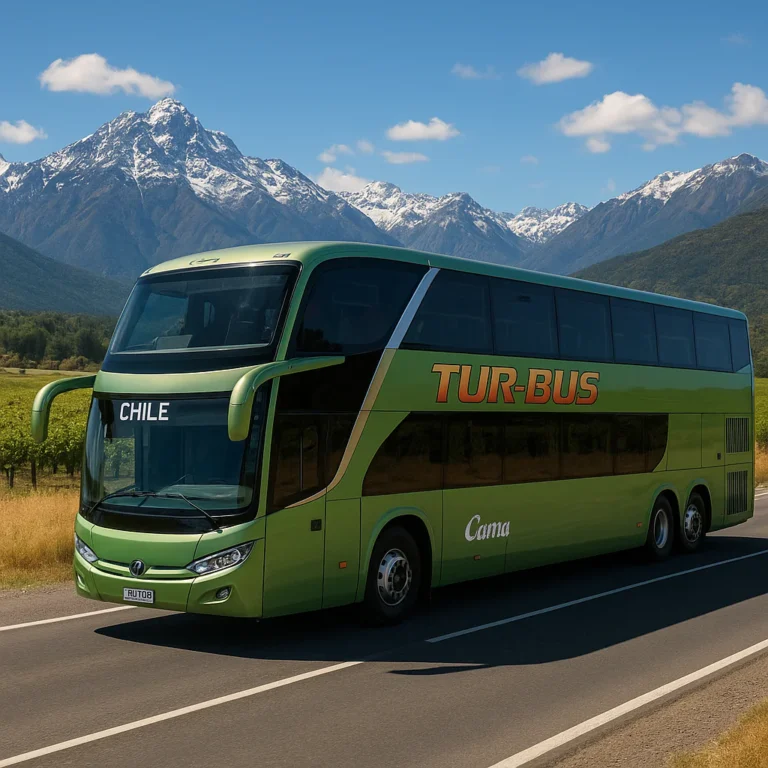
Long-distance buses are a common way to travel between Chilean cities. Operators and comfort levels vary, so book through the bus company or a reputable platform, confirm the departure terminal, and allow extra time.
- Keep passport, phone, medication, cards, and valuables in your personal bag.
- Store larger luggage as directed by the operator and keep the baggage receipt.
- Avoid accepting help with bags from unsolicited individuals at terminals.
- If a connection is delayed, wait in a staffed or well-lit area.
Some travelers use platforms such as Busbud to compare routes; always verify schedules and baggage rules with the carrier. For intercity planning, our budget travel guides offer more route-planning context.
Taxis, official transfers, and rideshare apps
Use a reputable operator, official airport transfer desk, or a ride-hailing app that displays driver and vehicle details. A travel blogger recommends TransVIP for airport transfers; check the company’s current service, pickup instructions, and destination coverage directly with TransVIP.
Before getting in:
- Confirm the vehicle’s make, color, and license plate.
- Check that the driver matches the app or booking.
- Confirm the destination and expected route.
- Share your trip status if you want someone to follow along.
- Do not get into a car if the details do not match.
Driving alone and renting a car
A rental car can make remote destinations more flexible, but solo driving adds fatigue and navigation challenges. Before you book, check your license requirements, insurance coverage, road conditions, and whether the vehicle is suitable for the route. Avoid driving long distances tired, and don’t rely on mobile coverage in remote areas.
For mountain and rural travel, check weather and road alerts, keep water and a charged phone in the vehicle, and share your route and expected arrival time. Our Andes Mountains travel guides cover the planning mindset that helps when the road becomes part of the adventure.
Safest Places for Solo Travel in Chile
No destination is uniformly safe or unsafe. The practical question is which risks are most relevant to your route and how you’ll manage them. The comparison below reflects common planning considerations, not a live ranking or safety guarantee.
| Destination | Main solo-travel consideration | Helpful approach |
|---|---|---|
| Santiago | Crowded urban settings, phone and bag theft, late-night routing | Plan neighborhoods and transport; keep valuables discreet |
| Valparaíso | Hills, steep streets, uneven routes, changing conditions after dark | Stay oriented, ask locals for current advice, avoid isolated night walks |
| San Pedro de Atacama | Remote excursions, altitude, heat, tour quality | Join reputable tours and prepare for conditions |
| Patagonia | Weather, distances, trail logistics, limited connectivity | Check official park guidance and share hiking plans |
| Pucón, Puerto Varas, Chiloé | Outdoor conditions and transport logistics | Use local operators and check weather and route updates |
For official park information and closures, consult CONAF. For broader destination inspiration, explore Chile Vacay’s destinations and adventure travel pages.
Santiago: neighborhoods, transit, and late-night safety
Santiago is a large city, so neighborhood advice is useful but never absolute. Some travelers recommend Providencia; others prefer Lastarria or Barrio Italia. A video traveler describes Providencia as convenient and upscale, while cautioning that Bellavista can feel less comfortable at night and the historic center may be quiet after dark. Rose’s account, meanwhile, reports a muging in Providencia. These perspectives show why a neighborhood label is not a personal safety guarantee.
Use recent accommodation reviews and ask your host about the exact block and route. During the day, use transit as appropriate; at night, choose a direct, well-lit route or reliable ride. For airport transfers, compare official options and follow current airport pickup rules.
A video traveler also cautions visitors at Terminal Alameda to be alert around unsolicited luggage assistance. The sensible response is not to assume every helper is dishonest; it is to keep control of your belongings, agree on any service before accepting it, and decline help you don’t want.
Valparaíso: hills, street smarts, and waterfront areas
Valparaíso’s hills, stairs, and winding streets are part of its character—and can make navigation less straightforward after dark. Travel accounts describe mixed feelings about the city’s safety, particularly around unfamiliar routes and nighttime movement. Conditions can vary street by street.
- Explore with a clear route during daylight.
- Ask accommodation staff which streets to use and which areas to avoid at night.
- Keep valuables out of sight and avoid getting absorbed in your phone.
- Use a trusted ride to or from the bus terminal when appropriate.
- Confirm whether your accommodation is reachable by vehicle; some pedestrian streets and steep areas are not.
The tourist areas of Cerro Alegre and Cerro Concepción are popular, but popularity does not remove the need for ordinary precautions. Check local advice on the day rather than relying on an old blog post.
San Pedro de Atacama and the Atacama Desert
San Pedro de Atacama can feel relaxed compared with a major city, but excursions take you into remote terrain. The main concerns are less about crowded-street theft and more about altitude, sun exposure, dehydration, long distances, and operator quality.
- Choose a reputable tour operator and confirm pickup and return details.
- Ask whether the excursion reaches high altitude and how long you’ll be there.
- Follow guidance on acclimatization and speak with a clinician if you have relevant health concerns.
- Carry water, sun protection, and suitable layers.
- Avoid heading into remote terrain alone without experience, communication, and a clear emergency plan.
Rose’s travel account says the Atacama felt very safe to her; treat that as her experience, not proof that all desert outings are low-risk. Explore Chile Vacay’s adventure travel guides for more planning ideas.
Patagonia: trekking, transport, and remote-area precautions
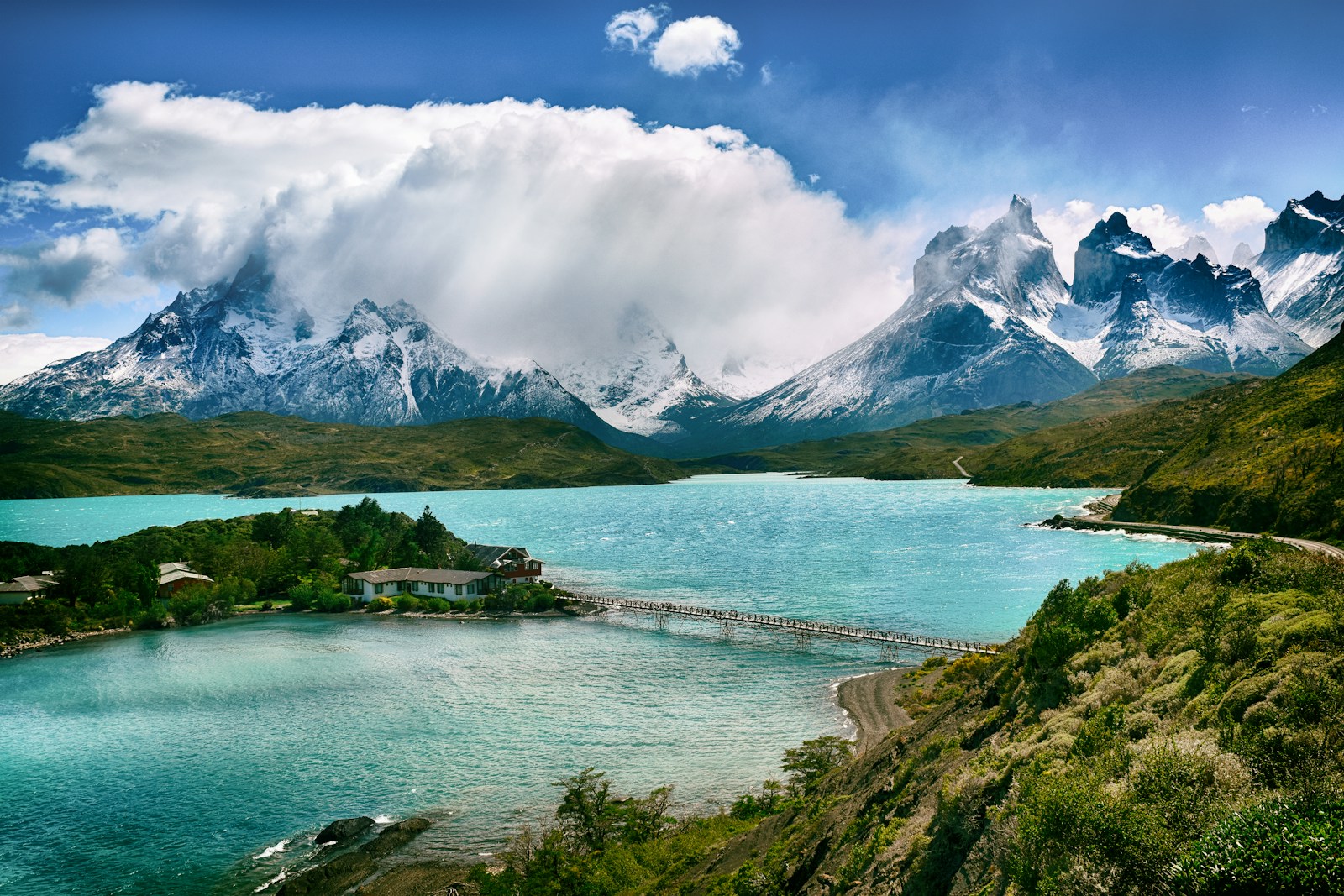
Patagonia is spectacular, but weather and remoteness deserve respect. A route can become difficult because of wind, cold, changing conditions, or a missed connection—not because you made a dramatic expedition mistake. The official Torres del Paine information and CONAF park resources are better starting points than an old social-media post.
Before a trek:
- Check current trail status, weather, park rules, and booking requirements.
- Tell someone your route and expected return time.
- Carry appropriate layers, water, food, navigation, and emergency supplies.
- Know where the trailheads and transport connections are.
- Choose a guided group if the route is remote, the conditions are challenging, or you’re uncertain about your ability.
A solo hiker may enjoy the freedom of walking alone, but solo does not have to mean unsupported. A small-group trek can provide company and a shared safety plan while still leaving you space to enjoy the landscape.
Other solo-friendly destinations: Pucón, Puerto Varas, and Chiloé
Destinations such as Pucón, Puerto Varas, and Chiloé can suit independent travelers who enjoy nature, small-city logistics, and guided outdoor options. Their main safety questions often revolve around weather, water activities, volcanic or mountain excursions, and how easily you can return to your accommodation.
Before booking an activity, confirm the operator’s safety procedures and what happens if weather changes. For independent day trips, check bus schedules and return options before setting out. “There’s probably another bus” is not a strategy; it’s a wish wearing hiking boots.
Choosing Safe Hostels and Accommodation
Your accommodation is more than a place to sleep; it is your backup base. Read recent reviews, look for clear entry procedures, and confirm what happens if you arrive after reception closes. A highly rated property with confusing late-night access may be a poor fit for a solo arrival.
What to check before booking
- Recent reviews from solo travelers, not just overall star ratings.
- Secure access and staffed reception or clear self-check-in instructions.
- Luggage storage and lockers.
- Transport links and a reasonable route from the nearest station or bus stop.
- Quiet-hour, visitor, and security policies.
- Whether the property can help arrange reputable tours or transfers.
Dorms, lockers, and women-only rooms
Dorm rooms can make it easier to meet other travelers, but they require extra care with valuables. Use a locker, bring a sturdy lock if the property requires one, and keep essential items close while sleeping or showering. A women-only room may suit your comfort preferences, though it does not replace normal security habits.
For private rooms, confirm the location and entry process before booking. Keep one copy of your accommodation address offline and another with a trusted contact.
Outdoor Safety: Hiking, National Parks, and Adventure Tours
Chile offers extraordinary outdoor travel, but your safety depends on matching the activity to your preparation. Check official park rules and current conditions through CONAF and ask operators specific questions before joining a tour. More inspiration is available in Chile Vacay’s adventure travel section.
Treking alone versus joining a guided tour
| Option | Advantages | Trade-offs |
|---|---|---|
| Hiking alone | Flexible pace and route | You carry the full responsibility for navigation and emergencies |
| Small-group tour | Local knowledge, company, and structured logistics | Less flexibility; operator quality matters |
| Self-guided with support | Independence with planned transport or route assistance | Requires careful checking of what support is actually included |
If you’re new to the region, uncertain about conditions, or heading somewhere remote, a guided group is often the more prudent choice. For an established, well-marked route, independent hiking may be reasonable when you have the right gear, experience, and current trail information.
Patagonia and Torres del Paine safety checklist
- Verify park access, trail status, and any booking or permit requirements.
- Check the forecast from a reliable source before leaving.
- Carry layers for wind and cold, plus enough food and water for your route.
- Tell someone your trail plan and check in when you return.
- Avoid altering your route without notifying anyone.
- Do not continue into unsafe conditions just because you have a reservation or a tight schedule.
Atacama altitude, desert heat, and stargazing trips
High-altitude excursions can affect travelers differently. Build in time to acclimatize, follow operator guidance, and don’t dismiss symptoms that are worsening. Ask about altitude before booking, especially if you have a medical condition or concerns about exertion.
For daytime desert outings, protect yourself from sun and dehydration. For stargazing tours, confirm the meeting point and return transport; remote darkness is beautiful, but it makes a prearranged ride more useful, not less.
Ocean, volcano, and water-sport precautions
Chile’s coast, lakes, and volcanoes offer plenty of tempting excursions. Use qualified operators, follow posted warnings, and don’t enter water or attempt a route beyond your ability. Conditions can change quickly, and a scenic location is not automatically a supervised one.
Before booking:
- Ask what safety equipment is supplied.
- Confirm guide qualifications and group size.
- Check weather and cancellation policies.
- Tell someone where you’re going and when you expect to return.
- Follow local restrictions even if other visitors ignore them.
Essential Solo Travel Safety Tools
A few tools can make a trip easier, but none replaces good judgment. Keep essential information available both online and offline so a dead battery or patchy signal does not leave you stranded.
SIM cards, mobile data, and offline maps
Check roaming costs with your provider or compare a local SIM/eSIM before departure. Airalo offers eSIM plans in some destinations; confirm current Chile coverage and device compatibility through Airalo’s official site. Save your accommodation address, transport details, and an offline map before leaving reliable Wi-Fi.
Sharing your itinerary and checking in
Send a trusted person your accommodation details, travel dates, and plans for remote activities. Agree on when you’ll check in and what they should do if you miss that check-in. For a hike or remote tour, share the route and operator contact—not just the name of the national park.
Travel insurance and medical preparation
Travel insurance can help with covered medical expenses, trip disruptions, and certain losses, depending on the policy. Read exclusions carefully, especially for hiking, climbing, high-altitude activities, and adventure sports. Keep your insurer’s emergency contact and policy details offline.
Pack any regular medication in its original packaging and carry it in your hand luggage. For destination-specific health advice, consult a travel-health clinician and the CDC’s Chile travel page.
What to Do in an Emergency in Chile
If you’re in immediate danger, move to a safer place and contact local emergency services. Ask accommodation staff, a tour operator, or a trusted local person for help when you can do so safely.
Emergency numbers and useful contacts
| Service | Number |
|---|---|
| Carabineros de Chile (police) | 133 |
| Ambulance / SAMU | 131 |
| Firefighters | 132 |
Save numbers before you travel and confirm current contact information with official sources, such as Carabineros de Chile, SAMU, or SENAPRED.
How to report theft or assault
- Get somewhere safe before dealing with the incident.
- Contact police or emergency services if there is immediate danger or injury.
- Ask your accommodation, tour operator, or a trusted person to help with communication.
- Record what happened while details are fresh, including location and time.
- Contact your travel insurer and, if needed, your embassy or consulate.
- If a card, phone, or passport was stolen, secure the associated accounts promptly.
Do not pursue a suspect or risk physical harm to recover property. Your safety comes first.
Lost passport, stolen phone, or missing bank cards
- Passport: Contact your country’s embassy or consulate for instructions on emergency travel documents.
- Phone: Use your provider’s account tools to block the SIM; change important passwords and sign out of accounts where possible.
- Bank cards: Freeze or cancel cards through the bank’s official app or emergency number.
- Travel documents: Keep a secure digital copy and a separate paper backup of essential details.
A backup phone can be useful, as one solo traveler recommends after experiencing phone theft, but it should not become an excuse to use either device carelessly in public.
Budgeting for a Safer Solo Trip
Safety and budget are linked, but spending more does not guarantee a safer experience. The aim is to reserve enough flexibility for reliable transport, reputable tours, and a room that fits your arrival time and comfort level.
| Budget decision | Potential safety benefit | Possible drawback |
|---|---|---|
| Official airport transfer | Clear pickup process and direct transport | Less flexible than choosing transport on arrival |
| Well-reviewed central accommodation | Easier access to services and transport | Central areas still vary by street and time |
| Guided remote excursion | Group support and local knowledge | Quality and safety standards differ by operator |
| Backup card and emergency fund | Helps handle disruptions | Requires secure storage and careful account management |
Build a small contingency fund for unexpected transport, a last-minute overnight stay, or replacing a lost essential. For ideas on planning efficiently, browse Chile Vacay’s budget travel guides. The cheapest option is not always the best value if it leaves you arriving alone, late, and unsure where to go.
Solo Traveler’s Chile Safety Checklist
Before departure
- Check current official travel advice and local conditions.
- Save accommodation, transport, and emergency contacts offline.
- Confirm insurance coverage for your planned activities.
- Share your itinerary with someone you trust.
- Download offline maps and prepare a backup payment method.
In cities
- Keep your phone discreet and your bag zipped.
- Use trusted transport at night or after a late arrival.
- Ask local accommodation staff about current routes and neighborhoods.
- Avoid displaying valuables or leaving bags unattended.
- Stay alert at busy terminals and transit hubs.
Outdoors
- Check park rules, weather, and trail conditions.
- Choose a guided tour when the route or conditions warrant it.
- Tell someone your plan and expected return time.
- Carry suitable clothing, water, food, and navigation.
- Respect closures and turn back when conditions become unsafe.
One question remains: how do you balance caution with the freedom that makes solo travel worth doing? Start by planning the high-risk moments—late arrivals, crowded transit, remote hikes—then give yourself room to enjoy the rest.