Support our educational content for free when you purchase through links on our site. Learn more
30 Unforgettable Experiences in Chile 🇨🇱

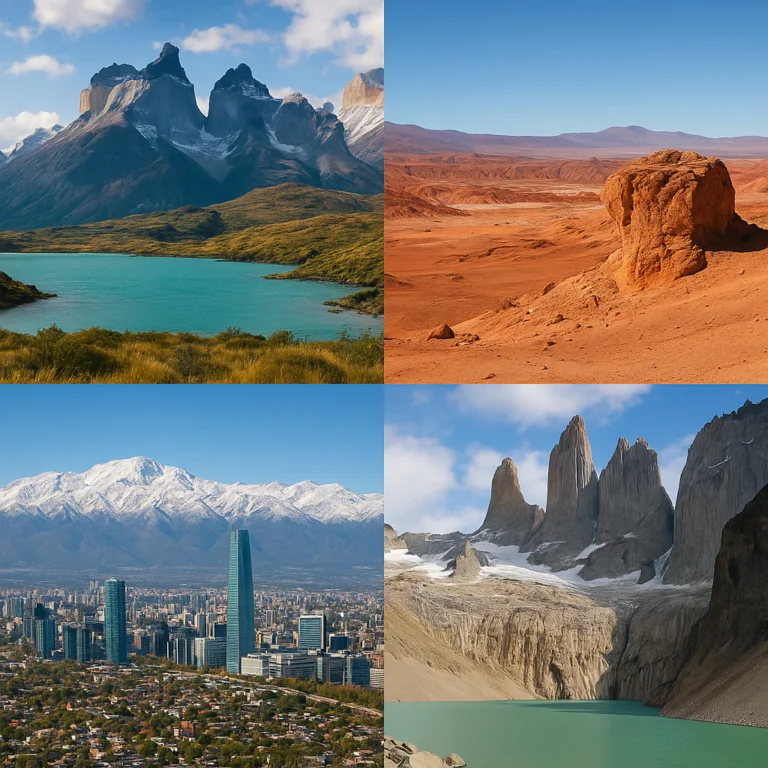
The unforgettable experiences in Chile for travelers are best enjoyed by choosing a few regions and giving each room to surprise you: watch stars flare above the Atacama, wander Valparaíso’s mural-covered hills, taste wine in the Central Valley, or trek Patagonia’s wind-carved trails. Chile stretches from desert to glaciers, so trying to see it all in one short trip can turn a grand adventure into a grand tour of bus stations.
We’ve found that the magic often arrives between the headline sights: a quiet morning beside a lake, a local guide explaining a landscape, or an extra hour at a market because lunch smelled too good to walk past. Below, we’ve gathered 30 experiences across Chile, with practical tips to help you choose the right season, route, and pace.
Key Takeaways
- Choose regions, not just attractions: Chile is vast, and a focused itinerary leaves more time to enjoy each place.
- Match your trip to the season: Patagonia, the Atacama, wine country, and the Andes each have different conditions and ideal activities.
- Make room for variety: Combine natural wonders with city neighborhoods, local food, cultural sites, and time with knowledgeable guides.
- Plan outdoor adventures carefully: Check park access, weather, altitude, trail difficulty, and transport before setting out.
- Leave space for the unexpected: Buffer days can turn weather delays and long transfers from headaches into part of the adventure.
Table of Contents
- ⚡️ Quick Tips and Facts
- 🗺️ Chile at a Glance: Geography, Culture, and Travel Seasons
- A country of deserts, cities, lakes, and glaciers
- When to visit Chile: Seasons by region
- How long to stay and how to plan your route
- 🌟 Unforgettable Experiences in Chile: A Region-by-Region Guide
- Northern Chile: Atacama Desert adventures and Andean culture
- 1. Stargaze beneath the Atacama’s world-famous night sky
- 2. Explore the otherworldly Valle de la Luna
- 3. Watch sunrise over the El Tatio Geysers
- 4. Float in the Atacama salt lagons
- 5. Discover flamingos and high-altitude lakes at the altiplano
- 6. Visit the historic mining town of Humberstone
- Central Chile: Santiago, Valparaíso, wine country, and the coast
- 7. Take in Santiago’s neighborhoods, markets, and mountain views
- 8. Wander the colorful hills and street art of Valparaíso
- 9. Taste Chilean wine in the Central Valley
- 10. Escape to the Pacific coast at Viña del Mar
- 11. Hike, ski, or soak in the Andes near Santiago
- 12. Explore Chile’s literary heritage in Isla Negra
- Lake District and Los Lagos: Volcanoes, forests, and island life
- 13. See the Osorno Volcano reflected in Lake Llanquihue
- 14. Hike among ancient trees in Vicente Pérez Rosales National Park
- 15. Discover Chiloé’s wooden churches and island traditions
- 16. Paddle, hike, or kayak around the region’s lakes
- 17. Visit Puerto Varas and sample the local food scene
- Southern Chile and Patagonia: Epic hikes, fjords, and glaciers
- 18. Trek the trails of Torres del Paine National Park
- 19. Walk on ancient ice at Grey Glacier
- 20. Watch penguins and wildlife in Patagonia
- 21. Explore the Caretera Austral by road
- 22. Cruise the fjords and see the Marble Caves
- 23. Visit the remote landscapes of Tierra del Fuego
- Beyond the mainland: Rapa Nui and Chile’s Pacific islands
- 24. Meet the moai and learn about Rapa Nui culture
- 25. Snorkel, hike, and explore Easter Island’s volcanic landscapes
- 🍲 More Memorable Chilean Experiences: Food, Culture, and the Outdoors
- 26. Try Chilean classics, from empanadas to curanto
- 27. Visit a market and get to know everyday Chile
- 28. Hike in a national park or nature reserve
- 29. Go wildlife watching with a responsible local guide
- 30. Celebrate Chilean music, festivals, and local traditions
- 🚍 Getting Around Chile: Flights, Buses, Rental Cars, and Ferries
- Choosing the best transport for your itinerary
- Driving in Chile: Roads, remote routes, and safety
- 🎒 Practical Chile Travel Tips: Safety, Packing, and Connectivity
- What to pack for Chile’s changing climates
- Altitude, weather, and outdoor safety
- Money, mobile data, language, and tipping
- Responsible travel and protecting Chile’s natural places
- 🧭 Sample Chile Itineraries for Different Trips
- One week: Santiago and the Atacama Desert
- Two weeks: Cities, wine country, and the Lake District
- Three weeks: Patagonia and a grand Chile journey
- ❌ Common Chile Travel Mistakes to Avoid
- Conclusion
- Recommended Links
- FAQ
- Reference Links
⚡️ Quick Tips and Facts
Chile is less a single destination than a spectacularly long collection of them: desert, Pacific coast, vineyards, volcanoes, islands, and Patagonia all share one remarkably slender map. Our first planning rule? Don’t try to collect every region like souvenirs one trip. Distances are vast, and some of the best memories come from leaving breathing room.
For a broader shortlist of landmarks, start with our guide to the top tourist attractions to see in Chile, then use this guide to decide which experiences deserve your days.
| Quick fact | What travelers should know |
|---|---|
| Best trip length | A week works for one or two bases; two to three weeks gives you room to combine regions without sprinting through airports. |
| Best season | Chile’s seasons are opposite those in the Northern Hemisphere. Summer is December–February; winter is June–August. Conditions vary sharply by region. |
| Most practical strategy | Choose a geographic focus: Atacama and Santiago, the central coast and wine country, the Lake District, or Patagonia. |
| Language | Spanish is the main language. English is more common in major visitor hubs than in small towns and rural areas. |
| Outdoor planning | Check official park rules and weather before setting out. Patagonia’s wind, high-altitude desert conditions, and mountain weather are not scenery-only details. |
| Best-known experiences | Atacama stargazing, Valparaíso street art, Chilean wine country, Chiloé’s island culture, Torres del Paine trekking, and Rapa Nui’s archaeological landscapes. |
Our fast-start planning checklist
- Pick one main region before adding side trips.
- Allow buffer days around mountain hikes, remote ferries, and weather-dependent excursions.
- Book protected-area visits and popular trekking logistics early, checking the relevant official CONAF protected-area information.
- Carry layers, even if your first forecast looks sunny. Chile’s climate changes with latitude, elevation, and distance from the ocean.
- Use operators who respect local communities and wildlife, especially for wildlife watching and remote-area transport.
- Browse our Chile destinations, adventure travel, and Andes Mountains guides when you’re narrowing down the map.
A note on dates: Festival schedules, transport, park access, and tour operations can change. Check current details with official tourism and park sources before booking.
🗺️ Chile at a Glance: Geography, Culture, and Travel Seasons
Chile’s immense variety is the headline, but the practical consequence is easy to underestimate: a “quick hop” between regions can eat up a day once you include airport transfers, weather, and ground transport. A traveler who spends a week in Santiago and the Atacama will have a very different trip from one who gives those days to Patagonia.
The official Chile Travel tourism portal is a useful starting point for destination ideas and current visitor information. For regional inspiration, our Chile destinations hub gathers ideas across the country.
A country of deserts, cities, lakes, and glaciers
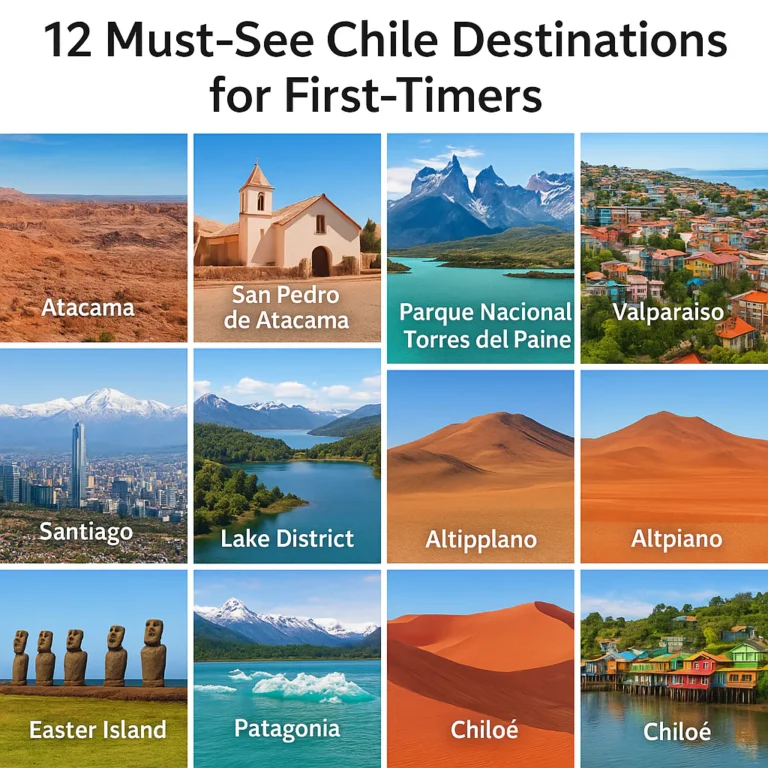
Chile stretches from the Atacama Desert in the north to the fjords and ice fields of Patagonia in the south. In between are major cities, wine-growing valleys, Pacific beaches, volcanoes, forests, and the lake-and-island landscapes of Los Lagos.
| Region | Signature scenery | Good fit for |
|---|---|---|
| Northern Chile | Atacama Desert, salt flats, volcanoes, high-altitude lagons | Stargazing, photography, geology, desert excursions |
| Central Chile | Santiago, Pacific coast, Andes, vineyards | City culture, food, wine, day trips, skiing |
| Lake District and Los Lagos | Lakes, forests, volcanoes, Chiloé Archipelago | Hiking, kayaking, island culture, slower travel |
| Patagonia | Mountain ranges, glaciers, fjords, stepe | Treking, wildlife, scenic drives, remote adventures |
| Rapa Nui | Volcanic island landscapes and monumental archaeological sites | Cultural learning, hiking, coastal scenery |
Our advice: Think in terms of clusters, not a checklist. San Pedro de Atacama works as a base for desert excursions; Puerto Natales is a common gateway to Torres del Paine; and Puerto Varas can anchor trips around Lake Llanquihue. The fewer times you pack and unpack, the more time you get to enjoy the place you came to see.
When to visit Chile: Seasons by region
There is no single “best month” for all of Chile. The best time depends on whether you want long summer days in Patagonia, clear desert nights, spring flowers, fall colors, or a ski holiday in the Andes.
| Travel interest | A good period to investigate | Keep in mind |
|---|---|---|
| Patagonia trekking | Southern Hemisphere summer, typically December–February | Longer daylight helps, but wind and changing weather still require preparation. |
| Atacama Desert | Visits are possible year-round | High elevation, cold nights, and seasonal weather can affect excursions. |
| Wine-country visits | Harvest season varies by valley and winery, generally during late summer and fall | Confirm harvest events and tasting availability with individual vineyards. |
| Sking near Santiago | Southern Hemisphere winter, generally June–August | Snow and resort operations vary by year and conditions. |
| Festivals and cultural events | Dates differ by location and calendar | Confirm exact dates with local tourism offices before making plans. |
Chile’s official tourism site provides seasonal travel information, while CONAF publishes information relevant to national parks and protected areas. Forecasts are useful, but for mountain and park decisions, local conditions and operator updates should win over last week’s screenshot.
How long to stay and how to plan your route
A traveler with seven days should normally choose one major region, or combine Santiago with a nearby destination. With two to three weeks, a multi-region itinerary becomes more comfortable, provided you account for internal travel days.
| Trip length | A sensible outline | Pace |
|---|---|---|
| 5–7 days | Santiago plus one regional base, such as San Pedro de Atacama | Focused; limit long transfers |
| 10–14 days | Two regions, with flights or a carefully planned overland route | Balanced if you allow recovery time |
| 2–3 weeks | Three regions at most, depending on flight connections and activities | Broad, but still needs realistic transit days |
| Longer stay | Add remote routes, islands, or multi-day trekking | Flexible, with room for weather delays |
A long-term traveler quoted in the independent guide “Best Things to Do in Chile” describes the country as a place where “every corner … has been well-planned by nature.” It’s a lovely description of the variety, but it also hints at the planning trap: every corner looks tempting. Pick the experiences that match your travel style, then save the rest for another trip.
The trip-planning question we hear most: Can you combine the Atacama and Patagonia in one visit? Yes, especially with enough time and well-chosen flights. But the climate, elevation, and activities are so different that a short trip can become a parade of transfers. If you have limited days, one region explored well usually beats three regions seen through airport windows.
🌟 Unforgettable Experiences in Chile: A Region-by-Region Guide
Here’s the framework we use when friends ask what to do in Chile: choose a landscape, add a human story, and leave time for the unexpected. A flamingo-filled lagoon and a tiny village bakery can both become the day you remember most.
The video featured above, “The Beauty of Chile: 10 Must-Visit Destinations for Unforgettable Experiences”, offers a quick visual sampler of Chile’s scenery and destinations. Treat it as inspiration rather than a detailed itinerary: the most helpful next step is matching each place to your available time, season, and interests.
Northern Chile: Atacama Desert adventures and Andean culture
San Pedro de Atacama is the classic base for exploring the desert’s salt flats, high-altitude lagons, geysers, and sculpted rock formations. It’s also a high-altitude destination: plan a gentler first day, drink water, and ask a qualified clinician for advice if you have health concerns related to altitude.
For more ideas on the region’s high-altitude landscapes, see our Andes Mountains and adventure travel guides.
1. Stargaze beneath the Atacama’s world-famous night sky
The Atacama’s dark skies are a highlight for a reason: dry conditions and remote landscapes can make for superb stargazing when skies are clear. But “desert” doesn’t mean “guaranted cloudless,” and the moon can wash out fainter stars.
- Check the moon phase and forecast before choosing your night.
- Book a guide if you want help recognizing constellations and using a telescope.
- Wear warm layers; nighttime desert temperatures can feel startlingly cold after a sunny afternoon.
- Follow the guide’s instructions about lights and photography so everyone can adjust to the dark.
The European Southern Observatory’s Paranal Observatory is one reminder that northern Chile’s skies are scientifically important as well as beautiful. Public access is subject to the observatory’s own policies, so don’t assume research facilities are open for casual visits.
2. Explore the otherworldly Valle de la Luna
Vale de la Luna, or Moon Valley, is famous for its wind- and water-shaped terrain, mineral colors, and dramatic late-day light. It is close enough to San Pedro to fit into a half-day excursion, but sunset slots and access rules can change.
- Bring water, sun protection, and closed shoes.
- Keep to marked trails and designated viewpoints.
- Check entry arrangements with the relevant local authority or a reputable operator.
- Don’t climb fragile formations for a photograph. A great picture is less impressive if it comes with a damaged landscape.
A traveler who loves geology may prefer an interpretive guide; a photographer may want more time at a few viewpoints rather than a rapid circuit. Both approaches work. The trick is not to treat every stop like a timed photo booth.
3. Watch sunrise over the El Tatio Geysers
At El Tatio, cold dawn air helps make rising geothermal steam particularly striking. The early start is real, and so is the cold. Bring warm layers, gloves, a hat, and breakfast or snacks if your tour doesn’t provide them.
Safety comes first: follow the guide’s route and stay well clear of unstable or hot ground. At high elevation, the combination of an early departure, limited sleep, and exertion can make some visitors feel unwell. If you’re feeling dizzy or short of breath, tell your guide rather than trying tough it out for one more photo.
4. Float in the Atacama salt lagons
Salt-rich lagons around the Salar de Atacama are a chance to float while looking across a landscape that seems to have misplaced the rest of the world. Visitors often pair lagoon stops with nearby salt flats or lakes, but rules differ by site.
- Confirm which lagons are open for swimming before you go.
- Use only marked bathing areas and follow instructions about rinsing and water access.
- Bring a towel, sandals, and a change of clothes.
- Avoid applying sunscreen immediately before entering a delicate water system unless site guidance allows it.
Some excursions combine lagoon visits with Ojos del Salar or Laguna Tebinquinche. Don’t assume every tour includes the same stops; read the itinerary and ask how long you’ll have at each place.
5. Discover flamingos and high-altitude lakes at the altiplano
The Altiplano’s lagons and salt flats offer a striking mix of blue water, volcanic peaks, pale mineral crusts, and birdlife. Flamingo sightings depend on conditions and season, so we’d treat them as a thrilling possibility rather than a guaranteed cast member.
Tour or rental car?
| Option | Advantages | Trade-offs |
|---|---|---|
| Guided excursion | Local knowledge, transport, interpretation, less navigation stress | Less flexibility; itinerary and pace are set |
| Rental car | Freedom to linger and adjust stops | Remote roads, altitude, and changing conditions require careful preparation |
| Private guide | Custom timing and a more personal experience | Usually less budget-friendly than a group excursion |
For a self-drive day, download offline maps, carry water and snacks, tell someone your route, and check road conditions. At altitude, avoid overexertion and allow time to acclimatize.
6. Visit the historic mining town of Humberstone
The former nitrate works of Humberstone and Santa Laura reveal a different chapter of northern Chile: the boomtown communities built around mining and the people who lived and worked there. The UNESCO World Heritage listing describes the sites’ significance as industrial heritage.
Go slowly. Interpretive displays and the remains of homes, workplaces, and public buildings reward more than a quick photo stop. Check opening conditions and access details before you travel, and stay within visitor areas around old structures.
Central Chile: Santiago, Valparaíso, wine country, and the coast
Central Chile is an easy place to mix urban culture, coastal scenery, mountain outings, and wine. Santiago makes a practical transport hub; Valparaíso offers a distinctive port-city character; nearby valleys provide vineyard visits.
For culture and local stories beyond the most famous landmarks, explore our Cultural Experiences guide.
7. Take in Santiago’s neighborhoods, markets, and mountain views
Santiago deserves more than an overnight between flights. Spend time in central plazas, museums, markets, and neighborhoods, then look up: the Andes can appear at the edge of the city like an enormous painted backdrop.
Possible stops include:
- Plaza de Armas and the historic center.
- Museo Chileno de Arte Precolombino for pre-Columbian art and history.
- Museum of Memory and Human Rights, with exhibitions focused on human rights and Chile’s recent history.
- La Chascona, one of the homes of poet Pablo Neruda; check current visitor information at the Pablo Neruda Foundation.
- A viewpoint on San Cristóbal Hill or another accessible urban high point, subject to current access and conditions.
- A neighborhood market for seasonal produce and everyday Chilean food.
For transit, check current routes and fares with Metro de Santiago. In busy areas, keep phones and bags secure and use established transport options. Travelers differ on whether they prefer public transit, rideshare, or a prearranged airport transfer; the best choice depends on arrival time, luggage, and comfort navigating a new city.
8. Wander the colorful hills and street art of Valparaíso
Valparaíso is a port city of hills, stairways, murals, and historic funiculars. Wander in daylight, wear comfortable shoes, and treat the city as a lived-in neighborhood—not an open-air theme park.
- Take a funicular only if it is operating and open to visitors; routes and service can vary.
- Explore street art respectfully, and don’t photograph residents without permission.
- Keep valuables close in crowded areas.
- Consider a local walking guide for the history behind the murals and hillside neighborhoods.
Some travelers prize Valparaíso’s rough edges; others prefer its nearby coastal neighbor, Viña del Mar, for a more polished seaside stay. If you have time, see both and decide which character suits you. The city’s historic quarter is recognized by UNESCO.
9. Taste Chilean wine in the Central Valley
A wine-country outing can mean a formal cellar tour, a relaxed tasting, or a lunch with vineyard views. Book directly with the winery to confirm language, transport, tasting arrangements, and whether food is available.
Recognized names include Concha y Toro, Viña Undurraga, and wineries in the Casablanca Valley. Each visit can differ, so we recommend choosing based on the experience you want—not just the most familiar label.
| Traveler preference | Look for |
|---|---|
| Wine-curious | An introductory tasting with clear explanations |
| History-minded | A cellar or vineyard tour focused on regional winemaking |
| Food-first | A winery that offers a meal or food-pairing experience |
| Independent traveler | A visit reachable by arranged transfer or public transport, confirmed in advance |
| Small-group traveler | A tour with a clear route, group size, and tasting inclusions |
Wine tourism is also a cultural experience, not merely a tasting flight. Ask what grows well in the valley, how harvest timing changes from year to year, and what the local team recommends with lunch.
10. Escape to the Pacific coast at Viña del Mar
Viña del Mar pairs ocean views with parks, beaches, and urban amenities. It’s an easy contrast to Santiago, though Pacific water temperatures and surf conditions may make swimming less appealing than a stroll along the shore.
- Check local flag and beach-safety guidance before entering the water.
- Take a coastal walk and look for heritage architecture.
- Pair the visit with Valparaíso if you want a full day of city-and-sea contrast.
- Check current opening information for museums and heritage sites before setting out.
A sea-facing afternoon can be the perfect palate cleanser after several days of museum visits or vineyard schedules.
11. Hike, ski, or soak in the Andes near Santiago
The Andes near Santiago offer seasonal options ranging from hiking and mountain scenery to skiing and hot springs. Conditions, access, and operating schedules are highly weather-dependent.
Before you go:
- Choose a route or activity suited to your experience.
- Check official access and weather updates.
- Confirm transport—some mountain sites are difficult to reach without a vehicle organized trip.
- Bring appropriate layers, sun protection, and enough water.
- Tell someone where you’re going, especially for independent hikes.
In winter, check resort operations directly with places such as Vale Nevado. In warmer months, consult local authorities and operators for trail status. Our Andes Mountains guide is a useful companion for mountain-focused planning.
12. Explore Chile’s literary heritage in Isla Negra
Pablo Neruda’s homes are a chance to step into a poet’s world of collections, ocean views, and eccentric objects. The Pablo Neruda Foundation manages information about his house museums, including Isla Negra, La Chascona, and La Sebastiana.
Check current opening days, reservations, and transport before you go. An independent travel writer describes Neruda’s poetry as “a drop in Pablo’s ocean of poetry”—a vivid way to suggest just how much history and imagination sits behind these homes. We’d add: go with curiosity, not a checklist, and give yourself time to read the context.
Lake District and Los Lagos: Volcanoes, forests, and island life
This region is a natural fit for travelers who like a day outdoors followed by a good meal and a warm place to dry their socks. Puerto Varas, Puerto Mont, Chiloé, and smaller towns provide different starting points, so choose a base around your preferred mix of road trips, hikes, and island time.
13. See the Osorno Volcano reflected in Lake Llanquihue
On a clear day, the view of Osorno Volcano across Lake Llanquihue can look almost too tidy to be real. The weather is famously changeable, so keep expectations flexible and let a cloudy day become an invitation to explore town, cafés, or another nearby attraction.
- Check current access and weather before driving toward mountain viewpoints.
- Bring layers even in summer.
- If you plan to hike, use established routes and follow local conditions.
- Consider a guided outing if you’re unfamiliar with the terrain.
The payoff is not only the volcano: lakeside villages and local food make this region an excellent place to slow down.
14. Hike among ancient trees in Vicente Pérez Rosales National Park
CONAF manages information about Chile’s national parks, including visitor guidance and protected-area access. Check the latest details before traveling to Vicente Pérez Rosales National Park, where trails, waterfalls, lakes, and volcanic scenery make for a varied day outdoors.
Pack for conditions, not the picture in your head: rain protection, sturdy footwear, water, food, and a charged phone are sensible basics. Stay on marked trails, follow fire restrictions, and avoid approaching wildlife.
15. Discover Chiloé’s wooden churches and island traditions
Chiloé rewards travelers who don’t rush. Its churches, island communities, coastal landscapes, and distinctive food traditions offer a different rhythm from mainland city travel. The UNESCO World Heritage listing for the Churches of Chiloé explains their architectural and cultural significance.
In Castro, look for the colorful waterfront and local markets. In smaller towns, ask before photographing people or private homes, and remember that ferry schedules shape the day.
An independent writer who spent several months on the island describes Chiloé as a place “to slow down in Chile.” That’s good advice: leave room for a long lunch, an unexpected ferry wait, or a conversation that outlasts your planned stop.
16. Paddle, hike, or kayak around the region’s lakes
The Lake District is ideal for active travel, but your activity should match the conditions—not just the brochure. Wind and rain can change a paddling plan, and river or lake safety rules vary by location.
- Book with a qualified operator who provides suitable safety equipment.
- Ask about water temperature, rescue procedures, and weather cancellation policies.
- For hiking, check trail length, elevation, and return transport.
- Avoid paddling alone in unfamiliar waters.
If you want a trip with a clear outdoor focus, browse our adventure travel category for more planning ideas.
17. Visit Puerto Varas and sample the local food scene
Puerto Varas is a practical base for lakeside walks, regional excursions, and sampling the area’s food. Local menus may feature seafood, baked goods, and dishes shaped by the region’s cultural influences.
For an easy cultural stop, check opening arrangements for the Pablo Fiero Museum and other local collections before visiting. Ask your host or a local tourism office for current restaurant recommendations; small businesses can change schedules seasonally.
One small but useful rule: don’t plan every meal around a famous restaurant. Ask where locals go for a weekday lunch, then follow your appetite.
Southern Chile and Patagonia: Epic hikes, fjords, and glaciers
Patagonia is the part of Chile that tempts even non-hikers to buy trekking poles. But this is a region where distance, weather, and advance logistics matter. The Chile Nativo trip planner offers examples of guided and independent trekking styles, with difficulty categories ranging from moderate to challenging. Its descriptions emphasize long days and rugged terrain for the harder options, which is a useful reminder to choose by fitness and experience, not by the prettiest route name.
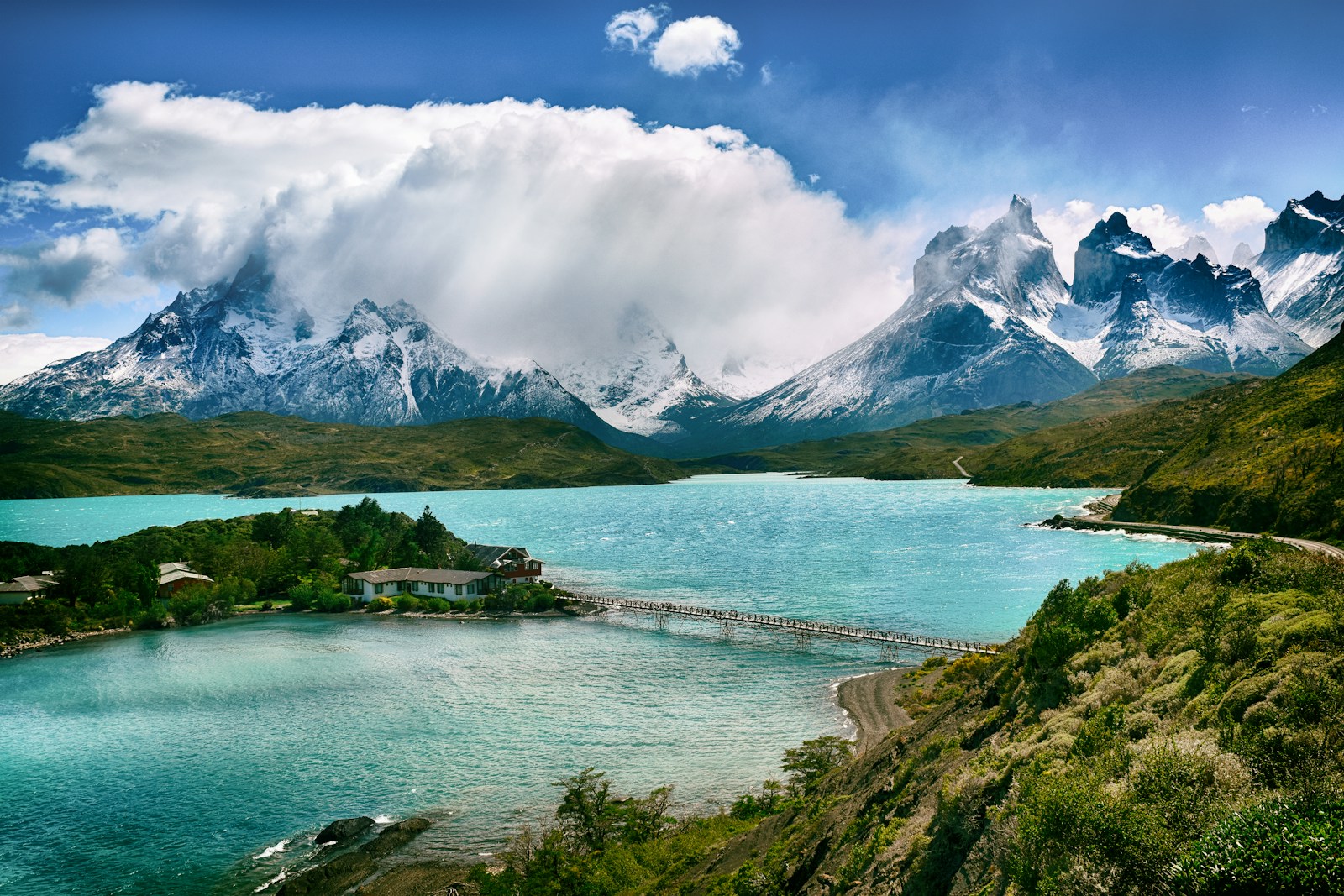
18. Trek the trails of Torres del Paine National Park
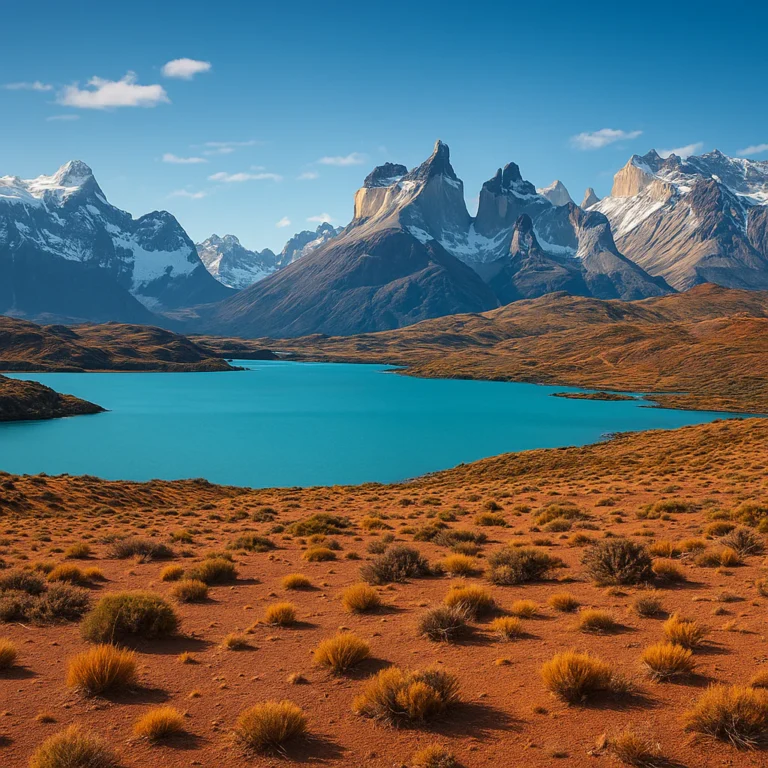
Tores del Paine offers everything from viewpoint excursions to multi-day circuits. The right choice depends on your fitness, available days, comfort with changing weather, and willingness to carry gear.
| Trek style | Best for | Planning considerations |
|---|---|---|
| Day visit | Travelers who want major scenery without an overnight trek | Plan transport, entry, and a realistic walking route |
| W Trek | Hikers seeking a multi-day route through signature landscapes | Confirm current campsite or lodging availability and route rules |
| O Circuit | Experienced hikers wanting a longer circuit | Requires more days, careful preparation, and attention to current access rules |
| Guided trek | Visitors who prefer local support and organized logistics | Compare group size, included gear, meals, and cancellation terms |
| Independent trek | Confident planners with the necessary experience | Requires strong preparation, current maps, reservations, and weather awareness |
Official park access and route information can change, so check CONAF and current park-management guidance before booking. Tour descriptions are helpful, but the operator’s difficulty label is not a substitute for an honest assessment of your own stamina.
Our practical sequence: choose the route, verify access and overnight logistics, book the necessary services, then arrange transport. Doing it in reverse is how travelers end up with a flight, a dramatic landscape, and nowhere to sleep.
19. Walk on ancient ice at Grey Glacier
Grey Glacier is one of Patagonia’s standout sights, and visitors may view it from land or explore the area by boat or guided activity, depending on current operations. Access and excursion schedules can vary with weather and conditions.
- Book with an authorized operator when joining a glacier excursion.
- Follow safety instructions carefully; ice and cold water are unforgiving.
- Dress in layers, including windproof and waterproof outerwear.
- Ask about the activity’s physical demands before booking.
A glacier outing is a powerful reminder that Patagonia is both beautiful and environmentally sensitive. Keep to designated routes and follow local guidance on waste and access.
20. Watch penguins and wildlife in Patagonia
Wildlife watching may include penguins, seabirds, marine mammals, and land animals, depending on location and season. The best encounter is one that doesn’t disturb the animal.
Before booking, ask an operator:
- What distance does the tour maintain from wildlife?
- Are visits limited or managed by local conservation rules?
- What happens if weather affects the trip?
- Does the guide explain the habitat and local conservation issues?
Never feed wildlife, block a path, or use a flash when it could disturb animals. For current protected-area guidance, check CONAF and local park information.
21. Explore the Caretera Austral by road
The Caretera Austral is a scenic road journey through remote southern landscapes, but it takes planning. Ferries, road conditions, fuel availability, and distances can complicate a route that looks simple on a map.
- Choose a realistic section rather than promising yourself the whole route in a few days.
- Check ferry schedules and vehicle requirements well ahead.
- Confirm road conditions and fuel stops locally.
- Keep offline maps and a backup plan.
- Leave buffer days for delays and weather.
A rental car offers flexibility; buses and local transport can suit travelers who want to avoid driving. Compare insurance coverage, cross-region permissions, and ferry arrangements carefully before booking. For transport-planning inspiration, see our destinations and budget travel guides.
22. Cruise the fjords and see the Marble Caves
The Marble Caves, or Cuevas de Mármol, are sculpted into rock beside General Carrera Lake. Light and water color can affect the experience, so conditions matter as much as the photographs suggest.
Tours commonly depart from the Puerto Río Tranquilo area, but routes and departures are weather-dependent. Confirm:
- Where the boat or kayak trip leaves from.
- Whether the operator supplies life jackets and other safety equipment.
- What happens if wind or lake conditions make the outing unsafe.
- Whether the trip is suitable for children or travelers with mobility concerns.
Kayaking can offer a closer, slower perspective; a boat tour may be easier for travelers who prefer not to paddle. Neither is automatically better—the lake conditions and your comfort level decide.
23. Visit the remote landscapes of Tierra del Fuego
Tierra del Fuego offers wide-open landscapes, a sense of remoteness, and routes shaped by weather and logistics. It’s worth considering if you’re already traveling in the far south, but it is not a casual add-on without checking transport and seasonal access.
Plan with local tourism operators and official park sources, including CONAF where relevant. Pack for wind and cold, and don’t assume mobile coverage or services will be reliable in remote areas.
Beyond the mainland: Rapa Nui and Chile’s Pacific islands
Chile’s island destinations offer a different kind of travel: less “add a day trip” and more “plan the journey properly.” Flights, limited services, local customs, and environmental rules deserve attention before departure.
24. Meet the moai and learn about Rapa Nui culture
Rapa Nui, also known as Easter Island, is known for its moai and for a living Polynesian culture. The UNESCO World Heritage site page provides historical and cultural context, while current visitor rules should be confirmed through official local sources before travel.
A respectful visit means more than photographing statues:
- Hire a knowledgeable local guide when possible.
- Follow site rules and stay off protected archaeological features.
- Ask before photographing people or cultural activities.
- Learn the difference between archaeological heritage and present-day Rapa Nui life.
Stay in or near Hanga Roa for easier access to services, then plan excursions around the island rather than trying to see everything between breakfast and sunset.
25. Snorkel, hike, and explore Easter Island’s volcanic landscapes
Rapa Nui’s activities include coastal walks, volcanic scenery, cultural sites, and water-based outings. Conditions can affect snorkeling and boating, so choose licensed local operators and heed safety advice.
Build a varied day: pair one major archaeological site with a coastal walk or a slower meal, instead of stacking multiple remote stops without checking travel time. The island’s compact appearance on a map can be misleading once you account for roads, site rules, and the time needed to understand what you’re seeing.
🍲 More Memorable Chilean Experiences: Food, Culture, and the Outdoors
Chile’s most memorable moments don’t all require hiking boots. A market breakfast, a cooking class, a conversation with a local guide, or a long meal can add the human context that turns a scenic trip into a richer one.
26. Try Chilean classics, from empanadas to curanto
Regional food is one of the easiest ways to understand Chile’s geography. In the central region, look for empanadas, corn dishes such as pastel de choclo, and seasonal produce. In Chiloé, ask about curanto, a traditional meal that may combine seafood, meat, and potatoes, as well as local potato dishes.
| Dish or ingredient | Where it’s especially associated | What to expect |
|---|---|---|
| Empanadas | Across Chile | Savory pastries with fillings that vary by region and cook |
| Pastel de choclo | Central Chile and beyond | A baked corn-based dish, often with a savory filling |
| Seafood | Pacific coast and island regions | Ask what’s local and in season |
| Curanto | Chiloé | A traditional feast; ingredients and preparation vary |
| Chilote potatoes | Chiloé | A remarkable range of colors, textures, and local varieties |
| Pisco sour | Widely available | A cocktail made with pisco; recipes differ by bar |
Try family-run eateries and market food counters where available, while following local food-safety advice. If you have allergies or dietary needs, write them in Spanish and confirm ingredients directly.
27. Visit a market and get to know everyday Chile
Markets are great places to watch everyday life, sample local ingredients, and find regional specialties. Santiago’s Mercado Central is a well-known seafood stop; Valdivia’s riverfront market is another place visitors often explore for local produce and seafood.
- Visit at a busy but comfortable time, and keep valuables secure.
- Ask before photographing vendors or customers.
- Check whether a stall accepts cards or prefers cash.
- Choose food that is freshly prepared and handled safely.
- Don’t be afraid to ask what the cook recommends; point-and-smile is a respectable emergency plan.
28. Hike in a national park or nature reserve
Chile’s protected areas offer trails for different experience levels, from short walks to demanding multi-day routes. Start with the official CONAF national parks information and check site-specific conditions, permits, closures, and fire rules.
Trail-day checklist
- Route and estimated time confirmed.
- Weather checked for the full day.
- Water, snacks, layers, sun protection, and a first-aid kit packed.
- Offline map available.
- Someone knows your plan and expected return.
- No litter, fires, or shortcuts off marked trails.
A “moderate” route in one landscape may feel very different at altitude, in heat, or on slippery ground. Read the actual distance and elevation gain rather than relying on a single difficulty word.
29. Go wildlife watching with a responsible local guide
A good guide can make wildlife viewing more rewarding by explaining behavior and habitat—not merely pointing at animal from a boat. Before booking, look for clear information about group size, distance rules, local conservation practices, and weather cancellations.
✅ Choose operators who follow site rules and keep respectful distances.
❌ Avoid tours that promise guaranteed encounters or encourage touching, feeding, or crowding animals.
Check current protected-area guidance through CONAF and local conservation organizations.
30. Celebrate Chilean music, festivals, and local traditions
Chile’s cultural calendar includes national holidays, local festivals, music events, and celebrations that vary by town and year. The national tourism portal, Chile Travel, is a useful place to begin checking destination information; confirm event dates with local organizers before booking transport or accommodation.
For the best experience:
- Ask whether an event is open to visitors or primarily community-focused.
- Follow local expectations around dress, photography, and participation.
- Book transport early for popular holiday periods.
- Be flexible: local celebrations can shift with weather or annual scheduling.
If you want more context on regional traditions, browse our Cultural Experiences section.
🚍 Getting Around Chile: Flights, Buses, Rental Cars, and Ferries
The right transport choice depends on distance and flexibility. Domestic flights can save time on long north–south journeys, while buses are useful on established routes. Rental cars help with remote road trips, but they come with extra planning around insurance, road conditions, and ferries.
Choosing the best transport for your itinerary
| Transport | Best for | Watch-outs |
|---|---|---|
| Domestic flights | Linking distant regions when vacation time is limited | Airport transfers, baggage rules, and weather disruptions |
| Intercity buses | Established routes and travelers who prefer not to drive | Long journey times and fewer options in remote areas |
| Rental cars | Flexible regional travel and scenic road trips | Road conditions, fuel planning, insurance, and one-way restrictions |
| Ferries | Island and fjord routes | Schedules, vehicle capacity, seasonal changes, and weather |
| Guided tours | Remote or logistically complex excursions | Confirm inclusions, group size, and cancellation policy |
Before booking any connection, check the operator’s official timetable and allow time for delays. For flight and travel planning, use the official transport or company sources rather than assuming a past traveler’s schedule still applies.
Driving in Chile: Roads, remote routes, and safety
Driving is rewarding in regions with dispersed stops, but some routes involve gravel roads, long distances, ferry connections, or limited services.
- Check that your rental contract permits the route you plan to drive.
- Confirm insurance coverage for gravel roads and ferry travel.
- Carry an offline map and keep fuel planning conservative.
- Avoid driving when tired, especially after a long flight or a full day outdoors.
- Check local road and weather updates before heading into remote areas.
For a multi-day drive, build a route around realistic daily distances rather than the number of pins you can fit on a map.
🎒 Practical Chile Travel Tips: Safety, Packing, and Connectivity
Good preparation makes a noticeable difference in Chile, particularly when your route crosses climates or includes remote places. Pack for the activities you’ve actually booked, and check current official travel guidance before departure.
What to pack for Chile’s changing climates
Use a layering system rather than packing one enormous coat for the whole country.
| Item | Why it earns space |
|---|---|
| Base layers | Useful for cold mornings, high altitude, and Patagonia |
| Waterproof shell | Helps with rain and wind, especially in the south |
| Sun protection | Essential in desert, mountain, and high-exposure settings |
| Comfortable walking shoes | Useful for city streets, viewpoints, and light trails |
| Sturdy hiking footwear | Appropriate for rough or multi-day trails |
| Reusable water bottle | Convenient; check local guidance on water quality where you are |
| Small daypack | Carries water, layers, snacks, and essentials |
| Offline maps and power bank | Helpful when coverage is limited or days run long |
If you’re buying outdoor equipment, choose gear suited to your route and conditions; there is no need to pack specialist equipment for an activity you haven’t confirmed.
Altitude, weather, and outdoor safety
The Atacama’s high-altitude excursions and the Andes require a slower approach than a sea-level city stroll. The CDC’s travel guidance for high-altitude destinations explains altitude-related health considerations; consult a health professional before travel if you have concerns.
- Give yourself time to adjust before strenuous activity.
- Tell your guide if you feel unwell.
- Check weather and access on the day of your outing.
- Follow park and operator instructions.
- Carry water, food, and appropriate clothing.
- Do not continue a strenuous route simply because the group is continuing.
Patagonia’s wind can make a mild forecast feel very different outdoors. In remote areas, turning back is a sound travel decision, not a failed adventure.
Money, mobile data, language, and tipping
- Money: Check your card’s international fees and bring a secure backup payment method. In smaller towns and rural areas, some businesses may prefer cash; confirm before relying on cards.
- Mobile data: Check roaming and local SIM or eSIM options before departure. Download maps and confirmations for remote days.
- Language: Spanish is essential in many smaller communities. A few phrases—por favor, gracias, ¿cuánto cuesta?, and ¿puede ayudarme?—go a long way.
- Tipping: Practices vary by service and setting. Check the bill and local expectations, and ask discreetly if uncertain.
- Bookings: Save confirmation details offline, particularly for flights, ferries, guided trips, and protected-area access.
Responsible travel and protecting Chile’s natural places
Chile’s most famous experiences often take place in fragile environments. Good visitors leave landscapes, heritage sites, and communities better protected—not just photogenic.
- Follow local rules and use marked trails.
- Pack out all waste.
- Avoid disturbing wildlife or collecting natural objects.
- Ask permission before taking close-up photos of people.
- Use licensed guides and operators who explain local conservation practices.
- Choose locally owned services where practical.
For park rules and protected-area information, consult CONAF. For cultural sites, follow the guidance of local authorities and community organizations.
🧭 Sample Chile Itineraries for Different Trips
These sample itineraries are starting points, not schedules to obey at all costs. Flight availability, weather, opening hours, and local transport can change the best sequence.
One week: Santiago and the Atacama Desert
| Day | Suggested plan |
|---|---|
| 1 | Arrive in Santiago; keep the first day light |
| 2 | Explore central Santiago, museums, or a market |
| 3 | Travel to San Pedro de Atacama and acclimatize |
| 4 | Valle de la Luna or another nearby desert excursion |
| 5 | Lagons or salt-flat outing, depending on conditions |
| 6 | El Tatio or stargazing, chosen around weather and energy |
| 7 | Return travel |
Why it works: you get one city and one major landscape without adding a second remote region. If your flights make the itinerary feel rushed, remove an excursion rather than sacrificing acclimatization.
Two weeks: Cities, wine country, and the Lake District
| Days | Suggested plan |
|---|---|
| 1–3 | Santiago: city neighborhoods, museums, and local food |
| 4–5 | Valparaíso and the nearby coast |
| 6 | Winery visit or a relaxed day in the central valley |
| 7 | Travel to the Lake District |
| 8–10 | Puerto Varas, Lake Llanquihue, and nearby outdoor excursions |
| 11–13 | Chiloé or another regional focus |
| 14 | Return travel |
Why it works: it combines city, coast, wine, and lakes without trying to squeeze in Patagonia as well. If Chiloé is a priority, confirm ferry connections before fixing your overnight stays.
Three weeks: Patagonia and a grand Chile journey
| Days | Suggested plan |
|---|---|
| 1–3 | Santiago and a nearby cultural or food-focused day |
| 4–7 | Atacama Desert, with time for acclimatization |
| 8 | Travel day and buffer |
| 9–12 | Lake District or Chiloé |
| 13 | Travel south |
| 14–19 | Patagonia, with a trek or day excursions selected to suit your experience |
| 20–21 | Buffer and return travel |
This is an ambitious route. Do not remove every buffer day to fit another destination. If you want a multi-day trek in Torres del Paine, give Patagonia more time and consider dropping a region. You’ll enjoy the trip far more than you’ll enjoy explaining to your knees why they’re hiking after three consecutive flight days.
❌ Common Chile Travel Mistakes to Avoid
| Mistake | Better approach |
|---|---|
| Trying to see the whole country in one short trip | Pick a few regions and travel deeply |
| Underestimating transfer time | Add airport, road, ferry, and rest time |
| Hiking without checking current conditions | Verify access, weather, equipment, and route difficulty |
| Treating Patagonia as reliably sunny | Pack for wind, rain, and changing conditions |
| Rushing into high-altitude activities | Allow time to acclimatize and tell your guide how you feel |
| Booking a trek before checking overnight logistics | Confirm access, reservations, and transport first |
| Assuming every lagoon or beach allows swimming | Check site-specific rules and water conditions |
| Treating cultural sites as photo backdrops | Learn context and follow local protocols |
| Relying on mobile coverage in remote areas | Download offline maps and key confirmations |
| Overfilling every day | Leave space for delays, weather, and unplanned discoveries |