Support our educational content for free when you purchase through links on our site. Learn more
Can You Visit Atacama Desert & Patagonia in One Chile Trip? (2026) 🌎

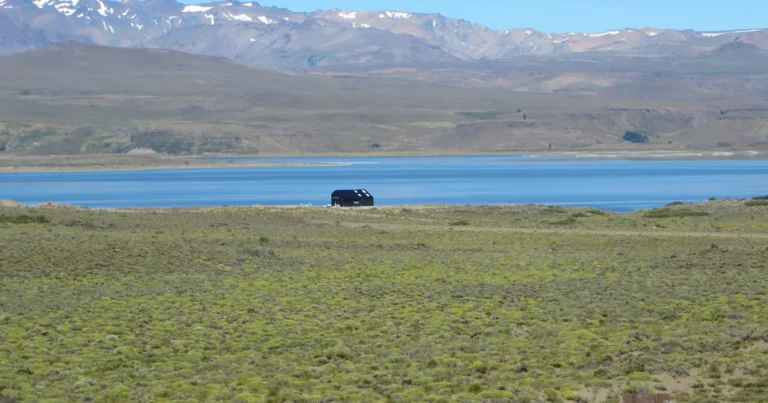
Dreaming of exploring Chile’s jaw-dropping extremes—the otherworldly Atacama Desert and the wild, windswept Patagonia—all in a single trip? We’ve been there, done that, and trust us: it’s not only possible, it’s one of the most unforgettable adventures you can embark on! But before you book your flights, there are some crucial details you need to know about timing, logistics, packing, and how to make the most of this epic journey without burning out.
Did you know Chile stretches over 4,300 kilometers from north to south, making it longer than the distance between New York and Miami? That means traveling between Atacama and Patagonia is like crossing half a continent! In this guide, we’ll reveal insider tips on conquering the vast distances, choosing the best seasons, and packing smart for both desert heat and glacial chill. Plus, we’ll share sample itineraries and budget hacks to help you craft your perfect Chilean adventure. Ready to find out if you can really do it—and how? Let’s dive in!
Key Takeaways
- Yes, you can visit both Atacama Desert and Patagonia in one trip to Chile, but it requires at least 10–14 days and smart planning.
- Domestic flights via Santiago are essential to cover the vast distances efficiently.
- The best time to combine both regions is during shoulder seasons (late October–November or March–early April) for optimal weather and fewer crowds.
- Packing layers is critical to handle extreme temperature swings from desert days to Patagonian winds.
- Expect a thrilling contrast of landscapes—from Mars-like salt flats and geysers to towering glaciers and rugged peaks.
- Booking flights and accommodations well in advance, especially for Patagonia’s peak season, is highly recommended.
Ready to start planning your epic Chilean journey? Keep reading for all the expert insights and practical tips you’ll need!
Table of Contents
- ⚡️ Quick Tips and Facts
- 🗺️ Chile’s Geographic Grandeur: Bridging Desert & Ice
- 🤔 The Million-Dollar Question: Atacama & Patagonia in One Trip?
- ✈️ Conquering the Distance: Navigating Chile’s Vastness
- 🗓️ Timing is Everything: When to Embark on This Epic Journey
- 🎒 Packing Like a Pro: From Desert Heat to Glacial Chill
- 🏜️ The Atacama Desert Experience: Martian Landscapes & Stargazing
- 🏔️ Patagonia’s Wild Heart: Glaciers, Mountains, & Wildlife
- 🗓️ Crafting Your Epic Chilean Adventure: Sample Itineraries
- 💰 Budgeting for Extremes: Smart Spending in Chile
- ✅ Overcoming Challenges & Common Pitfalls
- 🌟 Our Top Insider Tips for a Seamless Journey
- 🔚 Conclusion: Is the Atacama & Patagonia Combo Right for You?
- 🔗 Recommended Links: Plan Your Next Step
- ❓ FAQ: Your Burning Questions Answered
- 📚 Reference Links: Our Sources & Further Reading
⚡️ Quick Tips and Facts
So, you’re dreaming of Chile’s most iconic extremes? The bone-dry, star-studded Atacama Desert and the wild, glacial majesty of Patagonia? You’ve come to the right place! We’re the Chile Vacay™ team, and we’ve traversed this incredible country from top to bottom, often in the same epic journey. Is it possible to visit both the Atacama Desert and Patagonia in one trip to Chile? Absolutely! But it’s an adventure that requires savvy planning, a good chunk of time, and a spirit ready for anything.
Here’s a quick snapshot to get your wanderlust buzzing:
| Feature | Atacama Desert | Patagonia (Chilean side) |
|---|---|---|
| Location | Northern Chile, high altitude | Southern Chile, southern Andes |
| Landscape | Arid, lunar valleys, salt flats, geysers, volcanoes | Glaciers, granite peaks, turquoise lakes, fjords |
| Best Time to Visit | Year-round (cooler nights, clear skies) | Southern Hemisphere Summer (Dec-Feb) for hiking |
| Main Hub | San Pedro de Atacama | Puerto Natales (for Torres del Paine), Punta Arenas |
| Key Activities | Stargazing, geyser tours, salt flat excursions, hiking | Trekking, glacier tours, wildlife spotting, kayaking |
| Climate | Extreme diurnal temperature shifts, very dry | Unpredictable, strong winds, rain, sun (all in one day!) |
| Altitude | High (San Pedro ~2,400m, geysers ~4,300m) | Lower (sea level to ~1,500m for hiking) |
| Travel Time from SCL | ~2-hour flight to Calama, then 1.5-hour transfer | ~3-4 hour flight to Punta Arenas/Puerto Natales |
Our Quick Takeaways:
- Time is Gold: You’ll need at least 10-14 days to genuinely experience both without feeling rushed. More is always better!
- Internal Flights are Non-Negotiable: Chile is long. You’ll be flying between Santiago (SCL), Calama (CJC) for Atacama, and Punta Arenas (PUQ) or Puerto Natales (PNT) for Patagonia.
- Pack for All Seasons: Seriously, from desert heat to glacial winds, your wardrobe needs to be versatile. Layers, layers, layers!
- Book Ahead: Especially for peak season (Dec-Feb) in Patagonia, accommodations and popular tours fill up fast.
- Embrace the Contrast: This trip is all about experiencing the incredible diversity of Chile. Get ready for a sensory overload!
Ready to dive deeper into how you can make this dream trip a reality? Let’s go! If you’re looking for more general inspiration, check out our guide to Things to Do in Chile.
🗺️ Chile’s Geographic Grandeur: Bridging Desert & Ice
Imagine a country so long and slender it stretches from the driest desert on Earth to the icy fjords of the world’s southernmost tip. That, my friends, is Chile! This geographical marvel, often described as a “ribbon of land,” spans over 4,300 kilometers (2,670 miles) along the southwestern coast of South America, making it one of the longest countries in the world 1. This incredible length means it encompasses an astonishing array of climates and landscapes, from the arid wonders of the Atacama Desert in the north to the majestic glaciers and mountains of Chilean Patagonia in the south.
For us at Chile Vacay™, this unique geography isn’t just a fun fact; it’s the very essence of what makes travel here so exhilarating. You can literally go from stargazing under the clearest skies on the planet in the Atacama, where NASA even tests Mars rovers due to its extreme environment 2, to trekking among towering granite peaks and calving glaciers in Torres del Paine, all within the same journey. It’s a journey that promises not just diverse scenery, but a profound sense of wonder at the sheer power and beauty of nature.
This dramatic contrast is precisely what draws so many adventurers to Chile. But how do you bridge such vast distances and wildly different environments in a single, unforgettable trip? That’s the challenge, and the reward, we’re here to help you conquer.
🤔 The Million-Dollar Question: Atacama & Patagonia in One Trip?
“Can I really visit the Atacama Desert and Patagonia in one trip to Chile?” This is hands down one of the most frequent questions we get from our readers, and for good reason! On paper, it sounds like a logistical nightmare, right? One is a scorching, high-altitude desert, the other a windswept, glacial wonderland. They’re at opposite ends of a country that’s longer than the entire continental United States is wide!
But here’s the exciting news: YES, you absolutely can! Our fellow travel experts at Knowmad Adventures confirm this, stating, “Combining these two regions lets you see two of the most beautiful, extreme landscapes in the world in one trip,” and Insight Vacations even offers a dedicated “Best of Chile from Atacama to Patagonia” tour 3 4. It’s not just feasible; it’s a highly recommended and increasingly popular way to experience the incredible diversity of Chile.
We’ve done it ourselves multiple times, and each journey has been nothing short of spectacular. The key, as we’ll delve into, lies in strategic planning, efficient internal travel, and choosing the right time of year. It’s not a trip for the faint of heart or those on a shoestring budget looking for a quick weekend getaway. This is an epic adventure travel experience, a true testament to Chile’s natural grandeur.
The real question isn’t if you can, but how to do it seamlessly, maximizing your time and minimizing stress. We’ll walk you through the nitty-gritty details, from navigating those crucial domestic flights to packing the perfect multi-climate wardrobe. So, buckle up, because your Chilean odyssey is about to begin!
✈️ Conquering the Distance: Navigating Chile’s Vastness
Chile’s incredible length is both its charm and its biggest logistical challenge. To bridge the thousands of kilometers separating the Atacama Desert from Patagonia, you’ll become very familiar with Chile’s domestic flight network. Think of Santiago (SCL) as your central nervous system for this grand adventure.
1. Domestic Flights: Your Wings Across Chile
Forget buses for these long hauls; domestic flights are your only practical option. Trying to bus from Atacama to Patagonia would consume days, not hours, and frankly, you’d miss out on precious exploration time. These flights are generally efficient and offer stunning aerial views of the diverse landscapes below.
Our Anecdote: On one of our first combined trips, we underestimated the sheer scale. We thought, “Oh, a bus will be fine for part of it!” We quickly learned our lesson. After a grueling 24-hour bus ride from Santiago south, we swore by flights for anything over a few hundred kilometers. Time is your most valuable commodity on a trip like this!
2. Key Airports & Hubs: Santiago as Your Gateway
Your journey will almost certainly involve Santiago’s Arturo Merino Benítez International Airport (SCL) as your primary hub. From there, you’ll connect to regional airports:
- For Atacama: You’ll fly to El Loa Airport (CJC) in Calama. From Calama, it’s about a 1.5-hour transfer by shuttle or rental car to San Pedro de Atacama, your base for desert explorations. The first YouTube video we watched also highlights this route, noting flights can be around €80 per person with baggage 5.
- For Patagonia: Your main gateways are Presidente Carlos Ibáñez del Campo International Airport (PUQ) in Punta Arenas or Teniente Julio Gallardo Airport (PNT) in Puerto Natales. Punta Arenas is a larger city with more flight options, while Puerto Natales is closer to Torres del Paine National Park, saving you a few hours of bus travel. Many travelers fly into Punta Arenas and then take a bus (around 3 hours) to Puerto Natales.
Flight Times (Approximate):
- Santiago (SCL) to Calama (CJC): ~2 hours
- Santiago (SCL) to Punta Arenas (PUQ): ~3.5-4 hours
- Santiago (SCL) to Puerto Natales (PNT): ~3 hours (seasonal, less frequent)
As Knowmad Adventures points out, flights between Santiago, Calama, and Punta Arenas are essential for this itinerary 6.
3. Airlines We Trust: LATAM, Sky Airline, & JetSMART
Chile has a competitive domestic airline market, offering a range of options from full-service to budget carriers.
- LATAM Airlines: The largest and most established airline in Chile. Generally offers the most frequent flights, comfortable service, and a more generous baggage allowance. They are often our go-to for reliability.
- Sky Airline: A low-cost carrier that has significantly expanded its routes. Offers competitive prices, but be mindful of their baggage policies – often you pay extra for checked bags and even carry-on luggage beyond a small personal item. Read the fine print!
- JetSMART: Another ultra-low-cost option. Similar to Sky Airline, they offer very cheap base fares but nickel-and-dime for everything else. Great for budget travelers who pack light, but can add up if you’re bringing hiking gear.
Our Recommendation: For a trip combining two extreme environments, you’ll likely have more luggage than usual. We often opt for LATAM for peace of mind regarding baggage, or carefully calculate the total cost with Sky Airline or JetSMART including all baggage fees. Sometimes, the “budget” option ends up being similar in price once you add everything on! Always compare the final price, not just the base fare.
👉 Shop Domestic Flights on:
- LATAM Airlines: LATAM Official Website
- Sky Airline: Sky Airline Official Website
- JetSMART: JetSMART Official Website
🗓️ Timing is Everything: When to Embark on This Epic Journey
Choosing the right time of year is perhaps the most critical factor for a successful Atacama and Patagonia combo trip. Why? Because their peak seasons are almost diametrically opposed! Patagonia shines brightest in the Southern Hemisphere summer, while Atacama is fantastic year-round, but with different nuances. Finding that sweet spot is key to maximizing your experience in both regions.
☀️ Best Seasons for Atacama Adventures
The Atacama Desert is remarkably consistent in its weather patterns, making it a fantastic destination almost any time of year.
- Summer (December – February): Daytime temperatures are warm to hot (25-30°C / 77-86°F), and nights are mild. This is also the time for the “Altiplanic Winter” (Invierno Altiplánico), a phenomenon where brief, intense afternoon rains can occur, especially in January and February. While rare in the driest parts, it can make some roads impassable and occasionally obscure stargazing. We once got caught in a sudden downpour near Laguna Miscanti – quite a surreal experience in the world’s driest desert!
- Autumn (March – May): Pleasant daytime temperatures (20-25°C / 68-77°F) and cooler nights. Fewer crowds than summer, and excellent conditions for all activities, including stargazing.
- Winter (June – August): Days are mild and sunny (15-20°C / 59-68°F), but nights are freezing (often below 0°C / 32°F). This is prime time for stargazing due to incredibly clear skies and for visiting the El Tatio Geysers, where the cold air makes the steam plumes more dramatic. Just remember to bundle up!
- Spring (September – November): Similar to autumn, with warming temperatures and beautiful clear skies. A great shoulder season option.
Atacama Verdict: Generally, year-round is good, but for stargazing and geysers, winter (June-August) offers the most dramatic conditions, while shoulder seasons (March-May, Sept-Nov) provide a comfortable balance.
❄️ Ideal Times for Patagonian Exploration
Patagonia, especially the Chilean side with Torres del Paine, is far more seasonal.
- Summer (December – February): This is peak season for a reason! Long daylight hours (up to 16 hours), warmer temperatures (10-20°C / 50-68°F), and the best chance for stable weather. All hiking trails and facilities are open. However, it’s also the busiest and most expensive time, with trails and accommodations often booked months in advance. Expect strong Patagonian winds regardless of the season!
- Shoulder Seasons (October – November & March – April): These are fantastic alternatives!
- Spring (Oct-Nov): Wildflowers bloom, fewer crowds than summer, and temperatures are starting to warm up. Some trails might still have snow early in the season.
- Autumn (Mar-Apr): Our personal favorite! The Lenga trees turn fiery reds and oranges, creating breathtaking landscapes. Crowds thin out, and while temperatures drop, it’s still excellent for hiking.
- Winter (May – September): Most of Torres del Paine is closed for hiking due to heavy snow and extreme cold. Some lodges remain open, offering specialized winter activities like snowshoeing or wildlife viewing (puma tracking!). Definitely not ideal for a first-time, comprehensive Patagonian hiking experience.
Patagonia Verdict: Southern Hemisphere Summer (Dec-Feb) is prime, but shoulder seasons (Oct-Nov, Mar-Apr) offer a more serene and equally stunning experience with fewer crowds.
⚖️ Finding the Sweet Spot: Shoulder Seasons & Trade-offs
So, how do you align these two giants? The shoulder seasons are your best bet for a combined trip, specifically:
- Late October to November: Patagonia is waking up, wildflowers are blooming, and the Atacama is enjoying pleasant spring weather. You might encounter some lingering snow in Patagonia’s higher elevations, but generally, conditions are good for both.
- March to Early April: This is arguably the best compromise. Patagonia is ablaze with autumn colors, crowds are thinning, and the weather is still good for hiking. Atacama is experiencing comfortable autumn days and clear, cool nights perfect for stargazing.
The Trade-off: While you won’t hit the absolute “peak” of both (e.g., warmest Patagonia summer days and coldest Atacama winter nights for geysers), you’ll get excellent conditions in both regions, often with fewer crowds and potentially better deals on flights and accommodation. It’s about finding the balance that works for your adventure style.
Our Expert Advice: If you have the flexibility, aim for March or November. You’ll thank us when you’re admiring Patagonia’s fiery foliage one week and the Atacama’s otherworldly landscapes the next, all under agreeable skies.
🎒 Packing Like a Pro: From Desert Heat to Glacial Chill
“What do I pack for a trip that goes from the driest desert on Earth to icy glaciers?” This isn’t just a question; it’s a legitimate packing puzzle! We’ve seen it all – travelers shivering in the Atacama at sunrise and sweating through their heavy jackets in Patagonia. The secret, dear adventurers, is versatility and smart layering.
Layering is Your Best Friend
This isn’t just a suggestion; it’s a commandment for a Chile combo trip. You’ll experience extreme temperature swings, sometimes within a single day. Think about visiting El Tatio Geysers in Atacama: you leave San Pedro before dawn when it’s freezing, watch the geysers as the sun rises and temperatures slowly climb, and by mid-morning, you’re shedding layers as it warms up. The same applies to Patagonia, where a sunny, calm morning can quickly turn into a windy, rainy afternoon.
The Layering System We Swear By:
- Base Layer (Moisture-Wicking): Think merino wool or synthetic fabrics. These keep you dry by wicking sweat away from your skin. Essential for hiking in Patagonia and for chilly desert nights.
- Benefit: Regulates body temperature, prevents chafing.
- Drawback: Can be pricey.
- Mid-Layer (Insulation): Fleece jacket or a lightweight down/synthetic puffy jacket. This provides warmth.
- Benefit: Excellent warmth-to-weight ratio.
- Drawback: Down loses insulation when wet (opt for synthetic in very wet climates).
- Outer Layer (Shell – Waterproof/Windproof): A good quality rain jacket and rain pants are non-negotiable for Patagonia. Even in the Atacama, a windbreaker is useful for high-altitude excursions.
- Benefit: Protects against wind, rain, and light snow.
- Drawback: Can be less breathable than other layers.
Our Personal Story: One time in Torres del Paine, we started a hike in bright sunshine, stripped down to our base layers. Within an hour, the infamous Patagonian wind picked up, followed by a sudden downpour, then hail! We were so grateful for our waterproof shells and warm mid-layers. It truly can be four seasons in one day!
Essential Gear for Both Extremes
Here’s a comprehensive list of what you’ll need to conquer both the desert and the ice:
| Category | Atacama Desert Essentials Atacama Desert and Patagonia in one trip to Chile? Let’s unravel this epic travel dream!
🏜️ The Atacama Desert Experience: Martian Landscapes & Stargazing
Welcome to the Atacama, a place so otherworldly, it’s often called Earth’s closest twin to Mars! This high-altitude desert in northern Chile is a kaleidoscope of salt flats, active volcanoes, turquoise lagoons, and geysers. But what truly sets it apart is its night sky – so clear and dark, it’s a designated International Dark Sky Sanctuary 7.
San Pedro de Atacama: Your Base Camp
Your adventure in the Atacama will almost certainly revolve around San Pedro de Atacama. This charming, dusty oasis town, with its adobe architecture and unpaved streets, is the heart of tourism in the region. It’s packed with tour agencies, restaurants, and hostels, making it the perfect launchpad for all your desert explorations.
Accommodation Options in San Pedro:
- Luxury Lodges: Brands like Tierra Atacama Lodge (as mentioned by Knowmad Adventures 8) and Explora Atacama offer all-inclusive experiences with guided excursions, gourmet food, and stunning facilities.
- Boutique Hotels: Smaller, stylish hotels offering comfort and personalized service.
- Hostels & Guesthouses: Plenty of budget-friendly options, many with shared kitchens, which, as the first YouTube video points out, can be a great way to save money as “eating out is just not worth it” in Chile due to high costs 9.
👉 Shop San Pedro de Atacama Accommodation on:
- Tierra Atacama Lodge: Booking.com | Expedia | Tierra Hotels Official Website
- Explora Atacama: Booking.com | Expedia | Explora Official Website
- General San Pedro Hotels/Hostels: Booking.com | Tripadvisor
Must-See Atacama Highlights: Geysers, Lagoons, & Valleys
The Atacama is brimming with incredible sights. Here are the ones you absolutely shouldn’t miss:
- El Tatio Geysers: Witnessing the sunrise over the largest geyser field in the Southern Hemisphere is an unforgettable experience. At an altitude of 4,320 meters (14,170 ft), the steam plumes are most dramatic in the freezing pre-dawn air. Insight Vacations highlights El Tatio’s impressive altitude 10.
- Tip: Dress in your warmest layers! It’s brutally cold before the sun comes up.
- Valle de la Luna (Moon Valley) & Valle de la Muerte (Death Valley): These valleys offer surreal, lunar-like landscapes of sand dunes, rock formations, and salt caves. Perfect for sunset views, where the colors shift dramatically across the desert floor.
- Lagunas Altiplánicas (Miscanti & Miñiques): High-altitude lagoons nestled among volcanoes, reflecting the sky in their deep blue waters. Keep an eye out for vicuñas and flamingos. The first YouTube video we saw showcased these stunning salt lakes in a volcanic setting 11.
- Our Tip: The video also wisely advises pre-booking tickets online for some attractions like these lagoons, as internet access at the sites is non-existent. Print your QR codes!
- Salar de Atacama (Atacama Salt Flats): The largest salt flats in Chile, covering over 103,600 km² (40,000 sq miles) 12. Home to Laguna Chaxa, where you can observe three species of flamingos against a backdrop of volcanoes.
- Piedras Rojas (Red Stones): A striking area of red volcanic rock formations, creating a vibrant contrast with the white salt and blue sky. This was another highlight from the first YouTube video 13.
- Stargazing Tours: With some of the clearest skies on Earth, a guided stargazing tour is a must. Local experts will point out constellations, planets, and galaxies with powerful telescopes. This is a unique Cultural Experience you won’t want to miss.
Getting Around Atacama: The first YouTube video suggests that “the best way to get around the Atacama Desert is definitely by car” for flexibility, especially if you plan to visit many sites, as day tours can be “quite pricey” and attraction fees are often extra 14. We agree that renting a 4×4 (like a Toyota Hilux) offers incredible freedom, but be aware of potential cash deposits and rough roads to some attractions. For those less keen on self-driving, numerous tour agencies in San Pedro offer organized excursions.
👉 Shop Car Rentals in Calama on:
- RentalCars.com: RentalCars.com Calama
- Expedia: Expedia Car Rental Calama
Altitude Acclimatization: Our Personal Tips
Many of Atacama’s most spectacular sites are at high altitudes (El Tatio Geysers are over 4,000m!). Altitude sickness (soroche) is a real concern and can quickly ruin your trip.
- Take it Easy on Arrival: Don’t plan strenuous activities on your first day in San Pedro (which is around 2,400m / 8,000ft).
- Hydrate, Hydrate, Hydrate: Drink plenty of water. Avoid alcohol and heavy meals for the first 24-48 hours.
- Coca Leaves/Tea: Many locals and travelers swear by coca leaves (chewed or as tea) to help with mild symptoms. You can find them in local markets.
- Listen to Your Body: Headaches, nausea, dizziness are warning signs. If symptoms worsen, descend to a lower altitude.
- Gradual Ascent: Tours to higher altitudes (like El Tatio) are usually scheduled for later in your stay, allowing for some acclimatization.
Our Personal Story: On our first visit to El Tatio, one of our team members felt a pounding headache and nausea despite drinking water. We had to take it slow, and they opted to stay in the van for part of the tour. It taught us the importance of respecting the altitude – it’s no joke! ✅ Always prioritize your health.
🏔️ Patagonia’s Wild Heart: Glaciers, Mountains, & Wildlife
From the arid expanse of the Atacama, we plunge south into the raw, untamed beauty of Patagonia. This region, shared by Chile and Argentina, is a land of dramatic granite peaks, colossal glaciers, emerald lakes, and windswept steppes. It’s an Adventure Travel paradise that will challenge and inspire you in equal measure.
Torres del Paine National Park: A Hiker’s Paradise
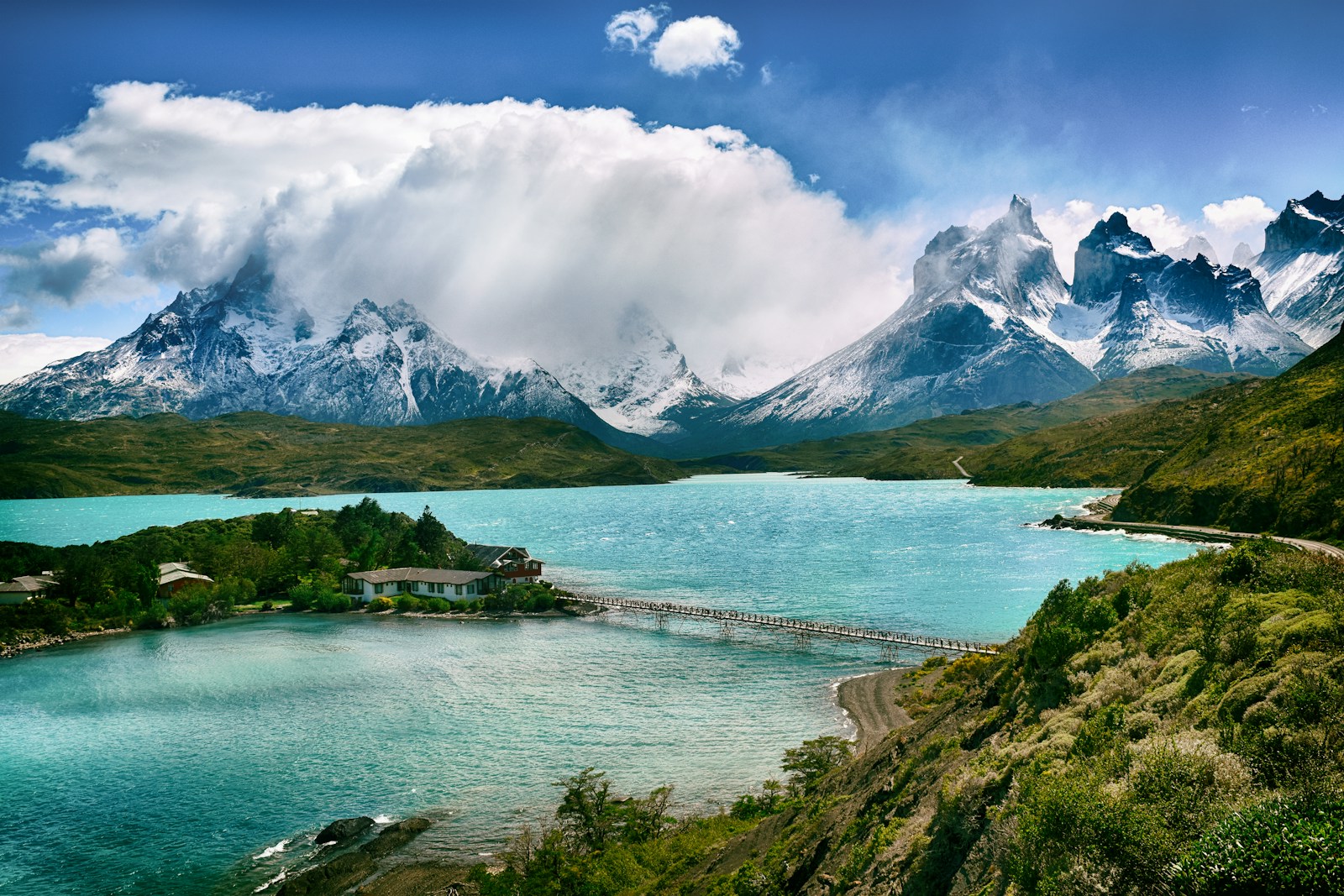
Torres del Paine National Park is the crown jewel of Chilean Patagonia and a UNESCO Biosphere Reserve 15. It’s renowned worldwide for its iconic granite spires (the Torres), the horn-shaped Cuernos del Paine, and the vast Grey Glacier. This is where hikers’ dreams come true.
- The W Trek: The most famous multi-day hike, typically taking 4-5 days. It covers the park’s major highlights: the Base of the Towers, French Valley, and Grey Glacier.
- The O Circuit: A more challenging, full circuit around the entire Paine Massif, usually taking 7-10 days. It includes the W Trek sections plus the quieter backside of the park.
- Day Hikes & Excursions: For those with less time or who prefer not to trek for days, numerous day hikes (e.g., to Mirador Cuernos, Salto Grande) and scenic excursions (boat trips to Grey Glacier, horseback riding) are available.
Accommodation in Torres del Paine:
- Luxury Lodges: Similar to Atacama, Patagonia boasts incredible luxury lodges like Tierra Patagonia Lodge (a Knowmad favorite 16) and Explora Patagonia, offering all-inclusive packages with guided excursions.
- Refugios (Mountain Huts): Basic dormitory-style accommodation along the W and O treks, often including meals. Book these months in advance!
- Camping: Designated campsites are available, requiring reservations.
- Hotels in Puerto Natales: Many travelers stay in Puerto Natales, the gateway town to the park, and take daily buses or tours into Torres del Paine.
👉 Shop Torres del Paine Accommodation on:
- Tierra Patagonia Lodge: Booking.com | Expedia | Tierra Hotels Official Website
- Explora Patagonia: Booking.com | Expedia | Explora Official Website
- Refugios (Fantastico Sur & Vertice Patagonia): Fantastico Sur Official Website | Vertice Patagonia Official Website
- General Puerto Natales Hotels/Hostels: Booking.com | Tripadvisor
Other Patagonian Gems: Marble Caves & Tierra del Fuego
While Torres del Paine often steals the show, Chilean Patagonia offers other incredible Destinations worth exploring if you have the time:
- Marble Caves (Capillas de Mármol): Located on General Carrera Lake, these stunning geological formations are accessible by boat. The swirling patterns of blue and grey marble, carved by water over millennia, are truly mesmerizing.
- Tierra del Fuego: The “Land of Fire” is the southernmost tip of South America, shared with Argentina. It’s a rugged, wild region known for its subpolar forests, peat bogs, and unique wildlife, including king penguins at Parque Pingüino Rey.
- Glacier Expeditions: Beyond Torres del Paine, you can take boat tours to see other glaciers like Balmaceda and Serrano, as highlighted by Insight Vacations 17.
Navigating Patagonian Weather: Expect the Unexpected
Patagonia’s weather is legendary for its unpredictability. Locals often say you can experience all four seasons in a single day – and they’re not exaggerating!
- Wind: The Patagonian wind is a force of nature. It can be incredibly strong, making hiking challenging and chilling you to the bone even on a sunny day.
- Rain & Sun: Don’t be surprised if a clear blue sky suddenly gives way to a torrential downpour, only to clear up again an hour later.
- Temperatures: Even in summer, temperatures can drop quickly, especially at higher elevations or when the sun disappears.
Our Personal Story: We were once hiking in Torres del Paine in January (peak summer!), and the sun was blazing. We stopped for lunch, and within 15 minutes, a thick fog rolled in, the temperature dropped by 10 degrees, and a horizontal rain started. We quickly donned all our layers and waterproofs! It taught us to always be prepared, no matter how good the forecast looks. ✅ Always carry your waterproofs and warm layers, even if the morning seems perfect. ❌ Never trust a Patagonian forecast implicitly!
🗓️ Crafting Your Epic Chilean Adventure: Sample Itineraries
Alright, you’re convinced! Atacama and Patagonia in one trip is a go. Now, how do you actually stitch these incredible regions together into a coherent, unforgettable journey? The answer depends heavily on your available time, budget, and desired pace. We’ve crafted a few sample itineraries, ranging from a whirlwind tour to a grand Chilean odyssey, to help you visualize the possibilities.
Key Considerations for Itinerary Planning:
- Travel Days: Remember to factor in full travel days between regions (Santiago to Calama, Santiago to Punta Arenas/Puerto Natales). These are often not full sightseeing days.
- Acclimatization: Allow at least one easy day in San Pedro de Atacama for altitude acclimatization.
- Flexibility: While planning is crucial, be prepared for minor delays (e.g., weather-related flight changes in Patagonia).
- Pace: Do you want to see as much as possible, or truly immerse yourself in each region?
Here’s a comparison table of our recommended itineraries:
| Itinerary Name | Duration | Focus | Pace | Key Highlights
🔚 Conclusion: Is the Atacama & Patagonia Combo Right for You?

After our deep dive into the logistics, timing, packing, and must-see highlights of both the Atacama Desert and Patagonia, the answer to the burning question is crystal clear: Yes, you can—and should—visit both in one trip to Chile! This journey is a spectacular showcase of Chile’s geographic extremes, offering a mind-blowing contrast between Mars-like deserts and icy mountain wilderness.
What makes this combo truly magical? The diversity. One moment you’re marveling at geysers and salt flats under some of the clearest skies on Earth, and the next, you’re trekking among towering granite spires and massive glaciers, surrounded by wildlife unique to the southernmost reaches of the Americas. It’s a sensory rollercoaster that few countries can match.
But—and this is a big but—it’s not a trip to be taken lightly. You’ll need:
- At least 10-14 days to do justice to both regions without feeling rushed.
- Smart planning around flights and accommodations, especially during peak seasons.
- A flexible, layered wardrobe to handle everything from desert heat to Patagonian chill.
- Altitude awareness and physical preparedness for high elevations and rugged terrain.
If you’re an adventurous traveler with a thirst for epic landscapes and a willingness to embrace contrasts, this combo trip is a perfect fit. For those who prefer a slower pace or have limited time, focusing on one region might be more enjoyable. But for the intrepid, the Atacama-Patagonia duo is a once-in-a-lifetime experience that will leave you breathless—in every sense.
Ready to start planning? Scroll down for our curated shopping links, FAQs, and trusted references to help you craft your perfect Chilean adventure.
🔗 Recommended Links: Plan Your Next Step
Ready to gear up for your Chilean adventure? Here are some top picks for accommodations, flights, and gear mentioned throughout our guide, plus must-read books to inspire your journey.
Accommodation & Tours
-
Tierra Atacama Lodge:
Booking.com | Expedia | Tierra Hotels Official Website -
Explora Atacama:
Booking.com | Expedia | Explora Official Website -
Tierra Patagonia Lodge:
Booking.com | Expedia | Tierra Hotels Official Website -
Explora Patagonia:
Booking.com | Expedia | Explora Official Website
Flights & Transportation
- LATAM Airlines: LATAM Official Website
- Sky Airline: Sky Airline Official Website
- JetSMART: JetSMART Official Website
- RentalCars.com (Calama): RentalCars.com Calama
Gear & Packing Essentials
- Merino Wool Base Layers: Search “Merino wool base layer” on Amazon
- Waterproof Shell Jackets: Search “waterproof hiking jacket” on Amazon
- Travel Backpacks & Daypacks: Search “travel backpack” on Amazon
Inspiring Reads
-
Lonely Planet Chile & Easter Island – The ultimate travel guide to Chile’s diverse regions.
Amazon Link -
Wild Patagonia: A Guide to the Region’s National Parks and Nature Reserves by John Smith – A detailed guide for Patagonia lovers.
Amazon Link -
Atacama Desert: A Photographic Journey by Maria Gonzalez – Stunning visuals and insights into the desert’s wonders.
Amazon Link
❓ FAQ: Your Burning Questions Answered

How many days do I need to explore both the Atacama Desert and Patagonia in Chile?
To truly appreciate both regions without feeling rushed, plan for at least 10 to 14 days, ideally 2 weeks or more. This allows for travel days, acclimatization in Atacama, and enough time to explore key highlights in Patagonia, like Torres del Paine. Shorter trips are possible but will require a very tight schedule and may limit your experience.
What is the best time of year to visit the Atacama Desert and Patagonia together?
The best compromise is during shoulder seasons: late October to November or March to early April. During these months, Patagonia offers pleasant weather and stunning landscapes (spring blooms or autumn colors), while Atacama enjoys mild temperatures and excellent stargazing conditions. Peak summer in Patagonia (December-February) is ideal for hiking but coincides with the hotter, sometimes rainy season in Atacama.
Are there direct flights between the Atacama Desert and Patagonia regions in Chile?
No, there are no direct flights connecting Calama (Atacama) and Punta Arenas or Puerto Natales (Patagonia). Travelers typically connect via Santiago (SCL) for both legs. This means your itinerary will include at least two domestic flights: Santiago to Calama and Santiago to Punta Arenas/Puerto Natales.
How long are these flights?
- Santiago to Calama: ~2 hours
- Santiago to Punta Arenas: ~3.5-4 hours
What are the must-see attractions when combining Atacama Desert and Patagonia in one trip?
In Atacama:
- El Tatio Geysers at sunrise
- Valle de la Luna and Valle de la Muerte
- Salar de Atacama and flamingo spotting
- Altiplanic lagoons like Miscanti and Miñiques
- Stargazing tours under some of the clearest skies on Earth
In Patagonia:
- Torres del Paine National Park (W Trek or day hikes)
- Grey Glacier boat tours
- Marble Caves on General Carrera Lake
- Wildlife spotting: guanacos, condors, pumas (if lucky!)
- Exploring Puerto Natales and Punta Arenas for cultural immersion
How should I prepare for altitude sickness in Atacama?
Altitude sickness can affect anyone, especially at sites like El Tatio (4,300m). To prepare:
- Spend your first day in San Pedro (2,400m) taking it easy
- Stay hydrated and avoid alcohol initially
- Consider coca tea or leaves, a traditional remedy
- Listen to your body and descend if symptoms worsen
Is it better to rent a car or join tours in Atacama?
Both options have pros and cons:
- Renting a car: Offers flexibility to explore at your own pace and visit less crowded spots. Requires confidence driving on gravel roads and handling altitude.
- Joining tours: Convenient and informative, with local guides sharing insights. Can be pricier and less flexible.
Many travelers combine both: rent a car for some days and join guided tours for specialized excursions like stargazing or volcano hikes.
What kind of clothing should I pack for this trip?
Pack layers! Include moisture-wicking base layers, insulating mid-layers (fleece or down), and waterproof/windproof outer shells. Don’t forget sun protection for Atacama’s intense UV rays and warm gloves and hats for Patagonia’s cold winds.
📚 Reference Links: Our Sources & Further Reading
- Britannica: Chile Geography
- NASA: Mars Rover Testing in Atacama
- Knowmad Adventures: Patagonia & Atacama Desert Trip
- Insight Vacations: Best of Chile from Atacama to Patagonia
- Knowmad Adventures Blog: Two Weeks in Chile: Atacama, Patagonia + Central Chile
- International Dark Sky Association: Atacama Dark Sky Sanctuary
- Torres del Paine UNESCO Biosphere Reserve: UNESCO World Heritage
For more expert insights and travel inspiration, explore our categories on Destinations, Adventure Travel, and Cultural Experiences.
Ready to embark on your Chilean adventure? The desert and the ice await! 🌵❄️