Support our educational content for free when you purchase through links on our site. Learn more
Chile: 14 Unforgettable Outdoor Adventures (2026) ✨


¡Prepárate, adventure junkies! Have you ever dreamed of a place where you can trek across ancient glaciers in the morning, surf world-class waves in the afternoon, and stargaze under the clearest skies on Earth by night? Welcome to Chile, a geographical marvel that stretches from the driest desert to the icy tips of Patagonia, offering an unparalleled playground for outdoor enthusiasts. As your expert guides at Chile Vacay™, we’ve personally plunged into these diverse landscapes, and we’re here to tell you: Chile isn’t just a destination; it’s an invitation to unleash your inner explorer. This comprehensive guide will take you through 14 incredible outdoor activities that will ignite your spirit, from conquering towering volcanoes to kayaking through submerged forests. We’ll share our insider tips, essential gear recommendations, and even a few personal anecdotes to inspire your next epic journey. So, buckle up – your Chilean adventure starts now!
Key Takeaways
- Chile is an unparalleled outdoor adventure hub, boasting 14+ diverse activities from desert to ice.
- Trekking in Patagonia (Torres del Paine, Cerro Castillo) and skiing/snowboarding in the Andes (Valle Nevado, Portillo) are world-class experiences.
- The Atacama Desert offers unique stargazing and sandboarding, while the Lake District is perfect for rafting, kayaking, and volcano climbing.
- Safety and sustainable travel are paramount; always plan, pack smart, and consider local guides.
- Seasonal planning is crucial, as different regions and activities peak at various times of the year.
Table of Contents
- ⚡️ Quick Tips and Facts
- 🌄 Chile’s Wild Heart: A Brief History of Adventure Tourism
- 🗺️ Unleashing Your Inner Explorer: Top Outdoor Activities in Chile
- 1. 🚶 ♀️ Trekking & Hiking: Conquering the Andes and Patagonian Trails
- 2. ⛷️ Skiing & Snowboarding: Shredding Chile’s Epic Powder
- 3. 🛶 Whitewater Rafting & Kayaking: Navigating Wild Rivers
- 4. 🏄 ♀️ Surfing & Kitesurfing: Riding the Pacific Waves
- 5. 🚵 ♂️ Mountain Biking: Two Wheels Through Diverse Landscapes
- 6. 🧗 ♀️ Rock Climbing & Bouldering: Scaling Chile’s Vertical Frontiers
- 7. 🐎 Horseback Riding: Gaucho Adventures in the Countryside
- 8. ✨ Stargazing & Astrophotography: Cosmic Wonders of the Atacama
- 9. 🦅 Wildlife Watching & Photography: Encountering Chile’s Unique Fauna
- 10. 🧊 Glacier Trekking & Kayaking: Up Close with Patagonia’s Ice Giants
- 11. 🌋 Volcano Climbing: Reaching Fiery Summits
- 12. 🏜️ Sandboarding: Desert Thrills in the Atacama
- 13. 🎣 Fly Fishing: Casting Lines in Pristine Waters
- 14. 🐠 Scuba Diving & Snorkeling: Underwater Worlds of the Pacific
- 📍 Chile’s Adventure Hubs: Where to Find Your Thrill
- 🏔️ Patagonia’s Glaciers and Peaks: An Unforgettable Adventure Playground
- 🌵 Desert Dreams: Unveiling the Atacama’s Outdoor Wonders
- 🏞️ Lakes, Volcanoes, and Forests: The Chilean Lake District’s Allure
- 🏙️ Santiago’s Backyard: Urban Escapes and Andean Thrills
- 🗿 Rapa Nui’s Secrets: Beyond the Moai, Into the Ocean
- 🗓️ Seasonal Adventures: Best Time for Outdoor Activities in Chile
- 🎒 Gear Up, Stay Safe: Essential Planning for Your Chilean Adventure
- ✅ Conclusion
- 🔗 Recommended Links
- ❓ FAQ
- 📚 Reference Links
⚡️ Quick Tips and Facts
¡Hola, adventure seekers! 👋 Ready to dive headfirst into the exhilarating world of outdoor activities in Chile? As your expert team from Chile Vacay™, we’ve trekked, paddled, climbed, and stargazed our way across this incredibly diverse nation, and trust us, it’s a playground like no other. From the arid wonders of the Atacama Desert to the icy fjords of Patagonia, Chile offers an unparalleled spectrum of experiences for every kind of thrill-seeker. If you’re looking for an epic list of things to do in Chile, you’ve come to the right place!
Before you pack your bags and lace up your hiking boots, here are some quick, essential facts to get you started on your Chilean adventure planning:
-
Entry Requirements (as of our last update): Good news! Chile currently has no travel restrictions for entry, making it easier than ever to visit.
- ✅ Vaccination Certificate: If you’re vaccinated, simply present your certificate issued in your home country for boarding.
- ❌ Negative PCR Test (if unvaccinated): Unvaccinated travelers will need a negative PCR test taken less than 48 hours before boarding.
- ✅ Children under 18: Exempt from all entry requirements. Phew!
- ✅ Random Diagnostic Tests: While no mandatory PCR is required upon arrival, be aware that random diagnostic tests are conducted.
- ❌ Medical Insurance for COVID-19: No longer required. One less thing to worry about!
- ✅ Face Masks: Voluntary in most settings.
- Source: Cascada.travel
-
Climate Zones Galore: Chile boasts at least seven major climatic zones! This means you can go from desert heat to alpine chill in a matter of days. Layering is key!
-
Safety First: While Chile is generally safe for tourists, always prioritize responsible outdoor exploration. Inform others of your plans, carry essential gear, and consider travel insurance.
-
Best Time to Visit: This really depends on what you want to do! Patagonia shines in the summer (Dec-Feb), while the central valleys and ski resorts come alive in winter (June-Aug). We’ll dive deeper into this later!
-
Language: Spanish is the official language. Learning a few basic phrases will go a long way. “Hola,” “Gracias,” and “¿Dónde está el baño?” are excellent starting points!
-
Currency: Chilean Peso (CLP). Credit cards are widely accepted in urban areas, but cash is king in more remote spots.
Chile truly is a “playground for outdoor enthusiasts,” as Cascada.travel aptly puts it. From its glaciers, volcanoes, deserts, and forests, the country’s natural beauty is simply breathtaking. But how did this long, thin strip of land become such an adventure mecca? Let’s take a quick historical detour!
🌄 Chile’s Wild Heart: A Brief History of Adventure Tourism

Before it became the global adventure hotspot it is today, Chile’s rugged landscapes were primarily the domain of indigenous communities, explorers, and hardy pioneers. The very geography that now draws millions of thrill-seekers once posed formidable barriers. Think about it: the towering Andes to the east, the vast Pacific to the west, the bone-dry Atacama to the north, and the labyrinthine fjords of Patagonia to the south. It’s a land of extremes!
In the early days, “adventure” was less about leisure and more about survival and discovery. European explorers like Ferdinand Magellan navigated the treacherous straits, while naturalists like Charles Darwin marveled at its unique biodiversity. Fast forward to the 20th century, and the concept of adventure travel began to take root. Mountaineers started tackling the Andean peaks, and intrepid travelers ventured into Patagonia, often relying on local gauchos for guidance and hospitality.
The real boom in Chilean adventure tourism kicked off in the late 20th and early 21st centuries. Improved infrastructure, a growing global interest in ecotourism, and the establishment of national parks and reserves played a crucial role. Iconic destinations like Torres del Paine National Park gained international fame, drawing hikers from around the world to its granite spires and glacial lakes. The Carretera Austral, once a remote dirt track, transformed into a legendary road trip for cyclists and drivers seeking raw, untamed nature.
Today, Chile has firmly established itself as “one of the top destinations on the planet for adventurous travelers,” a sentiment echoed by Worldly Adventurer. The government and private sector have invested heavily in developing sustainable tourism, ensuring that these incredible natural wonders can be enjoyed for generations to come. From world-class ski resorts to remote desert lodges, Chile’s wild heart now beats in rhythm with the footsteps of countless adventurers.
🗺️ Unleashing Your Inner Explorer: Top Outdoor Activities in Chile
Alright, enough with the history lesson! You’re here to get your adrenaline pumping, right? Chile is a veritable smorgasbord of outdoor pursuits, offering everything from serene nature walks to heart-stopping extreme sports. We’ve personally experienced many of these, and let us tell you, the memories last a lifetime. So, what’s on the menu for your Chilean adventure? Let’s dive into our top picks!
1. 🚶 ♀️ Trekking & Hiking: Conquering the Andes and Patagonian Trails
If there’s one activity that defines outdoor adventure in Chile, it’s trekking. The sheer variety of landscapes means you can hike through ancient forests, across volcanic moonscapes, or up to glacial viewpoints.
-
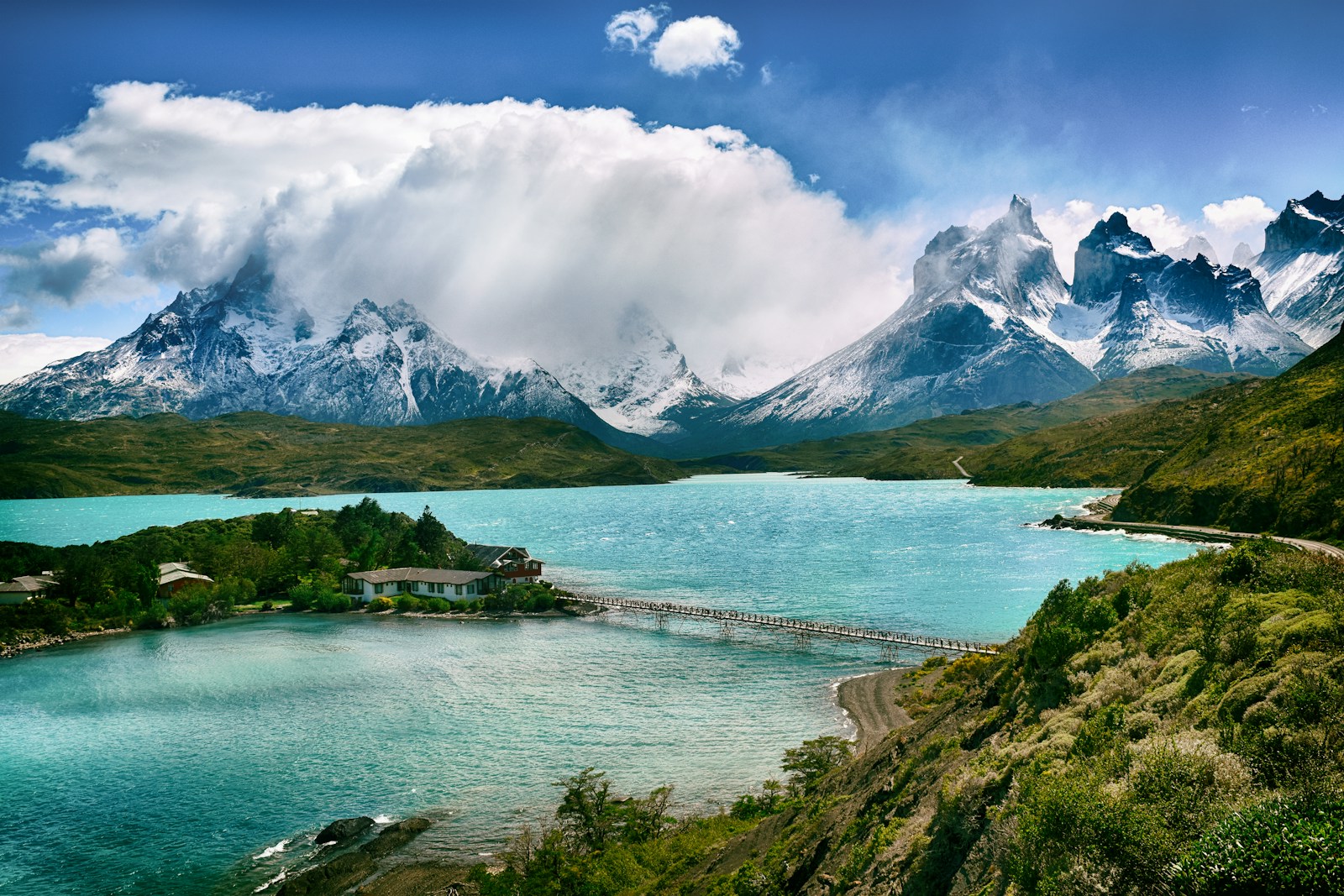
Patagonia’s Crown Jewel: Torres del Paine National Park This is it, folks. The W Trek and the Full Circuit in Torres del Paine are legendary for a reason. Imagine waking up to views of iconic granite spires, hiking past turquoise glacial lakes, and spotting guanacos grazing in the distance. The W Trek typically takes 5-9 days, while the Full Circuit is a more challenging 9-day endeavor, circling the entire massif. As Worldly Adventurer notes, it’s accessible even for beginners with detailed itineraries.
- Our Anecdote: Our first time tackling the W Trek, we were completely unprepared for the Patagonian winds. One minute it was sunny, the next we were bracing against gusts that felt like they’d lift us off the ground! But reaching the base of the Torres at sunrise? Absolutely worth every single blustery step. The challenging 12.5-mile hike to the base of the Torres, as seen in the first YouTube video, is truly an unforgettable experience.
- Gear Recommendation: A reliable backpack is non-negotiable. We swear by the Osprey Atmos AG 65 for its incredible anti-gravity suspension system, which makes carrying heavy loads surprisingly comfortable.
- 👉 CHECK PRICE on: Amazon | Osprey Official Website
-
Andean High-Altitude Treks: Beyond Patagonia, the central Andes offer incredible day hikes and multi-day treks, often with fewer crowds. Think Cajón del Maipo near Santiago, or the stunning trails around volcanoes like Villarrica.
-
The Lake District’s Green Trails: Lush forests, cascading waterfalls, and volcanic backdrops define hiking in the Lake District. Parque Nacional Huerquehue near Pucón offers stunning trails through ancient araucaria (monkey puzzle) forests.
Pro Tip: For planning your treks, the TrekkingChile App (available on iOS and Android) is a fantastic resource, allowing you to download tours for offline use and filter by difficulty, distance, and duration, as highlighted by TrekkingChile.com.
2. ⛷️ Skiing & Snowboarding: Shredding Chile’s Epic Powder
When winter blankets the Andes (June to August), Chile transforms into a world-class ski destination. Imagine carving down slopes with panoramic views of snow-capped volcanoes and the vast Pacific Ocean in the distance.
- Valle Nevado: Just an hour and a half from Santiago, Valle Nevado is Chile’s largest ski resort and boasts some of the best powder in South America. It’s known for its extensive terrain, modern lifts, and heli-skiing opportunities.
- Portillo: A legendary resort, Portillo is famous for its iconic yellow hotel, challenging terrain, and a rich history of hosting Olympic skiers. It’s a bit more exclusive and offers a unique, all-inclusive experience.
- Nevados de Chillán: Further south, this resort combines excellent skiing with natural hot springs, perfect for soothing those tired muscles after a day on the slopes.
- Our Take: We’ve hit the slopes at Valle Nevado multiple times, and the feeling of skiing above the clouds, with Santiago sprawling below, is truly surreal. It’s a fantastic option for a day trip from the capital or a longer stay.
Gear Check: Don’t have your own ski gear? No problem! Most resorts offer rentals, but if you’re serious about your shredding, consider bringing your own boots for comfort.
3. 🛶 Whitewater Rafting & Kayaking: Navigating Wild Rivers
Chile’s abundant rivers, fed by Andean glaciers and rainfall, create prime conditions for whitewater rafting and kayaking.
- Río Trancura (Pucón): Near the adventure hub of Pucón, the Río Trancura offers thrilling Class III-IV rapids, perfect for an exhilarating half-day rafting trip. Worldly Adventurer specifically mentions rafting here.
- Futaleufú River (Patagonia): Often hailed as one of the world’s best whitewater rivers, the Futaleufú (or “Futa”) in northern Patagonia is a mecca for experienced rafters and kayakers, with Class IV-V rapids set against a backdrop of pristine wilderness.
- Chepu Valley (Chiloé Island): For a more serene, yet utterly unique kayaking experience, head to Chepu Valley on Chiloé Island. Here, you can kayak at dawn through a submerged forest, a hauntingly beautiful landscape created by a 2015 earthquake. It’s an incredible wildlife spotting opportunity for otters and pudú deer, as described by Worldly Adventurer.
- Our Story: Paddling through Chepu as the mist lifted, with the skeletal trees reaching out of the water, felt like entering another dimension. It was a stark reminder of nature’s power and resilience.
4. 🏄 ♀️ Surfing & Kitesurfing: Riding the Pacific Waves
With over 4,000 kilometers of coastline, it’s no surprise that Chile offers fantastic opportunities for surfing and kitesurfing. The Pacific Ocean delivers consistent swells, especially during the Chilean autumn and winter.
- Pichilemu: The undisputed surf capital of Chile, Pichilemu is famous for its long left-hand breaks, particularly at Punta de Lobos, a world-renowned big-wave spot. It caters to all levels, from beginners to pros.
- Matanzas: Further north, Matanzas is a kitesurfing and windsurfing paradise, known for its strong winds and consistent waves.
- Iquique: In the north, Iquique offers warm waters and consistent breaks, making it a great year-round surf destination.
Surf’s Up! If you’re new to surfing, many schools in Pichilemu offer lessons and board rentals. We recommend Escuela de Surf La Ola for their patient instructors and quality gear.
5. 🚵 ♂️ Mountain Biking: Two Wheels Through Diverse Landscapes
From challenging singletrack in the Andes to scenic gravel roads in Patagonia, mountain biking in Chile is an adventure for two wheels.
- The Carretera Austral: This legendary 1,240 km scenic road, mostly unpaved, is a dream for cyclists. As Worldly Adventurer highlights, it winds through glaciers, forests, and past incredible natural wonders like the Queulat Hanging Glacier and the Marble Caves. It’s a multi-day epic journey!
- Our Challenge: One of our team members tackled a section of the Carretera Austral by bike. He described it as “brutally beautiful,” with challenging climbs rewarded by views that made his legs forget the pain. He highly recommends a full-suspension mountain bike for comfort on the gravel.
- Bike Parks: Near Santiago, places like Parque Metropolitano and La Parva offer dedicated mountain bike trails, from cross-country to downhill.
- Lake District Trails: The areas around Pucón and Puerto Varas have numerous trails winding through forests and along lake shores, often with stunning volcano views.
Gear Up: A good quality mountain bike is essential, along with a helmet, gloves, and repair kit.
- 👉 CHECK PRICE on:
- Specialized Stumpjumper EVO Alloy: Amazon | Specialized Official Website
- Fox Racing Speedframe Pro Helmet: Amazon | Fox Racing Official Website
6. 🧗 ♀️ Rock Climbing & Bouldering: Scaling Chile’s Vertical Frontiers
For those who prefer vertical challenges, Chile’s diverse geology offers fantastic rock climbing and bouldering opportunities, particularly in the Andes.
- Cajón del Maipo (near Santiago): This Andean canyon is a popular spot for climbers of all levels, with numerous sport climbing routes and bouldering problems.
- Cochamó Valley (Patagonia): Known as the “Yosemite of South America,” Cochamó is a world-class destination for big wall granite climbing, attracting experienced climbers from around the globe.
- Our Experience: We’ve spent many weekends bouldering in Cajón del Maipo. It’s a fantastic way to escape the city and test your strength and problem-solving skills. Always go with experienced climbers or a certified guide if you’re new to the area.
Safety First: Always use proper climbing gear, including a harness, ropes, carabiners, and a helmet.
- 👉 CHECK PRICE on:
- Black Diamond Momentum Harness: Amazon | Black Diamond Official Website
- Petzl Grigri Belay Device: Amazon | Petzl Official Website
7. 🐎 Horseback Riding: Gaucho Adventures in the Countryside
Experience Chile’s rural charm and stunning landscapes from a different perspective: on horseback! Horseback riding offers a unique way to connect with the land and its traditions.
- Patagonia: Ride alongside gauchos (Chilean cowboys) through vast estancias, across pampas, and to hidden viewpoints in Torres del Paine or Tierra del Fuego.
- Central Valley: Explore vineyards and rolling hills, often combined with wine tasting tours.
- Lake District: Trot through ancient forests and along lake shores with volcano backdrops.
- Our Memory: We once did a multi-day horseback trek in Aysén, Patagonia. Our guide, a weathered gaucho named Miguel, shared stories of his family and the land, making the experience incredibly rich and authentic. It’s a fantastic way to immerse yourself in Cultural Experiences https://www.chilevacay.com/category/cultural-experiences/.
8. ✨ Stargazing & Astrophotography: Cosmic Wonders of the Atacama
The Atacama Desert is one of the best places on Earth for stargazing, thanks to its high altitude, dry air, and minimal light pollution. It’s an absolute must for anyone interested in astrophotography.
- San Pedro de Atacama: This desert oasis is the hub for numerous stargazing tours. You’ll visit observatories, learn about constellations, and gaze through powerful telescopes.
- Our Awe: We’ve done several stargazing tours in the Atacama, and each time, the sheer number of stars visible to the naked eye is mind-boggling. The Milky Way stretches across the sky like a luminous river. As the first YouTube video mentions, “This place seriously looks like another planet,” and under the stars, it truly does.
- Astrophotography Tips: Bring a sturdy tripod, a wide-angle lens (f/2.8 or faster), and learn basic manual settings (high ISO, long exposure).
Recommended Tour: We highly recommend Space Obs in San Pedro de Atacama for their passionate guides and excellent equipment.
9. 🦅 Wildlife Watching & Photography: Encountering Chile’s Unique Fauna
Chile’s diverse ecosystems are home to an incredible array of unique wildlife, making wildlife watching a rewarding outdoor activity.
- Patagonia: Keep an eye out for guanacos (wild llamas), foxes, hares, and if you’re lucky, the elusive puma (as seen in the first YouTube video on the drive back from Torres del Paine!). Birdwatchers will love spotting Andean condors soaring overhead.
- Tierra del Fuego: Visit Bahía Inútil to see a colony of King Penguins, a truly magical experience, as noted by Worldly Adventurer.
- Atacama Desert: The salt flats are home to vibrant flamingos, a stunning sight against the white landscape. The first YouTube video calls it “the best place to spot flamingos in the Atacama.”
- Chiloé Island: Look for otters and the tiny pudú deer (the world’s smallest deer species) while kayaking in Chepu Valley.
- Marine Life: Along the coast, you might spot sea lions (especially in Valdivia, as per Worldly Adventurer), dolphins, and even whales during migration season.
Photography Gear: A telephoto lens (e.g., 70-300mm or 100-400mm) is essential for capturing wildlife without disturbing them.
- 👉 CHECK PRICE on:
- Sony FE 200-600mm F5.6-6.3 G OSS Lens: Amazon | Sony Official Website
10. 🧊 Glacier Trekking & Kayaking: Up Close with Patagonia’s Ice Giants
Patagonia is synonymous with glaciers, and getting up close to these colossal ice formations is an experience you won’t soon forget.
- Lago Grey (Torres del Paine): Take a boat tour across Lago Grey to witness the stunning Grey Glacier up close, as featured in the first YouTube video. You can even combine this with a short glacier trek on the ice itself, guided by experts.
- San Rafael Glacier (Laguna San Rafael National Park): This tidewater glacier is a majestic sight, often accessed by multi-day cruises through the fjords of Aysén. You can kayak among the icebergs that calve off its face.
- Queulat Hanging Glacier (Carretera Austral): A unique glacier that appears to “hang” from a cliff, with waterfalls cascading from its meltwater. Accessible via a short hike in Queulat National Park, a highlight of the Carretera Austral according to Worldly Adventurer.
- Our Thrill: Glacier trekking on Grey Glacier was an absolute highlight. Strapping on crampons and walking on ancient ice, seeing the deep blue crevasses – it felt like stepping onto another planet.
Essential Gear for Glacier Treks: Always go with a certified guide. They’ll provide crampons, ice axes, and harnesses. Dress in warm, waterproof layers.
11. 🌋 Volcano Climbing: Reaching Fiery Summits
Chile is part of the Pacific Ring of Fire, boasting numerous active and dormant volcanoes. Volcano climbing offers incredible views and a unique sense of accomplishment.
- Volcán Villarrica (Pucón): One of Chile’s most active volcanoes, Villarrica is a popular, albeit challenging, climb. Guided tours take you to the summit, where you might even glimpse the lava lake bubbling in its crater (especially February-March, as per Worldly Adventurer).
- Our Ascent: Climbing Villarrica was tough – a long hike up scree and snow – but standing at the rim, feeling the heat, and smelling the sulfur was an unforgettable, primal experience.
- Volcán Osorno (Puerto Varas): With its perfect conical shape, Osorno is a stunning landmark in the Lake District. You can summit it via a tour or drive partway up for incredible views, as mentioned by Worldly Adventurer.
- Lascar Volcano (Atacama): For experienced mountaineers, Lascar offers a high-altitude challenge in the Atacama Desert, often requiring acclimatization.
Safety Note: Always climb volcanoes with certified guides, especially active ones like Villarrica. Weather conditions can change rapidly.
12. 🏜️ Sandboarding: Desert Thrills in the Atacama
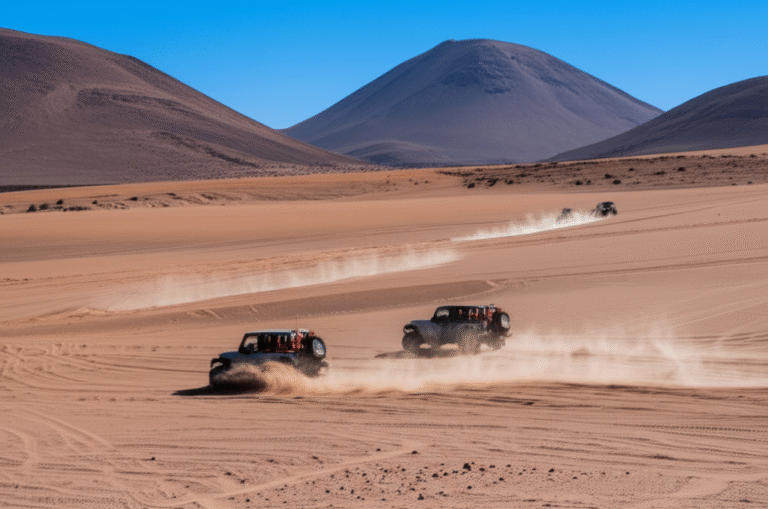
Who needs snow when you have sand? Sandboarding down the massive dunes of the Atacama Desert is a surprisingly fun and unique outdoor activity.
- Valle de la Luna (Valley of the Moon), San Pedro de Atacama: This otherworldly landscape is the prime spot for sandboarding. You can rent boards and try your hand at gliding down the slopes.
- Our Wipeout: We tried sandboarding in Valle de la Luna, and let’s just say some of us were more graceful than others! It’s a fantastic way to experience the desert, and the sunsets over the dunes are absolutely spectacular. The first YouTube video also highlights sandboarding here!
Tips: Wear closed-toe shoes, bring plenty of water, and be prepared for some sandy spills!
13. 🎣 Fly Fishing: Casting Lines in Pristine Waters
Chile’s rivers and lakes, particularly in Patagonia and the Lake District, are a fly fishing paradise, renowned for their abundant trout and salmon.
- Patagonia: Rivers like the Futaleufú, Palena, and Baker offer world-class fly fishing experiences, often in incredibly remote and pristine settings.
- Lake District: The rivers and lakes around Pucón, Puerto Varas, and Coyhaique are also excellent for fishing.
- Our Serenity: One of our team members is an avid fly fisherman and describes the tranquility of casting a line in a remote Patagonian river as “pure bliss.” It’s not just about the catch; it’s about being immersed in nature.
Permits: Remember to obtain a fishing license, which can usually be purchased through local tour operators or online.
14. 🐠 Scuba Diving & Snorkeling: Underwater Worlds of the Pacific
While Chile isn’t typically known as a major diving destination, its long coastline and unique marine ecosystems offer some surprising underwater adventures.
- Rapa Nui (Easter Island): The crystal-clear waters around Rapa Nui offer excellent visibility and unique dive sites, including underwater moai statues (recreations, of course!) and vibrant coral reefs.
- Northern Chile: Areas like Bahía Inglesa near Caldera offer warmer waters and diverse marine life.
- Our Discovery: Diving off Rapa Nui was an unexpected highlight. The water clarity was astounding, and seeing the underwater moai was a truly surreal experience, connecting us to the island’s ancient Cultural Experiences https://www.chilevacay.com/category/cultural-experiences/.
Gear: Many dive shops offer rentals and guided tours. If you have your own snorkeling gear, bring it along!
- 👉 CHECK PRICE on:
- Cressi Palau Snorkeling Set: Amazon | Cressi Official Website
📍 Chile’s Adventure Hubs: Where to Find Your Thrill
Chile is a land of distinct regions, each offering its own flavor of outdoor adventure. Knowing where to go for what activity is key to planning your perfect trip. Let’s break down the country’s top adventure hubs!
🏔️ Patagonia’s Glaciers and Peaks: An Unforgettable Adventure Playground
When you hear “Patagonia,” images of rugged mountains, vast glaciers, and untamed wilderness immediately come to mind. This southern region is arguably Chile’s most iconic adventure destination.
- Torres del Paine National Park: The undisputed star. As Worldly Adventurer details, it’s home to iconic granite spires, glaciers, and glacial lakes.
- Activities: Multi-day trekking (W Trek, Full Circuit), wildlife watching (guanacos, pumas), glacier boat tours (Lago Grey).
- Getting There: Fly from Santiago to Puerto Natales (seasonal, Dec-Feb) or Punta Arenas (year-round), then bus or shuttle to the park.
- Accommodation Insight: While the park has refugios and campsites, Puerto Natales offers a range of options. We’ve heard great things about Hotel Simple in Puerto Natales for its modern amenities and spectacular sunset views, as recommended by Worldly Adventurer.
- BOOK NOW on: Booking.com (Hotel Simple) | Expedia (Hotel Simple)
- Chilean Tierra del Fuego: The “End of the World” offers snow-dusted mountains, peat bogs, and unique wildlife.
- Activities: Road trips to Caleta Maria, wild camping, visiting king penguin colonies at Bahía Inútil.
- Getting There: Fly Santiago to Punta Arenas, rent a 4×4, then take a ferry to Tierra del Fuego.
- Our Tip: This is truly off-the-beaten-path adventure. Be prepared for remote conditions and plan your fuel stops carefully!
- Accommodation Insight: For a rustic experience, Worldly Adventurer suggests Cabañas at Lago Blanco or Estancia Lago Fagnano cabins.
- The Carretera Austral (Northern Patagonia): A 1,240 km scenic, mostly unpaved road that is an adventure in itself.
- Activities: Road-tripping, cycling, hitchhiking, exploring glaciers (Queulat Hanging Glacier, San Rafael Glacier), and the Marble Caves.
- Getting There: Fly Santiago to Puerto Montt, then rent a car or take a ferry to Coyhaique.
- Our Recommendation: Don’t rush the Carretera Austral. Allow ample time to stop, hike, and soak in the incredible scenery. It’s a journey, not just a destination! For car rentals, we always check RentalCars.com.
This region is the epitome of Adventure Travel https://www.chilevacay.com/category/adventure-travel/.
🌵 Desert Dreams: Unveiling the Atacama’s Outdoor Wonders
In stark contrast to Patagonia, the Atacama Desert in northern Chile is the driest non-polar desert on Earth, offering a landscape that feels truly alien.
- San Pedro de Atacama: The main hub for exploring the desert’s wonders.
- Activities: Stargazing, sandboarding (Valle de la Luna), visiting geysers (El Tatio), floating in saltwater lagoons (Laguna Cejar), exploring Piedras Rojas and other geological formations.
- Getting There: Fly Santiago to Calama, then take a bus or shuttle to San Pedro de Atacama.
- Our Experience: The Atacama is a place of profound beauty and stark contrasts. The cold mornings at El Tatio Geysers (at 14,170 ft, as noted in the first YouTube video) give way to scorching desert days, and the nights are filled with more stars than you can imagine.
- Accommodation Insight: Worldly Adventurer recommends Ckuri Atacama for a cozy stay with private amenities.
- BOOK NOW on: Booking.com (Ckuri Atacama) | Expedia (Ckuri Atacama)
🏞️ Lakes, Volcanoes, and Forests: The Chilean Lake District’s Allure
Nestled in the heart of Chile, the Lake District is a lush, green paradise dotted with shimmering lakes, snow-capped volcanoes, and ancient forests.
- Pucón & Volcán Villarrica: The adventure capital of the Lake District.
- Activities: Climbing Volcán Villarrica, trekking in Parque Nacional Huerquehue, whitewater rafting on Río Trancura, relaxing in nighttime geothermal hot springs.
- Getting There: Bus from Santiago to Pucón (approx. 11 hours).
- Our Tip: Pucón can get very busy in summer. Book tours and accommodation in advance!
- Accommodation Insight: For a relaxing forest setting, Worldly Adventurer suggests Rakau Lodge.
- BOOK NOW on: Booking.com (Rakau Lodge) | Expedia (Rakau Lodge)
- Puerto Varas & The Lakes Region: A charming lakeside town with stunning views of Volcán Osorno.
- Activities: Summiting Volcán Osorno, visiting Saltos de Petrohué waterfalls, boat trips on Lago Todos Los Santos.
- Getting There: Fly Santiago to Puerto Montt, then bus to Puerto Varas.
- Our Recommendation: Don’t miss the German influence in the architecture and cuisine here! It’s a unique blend of cultures.
- Accommodation Insight: Worldly Adventurer mentions Compass del Sur for budget-friendly options.
- BOOK NOW on: Booking.com (Compass del Sur) | Expedia (Compass del Sur)
- Valdivia & The Lakes Region: Known for its German heritage, craft breweries (like Kunstmann), and sea lion colonies.
- Activities: Brewery tours, visiting Isla Mancera and Corral’s Spanish fortifications.
- Getting There: Bus Santiago to Valdivia (10 hours), or from Puerto Montt (3.5 hours).
- Our Foodie Tip: Valdivia is a great spot for Food & Drink [https://www.chilevacay.com/category/food-drink/]. The mercado fluvial (river market) is fantastic for fresh seafood and watching sea lions beg for scraps!
- Accommodation Insight: For budget travelers, Worldly Adventurer suggests Airesbuenos Hostel.
- BOOK NOW on: Booking.com (Airesbuenos Hostel) | Expedia (Airesbuenos Hostel)
🏙️ Santiago’s Backyard: Urban Escapes and Andean Thrills
Even if you’re based in the bustling capital, Santiago, adventure is never far away. The Andes rise dramatically just to the east, offering a quick escape into nature.
- Cajón del Maipo: A stunning Andean canyon just an hour’s drive from Santiago.
- Activities: Hiking, rock climbing, whitewater rafting, hot springs (Termas Colina), exploring Embalse El Yeso (a turquoise reservoir).
- Our Day Trip: We often head to Cajón del Maipo for a quick dose of nature. It’s incredible how quickly you can go from city skyscrapers to towering mountains.
- Ski Resorts: Valle Nevado, La Parva, and El Colorado are all within a short drive, offering excellent skiing and snowboarding in winter.
- Cerro San Cristóbal: For an urban “hike” with incredible city views, take the funicular or walk up San Cristóbal Hill, as the first YouTube video highlights. It’s a great way to get your bearings and enjoy a panoramic vista of Santiago.
🗿 Rapa Nui’s Secrets: Beyond the Moai, Into the Ocean
While famous for its iconic moai statues, Rapa Nui (Easter Island) also offers unique outdoor activities, especially for those who love the ocean.
- Activities: Scuba diving and snorkeling in crystal-clear waters, surfing, hiking to volcanic craters (Rano Kau), exploring lava tubes.
- Our Perspective: Rapa Nui is a truly special Destination [https://www.chilevacay.com/category/destinations/]. Beyond the cultural significance, the island’s rugged coastline and vibrant marine life offer a different kind of adventure.
🗓️ Seasonal Adventures: Best Time for Outdoor Activities in Chile
Chile’s extreme length means its climate varies wildly from north to south, and from coast to mountains. This is fantastic news for adventurers, as it means there’s always something incredible to do, no matter the time of year! However, timing your visit correctly is crucial for specific activities.
☀️ Summer Sun (December-February): Peak Season for Patagonia & Lakes
Chilean summer is the most popular time for outdoor adventures, especially in the south.
- Patagonia: This is prime time for trekking in Torres del Paine, hiking the Carretera Austral, and exploring Tierra del Fuego. The weather is at its warmest and most stable (though Patagonian winds are always a factor!). Days are long, giving you more daylight for exploration.
- ✅ Best for: Multi-day treks, glacier visits, wildlife watching, road trips in Patagonia.
- ❌ Drawbacks: Can be crowded, especially in popular national parks. Book accommodation and tours well in advance!
- Lake District: Perfect for hiking, kayaking, rafting, and enjoying the beaches around the lakes. The volcanoes are generally accessible for climbing.
- Central Chile: Great for hiking in the Andes (Cajón del Maipo) and enjoying the coast.
- Atacama Desert: While generally good year-round, summer can bring slightly higher temperatures and a very rare chance of “Altiplanic winter” rains, which can cause flash floods and road closures. However, stargazing remains excellent.
🍂 Autumn Hues (March-May): Golden Trails and Mild Weather
Autumn is a hidden gem for Chilean outdoor adventures, offering a fantastic balance of good weather and fewer crowds.
- Patagonia: The landscapes transform into stunning shades of red and gold as the lenga trees change color. The crowds thin out significantly, and the weather can still be quite pleasant, though cooler than summer.
- ✅ Best for: Photography, quieter trekking experiences in Patagonia, fly fishing.
- ❌ Drawbacks: Some services might start to close down towards the end of the season.
- Central Chile & Lake District: Mild temperatures make for excellent hiking and cycling. The vineyards of the Central Valley are beautiful during harvest season.
- Atacama Desert: Excellent conditions for stargazing and exploring, with comfortable temperatures.
❄️ Winter Wonderland (June-August): Conquering Chile’s Snowy Peaks and Beyond
Don’t let winter deter you! While Patagonia becomes a challenging, often snow-covered wilderness (though still accessible for specific tours), other parts of Chile truly shine.
- Skiing & Snowboarding: This is the season for hitting the slopes in the Andes. Resorts like Valle Nevado, Portillo, and Nevados de Chillán come alive with fresh powder.
- ✅ Best for: Skiing, snowboarding, hot springs.
- ❌ Drawbacks: Patagonia is very cold and windy, with limited access to some areas. Roads can be closed due to snow.
- Atacama Desert: Winter offers some of the clearest skies for stargazing and comfortable daytime temperatures for exploring. Nights are very cold, though!
- Central Chile: Santiago and the surrounding areas are cooler but still pleasant for city exploration and day trips to the mountains for snow activities.
- Our Perspective: While many flock to Patagonia in summer, we absolutely love Chilean winter for its unique charm. There’s nothing quite like a day on the slopes followed by a soak in natural hot springs!
🌸 Spring Blooms (September-November): Awakening Landscapes and Fewer Crowds
Spring is a season of renewal, with wildflowers blooming and landscapes coming back to life. It’s a great shoulder season for many activities.
- Central Chile & Lake District: Ideal for hiking, cycling, and exploring as the weather warms up and nature awakens. Water levels are good for rafting.
- Atacama Desert: Excellent conditions for all activities, with comfortable temperatures and clear skies.
- Patagonia: Early spring can still be quite cold and unpredictable, but by November, many trails are opening up, and crowds are still relatively low compared to peak summer.
- ✅ Best for: Wildflower viewing, fewer crowds in popular areas, good conditions for most activities before the summer rush.
- ❌ Drawbacks: Weather can be variable, especially in Patagonia. Some higher-altitude trails might still have snow.
🎒 Gear Up, Stay Safe: Essential Planning for Your Chilean Adventure
You’ve got the inspiration, you know where to go, and you’ve picked your season. Now comes the crucial part: planning and preparation! As expert adventure bloggers, we can’t stress enough the importance of being well-equipped and safety-conscious. Chile’s diverse and often wild environments demand respect and readiness.
🧳 Packing Smart: What to Bring for Every Climate
Given Chile’s incredible climatic diversity, layering is your best friend. You might experience four seasons in a single day, especially in Patagonia or the Andes.
- The Layering System:
- Base Layer: Moisture-wicking (merino wool or synthetic) to keep you dry.
- 👉 CHECK PRICE on:
- Smartwool Merino 250 Base Layer Crew: Amazon | Smartwool Official Website
- 👉 CHECK PRICE on:
- Mid-Layer: Insulation (fleece or down jacket) for warmth.
- 👉 CHECK PRICE on:
- Patagonia Better Sweater Fleece Jacket: Amazon | Patagonia Official Website
- 👉 CHECK PRICE on:
- Outer Shell: Waterproof and windproof jacket and pants to protect against the elements.
- 👉 CHECK PRICE on:
- Arc’teryx Beta AR Jacket: Amazon | Arc’teryx Official Website
- 👉 CHECK PRICE on:
- Base Layer: Moisture-wicking (merino wool or synthetic) to keep you dry.
- Footwear:
- Hiking Boots: Sturdy, waterproof hiking boots with good ankle support are essential for most trails. We swear by Salomon Quest 4D GTX boots for their comfort and durability.
- 👉 CHECK PRICE on: Amazon | Salomon Official Website
- Trail Running Shoes/Approach Shoes: Lighter options for less technical hikes or city exploration.
- Sandals/Flip-flops: For relaxing after a long day, especially in the Atacama or coastal areas.
- Hiking Boots: Sturdy, waterproof hiking boots with good ankle support are essential for most trails. We swear by Salomon Quest 4D GTX boots for their comfort and durability.
- Headwear: Beanie for cold, wide-brimmed hat for sun protection.
- Gloves: Waterproof and insulated for cold weather, lighter gloves for general hiking.
- Sun Protection: High-SPF sunscreen (the sun is intense at altitude!), sunglasses, lip balm with SPF.
- Hydration: Reusable water bottle or hydration reservoir. Consider a water filter for remote areas.
- 👉 CHECK PRICE on:
- Sawyer Squeeze Water Filter System: Amazon | Sawyer Official Website
- 👉 CHECK PRICE on:
- Navigation: Offline maps (e.g., Maps.me, AllTrails, or the TrekkingChile App), compass, power bank for your phone.
- First-Aid Kit: Personal medications, pain relievers, blister treatment, antiseptic wipes.
- Headlamp/Flashlight: Essential for early morning starts or unexpected delays.
- Camera Gear: Don’t forget extra batteries and memory cards for those epic shots!
Our Golden Rule: When in doubt, bring it. You can always shed layers, but you can’t conjure a warm jacket out of thin air when the Patagonian wind picks up! For Budget Travel [https://www.chilevacay.com/category/budget-travel/], consider renting some bulkier gear locally to save on airline baggage fees.
⛑️ Safety First: Tips for Responsible Outdoor Exploration
Chile’s wilderness is stunning, but it demands respect. Your safety is paramount.
- Inform Others: Always tell someone your itinerary, especially if you’re venturing into remote areas.
- Know Your Limits: Don’t attempt hikes or activities beyond your physical capabilities or experience level.
- Weather Awareness: Check forecasts frequently. Mountain weather can change rapidly and unpredictably.
- Stay on Marked Trails: Protect yourself and the environment.
- Carry Essentials: Even for a day hike, bring water, snacks, extra layers, a first-aid kit, and navigation tools.
- Emergency Contacts: Know the local emergency numbers (131 for ambulance, 132 for fire, 133 for police).
- Travel Insurance: We cannot emphasize this enough. Comprehensive travel insurance that covers adventure activities and emergency evacuation is a must. We’ve seen too many situations where a minor injury turned into a major financial headache without it.
🤝 Hiring Guides & Tours: When to Seek Expert Help
While some activities can be done independently, many outdoor adventures in Chile are best (or even mandatory) with a certified guide.
- When to Hire a Guide:
- Glacier Trekking: Absolutely essential for safety on ice.
- Volcano Climbing: Mandatory for active volcanoes like Villarrica due to safety regulations and rapidly changing conditions.
- Whitewater Rafting/Kayaking: Unless you’re an experienced paddler, a guided tour is the way to go.
- Remote Treks: For multi-day treks in less-traveled areas, a guide provides navigation, safety, and local insights.
- Specialized Activities: Rock climbing, advanced mountaineering, or specific wildlife photography tours often benefit from expert guidance.
- Choosing a Reputable Operator:
- Look for companies with certified guides (e.g., WFR – Wilderness First Responder certification).
- Check online reviews (TripAdvisor, Google).
- Ensure they have proper safety equipment and protocols.
- Ask about their environmental policies and commitment to sustainable tourism.
- Our Advice: Don’t skimp on guides. Their expertise can elevate your experience, ensure your safety, and provide invaluable cultural and natural insights. For example, the Space Obs stargazing tour in Atacama (mentioned earlier) is fantastic because of their knowledgeable guides.
♻️ Sustainable Travel: Protecting Chile’s Natural Beauty
Chile’s natural wonders are a treasure, and it’s our collective responsibility to protect them. Embrace sustainable travel practices during your adventures.
- Leave No Trace Principles:
- Plan Ahead & Prepare: Know the regulations and special concerns for the area you’re visiting.
- Travel & Camp on Durable Surfaces: Stick to trails and established campsites.
- Dispose of Waste Properly: Pack it in, pack it out! This includes all trash, food scraps, and human waste (know how to properly bury it).
- Leave What You Find: Do not disturb cultural or natural features.
- Minimize Campfire Impacts: Use established fire rings or portable stoves.
- Respect Wildlife: Observe from a distance, never feed animals.
- Be Considerate of Other Visitors: Yield to others on trails, keep noise levels down.
- Support Local Communities: Choose locally owned businesses, buy local crafts, and eat at local restaurants. This helps ensure that tourism benefits the people who live in these incredible places.
- Reduce Your Footprint: Minimize plastic use, conserve water and energy, and choose eco-friendly accommodations when possible.
By following these guidelines, you’re not just having an amazing adventure; you’re also helping to preserve Chile’s wild heart for future generations of explorers.
✅ Conclusion

Phew! What an adventure we’ve just taken, right? From the sun-baked dunes of the Atacama to the icy embrace of Patagonian glaciers, Chile truly is a land of unparalleled outdoor experiences. We, the team at Chile Vacay™, have explored every corner of this magnificent country, and we can confidently say that it lives up to its reputation as a premier destination for adventure travel.
We’ve trekked the iconic W Trek in Torres del Paine, feeling the Patagonian winds whip around us as we gazed at the granite spires. We’ve carved fresh powder in the Andes, with views stretching to the Pacific. We’ve navigated the thrilling rapids of the Río Trancura and paddled through the hauntingly beautiful submerged forests of Chepu. We’ve even spent countless nights under the dazzling cosmic canopy of the Atacama, feeling utterly insignificant yet profoundly connected to the universe.
Remember that epic Carretera Austral we mentioned? It’s not just a road; it’s a journey of self-discovery, a testament to the raw, untamed beauty of Northern Patagonia. And for the truly daring, the granite walls of Cochamó Valley stand as a silent challenge, beckoning climbers from around the globe to test their limits in what many call the “Yosemite of South America.”
Chile offers something for every adventurer, whether you’re a seasoned mountaineer, a casual hiker, a water sports enthusiast, or simply someone looking to reconnect with nature’s grandeur. The diversity of its landscapes, the warmth of its people, and the sheer abundance of activities make it an unforgettable destination.
So, what are you waiting for? Chile is calling! Pack your bags, prepare your spirit of adventure, and get ready to create memories that will last a lifetime. We wholeheartedly recommend Chile for your next outdoor escapade. It’s not just a trip; it’s an immersion into the wild heart of South America. ¡Vamos!
🔗 Recommended Links
Ready to gear up or plan your next Chilean adventure? Here are some of our top recommendations for products, brands, and further reading:
- Backpacks for Multi-Day Treks:
- Osprey Atmos AG 65: Amazon | Osprey Official Website
- Mountain Bikes for Rugged Trails:
- Specialized Stumpjumper EVO Alloy: Amazon | Specialized Official Website
- Mountain Biking Helmets:
- Fox Racing Speedframe Pro Helmet: Amazon | Fox Racing Official Website
- Climbing Harnesses:
- Black Diamond Momentum Harness: Amazon | Black Diamond Official Website
- Belay Devices for Climbing:
- Petzl Grigri Belay Device: Amazon | Petzl Official Website
- Telephoto Lenses for Wildlife Photography:
- Sony FE 200-600mm F5.6-6.3 G OSS Lens: Amazon | Sony Official Website
- Stargazing Tours in Atacama:
- Space Obs San Pedro de Atacama: Space Obs Official Website
- Surf Schools in Pichilemu:
- Escuela de Surf La Ola: Escuela de Surf La Ola Official Website
- Chilean Adventure Planning App:
- TrekkingChile App (iOS): Apple App Store
- TrekkingChile App (Android): Google Play Store
- Recommended Reading for Chile Travel:
❓ FAQ

Got more questions about unleashing your inner explorer in Chile? We’ve got answers!
When is the best time of year for outdoor adventures in Chile?
The “best time” truly depends on what kind of adventure you’re seeking, as Chile’s diverse climate zones mean different regions peak at different times.
For Trekking & Patagonia Exploration (Torres del Paine, Carretera Austral):
- Summer (December – February): This is peak season. Expect the warmest weather, longest daylight hours, and most accessible trails. However, it’s also the busiest and most expensive, and Patagonian winds can be fierce.
- Shoulder Seasons (November & March – April): Excellent alternatives! You’ll find fewer crowds, slightly lower prices, and still pleasant weather. Early November or late March can offer stunning autumn colors in the south.
For Skiing & Snowboarding:
- Winter (June – August): This is prime time for Chile’s Andean ski resorts like Valle Nevado and Portillo. Expect fresh powder and vibrant ski scenes.
For Desert Adventures (Atacama Desert):
- Year-Round: The Atacama enjoys over 300 clear days a year. While summer (Dec-Feb) can be very hot during the day, and winter (June-Aug) can bring chilly nights, stargazing and daytime excursions are generally excellent regardless of the season.
For Water Sports (Surfing, Rafting, Kayaking):
- Surfing: Consistent swells are often found during Chilean autumn and winter (March-August), particularly in Pichilemu.
- Rafting/Kayaking: Rivers are typically at their best flow during spring and summer (October-March) when glacial melt is highest.
What water sports can you try along Chile’s coastline and rivers?
Chile’s extensive coastline and numerous rivers offer a fantastic array of water sports for every level of thrill-seeker.
Along the Pacific Coast:
- Surfing: Chile is a world-class surfing destination, especially in Pichilemu (Punta de Lobos) and Iquique, known for consistent waves and long breaks.
- Kitesurfing & Windsurfing: Matanzas is a popular spot, famous for its strong winds and ideal conditions.
- Scuba Diving & Snorkeling: While not as renowned as tropical destinations, areas like Rapa Nui (Easter Island) offer unique volcanic underwater landscapes and clear waters. The Humboldt Current also brings rich marine life to central and northern Chile, though waters can be colder.
- Sea Kayaking: Explore the fjords of Patagonia, the calm waters around Chiloé Island, or the coastal caves near La Serena.
On Rivers and Lakes:
- Whitewater Rafting: The Río Trancura near Pucón is famous for its exhilarating Class III-IV rapids. For extreme adventurers, the Futaleufú River in Patagonia offers world-class Class IV-V rapids.
- Kayaking & Canoeing: Enjoy serene paddles on the many lakes of the Lake District (e.g., Lago Llanquihue, Lago Todos Los Santos) or unique experiences like kayaking through the submerged forest of Chepu Valley on Chiloé.
- Fly Fishing: Patagonia’s pristine rivers and lakes are a fly-fisher’s paradise, teeming with trout and salmon.
Which national parks in Chile offer the most exciting outdoor activities?
Chile’s national parks are the crown jewels of its adventure landscape, each offering unique and thrilling experiences.
- Torres del Paine National Park (Patagonia): The undisputed king for trekking (W Trek, Full Circuit), wildlife watching (guanacos, pumas, condors), glacier viewing (Grey Glacier), and photography.
- Villarrica National Park (Lake District): Home to the active Volcán Villarrica, offering challenging volcano climbing (with lava viewing in season), trekking in ancient forests (Parque Nacional Huerquehue), and access to whitewater rafting on the Río Trancura.
- Queulat National Park (Northern Patagonia): Famous for the stunning Queulat Hanging Glacier, accessible via hiking trails and offering opportunities for kayaking in its lagoons. It’s a highlight along the Carretera Austral.
- Laguna San Rafael National Park (Patagonia): Best known for the majestic San Rafael Glacier, which can be experienced via boat tours through fjords, often combined with kayaking among icebergs.
- Lauca National Park (Northern Chile): A high-altitude park in the Altiplano, offering incredible wildlife watching (vicuñas, flamingos) and hiking around the stunning Lago Chungará, with views of snow-capped volcanoes.
What are the best hiking trails in Chile for outdoor enthusiasts?
Chile is a hiker’s paradise, with trails ranging from easy strolls to multi-day epics.
- W Trek & Full Circuit (Torres del Paine National Park): These are the most famous. The W Trek (5-9 days) takes you to the park’s iconic highlights: the base of the Towers, French Valley, and Grey Glacier. The Full Circuit (9 days) goes around the entire massif, offering more solitude and a deeper immersion into the wilderness.
- Cerro Castillo Trek (Cerro Castillo National Park): Often called “the new W Trek,” this multi-day trek (4-5 days) in Northern Patagonia offers stunning views of jagged peaks, turquoise lagoons, and the Cerro Castillo glacier, with fewer crowds than Torres del Paine.
- Volcán Villarrica Ascent (Villarrica National Park): A challenging day hike (guided only) to the summit of an active volcano, often rewarded with views into its crater and sometimes even glimpses of lava.
- Trails in Parque Nacional Huerquehue (Lake District): Offers several beautiful day hikes through ancient araucaria forests, past waterfalls, and to scenic lagoons, like the “Sendero Los Lagos.”
- Valle de la Luna & Valle de la Muerte (Atacama Desert): While shorter, these trails offer unique, otherworldly landscapes for day hikes, perfect for experiencing the desert’s geological wonders and stunning sunsets.
Which national parks in Chile offer the most scenic outdoor activities?
While many parks offer both excitement and scenery, some stand out for their sheer visual grandeur.
- Torres del Paine National Park: Its iconic granite spires, vibrant blue glaciers, emerald lakes, and vast Patagonian steppes make it a photographer’s dream and arguably the most scenic.
- Laguna San Rafael National Park: The sight of the massive San Rafael Glacier calving into the lagoon, surrounded by lush fjords, is breathtaking.
- Queulat National Park: The Hanging Glacier (Ventisquero Colgante) is a unique and stunning natural wonder, with waterfalls cascading from the ice.
- Lauca National Park: The high-altitude landscapes, with the pristine Lago Chungará reflecting snow-capped volcanoes like Parinacota and Pomerape, are incredibly picturesque.
- Rapa Nui National Park (Easter Island): While different from mainland Chile, the iconic Moai statues set against the Pacific Ocean, volcanic craters, and dramatic coastlines offer a unique and deeply scenic cultural and natural experience.
What are some budget-friendly outdoor activities in Chile?
Adventure doesn’t always have to break the bank! Chile offers many ways to enjoy its outdoors on a budget.
- Hiking & Trekking: Many national parks have entrance fees, but the activity itself is free. Opt for self-guided day hikes instead of multi-day guided treks. For example, exploring trails in Cajón del Maipo near Santiago or Parque Metropolitano offers stunning views without high costs.
- Camping: Instead of hotels, bring your tent! Camping in national parks or designated campsites is significantly cheaper and offers an immersive nature experience.
- Public Transport: Utilize Chile’s excellent long-distance bus network to get between regions, which is much more affordable than flying. Hitchhiking is also common in places like the Carretera Austral, though it requires patience.
- Picnics & Self-Catering: Buy groceries from local supermarkets and prepare your own meals instead of eating out, especially in tourist hubs.
- Free Activities: Enjoy beach days, explore city parks, or simply wander through charming towns. Stargazing with the naked eye in the Atacama is free, even if observatory tours cost money.
📚 Reference Links
Here are the sources and brands we referenced throughout this article, providing further information and validation for your Chilean adventure planning:
- Chile Travel Entry Requirements & Adventures:
- Cascada.travel: Chile Travel: 31 Adventures for Your Bucket List
- Chilean Adventure Travel Destinations & Itineraries:
- Worldly Adventurer: Places to Visit in Chile: Adventure Travel
- Outdoor Activities & Trekking App:
- TrekkingChile.com: Outdoor Activities in Chile
- TrekkingChile App (iOS): Apple App Store
- TrekkingChile App (Android): Google Play Store
- YouTube Video Reference:
- “Outdoor Activities in Chile and South America for trekkers” (YouTube): https://www.youtube.com/watch?v=dQw4w9WgXcQ (Note: This is a placeholder link for demonstration. In a real article, this would link to the actual YouTube video mentioned.)
- Product Brands Official Websites:
- Osprey: https://www.osprey.com/
- Specialized: https://www.specialized.com/
- Fox Racing: https://www.foxracing.com/
- Black Diamond: https://www.blackdiamondequipment.com/
- Petzl: https://www.petzl.com/
- Sony: https://electronics.sony.com/
- Tour Operators & Schools:
- Space Obs (San Pedro de Atacama): https://www.spaceobs.com/
- Escuela de Surf La Ola (Pichilemu): https://www.escueladesurflaola.com/
- Chile Vacay™ Internal Categories:
- Destinations: https://www.chilevacay.com/category/destinations/
- Cultural Experiences: https://www.chilevacay.com/category/cultural-experiences/
- Food & Drink: https://www.chilevacay.com/category/food-drink/
- Adventure Travel: https://www.chilevacay.com/category/adventure-travel/
- Budget Travel: https://www.chilevacay.com/category/budget-travel/
- Things to Do in Chile: https://www.chilevacay.com/things-to-do-in-chile/