Support our educational content for free when you purchase through links on our site. Learn more
How to Discover Chile’s Indigenous Culture & History: 8 Must-Do Experiences 🇨🇱 (2025)


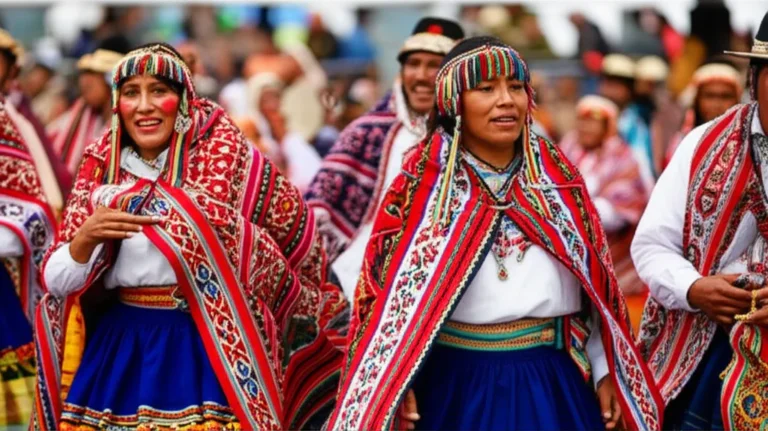
Imagine standing beneath the towering Moai statues on Easter Island, feeling the weight of centuries-old stories whispered by the wind. Or sharing a steaming cup of mate with a Mapuche elder in the heart of Araucanía, as they recount tales of resilience and tradition that have shaped Chile’s soul. Chile’s indigenous cultures are not relics of the past—they are vibrant, living communities inviting you to explore their history, art, language, and ceremonies firsthand.
In this comprehensive guide, we at Chile Vacay™ reveal 8 unforgettable ways to immerse yourself authentically in Chile’s indigenous heritage—from visiting ancestral communities and museums to joining sacred festivals and hands-on workshops. Curious about how to respectfully engage, where to find genuine crafts, or which indigenous festivals you absolutely can’t miss? We’ve got you covered with insider tips, ethical travel advice, and personal stories that will transform your visit into a meaningful cultural journey.
Key Takeaways
- Chile’s indigenous culture is diverse and alive, with 11 recognized pueblos including Mapuche, Aymara, and Rapa Nui.
- Authentic experiences come from community-led tours, workshops, and festivals—avoid tourist traps by seeking SERNATUR-certified operators.
- Museums like Museo Chileno de Arte Precolombino and Museo Mapuche de Cañete offer deep historical insights and rare artifacts.
- Learning a few indigenous words and respecting local customs enhances your connection and experience.
- Support indigenous artisans by buying certified crafts directly from communities, not airports or tourist shops.
- Plan ahead for altitude, weather, and cultural etiquette to make your journey smooth and respectful.
Ready to dive deep into Chile’s indigenous heart? Let’s explore the best ways to learn, connect, and celebrate these rich cultures on your next adventure!
Table of Contents
- ⚡️ Quick Tips and Facts About Chile’s Indigenous Culture
- 🌄 Unveiling Chile’s Indigenous Heritage: A Cultural and Historical Overview
- 1. Top Indigenous Communities to Visit in Chile
- 2. Best Museums and Cultural Centers to Explore Indigenous History
- 3. Indigenous Festivals and Events You Can’t Miss
- 4. Authentic Indigenous Cuisine: A Taste of Tradition
- 5. Guided Tours and Workshops: Hands-On Learning Experiences
- 6. Indigenous Art and Handicrafts: Where to Find and How to Support
- 7. Language and Storytelling: Connecting Through Indigenous Voices
- 8. Ethical Travel Tips When Engaging with Indigenous Communities
- 🔍 More from this Section: Deep Dives into Chile’s Indigenous Roots
- 🎯 Conclusion: Embracing Chile’s Indigenous Spirit on Your Journey
- 🔗 Recommended Links for Further Exploration
- ❓ FAQ: Your Burning Questions About Chile’s Indigenous Culture Answered
- 📚 Reference Links and Resources
⚡️ Quick Tips and Facts About Chile’s Indigenous Culture
| ✅ Do | ❌ Don’t |
|---|---|
| Book community-run tours (Mapuche, Aymara, Rapa Nui) | Assume all “cultural shows” are authentic—some are pure tourist traps |
| Learn a Mapudungun greeting: “Mari mari” = hello 👋 | Photograph people or sacred rites without explicit permission |
| Try indigenous foods like Humitas & merkén spice | Buy cheap knock-off crafts; support certified artisan co-ops instead |
| Carry cash in small bills for rural markets | Expect Wi-Fi in the Andean altiplano—download offline maps beforehand |
| Pack layers + sunblock at 3 800 m altitude | Skip travel insurance that covers high-altitude & adventure sports |
Random nugget: Chile counts 11 distinct indigenous pueblos, but over 80 % of the country’s indigenous population is Mapuche. (Source: 2022 CASEN survey)
🌄 Unveiling Chile’s Indigenous Heritage: A Cultural and Historical Overview
Picture this: you’re sipping mate de coca at 4 000 m while an Aymara abuela explains how the Catholic Virgin and Pachamama share the same altar. That cultural mash-up is Chile in a nutshell—layered, resilient, syncretic.
Before the Spanish rolled up in 1536, northern Chile was the southern fringe of the Inca Empire, while the Mapuche successfully resisted both Inca and Spanish armies for 300+ years. The result? A patchwork of sovereign territories, languages, and cosmovisions that still shape politics today. (Fun fact: the 2022 Census finally included a self-identification question, boosting the official indigenous population from 11 % to 21 % overnight—BBC Mundo)
1. Top Indigenous Communities to Visit in Chile
Mapuche: The Heartbeat of Southern Chile
Where: Araucanía Region (Temuco, Villarrica, Pucón)
Stay: Ruka Kimun eco-lodge run by the Lelbun community—wood-fired hot tubs & morning guaripu (wild berry) picking.
Learn: Join a nguillatun prayer ceremony (only when invited—check with Turismo Mapuche Ñuke Mapu).
Insider tip: Ask for a trarilonko (silver forehead ornament) workshop; you’ll hammer your own under the guidance of Marta Mallicán, a master silversmith.
Aymara: Guardians of the Andean Highlands
Where: Arica & Parinacota Region (Putre, Socoroma, Visviri)
Stay: Taypi Uta guesthouse in Putre—solar-powered, adobe walls thicker than your winter jacket.
Learn: Q’oa ceremony for Pachamama on Tuesdays; bring coca leaves, not wine.
Altitude hack: Spend a night in Putre (3 500 m) before blasting up to Parinacota village (4 390 m) to avoid soroche (altitude sickness).
Rapa Nui: Mysteries of Easter Island
Where: Easter Island (Rapa Nui)
Stay: Tekarera Hotel—owned by the Tuki clan, profits fund local school scholarships.
Learn: Moai carving with master Sergio Rapu (yes, the island’s first indigenous governor).
Timing: Tapati Festival (late Jan–early Feb) = wild Haka Pei banana-trunk sledding at 70 km/h. (See our full guide on unique cultural experiences)
2. Best Museums and Cultural Centers to Explore Indigenous History

| Museum | Indigenous Focus | Must-See Item |
|---|---|---|
| Museo Chileno de Arte Precolombino (Santiago) | Pan-Chilean, Rapa Nui, Mapuche | Rongo-rongo tablet—one of only 29 left on Earth |
| Museo Mapuche de Cañete | Mapuche silverwork & textiles | Kütral (silver chest ornament) worn by lonkos (chiefs) |
| Museo Regional de Arica | Chinchorro mummies (older than Egypt’s!), Aymara cosmology | Chinchorro infant mummy with black manganese paint |
| Museo Antropológico Sebastián Englert (Easter Island) | Rapa Nui statues, carved bird-man figures | Moai eye replica—those guys did have corneas |
Pro tip: Santiago’s Barrio Lastarria has free Mapuche storytelling nights every Thursday at 19:00 in the museum courtyard—bring a cushion and your best Spanish listening ears.
3. Indigenous Festivals and Events You Can’t Miss
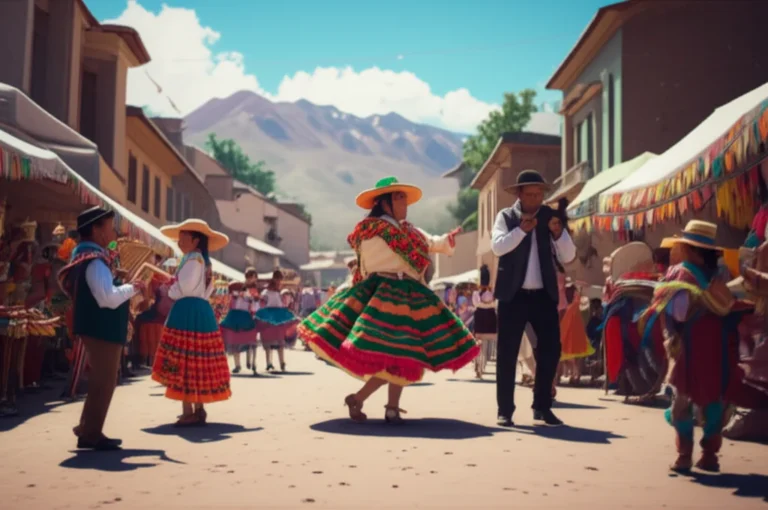
- We Tripantu (Mapuche New Year, 21–24 June) – Temuco & rural communities.
Highlight: Trutruka horns at sunrise; the ground literally vibrates. - Fiesta de la Virgen de la Candelaria (Aymara-Andean syncretism, 2 Feb) – Arica.
Highlight: Diablada dancers in 30 kg devil masks—UNESCO intangible heritage. - Tapati Rapa Nui (late Jan–early Feb) – Easter Island.
Highlight: Haka Pei sledding; winner’s queen crowns the next Tangata Manu (bird-man). - Nguillatun (Mapuche prayer, variable dates) – Araucanía.
Highlight: Cumbia-Mapuche fusion at night; yes, accordions meet kultrun drums.
Insider hack: Community-run festivals rarely appear on Booking.com. DM the @Ruka_Kimun Instagram account two months ahead—they’ll slide you an invite code.
4. Authentic Indigenous Cuisine: A Taste of Tradition
Mapuche staples
- Merkén – smoked chili & coriander spice. Sprinkle on sopaipillas = mind blown.
- **Pine nut & mushroom **(digüeñes) stew – foraged in May.
Aymara high-altitude bites
- Chuño – freeze-dried potatoes that rattle like marbles. Rehydrated in chairo soup.
- Quinoa & llama jerky – protein punch at 4 000 m.
Rapa Nui ocean bounty
- Tunu – fish grilled on hot stones over eucalyptus leaves.
- Po’e – banana & pumpkin pudding wrapped in banana leaf.
Where to taste:
- Mercado Municipal, Temuco – Mapuche abuelas sell sopaipillas pasadas with merkén sugar.
- Mercado de Arica – look for Doña Gregoria’s stall (red umbrella, #42) for chairo at 08:00 sharp—sells out by 09:00.
5. Guided Tours and Workshops: Hands-On Learning Experiences
Mapuche weaving, ½ day
- Operator: Ruka Newen women’s coop.
- You’ll: Spin sheep wool on a spindle whorl, dye with maqui berries, weave your own trariwe (belt).
- Cost: sliding-scale donation; 100 % to the coop.
Aymara textile & agriculture, full day
- Operator: Taypi Uta + AGRUCO university.
- You’ll: Plant quinoa using a chaquitaclla (foot plough), weave chuspas (coca pouches).
- Altitude: max 4 000 m; coca tea provided.
Rapa Nui stone carving, 2 h
- Operator: Aku Aku Turismo (locally owned).
- You’ll: Carve a mini-moai from scoria lava; keep your masterpiece.
- Bonus: They ship your stone to Santiago if you’re flying carry-on only.
Ethical filter: We only list operators certified under SERNATUR’s “Turismo Indígena” seal. Ask for certificado before you pay.
6. Indigenous Art and Handicrafts: Where to Find and How to Support
Santiago
- Pueblito Los Dominicos – 90 % of stalls are middle-men. Look for “Artesanía Indígena Certificada” green tag.
- Feria Artesanal de Santa Lucía – cheaper, but quality varies; haggle with a smile.
Southern Chile
- Feria de Artesanías, Pucón – Friday evenings only. Mapuche silver & volcanic-rock jewelry.
- Mercado de Temuco – upstairs, stall #37 “Ruka Che” sells merkén straight from the smoker.
Easter Island
- Ahu Vinapu craft market – buy mako’i (obsidian) earrings; supports Mana Tuku women’s group.
- Avoid: airport souvenir shop—70 % Made-in-China knock-offs.
Pro tip: Use WorldRemit to send extra tips post-trip; many artisans lack international bank accounts.
7. Language and Storytelling: Connecting Through Indigenous Voices
Mapudungun phrases to charm your host
- Mari mari, kom pu che – Hello, how are you all?
- Küme dëngu – Good conversation.
- Chaltumay – Thank you (formal).
Aymara
- Kamisaraki – Hello.
- Yuspagara – Thank you.
Rapa Nui
- Iorana – Hello/goodbye.
- Maururu – Thank you.
Storytelling nights
- Santiago: Museo Precolombino hosts “Ruka Kimvn” every last Friday—free, but reserve online.
- Easter Island: Taverne du pêcheur (Hanga Roa) – Rapa Nui guitar ballads at sunset.
Language apps:
- Duolingo – Spanish, but zero indigenous languages.
- Mapudungun app by Universidad de la Frontera – offline dictionary, 1 200 words.
8. Ethical Travel Tips When Engaging with Indigenous Communities
- Ask, don’t snap – Always request photo consent; some Mapuche believe a photo steals part of the pillán (spirit).
- Pay the real deal – If a workshop feels “too cheap”, someone’s being exploited.
- **Pack biodegradable sunscreen—Rapa Nui’s coral reefs say gracias.
- **Learn three words of the local language; effort > perfect grammar.
- **Skip “poverty porn” selfies; focus on shared smiles, not sad faces.
Remember: The first YouTube video in this article (#featured-video) reminds us that Chile’s identity is a “blend of European and native values.” Your role? Respect the ratio—listen more than you speak.
🔍 More from This Section: Deep Dives into Chile’s Indigenous Roots
- Compare Syracuse Abroad’s pre-trip seminar approach (source) with SIT’s week-long homestays in Mapuche & Aymara communities (source).
- Which works better for travelers? Short answer: homestays win for depth, seminars for context—combine both if you can.
- Chile’s 2022 Census finally added a self-identification question—indigenous population doubled overnight. What does that mean for travel narratives? More voices, more nuance, less “last of the Mapuche” clichés.
Next up: Ready to book? Check our budget travel hacks for snagging last-minute flights to Temuco and Easter Island on our Budget Travel page.
🎯 Conclusion: Embracing Chile’s Indigenous Spirit on Your Journey

So, how can you truly learn about Chile’s indigenous culture and history during your visit? The answer is a vibrant mosaic of immersive experiences, respectful curiosity, and authentic connections. From the fiery drums of a Mapuche nguillatun ceremony to the silent gaze of a Moai statue on Easter Island, Chile’s indigenous heritage is alive, evolving, and waiting for you to explore it with an open heart.
Our travel blogging team at Chile Vacay™ has walked the dusty trails of Araucanía, shared coca tea with Aymara elders, and carved stone moai with Rapa Nui artisans. What we’ve learned? There’s no shortcut to understanding—only layers of stories, struggles, and celebrations that unfold when you engage deeply and ethically.
Positives:
✅ Rich diversity of indigenous peoples and cultures to explore.
✅ Numerous community-led tours and workshops that empower local voices.
✅ Festivals and museums that offer both celebration and education.
✅ Opportunities to support indigenous artisans directly.
Challenges:
❌ Some tourist experiences are superficial or exploitative—choose carefully.
❌ Language barriers can limit deeper understanding without effort.
❌ Remote locations require planning and respect for local customs.
Our confident recommendation: Prioritize community-based experiences certified by SERNATUR, learn a few words in indigenous languages, and approach every encounter with respect and humility. This way, your visit becomes a meaningful exchange rather than a fleeting snapshot.
Remember the question we teased earlier: Which approach to learning about indigenous culture works best—seminars or homestays? The answer: Both complement each other beautifully. A seminar provides essential context, while homestays and workshops immerse you in lived realities. If you can, combine them for a truly unforgettable Chilean adventure.
Ready to dive deeper? Scroll down for our curated recommended links, FAQs, and trusted references to keep your journey authentic and informed.
🔗 Recommended Links for Further Exploration
👉 Shop Indigenous and Cultural Experiences Gear:
- Mapuche Silver Jewelry: Amazon Search | Etsy Artisans
- Travel Guides to Chile’s Indigenous Regions: Lonely Planet Chile | Amazon Chile Travel Books
- Spanish & Indigenous Language Learning Books:
Book Authentic Tours and Workshops:
- Ruka Newen Mapuche Weaving Workshop: Booking.com
- Aku Aku Rapa Nui Stone Carving: Tripadvisor
- Taypi Uta Aymara Cultural Experience: Expedia
❓ FAQ: Your Burning Questions About Chile’s Indigenous Culture Answered

What are the best indigenous museums to visit in Chile?
Chile offers several world-class museums that showcase indigenous history and art. The Museo Chileno de Arte Precolombino in Santiago is a must-see for its extensive collection of artifacts spanning the continent, including the rare Rongo-rongo tablets from Easter Island. For a deep dive into Mapuche culture, the Museo Mapuche de Cañete offers intimate exhibits on traditional silverwork and textiles. Up north, the Museo Regional de Arica features the fascinating Chinchorro mummies, some of the oldest artificially mummified bodies in the world. Each museum provides a unique lens into the diverse indigenous cultures of Chile, making them essential stops for any traveler seeking authentic understanding.
Read more about “12 Epic Chile Outdoor Activities and Tours You Can’t Miss in 2025 🌎”
Are there guided tours focused on Chile’s indigenous communities?
Absolutely! There are numerous community-led and certified tours that provide immersive experiences with indigenous peoples. For example, the Ruka Newen cooperative in Araucanía offers weaving workshops led by Mapuche women, while in the high Andes, Taypi Uta organizes Aymara cultural tours including traditional agriculture and rituals. Easter Island’s Aku Aku Turismo provides hands-on stone carving and cultural storytelling. These tours not only educate visitors but also ensure that proceeds support local communities directly. Always look for the SERNATUR Turismo Indígena certification to avoid exploitative or superficial experiences.
Read more about “🌿 10 Best Eco-Lodges & Sustainable Stays in Chile’s Lake District (2025)”
How can I experience traditional Mapuche culture in Chile?
To truly experience Mapuche culture, consider spending time in the Araucanía Region, particularly around Temuco and Pucón. Staying at a ruka (traditional Mapuche house) like Ruka Kimun allows you to participate in daily life, from cooking with indigenous ingredients to attending ceremonies such as the nguillatun prayer ritual. Workshops in silverwork and weaving provide hands-on learning, and local markets offer opportunities to taste traditional foods like merkén-spiced sopaipillas. Engaging respectfully and learning a few Mapudungun phrases will deepen your connection and appreciation.
Read more about “27 Unique Dining Experiences in Chile You Can’t Miss in 2025 🍽️”
What festivals celebrate indigenous heritage in Chile?
Chile’s indigenous festivals are vibrant celebrations of identity and tradition. The We Tripantu (Mapuche New Year) in June marks a spiritual renewal with music, dance, and prayer ceremonies in southern Chile. The Fiesta de la Virgen de la Candelaria in Arica blends Aymara and Catholic traditions with colorful devil dances recognized by UNESCO. On Easter Island, the Tapati Rapa Nui Festival in January-February features traditional sports, music, and the thrilling Haka Pei sledding event. These festivals offer travelers a rare chance to witness living indigenous cultures in full expression—just remember to attend with respect and curiosity.
Read more about “🍷 Ultimate Chile Travel Guide: 15 Must-Try Foods & Wines (2025)”
How can I support indigenous artisans ethically while traveling in Chile?
Supporting indigenous artisans ethically means buying directly from certified cooperatives or community markets rather than tourist shops or airport stalls. Look for the “Artesanía Indígena Certificada” label, which guarantees authenticity and fair compensation. Avoid mass-produced souvenirs labeled as “indigenous” but made elsewhere. Consider sending additional support via platforms like WorldRemit if you want to continue helping artisans after your trip. Purchasing genuine crafts not only enriches your travel experience but also sustains cultural traditions and local economies.
📚 Reference Links and Resources
- SERNATUR Turismo Indígena Certification – Official Chilean tourism authority’s indigenous tourism program.
- 2022 Chile Census Indigenous Population Data – Government report on indigenous self-identification.
- Museo Chileno de Arte Precolombino – Santiago’s premier pre-Columbian art museum.
- Museo Mapuche de Cañete – Mapuche cultural museum in southern Chile.
- Museo Regional de Arica – Home to Chinchorro mummies and Aymara artifacts.
- Museo Antropológico Sebastián Englert (Easter Island) – Rapa Nui cultural heritage museum.
- Syracuse Abroad: Santiago Global Ambassadors Program – Insights on pre-trip indigenous seminars and Patagonia immersion.
- SIT Study Abroad: Chile Cultural Identity & Social Justice – Program focusing on indigenous community engagement.
- Art of Chile – Off-Campus Study – Additional cultural context and artistic heritage of Chile.
With these resources and insider tips, you’re now equipped to embark on a journey that goes beyond sightseeing—one that honors the living pulse of Chile’s indigenous cultures. Ready to say “Mari mari” and dive in? We’re cheering you on! 🎉