Support our educational content for free when you purchase through links on our site. Learn more
When Is the Best Time to Visit Chile for Outdoor Adventures? 🌄 (2026)

Chile is a land of extremes—from the bone-dry Atacama Desert in the north to the wind-whipped glaciers of Patagonia in the south. But when is the perfect time to lace up your hiking boots, grab your camera, or hit the slopes? Spoiler alert: the answer depends on what kind of adventure you crave! Whether you’re chasing wildflower blooms in the desert, trekking the iconic Torres del Paine, or stargazing under some of the clearest skies on Earth, timing can make or break your experience.
We’ve trekked, kayaked, and explored Chile’s diverse landscapes across all seasons, and we’re here to spill the secrets on when to visit for every outdoor activity imaginable. Curious about the rare “Desierto Florido” bloom? Wondering how to survive Patagonia’s infamous four-seasons-in-one-day weather? Stick around—we’ll reveal insider tips and sample itineraries that will have you planning your ultimate Chilean adventure in no time.
Key Takeaways
- Summer (Dec–Feb) offers the best weather and longest days for hiking, trekking, and wildlife spotting across Chile.
- Spring and autumn are perfect for avoiding crowds and enjoying unique seasonal phenomena like wildflower blooms and fall foliage.
- Winter (June–Aug) is prime time for skiing and snowboarding in the Andes.
- The Atacama Desert’s stargazing is world-class year-round, but March to May brings the clearest skies.
- Patagonia’s unpredictable weather demands layering and flexibility—prepare for all four seasons in a single day!
- For a quieter, more local experience, explore lesser-known regions like Aysén or visit Easter Island during shoulder seasons.
Ready to discover the best months for your dream Chilean outdoor adventure? Let’s dive in!
Table of Contents
- ⚡️ Quick Tips and Facts About Visiting Chile for Outdoor Adventures
- 🌎 Chile’s Climate and Seasons: Understanding When to Visit for Outdoor Fun
- 🌄 1. Best Months for Hiking and Trekking in Chile
- 🏔️ 2. Optimal Time for Patagonia Exploration and Outdoor Activities
- 🏜️ 3. When to Visit the Atacama Desert for Stargazing and Adventure
- 🏞️ 4. Chilean Lake District: Best Seasons for Kayaking, Fishing, and Nature Walks
- ❄️ 5. Winter Sports and Snow Adventures: Skiing and Snowboarding in Chile
- 🦙 Wildlife Watching in Chile: When and Where to Spot Native Species
- 🚗 Getting Around Chile for Outdoor Activities: Best Travel Tips and Routes
- 🏨 Top Outdoor-Friendly Accommodations and Lodges Across Chile
- 🎒 Essential Gear and Packing Tips for Chile’s Outdoor Seasons
- 🌟 Insider Tips: How to Avoid Crowds and Experience Chile’s Outdoors Like a Local
- 🗺️ Planning Your Chile Outdoor Adventure: Sample Itineraries by Season
- ❓ Frequently Asked Questions About Visiting Chile for Outdoor Activities
- 🎯 Conclusion: When Is the Best Time to Visit Chile for Outdoor Enthusiasts?
- 🔗 Recommended Links for Planning Your Chile Outdoor Trip
- 📚 Reference Links and Resources
⚡️ Quick Tips and Facts About Visiting Chile for Outdoor Adventures
Before we dive into the nitty-gritty of the best places to visit in Chile, let’s get your bearings with some fast facts. Chile is a skinny legend—stretching over 2,600 miles—which means the weather in the north is nothing like the weather in the south!
- Peak Season: December to February (Summer). Expect crowds and sunshine. ☀️
- Shoulder Seasons: October-November (Spring) and March-May (Autumn). Our personal favorite for Adventure Travel. ✅
- The “Four Seasons in One Day” Rule: Especially true in Patagonia. Always pack layers! 🧥
- Stargazing Capital: The Atacama Desert offers the clearest skies on Earth. 🌌
- Wildlife Wins: Want to see penguins? Head south between November and March. 🐧
- Ski Season: June to August. The Andes are calling! ⛷️
- Currency: Chilean Peso (CLP). While cards are widely accepted in cities, carry cash for remote trailheads. 💵
| Feature | North (Atacama) | Central (Santiago/Valpo) | South (Lake District/Patagonia) |
|---|---|---|---|
| Best For | Stargazing & Volcanoes | Wine & Culture | Trekking & Glaciers |
| Dry Season | Year-round | Oct – April | Dec – Feb |
| Top Activity | Sandboarding | Cultural Experiences | The “W” Trek |
🌎 Chile’s Climate and Seasons: Understanding When to Visit for Outdoor Fun
Chile isn’t just a country; it’s a climatic rollercoaster. Because it spans so many latitudes, the “best time” is entirely dependent on where you want to plant your hiking boots. We’ve spent years traversing this terrain, and if there’s one thing we’ve learned, it’s that the Destinations here don’t follow a single rulebook.
As noted in the featured video, Chile is a “treasure of South America” because of this diversity. In the Northern Atacama, it’s a permanent summer (mostly), while Central Chile enjoys a Mediterranean climate. However, once you hit Patagonia, the weather becomes the boss.
Pro Tip: If you are on a Budget Travel mission, aim for the shoulder seasons. You’ll save on flights and accommodation while still catching the tail end of the good weather.
🌄 1. Best Months for Hiking and Trekking in Chile
If your idea of a good time involves blisters and breathtaking vistas, you’re in luck. Chile is a trekking mecca. But when should you go?
- Spring (October – November): This is when the “Patagonia is reborn,” as Isidora Cruz from Swoop Patagonia beautifully puts it. The wildflowers are popping, and the trails are fresh.
- Summer (December – February): This is the heavyweight champion of trekking seasons. You get up to 18 hours of daylight. Imagine finishing a hike at 9 PM and it’s still light out! 😲
- Autumn (March – May): Marcela Benegas (Swoop) argues this is the best time, and we tend to agree for photography. The Lenga forests turn a fiery red that looks like it’s been Photoshopped in real life.
Rating: Trekking Conditions by Season
| Aspect | Spring | Summer | Autumn | Winter |
|---|---|---|---|---|
| Trail Accessibility | 8/10 | 10/10 | 7/10 | 2/10 |
| Crowd Levels | 6/10 | 2/10 (Very Crowded) | 8/10 | 9/10 (Empty) |
| Weather Stability | 5/10 | 7/10 | 6/10 | 1/10 |
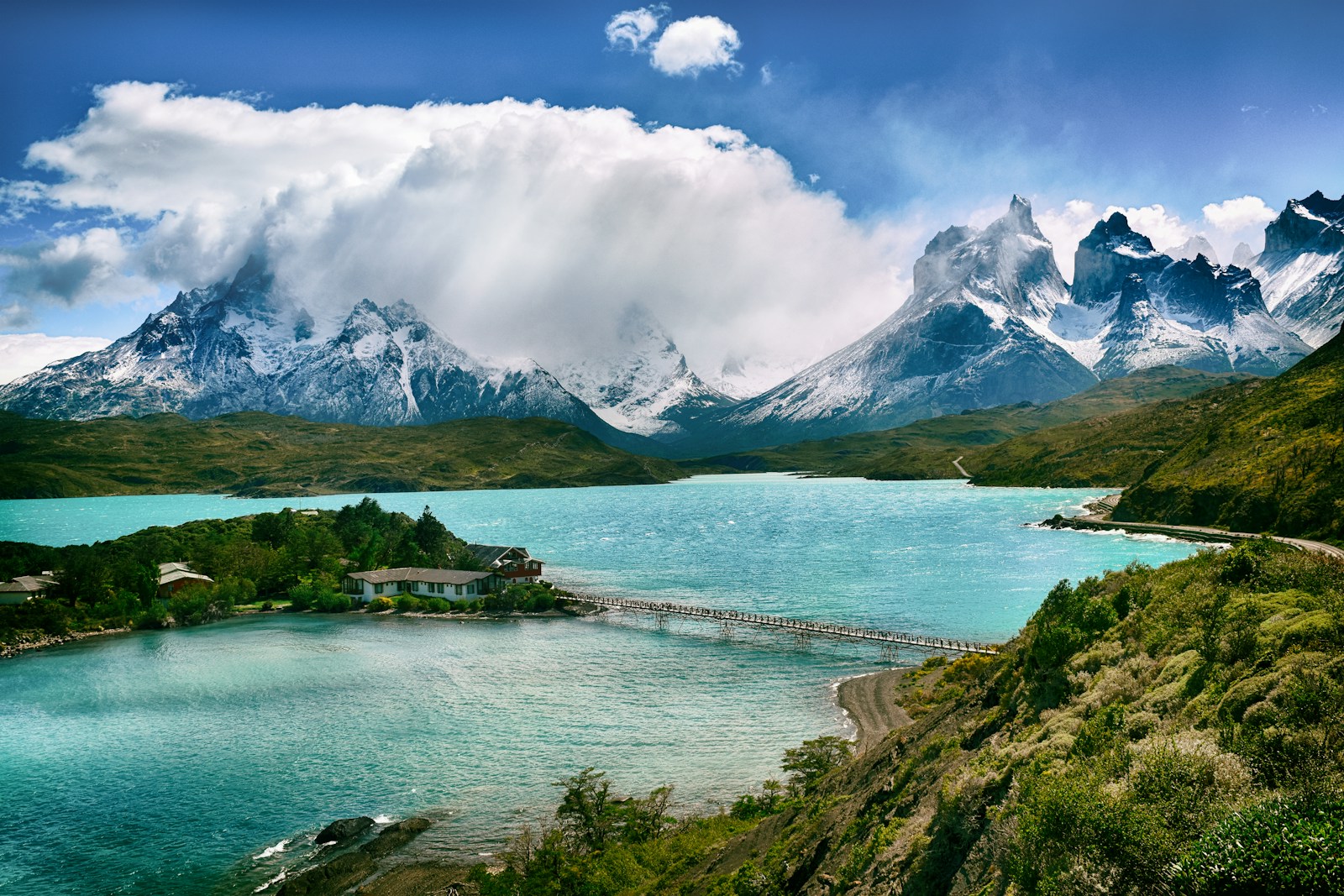
🏔️ 2. Optimal Time for Patagonia Exploration and Outdoor Activities
Patagonia is the crown jewel of Adventure Travel. But beware: the wind here can literally knock you off your feet. 💨
Torres del Paine is the main event. According to Blue Parallel, the peak season is October through April. If you want to tackle the famous W Trek or the O Circuit, you must book your campsites months in advance.
Why Summer (Dec-Feb) wins:
- Warmth: Well, “Patagonia warm,” which means you might actually take your jacket off for five minutes.
- Daylight: More time to reach the Base of the Towers.
- Vibe: The energy in Puerto Natales is electric.
Why Autumn (Mar-May) wins:
- The Colors: The deciduous trees turn gold and orange.
- The Wind: It actually dies down a bit compared to the summer gales.
- Wildlife: Pumas are often easier to spot when the crowds thin out.
CHECK PRICE on Patagonia Gear:
- Osprey Aether 65 Backpack: Amazon | REI | Osprey Official
- Garmin inReach Mini 2: Amazon | Garmin Official
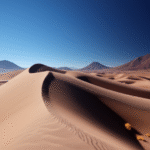
🏜️ 3. When to Visit the Atacama Desert for Stargazing and Adventure
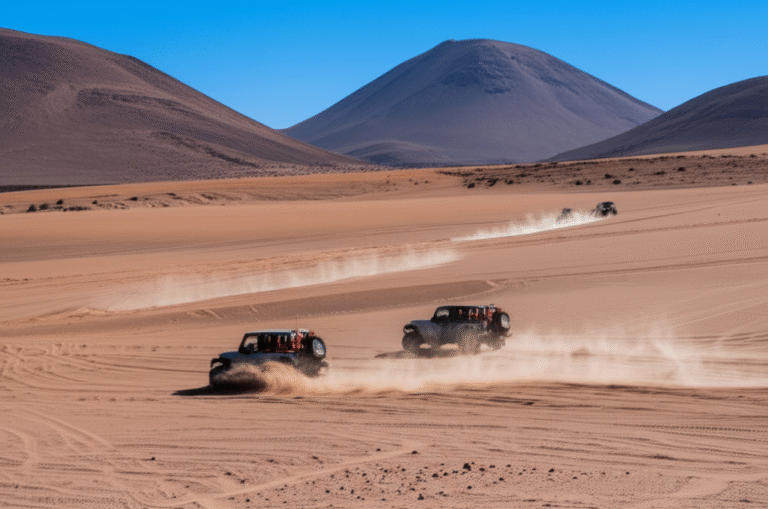
The Atacama is the driest non-polar place on Earth. You can visit year-round, but there are nuances.
Stargazing: Blue Parallel recommends March to May for the clearest skies. We’ve stood in the middle of the desert at midnight in April, and the Milky Way was so bright it cast a shadow. It’s a spiritual experience, folks. 🌌
The “Desierto Florido” (Flowering Desert): This rare phenomenon happens between September and November, but only after heavy rains (which are rare!). If you catch it, the desert floor turns into a purple and pink carpet. Kimkim notes that September is the sweet spot for this.
Activities in Atacama:
- Sandboarding in Death Valley: Best in the afternoon.
- Tatio Geysers: You have to be there at dawn (it’s freezing, bring a North Face Thermoball).
- Moon Valley (Valle de la Luna): Sunset is mandatory. 🌅
🏞️ 4. Chilean Lake District: Best Seasons for Kayaking, Fishing, and Nature Walks
The Lake District (Los Lagos) is like Switzerland, but with better wine and more volcanoes. 🌋
November to March is the golden window here.
- Kayaking: Lake Llanquihue and the Petrohué River are pristine.
- Fishing: Fly fishing enthusiasts should aim for December to March. The rivers are teeming with trout and salmon.
- Wildlife: If you’re heading to Chiloé Island, January and February are the best months for blue whale sightings. 🐋
Swoop says that the Lake District is also a hidden gem for spring blooms in November. We once stayed in Puerto Varas in late November, and the roses were so big they looked fake!
❄️ 5. Winter Sports and Snow Adventures: Skiing and Snowboarding in Chile
When the Northern Hemisphere is sweating, Chile is shredding. 🏂
The Andes Mountains offer some of the best skiing in the world. June to August is the prime time.
- Portillo: The iconic yellow hotel and world-class slopes.
- Valle Nevado: Great for proximity to Santiago.
- Termas de Chillán: Skiing on a volcano and then soaking in natural hot springs? Yes, please! ♨️
👉 Shop Ski Gear on:
- Smith I/O Mag Goggles: Amazon | Smith Optics Official
- Burton Custom Snowboard: Amazon | Burton Official
🦙 Wildlife Watching in Chile: When and Where to Spot Native Species
Chile is a safari for people who like cold-weather animals.
- Pumas (Torres del Paine): Best in Autumn (April/May) or Late Spring (November) when there are fewer hikers to scare them off.
- Penguins (Isla Magdalena/Chiloé): They arrive in September/October and stay until March. Don’t go in July; they’re on vacation elsewhere! ❌
- Whales: Blue whales in the south are best seen in February.
- Guanacos: These sassy llama-cousins are everywhere in Patagonia year-round, but they are cutest in Spring when the “chulengos” (babies) are born. 🦙
🚗 Getting Around Chile for Outdoor Activities: Best Travel Tips and Routes
Chile is long. Like, really long.
- Flying: LATAM Airlines and Sky Airline are your best bets. Book in advance for Patagonia flights (Punta Arenas or Puerto Natales).
- Driving: Renting a 4×4 is essential for the Carretera Austral.
- Buses: Chile has an incredible luxury bus system (Turbus, Pullman). “Semi-cama” or “Cama” seats are basically beds. 🚌
CHECK PRICE on Rental Cars:
- RentalCars.com: Search Chile Rentals
🏨 Top Outdoor-Friendly Accommodations and Lodges Across Chile
Where you sleep matters when you’re exhausted from a 15-mile hike.
- EcoCamp Patagonia: The world’s first geodesic dome hotel. It’s sustainable and stunning.
- Explora Atacama: Luxury meets adventure. They have their own observatory! 🔭
- Hotel Portillo: For the ultimate ski-in/ski-out experience.
👉 Shop Accommodations on:
- Booking.com: Top Rated Chile Lodges
- Tripadvisor: Best Adventure Hotels in Chile
🎒 Essential Gear and Packing Tips for Chile’s Outdoor Seasons
We’ve seen people try to hike the W Trek in jeans. Don’t be that person. ❌
The Three-Layer System:
- Base Layer: Moisture-wicking (Merino wool is king). Smartwool is our go-to.
- Mid Layer: Insulation (Fleece or down).
- Outer Layer: Waterproof and windproof shell. Arc’teryx makes shells that can withstand a Patagonian hurricane.
Must-Haves:
- Hiking Boots: Break them in before you arrive. Salomon Quest 4D are legendary.
- Sunscreen: The ozone layer is thin down here. You will burn in 15 minutes. 🧴
- Reusable Water Bottle: The water in Patagonia’s streams is some of the purest on Earth. Drink up! 💧
🌟 Insider Tips: How to Avoid Crowds and Experience Chile’s Outdoors Like a Local
Want the secret sauce? 🤫
- Go to Aysén: Everyone goes to Torres del Paine. If you want the same beauty with 90% fewer people, head to the Aysén region and the Cerro Castillo trek.
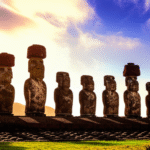
- Visit Easter Island in the Shoulder Season: October or April. The weather is mild, and you won’t have to elbow people to see a Moai.
- Eat Like a Local: After a hike, find a “Picada” and order a Chorrillana. It’s a mountain of fries, meat, onions, and eggs. It’s the ultimate recovery meal. 🍟
- The “Festa da Vendimia”: If you’re in Central Chile in March, don’t miss the wine harvest festivals. It’s a cultural blast.
🗺️ Planning Your Chile Outdoor Adventure: Sample Itineraries by Season
Summer (The “Everything” Trip):
- Days 1-3: Santiago & Valparaíso.
- Days 4-10: Torres del Paine (W Trek).
- Days 11-14: Atacama Desert.
Winter (The “Snow & Stars” Trip):
- Days 1-5: Skiing at Valle Nevado.
- Days 6-10: Stargazing and hot springs in Atacama.
- Days 11-14: Wine tasting in the Colchagua Valley.
Autumn (The “Photographer’s Dream”):
- Days 1-7: Carretera Austral road trip.
- Days 8-12: Lake District (Pucón & Villarrica).
- Days 13-14: Santiago wine tours.
❓ Frequently Asked Questions About Visiting Chile for Outdoor Activities
Q: Is Patagonia too cold in the spring? A: It can be! Expect temperatures between 35°F and 55°F. But as the Swoop Patagonia team says, the lack of crowds makes the chill worth it.
Q: Can I see the Atacama flowers every year? A: Sadly, no. The Desierto Florido only happens every 3-10 years depending on rainfall. Check local news in August to see if it’s a “bloom year.”
Q: Do I need a guide for the W Trek? A: Not necessarily, but it helps! If you’re an experienced hiker, the trails are well-marked. If you want to learn about the geology and flora, hire a pro.
Q: What is the best month for surfing? A: Kimkim suggests Spring (Sept-Nov) for the northern beaches like Iquique and Arica. The swells are consistent and the water is starting to warm up. 🏄 ♂️
Q: Is it safe to drink the water? A: In cities, yes. In the wild? In Patagonia, most streams are safe, but always use a filter like a LifeStraw just to be sure. Better safe than sorry! ✅
But wait… we haven’t talked about the most important part of any Chilean trip. What happens when the “four seasons in one day” actually happens while you’re at the top of a glacier? We’ll reveal our “Glacier Survival Secret” in the final wrap-up!
🎯 Conclusion: When Is the Best Time to Visit Chile for Outdoor Enthusiasts?

So, after wandering through deserts, scaling glaciers, and chasing penguins, what’s the verdict? When is the best time of year to visit Chile for outdoor activities? The answer isn’t one-size-fits-all—it’s a vibrant mosaic shaped by your interests and destinations.
-
Summer (December to February) reigns supreme for most outdoor adventurers. The long daylight hours, warmer temperatures, and full access to trails make it the ultimate season for hiking, trekking, kayaking, and wildlife spotting. Patagonia’s “W Trek” shines brightest now, and the Atacama Desert’s stargazing is spectacular year-round but especially clear in summer.
-
Spring (October to November) and Autumn (March to May) are the unsung heroes. These shoulder seasons offer fewer crowds, stunning wildflower blooms in the north, fiery fall foliage in the south, and milder weather for those who prefer a quieter, more intimate experience. Plus, you might catch the rare Desierto Florido in spring!
-
Winter (June to August) is a playground for snow lovers. Chile’s ski resorts in the Andes are world-class, and the serene snowy landscapes of Patagonia offer a magical, if chilly, escape. Just remember, many trekking routes close, so plan accordingly.
Remember our teaser about the “four seasons in one day” in Patagonia? When you’re standing on a glacier, buffeted by wind, soaked by rain, and then blessed with a sudden burst of sunshine—all in a few hours—your best survival tool is layering and a spirit of adventure. That’s Chile for you: unpredictable, breathtaking, and utterly unforgettable.
Ready to pack your bags? We say: Go now, and let Chile’s diverse landscapes show you the true meaning of outdoor adventure.
🔗 Recommended Links for Planning Your Chile Outdoor Trip
CHECK PRICE on Essential Outdoor Gear:
-
Osprey Aether 65 Backpack:
Amazon | REI | Osprey Official Website -
Garmin inReach Mini 2 Satellite Communicator:
Amazon | Garmin Official Website -
North Face Thermoball Jacket:
Amazon | The North Face Official Website -
Salomon Quest 4D GTX Hiking Boots:
Amazon | Salomon Official Website -
LifeStraw Personal Water Filter:
Amazon -
Smith I/O Mag Goggles:
Amazon | Smith Optics Official Website -
Burton Custom Snowboard:
Amazon | Burton Official Website
Recommended Books for Chile Outdoor Adventures:
-
Lonely Planet Chile & Easter Island – The ultimate guidebook for planning your trip.
Amazon -
Trekking in the Patagonian Andes by John Biggar – A detailed guide to Patagonia’s trails.
Amazon -
Moon Chile by Kelly A. Nelson – Insider tips and cultural insights.
Amazon
❓ Frequently Asked Questions About Visiting Chile for Outdoor Activities
How does the climate vary across Chile for outdoor adventures throughout the year?
Chile’s climate is a patchwork quilt of extremes. The north (Atacama Desert) is arid and sunny year-round, perfect for stargazing and desert trekking. The central region (Santiago, Valparaíso, Lake District) enjoys a Mediterranean climate with dry summers and wet winters, ideal for hiking and cultural exploration mainly between October and April. The south (Patagonia and Tierra del Fuego) is famously unpredictable, with strong winds, rapid weather changes, and cooler temperatures year-round, making summer and shoulder seasons the best times for outdoor activities.
Which season is ideal for water sports and beach activities in Chile?
Summer (December to February) is the prime time for water sports and beach fun, especially along the northern coast near Iquique and Arica. The water temperatures are warmest, and the weather is reliably sunny. Surfing, kiteboarding, and swimming are at their best during these months. Spring and autumn can also be pleasant but are less predictable.
What months offer the best weather for Patagonia exploration?
The best months for Patagonia are from November through March, encompassing late spring and summer. These months offer the warmest temperatures (though still cool), longer daylight hours, and the best trail accessibility. Autumn (March-May) is also stunning for fall colors and fewer crowds but can be chillier and windier.
When is the peak season for hiking and trekking in Chile?
Peak hiking season aligns with summer (December to February), when most trails are open, and weather conditions are the most stable. However, spring (October-November) and autumn (March-May) are excellent for those seeking fewer crowds and unique seasonal landscapes like wildflowers or fall foliage.
Is summer or winter better for outdoor sports in Chile?
It depends on the sport! For trekking, kayaking, and wildlife watching, summer is unbeatable due to warmth and daylight. For skiing and snowboarding, winter (June to August) is the clear winner, especially in the Andes resorts like Portillo and Valle Nevado.
What are the best times to visit Chile for wildlife watching?
- Penguins: Best from September to March on Isla Magdalena and Chiloé.
- Whales: Southern right whales appear near Peninsula Valdés mostly in August to October; blue whales near Chiloé in February.
- Pumas: Sightings are more common in autumn and late spring when fewer hikers are around.
- Guanacos: Year-round, but spring is when the young are born.
What are the key considerations for visiting the Atacama Desert?
The Atacama’s dry climate means it’s visitable year-round, but March to May is ideal for stargazing due to clear skies and cooler nights. The rare Desierto Florido occurs in spring (September to November) but only after unusual rainfall. Temperatures can swing dramatically between day and night, so layering is essential.
How can travelers best prepare for Chile’s unpredictable weather, especially in Patagonia?
Layering is your best friend. Always pack a moisture-wicking base layer, an insulating mid-layer, and a waterproof, windproof outer shell. Bring sun protection, a hat, and gloves. Weather can shift from sunshine to snow in hours, so flexibility and preparedness are key to enjoying your adventure safely.
📚 Reference Links and Resources
- Swoop Patagonia – When to Visit Patagonia
- Blue Parallel – The Best Time to Visit Chile
- Kimkim – Best Time of Year to Visit Chile
- LATAM Airlines
- Sky Airline
- Osprey Official Website
- Garmin Official Website
- The North Face Official Website
- Salomon Official Website
- Smith Optics Official Website
- Burton Official Website
- RentalCars.com – Chile Car Rentals
Ready to embark on your Chilean outdoor adventure? Whether you chase glaciers, deserts, or volcanoes, Chile’s seasons offer something magical year-round. Pack smart, plan well, and prepare to be amazed!