Support our educational content for free when you purchase through links on our site. Learn more
How to Plan a Budget Trip to Chile

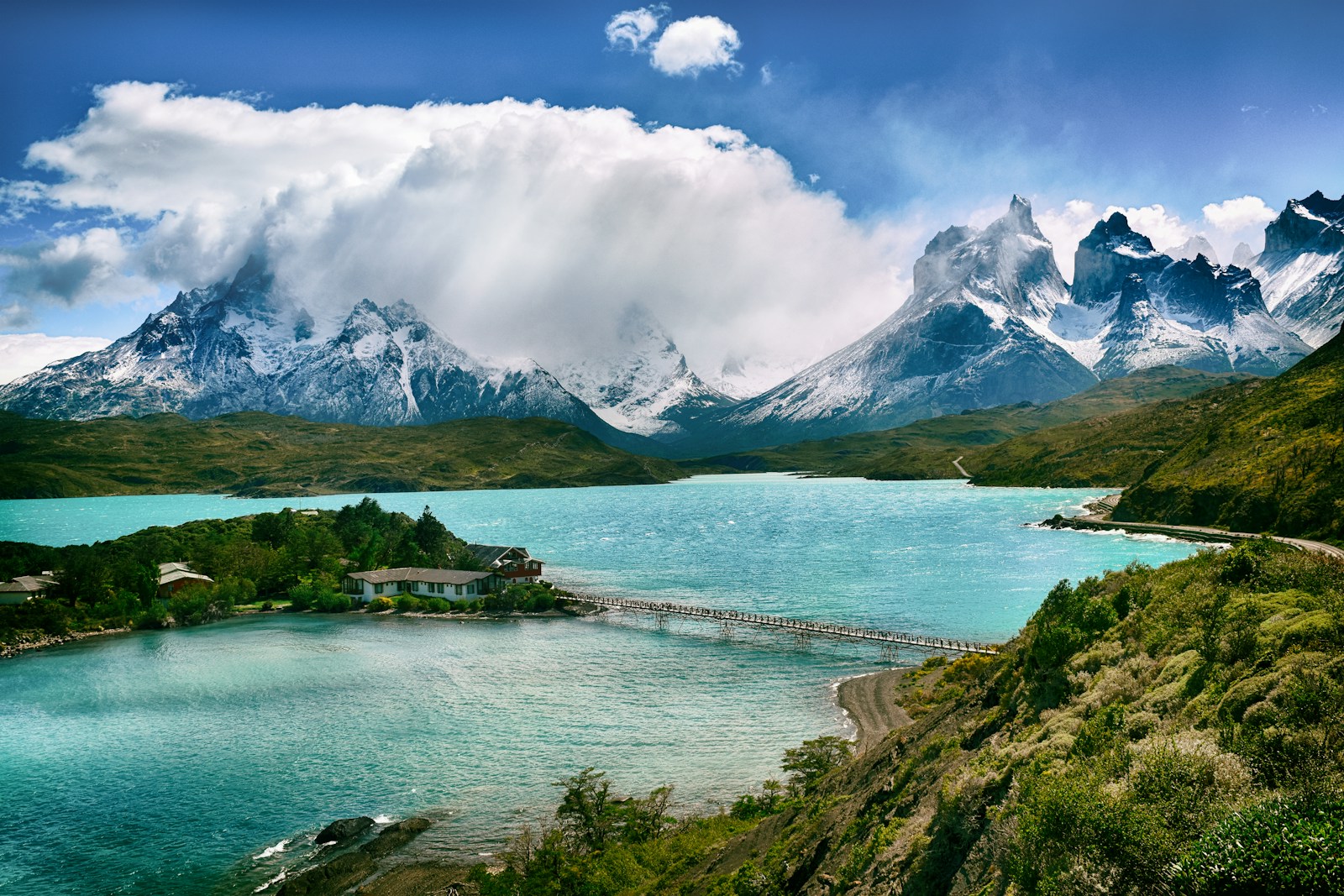
Is Chile the “expensive” South American outlier, or a budget traveler’s hidden gem waiting to be unlocked? We’ve been there, backpacking from the arid dunes of the Atacama to the icy winds of Torres del Paine, and we’re here to tell you: you absolutely can do it without selling a kidney. While Lonely Planet might give you the general overview, we’re diving into the nitty-gritty of the Menú del Día hack, the secret to scoring $20 domestic flights, and exactly how to trek the W Circuit for a fraction of the tour price.
Remember our first night in Puerto Natales? We watched a group of tourists shell out $150 for a guided boat tour to see a glacier, while were sipping cheap Chilean wine and grilling our own sausages on a camp stove we rented for a song. The view was identical; the wallet impact? Night and day. Chile is a country of extremes, but with the right strategy, your budget doesn’t have to be one of them. From mastering the Chilean Peso to navigating the labyrinth of bus classes, this guide is your blueprint for an unforgettable journey that respects both your curiosity and your bank account.
Key Takeaways
- Master the “Menú del Día”: This fixed-price lunch deal is the backpacker’s best friend, offering a three-course meal for roughly $7–$10 USD, saving you massive amounts on daily food costs.
- Timing is Everything: Travel during the shoulder seasons (April–May or September–October) to slash accommodation and flight prices by up to 40% while avoiding the summer crowds.
- Camp or Cook to Save: In Patagonia, camping and self-catering can reduce your daily costs by half compared to staying in Refugios or eating at park restaurants.
- Book Flights Early: Domestic flights with low-cost carriers like Sky Airline and JetSmart can be cheaper than long-distance buses if booked 2–3 months in advance.
- Use the Tourist Card: Don’t lose your entry card; it can exempt you from the 19% VAT on hotel stays when paying with foreign credit cards.
Table of Contents
- ⚡️ Quick Tips and Facts
- 🇨🇱 Chile Travel Background: Why This Long, Skinny Country is Your Budget Dream
- 💰 Mastering the Chilean Peso: Currency, Exchange Rates, and Money-Saving Hacks
- ✈️ How to Get to Chile Cheaply: Flights, Airlines, and Timing Your Arrival
- 🏨 Budget accommodation Guide: Hostels, Refugios, and Camping in Chile
- 🚌 Navigating Chile on a Shoestring: Buses, Flights, and Local Transport Tips
- 🍽️ Eating Like a Local: Cheap Eats, Street Food, and Supermarket Hacks
- 🗺️ 14 Days of Budget Bliss: A Sample Itinerary for First-Timers
- 🏙️ Santiago on a Budget: Free Walking Tours, Parks, and Hidden Gems
- 🏔️ The Atacama Desert: Saving Money on Tours and Stargazing
- 🌊 The Lake District & Chiloé: Affordable Adventures in Southern Chile
- 🏔️ Patagonia on a Budget: Torres del Paine, W Trek, and Camping Secrets
- 🚶 ♀️ Top 10 Money-Saving Tips for the Torres del Paine W Trek
- 🧭 Beyond the Beaten Path: Free and Low-Cost Alternatives to Popular Spots
- 📅 Best Time to Visit Chile for Budget Travelers: Seasons and Shoulder Months
- 🎒 Packing List for Budget Travelers: What to Bring to Save on Rentals
- 🛡️ Safety and Scams: Staying Safe While Stretching Your Peso
- 📱 Essential Apps and Resources for Planning Your Chile Trip
- ✅ Conclusion: Is Chile Actually Affordable?
- 🔗 Recommended Links
- ❓ FAQ: Your Burning Questions About Budget Travel in Chile
- 📚 Reference Links
⚡️ Quick Tips and Facts
Before you pack your bags and start dreaming of the Andes, let’s hit the pause button on the “Chile is too expensive” myth. Is it pricey? Yes, compared to Bolivia or Peru. Is it impossible on a budget? Absolutely not.
Video guide
Here is the Chile Vacay™ reality check to get your brain in gear:
- The Currency Reality: The Chilean Peso (CLP) is strong. As of our last trip, the exchange rate hovered around 80-90 CLP to $1 USD. A quick mental math hack we use: Take the peso amount, divide by 10, and you’re roughly in dollars. So, 10,0 CLP is about $1 USD. Easy peasy.
- The “Tourist Card” Trick: This is the single most important tip for saving money. If you enter Chile as a tourist (from the US, Canada, EU, etc.), you get a Tourist Card. Show this at every hotel check-in. Domestic Chileans pay a 19% VAT on rooms; foreigners with this card often get it waived or refunded if you pay with a foreign credit card. Don’t lose this card!
- Cash is King (But Cards Rule): While Santiago is card-friendly, the deep south (Patagonia) and small towns in the Atacama often run on cash. ATMs are everywhere, but fees can be steep (up to $10 USD per withdrawal). Pro Tip: Withdraw larger amounts less frequently.
- The “Menú del Día” Savior: Lunch in Chile is cheap and delicious. Look for signs saying Menú del Día. For a fixed price (usually between 6,0 and 10,0 CLP), you get a soup, a main, a drink, and sometimes dessert. It’s the backpacker’s best friend.
- Wine is Dirt Cheap: You can buy a bottle of decent Chilean wine for less than the cost of a bottle of water in the US. Stock up at supermarkets like Jumbo or Lider.
Wait, but what about the Torres del Paine? We know you’re thinking it. Can you really trek the W Circuit without selling a kidney? The answer is a resounding yes, but it requires strategy. We’ll break down exactly how to do it in the Patagonia section later.
For more on how we curate these adventures, check out our mission at Chile Vacay.
🇨🇱 Chile Travel Background: Why This Long, Skinny Country is Your Budget Dream

Chile is a geographical oddity. Stretching over 4,0 kilometers (2,50 miles) north to south but only averaging 17 kilometers (10 miles) wide, it’s the world’s longest country. This shape means you can ski in the Andes in the morning and surf in the Pacific by the afternoon (well, maybe not in the same day, but you get the idea).
Why Budget Travelers Love (and Hate) Chile
The Good:
- Diversity: From the driest desert on Earth (Atacama) to the wetest rainforests (Aysén) and the icy glaciers of Patagonia.
- Safety: Chile is consistently ranked as one of the safest countries in South America. You can walk around Santiago at night (in safe zones) without the constant anxiety you might feel in other regions.
- Infrastructure: The bus network is world-class. You can get almost anywhere without a car.
The Bad:
- The “South American Europe” Price Tag: Chile has the highest GDP per capita in the region. Consequently, prices for food, lodging, and transport often rival Spain or Italy, not Bolivia.
- Distance: Getting from Santiago to Patagonia is a marathon, not a sprint. Domestic flights are necessary for most budget itineraries to save time, though buses are cheaper if you have the time.
A Brief History of the Chilean Travel Boom
Chile opened its doors to mass tourism in the 190s after the end of the Pinochet dictatorship. The government invested heavily infrastructure, turning remote areas like Torres del Paine into global icons. While this made access easier, it also drove up prices. However, the rise of hostel culture and camping in the 20s created a parallel budget economy that thrives today.
Curious about how the local culture influences the travel experience? We dive deep into the Chilenidad in our Cultural Experiences category.
💰 Mastering the Chilean Peso: Currency, Exchange Rates, and Money-Saving Hacks
Let’s talk money. Nothing kills a vibe faster than realizing you’ve been ripped off at an exchange booth.
The Exchange Rate Game
- Avoid Airport Exchange Kiosks: The rates at Santiago International Airport (SCL) are terrible. You will lose 10-15% of your value immediately.
- Where to Exchange: Go to a Casa de Cambio (currency exchange) in the city center or use an ATM.
- The ATM Strategy: Use ATMs from major banks like Banco de Chile, Banco Santander, or Banco Estado. Avoid independent ATMs in tourist traps.
Credit Card Fees: The Hidden Cost
Many travelers are shocked to find a 3% fee added to their credit card transactions. This is the “Transbank” fee.
- How to avoid it: Use a card with no foreign transaction fees (like the Chase Sapphire Preferred or Capital One Venture).
- Cash is safer: In remote areas, card machines often go down. Always have enough cash for a few days.
Budgeting Reality Check
| Expense Category | Budget Traveler (CLP) | Mid-Range Traveler (CLP) | Notes |
|---|---|---|---|
| Hostel Bed | 15,0 – 25,0 | 40,0 – 60,0 | Prices spike in Patagonia. |
| Local Meal (Menú) | 6,0 – 10,0 | 15,0 – 25,0 | Look for “Menú del Día”. |
| Domestic Flight | 40,0 – 80,0 | 10,0+ | Book 2-3 months ahead. |
| Bus (Long Distance) | 20,0 – 50,0 | 60,0+ | Overnight buses save a night’s stay. |
| Park Entry | 25,0 – 30,0 | 25,0 – 30,0 | Fixed fee for all. |
Note: Prices are estimates and fluctuate with inflation and season.
✈️ How to Get to Chile Cheaply: Flights, Airlines, and Timing Your Arrival
Getting to Chile is the first hurdle. The good news? You can clear it without breaking the bank if you know the tricks.
International Flights
Most travelers fly into Santiago (SCL).
- Airlines: LATAM, Sky Airline, JetSmart, and Copa Airlines (via Panama) are common.
- The “Stopover” Hack: Sometimes flying via Buenos Aires or Lima is cheaper than direct flights from the US or Europe.
- Timing: Fly in shoulder seasons (April-May or September-October). Avoid December and January (summer holidays) and July (ski season).
Domestic Flights: The Budget Lifeline
Chile is too long to bus everywhere. Domestic flights are surprisingly affordable if booked early.
- Low-Cost Cariers: Sky Airline and JetSmart offer base fares as low as $20-$30 USD one-way if you travel light.
- The Catch: These base fares often include only a small backpack. Checked bags and carry-ons cost extra.
- Booking Tip: Book at least 2-3 months in advance. Prices for flights to Punta Arenas or Calama (for Atacama) skyrocket as the date approaches.
Did you know? Some budget flights within Chile can cost less than a bus ride from New York to Boston. We found a ticket for Santiago to Calama for the price of a nice dinner in NYC!
🏨 Budget accommodation Guide: Hostels, Refugios, and Camping in Chile
Where you sleep will make or break your budget. In Chile, you have three main options: Hostels, Refugios, and Camping.
1. Hostels: The Social Hub
Chile has a fantastic hostel network.
- Top Brands: Hostelworld is your best friend for finding these. Look for The Singular, Costa del Sol, or Patagonia Camp.
- Amenities: Most include free Wi-Fi, kitchen access, and social events.
- Cost: Dorm beds range from $15 to $30 USD per night. Private rooms are pricier.
2. Refugios: The Patagonia Special
In Torres del Paine, “Refugios” are mountain huts that offer beds and meals.
- Pros: No need to carry a tent or sleeping bag. Warm beds and hot showers.
- Cons: Expensive. A bed can cost $60-$10 USD per night, and meals are pricey.
- Strategy: Book months in advance. They sell out instantly.
3. Camping: The Ultimate Money Saver
Camping is the cheapest way to stay in Patagonia and the Atacama.
- Inside Parks: Campsites like Camping Torres or Camping Chileno cost around $15-$25 USD person.
- Outside Parks: In towns like Puerto Natales, campsites are cheaper and have better facilities.
- Gear: If you don’t have gear, rent it in Puerto Natales at shops like Nikos Two Adventure.
Comparison Table: accommodation Types
| Type | Cost (per night) | Comfort Level | Best For |
|---|---|---|---|
| Hostel Dorm | $15 – $30 | Medium | Solo travelers, socializing |
| Refugio | $60 – $10+ | High | Trekkers who hate camping |
| Camping (Own Gear) | $10 – $20 | Low/Medium | Budget travelers, nature lovers |
| Camping (Rental) | $30 – $50 | Medium | Those without gear |
🚌 Navigating Chile on a Shoestring: Buses, Flights, and Local Transport Tips
Once you’re in Chile, getting around is an adventure in itself.
Long-Distance Buses
Chilean buses are luxurious. Think lie-flat seats, movies, snacks, and blankets.
- Top Companies: Turbus, Pullman Bus, and Buses Buses.
- Classes: Ejecutivo: Standard recline. Semi-Cama: More legroom. Salón-Cama: Full lie-flat (great for overnight trips).
- Cost: A 20-hour bus ride from Santiago to Puerto Natales can cost $60-$90 USD. It saves a night’s accommodation!
Flights vs. Buses
- Santiago to Patagonia: Fly. The bus takes 36+ hours. A flight is 3 hours and can be cheaper than the bus if booked early.
- Santiago to Atacama: Fly. The bus is 24 hours.
- Santiago to Valparaiso: Bus. Only 2 hours. Take the bus.
Local Transport
- Santiago Metro: The Tarjeta bip! card is essential. It costs a few pesos to buy and recharges easily. Rides are under $1 USD.
- Taxis/Uber: Use Uber or Cabify in cities. Taxis can be tricky with meters. Always agree on a price or ensure the meter is on.
🍽️ Eating Like a Local: Cheap Eats, Street Food, and Supermarket Hacks
Food in Chile is delicious, but eating out for every meal will drain your wallet. Here is how to eat well for less.
The “Menú del Día”
This is your golden ticket. Available Monday to Friday, usually until 4 PM.
- What you get: Soup, main course, dessert, and a drink.
- Cost: $6,0 – $10,0 CLP ($7-$1 USD).
- Where to find: Look for signs in windows. Avoid tourist traps in the main square.
Supermarket Hacks
- Supermarkets: Jumbo, Lider, and Tottus are your friends.
- Wine: Buy a bottle of Concha y Toro or Santa Rita for $3-$5 USD.
- Bread: Buy Maraqueta (the national bread) for pennies. It’s perfect for sandwiches.
- Feria Libre: Farmers’ markets. Cheaper than supermarkets for fresh produce.
Street Food & Snacks
- Empanadas: A large beef or cheese empanada costs $2,0 – $3,0 CLP.
- Completo: A Chilean hot dog with avocado, tomato, and mayo. $2,0 CLP.
- Sopaipillas: Fried pumpkin dough, often served with pebre (salsa). $1,0 CLP.
Wait, what about the wine? We mentioned it’s cheap, but did you know you can find a bottle of premium wine for the price of a beer in the US? Yes, really.
🗺️ 14 Days of Budget Bliss: A Sample Itinerary for First-Timers
Ready to put it all together? Here is a 14-day budget itinerary that hits the highlights without the luxury price tag.
Days 1-3: Santiago
- Stay: Hostel in Lastaria or Bellavista.
- Do: Free walking tour (tip-based), hike Cero Santa Lucía, explore Bario Italia.
- Eat: Menú del Día at local cafes.
Days 4-6: Atacama Desert (San Pedro de Atacama)
- Travel: Fly Santiago to Calama (book early!).
- Stay: Hostel with kitchen.
- Do: Rent a bike to visit geysers (cheaper than tours), visit Lagunas Altiplánicas.
- Save: Skip the expensive “Laguna Cejar” boat tour; swim in the salt lake for free (or cheap entry).
Days 7-10: Torres del Paine (Patagonia)
- Travel: Fly Calama to Punta Arenas, then bus to Puerto Natales.
- Stay: Camping inside the park or hostel in Natales.
- Do: Hike the W Circuit (self-guided).
- Save: Cook your own meals. Bring a stove.
Days 1-14: Valparaiso & Viña del Mar
- Travel: Bus from Santiago.
- Stay: Hostel in Valparaiso.
- Do: Explore the colorful hills, street art, and free funiculars.
- Eat: Fresh seafood at the port (look for local spots, not tourist ones).
🏙️ Santiago on a Budget: Free Walking Tours, Parks, and Hidden Gems
Santiago is often just a layover, but it deserves a few days.
Free Activities
- Cerro Santa Lucía: A small hill in the city center with great views. Free.
- Cerro San Cristóbal: Take the funicular (cheap) or hike up. The view of the Andes is breathtaking.
- Museo Nacional de Bellas Artes: Free entry on Sundays.
Neighborhoods to Explore
- Bario Lastaria: Coblestone streets, cafes, and bookstores.
- Bario Italia: Vintage shops and trendy eateries.
- Plaza de Armas: Historic center. Watch out for pickpockets.
Budget Food Spots
- Mercado Central: Famous for seafood, but also has cheap completo stands.
- Juan Ramon 27: A local favorite for vegetarian options and craft beer.
🏔️ The Atacama Desert: Saving Money on Tours and Stargazing
The Atacama is the driest desert on Earth. It’s expensive, but doable.
Tour vs. DIY
- Tours: The standard “Laguna Cejar” and “Geysers” tours cost $30-$50 USD.
- DIY: Rent a bike or scooter in San Pedro. You can visit many sites for just the entrance fee ($10-$20 USD).
- Stargazing: The sky is incredible. Join a free stargazing session at the hostel or pay for a guided tour. Pro Tip: Bring your own telescope if you have one!
Money-Saving Tips
- Water: Bring a reusable bottle. Water is scarce and expensive.
- Sunscreen: Buy it in Santiago, not in San Pedro.
🌊 The Lake District & Chiloé: Affordable Adventures in Southern Chile
The Lake District (Lago Llanquihue, Puerto Varas) and Chiloé Island are often overlooked by budget travelers, but they are gems.
Why Go?
- Cheaper than Patagonia: accommodation and food are significantly cheaper.
- Culture: Chiloé has unique wooden churches and mythology.
Budget Activities
- Hiking: Free trails around Lago Llanquihue.
- Ferry: Take the ferry to Chiloé (cheap).
- Food: Try curanto (a traditional dish) at local restaurants.
🏔️ Patagonia on a Budget: Torres del Paine, W Trek, and Camping Secrets
This is the big one. Torres del Paine is the crown jewel. Can you do it on a budget? Yes.
The W Trek vs. O Trek
- W Trek: 4-5 days. Cheaper, easier to book.
- O Trek: 7-9 days. More remote, harder to book.
- Cost: The W Trek can be done for $30-$50 USD (excluding flights) if you camp and cook.
Camping Strategy
- Book Early: Campsites fill up 6 months in advance.
- Gear: Rent in Puerto Natales. Don’t buy expensive gear unless you plan to trek often.
- Food: Cook your own meals. Refugio meals are $20-$30 USD per meal.
Wildlife spotting
- Guanacos: Common.
- Pumas: Rare. Don’t pay for “puma tours”; they are scams. Just hike and hope.
- Condors: Look up!
🚶 ♀️ Top 10 Money-Saving Tips for the Torres del Paine W Trek
- Book Campsites Early: Avoid last-minute fees.
- Cook Your Own Food: Refugio meals are pricey.
- Rent Gear in Natales: Cheaper than inside the park.
- Bring a Stove: A simple Jetboil saves hundreds.
- Skip the Boat: Hike to Grey Glacier instead of taking the boat.
- Use Public Buses: Don’t take private shutles.
- Pack Light: Less weight = less stress.
- Bring Duct Tape: Fix your tent if it breaks (wind is fierce!).
- Share Costs: Travel with a group to split gear costs.
- Stay in Natales: Cheaper than staying inside the park.
🧭 Beyond the Beaten Path: Free and Low-Cost Alternatives to Popular Spots
Not everyone wants to fight the crowds in Torres del Paine.
Alternatives
- Fitz Roy (Argentina): Just across the border. Similar views, cheaper entry.
- Nahuelbuta National Park: Near Concepción. Great hiking, fewer tourists.
- Isla Grande de Chiloé: Less expensive than Patagonia, unique culture.
Free Activities
- Beach Days: Chile has miles of coastline.
- Hiking: Most trails are free.
- Museums: Many have free days.
📅 Best Time to Visit Chile for Budget Travelers: Seasons and Shoulder Months
Timing is everything.
Peak Season (Dec-Feb)
- Pros: Warm weather, long days.
- Cons: Crowded, expensive.
Shoulder Season (Mar-Apr, Oct-Nov)
- Pros: Fewer crowds, lower prices, decent weather.
- Cons: Some trails may be muddy.
Off-Season (May-Sep)
- Pros: Cheapest prices, solitude.
- Cons: Cold, some services closed.
Wait, what about the snow? If you want to ski, go in August. It’s off-season for hiking but peak for skiing.
🎒 Packing List for Budget Travelers: What to Bring to Save on Rentals
Don’t buy gear in Chile. It’s expensive.
Essentials
- Stove: Jetboil or similar.
- Sleeping Bag: Rated for -10°C (Patagonia is cold).
- Water Bottle: Reusable.
- Duct Tape: For tent repairs.
- Layers: Weather changes fast.
What to Leave Behind
- Expensive Cameras: A smartphone is enough.
- Too Many Clothes: Laundry is cheap.
🛡️ Safety and Scams: Staying Safe While Stretching Your Peso
Chile is safe, but scams exist.
Common Scams
- Fake Police: Ask for ID. Real police won’t ask for your money.
- Taxi Scams: Use Uber or Cabify.
- ATM Skimmers: Cover the keypad.
Safety Tips
- Don’t flash cash.
- Keep your passport safe.
- Be aware of pickpockets in crowded areas.
📱 Essential Apps and Resources for Planning Your Chile Trip
Apps
- Google Maps: Essential for navigation.
- Google Translate: Spanish is the language.
- WalletApp: Track your expenses.
- Hostelworld: Find accommodation.
- Busbud: Book bus tickets.
Websites
- CONAF: Official park website for camping bookings.
- Sky Airline / JetSmart: For flights.
- Turbus / Pullman Bus: For buses.
✅ Conclusion: Is Chile Actually Affordable?

So, is Chile affordable? Yes, but with conditions.
If you stick to hostels, cook your own meals, and travel in the shoulder season, you can have an incredible trip for $50-$70 USD per day. If you want luxury, it will cost you. But for the adventurous soul, Chile offers a unique blend of safety, diversity, and natural beauty that is hard to beat.
The Verdict:
- Pros: Safe, diverse, great infrastructure, cheap wine.
- Cons: Expensive compared to neighbors, long distances, high season prices.
Final Recommendation: Go! But plan ahead. Book your campsites early, bring your own gear, and embrace the Menú del Día. Chile is waiting for you.
❓ FAQ: Your Burning Questions About Budget Travel in Chile

How can I create a cost-effective itinerary for exploring Chile’s natural wonders?
Start by identifying the “Big Three”: Santiago, Atacama, and Patagonia. Book flights to Santiago, then take a domestic flight to Calama (Atacama) and Punta Arenas (Patagonia). Use buses for shorter distances. Prioritize camping and self-guided hikes to save on tours.
Are there free or low-cost activities and attractions in Chile?
Yes! Hiking in national parks (pay only entry fee), visiting free museums in Santiago, exploring the colorful hills of Valparaiso, and stargazing in the Atacama (free if you go to a dark spot) are all low-cost.
Read more about “🇨🇱 15 Epic Chile Vacay Spots & Secrets for 2026”
What local foods should I try that are both delicious and inexpensive?
- Empanadas: Large and cheap.
- Completo: Chilean hot dog.
- Sopaipillas: Fried pumpkin dough.
- Menú del Día: Three-course lunch.
How do I find budget-friendly transportation options within Chile?
Use Sky Airline or JetSmart for long distances. For shorter trips, use Turbus or Pullman Bus (overnight buses save a night’s stay). In cities, use the Tarjeta bip! for the metro.
Read more about “🌊 Zapallar Beach Vacation 2026: The Ultimate Guide to Chile’s Hidden Gem”
How can I save money on accommodation while traveling in Chile?
Stay in hostels or camping. Book campsites in Patagonia months in advance. Use the Tourist Card to avoid the 19% room tax.
Read more about “🇨🇱 7 Best Times to Visit Chile for a Perfect Vacation (2026)”
What are the best affordable destinations to visit in Chile?
- Valparaiso: Cheap hostels, free street art.
- Chiloé: Unique culture, lower prices than Patagonia.
- La Serena: Beautiful beaches, affordable food.
Read more about “16 Epic Things to Do and See in Valparaíso Chile 🇨🇱”
What are some essential items to pack for a budget trip to Chile to minimize extra expenses?
- Stove: To cook your own meals.
- Sleeping Bag: For camping.
- Duct Tape: For repairs.
- Reusable Water Bottle: To avoid buying water.
How can I save money on food and drink while traveling in Chile, including affordable dining options?
Eat Menú del Día for lunch. Shop at Jumbo or Lider for groceries. Buy wine at supermarkets. Avoid tourist traps in main squares.
Are there any budget-friendly tour options or travel packages available for Chile?
Yes, look for tip-based walking tours in Santiago. For Patagonia, book campsites directly and hike yourself. Avoid guided bus tours for the W Trek.
Read more about “Are there any budget-friendly tour options or travel packages available for Chile?”
What is the best way to get around Chile on a budget, including transportation options and costs?
Domestic flights (book early) for long distances. Overnight buses for medium distances. Metro and Uber for cities.
What are some free or low-cost activities to do in Chile to save money on my trip?
Hiking, visiting free museums, exploring local markets, and stargazing.
Read more about “What are some free or low-cost activities to do in Chile to save money on my trip?”
How can I find affordable accommodations in popular Chilean cities like Santiago and Valparaiso?
Use Hostelworld to find highly-rated hostels. Look for places with kitchen access.
What are the cheapest times to visit Chile for a budget-friendly trip?
Shoulder seasons: April-May and September-October. Avoid December-January and July.
Read more about “What are the cheapest times to visit Chile for a budget-friendly trip?”
📚 Reference Links
- Lonely Planet: How to visit Chile on a budget
- CONAF: Torres del Paine National Park
- Chile Travel: Official Tourism Site
- Amateur Traveler: Budget-Friendly Torres del Paine Itinerary
- Beat Broke Backpacking: Chile Backpacking Budget