Support our educational content for free when you purchase through links on our site. Learn more
Top 12 Most Popular Hiking Destinations in Chile You Must Explore (2026) 🥾


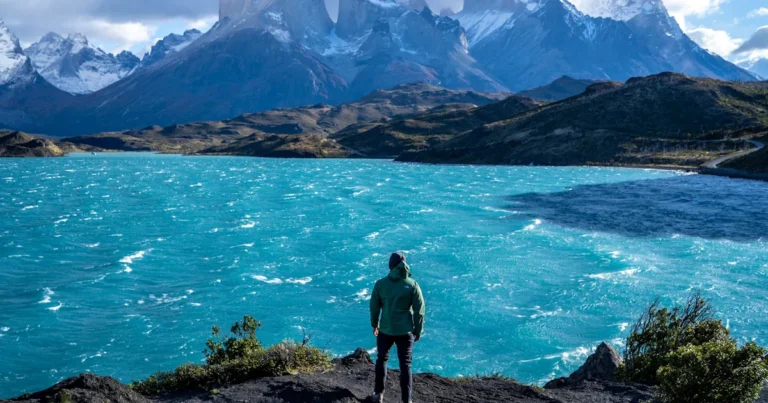
Chile is a hiker’s dream stretching from the driest desert on Earth to the windswept wilds of Patagonia. But with thousands of miles of trails, how do you choose where to trek? Whether you’re chasing the iconic granite towers of Torres del Paine, the ancient Araucaria forests of the Lake District, or the surreal Martian landscapes of the Atacama Desert, this guide uncovers the 12 most popular hiking destinations in Chile that every adventurer should know.
We’ve trekked these trails ourselves—sometimes battling fierce Patagonian winds, other times marveling at star-studded skies in the Atacama—and we’re here to share insider tips, must-see highlights, and expert advice to help you plan your ultimate Chilean hiking adventure. Curious about which trek offers solitude over crowds? Or which volcano climb will get your adrenaline pumping? Stick around, because the answers might surprise you.
Key Takeaways
- Torres del Paine’s W-Trek and O-Circuit remain Chile’s crown jewels for iconic Patagonian hiking, but lesser-known trails like Cerro Castillo and Dientes de Navarino offer solitude and rugged beauty.
- Diverse ecosystems mean you can hike through deserts, rainforests, glaciers, and volcanoes—all in one trip.
- Planning ahead is essential: booking refugios months in advance and preparing for rapidly changing weather are critical for a safe and enjoyable trek.
- Gear and training matter: quality waterproof layers, sturdy boots, and physical preparation will make your journey smoother and more rewarding.
- Beyond hiking, Chile offers kayaking, mountain biking, volcano climbing, and stargazing to round out your adventure travel experience.
Ready to uncover Chile’s best trails and start planning your unforgettable trek? Let’s dive in!
⚡️ Quick Tips and Facts
Before you lace up those Osprey boots and head to the bottom of the world, here’s the “need-to-know” intel to keep you from looking like a total gringo on the trail. Chile is a land of extremes, and the hiking culture here is as serious as a Patagonian windstorm.
| Feature | What You Need to Know |
|---|---|
| Best Time to Visit | October to April (Spring through Autumn). Summer (Dec-Feb) is peak season—expect crowds and wind! |
| Park Permits | Most parks are managed by CONAF. For Torres del Paine, you must book months in advance via the official site. |
| Water Quality | In Patagonia, the water is often purer than bottled water. In the Atacama, don’t even think about it—buy bottled. |
| Currency | Chilean Peso (CLP). While cards are accepted in cities, carry cash for remote refugios and small towns. |
| Language | Spanish (with a very fast, slang-heavy Chilean twist). “Cachai?” means “Get it?” |
| Safety | Chile is the safest country in South America, but nature is the real boss. Always check weather reports. |
| Connectivity | Download offline maps on AllTrails or Gaia GPS. Signal disappears faster than a pisco sour at happy hour. |
✅ Pro Tip: Always pack a high-quality hardshell jacket. We recommend the Arc’teryx Beta AR or a Patagonia Torrentshell because the weather in the south can change from “sunny picnic” to “arctic blast” in approximately four minutes.
❌ Don’t Forget: Chile has strict bio-security. Do not try to bring fresh fruit, meat, or dairy across the border. The SAG (Agricultural and Livestock Service) officers have very talented dogs who will find your hidden apple.
🏔️ From Ancient Incas to Modern Explorers: The Evolution of Chile’s Trails
Chile isn’t just a country; it’s a 2,600-mile-long geological flex. To understand why hiking here is so legendary, you have to look at the bones of the land. The Andes Mountains, the longest continental mountain range in the world, form the spine of the nation, created by the relentless collision of tectonic plates.
Long before we were trekking with carbon-fiber poles, the Inca Empire was pushing its way south into Central Chile, leaving behind the Qhapaq Ñan (the Main Andean Road). In the south, the indigenous Mapuche, Tehuelche, and Kawésqar peoples navigated these rugged fjords and dense forests for millennia, living in harmony with a landscape that most modern humans would find “unhospitable.”
In the 20th century, the narrative shifted from survival to conservation. The legendary Douglas Tompkins (founder of The North Face) and his wife Kristine Tompkins fell in love with the Chilean wilderness, eventually donating over a million acres of land to create the Route of Parks. Today, Chile’s trail system is a mix of ancient trade routes, pioneer paths, and world-class conservation efforts that make it the premier trekking destination on the planet.
But with so many miles of trail, where do you actually start? Is the famous W-Trek really the “best,” or is it just the loudest? Let’s dive into the ultimate guide to Chile’s most iconic footpaths. 🥾
Table of Contents
- ⚡️ Quick Tips and Facts
- 🏔️ From Ancient Incas to Modern Explorers: The Evolution of Chile’s Trails
- 📍 Mapping Your Adventure: Where is Patagonia and How to Get There
- 1. The Legendary W-Trek: The Crown Jewel of Torres del Paine
- 2. The O-Circuit: For the Hardcore Backpacker
- 3. Dientes de Navarino: The Southernmost Trek in the World
- 4. Cerro Castillo: The ‘New’ Torres del Paine
- 5. Villarrica Volcano: Summiting an Active Giant
- 6. El Cañi Sanctuary: Ancient Araucaria Forests
- 7. Valle de la Luna: Hiking Through a Martian Landscape
- 8. Cajón del Maipo: Santiago’s High-Altitude Escape
- 9. Queulat National Park: The Hanging Glacier Trail
- 10. Huerquehue National Park: The Land of Thousand-Year-Old Trees
- 11. Cochamó Valley: The Yosemite of South America
- 12. Pumalín Douglas Tompkins National Park: Rainforest Trekking
- 🏠 Refugios and Campsites: Sleeping in Torres del Paine
- 📅 Timing is Everything: When to Visit Patagonia and Beyond
- 🎒 Gear Up: The Ultimate Chile Hiking Packing List
- 💪 Trail Ready: How to Train for Hiking in Chile
- 🛡️ Is Hiking in Chile Safe? Expert Safety Tips
- ✨ Beyond the Trail: Other Active Adventures in Chile
- 🌊 The Magic of the South: What Makes Patagonia So Special
- 🌟 Conclusion
- 🔗 Recommended Links
- ❓ FAQ
- 📚 Reference Links
⚡️ Quick Tips and Facts
Before you lace up those Osprey boots and head to the bottom of the world, here’s the “need-to-know” intel to keep you from looking like a total gringo on the trail. Chile is a land of extremes, and the hiking culture here is as serious as a Patagonian windstorm.
| Feature | What You Need to Know |
|---|---|
| Best Time to Visit | October to April (Spring through Autumn). Summer (Dec-Feb) is peak season—expect crowds and wind! |
| Park Permits | Most parks are managed by CONAF. For Torres del Paine, you must book months in advance via the official CONAF site. |
| Water Quality | In Patagonia, the water is often purer than bottled water directly from glacial streams. In the Atacama, don’t even think about it—buy bottled. |
| Currency | Chilean Peso (CLP). While cards are accepted in cities, carry cash for remote refugios and small towns. |
| Language | Spanish (with a very fast, slang-heavy Chilean twist). “Cachai?” means “Get it?” |
| Safety | Chile is generally considered the safest country in South America for travelers, but nature is the real boss. Always check weather reports and trail conditions. |
| Connectivity | Download offline maps on AllTrails or Gaia GPS. Signal disappears faster than a pisco sour at happy hour. |
✅ Pro Tip: Always pack a high-quality hardshell jacket. We recommend the Arc’teryx Beta AR or a Patagonia Torrentshell because the weather in the south can change from “sunny picnic” to “arctic blast” in approximately four minutes.
❌ Don’t Forget: Chile has strict bio-security. Do not try to bring fresh fruit, meat, or dairy across the border. The SAG (Agricultural and Livestock Service) officers have very talented dogs who will find your hidden apple.
🏔️ From Ancient Incas to Modern Explorers: The Evolution of Chile’s Trails
Chile isn’t just a country; it’s a 2,600-mile-long geological flex. To understand why hiking here is so legendary, you have to look at the bones of the land. The Andes Mountains, the longest continental mountain range in the world, form the spine of the nation, created by the relentless collision of tectonic plates.
Long before we were trekking with carbon-fiber poles, the Inca Empire was pushing its way south into Central Chile, leaving behind the Qhapaq Ñan (the Main Andean Road), a UNESCO World Heritage site that once stretched thousands of miles across the continent. In the south, the indigenous Mapuche, Tehuelche, and Kawésqar peoples navigated these rugged fjords and dense forests for millennia, living in harmony with a landscape that most modern humans would find “unhospitable.”
In the 20th century, the narrative shifted from survival to conservation. The legendary Douglas Tompkins (founder of The North Face) and his wife Kristine Tompkins fell in love with the Chilean wilderness, eventually donating over a million acres of land to create the Route of Parks. Today, Chile’s trail system is a mix of ancient trade routes, pioneer paths, and world-class conservation efforts that make it the premier trekking destination on the planet.
But with so many miles of trail, where do you actually start? Is the famous W-Trek really the “best,” or is it just the loudest? Let’s dive into the ultimate guide to Chile’s most iconic footpaths. 🥾
📍 Mapping Your Adventure: Where is Patagonia and How to Get There
Ah, Patagonia! Just the name conjures images of jagged peaks, colossal glaciers, and windswept plains. But where exactly is this mythical land, and how do you get your adventurous self there? Patagonia isn’t just one place; it’s a vast geographical region shared by both Chile and Argentina, covering the southern tip of South America. While both sides offer incredible hiking, our focus at Chile Vacay™ is, naturally, on the Chilean side, which boasts some of the most dramatic landscapes and world-renowned trekking routes. If you’re planning a trip, you’ll want to check out our guide to the Best Places to Visit in Chile for a broader overview!
Understanding Chilean Patagonia
Chilean Patagonia stretches from the Lake District southwards, encompassing the Aysén region and the Magallanes region, which includes the famous Torres del Paine National Park. It’s characterized by its fjords, temperate rainforests, massive ice fields, and the iconic granite spires that define its skyline.
Gateway Towns: Your Launchpads to Adventure
Getting to Chilean Patagonia usually means flying into one of its key gateway cities.
- Punta Arenas (PUQ): This is the largest city in Chilean Patagonia and often your first stop. It’s a bustling port city on the Strait of Magellan, offering connections to Puerto Natales (the main hub for Torres del Paine) and even Tierra del Fuego. “Punta Arenas is a great starting point for excursions,” as noted by Active Travel Adventures.
- Puerto Natales: About a 3-hour bus ride from Punta Arenas, Puerto Natales is the base camp for anyone tackling Torres del Paine. It’s a charming town with plenty of gear rental shops, hostels, and tour operators. Lamb on the Rhodes highlights it as a key town for Torres del Paine access.
- Coyhaique: Further north in the Aysén region, Coyhaique is the gateway to lesser-known but equally stunning parks like Cerro Castillo and those along the Carretera Austral.
How to Get There: Flights, Buses, and Rental Cars
-
Flying In:
- The most common approach is to fly into Santiago (SCL), Chile’s capital, and then take a domestic flight south.
- For Torres del Paine, fly from Santiago to Punta Arenas (PUQ). Airlines like LATAM and Sky Airline offer regular flights.
- For the Aysén region and the Carretera Austral, you might fly to Balmaceda (BBA), near Coyhaique, or Puerto Montt (PMC) further north.
- Pro Tip: Book domestic flights well in advance, especially during peak season, as they can fill up quickly.
-
Buses:
- Once you land in Punta Arenas, regular and comfortable bus services (e.g., Bus-Sur, Punta Arenas Bus) run to Puerto Natales. The journey is scenic and efficient.
- Buses also connect various towns along the Carretera Austral, though these can be less frequent and more rugged.
-
Rental Cars:
- For ultimate flexibility, especially if you plan to explore the Carretera Austral or venture into more remote areas, renting a car is a fantastic option. Lamb on the Rhodes recommends a 4WD for gravel roads. We wholeheartedly agree!
- RentalCars.com is a great platform to compare options. Be aware that some roads, particularly on the Carretera Austral, are gravel (Ruta 7), and a sturdy vehicle is a game-changer.
- If you plan to cross into Argentina (e.g., to visit El Calafate or El Chaltén for the Fitz Roy hike, which Active Travel Adventures mentions as a top bucket-list hike), you’ll need special permits from the rental company, which must be arranged in advance and usually incur an extra fee. Border crossings are generally straightforward with proper documentation.
Our Take: While flying directly to Punta Arenas is the quickest route to Torres del Paine, we often recommend spending a night or two in Santiago to adjust, perhaps exploring some Cultural Experiences before diving into the wilderness. The journey south is part of the adventure, so embrace the bus rides and the changing landscapes!
1. The Legendary W-Trek: The Crown Jewel of Torres del Paine
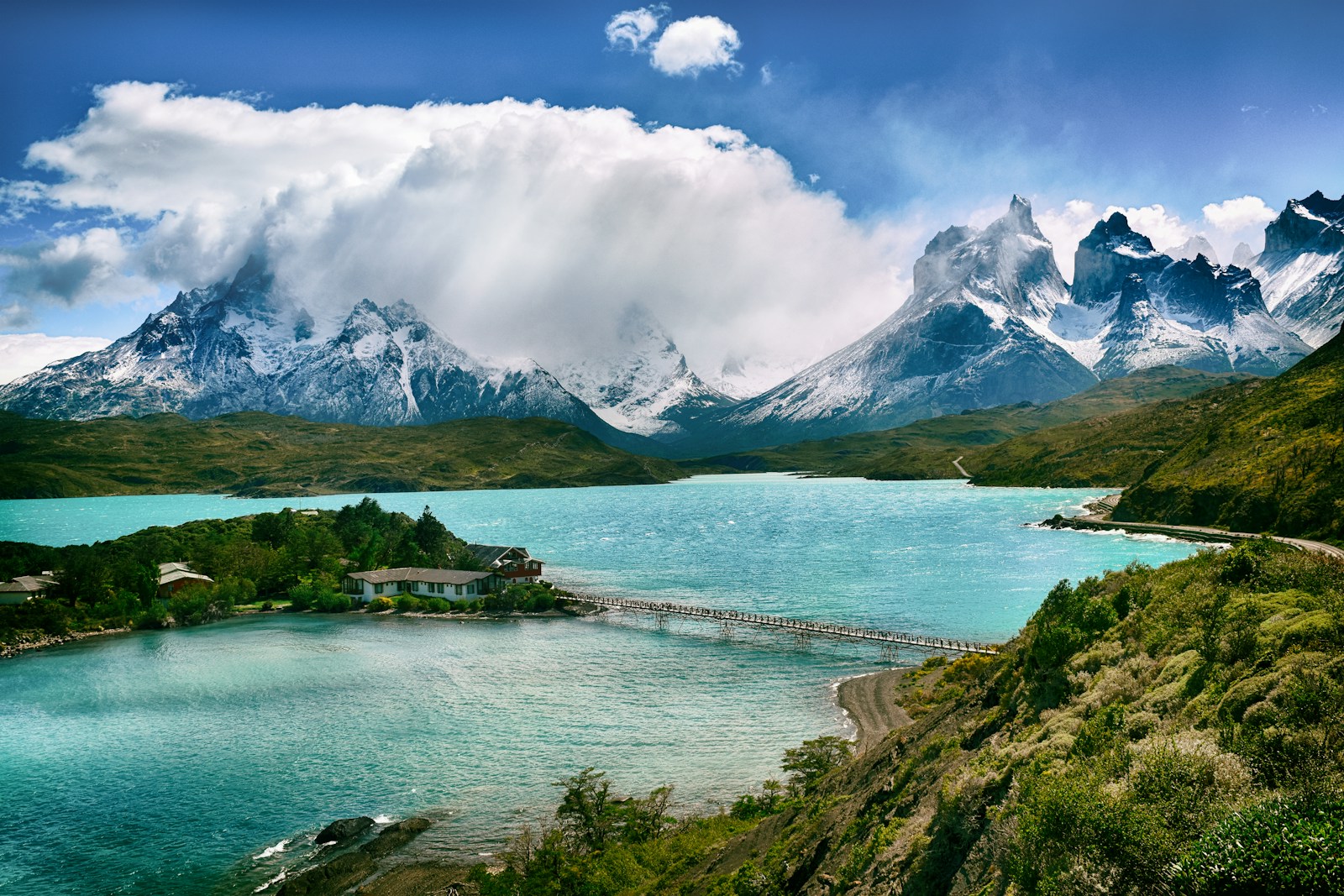
If you’ve heard anything about hiking in Chile, chances are you’ve heard about the W-Trek in Torres del Paine National Park. It’s not just a hike; it’s a pilgrimage for outdoor enthusiasts, a rite of passage that carves a “W” shape through some of the most mind-blowingly beautiful landscapes on Earth. Horizon Guides aptly states, “Torres del Paine deserves its fame, but there are plenty of incredible trekking alternatives.” While true, the W-Trek is famous for a reason, drawing “more trekkers than the rest of the country combined.”
Our Experience: The first time we set foot on the W, the sheer scale of the landscape hit us like a Patagonian gust. We’d seen photos, read blogs, but nothing prepares you for the feeling of being dwarfed by granite spires and ancient glaciers. It’s a challenging 4-5 day trek (or longer, depending on your pace), typically rated 4 to 5 out of 5 in difficulty by Active Travel Adventures, requiring prior training. But every step, every blister, is absolutely worth it.
The Highlights: Base Las Torres and Grey Glacier
The “W” shape takes you through three valleys, each culminating in an iconic viewpoint:
- Base Las Torres (The Towers Base): This is the iconic postcard shot. A challenging ascent leads you to a glacial lake reflecting the three massive granite towers. The first YouTube video embedded in this article highlights this hike, noting it’s a “challenging 12.5-mile (20 km) round trip with significant elevation gain.” We recommend starting early to avoid the crowds and catch the sunrise painting the towers in fiery hues. It’s an unforgettable moment.
- Valle del Francés (French Valley): Nestled between the Paine Grande and Los Cuernos peaks, this valley offers panoramic views of hanging glaciers (keep an ear out for the thunderous sound of ice calving!) and the surrounding peaks. It’s a truly immersive experience in the heart of the park.
- Glaciar Grey (Grey Glacier): The western arm of the W-Trek brings you face-to-face with the massive Grey Glacier, part of the Southern Patagonian Ice Field. You can hike to various viewpoints, or for an even more immersive experience, consider a kayaking tour among the icebergs or a boat tour right up to the glacier’s face, as mentioned by Lamb on the Rhodes.
Logistics: Booking Your Route
This isn’t a hike you can just show up for. Booking your refugios (mountain huts) or campsites months in advance is absolutely crucial, especially during peak season (December-February). Torres del Paine sees around 50,000 visitors per year, and spots fill up fast!
- CONAF: The national park service (CONAF official site) manages some campsites (e.g., Campamento Italiano, Campamento Paso, Campamento Torres, though some may be closed for renovation or management changes).
- Fantastico Sur: Manages refugios and campsites on the eastern side of the park (e.g., Refugio Chileno, Refugio Los Cuernos, Refugio Central, Campamento Serón). Visit their official website.
- Vertice Patagonia: Manages refugios and campsites on the western side (e.g., Refugio Paine Grande, Refugio Grey, Campamento Dickson). Check their official website.
Step-by-Step Booking:
- Plan your itinerary: Decide if you’re going east-to-west or west-to-east, and how many nights you’ll spend.
- Check availability: Use the websites of Fantastico Sur and Vertice Patagonia to see which refugios or campsites have openings for your dates. This is often the trickiest part!
- Book directly: Once you find a viable itinerary, book each night individually through the respective company.
- Pay park entrance fee: You’ll pay this upon arrival at the park entrance (Laguna Amarga or Pudeto). The first YouTube video mentions a park entry fee of “$55 per person for a 3-day pass.”
Drawbacks: The W-Trek’s popularity means it can get crowded, especially at key viewpoints and refugios. If you’re seeking solitude, you might find yourself sharing the trail with many others. However, the sheer grandeur of the landscape often makes you forget the crowds.
Our Recommendation: The W-Trek is an absolute must-do for any serious hiker visiting Chile. It’s a challenging but incredibly rewarding Adventure Travel experience that will leave you speechless. Just remember to plan meticulously!
2. The O-Circuit: For the Hardcore Backpacker
Think the W-Trek sounds a bit too… mainstream? Then the O-Circuit is calling your name. This full loop around the entire Torres del Paine massif is the W-Trek’s bigger, bolder, and arguably more beautiful sibling. While the W covers the front side, the O-Circuit takes you behind the iconic peaks, offering a more remote and challenging experience over 7-10 days. Lamb on the Rhodes lists it as a 10-day trek.
Our Experience: We tackled the O-Circuit after having done the W, and it felt like unlocking a secret level of the park. The crowds thin out dramatically on the backside, replaced by a profound sense of wilderness. You’ll still hit all the highlights of the W-Trek, but you’ll earn them with more miles and more elevation.
Crossing the John Gardner Pass
The undisputed highlight and biggest challenge of the O-Circuit is the John Gardner Pass. This high-altitude crossing (around 1,200 meters or 3,900 feet) offers breathtaking, sweeping views of the Southern Patagonian Ice Field and the immense Grey Glacier stretching out below.
- Difficulty: The ascent and descent are steep and often involve scrambling over rocks, navigating snow patches (even in summer), and battling fierce Patagonian winds. It’s physically demanding and requires good weather conditions.
- Preparation: You’ll need to be well-prepared with proper gear, including sturdy hiking boots, layers, and trekking poles. The weather can change rapidly, so be ready for anything from sunshine to snow.
- Booking: Like the W-Trek, all refugios and campsites on the O-Circuit must be booked in advance through Fantastico Sur and Vertice Patagonia. The campsites on the backside (e.g., Campamento Paso, Campamento Dickson) are more basic but offer an unparalleled connection to nature.
Why Choose the O-Circuit?
- Solitude: Experience a much greater sense of wilderness and fewer crowds, especially on the northern section.
- Panoramic Views: Witness the entire massif from different perspectives, including the vast Southern Patagonian Ice Field.
- Challenge: Push your limits and earn bragging rights for completing one of the world’s great treks.
Drawbacks: The O-Circuit is not for the faint of heart or the unprepared. It’s longer, more strenuous, and requires meticulous planning. If you’re short on time or fitness, the W-Trek might be a better fit. But if you’re ready for a truly immersive Patagonian backpacking adventure, the O-Circuit is an absolute triumph.
3. Dientes de Navarino: The Southernmost Trek in the World
Ever wanted to say you’ve hiked at the “end of the world”? The Dientes de Navarino trek on Isla Navarino in Chilean Tierra del Fuego offers just that. Located south of Ushuaia, Argentina, this challenging 5-day route is the southernmost trek on the planet, a title proudly highlighted by Horizon Guides.
Our Experience: This trek is a beast, but a beautiful one. We embarked on it during a particularly blustery November, and the isolation was profound. The landscape is raw, untamed, and utterly spectacular, with jagged peaks (the “teeth” or dientes), pristine alpine lakes, and vast, unforgiving bogs. It’s not for beginners.
What Makes it So Special (and Challenging)?
- Extreme Remoteness: Unlike Torres del Paine, you won’t find refugios or well-marked trails here. It’s a true wilderness experience, requiring excellent navigation skills (GPS is essential!), self-sufficiency, and a high level of fitness.
- Bog Tramping: Be prepared for wet feet! A significant portion of the trail involves navigating peat bogs, which can be exhausting and require waterproof boots and gaiters. Horizon Guides specifically mentions “bog tramping.”
- Unpredictable Weather: Even more so than mainland Patagonia, Isla Navarino’s weather is notoriously fickle. Expect all four seasons in a single day: sun, rain, sleet, snow, and relentless wind.
- Breathtaking Views: Despite the challenges, the rewards are immense. You’ll be treated to panoramic vistas of the Beagle Channel, the distant peaks of Tierra del Fuego, and a sense of solitude that’s increasingly rare on popular trails.
Getting There
- Fly to Punta Arenas (PUQ): As mentioned earlier, this is your main entry point to Chilean Patagonia.
- Fly to Puerto Williams: From Punta Arenas, take a small plane (often a DAP Airlines flight) to Puerto Williams on Isla Navarino. This flight itself is an adventure, offering incredible aerial views of the fjords.
- Ferry Option: Alternatively, you can take a ferry from Punta Arenas to Puerto Williams, a longer but equally scenic journey.
Our Recommendation: The Dientes de Navarino is a bucket-list trek for experienced backpackers seeking an unparalleled wilderness adventure. It’s a true test of endurance and resilience, but the feeling of standing at the literal end of the world, surrounded by such raw beauty, is an experience you’ll never forget. Just make sure your gear is top-notch and your navigation skills are sharp! This is definitely a prime Adventure Travel destination.
4. Cerro Castillo: The ‘New’ Torres del Paine
If the idea of Torres del Paine’s crowds makes you wince, but you still crave those dramatic Patagonian peaks, then Cerro Castillo National Park is your answer. Located in the Aysén region of Chilean Patagonia, about 60 miles south of Coyhaique, this park is rapidly gaining recognition as “the next Torres del Paine,” as Horizon Guides puts it, but without the throngs of people.
Our Experience: We first visited Cerro Castillo a few years ago, and it felt like stepping back in time to a less-discovered Patagonia. The jagged, snow-capped peaks, turquoise glacial lakes, and ancient forests are every bit as stunning as its more famous counterpart, but the trails offer a profound sense of solitude. It’s a hidden gem that won’t stay hidden for long!
The Trekking Options
Cerro Castillo offers a range of hiking experiences, from challenging multi-day treks to rewarding day hikes.
- The Cerro Castillo Circuit (4-5 days): This is the park’s flagship trek, a challenging loop that takes you through diverse landscapes, including dense forests, alpine meadows, and high mountain passes.
- Highlights: The iconic Laguna Cerro Castillo, a vibrant turquoise lake nestled beneath the towering, spire-like peaks of Cerro Castillo itself. The views from the passes are simply breathtaking.
- Difficulty: Similar to the W-Trek in terms of physical demand, with significant elevation gains and descents. You’ll need to be self-sufficient, carrying all your gear and food, as there are no refugios on the circuit, only designated campsites.
- Mirador Laguna Cerro Castillo (Day Hike): For those with less time or who prefer a shorter, but still challenging, option, a day hike to the Mirador (viewpoint) of Laguna Cerro Castillo is highly recommended. It’s a steep climb but offers incredible rewards.
Why Cerro Castillo is a Must-Visit
- Fewer Crowds: This is the main draw. You’ll share the trails with far fewer people, allowing for a more intimate connection with nature.
- Raw Beauty: The park boasts truly spectacular scenery, from its distinctive peaks to its vibrant blue lakes and ancient forests.
- Authentic Patagonian Experience: Being less developed, Cerro Castillo offers a more rugged and authentic backpacking experience. You’ll rely more on your own skills and preparation.
Getting There
- Fly to Balmaceda (BBA), the airport serving Coyhaique.
- From Coyhaique, you can take a local bus or arrange a transfer to the small town of Villa Cerro Castillo, which serves as the base for the park.
- Renting a car (preferably a 4WD) is also an excellent option, especially if you’re exploring the wider Carretera Austral.
Our Recommendation: If you’re an experienced hiker looking for a truly epic Patagonian adventure away from the crowds, Cerro Castillo should be at the very top of your list. It’s a challenging but incredibly rewarding Adventure Travel destination that offers a glimpse into the wild heart of Aysén.
5. Villarrica Volcano: Summiting an Active Giant
Imagine standing on the rim of an active volcano, gazing into its smoking crater, and then sliding down thousands of feet of ash and snow on your backside. That’s the exhilarating experience of summiting Villarrica Volcano, one of Chile’s most active volcanoes, located near the adventure hub of Pucón in the beautiful Lake District. The first YouTube video mentions Villarrica as one of the scenic volcanoes in the Lake District.
Our Experience: Our climb up Villarrica was one of those “pinch me” moments. We started in the dark, headlamps bobbing, and watched the sunrise paint the surrounding Andes in fiery colors. Reaching the summit and peering into the sulfurous crater, feeling the heat, was an otherworldly experience. The descent, a controlled slide down the snowfields, was pure, unadulterated fun – like a natural waterslide!
The Ascent: A Guided Adventure
- Mandatory Guides: Due to its active status and the technical nature of the climb, summiting Villarrica is only permitted with a certified guide. Numerous tour operators in Pucón offer daily excursions. We recommend reputable companies like Antu Expediciones or Politur.
- Gear Provided: Tour operators typically provide all necessary technical gear, including helmets, ice axes, crampons, and gas masks (just in case!). You’ll need to bring your own warm layers, waterproof outer shell, sturdy hiking boots, and sunglasses.
- Physical Demands: It’s a strenuous 6-8 hour round trip, involving a steep ascent over volcanic rock and snowfields. While not technically difficult, it requires good physical fitness and endurance.
- Safety First: Guides constantly monitor volcanic activity and weather conditions. If conditions are deemed unsafe, the climb will be canceled – a decision we fully support for your safety.
The Thrill of the Descent
The descent is often as memorable as the ascent. After reaching the summit, you’ll get to glissade (slide) down large sections of the snow-covered slopes using your ice axe for control. It’s fast, fun, and a unique way to cover ground quickly!
Our Recommendation: Summiting Villarrica is an incredible Adventure Travel experience that combines stunning views, physical challenge, and the thrill of being on an active volcano. It’s a must-do for anyone visiting Pucón with an adventurous spirit. Just be prepared for an early start and a good workout!
6. El Cañi Sanctuary: Ancient Araucaria Forests
Just a stone’s throw from the bustling adventure town of Pucón lies a tranquil, privately protected reserve known as El Cañi Sanctuary. This ecological gem is a stark contrast to the volcanic drama of Villarrica, offering a deep dive into ancient forests and pristine nature.
Our Experience: We discovered El Cañi looking for a quieter, more reflective hike after the adrenaline rush of Villarrica. What we found was a magical place, a living museum of ancient Araucaria (Monkey Puzzle) trees, some over a thousand years old. Walking among these prehistoric giants, with their unique, scale-like leaves and towering presence, felt like stepping into another era.
A Walk Through Time
- Biodiversity Hotspot: El Cañi is a crucial conservation area, protecting a significant portion of Chile’s native temperate rainforest and its unique biodiversity. It’s home to various bird species, including the Magellanic woodpecker, and even some elusive pumas.
- Panoramic Views: The main trail leads to a stunning viewpoint at the summit of Cerro Cañi, offering a 360-degree panorama of no fewer than five volcanoes (Villarrica, Quetrupillán, Lanín, Llaima, and Sollipulli) and numerous lakes. It’s a truly rewarding vista after a steady climb.
- Trail Details: The hike is typically done as a challenging day trip (6-8 hours round trip) or an overnight stay at a rustic campsite within the sanctuary. The trail is well-maintained but involves significant elevation gain.
Why Visit El Cañi?
- Ancient Forests: Immerse yourself in the unique beauty of the Araucaria forests, a species endemic to Chile and Argentina. The first YouTube video also highlights Conguillio National Park for its Araucaria trees, emphasizing their unique beauty.
- Peace and Quiet: Escape the crowds and enjoy a serene hiking experience in a pristine natural environment.
- Conservation: Support a private conservation initiative dedicated to protecting Chile’s natural heritage.
Our Recommendation: El Cañi Sanctuary is a must-visit for nature lovers and those seeking a profound connection with Chile’s ancient forests. It’s a beautiful complement to the more adrenaline-fueled activities around Pucón and offers a unique glimpse into the country’s rich ecological history.
7. Valle de la Luna: Hiking Through a Martian Landscape
From the lush forests of the south, we transport you to the otherworldly landscapes of the Atacama Desert, the driest non-polar desert on Earth. Here, near the charming oasis town of San Pedro de Atacama, lies the Valle de la Luna (Valley of the Moon), a place so surreal it feels like you’ve landed on Mars. The first YouTube video embedded in this article prominently features the Atacama Desert, specifically highlighting the “unique geological formations in the Valley of the Moon.”
Our Experience: Stepping into Valle de la Luna for the first time was like walking onto a movie set. The stark, sculpted rock formations, massive sand dunes, and vast salt flats, all under an impossibly blue sky, create a landscape unlike anything else. We spent hours scrambling over dunes and exploring caves, feeling like intrepid astronauts on an alien planet. Active Travel Adventures also notes the varied landscape from high desert to lush mountain areas, and the Atacama is a prime example of the former.
Exploring the Lunar Valley
- Geological Wonders: The valley is a result of millennia of wind and water erosion, creating incredible natural sculptures of rock and sand. You’ll see formations like “Las Tres Marías” (The Three Marys) and vast salt caverns.
- Sunset Spectacle: The most popular time to visit is late afternoon, culminating in a breathtaking sunset. As the sun dips below the horizon, the landscape transforms, with colors shifting from ochre and rust to deep purples and blues. It’s a photographer’s dream!
- Hiking and Biking: While many tours drive through, we highly recommend exploring on foot. There are various trails that allow you to climb sand dunes for panoramic views or wander through the unique formations. Renting a bike in San Pedro and cycling into the valley is also a popular and exhilarating option.
- Stargazing: The Atacama Desert is renowned as one of the best places on Earth for stargazing due to its high altitude, dry air, and minimal light pollution. After sunset in Valle de la Luna, consider a dedicated stargazing tour to witness the Milky Way in all its glory.
Practical Tips for Visiting
- Hydration: It’s the driest desert in the world! Carry plenty of water.
- Sun Protection: The sun is intense. Wear a hat, sunglasses, and high-SPF sunscreen.
- Tours vs. Self-Guided: Many agencies in San Pedro offer tours. Alternatively, you can rent a bike or a car and explore independently, but be mindful of park regulations and designated trails.
Our Recommendation: Valle de la Luna is an absolute must-see when visiting the Atacama Desert. It’s a truly unique Destination that offers an unforgettable hiking experience through a landscape that feels out of this world. Don’t miss the sunset!
8. Cajón del Maipo: Santiago’s High-Altitude Escape
Need a quick escape from the urban hustle of Santiago? Just a short drive southeast of the capital, the Cajón del Maipo offers a dramatic change of scenery, transporting you to the rugged foothills of the Andes. This Andean canyon is a playground for hikers, offering everything from gentle riverside strolls to challenging high-altitude treks.
Our Experience: Living in Santiago, Cajón del Maipo became our go-to weekend escape. One crisp autumn morning, we drove up, leaving the city smog behind, and found ourselves surrounded by towering peaks, the Maipo River rushing below. We hiked to a viewpoint overlooking the stunning Embalse El Yeso reservoir, its turquoise waters contrasting sharply with the snow-capped mountains. It felt like a world away, yet it was so accessible.
Hiking and Exploring in Cajón del Maipo
- Embalse El Yeso: This massive turquoise reservoir is perhaps the most famous attraction. While the road to it can be rough (a 4WD is often recommended), the views are spectacular. There are various short hikes around the reservoir offering different perspectives.
- Hot Springs (Termas): After a day of hiking, soothe your muscles in one of the natural hot springs. Termas Colina offers rustic, tiered pools with incredible mountain views, a perfect way to relax.
- El Morado Natural Monument: For a more challenging hike, head to El Morado. The trail leads to a glacier and a beautiful lagoon, offering stunning alpine scenery. It’s a full-day trek that requires good fitness.
- San José de Maipo: This charming mountain town serves as the main hub for the region, offering restaurants, shops, and a taste of local Andean life.
Accessibility from Santiago
- Day Trip Potential: Cajón del Maipo is easily accessible as a day trip from Santiago. Many tour operators offer excursions, or you can rent a car for more flexibility.
- Road Conditions: Be aware that road conditions can vary, especially after heavy rain or snow. Some areas may require a 4×4 vehicle. Always check local conditions before heading out.
Our Recommendation: For anyone visiting Santiago who craves a dose of nature and some invigorating hiking, Cajón del Maipo is an excellent choice. It offers a fantastic blend of accessible trails, stunning scenery, and relaxing hot springs, making it a perfect Adventure Travel escape from the city.
9. Queulat National Park: The Hanging Glacier Trail
Venturing further south along the legendary Carretera Austral, you’ll encounter Queulat National Park, a gem of the Aysén region. This park is famous for one truly spectacular sight: the Ventisquero Colgante, or Hanging Glacier. Lamb on the Rhodes mentions Queulat as a highlight of the Carretera Austral, and Horizon Guides also lists it as a key feature of the route.
Our Experience: We drove the Carretera Austral, and Queulat was a definite highlight. The approach through dense, emerald-green rainforest, with waterfalls cascading down mossy cliffs, felt like entering a lost world. Then, through a break in the trees, we saw it: the massive glacier suspended between two peaks, its meltwater plummeting hundreds of feet into a lagoon below. It was an awe-inspiring sight that truly captured the wild beauty of Chilean Patagonia.
The Hanging Glacier Experience
- Main Attraction: The Ventisquero Colgante is the star. This unique glacier hangs precariously from a cliff face, creating a dramatic waterfall as it melts.
- Hiking Trails:
- Sendero Mirador Ventisquero Colgante: A relatively easy, well-maintained trail (about 3 km round trip) that leads to a viewpoint offering stunning vistas of the glacier and the lagoon.
- Sendero Laguna Témpanos: A shorter, even easier walk to a lagoon where you can often see icebergs calved from the glacier.
- Boat Tours: For an up-close and personal experience, take a boat tour on the Laguna Témpanos. These tours get you closer to the base of the glacier, allowing you to feel the spray of the waterfalls and witness the sheer scale of the ice.
- Lush Rainforest: Beyond the glacier, the park is a haven of temperate rainforest, home to ancient trees, ferns, and diverse wildlife. The hiking trails immerse you in this vibrant ecosystem.
Why Queulat is a Must-Stop on the Carretera Austral
- Unique Glacier: The Hanging Glacier is a truly singular natural wonder, unlike anything else you’ll see.
- Accessible Beauty: The main trails are relatively easy, making this a great option for hikers of all levels to experience Patagonian glaciers.
- Carretera Austral Gem: It’s a perfect stop to break up the drive along the Carretera Austral, offering a stunning natural spectacle.
Our Recommendation: If you’re exploring the Carretera Austral, make sure to dedicate time to Queulat National Park. The Hanging Glacier is an unforgettable sight, and the surrounding rainforest offers a beautiful contrast to the more arid landscapes found elsewhere in Chile. It’s a fantastic Destination for nature lovers.
10. Huerquehue National Park: The Land of Thousand-Year-Old Trees
Another jewel in Chile’s Lake District, not far from Pucón, is Huerquehue National Park. While Villarrica offers volcanic drama and El Cañi boasts ancient Araucarias, Huerquehue combines both: stunning lakes, cascading waterfalls, and magnificent forests dominated by those iconic, prehistoric Monkey Puzzle trees.
Our Experience: Huerquehue quickly became one of our favorite parks in the Lake District. We hiked the famous Sendero Los Lagos (Lakes Trail) on a crisp spring day, and the air was alive with the scent of damp earth and ancient trees. The trail wound past several pristine alpine lakes, each a different shade of blue, with waterfalls tumbling over moss-covered rocks. It felt like walking through a fairy tale, especially when we spotted a majestic Araucaria standing sentinel over a hidden lagoon.
The Sendero Los Lagos: A Classic Hike
- Lakes, Lakes, and More Lakes: The park’s most popular trail, Sendero Los Lagos (Lakes Trail), is a moderate 7 km (4.3 miles) loop that takes you past several beautiful mountain lakes, including Laguna Chico, Laguna Toro, and Laguna Verde.
- Ancient Araucarias: The trail is renowned for its impressive stands of ancient Araucaria araucana trees. These living fossils, with their distinctive umbrella-like crowns, are a sight to behold and add a unique, primeval atmosphere to the hike.
- Waterfalls: Along the way, you’ll encounter several picturesque waterfalls, perfect for a refreshing break and some stunning photos.
- Wildlife: Keep an eye out for local wildlife, including the rare pudú (the world’s smallest deer), various bird species, and perhaps even a fox.
Why Huerquehue is a Must-Visit
- Diverse Scenery: Offers a fantastic combination of lakes, waterfalls, and ancient forests, providing a varied and visually stunning hiking experience.
- Accessible: Easily reachable from Pucón, making it a convenient day trip for those staying in the area.
- Family-Friendly Options: While Sendero Los Lagos is a moderate challenge, there are shorter, easier trails available for families or those seeking a more relaxed walk.
Our Recommendation: Huerquehue National Park is an essential stop for anyone exploring the Lake District. It offers a truly immersive experience in Chile’s unique temperate rainforests and is a perfect example of the country’s incredible natural diversity. It’s a fantastic Destination for hikers of all levels.
11. Cochamó Valley: The Yosemite of South America
Tucked away in northern Patagonia, near Puerto Varas, lies the Cochamó Valley, often hailed as the “Yosemite of South America.” This remote and rugged valley is a paradise for rock climbers and serious trekkers, boasting towering granite walls, ancient Alerce forests, and pristine rivers.
Our Experience: Getting to Cochamó is an adventure in itself. The final approach involves a challenging 4-5 hour hike through dense forest, often muddy, which means you have to carry all your gear in. But once you emerge into the main valley, the sight of the massive granite domes rising majestically from the forest floor is absolutely breathtaking. We spent days exploring the trails, feeling tiny beneath the colossal rock faces, and marveling at the untouched wilderness. It’s a place that truly makes you work for its beauty.
A Climber’s and Hiker’s Paradise
- Granite Walls: Cochamó is world-renowned for its massive granite walls, attracting rock climbers from across the globe. Peaks like Cerro Trinidad and La Junta offer multi-pitch routes that rival those in Yosemite.
- Ancient Forests: The valley is home to pristine temperate rainforests, including ancient Alerce trees, some of which are thousands of years old. The trails wind through these magical forests, offering a deep connection to nature.
- Multi-Day Treks: Beyond the climbing, Cochamó offers several challenging multi-day treks.
- La Junta: The main trekking hub, with various day hikes radiating from it to viewpoints like Arco Iris (Rainbow) and Cerro Anfiteatro.
- Paso León: For the truly adventurous, a multi-day trek over Paso León connects Cochamó with Argentina, requiring river crossings and excellent navigation.
- Rustic Accommodation: Accommodation in the valley is rustic, primarily campsites and basic refugios like Refugio Cochamó. Book well in advance, especially during peak season.
The Challenging Approach
- No Road Access: The main valley is only accessible by foot or horseback. You’ll need to hike in from the trailhead near the town of Cochamó.
- Booking Required: Due to its growing popularity and the need to manage impact, you must book your entrance and accommodation in the valley in advance through the official Cochamó Valley website.
Our Recommendation: Cochamó Valley is an incredible Adventure Travel destination for experienced hikers and climbers seeking a rugged, off-the-beaten-path experience. It requires significant planning and effort, but the rewards—unparalleled natural beauty and a profound sense of wilderness—are absolutely worth it.
12. Pumalín Douglas Tompkins National Park: Rainforest Trekking
No discussion of Chilean hiking would be complete without mentioning Pumalín Douglas Tompkins National Park. This vast and breathtaking park, stretching from the Andes to the Pacific coast in northern Chilean Patagonia, is a testament to the incredible vision and generosity of conservationists Douglas and Kristine Tompkins. Horizon Guides highlights Pumalín as a park named after Douglas Tompkins, characterized by “ragged mountains, Alerce forests, and spectacular coastlines,” while Lamb on the Rhodes praises its “pristine landscapes” and “native rainforest.”
Our Experience: We drove through Pumalín as part of our Carretera Austral journey, and it was a constant source of wonder. One day we were hiking through ancient Alerce forests, the next we were marveling at waterfalls cascading into fjords. The park is meticulously maintained, with excellent infrastructure for visitors, yet it retains a wild, untamed feel. It’s a living legacy of what dedicated conservation can achieve.
A Legacy of Conservation and Natural Beauty
- Diverse Ecosystems: Pumalín protects an astonishing array of ecosystems, from dense temperate rainforests (Valdivian rainforest) and ancient Alerce groves to rugged mountains, volcanoes, and pristine coastline.
- Hiking Trails: The park offers numerous well-maintained trails, ranging from easy strolls to challenging multi-day treks.
- Cascada Trail: A short, easy walk to a beautiful waterfall.
- Alerce Trail: An immersive hike through ancient Alerce forests, allowing you to get up close to these magnificent, long-lived trees. Lamb on the Rhodes specifically mentions the “Alerces tree trail.”
- Laguna Tronador: A more strenuous hike leading to a stunning alpine lake with views of the Tronador volcano.
- Volcán Chaitén: For a truly unique experience, hike up the recently active Chaitén volcano for incredible views of the surrounding landscape and the volcano’s crater.
- Wildlife: Keep an eye out for diverse wildlife, including pudú deer, pumas, and a variety of bird species. The coastal areas are home to marine life like dolphins and sea lions.
- Infrastructure: The park boasts excellent visitor facilities, including well-maintained campsites, cabins, and information centers, making it very accessible for travelers.
Why Pumalín is a Must-Visit
- Conservation Success Story: Experience firsthand the power of private conservation in creating and protecting vast natural spaces for future generations.
- Stunning Diversity: Explore a wide range of landscapes and ecosystems within a single park.
- Accessible Wilderness: Enjoy world-class hiking trails and facilities in a truly wild setting.
Our Recommendation: Pumalín Douglas Tompkins National Park is an absolute must-visit for anyone traveling the Carretera Austral or seeking to experience the magic of Chilean Patagonia’s rainforests. It’s a beautiful blend of conservation, adventure, and natural splendor, offering something for every type of hiker. It’s a prime Destination and a testament to Adventure Travel.
🏠 Refugios and Campsites: Sleeping in Torres del Paine
When you’re tackling multi-day treks like the W-Trek or the O-Circuit in Torres del Paine National Park, your accommodation isn’t just a place to sleep; it’s a crucial part of the experience. The park offers a unique system of refugios (mountain huts) and designated campsites, each with its own charm and amenities.
Our Experience: We’ve done both the refugio and camping routes in Torres del Paine, and each offers a distinct flavor. Our first time, we splurged on refugios after a particularly brutal day of Patagonian winds. The hot shower and a warm meal felt like pure luxury! On a subsequent trip, we embraced the full camping experience, cooking our own meals under the stars, which felt more connected to the wilderness.
Understanding Your Options
| Accommodation Type | Description | Pros | Cons |
|---|---|---|---|
| Refugios (Mountain Huts) | Basic dorm-style rooms (bunk beds), shared bathrooms, common areas. Often offer meals (breakfast, lunch, dinner, packed lunches). | Warm, dry, comfortable beds, hot showers (usually), pre-booked meals, social atmosphere, no need to carry camping gear. | More expensive, less privacy, can be noisy, require booking months in advance. |
| Campsites (Equipped) | Designated pitches for tents. Some offer basic facilities like toilets, cold showers, and cooking shelters. Some offer tent rentals. | More affordable, closer to nature, more privacy (relative), self-catering option. | Requires carrying all camping gear, can be cold/wet, facilities are basic. |
| Campsites (Free/Basic) | Historically, CONAF offered some free campsites (e.g., Campamento Italiano, Campamento Torres). These are very basic, often with just a pit toilet and no running water. | Free (if available), true wilderness experience. | Extremely basic, no amenities, often closed or require prior booking. |
The Key Providers
As mentioned in the W-Trek section, there are three main entities managing accommodation in Torres del Paine:
- CONAF: The national park service. Historically managed free campsites, but many are now managed by private operators or require booking through the CONAF website. Always check the official CONAF site for the most up-to-date information on their campsites.
- Fantastico Sur: Manages refugios and campsites on the eastern side of the W-Trek and O-Circuit (e.g., Refugio Chileno, Refugio Los Cuernos, Refugio Central). Visit their official website.
- Vertice Patagonia: Manages refugios and campsites on the western side of the W-Trek and O-Circuit (e.g., Refugio Paine Grande, Refugio Grey). Check their official website.
Booking is Non-Negotiable!
This cannot be stressed enough: you MUST book all your refugios or campsites for every single night of your trek months in advance. For peak season (December-February), this means 6-12 months ahead of time. Without confirmed bookings for each night, you will not be allowed to enter the park to undertake the multi-day treks.
Step-by-Step Booking (Revisited):
- Map your route: Decide your exact itinerary, including entry and exit points and how many nights you’ll spend at each location.
- Check availability: Use the websites of Fantastico Sur and Vertice Patagonia (and CONAF if applicable) to find matching availability for your entire route. This is often a puzzle!
- Book directly: Once you have a complete itinerary, book each night through the respective company’s website. Print all your confirmations!
Our Recommendation: For first-timers, a mix of refugio and camping can be a great way to experience both sides. If you’re on a tighter Budget Travel plan, camping is the way to go, but be prepared to carry more gear. Regardless of your choice, book early, or you’ll be left out in the cold (literally!).
Looking for hotels or guesthouses near the park before or after your trek?
- 👉 Shop Hotels in Puerto Natales on:
📅 Timing is Everything: When to Visit Patagonia and Beyond
Deciding when to visit Chile for hiking is almost as important as deciding where to go. The country’s extreme length means vastly different climates from north to south, and even within Patagonia, the weather can be famously fickle. Lamb on the Rhodes notes, “No definitive best month; year-round beauty with activities in winter… Peak summer (Dec-Feb) is busiest.” Horizon Guides also advises, “Main trekking season: September to April, with peak in December-February. Best to visit shoulder seasons for fewer crowds.”
Our Experience: We’ve experienced Patagonia in almost every season. One December, we were battling horizontal rain and 100 km/h winds on the W-Trek. The very next March, we had glorious sunshine and calm days. The Atacama, on the other hand, is consistently sunny, but the desert heat in summer can be intense. Understanding these nuances is key to planning your perfect trip.
Patagonia: The Land of Four Seasons in a Day
| Season | Months | Pros | Cons | Our Recommendation |
|---|---|---|---|---|
| Spring (Shoulder) | Oct – Nov | Fewer crowds, wildflowers blooming, slightly lower prices, longer daylight hours. | Weather still unpredictable, some trails/services might be opening up. | Excellent for avoiding crowds while still getting good weather. |
| Summer (Peak) | Dec – Feb | Longest daylight hours (up to 17 hrs!), all trails and services open, generally warmer. | Crowds! Highest prices, strongest winds (especially Jan/Feb), requires booking far in advance. | If you don’t mind crowds and book early, the best chance for stable weather. |
| Autumn (Shoulder) | Mar – Apr | Stunning fall foliage (especially in forests), fewer crowds, crisp air, good light for photography. | Shorter daylight hours, colder nights, increasing chance of rain/snow towards April. | Our personal favorite! Beautiful colors, fewer people, still good weather. |
| Winter (Off-Peak) | May – Sep | True solitude, unique snowshoeing/skiing opportunities, lowest prices. | Many trails closed (especially high passes), very cold, short daylight hours, limited services. | For experienced winter trekkers or those seeking unique snow adventures. |
Key Takeaway for Patagonia: While summer offers the most reliable access to all trails, the shoulder seasons (October-November and March-April) often provide the best balance of good weather, fewer crowds, and more reasonable prices.
Beyond Patagonia: Other Regions
- Central Chile (Santiago & Cajón del Maipo):
- Spring (Sep-Nov): Pleasant temperatures, green landscapes.
- Summer (Dec-Feb): Hot and dry, good for high-altitude treks.
- Autumn (Mar-May): Mild, beautiful fall colors.
- Winter (Jun-Aug): Cold, snow in the mountains (ski season!).
- Lake District (Pucón, Puerto Varas):
- Similar to Patagonia, with summer (Dec-Feb) being peak for hiking and water activities.
- Shoulder seasons are also excellent for fewer crowds and beautiful scenery.
- Atacama Desert (San Pedro de Atacama):
- Year-round destination. The desert climate is generally stable.
- Summer (Dec-Feb): Can be very hot during the day, but dry heat.
- Winter (Jun-Aug): Pleasant daytime temperatures, but nights can be very cold, especially at high altitudes.
- “Altiplanic Winter” (Jan-Feb): Brief, localized rains can occur, which is unusual for a desert but can affect road conditions to high-altitude lagoons.
Our Recommendation: For a comprehensive hiking trip covering multiple regions, aiming for November or March often strikes the best balance. You’ll catch the tail end of spring or the beginning of autumn in Patagonia, and pleasant conditions in the central and northern regions. Always check specific weather forecasts closer to your travel dates, as conditions can vary wildly!
🎒 Gear Up: The Ultimate Chile Hiking Packing List
Alright, adventurers, let’s talk gear! Chile’s diverse landscapes, from the scorching Atacama to the icy Patagonian winds, demand a well-thought-out packing strategy. As we always say at Chile Vacay™, “There’s no bad weather, only bad gear!” Investing in quality equipment will make or break your trip, especially on multi-day treks like the W-Trek.
Our Experience: We’ve learned the hard way what to pack (and what not to pack). One time, a friend forgot his waterproof gloves on the O-Circuit, and let’s just say his hands were not happy crossing the John Gardner Pass in a snowstorm. Lesson learned: layers and waterproofing are your best friends!
Essential Gear: The Non-Negotiables
Here’s a breakdown of what you absolutely need, with some of our favorite brands:
1. Footwear: Your Foundation
| Product | Rating (1-10) | Design | Functionality | Durability | Comfort |
|---|---|---|---|---|---|
| Salomon Quest 4D 3 GTX Hiking Boots | 9 | Rugged, supportive | Excellent ankle support, waterproof Gore-Tex | High | Very comfortable for long treks |
| Merrell Moab 3 Mid Waterproof Hiking Boots | 8 | Classic, versatile | Good grip, reliable waterproofing | Good | Comfortable out of the box |
- Hiking Boots: Waterproof, broken-in, and supportive are the keywords. We swear by Salomon Quest 4D 3 GTX for serious treks or Merrell Moab 3 Mid Waterproof for lighter trails. Don’t even think about bringing new boots on a multi-day hike!
- 👉 CHECK PRICE on: Amazon | REI | Salomon Official Website
- 👉 CHECK PRICE on: Amazon | Zappos | Merrell Official Website
- Hiking Socks: Multiple pairs of wool or synthetic socks (Darn Tough or Smartwool) to prevent blisters. Avoid cotton!
- 👉 Shop Darn Tough Socks on: Amazon | REI | Darn Tough Official Website
- Camp Shoes/Sandals: Something light for refugios or campsites (Crocs or Teva sandals).
2. Clothing: The Layering System is King
Patagonian weather is famously unpredictable. The key is a three-layer system:
- Base Layer: Moisture-wicking (merino wool or synthetic) for temperature regulation. (Icebreaker or Smartwool).
- 👉 Shop Icebreaker Base Layers on: Amazon | REI | Icebreaker Official Website
- Mid Layer: Insulation (fleece jacket or lightweight puffy jacket). We love the Patagonia Better Sweater Fleece or a Rab Microlight Alpine Down Jacket.
- 👉 Shop Patagonia Better Sweater Fleece on: Amazon | REI | Patagonia Official Website
- 👉 Shop Rab Microlight Alpine Down Jacket on: Amazon | Backcountry | Rab Official Website
- Outer Layer (Hardshell): Waterproof and windproof jacket and pants. This is non-negotiable for Patagonia. The Arc’teryx Beta AR Jacket or Patagonia Torrentshell 3L Jacket are excellent choices.
- 👉 Shop Arc’teryx Beta AR Jacket on: Amazon | REI | Arc’teryx Official Website
- 👉 Shop Patagonia Torrentshell 3L Jacket on: Amazon | REI | Patagonia Official Website
- Hiking Pants: Quick-drying, durable hiking pants (e.g., Prana Stretch Zion).
- 👉 Shop Prana Stretch Zion Pants on: Amazon | REI | Prana Official Website
- Hat & Gloves: Warm hat (Buff or wool beanie) and waterproof gloves.
- 👉 Shop Buff Headwear on: Amazon | REI | Buff Official Website
3. Backpacks & Daypacks
- Multi-day Backpack (40-65L): For treks like the W or O-Circuit. We love Osprey Atmos AG 65 (men’s) or Osprey Aura AG 65 (women’s) for their comfort and capacity.
- 👉 Shop Osprey Atmos AG 65 on: Amazon | REI | Osprey Official Website
- Daypack (15-25L): For day hikes or as a summit pack.
- Rain Cover: Essential for your backpack. Many backpacks come with one.
4. Navigation & Safety
- Map & Compass: Always carry physical backups, even with digital tools.
- GPS Device/App: Garmin inReach Mini 2 for satellite communication in remote areas, and offline maps on AllTrails or Gaia GPS.
- 👉 Shop Garmin inReach Mini 2 on: Amazon | REI | Garmin Official Website
- Headlamp: With extra batteries (Petzl or Black Diamond).
- 👉 Shop Petzl Headlamps on: Amazon | REI | Petzl Official Website
- First-Aid Kit: Comprehensive, including blister treatment (e.g., Compeed).
- Whistle & Mirror: For signaling.
- Knife/Multi-tool: (Leatherman or Swiss Army Knife).
5. Camping Gear (if not staying in refugios)
- Tent: Lightweight, 3-season, wind-resistant. (MSR Hubba Hubba NX or Big Agnes Copper Spur HV UL).
- 👉 Shop MSR Hubba Hubba NX on: Amazon | REI | MSR Official Website
- Sleeping Bag: Rated for 0°C (32°F) or lower for Patagonia. (Feathered Friends or Western Mountaineering).
- Sleeping Pad: Insulated and comfortable (Therm-a-Rest NeoAir XLite).
- 👉 Shop Therm-a-Rest NeoAir XLite on: Amazon | REI | Therm-a-Rest Official Website
- Cooking System: Lightweight stove (Jetboil or MSR PocketRocket), fuel, pot, spork.
- 👉 Shop Jetboil Flash Cooking System on: Amazon | REI | Jetboil Official Website
- Water Filter/Purifier: (Sawyer Squeeze or Katadyn BeFree).
- 👉 Shop Sawyer Squeeze Water Filter on: Amazon | Walmart | Sawyer Official Website
6. Miscellaneous Essentials
- Trekking Poles: Save your knees! (Black Diamond Trail Ergo Cork).
- 👉 Shop Black Diamond Trail Ergo Cork Trekking Poles on: Amazon | REI | Black Diamond Official Website
- Water Bottles/Hydration Reservoir: At least 2L capacity.
- Sun Protection: Sunscreen (high SPF), sunglasses, wide-brimmed hat.
- Toiletries: Biodegradable soap, toothbrush, small towel.
- Power Bank: For charging electronics (Anker PowerCore).
- 👉 Shop Anker PowerCore Power Bank on: Amazon | Walmart | Anker Official Website
- Camera: To capture those epic views! (GoPro for action, Sony Alpha for quality).
- Snacks: High-energy bars, nuts, dried fruit.
- Cash: For small purchases in remote areas.
Our Recommendation: Don’t skimp on quality, especially for your boots, waterproof layers, and backpack. Renting gear in Santiago or Puerto Natales is an option, but quality can vary. For peace of mind and comfort, bring your own trusted equipment. This comprehensive list will ensure you’re ready for any Adventure Travel Chile throws your way!
💪 Trail Ready: How to Train for Hiking in Chile
Thinking of tackling the W-Trek, the O-Circuit, or even just summiting Villarrica? While the views are spectacular, these aren’t strolls in the park. Active Travel Adventures rates the W-Trek 4 to 5 out of 5 in difficulty and emphasizes that it “requires prior training.” We couldn’t agree more! Underestimating the physical demands of Chilean hiking is a common mistake that can lead to injury or, at best, a less enjoyable experience.
Our Experience: We once met a couple on the W-Trek who had barely walked more than a few miles at a time before their trip. By day two, they were struggling immensely, their knees screaming, and their spirits dampened. Don’t be that couple! We always dedicate at least 2-3 months to specific training before a big Chilean adventure.
Your Pre-Hike Training Regimen: Step-by-Step
This isn’t about becoming an elite athlete, but about building the specific strength and endurance needed for multi-day, challenging hikes.
1. Cardiovascular Endurance: Go the Distance
- Long Walks/Hikes: This is your bread and butter. Aim for at least one long walk (10-15+ miles) per week, gradually increasing distance and elevation.
- Incorporate Hills: Find local hills, stairs, or use a treadmill with an incline. Mimic the relentless ups and downs you’ll face.
- Backpack Training: Crucially, do some of these long walks with a fully loaded backpack (mimicking the weight you’ll carry). This helps your body adapt to the strain.
- Cross-Training: Supplement with activities like running, cycling, or swimming to improve overall aerobic fitness without overstressing your joints.
2. Strength Training: Build a Resilient Body
Focus on compound movements that strengthen your legs, core, and back – all vital for carrying a pack and navigating uneven terrain.
- Legs:
- Squats (bodyweight, goblet, or barbell): Work your quads, hamstrings, and glutes.
- Lunges (forward, reverse, walking): Improve balance and unilateral strength.
- Step-ups (onto a bench or box): Excellent for mimicking climbing stairs/steep trails.
- Calf Raises: Strong calves are crucial for uphill climbs.
- Core:
- Planks: Strengthen your entire core for stability.
- Russian Twists: Improve rotational strength.
- Bird-Dog: Enhance core stability and balance.
- Back & Shoulders:
- Rows (dumbbell or resistance band): Counteract the forward pull of a backpack.
- Overhead Press (light weights): Build shoulder endurance for carrying a pack.
3. Flexibility & Mobility: Prevent Injuries
- Stretching: Focus on hamstrings, quads, hip flexors, and calves.
- Foam Rolling: Release tight muscles.
- Yoga/Pilates: Improve overall flexibility, core strength, and balance.
4. Break in Your Boots: A Non-Negotiable!
This deserves its own heading because it’s that important. Wear your hiking boots on all your training hikes. This allows them to mold to your feet and helps you identify any potential hot spots for blisters before you’re miles deep in the Patagonian wilderness.
5. Listen to Your Body & Rest
- Progressive Overload: Gradually increase intensity, duration, and weight. Don’t jump into a 15-mile hike with a heavy pack if you’re not ready.
- Rest Days: Allow your body to recover and rebuild. Overtraining leads to injury.
- Nutrition & Hydration: Fuel your body with nutritious food and stay well-hydrated.
Our Recommendation: Start your training at least 2-3 months before your trip. Consistency is key. Even if you’re generally active, specific training for multi-day hiking will make a world of difference in your enjoyment and safety on the trails of Chile. Your knees (and your hiking buddies) will thank you! This preparation is vital for any Adventure Travel experience.
🛡️ Is Hiking in Chile Safe? Expert Safety Tips
“Is hiking in Chile safe?” is one of the most common questions we get at Chile Vacay™. The short answer is: yes, generally very safe, but with the caveat that nature is wild, and personal preparedness is paramount. Horizon Guides notes that “Chile is generally safe; women can hike alone in popular areas but should exercise caution in remote regions.” We echo this sentiment.
Our Experience: We’ve hiked extensively across Chile, from the Atacama to Tierra del Fuego, and have always felt secure. The biggest risks we’ve encountered aren’t from people, but from the unpredictable weather, challenging terrain, and occasionally, our own overconfidence. We’ve had close calls with sudden Patagonian storms and slippery glacier crossings, which reinforced the importance of meticulous planning and respect for the environment.
Understanding the Risks: Nature vs. Human
1. Natural Hazards: The Real Boss
- Weather Extremes: This is the #1 concern, especially in Patagonia. Weather can change from sunny to stormy in minutes.
- ✅ Tip: Always check multiple weather forecasts (e.g., Windy.com, AccuWeather) before heading out. Pack layers, waterproofs, and be prepared to turn back if conditions worsen.
- Terrain: Trails can be steep, rocky, muddy, icy, or exposed.
- ✅ Tip: Wear appropriate footwear, use trekking poles, and watch your footing. Don’t attempt trails beyond your skill level.
- Altitude Sickness: While most popular Patagonian treks are at relatively low altitudes (sea level to moderate elevation, as Active Travel Adventures points out), high-altitude hikes in the Andes (like some routes in Cajón del Maipo or the Atacama) can pose a risk. Horizon Guides notes altitude sickness is rarely an issue “except on Aconcagua (6,961m),” which is in Argentina but highlights the general rule.
- ✅ Tip: Acclimatize gradually, stay hydrated, and be aware of symptoms (headache, nausea, dizziness). Descend if symptoms worsen.
- Wildlife: While rare, encounters with wildlife like pumas in Torres del Paine are possible. The first YouTube video mentions seeing pumas in Torres del Paine.
- ✅ Tip: Read up on wildlife safety. If you see a puma, make yourself look big, make noise, and slowly back away. Never run. Store food properly to avoid attracting animals.
- Water Crossings: Rivers can swell after rain.
- ✅ Tip: Exercise extreme caution. If a crossing looks too dangerous, wait it out or find an alternative route.
2. Human-Related Risks: Less Common, Still Important
- Theft: In cities and popular tourist areas, petty theft (pickpocketing) can occur. On trails, it’s very rare.
- ✅ Tip: Be vigilant in crowded areas. Don’t leave valuables unattended in hostels or rental cars.
- Solo Hiking: While generally safe, especially in popular parks, remote trails require extra caution.
- ✅ Tip: Always inform someone of your itinerary. Carry a satellite communication device (Garmin inReach Mini 2) for emergencies. Consider a guide for very remote or challenging routes.
- Lack of Information/Support: In less-visited areas, trail marking might be poor, and emergency services less accessible.
- ✅ Tip: Download offline maps, carry a power bank, and research your route thoroughly. Register your trek with park rangers if required.
Expert Safety Tips for a Worry-Free Hike
- Plan Meticulously: Research your route, weather, and park regulations. Book accommodation in advance.
- Go Prepared: Carry the 10 Essentials (navigation, headlamp, sun protection, first-aid, knife, fire starter, shelter, extra food, extra water, extra clothes).
- Stay Hydrated & Fueled: Carry enough water and high-energy snacks.
- Know Your Limits: Don’t push yourself beyond your physical capabilities or experience level.
- Hike with a Buddy: There’s safety in numbers, especially on remote trails.
- Leave No Trace: Pack out everything you pack in. Respect wildlife and natural environments.
- Travel Insurance: Always, always, always have comprehensive travel insurance that covers adventure activities and emergency evacuation. We recommend World Nomads or SafetyWing.
- 👉 Shop Travel Insurance on: World Nomads Official Website | SafetyWing Official Website
Our Recommendation: Chile is an incredibly rewarding country for hikers, and with proper preparation and a healthy respect for nature, you can have an incredibly safe and unforgettable Adventure Travel experience. Be smart, be prepared, and enjoy the wild beauty!
✨ Beyond the Trail: Other Active Adventures in Chile
While hiking is undoubtedly the star of the show in Chile, this incredibly diverse country offers a smorgasbord of other active adventures to get your heart pumping. From glacial waters to desert skies, there’s an adrenaline fix for every traveler.
Our Experience: We love to mix up our trips! After a grueling multi-day trek, there’s nothing quite like hopping into a kayak to explore a fjord or strapping on skis to carve down a volcano. These complementary activities often provide unique perspectives on the landscapes we’ve just traversed on foot.
1. Kayaking & Boating: Exploring Watery Worlds 🛶
- Glacier Grey (Torres del Paine): As mentioned by Lamb on the Rhodes, kayaking among the icebergs calved from Glacier Grey is an unforgettable experience. You’ll paddle through a maze of blue ice, feeling dwarfed by the sheer scale of the glacier.
- Patagonian Fjords: The remote and pristine fjords of Chilean Patagonia are best explored by boat. Multi-day cruises (like those offered by Australis or Skorpios) take you deep into the wilderness, past glaciers, and through narrow channels. The first YouTube video also highlights “Patagonia’s Fjords: Remote and pristine, accessible mainly by boat, offering views of glaciers and unique landscapes.”
- Lake District: Kayak on the serene waters of Lake Llanquihue with views of Osorno Volcano, or explore the calmer rivers near Pucón.
2. Mountain Biking: Two Wheels, Endless Trails 🚴 ♀️
- Carretera Austral: Horizon Guides calls the Carretera Austral “the true Patagonia hiking mecca,” but it’s also a legendary route for cyclists. Rent a sturdy mountain bike and tackle sections of this gravel highway, passing through national parks, alongside glaciers, and through charming villages.
- San Pedro de Atacama: Explore the otherworldly landscapes of the Atacama Desert on two wheels. Cycle through Valle de la Luna, past salt flats, and to various viewpoints.
- Lake District: Numerous trails wind through forests and around lakes, offering scenic rides for all skill levels.
3. Rafting & White Water Sports: Taming the Rivers 🌊
- Futaleufú River: Located in northern Patagonia, the “Futa” is world-renowned for its exhilarating Class IV-V white-water rafting. It’s a serious adrenaline rush for experienced rafters.
- Trancura River (Pucón): Offers a range of rafting experiences, from family-friendly Class II-III sections to more challenging Class IV rapids.
4. Horseback Riding: Gaucho Style 🐎
- Torres del Paine: Experience the park from a different perspective on a horseback riding excursion. Ride with local baqueanos (Chilean cowboys) across pampas and through forests, often reaching viewpoints inaccessible by foot.
- Central Chile & Lake District: Many fundos (ranches) offer horseback riding tours, allowing you to explore the countryside and experience Chilean rural culture.
5. Stargazing: Under the Clearest Skies ✨
- Atacama Desert: With its high altitude, dry air, and minimal light pollution, the Atacama is one of the best places on Earth for stargazing. Join a specialized astronomy tour to gaze through powerful telescopes at the Milky Way, distant galaxies, and nebulae. It’s a truly humbling experience.
6. Skiing & Snowboarding: Andean Powder 🏂
- Andes Mountains: During the Chilean winter (June-September), the Andes transform into a winter wonderland. Ski resorts like Valle Nevado, Portillo, and Nevados de Chillán offer world-class skiing and snowboarding with stunning mountain backdrops. Lamb on the Rhodes mentions winter activities like husky sledding and skiing, adding to Patagonia’s year-round appeal.
- Volcano Skiing: For the truly adventurous, some operators offer guided ski touring on volcanoes like Villarrica or Osorno.
Our Recommendation: Don’t limit yourself to just hiking! Chile’s diverse geography lends itself to an incredible array of Adventure Travel activities. Mixing and matching these experiences will give you a richer, more dynamic understanding of this extraordinary country.
🌊 The Magic of the South: What Makes Patagonia So Special
We’ve trekked through ancient forests, gazed into active volcanoes, and navigated the driest desert on Earth. But there’s a reason why, when people talk about hiking in Chile, their eyes often glaze over with a particular reverence for Patagonia. So, what exactly is it about this southern tip of the world that casts such an enduring spell?
Our Experience: Every time we return to Patagonia, it feels like coming home to a wild, untamed spirit. It’s not just the landscapes; it’s the feeling of being utterly insignificant yet profoundly connected to something ancient and powerful. We’ve seen seasoned travelers, hardened adventurers, brought to tears by the sheer beauty of a Patagonian sunrise over granite spires. Lamb on the Rhodes perfectly encapsulates it: “Patagonia really does have it all — from mighty peaks and glaciers to pristine lakes and diverse wildlife.”
A Symphony of Extremes
- Dramatic Landscapes: Patagonia is a geological masterpiece. The Andes Mountains here are at their most dramatic, with jagged granite peaks like the Torres del Paine and Fitz Roy massif (which Active Travel Adventures highlights for its “jagged granite peaks”). These aren’t just mountains; they’re sculptures carved by millennia of ice and wind.
- Colossal Glaciers: The Southern Patagonian Ice Field, the third-largest freshwater reserve in the world, feeds countless glaciers that calve into turquoise lakes and fjords. Witnessing the immense scale of Grey Glacier or the distant ice fields from the John Gardner Pass is a truly humbling experience.
- Pristine Wilderness: Much of Patagonia remains untouched, a vast expanse of remote wilderness. This sense of raw, untamed nature is increasingly rare in our modern world. Horizon Guides highlights the “remote, pristine wilderness” of areas like Jeinimeni National Reserve.
- Unique Wildlife: From the graceful guanacos to the elusive pumas (as seen in the first YouTube video), and the majestic Andean condors soaring overhead, Patagonia is a haven for unique fauna. The sight of a puma mother and cub, as described in the video, is a memory that stays with you forever.
The Spirit of Adventure and Conservation
- The “End of the World” Allure: There’s an undeniable mystique to being at the bottom of the world. It evokes a sense of pioneering spirit, of pushing boundaries, and of connecting with a primal wildness.
- The Patagonian Wind: It’s legendary for a reason! The wind is a constant companion, shaping the landscape, challenging trekkers, and reminding you who’s really in charge. It’s part of the character, a force of nature you learn to respect.
- Conservation Legacy: The incredible efforts of people like Douglas and Kristine Tompkins, who donated vast tracts of land to create national parks like Pumalín Douglas Tompkins National Park, have ensured that much of this magic will be preserved for generations to come. This commitment to conservation is a huge part of Patagonia’s appeal.
So, is the W-Trek the “Best”?
This brings us back to our initial question. The W-Trek is undeniably iconic, a world-class trek that deserves its fame and is an absolute must-do for many. However, as Horizon Guides wisely states, “Torres del Paine deserves its fame, but there are plenty of incredible trekking alternatives.”
Our Confident Recommendation: The W-Trek is an incredible introduction to the magic of Patagonia, a highlight reel of its most stunning features. But the true magic of Patagonia lies in its vastness, its diversity, and its ability to continually surprise you. From the challenging solitude of the O-Circuit to the remote beauty of Cerro Castillo and the Dientes de Navarino, there’s a Patagonian adventure for every kind of hiker. The “best” trek is ultimately the one that calls to your spirit, challenges your limits, and leaves you utterly breathless. And in Patagonia, you’ll find many such trails.
🌟 Conclusion

Chile is a hiker’s paradise, a land where every step reveals a new marvel—from the towering granite spires of Torres del Paine to the surreal Martian landscapes of Valle de la Luna. Whether you’re chasing the iconic W-Trek, braving the challenging O-Circuit, or exploring hidden gems like Cerro Castillo and the Dientes de Navarino, Chile offers a diverse tapestry of trails that cater to all levels of adventurers.
What makes Chile truly special? It’s the combination of dramatic landscapes, rich cultural history, and world-class conservation efforts that preserve these wild places. The hiking infrastructure, while sometimes requiring meticulous planning (hello, refugios bookings!), is excellent, and the country’s safety and accessibility make it a top choice for global trekkers.
Our final take: The W-Trek is a must-do for first-timers and those wanting a quintessential Patagonian experience. But if you crave solitude and challenge, the O-Circuit, Cerro Castillo, or Dientes de Navarino will reward you with unforgettable wilderness and fewer crowds. And don’t overlook the other regions—Atacama’s lunar landscapes, the Lake District’s forests, and the Carretera Austral’s remote beauty offer equally compelling adventures.
So, are you ready to answer Patagonia’s call? Pack your boots, train hard, and prepare for an adventure that will leave you breathless—in every sense.
🔗 Recommended Links
Ready to gear up for your Chilean adventure? Here are some of our top picks for hiking essentials and helpful resources:
-
Salomon Quest 4D 3 GTX Hiking Boots:
Amazon | REI | Salomon Official Website -
Arc’teryx Beta AR Jacket:
Amazon | REI | Arc’teryx Official Website -
Osprey Atmos AG 65 Backpack:
Amazon | REI | Osprey Official Website -
Garmin inReach Mini 2 Satellite Communicator:
Amazon | REI | Garmin Official Website -
Jetboil Flash Cooking System:
Amazon | REI | Jetboil Official Website -
Recommended Books:
“Trekking in the Patagonian Andes” by C. Michael Hogan — Amazon
“Lonely Planet Chile & Easter Island” — Amazon
“The Rough Guide to Chile” — Amazon
❓ FAQ

What gear do I need for hiking in Chile’s diverse landscapes?
Chile’s varied environments—from the icy winds of Patagonia to the arid Atacama Desert—demand versatile gear. Essentials include waterproof and windproof outer layers (like the Arc’teryx Beta AR Jacket), sturdy waterproof hiking boots (Salomon Quest 4D GTX is a favorite), moisture-wicking base layers, insulating mid-layers, and sun protection. For multi-day treks, a quality backpack (Osprey Atmos AG 65), sleeping system, and navigation tools (Garmin inReach Mini 2) are crucial. Always prepare for sudden weather changes, especially in Patagonia.
Which national parks in Chile offer the best trekking experiences?
Torres del Paine National Park tops the list for iconic hikes like the W-Trek and O-Circuit. Cerro Castillo National Park offers rugged, less-crowded treks with stunning peaks. Pumalín Douglas Tompkins National Park is perfect for rainforest trekking, while Queulat National Park features the unique Hanging Glacier. For remote wilderness, Dientes de Navarino is unmatched. Each park offers distinct landscapes and challenges, making Chile a treasure trove for hikers.
When is the ideal time to go hiking in Chile?
The best hiking season in Patagonia and southern Chile is from October to April, with peak summer (December-February) offering the most stable weather but also the largest crowds. Shoulder seasons (spring and autumn) provide fewer people and stunning scenery but more variable weather. The Atacama Desert is a year-round destination but very hot in summer. Always check local weather forecasts before your trip.
What are the best hiking trails in Patagonia, Chile?
The W-Trek is the most famous, offering a 4-5 day journey through Torres del Paine’s highlights. The O-Circuit is a longer, more challenging loop around the massif. For solitude and rugged beauty, the Dientes de Navarino trek is the southernmost and most remote. Cerro Castillo offers a less crowded alternative with dramatic peaks. Each trail offers unique challenges and unforgettable views.
How should I prepare physically for hiking in Chile?
Training should focus on cardiovascular endurance, strength (especially legs and core), and flexibility. Long hikes with a loaded backpack, hill training, and strength exercises like squats and lunges are essential. Breaking in your hiking boots before the trip is critical. Starting training 2-3 months before your trip ensures you’ll enjoy the trails safely and comfortably.
Is hiking in Chile safe?
Yes, Chile is generally very safe for hikers. The main risks come from unpredictable weather, challenging terrain, and natural hazards like wildlife encounters or river crossings. Proper preparation, awareness of weather conditions, carrying navigation and safety gear, and informing others of your plans are key. Travel insurance covering adventure activities is highly recommended.
📚 Reference Links
- CONAF – Chilean National Forest Corporation
- Fantastico Sur – Torres del Paine Refugios
- Vertice Patagonia – Refugios and Campsites
- MeteoChile – Official Weather Forecasts
- Garmin – inReach Mini 2
- Arc’teryx Official Website
- Osprey Packs Official Website
- Patagonia Official Website
- Jetboil Official Website
- Horizon Guides – An expert guide to the best treks and hikes in Chile
- Lamb on the Rhodes – Backpacking Patagonia
- Active Travel Adventures – Hiking Patagonia
For more insider tips and detailed guides, explore our Destinations and Adventure Travel sections at Chile Vacay™!