Support our educational content for free when you purchase through links on our site. Learn more
Patagonia Travel Tips: 15 Insider Secrets for Your Epic 2026 Adventure 🌎

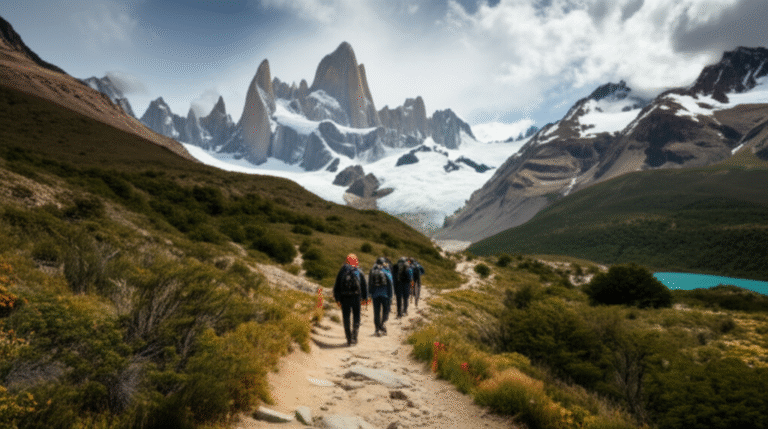
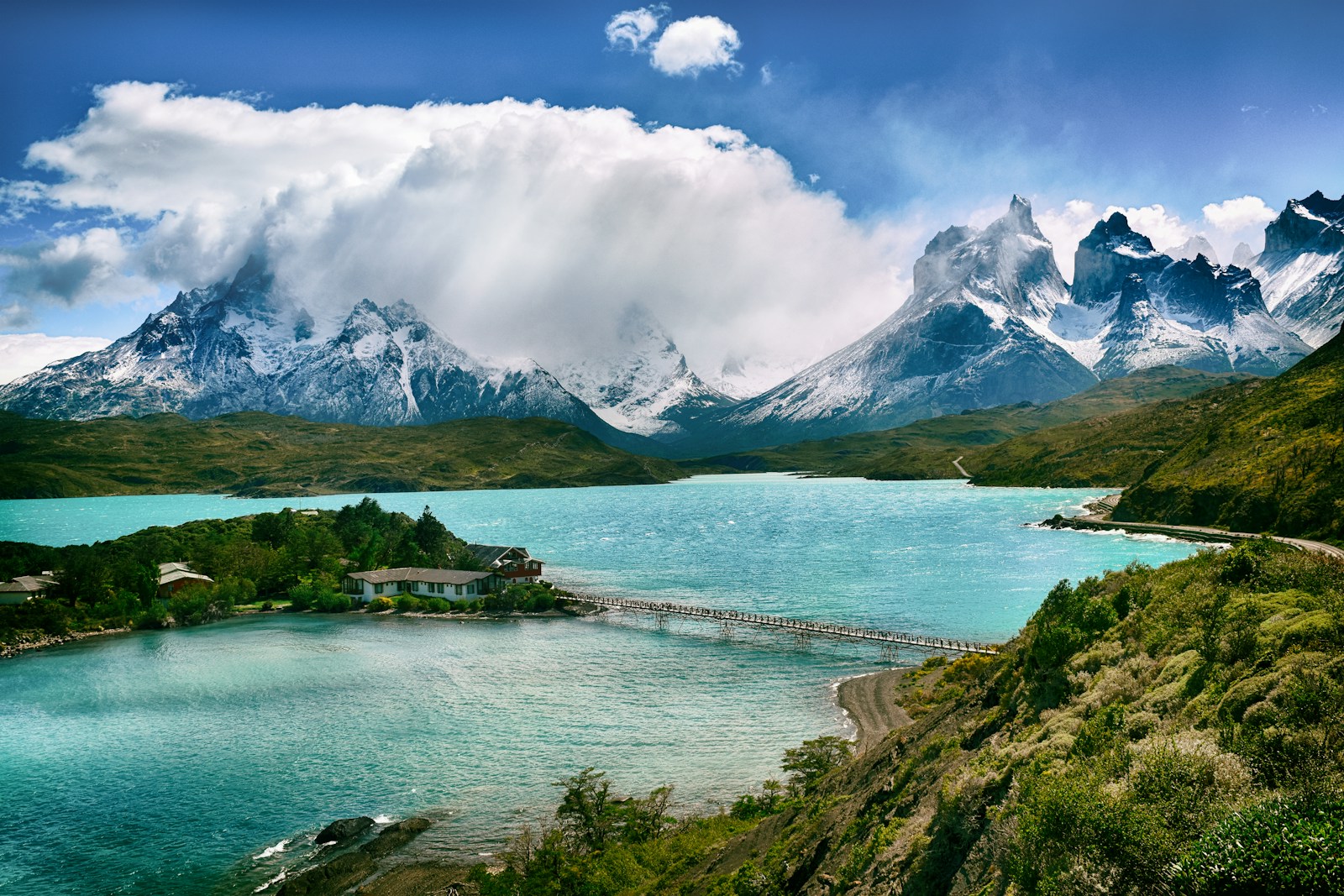
Imagine standing at the foot of the towering granite spires of Torres del Paine, the wind howling around you like a wild symphony, and the sky shifting from brilliant blue to moody gray in minutes. Welcome to Patagonia—the land where nature writes its own rules, and every step is a story waiting to unfold. Whether you’re a seasoned trekker or a first-time visitor, mastering Patagonia’s quirks is the key to turning your trip from challenging to unforgettable.
In this comprehensive guide, we spill 15 essential Patagonia travel tips that go beyond the usual advice. From navigating the notorious border crossings between Chile and Argentina, to packing the perfect windproof jacket (we swear by the Arc’teryx Beta AR!), and discovering hidden gems off the beaten path, we’ve got you covered. Plus, we reveal the secrets of dining on succulent Patagonian lamb and sipping cocktails made from the mystical calafate berry. Ready to face the wind and embrace the wild? Let’s dive in.
Key Takeaways
- Prepare for Patagonia’s unpredictable weather by layering smartly and investing in a top-tier windproof jacket like the Arc’teryx Beta AR.
- Plan border crossings carefully—know the customs rules and carry both Chilean and Argentine pesos.
- Book popular trekking refugios months in advance to secure your spot on iconic trails like the W Trek.
- Explore beyond Torres del Paine to quieter, equally stunning spots like Cerro Castillo and the Carretera Austral.
- Embrace local culture and cuisine, from gaucho hospitality to fresh king crab and calafate berry delights.
- Practice sustainable trekking to help preserve Patagonia’s pristine wilderness for future adventurers.
Ready to gear up and get going? Keep reading for all the insider tips and expert advice you need to conquer Patagonia in 2026!
Table of Contents
⚡️ Quick Tips and Facts 📜 The Wild History of the End of the World 🌬️ Summer is Windy Season: Why Your Windbreaker is Your Best Friend 🛂 Crossing the Border is an Adventure in Itself: Chile vs. Argentina 🗺️ 15 Essential Patagonia Travel Tips for the Ultimate Adventure 🏔️ Explore Beyond the Hotspots: Escaping the Crowds at Torres del Paine 🏙️ Don’t Skip Out on Visiting the Cities: From Punta Arenas to Ushuaia 🥩 Patagonian Cuisine is Delicious: Lamb, King Crab, and Calafate Berries 🤠 Get to Know the Locals: Gauchos, Penguins, and Pumas 🎒 The Ultimate Patagonia Packing List: Gear Recommendations 💰 Money Matters: Navigating Blue Dollars and Chilean Pesos 🌲 Sustainable Trekking: Leave No Trace in the Wilderness 🏁 Conclusion 🔗 Recommended Links ❓ FAQ 📚 Reference Links
⚡️ Quick Tips and Facts
Before we dive into the nitty-gritty of the “End of the World,” let’s get your bearings with some fast facts. We’ve spent months trekking these trails, and if there’s one thing we’ve learned, it’s that Patagonia rewards the prepared and punishes the overconfident!
| Feature | What You Need to Know |
|---|---|
| Best Time to Visit | November to March (Southern Hemisphere Summer). |
| Currency | Chilean Peso (CLP) and Argentine Peso (ARS). Cash is king in remote areas! |
| Language | Spanish (but “Patagonian” Spanish has its own flair). |
| Water | In most trekking circuits like Torres del Paine, you can drink straight from the streams! ✅ |
| Wind | Expect gusts up to 100km/h (62mph). It’s not a joke; it can literally knock you over. ❌ |
| Connectivity | Spotty at best. Download your Google Maps for offline use. |
Pro Tip: Don’t just pack for the season; pack for the hour. We’ve experienced sunshine, rain, sleet, and gale-force winds all before lunch!
📜 The Wild History of the End of the World

Patagonia isn’t just a pretty face of granite towers and turquoise lakes; it has a history as rugged as its landscape. Long before the first North Face jacket touched the soil, the Tehuelche and Selk’nam peoples thrived here, surviving conditions that would make a modern mountaineer weep.
The name “Patagonia” comes from Ferdinand Magellan’s 1520 expedition. Legend has it he called the locals “Patagones” (Big Feet) because they looked like giants in their guanaco-fur boots. Later, the region became a frontier for sheep farming and European pioneers. When you’re walking through the streets of Punta Arenas, look at the mansions—they were built on the “white gold” of wool.
Understanding this history adds a layer of soul to your trip. You aren’t just hiking; you’re walking through a land of explorers, outlaws (yes, Butch Cassidy hid out here!), and resilient indigenous cultures.
🌬️ Summer is Windy Season: Why Your Windbreaker is Your Best Friend
You might think “Summer” means beach weather. In Patagonia, summer means The Wind. From December to February, the “Roaring Forties” winds whip across the Southern Cone.
We’ve seen tents flattened and hikers forced to crawl on all fours across the “Pass of John Gardner” in Torres del Paine.
- Why it happens: The warm air from the north meets the cold air from the ice fields, creating a literal wind tunnel.
- The Strategy: Invest in a high-quality hardshell. We highly recommend the Arc’teryx Beta AR Jacket for its legendary windproofing.
Is it worth it? Absolutely. The wind clears the clouds, revealing those iconic jagged peaks just long enough for that perfect Instagram shot. Just hold onto your hat—literally.
🛂 Crossing the Border is an Adventure in Itself: Chile vs. Argentina
Patagonia is split between two countries, and you’ll likely want to see both. Crossing from Puerto Natales (Chile) to El Calafate (Argentina) is a rite of passage.
- The Bus Experience: Most travelers use the Bus-Sur network. It’s reliable, but the border stop can take anywhere from 30 minutes to 3 hours.
- The Fruit Police: Chile is extremely strict about organic goods. Do not—we repeat, DO NOT—bring a stray apple or a bag of nuts across the border into Chile. You will be fined. ❌
- Reciprocity Fees: Check your passport requirements! While many nationalities enter free, rules change. Always verify on official government sites like the Chilean Ministry of Foreign Affairs.
🗺️ 15 Essential Patagonia Travel Tips for the Ultimate Adventure
We promised to beat the competition, so here are 15 “boots-on-the-ground” tips that will save your trip:
- Book the W Trek 6 Months Out: If you want to stay in the refugios (mountain lodges) in Torres del Paine, you need to book through Las Torres and Vertice months in advance.
- The “Blue Dollar” in Argentina: In Argentina, the official exchange rate is often much worse than the “informal” rate. Bring crisp, high-denomination USD bills to exchange for more pesos.
- Sunscreen is Non-Negotiable: The ozone layer is thin down here. You will burn in 15 minutes, even if it’s cloudy. We love La Roche-Posay Anthelios for heavy-duty protection.
- Learn Basic Spanish: While many guides speak English, the guy selling you a delicious empanada in a tiny village likely won’t.
- Download Maps.me: It works better than Google Maps for hiking trails.
- Pack Blister Kits: Your feet are your vehicle. Use Compeed before the hot spot becomes a blister.
- Respect the Pumas: They are out there! If you see one, don’t run. Stand tall and make noise.
- The Water is Gold: Don’t buy bottled water. Bring a reusable Nalgene and fill up at the glacial streams.
- Layering is a Science: Base layer (merino wool), mid-layer (fleece), and outer shell. No cotton! ❌
- Tipping Etiquette: In Chile, a 10% tip (propina) is standard in restaurants.
- Check the “Zonas Francas”: Punta Arenas has a duty-free zone where you can get cheap gear and chocolate.
- Don’t Rush El Chaltén: It’s the trekking capital of Argentina. Give it at least 4 days.
- Fly into One City, Out of Another: Consider flying into Punta Arenas (Chile) and out of Ushuaia (Argentina) to save backtracking.
- Carry a Power Bank: Cold weather drains phone batteries faster than you can say “glacier.”
- Embrace the “Patagonian Time”: Sometimes the ferry is late because of waves. Sometimes the bus is delayed by sheep. Relax and enjoy the view! 🐑
🏔️ Explore Beyond the Hotspots: Escaping the Crowds at Torres del Paine
Torres del Paine is the crown jewel, but it can feel like a theme park in January. If you want true solitude, look elsewhere:
- The Carretera Austral: Chile’s Route 7 is a 1,200km stretch of pure, unadulterated wilderness. Rent a 4×4 and drive through Queulat National Park to see the hanging glacier.
- Cerro Castillo: Often called the “new Torres del Paine,” this trek offers similar jagged peaks but with 90% fewer people.
- Perito Moreno Glacier (The Quiet Side): Instead of just the boardwalks, take a “Big Ice” trekking tour with Hielo y Aventura to actually walk on the glacier.
🏙️ Don’t Skip Out on Visiting the Cities: From Punta Arenas to Ushuaia
Many hikers treat the cities as mere transit hubs. Big mistake!
- Punta Arenas: Visit the Cementerio Municipal. It sounds macabre, but it’s one of the most beautiful cemeteries in the world, with manicured cypress trees and grand mausoleums.
- Puerto Natales: This is the base for Torres del Paine. Eat at Mesita Grande for the best pizza in the south.
- Ushuaia: The southernmost city in the world. Take a boat tour on the Beagle Channel to see the “Les Eclaireurs” Lighthouse.
🥩 Patagonian Cuisine is Delicious: Lamb, King Crab, and Calafate Berries
You’re going to burn about 4,000 calories a day hiking. You’ve earned the right to feast!
- Cordero al Palo: Spit-roasted lamb cooked over an open fire for hours. It’s smoky, fatty, and heavenly.
- Centolla (King Crab): Especially in Ushuaia and Punta Arenas. It’s fresh, sweet, and usually served in a creamy chowder.
- Calafate Berries: Legend says if you eat a Calafate berry, you are destined to return to Patagonia. Try it in a sour (the Patagonian twist on a Pisco Sour).
🏁 Conclusion

Patagonia is a place that stays in your marrow. It’s the wind in your ears, the grit in your boots, and the overwhelming sense of being very, very small in a very, very big world. Whether you’re scaling the heights of Fitz Roy or sipping a craft beer in El Calafate, the key is to remain flexible. The weather will change, your plans might shift, but the memories? Those are carved in granite.
So, are you ready to face the wind? We’ll see you at the End of the World! 🌎🏔️
🔗 Recommended Links
- Official Torres del Paine National Park Site
- Booking.com – Best Stays in Patagonia
- Patagonia.com – Environmental Activism and Gear
- Aerolíneas Argentinas – For domestic flights.
❓ FAQ

Q: Do I need a guide for the W Trek? A: No, the trails are very well-marked. However, a guide can enrich the experience with geological and botanical knowledge.
Q: Can I use US Dollars? A: In Argentina, yes (and they are preferred for the “Blue Dollar” rate). In Chile, you’ll need Chilean Pesos for most small transactions.
Q: Is Patagonia safe for solo travelers? A: Extremely! It is one of the safest regions in South America. The biggest “danger” is the weather.
📚 Reference Links
- UNESCO – Los Glaciares National Park
- Chile Travel Official Website
- Argentina.gob.ar – National Parks
⚡️ Quick Tips and Facts
If you’re gearing up for your Patagonia adventure, you’ve landed in the right place! At Chile Vacay™, we’ve trekked, kayaked, and braved the winds of Patagonia more times than we can count—and we’re here to share the ultimate cheat sheet so you don’t get caught off guard.
Patagonia at a Glance
| Feature | What You Need to Know |
|---|---|
| Best Time to Visit | November to March (Southern Hemisphere summer) — longer days, warmer temps, but expect wind! |
| Currency | Chilean Peso (CLP) & Argentine Peso (ARS). Cash is king in remote areas; ATMs can be scarce. |
| Language | Spanish is official, but locals speak with a distinct Patagonian accent. English is common in tourist hubs. |
| Water | Drink directly from streams in most hiking areas—glacial water is pure and refreshing! ✅ |
| Weather | Highly unpredictable. Prepare for sun, rain, sleet, and gale-force winds all in one day. |
| Connectivity | Spotty at best. Download offline maps and guides before heading out. |
Insider Nuggets from Chile Vacay™
- Dress like an onion: Layers are your best friend. Merino wool base layers, fleece mid-layers, and a windproof shell will keep you comfy.
- Windproof jackets are a must: Patagonia’s infamous gusts can reach 100 km/h (62 mph). We swear by the Arc’teryx Beta AR Jacket for its unbeatable wind resistance.
- Cash, cash, cash: Many places, especially refugios and small towns, don’t take cards. Bring enough pesos and dollars.
- Hydrate smart: Carry a reusable bottle like the Nalgene Tritan Wide Mouth and refill from streams.
- Sun protection is non-negotiable: The ozone layer is thin here. Use high SPF sunscreen like La Roche-Posay Anthelios, lip balm, and sunglasses.
Want to dive deeper? Check out our full guide on Things to Do in Chile for more inspiration.
📜 The Wild History of the End of the World

Patagonia isn’t just a postcard-perfect wilderness; it’s a land steeped in stories that echo through its valleys and glaciers.
Indigenous Roots and Early Explorers
Long before the first trekkers arrived, the Tehuelche and Selk’nam peoples called this rugged land home. They mastered survival in one of the harshest climates on Earth, hunting guanacos and reading the winds like a sacred language.
Fast forward to 1520, when Ferdinand Magellan dubbed the natives “Patagones” — meaning “big feet” — inspired by their large, fur-covered boots. This nickname stuck, eventually christening the entire region.
Sheep, Gold, and Outlaws
By the late 19th century, Patagonia became a sheep-farming frontier. The wool trade brought wealth, evident in the grand mansions of Punta Arenas. But Patagonia’s wild spirit also attracted outlaws like Butch Cassidy and the Sundance Kid, who found refuge in its vastness.
Why History Matters to You
When you stand beneath the towering granite spires of Torres del Paine or gaze at the shimmering Perito Moreno Glacier, you’re walking through a land shaped by resilience, adventure, and mystery. It’s not just a hike—it’s a journey through time.
🌬️ Summer is Windy Season: Why Your Windbreaker is Your Best Friend
If you think summer means calm, sunny days, Patagonia will quickly prove you wrong. The Roaring Forties—those infamous latitudes between 40° and 50° south—bring relentless winds that define the region’s character.
What Causes the Wind?
The clash between warm northern air and cold Antarctic currents creates a natural wind tunnel. This means gusts can reach 100 km/h (62 mph), strong enough to topple tents and send hikers scrambling.
Our Windproof Jacket Showdown
| Jacket Model | Windproofing | Breathability | Durability | Weight | Overall Score (1-10) |
|---|---|---|---|---|---|
| Arc’teryx Beta AR | 10 | 9 | 9 | 8 | 9.0 |
| Patagonia Torrentshell 3 | 9 | 8 | 8 | 9 | 8.5 |
| The North Face Apex Flex | 8 | 9 | 7 | 8 | 8.0 |
Arc’teryx Beta AR Jacket
Our top pick. This jacket combines Gore-Tex Pro fabric with a helmet-compatible hood and pit zips for ventilation. It’s a bit of an investment but worth every penny when the wind howls.
Patagonia Torrentshell 3
A great mid-range option with excellent waterproofing and breathability. Perfect for those who want Patagonia gear without breaking the bank.
The North Face Apex Flex
More of a softshell with wind resistance. Great for layering but not ideal for heavy rain or the strongest gusts.
Tips for Handling the Wind
- Always wear a windproof outer layer.
- Use a hat with a chin strap or a buff to protect your face.
- Secure your tent with extra stakes and guylines.
- When hiking, lean slightly into the wind for balance.
🛂 Crossing the Border is an Adventure in Itself: Chile vs. Argentina
One of Patagonia’s quirkiest experiences is the border crossing between Chile and Argentina. It’s not just a line on a map—it’s a mini-adventure.
The Main Crossing Points
- Puerto Natales (Chile) to El Calafate (Argentina): The most popular route for travelers visiting Torres del Paine and Los Glaciares National Park.
- Paso Río Don Guillermo: A scenic but less frequented crossing.
- Cerro Castillo: Known for its rugged beauty and limited facilities.
What to Expect at the Border
- Time: Border checks can take anywhere from 30 minutes to 3 hours, depending on traffic and weather.
- Customs: Chile is strict about bringing in fruits, vegetables, seeds, and meat products. We learned the hard way—don’t try to sneak in an apple! ❌
- Documents: Have your passport, travel insurance, and any necessary permits ready. Some nationalities require a reciprocity fee for Argentina.
- Currency: It’s wise to have both Chilean Pesos and Argentine Pesos on hand. Many border towns don’t accept cards.
Insider Tips
- Fill out any forms in advance if possible.
- Pack snacks and water—you might be waiting.
- Use the time to chat with fellow travelers; we met some of our best hiking buddies while waiting in line!
For more on navigating Patagonia’s logistics, see our Adventure Travel section.
🗺️ 15 Essential Patagonia Travel Tips for the Ultimate Adventure
Ready to level up your Patagonia game? Here are 15 tips we swear by after countless trips:
- Book the W Trek lodgings 6 months ahead. Refugios fill up fast! Use official sites like Las Torres and Vertice.
- Carry crisp USD for Argentina’s “Blue Dollar” exchange. You’ll get more pesos than at official rates.
- Sunscreen is your best friend. The sun burns fast—even on cloudy days.
- Learn basic Spanish phrases. Even a simple “gracias” goes a long way.
- Download Maps.me for offline navigation. It’s a lifesaver on the trails.
- Bring blister prevention kits like Compeed. Your feet will thank you.
- Respect wildlife, especially pumas. If you see one, stay calm and back away slowly.
- Drink from glacial streams. The water is pristine and refreshing.
- Layer your clothing—no cotton! Merino wool and fleece are your best bets.
- Tipping is customary in Chile (10%). In Argentina, it’s appreciated but less formal.
- Explore Punta Arenas’ duty-free zone. Great for gear and souvenirs.
- Spend at least 4 days in El Chaltén. It’s the trekking capital and deserves time.
- Fly into one city and out of another. For example, fly in Punta Arenas and out Ushuaia to avoid backtracking.
- Carry a power bank. Cold weather drains batteries fast.
- Embrace “Patagonian time.” Things run slower here—go with the flow!
🏔️ Explore Beyond the Hotspots: Escaping the Crowds at Torres del Paine
Torres del Paine is breathtaking but can feel like a tourist magnet in peak season. Want to find solitude and untouched beauty? We’ve got you covered.
Hidden Gems to Explore
- Carretera Austral: This 1,200 km gravel road winds through Chile’s wild south. Highlights include Queulat National Park with its hanging glacier and emerald fjords.
- Cerro Castillo: Often called the “new Torres del Paine,” this trek offers dramatic peaks and fewer hikers.
- Perito Moreno Glacier (Big Ice Trek): Instead of just viewing from boardwalks, join a guided glacier trek with Hielo y Aventura for an unforgettable experience.
Why Go Off the Beaten Path?
- Avoid crowds and noisy groups.
- Experience nature’s rawness and silence.
- Discover local culture in small villages.
We recommend pairing these adventures with our Destinations guides for a full Patagonia immersion.
🏙️ Don’t Skip Out on Visiting the Cities: From Punta Arenas to Ushuaia
While the wilderness is the star, Patagonia’s cities add flavor and history to your trip.
Punta Arenas
- Visit the Cementerio Municipal—a stunning cemetery with ornate mausoleums and manicured cypress trees.
- Check out the Monumento al Viento sculpture, a tribute to Patagonia’s relentless winds.
- Sample local craft beers at Cervecería Kunstmann.
Puerto Natales
- The gateway to Torres del Paine.
- Try Mesita Grande for arguably the best pizza south of Santiago.
- Stroll the waterfront and enjoy artisan markets.
Ushuaia
- The southernmost city on Earth.
- Take a boat tour on the Beagle Channel to spot sea lions, penguins, and the iconic Les Eclaireurs Lighthouse.
- Visit the Museo del Fin del Mundo for local history.
Cities offer a warm welcome and a chance to recharge before your next wild adventure.
🥩 Patagonian Cuisine is Delicious: Lamb, King Crab, and Calafate Berries
After a day battling wind and terrain, you deserve a feast. Patagonia’s culinary scene is as rich as its landscapes.
Must-Try Dishes
- Cordero al Palo: Slow-roasted lamb cooked over an open fire for hours. Smoky, tender, and utterly divine.
- Centolla (King Crab): Especially fresh in Ushuaia and Punta Arenas. Served steamed or in creamy chowders.
- Calafate Berries: These deep purple berries are a local treasure. Try them in jams, ice cream, or the famous Calafate Sour cocktail.
Local Food Tips
- Many restaurants are cash-only—plan accordingly.
- Don’t miss empanadas filled with cheese, spinach, or seafood.
- For vegetarians, Chilean sopapillas with pebre salsa are a tasty snack.
Where to Eat
- Mesita Grande in Puerto Natales for casual dining.
- La Estancia in Punta Arenas for traditional lamb.
- Kaupe in Ushuaia for seafood lovers.
🤠 Get to Know the Locals: Gauchos, Penguins, and Pumas
Patagonia’s soul lies in its people and wildlife.
Meet the Gauchos
The Patagonian cowboys are legendary for their horsemanship and hospitality. Visiting an estancia (ranch) offers a glimpse into their rugged lifestyle. We recommend Estancia Cristina for a day trip combining history, horseback riding, and glacier views.
Wildlife Wonders
- Penguins: Visit colonies at Seno Otway or Isla Magdalena to see Magellanic penguins up close.
- Pumas: Elusive but present. Always hike in groups and respect their space.
- Guanacos and Andean Condors: Common sights that add magic to your hikes.
Cultural Insights
Locals are warm and proud of their heritage. A simple conversation can reveal stories of survival, adventure, and love for this wild land.
🎒 The Ultimate Patagonia Packing List: Gear Recommendations
Packing for Patagonia is an art form. You need to be ready for everything without hauling a suitcase.
Patagonia Packing Essentials Rating Table
| Item | Design | Functionality | Durability | Weight | Overall Score (1-10) |
|---|---|---|---|---|---|
| Arc’teryx Beta AR Jacket | 9 | 10 | 9 | 8 | 9.0 |
| Merino Wool Base Layer (Icebreaker) | 8 | 9 | 8 | 9 | 8.5 |
| Osprey Atmos 65 Backpack | 9 | 9 | 9 | 7 | 8.5 |
| Black Diamond Trekking Poles | 8 | 10 | 9 | 8 | 8.8 |
| Nalgene Tritan Water Bottle | 7 | 9 | 8 | 9 | 8.0 |
Step-by-Step Packing Guide
- Base Layers: Merino wool tops and bottoms (Icebreaker is our fave for odor control and warmth).
- Mid Layers: Fleece or lightweight down jacket.
- Outer Layer: Waterproof, windproof shell like the Arc’teryx Beta AR.
- Pants: Quick-dry hiking pants and waterproof overpants.
- Footwear: Waterproof hiking boots with good ankle support.
- Accessories: Warm hat, gloves, buff, sunglasses with UV protection.
- Camping Gear: Tent, sleeping bag rated for below freezing, sleeping pad.
- Extras: Blister kits, sunscreen, first aid kit, power bank.
Why Quality Matters
We’ve seen travelers struggle with cheap gear that fails in Patagonia’s brutal conditions. Investing in reliable equipment means more comfort, safety, and enjoyment.
👉 Shop Patagonia gear on:
💰 Money Matters: Navigating Blue Dollars and Chilean Pesos
Money in Patagonia can be tricky, especially crossing borders.
Currency Breakdown
| Country | Currency | Notes |
|---|---|---|
| Chile | Chilean Peso (CLP) | Cash preferred outside cities. ATMs available in Punta Arenas and Puerto Natales. |
| Argentina | Argentine Peso (ARS) | Official exchange rate often less favorable than “Blue Dollar” rate. Bring USD cash. |
The “Blue Dollar” Phenomenon
In Argentina, the official exchange rate is often unfavorable. Locals and savvy travelers exchange USD on the black market (“Blue Dollar”) for better rates. This is common and widely accepted but always use caution.
Tips for Handling Money
- Bring new, crisp USD bills for exchange.
- Use ATMs in major cities but carry cash for remote areas.
- Notify your bank of travel plans to avoid card blocks.
- Budget for park entrance fees, shuttles, and meals in cash.
🌲 Sustainable Trekking: Leave No Trace in the Wilderness
Patagonia’s pristine beauty depends on responsible tourism.
Principles to Follow
- Pack it in, pack it out: Don’t leave trash behind.
- Stay on marked trails: Protect fragile vegetation.
- Respect wildlife: Observe from a distance; no feeding.
- Use biodegradable soap: If washing in streams.
- Camp responsibly: Use designated sites and minimize fire use.
Our Experience
We once saw a group leave plastic wrappers on a trail near Grey Glacier. It was heartbreaking. Patagonia’s wildness is a gift—let’s keep it that way.
For more on eco-friendly travel, visit our Adventure Travel section.
🏁 Conclusion

Patagonia is a land that grabs you by the soul and refuses to let go. From the howling winds that challenge your every step to the stunning vistas that reward your perseverance, it’s an adventure like no other. Our deep dive into Patagonia’s travel tips has hopefully equipped you with the knowledge to embrace the unpredictable weather, navigate border crossings with ease, and immerse yourself in the rich local culture and cuisine.
If there’s one piece of gear we can’t recommend enough, it’s the Arc’teryx Beta AR Jacket. Its exceptional windproofing, breathability, and durability make it a lifesaver in Patagonia’s notorious gusts. While it’s an investment, the comfort and protection it offers are unmatched. Pair it with quality base layers like Icebreaker merino wool and sturdy boots, and you’ll be ready for whatever the Patagonian elements throw at you.
Remember, Patagonia isn’t just a destination—it’s an experience of nature’s raw power and beauty. So pack smart, stay flexible, and savor every moment in this wild, unforgettable corner of the world. Ready to face the wind? We’ll see you at the End of the World! 🌎🏔️
🔗 Recommended Links
Gear & Essentials
- Arc’teryx Beta AR Jacket:
Amazon | Arc’teryx Official Website - Patagonia Torrentshell 3 Jacket:
Amazon | Patagonia Official Website - Icebreaker Merino Wool Base Layers:
Amazon | Icebreaker Official Website - Nalgene Tritan Water Bottle:
Amazon - Compeed Blister Cushions:
Amazon
Books & Guides
- In Patagonia by Bruce Chatwin:
Amazon — The classic travelogue that inspired many to explore Patagonia. - Lonely Planet Patagonia (Travel Guide):
Amazon
❓ FAQ

How can I travel sustainably while exploring Patagonia?
Sustainable travel in Patagonia means minimizing your environmental footprint and respecting local cultures. Always follow Leave No Trace principles: pack out all trash, stay on marked trails to protect fragile ecosystems, and avoid disturbing wildlife. Use refillable water bottles and biodegradable soaps. Support local businesses and guides who prioritize conservation. By traveling responsibly, you help preserve Patagonia’s pristine wilderness for future generations.
What are the must-see destinations in Chilean Patagonia?
Chilean Patagonia offers gems like Torres del Paine National Park, famous for its iconic granite towers and turquoise lakes. The Carretera Austral is a scenic route through wild forests and fjords. Don’t miss Queulat National Park with its hanging glacier or Puerto Natales, the gateway town with vibrant culture. For a quieter experience, explore Cerro Castillo or the remote fjords near Coyhaique.
How do I prepare for the weather in Patagonia?
Patagonia’s weather is famously unpredictable. Prepare by layering clothing: a moisture-wicking base layer, insulating mid-layer, and a waterproof, windproof outer shell. Always carry a hat, gloves, and sunscreen. Check weather forecasts daily but expect sudden changes. Pack rain gear even in summer and be ready for strong winds. Good gear like the Arc’teryx Beta AR Jacket is essential.
What is the best time of year to visit Patagonia?
The Southern Hemisphere summer (November to March) is the most popular time, offering longer daylight hours and milder temperatures. However, it’s also the busiest season. Shoulder months like November and March provide fewer crowds and still decent weather. Winter (June to August) is cold with snow, limiting access to some areas but offering unique landscapes for experienced travelers.
What is the best time of year to visit Patagonia for hiking?
For hiking, December through February is ideal due to longer days and relatively stable weather. Early November and late March can also be good but watch for colder nights and possible trail closures. Always check local park websites like Torres del Paine National Park for trail conditions and closures.
How do I prepare for extreme weather in Patagonia?
Extreme weather means rapid shifts from sun to rain to snow and fierce winds. Bring high-quality waterproof and windproof gear, including jackets, pants, and boots. Pack extra warm layers and a reliable sleeping bag if camping. Learn to read weather patterns and adjust plans accordingly. Always inform someone of your itinerary and carry emergency communication devices if possible.
What are the must-see natural attractions in Chilean Patagonia?
Beyond Torres del Paine, explore the Grey Glacier, Lago General Carrera (Chile’s largest lake), and the Marble Caves near Puerto Río Tranquilo. The Bernardo O’Higgins National Park offers remote glaciers and fjords. For wildlife, visit Seno Otway penguin colonies or the Magellanic Penguin Reserve on Magdalena Island.
How do I navigate the border crossing between Chile and Argentina?
Border crossings can be time-consuming and require patience. Have all documents ready, including passports and any required visas or reciprocity fees. Avoid carrying fresh fruits or meat products, especially into Chile. Carry cash in both Chilean and Argentine pesos. Expect luggage inspections and possible delays. Using bus services like Bus-Sur can simplify the process.
📚 Reference Links
- Torres del Paine National Park Official Site
- Chilean Ministry of Foreign Affairs
- Argentina.gob.ar – National Parks
- Arc’teryx Official Website
- Patagonia Official Website
- Icebreaker Official Website
- Hielo y Aventura Glacier Trekking
- Solo Traveler World – Travel Solo to Patagonia: Top 10 Tips