Support our educational content for free when you purchase through links on our site. Learn more
Pichilemu Surfing Guide

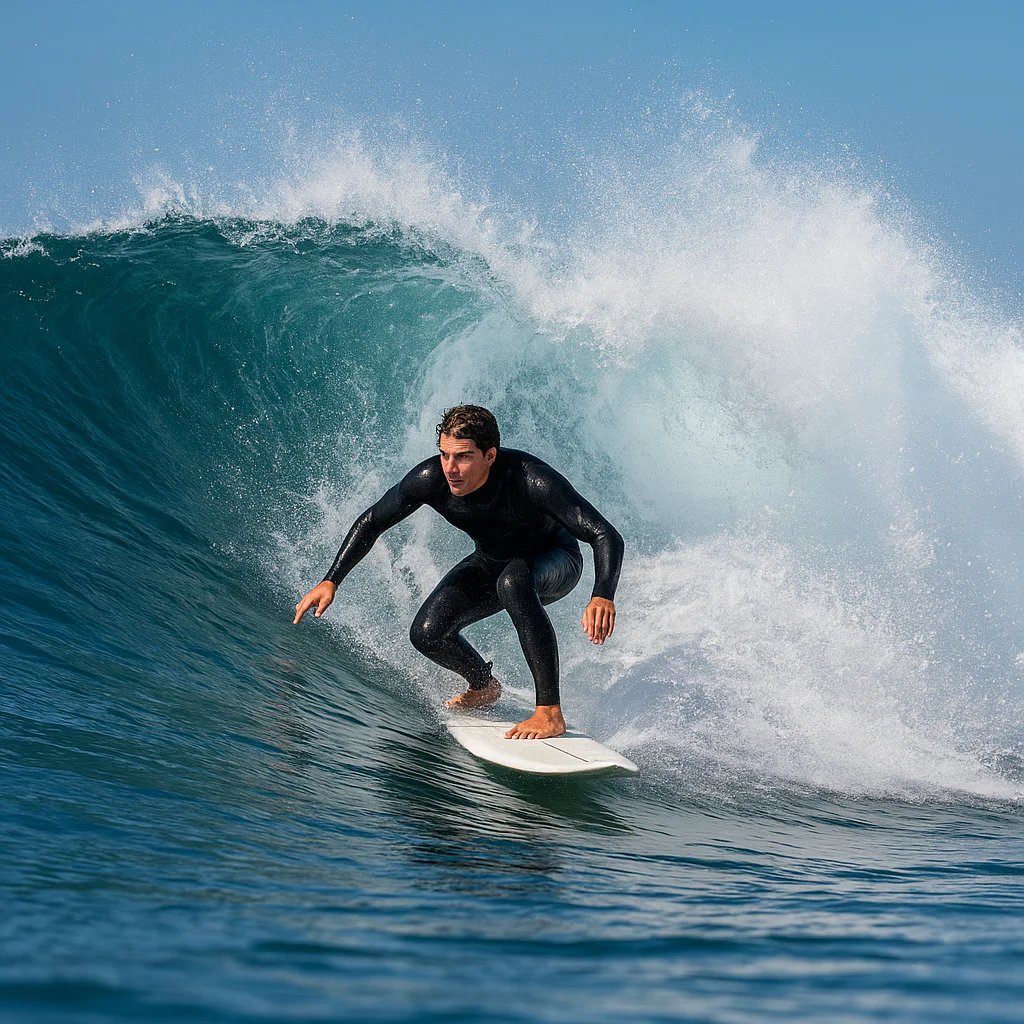
You’ve heard the whispers of the “world’s best left,” but have you ever wondered what it truly feels like to paddle out at Punta de Lobos when the ocean is roaring? At Chile Vacay™, we’ve chased swells from the Atacama Desert to the icy waters of the south, but nothing quite compares to the electric, bluish-gray energy of Pichilemu. This isn’t just a destination; it’s a pilgrimage for wave chasers, a place where a quiet fishing village transformed into the surfing capital of Chile, offering everything from gentle rollers for first-timers to massive, barreling walls that demand absolute respect.
In this comprehensive Pichilemu surfing guide, we’re pulling back the curtain on the town’s four most iconic breaks, revealing the hidden gems that locals guard with their lives, and sharing the exact seasonal windows you need to catch the perfect ride. Whether you’re wondering if you need a 4/3mm wetsuit in December or how to navigate the intense localism at Punta de Lobos without getting a stare-down, we’ve got the answers. We’ll even spill the tea on how to dodge the crowds and find your own empty peak, a trick we learned after one too many “dropped-in-on” moments. Ready to trade the city grind for the sound of crashing waves? Let’s dive in.
Key Takeaways
☀️ Summer Season: November to March (Chilean Summer)
For beginners, intermediates, or those simply looking for more manageable, fun waves, the Chilean summer is ideal.
Video guide
- Swell Characteristics : During these months, swells are generally smaller, and winds are lighter, creating more user-friendly conditions. While you won’t typically find the colossal waves of winter, there’s still plenty of consistent surf to enjoy.
- Target Audience: This is the best time for beginners and intermediates to learn and progress without being overwhelmed by massive swells. La Puntilla, in particular, shines during these months.
Crowd Factor: ❌ Busiest time of year! Pichilemu becomes a popular destination for both local and international tourists during summer, so expect more crowded lineups, especially at the more accessible spots.
- Water Temperature & Gear: Still cold, but slightly more forgiving. A minimum 3/2mm wetsuit is required. We’d still recommend booties, especially if you get cold easily.
🍂 Spring & Fall: Shoulder Seasons (September-November & March-May)
The shoulder seasons offer a fantastic balance for many surfers, combining manageable swells with fewer crowds.
- Swell Characteristics: You’ll find a mix of conditions during these periods. There can still be solid swells, but often with cleaner conditions and less intense crowds than peak winter or summer.
- Crowd Factor: ✅ **Fewer crowds! ** This is often our team’s preferred time to visit, as you can score great waves without battling the masses.
- Chile Vacay™ Insight: If you’re an intermediate surfer looking to push your limits without going full big-wave hunter, the shoulder seasons are perfect. You might catch some truly epic days at Punta de Lobos when it’s still powerful but not overwhelmingly huge, as one competing article notes, “It’s not always huge , though, and can be nice for rippers intermediate+ when it calms down”.
Ultimately, the “best” time to surf in Pichilemu depends on your skill level and what kind of waves you’ re chasing. Whether you’re seeking monstrous barrels or gentle rollers, Pichilemu delivers year-round!
🏨 Where to Stay in Pichilemu: Surf Hostels, Hotels, and Eco-Lodges
After a day of shredding waves, you’ll need a cozy spot to rest your head, recharge, and dream of the next swell. Pichilemu offers a diverse range of accommodations, from budget-friendly surf hostels to luxurious eco-lodges, catering to every traveler’s taste and wallet. “Pichilemu is the place where you’re going to want to rest your head, rage your face, and stuff your mouth, while Punta de Lobo is where you really want to be to surf,” as one guide aptly puts it.
Here’s our Chile Vacay™ rundown of the best places to stay, based on our experiences and consumer insights:
🛌 Surf Hostels: Budget-Friendly & Social Hubs
For solo travelers, backpackers, or those on a budget , Pichilemu’s surf hostels are fantastic. They’re often social hubs, perfect for meeting fellow surfers and sharing stories.
- Sirene Insolente: This is a top pick, highly recommended by many, including our team! It’s located about a 15-minute walk to Punta de Lobos, making it super convenient for accessing the main break.
- Features: Excellent Wi-Fi (a digital nomad’s dream!), co-work space, an on-site surf school, a hire shop for gear, and a communal kitchen. They offer both dorms and private rooms.
- Why we love it: “This is where I stayed for the majority of my Chilean surf trip and couldn’t recommend it enough,” raves one reviewer. It’s described as “wicked,” clean, warm, and comfortable. It ‘s a fantastic base for anyone surfing in Chile.
- Book on: Booking.com | Tripadvisor
- Pichilemu Surf Hostal: Located right on the beach and about a 10-minute drive from Punta de Lobos, this hostal offers a laid-back atmosphere.
- Features: Private rooms, free breakfast, and a clean environment.
- Best For: Couples or those who want to chill closer to town rather than be right at the overhead waves of Punta de Lobos.
- Book on: Booking.com | Tripadvisor
🏡 Surf Camps & Lodges: All-Inclusive & Focused
Experiences
If you’re looking for a more structured surf experience, with lessons and a dedicated surf community, a surf camp or lodge might be perfect.
- Punta de Lobos Surfcamp: Arguably one of the best surf camps in Chile, especially for learners.
- Features: Offers 7-day camps with ISA-qualified instructors and comfy rooms. They are located just back from La Punt illa and provide transport to Punta de Lobos if conditions are safe for lessons.
- Why we love it: This camp is designed to get you up and riding or to significantly improve your skills in a supportive environment.
- Book on: Punta de Lobos Surfcamp Official Website
- Surf Lodge Punta de Lobos : Considered one of the best surf hotels in Chile, hands down.
- Features: Set in a beautiful forest, it boasts a pool, spa, and partnerships with surf schools.
- Why we love it: It combines the rustic charm of a lodge with excellent amenities, perfect for a more upscale surf trip.
- Book on: Booking.com | Tripadvisor
🏨
Hotels & Cabanas: Comfort & Privacy
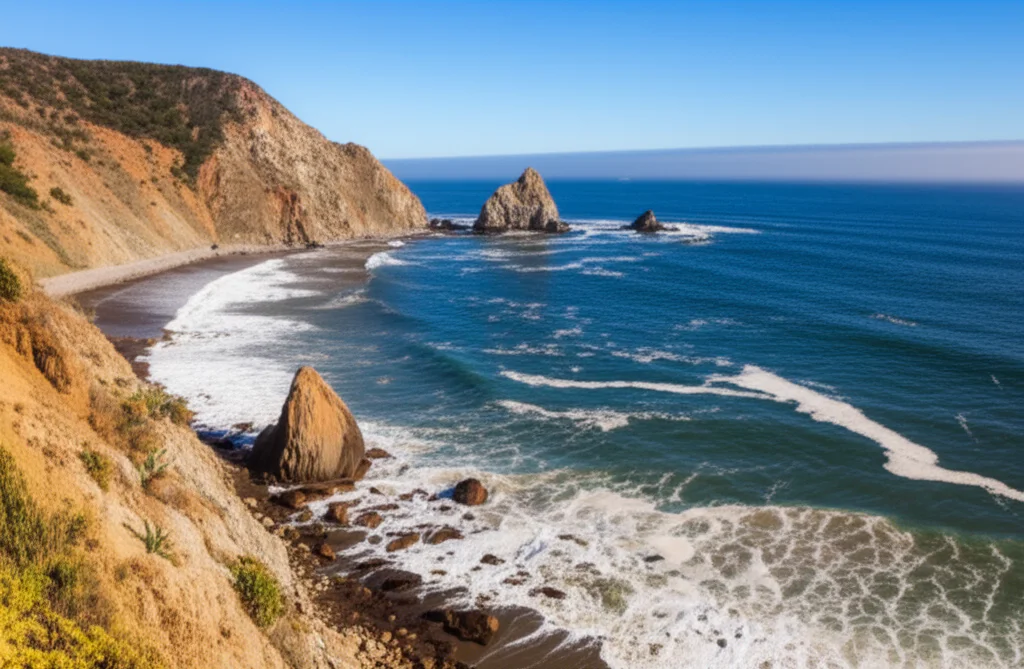
For those seeking more privacy or a touch of luxury, Pichilemu has several hotel and cabana options.
- VIENTO BRAVO: A stylish, adults-only option very close to the surf spots.
- Features: Scandi-style, wood-paneled walls, stylish suites, and an on-site hot tub (a real blessing after a cold water session!).
- Why we love it: Perfect for couples or individuals looking for a tranquil and chic retreat.
- Book on: Booking.com | Tripadvisor
- Cabanas Buena Vista: Located very close to the Punta de Lobos break, these spacious cabanas are a great choice for groups or families.
- Features: Affordable, spacious, and critically, they often include a hot tub – highly recommended due to the cold weather.
- Chile Vacay™ Tip: The owner speaks limited English, so a few Spanish phrases will be helpful for booking and communication.
- Book on: Booking.com
- Hotel Rocas del Pacifico: A standard hotel option, though not always the top pick for surfers seeking a unique experience.
- Chile Vacay™ Tip: While a decent option, we’d suggest splurging on a private cabana with a hot tub or opting for one of the dedicated surf lodges to truly immerse yourself in the local vibe and save money on food/drink by having kitchen access.
- Book on: Booking.com
No matter your preference, Pichilemu has a place for you to kick back and relax after a day of unforgettable waves.
🎒 Pichilemu Surf
Gear Guide: Rentals, Shops, and What to Pack
So, you’re heading to Pichilemu, the land of epic lefts and “electric bluish gray” water. But what do you need to bring to conquer those waves and stay comfortable? We’ve got you covered with our essential Pichilemu surf gear guide!
🥶 Wetsuits: Your Second Skin in Cold Water
Let’s be clear: Pichilemu is a cold-water surf haven year-round. This isn’t your boardshort and rashguard kind of trip, even in summer. You absolutely, unequivocally, need a good wets uit (or two!).
Winter (April to October): This is when the big swells hit, and the water temperatures drop significantly. A 4/3mm full wetsuit is absolutely essential, and we strongly recommend adding booties and a hood. Trust us, your extremities will thank you. One expert even described the water as “unbearable” on their first day, stressing that “the more neoprene you have the better”. Don’t skimp here!
Our Recommendation: The Billabong Furnace 4/3mm wetsuit is a fantastic choice, known for its warmth and flexibility .
🏄 ♂️ Surfboards: Bring Your Own or Rent?
This is a common dilemma for traveling surfers.
- Bringing Your Own: If you’re an experienced surfer and have a quiver you love, especially boards suited for powerful left-hand point breaks, bringing your own is often the best choice. This ensures you’re comfortable with your equipment. Remember to check airline baggage policies and fees for surfboards well in advance!
- Renting in Pichilemu: ✅ Yes, you can absolutely rent boards in Pichilemu! There are numerous surf shops and schools, particularly around La Puntilla and in the main town, that offer a wide range of boards for rent. This is a great option if you don’t want the hassle of traveling with a board, or if you want to try different types of boards for the varying conditions.
- Where to Rent: Many surf schools, like the one at Sirene Insolente, or standalone surf shops will have rental options. Look for places like Pichilemu Surf Shop or Lobos Surf Shop for reliable rentals and good advice.
- Chile Vacay™ Tip: If you’re planning to surf Punta de Lobos on a big day, consider renting a step-up or a semi-gun. The power of the wave demands a board with good paddle power and hold.
🛍️ Local Surf Shops: Your Go-To for Essentials
Pichile mu’s surf culture means there are plenty of local shops ready to equip you.
- What you’ll find: Beyond wetsuits and boards, these shops stock everything from leashes, wax, and ding repair kits to sunscreen , surf apparel, and local souvenirs.
- Why support local: Not only will you find what you need, but you’ll also be supporting the local economy and can get invaluable local insights on conditions, etiquette, and hidden gems.
📦 What Else to Pack: Beyond the Board
Don’t forget these crucial items for your Pichilemu surf trip:
- Sunscreen: Even on cloudy days, the Chilean sun can be intense, especially with the reflection off the water. Opt for reef-safe, high-SPF sunscreen.
- Towel Poncho: A game-changer for changing out of your wetsuit in public with dignity and warmth.
Warm Clothes: Layers are key! Even if the sun is out, evenings can be cool. Think hoodies, beanies, and a waterproof jacket.
- First-Aid Kit: Small cuts and scrapes are part of surfing . Be prepared.
- Water Bottle: Stay hydrated!
- Spanish Phrasebook/App: While many in the tourism industry speak English, a little Spanish goes a long way, especially when interacting with locals or asking for specific surf advice.
- GoPro/Waterproof Camera: You’ll want to capture the stunning scenery and epic waves!
- Travel Insurance: Always a good idea for any adventure travel, especially one involving powerful waves.
Packing smart for Pichilemu means being prepared for cold water and powerful waves, but also for the vibrant culture and stunning natural beauty. Get ready to gear up and hit the water!
🍽️ Beyond the Break: Best Eats, Drinks, and Nightlife in Town
Pichilemu isn’t just about the waves; it’s also a vibrant town with a unique “hipie/surf/dirt bag” vibe that blends seamlessly with authentic Chilean culture. After a long day of battling barrels, you’ll be hungry, thirsty, and ready to soak in the local atmosphere. From fresh seafood to Pisco sours, Pichilemu has something to satisfy every craving.
🍤 Feasting on Fresh Flavors: Where to Eat
Chile ‘s long coastline means one thing: incredible seafood! Pichilemu is no exception.
- Fresh Seafood Galore: Head to the area around the Pichilemu fish market (Caleta de Pescadores) for the freshest catches of the day. Many small, casual eateries here will prepare delicious ceviche, grilled fish, and empanadas de marisco (seafood empanadas).
- Chile Vacay™ Recommendation : Look for family-run picadas (small, informal restaurants) that often offer daily specials. We once stumbled upon a tiny spot that served the most incredible reineta a la plancha (grilled pomfret) with a side of pebre (Chilean salsa) – simple, fresh, and unforgettable!
- Local Chilean Comfort Food: Don’t leave without trying some classic Chilean dishes.
- Comida Cas era: Many restaurants offer comida casera (homemade food), which often includes hearty stews, roasted meats, and traditional sides.
- Hot Dogs with Mayo: Yes, you read that right! Chileans have a unique love affair with hot dogs, often loaded with avocado, tomato, and a generous dollop of mayonnaise. It’s a must-try street food experience!
- Cafes and Bakeries: For your morning coffee fix or a sweet treat, Pichilemu has several charming cafes.
- Chile Vacay™ Tip: Look for places offering alfajores (dulce de leche cookies) or fresh-baked bread . They’re perfect for a post-surf snack.
- Cooking Your Own: If you’re staying in accommodation with a kitchen (like Sirene Insolente or Cabanas Buena Vista), hitting the local supermarkets and cooking your own meals can be a great way to save money, as dining out can sometimes be expensive. Plus, it’s a fun way to experiment with local ingredients!
🍹 Cheers to the Day: Drinks and Nightlife
After the sun dips below the horizon, Pichilemu comes alive with a laid-back yet vibrant nightlife.
- Pisco Sours: This iconic Chilean cocktail is a must-try! Made with pisco (a grape brandy), lime juice, simple syrup, and egg white, it’s refreshing and potent.
- Chilean Wine: Chile is a world-renowned wine producer. Enjoy a glass of local Carmenere or Sauvignon Blanc with your dinner.
- Craft Beer: The craft beer scene in Chile is growing, and you might find some local microbreweries or bars offering unique brews.
Bars and Pubs: Pichilemu has a good selection of bars, from chill beachfront spots to more lively pubs, especially during the peak summer season. Many places will have live music or DJs.
- Chile Vacay ™ Anecdote: One evening, we found ourselves at a small bar near Infiernillo, listening to a local band play folk music. The atmosphere was electric, with surfers and locals mingling, sharing stories, and dancing. It was a perfect encapsulation of the “very positive vibe” that Chileans transcend to visitors.
- Digital Nomad Scene: Pichilemu is increasingly popular with digital nomads, so you’ll find cafes and co-working spaces (like at Sirene Insolente) that foster a relaxed, productive environment during the day, often transitioning into social spots in the evening.
Whether you’re craving a gourmet meal, a casual bite, or a lively night out, Pichilemu’s culinary and social scene offers a delightful complement to its world-class waves. Don’t be afraid to explore, try new things, and soak up the unique charm of this Chilean surf town!
< a id=”-day-trips-from-pichilemu-exploring-the-ohiggins-region”>
🚗 Day Trips from Pichilemu: Exploring the O’Higgins Region
While Pichile mu and its incredible waves could easily keep you occupied for weeks, the surrounding O’Higgins Region offers a wealth of diverse experiences that are perfect for a day trip. Having a rental car (which we highly recommend!) truly unlocks the potential for exploring these hidden gems.
Here are some of our favorite excursions from Pichilemu:
🍷 Colchagua Valley: A Wine Lover’s Paradise
Just a couple of hours inland from Pichilemu lies the renowned Colchagua Valley, one of Chile’s most prestigious wine regions. If you’re a fan of robust red wines, particularly Carmenere, Cabernet Sauvignon, and Syrah, this is a must-visit.
- What to do: Spend a day hopping between picturesque vineyards, enjoying wine tastings, and learning about Chile’s winemaking traditions. Many wineries offer guided tours that include a walk through the vineyards and cell ars, culminating in a tasting session.
- Recommended Wineries:
- Viña Montes: Famous for its premium wines and stunning hillside vineyards.
- Viña Santa Cruz: Offers a unique cable car ride to a hill with an indigenous museum and astronomical observatory.
- Viña Lapostolle Clos Apalta: Known for its iconic Clos Apalta wine and breathtaking architecture.
- Chile Vacay™ Tip: Consider booking a wine tour in advance, especially during peak season, as some smaller vineyards require reservations. And remember to designate a sober driver if you’re planning on indulging!
🏞️ Laguna de Cáhuil: Salt Flats and
Birdwatching
A mere 15-minute drive south of Pichilemu, Laguna de Cáhuil offers a serene escape and a glimpse into traditional salt production.
- What to do: This beautiful lagoon is famous for its artisanal salt flats, where salt has been harvested for centuries using traditional methods. You can observe the salt production process, purchase local salt, and even take a boat ride on the lagoon.
Birdwatching:** The lagoon is also a fantastic spot for birdwatching, home to various species, including black-necked swans, flamingos, and other migratory birds.
- Chile Vacay™ Anecdote: Our team member, Sofia , spent a peaceful afternoon kayaking on Laguna de Cáhuil. “The silence was only broken by the calls of the birds. It’s such a beautiful contrast to the roaring waves of Punta de Lobos, a reminder of Chile’s diverse natural beauty.”
🐎 Horseback Riding Along the Coast
For a different perspective of Pichilemu’s stunning coastline, consider a horseback riding tour. Several local operators offer guided rides that take you through forests, along beaches , and up into the hills overlooking the Pacific.
- What to do: Enjoy the fresh air and breathtaking views as you trot along the sand or through the countryside. It’s suitable for all experience levels, from beginners to experienced riders.
- Chile Vacay™ Tip: Ask your accommodation or local surf shops for recommendations on reputable tour operators.
🌲 Exploring the Coastal Forests
The O’Higgins Region also boasts beautiful coastal forests, offering opportunities for hiking and connecting with nature.
- What to do: Look for trails that wind through native forests, providing shade and a chance to spot local flora and fauna. These are often less crowded than the beaches and offer a tranquil escape.
These day trips offer a wonderful way to diversify your Pichilemu adventure, allowing you to experience more of Chile’s rich culture, stunning landscapes, and delicious offerings beyond the surf. So, grab your keys and hit the road!
🛡️ Safety First: Rip Currents, Sharks, and Local Surf Etiquette
Surfing in Pichile mu is an exhilarating experience, but like any adventure sport in a powerful ocean, it comes with its own set of risks. At Chile Vacay™, your safety is paramount. Understanding the potential hazards and respecting local customs will ensure your trip is not only epic but also safe.
🌊 Understanding Ocean Hazards: Rip Currents and Powerful Swells
Pichilemu’s waves are powerful, consistent, and can be deceptively strong.
Rip Currents: These are the ocean’s invisible conveyor belts, pulling water away from the shore. They can be particularly strong at spots like Punta de Lobos.
How to identify: Look for a channel of churning , choppy water, a line of foam or debris moving steadily seaward, or a break in the incoming wave pattern.
What to do if caught: ✅ Don’t panic! Swim parallel to the shore until you’re out of the current, then swim back to the beach. If you can’t escape, float and wave for help. Never try to swim directly against a strong rip current; you’ll only exhaust yourself.
Powerful Waves and Undertows: The sheer size and force of Pichilemu’s waves, especially during winter swells, can be overwhelming. Even on smaller days, the ocean can have a strong undertow .
Chile Vacay™ Tip: Always assess the conditions before paddling out. If in doubt, sit it out or choose a more sheltered spot like La Puntilla. Know your limits!
Rocky Bottoms: Spots like Infiernillo and Punta de Lobos have rocky bottoms. While experienced surfers navigate them fine, a wipeout can mean contact with rocks.
Protection: Wearing booties can offer some protection, especially when paddling out or walking over shallow rocky areas.
🦈 Sharks: A Minimal Concern
Let’s address the elephant in the room: sharks. While sharks do exist in the Pacific Ocean, shark attacks are extremely rare in Chile , and specifically in Pichilemu, they are not a significant concern for surfers. The cold water temperatures and the type of marine life typically found here mean that encounters are highly improbable. Focus your safety concerns on the waves and currents, not on Jaws.
🤝 Local Surf Etiquette: Respect in the Lineup
Pichilemu has a strong, proud surf community, and respecting local etiquette is crucial for a positive experience. “Localism is strong; top locals hold the best spots. Respect is mandatory,” as one guide emphasizes.
- Right of Way: This is the golden rule of surfing. The surfer closest to the peak (the breaking part of the wave) has priority . ✅ Always respect the right of way. Dropping in on someone (taking their wave) is a major no-no and can lead to confrontation.
- Don’t Snake: Paddling around someone to get into a priority position is considered “snaking” and is highly disrespectful.
- Paddle Out Safely: When paddling out, try to go around the breaking waves, not directly through where others are riding. If you must paddle through, do so quickly and efficiently, staying out of the way of incoming surfers.
- Be Patient: Don’t hog all the waves. Share the stoke! Wait your turn, and you’ll find the vibe in the water is much more positive.
- Acknowledge Locals: A simple nod, a friendly “Hola,” and showing respect goes a long way. Chileans have a “very positive vibe,” and reciprocating that will make your experience much better.
- Don’t Be Overly Aggressive: Pichilemu’s breaks, especially Punta de Lobos, can be challenging. Don’t paddle out if you’re not confident in your abilities , as you could endanger yourself and others.
- Keep the Beach Clean: Always pack out what you pack in. Leave no trace.
By being mindful of the ocean’s power and showing respect to the local surf community, you’ ll not only stay safe but also earn the respect of others in the water, making your Pichilemu surf trip truly unforgettable.
💡 Insider Secrets: How to Avoid the Crowds and Find Your Own Waves
Pichilemu is undeniably popular, especially its iconic breaks. While sharing waves is part of the surf culture, sometimes you just want a little more space to yourself. We’ve gathered some insider secrets and pro tips to help you navigate the lineups and potentially find your own slice of uncrowded Chilean perfection.
⏰ Go
Early, Go Late: The Dawn Patrol & Sunset Sessions
This is the oldest trick in the book, but it’s effective for a reason.
- Dawn Patrol: ✅ Hit the water at first light. Many surfers are still enjoying their morning coffee, and you’ll often find the most pristine conditions with lighter winds. The early morning light over the Pacific is also absolutely magical.
- Sunset Sessions: As the day winds down, some crowds thin out. While the wind might pick up, you can often score some beautiful, less crowded waves as the sun sets. Just be mindful of fading light and your comfort level in darker conditions.
🗺️ Explore Beyond the Main Breaks: Seek Out
Hidden Gems
While Punta de Lobos, Infiernillo, and La Puntilla are world-class, they’re also the most well-known.
- Venture Further Afield: If you have a rental car (which we highly recommend for this reason!), take the time to explore north or south of Pichilemu. There are numerous lesser-known beach breaks and point breaks that might not be as consistent or famous, but on the right swell, they can offer empty lineups and fantastic waves.
- Chile Vacay™ Tip: Ask local surf shop owners or surf instructors for advice on these “secret spots.” They might not give away their favorite break, but they can often point you in the right direction for less crowded alternatives suitable for your skill level.
- Carril and El Canelo: As mentioned earlier, these spots are good starting points for exploring beyond the main three. They require more local knowledge but can be incredibly rewarding.
🌬️ Pay Attention to Wind & Swell Direction: Find the Protected Spots
Understanding how wind and swell interact with the coastline is crucial for finding cleaner, less crowded waves.
- Offshore Winds are Key: Pichilemu generally prefers offshore (East) winds for clean conditions. If the wind is onshore at the main breaks, look for spots that might be more protected by headlands or coastline bends.
Swell Direction Nuances: Different swell directions will light up different parts of the coast. A local surf report or chat with a seasoned local can reveal which spots are working best with a particular swell.
🗓️ Choose the Shoulder Seasons:
Fewer Crowds, Still Great Waves
As we discussed in the “When to Surf” section, the shoulder seasons (September-November and March-May) often offer a fantastic balance.
- Manageable Swells: You can still get solid swells without the intense crowds of peak winter or summer.
- Better Vibe: Generally, the vibe in the water is more relaxed during these times, making for a more enjoyable experience.
🚶 ♂️ Paddle Deeper, Paddle Wider: Outmaneuver the Crowds
Even at crowded spots like La Puntilla, strategic positioning can make a difference.
- At La Puntilla: To avoid the dens est crowds where surf schools operate, try paddling a bit deeper towards the takeoff zone. The crowds tend to thin out further from the shore.
- At Punta de Lobos: This wave is long. While the main peak is always busy, sometimes you can find less crowded sections further down the line if you’re willing to paddle.
🧘 Practice Patience and Respect: Earn Your Waves
Ultimately, a positive attitude and respect for the local surf culture will serve you well.
- Don’t Be a Wave Hog: Share the waves. Taking every wave you can leads to frustration in the lineup.
- Smile and Be Friendly: A friendly demeanor can open doors to local insights and a more enjoyable session. “Chileans have a very unique style and charisma, it’s a very positive vibe that they’re transcending to visitors”. Embrace it!
Finding uncrowded waves in a popular destination like Pichilemu can be a challenge, but with these insider secrets, a bit of exploration, and a respectful attitude, you’ll significantly increase your chances of scoring some memorable, solitary rides.
📩 Let Us Drop In on You (AKA Join Our Email List)
Loved this guide? Want more insider tips, exclusive deals, and thrilling stories from Chile’s most incredible destinations? Don’t get caught on the inside!
Join the Chile Vacay™ crew and let us drop into your inbox with all the best Chilean travel insights!
We’ re constantly exploring, discovering, and uncovering the hidden gems of this amazing country, from the majestic peaks of the Andes to the mystical Atacama Desert [https://www.chilevacay.com/category/destinations/atacama-desert/]. By joining our email list, you’ll get:
Exclusive Content: Dive deeper into destinations, cultural experiences [https://www.chilevacay.com/category/cultural-experiences/], and adventure travel [https://www.chilevacay.com/category/adventure-travel/] that you won’t find anywhere else.
Early Bird Access: Be the first to know about new guides, travel itineraries, and special offers.
Personalized Recommendations: Get tips tailored to your travel style, whether you’re a budget traveler [https://www.chilevacay.com/category/budget-travel/] or looking for luxury.
Community Connection: Join a growing community of passionate travelers who share your love for Chile.
Don’t miss out on your next unforgettable Chilean adventure!
Sign Up Here: https://www.chilevacay.com/
We promise not to spam your inbox, only to deliver valuable, engaging content that will inspire your next trip . Come on in, the water’s fine!