Support our educational content for free when you purchase through links on our site. Learn more
Vicuna and Elqui Valley Astro-Tourism Guide

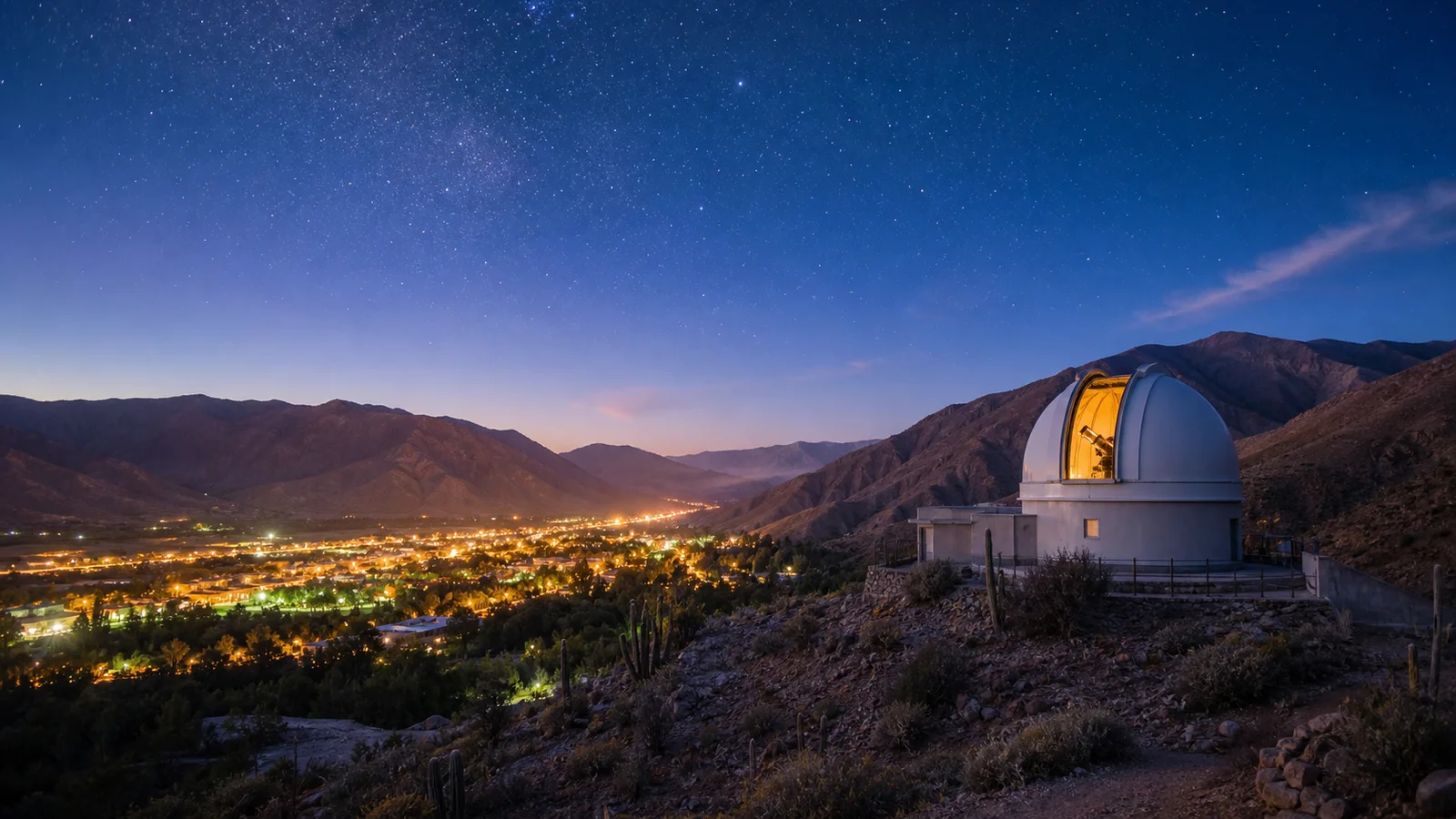
Imagine standing in the middle of a sun-drenched valley, sipping a glass of golden Pisco, only to watch the sky transform into a swirling river of diamonds as night falls. This isn’t a scene from a sci-fi movie; it’s a Tuesday night in Vicuña, the heart of Chile’s Elqui Valley. While the world knows this region for its award-winning spirits and poetic history, few realize it holds the title of the world’s first International Dark Sky Sanctuary. Here, the Milky Way doesn’t just look like a faint smudge; it dominates the horizon, so bright it casts shadows on the ground.
But how do you navigate the dozens of tour operators, choose between a crowded group hike and a private glamping session, or know exactly when the moon won’t ruin your view? We’ve spent countless nights freezing our toes off under the Andes to find the answers. In this guide, we reveal the top 7 unforgettable astro-tourism experiences in the valley, from high-end telescope sessions in Paihuano to budget-friendly stargazing that feels like magic. We’ll also share the secret to capturing the galaxy with a camera you already own and the best time to visit to avoid the crowds. Ready to trade your city lights for the cosmos? Let’s look up.
Key Takeaways
- Unrivaled Clarity: The Elqui Valley is the world’s first Dark Sky Sanctuary, offering some of the clearest, most stable viewing conditions on Earth with over 320 sunny days a year.
- 7 Unique Experiences: From luxury glamping under transparent domes to private telescope sessions in Paihuano, there is a stargazing adventure for every budget and skill level.
- Timing is Critical: The best viewing happens during the new moon phase between April and September; booking tours 3 months in advance is essential for prime dates.
- Preparation Matters: Temperatures can drop to freezing at night, so packing thermal layers, red-light headlamps, and sturdy boots is non-negotiable for a comfortable experience.
- Cultural Fusion: Combine your cosmic journey with Pisco tastings and local history, making this a holistic cultural and scientific adventure.
Table of Contents
- ⚡️ Quick Tips and Facts
- 🌌 The Celestial History of Vicuña: From Pisco to the Milky Way
- 🔭 Why the Elqui Valley is the World’s Premier Astro-Tourism Destination
- 🚀 Top 7 Unforgettable Vicuña Elqui Valley Astro-Tourism Experiences
- 1. The Classic Night Sky Observation at Cero Tolo
- 2. Private Stargazing with High-End Telescopes in Paihuano
- 3. The “Astronomer for a Night” Workshop for Beginners
- 4. Full Moon Hikes and Milky Way Photography Tours
- 5. Luxury Glamping Under the Stars in the Elqui Valley
- 6. The “Dark Sky Sanctuary” Certified Guided Walks
- 7. Combining Pisco Tastings with Cosmic Discoveries
- 🏨 Where to Stay: Best Hotels and Glamping Sites for Stargazing
- 📸 How to Capture the Milky Way: Gear and Settings Guide
- 🗓️ When to Go: Best Months and Moon Phases for Astro-Tourism
- 🚗 Getting There: Transport Options from Santiago to Vicuña
- 🍽️ Beyond the Stars: Local Cuisine and Pisco Culture in Elqui
- 🧭 Essential Packing List for High-Altitude Desert Nights
- 🌟 Discover the Magic of the Coquimbo Region: A Final Thought
- ✅ Conclusion
- 🔗 Recommended Links
- ❓ FAQ: Everything You Need to Know About Vicuña Astro-Tourism
- 📚 Reference Links
⚡️ Quick Tips and Facts
Before we strap on our hiking boots and point our telescopes toward the infinite void, let’s get the nitty-gritty out of the way. If you’re planning a trip to the Elqui Valley for astro-tourism, you need to know that this isn’t just a “look at the moon” experience; it’s a full-blown cosmic immersion.
Video guide
Here is the cheat sheet you didn’t know you needed:
- 🌌 Dark Sky Sanctuary Status: In 2015, the Elqui Valley became the world’s first International Dark Sky Sanctuary certified by the International Astronomical Union (IAU). This isn’t just a marketing gimmick; it means the light pollution is strictly controlled to protect the night sky.
- ☀️ Sun vs. Stars: The region boasts over 320 days of sunshine a year. While that sounds like a tanning invitation, it translates to incredibly stable, cloud-free nights perfect for stargazing.
- 🌡️ Temperature Shock: Don’t let the sunny days fool you. The desert climate means temperatures can plummet from a balmy 25°C (7°F) during the day to near freezing (0°C/32°F) at night. Warm layers are non-negotiable.
- 📸 Moon Phase Matters: If you want to see the Milky Way, avoid the full moon. The best viewing windows are during the new moon or the days immediately surrounding it.
- 🚗 Transport Warning: While you can drive yourself, the mountain roads to the best viewing spots are narrow, winding, and pitch black. We highly recommend using guided tours with provided transport.
For more on how we curate these experiences, check out our guide to Chile Vacay, your ultimate resource for unforgettable Chilean adventures.
🌌 The Celestial History of Vicuña: From Pisco to the Milky Way

You might know Vicuña as the birthplace of Gabriela Mistral, Chile’s first Nobel Prize winner in Literature. Her poetry often spoke of the land, the stars, and the soul of the valley. But long before Mistral put pen to paper, the indigenous Diaguita people were already looking up, using the stars to navigate the arid landscapes and time their agricultural cycles.
Today, that ancient connection has evolved into a modern scientific phenomenon. The valley’s unique geography—nestled between the towering Andes and the cooling influence of the Pacific Ocean—creates a microclimate that suppresses cloud formation. This natural phenomenon turned the region into a magnet for astronomers.
Why does this matter to you? Because when you visit an observatory here, you aren’t just looking through a telescope; you are stepping into a lineage of stargazers that spans thousands of years. The Elqui Valley isn’t just a location; it’s a cultural heritage site where science and spirituality collide.
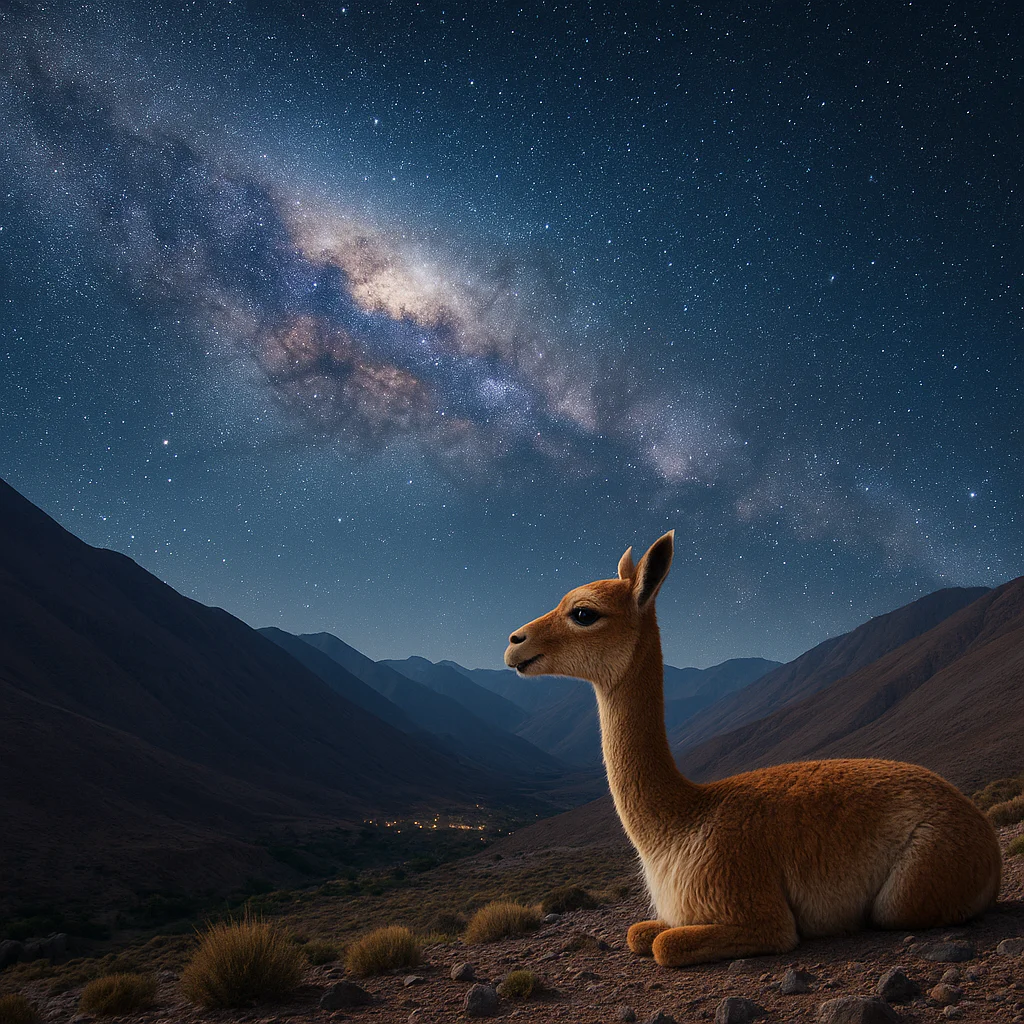
“Given its remote location, high elevation and reliably cloud-free nights, the valley is one of the best places on earth for stargazing.” — Lonely Planet
The transformation from a quiet agricultural valley to a global astro-tourism hub began in the late 20th century. Local entrepreneurs realized that the clear skies were a resource as valuable as the grapes used for Pisco. Now, the valley hosts five major international observatories, including SOAR and Gemini, which are usually reserved for professional scientists, but have opened their doors to the public through specialized tours.
🔭 Why the Elqui Valley is the World’s Premier Astro-Tourism Destination
So, why Elqui? Why not the Atacama Desert further north, or the mountains of Patagonia?
The answer lies in the balance. The Atacama is incredible, but it’s often too remote and dry for the average traveler to access easily. Patagonia is stunning but plagued by unpredictable weather. The Elqui Valley offers the “Goldilocks” zone: accessible enough for a day trip from Santiago, yet remote enough to offer zero light pollution.
The “Dark Sky” Advantage
The International Dark Sky Sanctuary designation isn’t just a plaque on a wall. It means that local municipalities enforce strict lighting ordinances. Streetlights are shielded, and commercial lighting is minimized. This ensures that when you look up, you aren’t fighting against the glow of a nearby town.
Accessibility Mets Authenticity
Unlike some remote stargazing spots where you have to hike for hours in the dark, the Elqui Valley offers a variety of experiences. You can stay in a luxury glamping site, sip Pisco by a fire, and have a guide walk you to the telescope. Or, you can hike into the mountains for a more rugged experience.
The Science Factor
The presence of professional-grade observatories like Gemini South and SOAR (Southern Astrophysical Research) elevates the quality of the tours. Many local guides are trained by astronomers who work at these facilities, meaning the information you get is cutting-edge, not just recycled folklore.
🚀 Top 7 Unforgettable Vicuña Elqui Valley Astro-Tourism Experiences
We’ve tried them all, from the budget-friendly group tours to the private VIP sessions. Here are the top 7 experiences that will make your trip legendary.
1. The Classic Night Sky Observation at Cero Tolo
If you want the quintessential experience, Cerro Tolo is the place. Located just outside Vicuña, this site offers a perfect blend of accessibility and darkness.
- The Vibe: Bustling but organized. You’ll meet other travelers, share stories, and learn the basics of astronomy.
- The Gear: Usually equipped with 30cm to 40cm telescopes.
- Best For: First-timers and families.
- Pro Tip: Arrive early to secure a spot near the best telescope.
2. Private Stargazing with High-End Telescopes in Paihuano
For those who want to see the Cassini Division on Saturn or the rings of Uranus, head to Paihuano. This village is slightly further out, offering darker skies.
- The Experience: Many operators here offer private sessions where you can control the telescope or hire a specific guide for the night.
- The Gear: Look for operators using T60 (25-inch) telescopes. These beasts can reveal details in nebulae that smaller scopes simply miss.
- Best For: Astrophotographers and serious stargazers.
3. The “Astronomer for a Night” Workshop for Beginners
Ever wanted to learn how to read a star chart or use a radio telescope? Several observatories, like Alfa Aldea, offer workshops that go beyond just looking.
- What You’ll Do: Listen to the “sound” of the stars, learn about constellations in depth, and even try your hand at astrophotography basics.
- The Perks: These sessions often include a warm welcome drink (Chilean red wine or hot chocolate) and a hearty soup to keep you warm.
- Best For: Curious minds who want to understand the “why” behind the “what.”
4. Full Moon Hikes and Milky Way Photography Tours
Wait, full moon? Yes! While the full moon washes out the Milky Way, it illuminates the landscape in a surreal, silver glow.
- The Experience: Guided hikes through the valley under the full moon, followed by photography sessions.
- The Twist: Some tours combine this with Milky Way photography during the new moon phase, teaching you the specific camera settings (ISO, aperture, shutter speed) needed to capture the galaxy.
- Best For: Photographers and romantics.
5. Luxury Glamping Under the Stars in the Elqui Valley
Why sleep in a hotel when you can sleep in a geodesic dome with a transparent roof?
- The Experience: Stay at places like Aldea del Sol or Cerro Tolo Glamping. You wake up to the sun and fall asleep to the stars without ever leaving your bed.
- Amenities: Most include heating, comfortable beds, and sometimes even private telescopes.
- Best For: Couples and those who want comfort without sacrificing the view.
6. The “Dark Sky Sanctuary” Certified Guided Walks
These are the official tours that adhere to the strictest Dark Sky protocols.
- The Focus: Education on light pollution, the importance of preserving the night sky, and the local ecology.
- The Guide: Often led by certified Dark Sky Guides who are experts in both astronomy and local conservation.
- Best For: Eco-tourists and educators.
7. Combining Pisco Tastings with Cosmic Discoveries
What goes better with the stars than Pisco? Many tours now offer a “Pisco & Stars” package.
- The Experience: Start with a tasting of different Pisco varieties (Pisco Sour, Pisco Sour with egg, etc.) and then head out to the telescope.
- The Logic: The alcohol warms you up (a bit) and the cultural context of the valley is deeply tied to the grape harvest.
- Best For: Foodies and culture enthusiasts.
🏨 Where to Stay: Best Hotels and Glamping Sites for Stargazing
Choosing where to sleep is half the battle. You want a place that minimizes light pollution but maximizes comfort.
| Property Name | Type | Best For | Key Feature |
|---|---|---|---|
| Aldea del Sol | Glamping | Couples | Geodesic domes with star-gazing windows |
| Hotel Elqui Valley | Hotel | Families | Central location in Vicuña with easy tour access |
| Cerro Tolo Lodge | Eco-Lodge | Nature Lovers | Located directly at the observatory site |
| Paihuano Boutique | Boutique | Luxury | Private terraces with telescope rentals |
| Hostal Gabriela | Hostel | Budget Travelers | Social atmosphere, organized group tours |
Note: While some hotels offer great views, for the best stargazing, we recommend staying slightly outside the town center where light pollution is lower.
📸 How to Capture the Milky Way: Gear and Settings Guide
You’ve seen the photos on Instagram. Now, how do you take them? You don’t need a $5,0 camera, but you do need the right settings.
Essential Gear
- Camera: A DSLR or Mirrorless camera with manual mode.
- Lens: A wide-angle lens (14mm to 24mm) with a wide aperture (f/2.8 or lower).
- Tripod: A sturdy tripod is mandatory. Any shake will ruin the shot.
- Remote Shutter: Or use your camera’s 2-second timer to avoid shaking the camera when pressing the button.
Step-by-Step Settings
- Mode: Set to Manual (M).
- Focus: Switch to Manual Focus. Set to infinity (∞), then back off slightly. Use your camera’s live view to focus on a bright star.
- Aperture: Open it as wide as possible (e.g., f/2.8).
- Shutter Speed: Use the 50 Rule (50 divided by your focal length). For a 20mm lens, that’s 25 seconds.
- ISO: Start at ISO 160 or 320.
- White Balance: Set to Tungsten or Daylight (around 350K-450K) to keep the sky blue, not orange.
Pro Tip: Bring a red-light headlamp. White light will ruin your night vision and mess up your photos.
🗓️ When to Go: Best Months and Moon Phases for Astro-Tourism
Timing is everything in astro-tourism.
Best Months
- April to September: These are the prime months. The nights are long, the air is dry, and the skies are crystal clear.
- Winter (June-August): While colder, the skies are often the clearest. Just pack extra layers!
- Summer (December-February): Warmer nights, but the Milky Way is visible in the early morning hours.
Moon Phases
- New Moon: The absolute best time. The sky is darkest, revealing the faintest galaxies.
- Full Moon: Great for landscape photography and seeing the moon’s surface in detail, but terrible for the Milky Way.
- Avoid: The 4 days before and after the full moon.
Check the Moon Calendar:
🚗 Getting There: Transport Options from Santiago to Vicuña
Getting to the Elqui Valley is an adventure in itself.
- From Santiago: It’s about a 5-6 hour drive (approx. 450 km) north.
- By Bus: Regular buses run from Santiago’s Terminal Alameda to Vicuña. Companies like Tur Bus and Pullman Bus offer comfortable coaches.
- By Car: Renting a car gives you flexibility, but be prepared for winding mountain roads.
- Guided Tours: Many operators offer pickup from Santiago or La Serena, which is the safest and most stress-free option.
Book Transport on:
- RentalCars.com: Car Rentals in Santiago
- Busbud: Bus Tickets to Vicuña
🍽️ Beyond the Stars: Local Cuisine and Pisco Culture in Elqui
You can’t talk about Vicuña without mentioning Pisco. The valley is the heart of Pisco production in Chile.
The Pisco Experience
- Distilleries: Visit Capel or Destilería Elqui to see how Pisco is made.
- Tastings: Most distilleries offer tastings of different varieties (Pisco Sombra, Pisco Quebranta, etc.).
- Cocktails: Try the classic Pisco Sour or the local favorite, Teremoto (a mix of Pisco, pineapple wine, and ice cream).
Local Cuisine
- Empanadas: Don’t leave without trying a Pisco Empanada.
- Solar Cooking: In Villaseca, some restaurants use solar ovens to cook bread and meats, a unique experience you won’t find elsewhere.
- Fresh Fruit: The valley is famous for its fruits, especially peaches and grapes.
🧭 Essential Packing List for High-Altitude Desert Nights
The desert is unforgiving if you’re unprepared. Here’s what you must pack:
- Warm Layers: Fleece jackets, thermal underwear, and a heavy coat. Temperatures drop fast.
- Headwear: A beanie and gloves are essential.
- Footwear: Sturdy, warm boots.
- Red Light Headlamp: To preserve night vision.
- Water: The air is dry; stay hydrated.
- Sunscreen: The sun is intense during the day.
- Camera Gear: Tripod, extra batteries (cold drains them fast).
🌟 Discover the Magic of the Coquimbo Region: A Final Thought
As we wrap up our journey through the Elqui Valley, we’re left with one lingering question: What does it feel like to stand under a sky so clear that you can see the Milky Way with your naked eye?
It’s not just a visual experience; it’s a feeling of smallness, of connection to the universe. Whether you’re sipping Pisco in a vineyard, hiking under a full moon, or pering through a 25-inch telescope, the Elqui Valley offers a perspective that stays with you long after you leave.
But wait, there’s more! Did you know that Vicuña is also home to one of the best entomological museums in the world? Yes, bugs! The Museo de Historia Natural y Entomología showcases incredible insect collections and even dinosaur fossils. It’s a quirky, fascinating side to the valley that complements the cosmic experience perfectly.
So, are you ready to trade your city lights for the Milky Way? The stars are waiting.
✅ Conclusion
The Elqui Valley is undeniably the premier destination for astro-tourism in Chile, and perhaps the world. Its unique combination of dark sky status, accessibility, and rich cultural heritage makes it a must-visit for anyone with a passion for the night sky.
Positives:
- World-Class Viewing: Unmatched clarity and minimal light pollution.
- Variety of Experiences: From budget group tours to luxury glamping.
- Cultural Depth: Rich history of Pisco, poetry, and indigenous culture.
- Accessibility: Easy to reach from Santiago and La Serena.
Negatives:
- Cold Nights: Requires significant preparation for warmth.
- Seasonal Closures: Some facilities close during the winter months (June-August).
- Booking Lead Time: Popular tours book up months in advance.
Our Verdict: If you have the chance to visit, do it. The experience of seeing the universe as it truly is, without the interference of light pollution, is transformative. We recommend booking a tour at least 3 months in advance, especially if you plan to visit during the new moon.
❓ FAQ: Everything You Need to Know About Vicuña Astro-Tourism
What is the best time of year to visit Vicuna for stargazing?
The best time is from April to September. During these months, the nights are longer, the air is drier, and the skies are generally the clearest. While the valley is open year-round, winter (June-August) offers the best visibility but requires extra warmth.
Read more about “🇨🇱 Best Time to Visit Chile’s Parks: 4 Seasons of Adventure (2026)”
How far is the Elqui Valley from Santiago for an astro tourism trip?
The Elqui Valley is approximately 450 kilometers (280 miles) north of Santiago. By car, it takes about 5 to 6 hours. By bus, it takes a similar amount of time. Many travelers opt for guided tours that include transport from Santiago or La Serena.
Read more about “Can You Visit Atacama Desert & Patagonia in One Chile Trip? 🌎 (2026)”
What are the top-rated observatories in Vicuna, Chile?
The top-rated observatories include:
- Observatorio Cero Mamalluca: Great for beginners and large groups.
- Observatorio del Pangue: Known for small groups and high-end telescopes.
- Alfa Aldea: Offers a unique experience with radio telescopes and wine.
- Cerro Tolo: A classic choice with excellent facilities.
Do I need to book an astro tour in the Elqui Valley in advance?
Yes, absolutely. The most popular tours, especially those with private telescopes or during the new moon, can book up months in advance. We recommend booking at least 2-3 months ahead of your trip.
What should I pack for a night of stargazing in the Elqui Valley?
Pack warm layers (fleece, thermal underwear, heavy coat), a beanie, gloves, sturdy boots, a red-light headlamp, and plenty of water. If you’re bringing a camera, don’t forget a tripod and extra batteries.
Read more about “Chile Vacay 2026: 17 Epic Rentals & Insider Tips 🇨🇱”
Are there guided night sky tours available in Vicuna for beginners?
Yes! Many tours are specifically designed for beginners. They include a crash course in astronomy, guided viewing through telescopes, and explanations of the constellations and planets. Operators like Mamalluca and Alfa Aldea are excellent for first-timers.
How clear are the skies in the Elqui Valley compared to other parts of Chile?
The Elqui Valley is renowned for having some of the clearest skies in the world. While the Atacama Desert further north is also exceptional, the Elqui Valley offers a more accessible and comfortable experience for tourists, with a perfect balance of darkness and infrastructure.
Why is the Elqui Valley considered a Dark Sky Sanctuary?
The Elqui Valley was designated an International Dark Sky Sanctuary in 2015 due to its strict light pollution controls, high elevation, and consistently clear skies. This status ensures that the night sky remains protected for future generations.
Can I see the Milky Way with the naked eye in Vicuña?
Yes! During the new moon phase, the Milky Way is clearly visible to the naked eye. It appears as a bright, cloudy band stretching across the sky. This is one of the most magical experiences of the trip.
Read more about “Chile: 14 Unforgettable Outdoor Adventures (2026) ✨”
📚 Reference Links
- International Astronomical Union (IAU): Dark Sky Sanctuaries
- Chilean Ministry of Tourism: Elqui Valley Tourism
- Lonely Planet: The Celestial Wonders of the Elqui Valley
- Civitatis: Elqui Valley Stargazing Tour
- Observatorio Cero Mamalluca: Official Website
- Observatorio del Pangue: Official Website
- Alfa Aldea: Official Website