Support our educational content for free when you purchase through links on our site. Learn more
Can You Visit Easter Island as a Day Trip?

Let’s be honest: the idea of popping over to Easter Island for a quick lunch and a selfie with a Moai before catching the evening flight back to Santiago sounds like a time-traveler’s dream. But here is the cold, hard truth that will save you from a very expensive and exhausting disaster: you cannot visit Easter Island as a day trip from mainland Chile. The flight alone takes nearly six hours one way, and the island’s strict entry regulations require proof of accommodation and a return ticket before you even board the plane in Santiago.
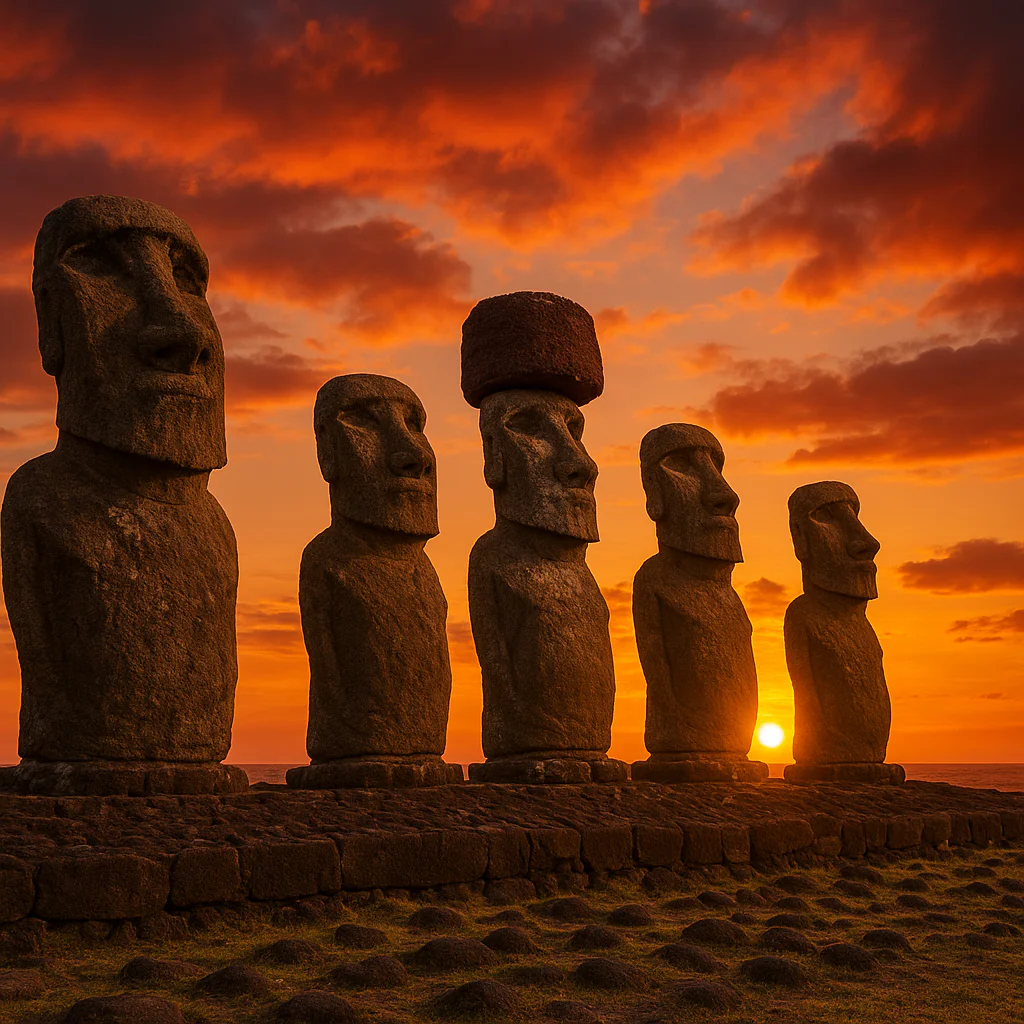
Imagine arriving on this remote speck of land in the middle of the Pacific, only to realize you have to rush back to the airport in four hours, missing the sunrise at Ahu Tongariki and the spiritual silence of Rano Raraku. That is exactly what happens if you try to force a day trip. Instead, we strongly recommend staying at least 4 to 5 days to truly unravel the mysteries of the Rapa Nui people, hike the volcanic craters, and dive into crystal-clear waters that feel like another planet. In this guide, we’ll break down exactly why the overnight stay is non-negotiable, how to secure the best flights, and the hidden gems you’ll miss if you rush.
Key Takeaways
- ❌ Day Trips Are Impossible: Due to a 5–6 hour flight each way and mandatory entry rules requiring proof of lodging, a same-day return from Santiago is logistically and legally impossible.
- ✅ Stay Overnight for the Magic: To witness the sunrise at Ahu Tongariki, explore remote caves like Ana Kakenga, and experience the local culture, a minimum 4 to 5-day stay is essential.
- 🎫 Entry Requirements: You must book your accommodation and return flight in advance; the Rapa Nui National Park fee ($80 USD) is mandatory for all visitors.
- 🗿 Cultural Immersion: Staying allows you to attend traditional dance shows, enjoy fresh seafood in Hanga Roa, and hike the island’s volcanic landscapes at your own pace.
Table of Contents
- ⚡️ Quick Tips and Facts
- 🏛️ Unearthing the Mystery: A Brief History of Rapa Nui
- 📍 Where Exactly is Easter Island and How Far is It from Santiago?
- ✈️ Is It Possible to Visit Easter Island as a Day Trip from Mainland Chile?
- 🏨 Why Staying Overnight is the Only Real Option for a Meaningful Experience
- 🎫 How to Secure Cheap Flights to Rapa Nui and Which Airport to Fly Into
- 🛂 Visa Requirements, Entry Rules, and the Rapa Nui Entry Fee
- 🗺️ How to Get from Easter Island’s Airport to Your accommodation
- 🚗 How Easy is it to Get Around on Rapa Nui? Renting vs. Tours
- 🗿 Marvel at the Island’s Moai Statues: Top Sites to See
- 🥾 Hike Across the Island’s Most Remote Parts and Volcanic Craters
- 🕳️ Head Down into the Natural Caves at Ana Kakenga
- 🏖️ Sunbathe on Rapa Nui’s Tropical Beaches and Surf at the Birthplace of Surfing
- 🤿 Scuba Dive in the Island’s Incredibly Clear Waters
- 📅 When is the Best Time to Visit Easter Island for Weather and Crowds?
- 💰 Overview of How Much an Easter Island Vacation Costs
- 🍽️ Food and Dining Costs on Easter Island: What to Eat and Pay
- 🏡 accommodation Costs and Where to Stay on Easter Island
- 💉 Vaccinations, Health Precautions, and Safety Tips for Rapa Nui
- 🗣️ Language, Local Etiquette, and Cultural Sensitivity on Rapa Nui
- 💵 Which Currency Does Easter Island Use? Money Matters Explained
- 🌋 How Can You Visit Rapa Nui National Park? Permits and Guides
- 🤔 Is Easter Island Worth the Trip? The Final Verdict
- 🎒 What to Pack for a Trip to Easter Island: The Ultimate Checklist
- 🏝️ Why You Should Add Easter Island to Your Chile Itinerary
- 🗺️ Get Your Free 10 & 14-Day Chile Itineraries
- Conclusion
- Recommended Links
- Reference Links
⚡️ Quick Tips and Facts
Before we dive into the deep end of the Rapa Nui ocean, let’s hit the pause button and get the hard truths straight. If you’re dreaming of a quick “pop-in” to see the Moai and pop back to Santiago for a pisco sour, stop right there.
Video guide
Here is the reality check you need:
- ❌ Day Trips are Impossible: The flight from Santiago takes roughly 5 to 6 hours one way. With airport security, check-in, and the sheer distance, a day trip is logistically impossible. You must stay overnight.
- ✅ Mandatory Stay: Since 2018, Chilean authorities require proof of accommodation and a return flight to even board the plane in Santiago.
- 🗿 The Moai Count: There are 87 known Moai statues on the island, not just the few famous ones you see on Instagram.
- 🌍 Most Remote Place: Easter Island is the most remote inhabited place on Earth, located 3,746 km (2,327 miles) from mainland Chile.
- 📅 Recommended Duration: While you can do it in 3 days, we highly recommend 4 to 5 days to truly soak in the culture without rushing.
- 🚗 Transport: You cannot just walk everywhere. Renting a car, bike, or hiring a guide is essential.
Ready to find out why this island is worth the long haul? Let’s unravel the mystery.
🏛️ Unearthing the Mystery: A Brief History of Rapa Nui

You might know it as “Easter Island,” but to the locals, it is Rapa Nui. The name “Easter Island” was given by Dutch explorer Jacob Rogeveen, who “discovered” it on Easter Sunday in 172. But the story of the people who built the Moai goes back much further.
The Great Migration
Archaeological evidence suggests the first Polynesian settlers arrived between 30 and 120 AD. These were master navigators who crossed the vast Pacific Ocean in double-hulled canoes. They brought with them chickens, sweet potatoes, and a deep spiritual connection to the land.
The Moai Phenomenon
Between 1250 and 150 AD, the Rapa Nui people carved nearly 90 massive stone statues. These weren’t just art; they were ancestral representations. Each Moai was believed to hold the mana (spiritual power) of a deceased chief.
“The initial act of getting to Easter Island will be the biggest expense of your trip, but the history you uncover is priceless.” — Chile Vacay™ Team
The Collapse and Resilience
European contact brought devastation: slave raids, diseases, and civil wars decimated the population. By the late 19th century, the population had plummeted from thousands to just a few hundred. Yet, the culture survived. Today, the island is a UNESCO World Heritage Site and a living testament to the resilience of the Rapa Nui people.
If you’re curious about other ancient wonders in Chile, check out our guide on What are the top tourist attractions to see in Chile? to see how Rapa Nui fits into the broader Chilean tapestry.
📍 Where Exactly is Easter Island and How Far is It from Santiago?
Let’s talk geography, because the isolation of this place is mind-boggling.
- Location: Easter Island sits in the southeastern Pacific Ocean.
- Distance from Chile: It is 3,746 km (2,327 miles) west of the Chilean coast. To put that in perspective, that’s farther than the distance from New York to London!
- Distance from Nearest Land: The closest inhabited island is Pitcairn, 1,931 km (1,20 miles) away.
- Time Zone: It operates on Chile Standard Time (CLT), which is UTC-4 (or UTC-3 during daylight saving).
Why the Distance Matters
This extreme isolation is exactly why a day trip is impossible. You are essentially flying halfway across the world just to see a few statues. The journey itself is an adventure, not just a commute.
✈️ Is It Possible to Visit Easter Island as a Day Trip from Mainland Chile?
The short answer: No. The long answer: Absolutely not, and here is why.
We’ve seen the search queries: “Can I do Easter Island in a day?” The answer is a resounding no. Here is the breakdown of why this is a logistical nightmare:
- Flight Duration: The flight from Santiago (SCL) to Mataveri International Airport (IPC) takes 5 to 6 hours one way. That’s 10 to 12 hours of flying time round trip.
- Airport Logistics: You need to arrive at the airport in Santiago at least 3 hours before your flight. Add in the time to clear immigration and customs upon arrival in Rapa Nui, and you’ve burned half a day before you even see a statue.
- Mandatory Entry Rules: As mentioned, you must show proof of accommodation and a return ticket. You cannot buy a one-way ticket and hope to figure it out later.
- The “One Flight” Problem: There are only 2 to 3 flights per day (sometimes fewer in low season). If your flight is delayed (which happens often due to wind), you are stuck. There is no “next flight” in 2 hours.
Verdict: A day trip is not just impractical; it’s forbidden by the entry regulations. You need to stay at least one night, but realistically, you need 4 to 5 days.
🏨 Why Staying Overnight is the Only Real Option for a Meaningful Experience
So, you’ve accepted that you need to stay. But why stay overnight? Why not just stay for 24 hours?
The Magic of the Golden Hour
The Moai look different at different times of the day.
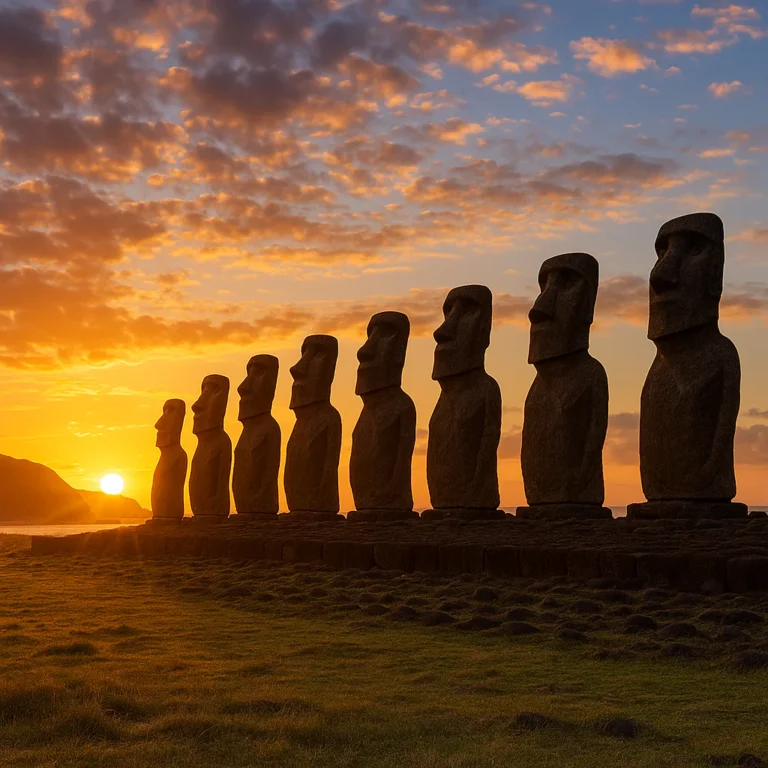
- Sunrise at Ahu Tongariki: The first light hitting the 15 restored Moai is a spiritual experience you cannot replicate in a rushed day trip.
- Sunset at Rano Raraku: Watching the shadows lengthen across the quarry where the statues were carved is hauntingly beautiful.
Cultural Immersion
Rapa Nui isn’t just a museum; it’s a living community. By staying overnight, you can:
- Experience the Tapati Rapa Nui festival (if visiting in February).
- Enjoy a traditional Rapa Nui dance show like the Kari Kari.
- Eat fresh seafood at local restaurants like Pea RestoBar (highly rated by our team!).
- Stargaze without light pollution.
“Having flown all that way, why not combine Easter Island with some time on the incredible Chilean mainland, too.” — Andean Trails
The “Rush” Factor
If you try to do it in a day, you’ll spend 12 hours in transit and maybe 4 hours on the ground. You’ll be exhausted, stressed, and you’ll miss the soul of the island. Staying overnight allows you to breathe, explore at your own pace, and truly connect with the Rapa Nui culture.
🎫 How to Secure Cheap Flights to Rapa Nui and Which Airport to Fly Into
Flying to Easter Island is the most expensive part of your trip, but with some savvy planning, you can save a bundle.
The Only Airport
You will fly into Mataveri International Airport (IPC). There are no other airports on the island.
The Only Airline
LATAM Airlines is the sole carrier operating flights between Santiago (SCL) and Easter Island (IPC). There are no budget airlines or competitors. This means prices can be high, but it also means the schedule is consistent.
Tips for Finding Cheap Flights
- Book Early: Flights fill up months in advance, especially for the high season (December to March).
- Check Different LATAM Sites: Sometimes the Chilean version of the LATAM website (
latam.com/es_cl) has better prices than the international version (latam.com/en_us). - Use Price Trackers: Apps like Hopper can predict price drops. One of our team members saved over $150 using this method!
- Flexibility is Key: Flying mid-week (Tuesday or Wednesday) is often cheaper than weekends.
- Consider the “Stopover”: Some flights require a stop in Iquique or Antofagasta, which can sometimes be cheaper, but adds travel time.
Pro Tip: If you have a credit card with travel points, check for award availability. We’ve seen people book flights for free using points!
🛂 Visa Requirements, Entry Rules, and the Rapa Nui Entry Fee
Before you pack your bags, you need to sort out the paperwork. The rules are strict, so don’t skip this step.
The FUI Form
All visitors must complete the Formulario Único de Ingreso (FUI). This is an electronic form you fill out online before your flight. You will receive a QR code that you must show at the airport.
Proof of accommodation
You must have a confirmed hotel reservation for the entire duration of your stay. This is checked at the Santiago airport before you board. No reservation = no flight.
The Rapa Nui Entry Fee
Upon arrival, you must pay the Rapa Nui National Park Entry Fee.
- Adults: Approximately $80 USD (price subject to change).
- Children: Approximately $40 USD.
- Validity: The fee is valid for 10 days and allows one visit to Rano Raraku and Orongo.
Visa Requirements
- Chilean Citizens: No visa required.
- US, EU, Canadian, Australian Citizens: Generally, you do not need a visa for stays up to 90 days for tourism. However, always check the latest requirements with your local Chilean consulate.
- Other Nationalities: Check if you need a visa for Chile.
🗺️ How to Get from Easter Island’s Airport to Your accommodation
Once you land at Mataveri International Airport (IPC), you are only about 5 km (3 miles) from the main town, Hanga Roa.
Transportation Options
- Hotel Shuttle: Many hotels offer free or paid shuttle services. Book this in advance!
- Taxis: Taxis are readily available outside the airport. The ride to Hanga Roa takes about 10-15 minutes.
- Rental Car: If you’ve rented a car, the rental desks are right at the airport.
- Walking: It’s possible to walk, but it’s not recommended with luggage, especially in the heat.
🚗 How Easy is it to Get Around on Rapa Nui? Renting vs. Tours
Getting around the island is part of the adventure. You have three main options:
1. Renting a Car
- Pros: Total freedom, can explore remote areas at your own pace.
- Cons: Can be expensive, parking can be tricky in Hanga Roa, and you need to be comfortable driving on the right side of the road.
- Recommended Brands: Oceanic Rapa Nui is a popular local rental agency. They offer Suzuki Jimnys and other compact cars.
2. Renting a Bike
- Pros: Cheap, eco-friendly, great for flat areas.
- Cons: The island is windy, and some roads are steep. Not recommended for long distances or remote sites.
- Cost: Around $35,0 CLP per day.
3. Hiring a Guide
- Pros: Mandatory for most archaeological sites. Guides provide deep historical context and handle logistics.
- Cons: Less flexibility, can be more expensive.
- Cost: Private guides start from $40 USD person per day (plus transport).
Our Recommendation: For a first-time visitor, we suggest hiring a guide for the main sites (Rano Raraku, Ahu Tongariki) and renting a car or bike for the rest of the island. This gives you the best of both worlds.
🗿 Marvel at the Island’s Moai Statues: Top Sites to See
The Moai are the stars of the show, but not all Moai are created equal. Here are the must-see sites:
Ahu Tongariki
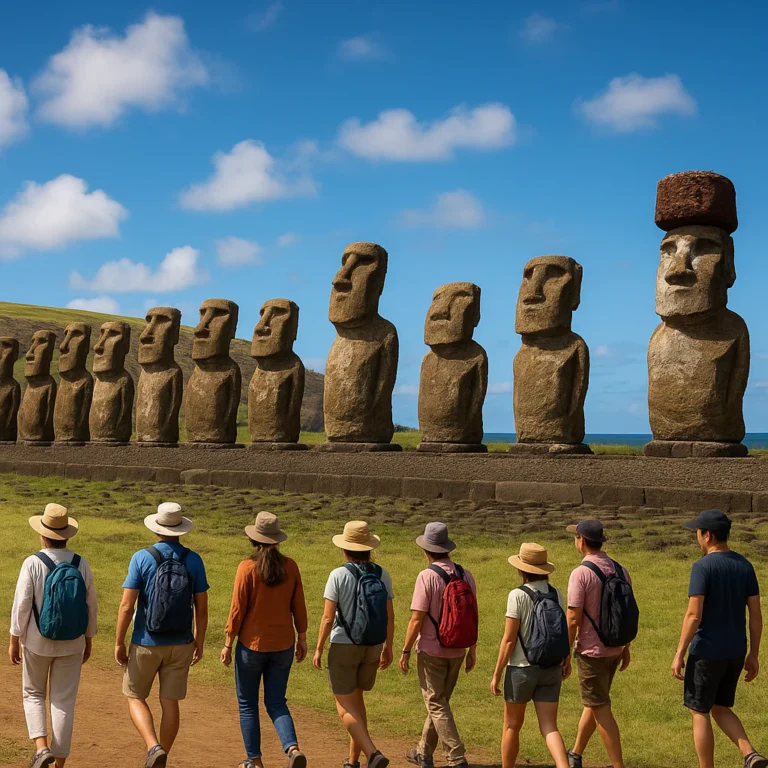
- What to Expect: The largest ceremonial platform on the island, featuring 15 restored Moai standing in a row.
- Why Go: It’s the most impressive site, especially at sunrise.
- Guide Required: Yes.
Rano Raraku
- What to Expect: The quarry where the Moai were carved. You’ll see 40+ statues in various stages of completion, some half-buried.
- Why Go: It’s the birthplace of the Moai and offers a unique perspective on how they were made.
- Guide Required: Yes.
Ahu Tahai
- What to Expect: A complex of three ceremonial platforms near Hanga Roa, featuring one of the few Moai with coral eyes and a red topknot.
- Why Go: It’s close town, perfect for a sunset visit.
- Guide Required: No, you can visit this one on your own!
Orongo
- What to Expect: A ceremonial village on the edge of a volcanic crater, associated with the Birdman Cult.
- Why Go: Incredible views and a deep dive into Rapa Nui spirituality.
- Guide Required: Yes.
🥾 Hike Across the Island’s Most Remote Parts and Volcanic Craters
If you’re an adventure seeker, Rapa Nui has some of the best hiking in the world.
The Rano Kau Crater
- The Hike: A moderate hike to the edge of the massive Rano Kau crater, which houses the Orongo village.
- The View: Breathtaking views of the ocean and the crater’s interior.
- Difficulty: Moderate.
The North Coast Trail
- The Hike: A rugged trail along the northern coast, passing remote Moai sites and volcanic formations.
- The View: Dramatic cliffs and hidden beaches.
- Difficulty: Challenging.
Tip: Always carry plenty of water and wear sturdy shoes. The terrain can be rocky and uneven.
🕳️ Head Down into the Natural Caves at Ana Kakenga
Ana Kakenga, also known as the “Seven Windows Cave,” is a hidden gem.
- What to Expect: A lava tube cave with seven openings that look out to the ocean.
- Why Go: It’s a unique geological formation and a great spot for photography.
- Guide Required: No, but it’s recommended to have a guide to find it and understand its significance.
🏖️ Sunbathe on Rapa Nui’s Tropical Beaches and Surf at the Birthplace of Surfing
Yes, Easter Island has beaches! And some of them are world-class.
Anakena Beach
- What to Expect: White sand, palm trees, and a Moai standing right on the beach.
- Why Go: It’s the only sandy beach on the island and a great spot for swimming.
- Surfing: Anakena is considered the birthplace of surfing in the Pacific.
Ovahe Beach
- What to Expect: A smaller, more secluded beach with red sand.
- Why Go: Perfect for a quiet afternoon away from the crowds.
🤿 Scuba Dive in the Island’s Incredibly Clear Waters
The waters around Rapa Nui are crystal clear and teming with marine life.
- What to Expect: Dive sites featuring underwater Moai, volcanic formations, and colorful fish.
- Why Go: It’s one of the most unique diving experiences in the world.
- Operators: Check with Easter Island Divers or Rapa Nui Scuba for guided dives.
📅 When is the Best Time to Visit Easter Island for Weather and Crowds
Timing is everything. Here’s the breakdown:
| Season | Months | Weather | Crowds | Recommendation |
|---|---|---|---|---|
| Shoulder Season | April-May, Sept-Oct | Warm, mild, less rain | Moderate | Best Time! Great weather, fewer crowds. |
| High Season | Dec-Mar | Hot, humid, occasional rain | Very High | Book months in advance. Expensive. |
| Low Season | Jun-Aug | Cooler, rainier | Low | Good for budget travelers, but some sites may be closed. |
| Festival | Feb | Warm | Extremely High | Tapati Rapa Nui festival. Unforgettable but crowded. |
Our Pick: September/October or April/May for the perfect balance of weather and availability.
💰 Overview of How Much an Easter Island Vacation Costs
Let’s talk money. Easter Island is not a budget destination, but it’s worth every penny.
Flight Costs
- Range: $50 – $1,20+ USD round trip from Santiago.
- Tip: Book early to get the best deals.
accommodation Costs
- Budget: $40 – $80 USD per night (hostels, guesthouses).
- Mid-Range: $150 – $250 USD per night (boutique hotels).
- Luxury: $30+ USD per night (high-end resorts).
Food Costs
- Budget: $10 – $15 USD per meal (empanadas, street food).
- Mid-Range: $20 – $40 USD per meal (restaurants).
- Luxury: $50+ USD per meal (fine dining).
Activity Costs
- Park Entry: $80 USD person.
- Guided Tours: $40 – $10+ USD person per day.
- Car Rental: $50 – $150 USD per day.
Total Estimate: For a 5-day trip, expect to spend $1,50 – $3,0+ USD person (excluding flights).
🍽️ Food and Dining Costs on Easter Island: What to Eat and Pay
The food on Rapa Nui is a mix of Polynesian, Chilean, and international influences.
Must-Try Dishes
- Papa Rapa Nui: A traditional dish made with sweet potatoes, fish, and coconut milk.
- Empanadas: Chilean-style pastries filled with beef, cheese, or chicken.
- Fresh Seafood: Try the local fish, octopus, and lobster.
Where to Eat
- Pea RestoBar: Highly rated for its ocean views and delicious food.
- Neptuno Sunset: Great for seafood and sunset views.
- Le-Frits: A budget-friendly option for quick meals.
Tip: Bring some snacks from Santiago, as prices on the island are higher.
🏡 accommodation Costs and Where to Stay on Easter Island
Where you stay depends on your budget and preferences.
Budget Options
- Tipanie Moana: Offers camping and private rooms. Great for backpackers.
- La Casa del Kori: A cozy guesthouse with private bathrooms.
Mid-Range Options
- Inaki Uhi Hotel: Comfortable rooms with modern amenities.
- Hotel Boutique La Perouse: Charming bungalows with a local feel.
Luxury Options
- Hare Nua Hotel Boutique: High-end service and beautiful grounds.
- Hare Rapa Nui Hotel: A popular choice with great views.
Pro Tip: Book your accommodation months in advance, especially for the high season.
💉 Vaccinations, Health Precautions, and Safety Tips for Rapa Nui
Rapa Nui is generally safe, but there are some health and safety considerations.
Health Precautions
- Vaccinations: No specific vaccinations are required, but ensure your routine vaccines (MMR, Tetanus) are up to date.
- Sun Protection: The sun is intense. Wear sunscreen, a hat, and sunglasses.
- Hydration: Drink plenty of water, especially when hiking.
Safety Tips
- Wildlife: Be careful of free-roaming chickens and horses. They can be unpredictable.
- Respect the Moai: Do not touch or climb on the statues. It’s illegal and disrespectful.
- Emergency Numbers: Dial 13 for police, 131 for ambulance.
🗣️ Language, Local Etiquette, and Cultural Sensitivity on Rapa Nui
The official languages are Spanish and Rapa Nui. English is spoken in tourist areas, but learning a few Rapa Nui phrases is appreciated.
Cultural Etiquette
- Respect the Land: The land is sacred to the Rapa Nui people. Do not litter or damage the environment.
- Ask Before Taking Photos: Always ask permission before photographing locals or private property.
- Support Local: Buy from local artisans and eat at local restaurants.
💵 Which Currency Does Easter Island Use? Money Matters Explained
Easter Island uses the Chilean Peso (CLP).
- ATMs: Available in Hanga Roa, but they can run out of cash.
- Credit Cards: Widely accepted in hotels and restaurants, but not in small shops or for tours.
- Cash: Bring enough cash for small purchases and tips.
Tip: Exchange money in Santiago before you fly, as options on the island are limited.
🌋 How Can You Visit Rapa Nui National Park? Permits and Guides
To visit the archaeological sites, you need a National Park Pass.
- Where to Buy: At the airport or at the park entrance.
- Validity: 10 days.
- Guide Requirement: You must have a licensed guide for most sites. You can hire one at the park or book in advance.
Pro Tip: Book your guide in advance to avoid long waits at the park entrance.
🤔 Is Easter Island Worth the Trip? The Final Verdict
Yes, absolutely.
Despite the long flight and high costs, Easter Island is a once-in-a-lifetime experience. The mystery of the Moai, the stunning landscapes, and the rich culture make it worth every penny.
“Most visitors to the island spend between four and five days here, which is plenty of time to see its highlights and really dig beneath the surface of Rapa Nui culture.” — Worldly Adventurer
If you’re looking for a destination that combines history, adventure, and natural beauty, Rapa Nui is it.
🎒 What to Pack for a Trip to Easter Island: The Ultimate Checklist
Packing for Rapa Nui requires a mix of adventure gear and casual wear.
Essentials
- Sunscreen: High SPF.
- Hat and Sunglasses: For sun protection.
- Sturdy Shoes: For hiking.
- Swimwear: For the beaches.
- Light Jacket: For cool evenings.
- Reusable Water Bottle: To stay hydrated.
- Cash: In Chilean Pesos.
- Power Adapter: Chile uses Type C and L plugs (20V).
Optional
- Binoculars: For bird watching.
- Camera: To capture the Moai.
- Snorkel Gear: If you plan to dive.
🏝️ Why You Should Add Easter Island to Your Chile Itinerary
Easter Island is the crown jewel of Chile. It offers a unique blend of history, culture, and natural beauty that you won’t find anywhere else.
- Unique Experience: The Moai are unlike anything else on Earth.
- Cultural Immersion: Learn about the Rapa Nui people and their traditions.
- Adventure: Hike, dive, and explore the island’s diverse landscapes.
- Isolation: Escape the crowds and enjoy a peaceful getaway.
Pro Tip: Combine your trip to Easter Island with a visit to the Atacama Desert or Patagonia for a complete Chilean adventure.
🗺️ Get Your Free 10 & 14-Day Chile Itineraries
Ready to plan your trip? Download our free 10 & 14-day Chile itineraries to get started. These itineraries include detailed plans for visiting Easter Island, the Atacama Desert, Patagonia, and more.
Download Your Free Itinerary Here
Conclusion

So, can you visit Easter Island as a day trip from mainland Chile? Absolutely not. The logistics, flight times, and entry requirements make it impossible. But that’s the beauty of it. The journey to Rapa Nui is part of the adventure, and staying overnight allows you to truly experience the magic of this remote island.
From the majestic Moai at Ahu Tongariki to the serene beaches of Anakena, Easter Island offers a unique blend of history, culture, and natural beauty that is unmatched anywhere else on Earth. Whether you’re a history buff, an adventure seeker, or just looking for a peaceful getaway, Rapa Nui has something for everyone.
Our Final Recommendation: Plan for 4 to 5 days, book your flights and accommodation early, and take the time to immerse yourself in the culture. It’s an experience you’ll never forget.
Reference Links
- LATAM Airlines: Official Website
- Chilean National Tourism Service (SERNATUR): Official Website
- UNESCO World Heritage Centre: Rapa Nui National Park
- Audley Travel: Visit Easter Island on a trip to Chile
- Worldly Adventurer: Visit Easter Island, Chile
- Andean Trails: Easter Island: How to Get & Must-See
FAQ
Are there any specific tour packages or guided excursions available for visiting Easter Island from Chile, and what do they include?
Yes, there are numerous tour packages available. These typically include:
- Guided Tours: Visits to major sites like Ahu Tongariki, Rano Raraku, and Orongo with a licensed guide.
- Transportation: Pick-up and drop-off from your hotel.
- Meals: Some packages include lunch or dinner.
- Activities: Options for hiking, snorkeling, or cultural shows.
Popular Operators:
- Easter Island Travel: Offers affordable tours starting from $210 CLP.
- Green Island Tours: Provides Moai monument tours and hiking excursions.
- EcoChile Travel: Offers 4-day trips with comprehensive itineraries.
What are the top attractions and activities to explore on Easter Island, and how many days do I need to see them?
Top Attractions:
- Ahu Tongariki: 15 restored Moai.
- Rano Raraku: The quarry with 40+ statues.
- Orongo: The ceremonial village.
- Anakena Beach: White sand and Moai.
- Ana Kakenga: The Seven Windows Cave.
Recommended Duration:
- Minimum: 3 days (rushed).
- Ideal: 4 to 5 days (to see everything at a relaxed pace).
What are the best times of year to visit Easter Island for optimal weather and tourism experiences?
- Best Time: April-May and September-October (shoulder seasons). Warm weather, fewer crowds.
- Avoid: February (Tapati Rapa Nui festival) due to high prices and crowds.
- Summer (Dec-Mar): Hot and humid, good for swimming but crowded.
- Winter (Jun-Aug): Cooler and rainier, but fewer tourists.
How long does the flight take from Santiago to Easter Island?
The flight from Santiago (SCL) to Easter Island (IPC) takes approximately 5 to 6 hours one way. The return flight is slightly shorter (around 4.5 hours) due to prevailing winds.
Read more about “🇨🇱 15 Essential Chile Packing Items for Any Climate (2026)”
What is the best time of year to visit Easter Island?
The best time to visit is during the shoulder seasons (April-May and September-October). You’ll enjoy warm weather, fewer crowds, and better prices.
Read more about “🇨🇱 Chile Seasons 2026: Peak vs. Off-Peak Prices & Availability”
Do I need a visa to travel to Easter Island from Chile?
- Chilean Citizens: No visa required.
- US, EU, Canadian, Australian Citizens: Generally, no visa required for stays up to 90 days.
- Other Nationalities: Check with your local Chilean consulate for visa requirements.
Read more about “🇨🇱 Chile Safety 2026: 10 Critical Precautions You Must Know”
How much does it cost to stay overnight on Easter Island?
- Budget: $40 – $80 USD per night.
- Mid-Range: $150 – $250 USD per night.
- Luxury: $30+ USD per night.
Note: Prices vary by season and availability. Book in advance for the best rates.