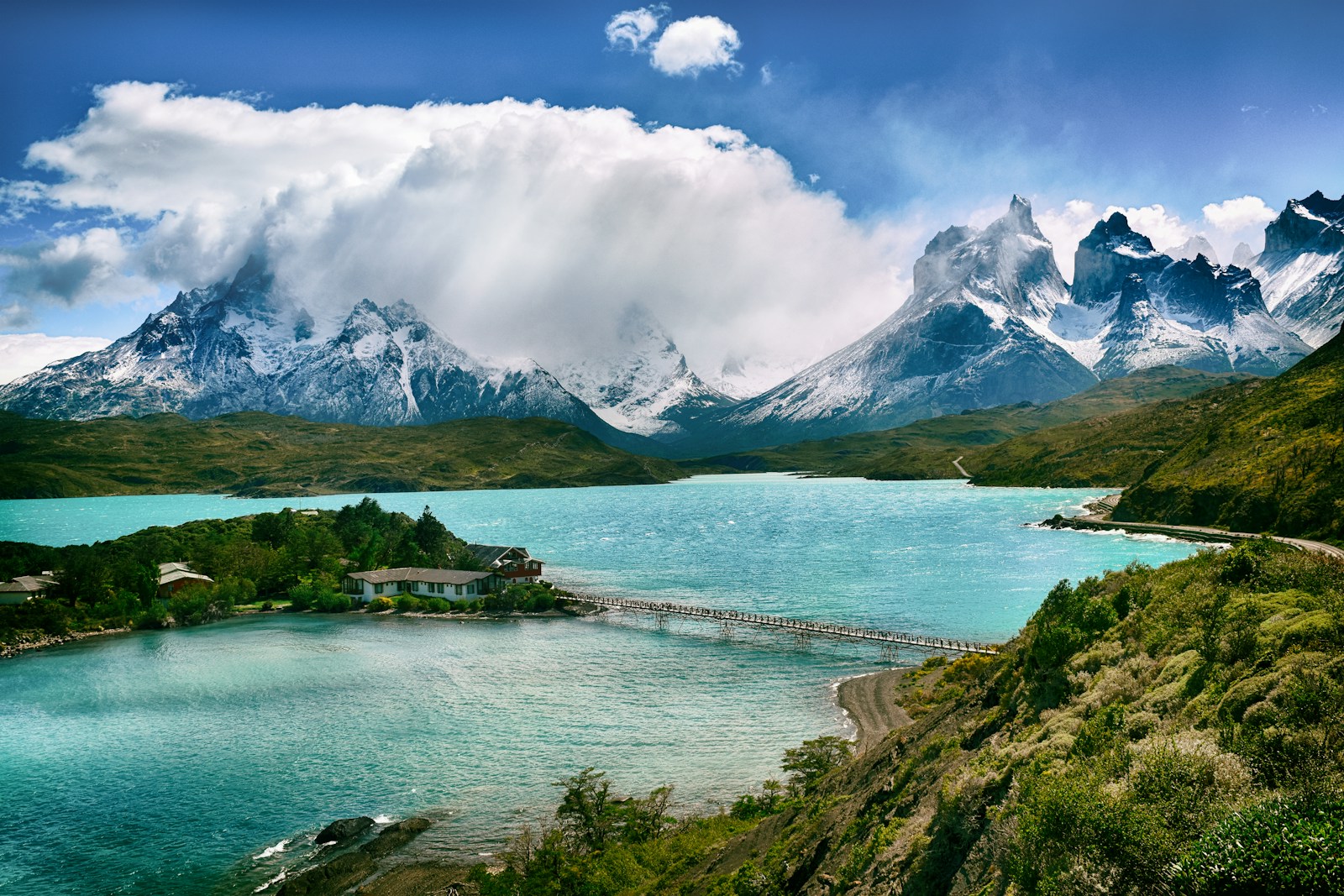
Support our educational content for free when you purchase through links on our site. Learn more
Unique and Off-the-Beaten-Path Places in Chile

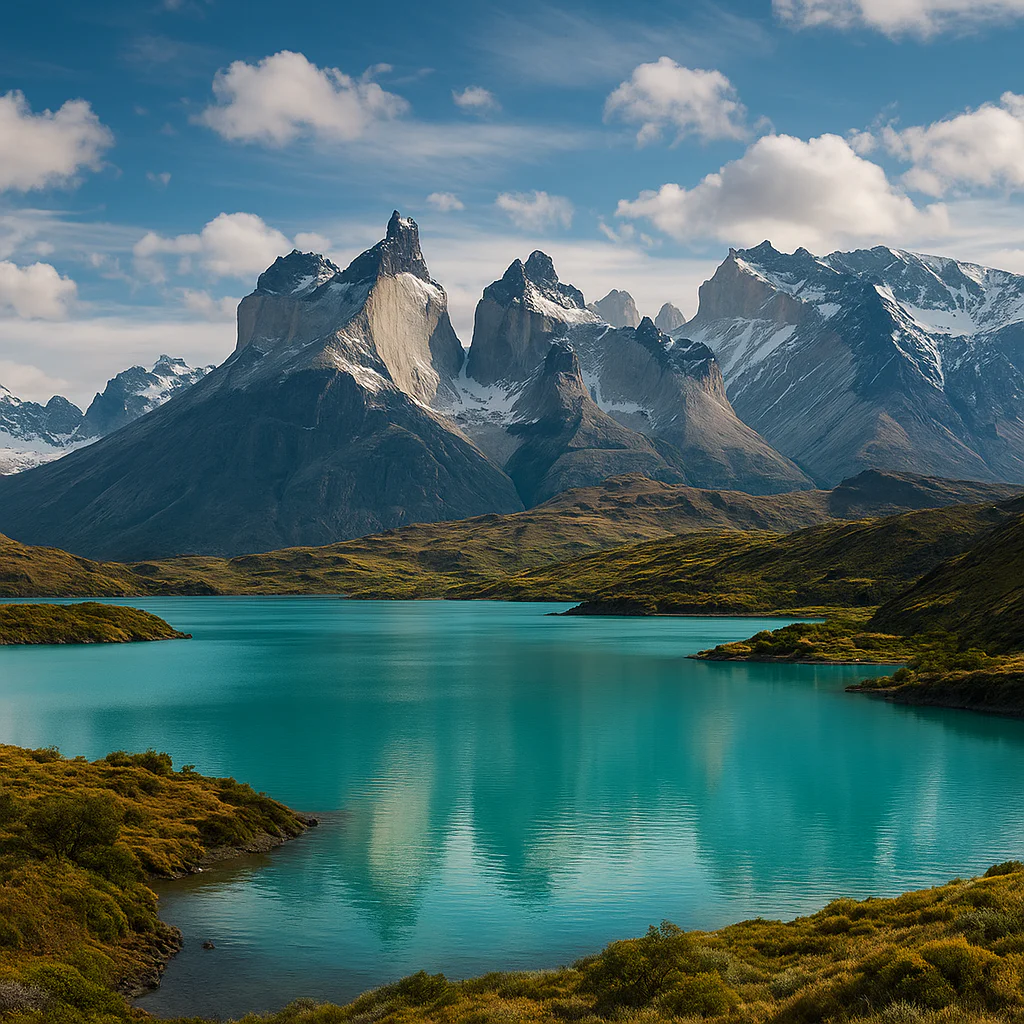
You’ve likely heard of Torres del Paine and the Moai of Easter Island, but have you ever wondered what lies beyond the postcards? Chile is a land of extremes, stretching over 4,30 kilometers from the driest desert on Earth to the icy fjords of the south, yet most travelers stick to the well-trodden paths. We’ve spent years chasing horizons where the only footprints are our own, from the silent, dust-choked streets of a 19th-century mining ghost town to the cosmic energy of a valley where the stars seem close enough touch.
Imagine standing in the middle of the Atacama Desert, surrounded by the crumbling ruins of Humberstone, where the wind whispers stories of the saltpeter boom, or kayaking through the surreal, mirror-like Marble Caves in Patagonia, a place accessible only by water. These aren’t just “leser-known” spots; they are the soul of Chile, waiting for the curious explorer who dares to turn off the main road. In this guide, we reveal 10 unique destinations that will redefine your understanding of adventure, complete with the gritty details on how to get there, what to pack, and why these hidden gems are worth every mile of the journey.
Ready to trade the tourist trail for the road less traveled? Keep reading to discover the secrets that even many locals don’t know about.
Video guide
Key Takeaways
- Go Beyond the Classics: While Torres del Paine is iconic, destinations like Humberstone, Parque Patagonia, and the Caretera Austral offer unparalleled solitude and authentic experiences.
- Preparation is Non-Negotiable: Exploring Chile’s remote regions requires a 4×4 vehicle, ample cash in pesos, and careful planning due to vast distances and limited infrastructure.
- Respect the Environment: Many of these sites are fragile ecosystems or UNESCO World Heritage Sites; practicing Leave No Trace principles is essential to preserve them for future generations.
- Timing Matters: The best time to visit the southern fjords and Patagonia is during the austral summer (November to March), while the Atacama is accessible year-round but best in the shoulder seasons.
- Cultural Immersion: From the wooden churches of Chiloé to the Pisco Trail in Valle del Elqui, these destinations offer deep dives into Chile’s unique history and traditions.
Table of Contents
- ⚡️ Quick Tips and Facts
- 📜 From Conquistadors to Hidden Gems: A Brief History of Chile’s Untouched Wonders
- 🗺️ Beyond the Mainstream: Why Seek Out Chile’s Off-the-Beaten-Path Destinations?
- 🏜️ 1. Humberstone: Walking Through the Dusty Ghost Towns of the Atacama Desert
- 🌌 2. Patagonia’s Secret Corners: Stargazing and Hiking in Parque Patagonia
- 🥃 3. Valle del Elqui: Hiking the Pisco Trail and Chasing Cosmic Energy
- 🚗 4. The Ultimate Road Trip: Driving to the Very End of the World
- 🌊 5. Valparaíso’s Quiet Cousins: Exploring the Unspoiled Coastline
- 🏝️ 6. Chiloé: Stepping Back in Time to a Mythical Island
- 🗿 7. Easter Island: Getting Away From It All on Rapa Nui
- 🏔️ 8. The Lost Valeys: Discovering the Secret Andean Highlands
- 🌊 9. The Forgotten Fjords: Kayaking Chile’s Remote Southern Waterways
- 🌿 10. The Altiplano’s Hidden lagoons: A Birdwatcher’s Paradise
- 🗺️ Interactive Map: Pinpointing Chile’s Best-Kept Secrets
- 🎒 Plan Your Trip to Chile: Logistics for the Adventurous Soul
- 🧳 Chile Travel Essentials: What to Pack for the Road Less Traveled
- ⏱️ Making the Most of Your Time: Crafting the Perfect Itinerary
- 🚌 Getting Around Chile: Navigating Remote Regions Like a Pro
- 🗣️ Traveler Reviews: Real Stories from the Hidden Corners of Chile
- 🏆 Top Chile Tours & Itineraries for the Independent Explorer
- 💡 Expert Advice: How to Travel Sustainably in Remote Chile
- 📚 Chile Destination Guides: Deep Dives into Specific Regions
- 🔍 Most Viewed Chile Content: What Other Travelers Are Searching For
- 🚀 Latest Travel Insights: Trends in Off-Grid Chile Tourism
- ✅ Conclusion: Is the Journey to Chile’s Hidden Gems Worth It?
- 🔗 Recommended Links: Gear, Guides, and Booking Platforms
- ❓ FAQ: Your Burning Questions About Chile’s Secret Spots Answered
- 📖 Reference Links: Sources and Further Reading
⚡️ Quick Tips and Facts
Before you pack your bags and chase the horizon, let’s hit the ground running with some essential truths about exploring Chile’s hidden corners. We’ve been there, done that, and yes, we’ve gotten lost in the dust of a ghost town or two.
- Geography is King: Chile is the longest north-south country in the world, stretching over 4,30 km (2,670 miles). This means you can ski in the Andes in the morning and surf in the Pacific by afternoon, if you have a time machine. Without one, you need to pick your battles.
- The “Off-the-Beaten-Path” Myth: Some places labeled “remote” are actually just off the tourist radar, not inaccessible. A good bus network (like Buses Buses or Tur Bus) can get you to the edge of the world, but for the real secrets, a 4×4 is your best friend.
- Cash is King (in the sticks): While Santiago and Valparaíso are card-friendly, the deep south and the Atacama often run on pesos. ATMs are scarce in places like Villa O’Higgins or the Altiplano.
- Seasonality Matters: Chile’s seasons are backwards compared to the Northern Hemisphere. Summer is December to February. If you want to hike Patagonia without freezing your toes off, aim for November to March.
- Respect the Land: Chileans are fiercely proud of their natural heritage. Leave no trace, especially in fragile ecosystems like the Altiplano or the Marble Caves.
Pro Tip: If you’re wondering where to start, check out our guide on What are the top tourist attractions to see in Chile? to see the classics before we dive into the secrets.
📜 From Conquistadors to Hidden Gems: A Brief History of Chile’s Untouched Wonders

Why are some places in Chile so untouched? It’s not just bad luck; it’s history.
For centuries, the Andes Mountains to the east and the Pacific Ocean to the west acted as natural fortresses. While the Spanish Conquistadors carved out cities in the central valley, the extremes of the country remained a mystery to the outside world until the 20th century.
- The Nitrate Boom: In the late 19th century, the Atacama Desert exploded with life due to saltpeter (nitrate) mining. Towns like Humberstone sprang up overnight, only to be abandoned just as quickly when synthetic fertilizers were invented. These ghost towns are now time capsules, preserved by the dry air.
- The Patagonian Frontier: The southern regions remained largely indigenous territory until the late 180s. The Caretera Austral (Southern Highway) wasn’t finished until 198, which is why the fjords and glaciers there feel so wild.
- Isolation as a Feature: Easter Island (Rapa Nui) was isolated by choice and geography. The Rapa Nui people developed a unique culture in complete seclusion, creating the Moai statues that still baffle us today.
Understanding this history helps you appreciate why these places feel so authentic. You aren’t just visiting a tourist trap; you’re stepping into a story that was written in isolation.
🗺️ Beyond the Mainstream: Why Seek Out Chile’s Off-the-Beaten-Path Destinations?
You might be asking, “Why bother? Isn’t Torres del Paine enough?”
Here’s the thing: Torres del Paine is stunning, but it’s also packed. If you want to hear the wind howl without a tour group’s chatter, or see a condor land without a selfie stick in the frame, you need to go deeper.
The Benefits of Going Off-Grid:
- Authenticity: Meet locals who aren’t used tourists. In Chiloé, you might be invited for a curanto (a traditional feast) in a family home.
- Photography: No crowds means golden hour shots that look like they were taken in a dream.
- Cost: While flights to remote areas can be pricey, accommodation and food in small towns are often significantly cheaper than in major hubs.
- Adventure: The roads are rougher, the signs are fewer, and the sense of discovery is unmatched.
But be warned: preparation is key. You can’t just wing it in the Atacama or the Aysén region. You need to know the weather, the road conditions, and the local customs.
🏜️ 1. Humberstone: Walking Through the Dusty Ghost Towns of the Atacama Desert
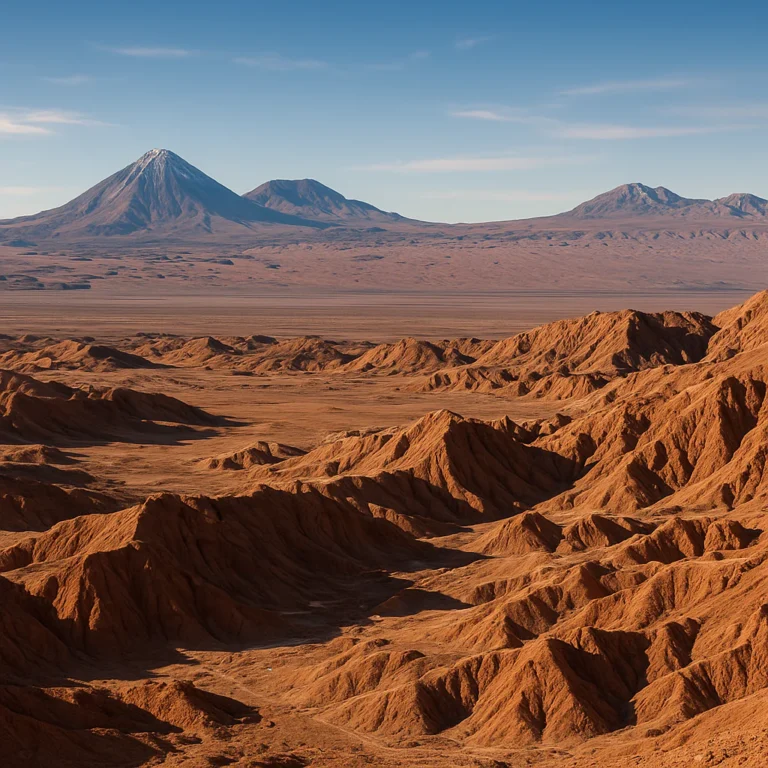
If you’ve ever wanted to feel like a character in a Western movie, Humberstone is your set. Located in the Atacama Desert, this UNESCO World Heritage Site was once a bustling saltpeter mining town.
The Story of the Saltpeter Boom
Founded in 1872, Humberstone grew rapidly as the demand for nitrate (used in fertilizers and explosives) skyrocketed. At its peak, it housed over 5,0 people. But when synthetic nitrates were invented in Germany, the town died almost overnight. By 1960, it was a ghost town.
What to See
- The English Club: A stark reminder of the British influence on the mining industry.
- The School and Church: These buildings have remained untouched for decades, preserving the atmosphere of the 1920s.
- The Theatre: Imagine the last performance here; the dust has settled, but the spirit remains.
How to Get There
Humberstone is about 45 km from Iquique. You can take a bus from Iquique, but the best way is to rent a car or join a guided tour. The road is paved, but the last few kilometers are gravel.
Insider Tip: Visit at sunset. The light hitting the red dust and the crumbling buildings creates a surreal, almost otherworldly glow.
🌌 2. Patagonia’s Secret Corners: Stargazing and Hiking in Parque Patagonia
Forget the crowded trails of Torres del Paine. Parque Patagonia (formerly Tompkins Conservation) is a park-in-progress that offers a raw, untouched experience.
The Tompkins Legacy
Founded by Doug and Kristine Tompkins (founders of The North Face and Patagonia), this park is dedicated to restoring the land to its natural state. It’s a testament to conservation tourism.
Activities
- Stargazing: With zero light pollution, the Magellanic Clouds are visible to the naked eye. It’s a sight that will make you feel small in the best way.
- Hiking: Trails range from easy walks to challenging treks through lenga forests and past glacial lakes.
- Wildlife: Keep an eye out for guanacos, Andean condors, and even pumas (if you’re lucky and quiet).
Where to Stay
The park has a sustainably built lodge (open October to April) and designated campsites. Booking well in advance is crucial.
🥃 3. Valle del Elqui: Hiking the Pisco Trail and Chasing Cosmic Energy
Did you know that Pisco, Chile’s national spirit, comes from a specific valley? Vale del Elqui is not just about the drink; it’s a place of cosmic energy and clear skies.
The Pisco Trail
This is a self-guided tour of the distilleries. You can visit Pisco Quebrada, Capel, and La Rosa. Most offer free tastings and tours of the fermentation process.
Beyond the Bottle
- Astro-Tourism: The valley is home to some of the world’s best observatories. The clear air makes it a haven for astronomers.
- Hiking: The Pisco Trail connects several towns and offers stunning views of the Andes.
- Kite Surfing: The Puclaro Reservoir is a hotspot for wind sports.
Cultural Highlight
Don’t miss the Gabriela Mistral Museum in Montegrande. She was the first South American to win the Nobel Prize in Literature, and her home is a peaceful retreat.
🚗 4. The Ultimate Road Trip: Driving to the Very End of the World
The Caretera Austral (Route 7) is the ultimate road trip for the adventurous. Stretching from Puerto Mont to Villa O’Higgins, it’s a 1,20 km journey through some of the most dramatic scenery on Earth.
The Route
- Puerto Mont: Start here with fresh seafood and a ferry ride.
- Chaitén: A town rebuilt after a volcanic eruption, now a gateway to the Hornopirén fjords.
- Coyhaique: The capital of the Aysén region, a hub for hikers and bikers.
- Villa O’Higgins: The end of the road. From here, you can take a boat to Cerro Castillo or hike to the Grey Glacier.
Driving Tips
- Vehicle: A 4×4 is essential, especially in the southern sections where the road is unpaved.
- Fuel: Fill up whenever you see a station. Distances between towns can be vast.
- Time: Allow at least 7-10 days to enjoy the drive properly.
Warning: The road has hairpin turns and narrow passages. If you’re not a confident driver, consider hiring a local guide or taking a bus.
🌊 5. Valparaíso’s Quiet Cousins: Exploring the Unspoiled Coastline
Valparaíso is famous for its colorful houses and steep hills, but it’s also crowded. If you want the same vibe without the chaos, head to its quiet cousins.
Zapallar and Maitencilo
- Zapallar: A rustic, upscale town with rocky cliffs and a laid-back atmosphere. Perfect for a quiet dinner with a view.
- Maitencilo: Known for its dramatic rock formations and surf spots. It’s a favorite for locals looking to escape the city.
Isla Negra
The former home of poet Pablo Neruda. The house is a museum, but the surrounding coastline is a hidden gem. The waves crash against the rocks, and the pine trees create a serene atmosphere.
🏝️ 6. Chiloé: Stepping Back in Time to a Mythical Island
Chiloé is an island of myths and legends. It’s a place where the Jesuit wooden churches stand as testaments to a unique cultural fusion.
What Makes Chiloé Special?
- Wooden Churches: 16 of these churches are UNESCO World Heritage Sites. They are built without nails, using traditional techniques.
- Curanto: A traditional dish made of shellfish, meat, potatoes, and vegetables baked over hot stones. You can try it at local restaurants or even have it prepared for you at your accommodation.
- Wildlife: The waters around Chiloé are home to blue whales, Humboldt penguins, and dolphins.
Getting There
Take a ferry from Pargua (southwest of Puerto Mont). The ride is scenic, and you might spot wildlife along the way.
🗿 7. Easter Island: Getting Away From It All on Rapa Nui
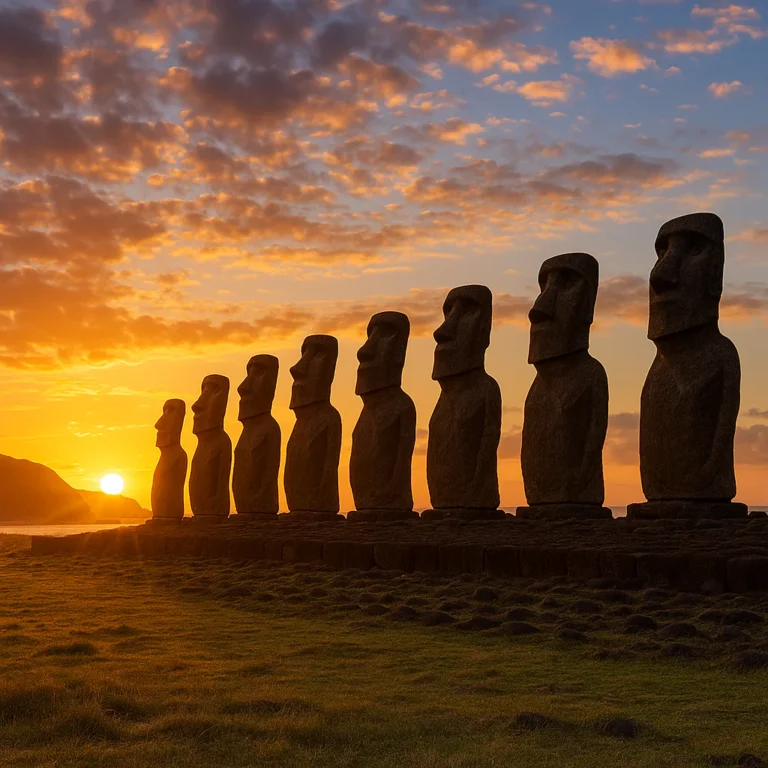
Easter Island (Rapa Nui) is the definition of remote. Located 3,0 km off the coast, it’s a place where time seems to stand still.
The Moai
The island is famous for its nearly 90 Moai statues. These massive stone figures were carved by the Rapa Nui people between the 13th and 16th centuries.
Must-See Spots
- Ahu Tongariki: The largest platform with 15 Moai lined up.
- Rano Kau: A massive volcanic crater with a stunning view of the ocean.
- Anakena Beach: The only beach on the island with white sand and palm trees.
Tips for Visitors
- Respect the Sites: Do not climb on the Moai. It’s illegal and disrespectful.
- Rent a Bike: The island is small, and biking is the best way to explore.
- Book Early: Flights and accommodations fill up quickly, especially during peak season.
🏔️ 8. The Lost Valeys: Discovering the Secret Andean Highlands
While the Atacama is famous, the Andean Highlands (Altiplano) offer a different kind of magic. These high-altitude valleys are home to llamas, vicuñas, and flamingos.
Key Destinations
- Lauca National Park: Home to the Parinacota Volcano and the Lago Chungará, one of the highest lakes in the world.
- Salar de Tara: A salt flat that looks like a mirror, reflecting the sky and the surrounding volcanoes.
- Ojos del Salado: The highest volcano on Earth. It’s a challenging climb, but the views are worth it.
Altitude Sickness
Be prepared for altitude sickness. Spend a few days aclimatizing in San Pedro de Atacama before heading higher.
🌊 9. The Forgotten Fjords: Kayaking Chile’s Remote Southern Waterways
The fjords of Patagonia are some of the most untouched places on Earth. With no roads or airports, the only way to explore is by boat or kayak.
The Experience
- Marble Caves (Catedral de Mármol): These massive marble formations have been sculpted by wind and water for millennia. The best way to see them is by kayak.
- Grey Glacier: A massive glacier that calves into the lake. You can get close enough to hear the ice crack.
- Wildlife: Keep an eye out for sea lions, oters, and penguins.
How to Get There
Most tours depart from Puerto Natales or Punta Arenas. You can also take a boat cruise that goes deep into the fjords.
🌿 10. The Altiplano’s Hidden lagoons: A Birdwatcher’s Paradise
For birdwatchers, the Altiplano is a dream come true. The high-altitude lagoons are home to rare species like the Andean Flamingo and the James’s Flamingo.
Top Spots
- Lago Miscanti: A stunning blue lagoon surrounded by volcanoes.
- Laguna Chaxa: Part of the Lauca National Park, this is a great place to spot flamingos.
- Salar de Atacama: A salt flat that attracts a variety of birds.
Best Time to Visit
The best time for birdwatching is during the summer months (December to February) when the lagoons are full.
🗺️ Interactive Map: Pinpointing Chile’s Best-Kept Secrets
To help you visualize these destinations, we’ve created a map that highlights the key off-the-beaten-path locations. From the Atacama Desert in the north to the fjords of Patagonia in the south, this map will guide your journey.
- North: Humberstone, Valle del Elqui, Altiplano
- Central: Chiloé, Valparaíso’s quiet cousins
- South: Caretera Austral, Patagonia, Easter Island
🎒 Plan Your Trip to Chile: Logistics for the Adventurous Soul
Planning a trip to Chile’s remote areas requires careful preparation. Here’s a step-by-step guide to help you get started.
Step 1: Choose Your Region
Decide which part of Chile you want to explore. The north is great for desert and stargazing, while the south is perfect for fjords and glaciers.
Step 2: Book Flights and accommodations
Flights to remote areas can be limited, so book early. For accommodations, consider eco-lodges or camping for a more authentic experience.
Step 3: Rent a Vehicle
If you’re driving, rent a 4×4 for the rough roads. Make sure you have a spare tire and enough fuel.
Step 4: Pack Smart
Pack for all weather conditions. The weather in Chile can change rapidly, so bring layers, a good rain jacket, and sturdy hiking boots.
Step 5: Respect the Environment
Chileans are proud of their natural heritage. Follow Leave No Trace principles and respect local customs.
🧳 Chile Travel Essentials: What to Pack for the Road Less Traveled
Packing for Chile’s remote areas is different from packing for a city trip. Here’s what you need:
- Clothing: Layers are key. Bring a warm jacket, fleece, and waterproof pants.
- Footwear: Sturdy hiking boots with good grip are essential.
- Gear: A headlamp, power bank, and water filter are must-haves.
- Documents: Keep copies of your passport, visa, and travel insurance in a waterproof bag.
⏱️ Making the Most of Your Time: Crafting the Perfect Itinerary
With so much to see, it’s easy to get overwhelmed. Here’s a sample itinerary for a 2-week trip to Chile’s hidden gems.
Week 1: The North
- Days 1-3: Santiago and Valle del Elqui
- Days 4-7: Atacama Desert (Humberstone, Altiplano)
Week 2: The South
- Days 8-10: Chiloé and Valparaíso’s quiet cousins
- Days 1-14: Patagonia (Caretera Austral, Fjords)
Tip: Don’t try to do everything. Pick a few regions and explore them deeply.
🚌 Getting Around Chile: Navigating Remote Regions Like a Pro
Getting around Chile can be tricky, but with the right transportation options, you can explore even the most remote areas.
By Bus
Chile has an extensive bus network that connects most towns. Companies like Buses Buses and Tur Bus are reliable and affordable.
By Car
Renting a 4×4 is the best way to explore the Caretera Austral and the Altiplano. Make sure you have a GPS and a spare tire.
By Boat
For the fjords and Easter Island, boats are the only option. Book your cruises and feries in advance.
🗣️ Traveler Reviews: Real Stories from the Hidden Corners of Chile
Don’t just take our word for it. Here are some real stories from travelers who’ve explored Chile’s hidden gems.
“Humberstone was like stepping back in time. The silence was deafening, but the history was loud.” – Sarah, USA
“The stargazing in Parque Patagonia was the highlight of my trip. I’ve never seen the Milky Way so clearly.” – Mark, UK
“Driving the Caretera Austral was the most challenging but rewarding experience of my life. The views were breathtaking.” – Elena, Spain
🏆 Top Chile Tours & Itineraries for the Independent Explorer
If you prefer to have a guide, there are many tours that specialize in off-the-beaten-path destinations.
Recommended Tours
- Atacama Desert Tours: Explore the ghost towns and lagoons with a local guide.
- Patagonia Hiking Tours: Trek through the Torres del Paine and Grey Glacier with expert guides.
- Easter Island Tours: Learn about the Moai and the Rapa Nui culture from local experts.
💡 Expert Advice: How to Travel Sustainably in Remote Chile
Chile’s natural beauty is fragile. Here’s how you can travel sustainably:
- Leave No Trace: Pack out all your trash and respect the environment.
- Support Local: Buy from local businesses and eat at local restaurants.
- Respect Wildlife: Keep your distance from animals and don’t feed them.
- Use Eco-Friendly Products: Bring biodegradable soap and reusable water bottles.
📚 Chile Destination Guides: Deep Dives into Specific Regions
For more detailed information on specific regions, check out our destination guides.
- Atacama Desert: A guide to the world’s driest desert.
- Patagonia: A guide to the wild south.
- Chiloé: A guide to the mythical island.
- Easter Island: A guide to the remote Polynesian territory.
🔍 Most Viewed Chile Content: What Other Travelers Are Searching For
Here are the most popular topics that travelers are searching for when planning a trip to Chile:
- Best time to visit Chile
- How to get to Easter Island
- Caretera Austral driving tips
- Atacama Desert activities
- Patagonia hiking trails
🚀 Latest Travel Insights: Trends in Off-Grid Chile Tourism
The trend of off-grid tourism is growing in Chile. More travelers are seeking authentic experiences and remote destinations.
- Eco-Tourism: There’s a growing demand for eco-friendly accommodations and sustainable tours.
- Adventure Travel: Hiking, kayaking, and wildlife spotting are becoming more popular.
- Cultural Immersion: Travelers are interested in learning about local customs and indigenous cultures.
✅ Conclusion: Is the Journey to Chile’s Hidden Gems Worth It?

So, is it worth it? Absolutely.
While the popular spots like Torres del Paine and Easter Island are incredible, the hidden gems of Chile offer a deper, more authentic experience. From the ghost towns of the Atacama to the fjords of Patagonia, these places will leave you with memories that last a lifetime.
But remember: preparation is key. Research your destinations, pack smart, and respect the environment. And if you’re still unsure where to start, check out our What are the top tourist attractions to see in Chile? guide for a broader overview.
Now, go forth and explore! The road less traveled is waiting for you.
❓ FAQ: Your Burning Questions About Chile’s Secret Spots Answered

Which remote towns in Chile offer authentic cultural experiences?
Chiloé and Humberstone are top choices. Chiloé offers a unique blend of Jesuit architecture and local traditions, while Humberstone provides a glimpse into the saltpeter mining era.
celebrities-influence-local-culture-and-tourism/”>Read more about “How Chilean Celebrities Shape Culture & Tourism in 2026 🌟”
What are some unique off-the-beaten-path hiking trails in Chile?
The Caretera Austral offers numerous hiking trails, including the Grey Glacier trek and the Marble Caves kayak route. In the Atacama, the Lauca National Park trails are perfect for birdwatching.
Read more about “🚫 No Day Trip: Why You Must Stay Overnight on Easter Island (2026)”
Are there any secluded islands in Chile that tourists rarely visit?
Easter Island (Rapa Nui) is remote, but Chiloé is often overlooked by international tourists. For even more seclusion, consider the Chonos Archipelago, which is accessible only by boat.
What are the best hidden gems in Chile outside of Patagonia?
The Vale del Elqui for its Pisco Trail and stargazing, and the Atacama Desert for its ghost towns and high-altitude lagoons.
Read more about “🌌 7 Epic Vicuña Elqui Valley Astro-Tourism Experiences (2026)”
Can I explore Chile’s unique cultural heritage by visiting any off-the-beaten-path museums, historic sites, or indigenous communities?
Yes! Visit the Gabriela Mistral Museum in Montegrande or the Humberstone Saltpeter Works. In Chiloé, you can learn about the local myths and traditions at the Museo de la Isla de Chiloé.
What are some of the best kept secrets in Chile’s coastal towns, from secluded beaches to charming fishing villages?
Zapallar and Maitencilo are charming fishing villages with secluded beaches. Isla Negra is a hidden gem with a poet’s house and dramatic coastline.
Are there any hidden gems in Chile’s Lake District that are perfect for nature lovers and those seeking a tranquil retreat?
Conguillío National Park is a hidden gem with Araucaria trees and volcanic landscapes. Pucón is a great base for exploring the Lake District.
What are the most scenic hiking trails in Chile that offer breathtaking views of the Andes mountains and surrounding landscapes?
The Base Las Torres trail in Torres del Paine is a must-do. In the Atacama, the Piedras Rojas trail offers stunning views of the red rocks and lagoons.
What hidden gems in Chile offer authentic cultural experiences?
Chiloé for its wooden churches and curanto, and Vale del Elqui for its Pisco Trail and cosmic energy.
Read more about “🏕️ 7 Top Chilean Patagonia Luxury Glamping Spots (2026)”
Which lesser-known natural parks in Chile are ideal for hiking and wildlife spotting?
Lauca National Park for its high-altitude lagoons and flamingos, and Queulat National Park for its hanging glacier.
What are some remote Chilean towns that showcase traditional local life?
Villa O’Higgins at the end of the Caretera Austral and Chaitén, a town rebuilt after a volcanic eruption.
Read more about “12 Most Beautiful National Parks to Visit in Chile 🌄 (2026 Guide)”
How can travelers explore Chile’s unique landscapes beyond the popular tourist spots?
Rent a 4×4 and drive the Caretera Austral, or take a boat tour to explore the fjords. Join a guided tour to the Altiplano or Easter Island.
📖 Reference Links: Sources and Further Reading
- UNESCO World Heritage Sites: UNESCO
- Chilean National Tourism Service: SERNATUR
- Parque Patagonia: Parque Patagonia Official
- Kim Article: Going Off the Beaten Path in Chile
- Worldly Adventurer: Places to Visit in Chile
- Facebook Group Discussion: What are some off-the-beaten-path destinations and activities to …