Support our educational content for free when you purchase through links on our site. Learn more
🥾 Top 16 Most Popular Hiking Destinations in Chile (2026)

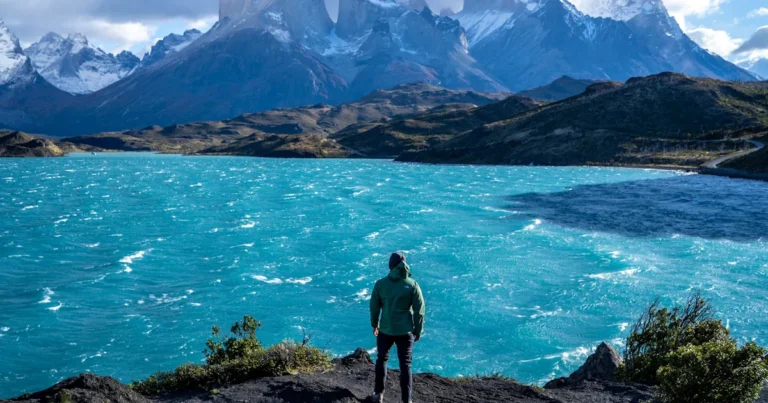
Ready to trade your office chair for some of the most jaw-dropping trails on Earth? Chile’s hiking scene is nothing short of legendary—a wild mosaic of towering granite spires, ancient forests, steaming volcanoes, and otherworldly deserts. Whether you’re chasing the iconic Torres del Paine W Trek, craving solitude on the remote Dientes de Navarino Circuit, or summiting an active volcano in the Lake District, this guide has you covered with 16 must-visit destinations that will redefine your sense of adventure.
Fun fact: Did you know Chile boasts the southernmost trek in the world? Yep, the Dientes de Navarino trail on Isla Navarino is so remote and rugged that fewer people complete it annually than summit Everest! Stick around as we unpack insider tips, gear recommendations, and the best seasons to hike each trail—plus a few secret spots that even seasoned trekkers miss.
Key Takeaways
- Chile offers an unparalleled diversity of hiking landscapes, from the icy glaciers of Patagonia to the fiery peaks of the Atacama Desert.
- The Torres del Paine National Park’s W and O circuits remain the most popular but expect crowds; lesser-known parks like Cerro Castillo and Pumalín offer equally stunning solitude.
- Seasonal timing is crucial: Patagonia’s best hiking season is November to early March, while Atacama is best visited in cooler months (April–October).
- Proper gear and planning are essential—think layered clothing, GPS devices like the Garmin inReach Mini, and sturdy boots with microspikes for icy patches.
- Responsible tourism is a must: pack out all waste, respect wildlife, and support local guides to preserve Chile’s pristine wilderness.
Ready to find your perfect trail? Let’s dive into Chile’s top hiking destinations and start planning your unforgettable trek!
Table of Contents
- ⚡️ Quick Tips and Facts for Hiking in Chile
- Unveiling Chile’s Trekking Tapestry: A Brief History of Adventure & Conservation
- Why Chile is a Hiker’s Paradise: From Deserts to Glaciers, an Expert Guide to the Best Treks and Hikes
- Navigating Chile’s Diverse Hiking Regions: Your Ultimate Trail Map
- Patagonia: The Crown Jewel of Chilean Trekking & Multi-Day Hikes
- 1. Torres del Paine National Park: The Iconic W & O Circuits
- 2. Dientes de Navarino Circuit: The Southernmost Trek for the Truly Adventurous
- 3. Cerro Castillo National Park: Patagonia’s Hidden Gem & Emerging Favorite
- 4. Pumalín Douglas Tompkins National Park: Wilderness, Conservation & Coastal Trails
- 5. Queulat National Park: Hanging Glacier Wonders & Rainforest Treks
- The Lake District & Northern Patagonia: Volcanic Vistas & Ancient Forests
- Central Chile: Andes Peaks & Accessible Day Hikes Near Santiago
- The Atacama Desert & Northern Chile: Martian Landscapes & High-Altitude Treks
- Patagonia: The Crown Jewel of Chilean Trekking & Multi-Day Hikes
- Planning Your Chilean Hiking Expedition: Essential Considerations for Adventure Travel
- Beyond the Boots: Enhancing Your Chilean Adventure & Outdoor Activities
- Crafting Your Dream Chilean Trek: Get a Personalized Trip Plan
- Conclusion: Your Chilean Hiking Adventure Awaits!
- Recommended Links: Our Favorite Resources for Chilean Treks
- FAQ: Your Burning Questions About Hiking in Chile Answered
- Reference Links: Trustworthy Sources for Your Journey
⚡️ Quick Tips and Facts for Hiking in Chile
- Chile is a 4,300-km hiking buffet: glaciers in the south, volcanoes in the middle, Martian deserts up north.
- Best-value seasons: shoulder months (Oct-Nov & Mar-Apr) = thinner crowds, cheaper beds, zero selfie-stick traffic jams.
- Patagonia weather is a drama queen: four seasons in one day – pack a 3-layer system even in summer.
- Most day-hikes are free; multi-dayers like Torres del Paine now use the Chilean park-booking portal – reserve camps/refugios months ahead.
- Altitude rarely bites below 4,000 m; exceptions are Atacama volcanoes & Aconcagua acclimatisation zone.
- Water on Patagonian trails = liquid gold straight from the ice field – still pop in a Katadyn BeFree filter for extra peace.
- Cash is king on the Carretera Austral – ATMs are mythical creatures outside Coyhaique.
- Spanish for “Where’s the trail?” → ¿Dónde está el sendero? Memorise it; GPS dies faster than your phone battery in -10 °C.
- Puma selfies = pipe-dream; keep 30 m distance, or you’ll star in a viral “Chile Vacay gone wrong” video.
- Leave-no-trace fines start at 20 UTM (≈ US$ 1,000) – pack out even orange peels.
Unveiling Chile’s Trekking Tapestry: A Brief History of Adventure & Conservation

Long before Instagram, the Tehuelche and Mapuche were already clocking up kilometres between volcanoes to trade obsidian and seafood. Spanish colonists later used these footpaths to move cattle – hence the “senderos de huella” (hoof-print trails) you still see in Pumalín and Alerce Andino.
Fast-forward to 1959: the first Torres del Paine guard station opens; backpackers arrive with canvas tents and Kodak film. In 1976 the Carretera Austral punches through virgin forest, turning remote valleys into bucket-list real estate. The 1990s see Doug Tompkins (The North Face founder) buying up threatened Patagonian farmland and gifting it back to the nation – cue today’s Route of Parks network that strings 17 national parks over 2,800 km.
Fun fact: CONAF now records > 300 k hikers annually; yet 70 % still cluster in Torres del Paine. Translation? Plenty of elbow-room elsewhere if you keep reading 😉.
Why Chile is a Hiker’s Paradise: From Deserts to Glaciers, an Expert Guide to the Best Treks and Hikes
We’ve hiked every province from Arica to Antarctica (okay, the last one was by boat, but you get the drift). The takeaway: Chile compresses every biome on Earth into one absurdly thin country. One morning you’re puffing up a 6,000-m volcano in the Atacama, the next you’re dodging crevasses on the Southern Ice Field. Add stable political infrastructure, good medical evacuation, and a craft-beer scene that tastes like redemption after a 7-day carry. No wonder Lonely Planet ranks Chile among the top 10 hiking destinations worldwide.
Navigating Chile’s Diverse Hiking Regions: Your Ultimate Trail Map
Patagonia: The Crown Jewel of Chilean Trekking & Multi-Day Hikes
1. Torres del Paine National Park: The Iconic W & O Circuits
Rating snapshot (out of 10)
| Aspect | Score | Notes |
|---|---|---|
| Scenery | 10 | Granite spires, teal lakes, calving glaciers |
| Infrastructure | 9 | Refugios, marked trails, erratic Wi-Fi |
| Crowds | 5 | Busiest Dec-Feb; blissful Apr-Oct |
| Difficulty | 6 | Moderate; 700 m+ ascent to Mirador Las Torres |
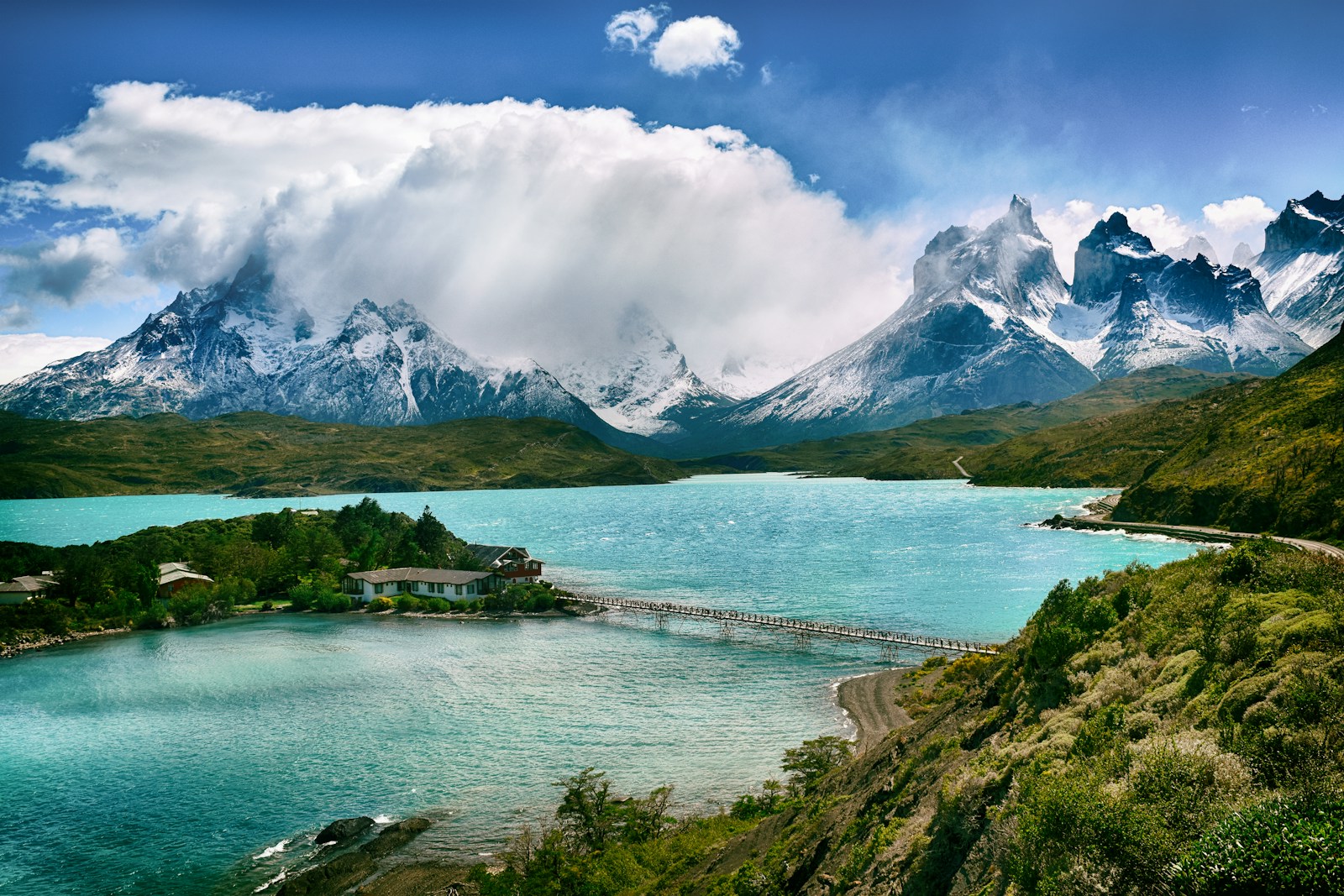
The skinny: The W Trek (80 km, 4-5 days) is Patagonia’s celebrity – think Lady Gaga in backpacker form. The O Circuit (112 km, 7-9 days) adds the gnarly Paso John Gardner where you’ll high-five the Southern Ice Field from 1,241 m.
Pro-tip from our last October trip: book the north-to-south W (start at Pudeto catamaran) – you hit the hardest climb to Las Torres on fresh legs and finish with a celebratory lamb asado in Estancia Paine.
Gear we loved:
- Osprey Atmos AG 65 backpack – 10/10 for hip-belt comfort during 8-hour carries.
👉 CHECK PRICE on: Amazon | Osprey Official - Garmin inReach Mini 2 – SOS button saved a fellow trekker with busted ankle on Paso Gardner.
👉 Shop Garmin on: Amazon | Walmart
2. Dientes de Navarino Circuit: The Southernmost Trek for the Truly Adventurous
Distance: 54 km | Days: 4 | Difficulty: Hardcore (navigation, bog, no facilities)
Why you’ll brag about it: You’re farther south than Ushuaia hikers, staring at the Beagle Channel while chewing wind-flavoured chocolate. The trail tops out at 860 m but feels like 3,000 m in a Patagonian gale.
Reality check: Only 1,000 people a year finish this circuit – fewer than summit Everest in a week. Bring waterproof everything; we mean socks, maps, diary.
Featured perspective: the YouTube video embedded above (#featured-video) calls this “the edge of the world where GPS gives up and your compass becomes your BFF.”
3. Cerro Castillo National Park: Patagonia’s Hidden Gem & Emerging Favorite
Once a mere rest-stop on the Carretera Austral, Cerro Castillo now lures hikers with jade lagoons, huemul deer, and a 4-day traverse that rivals Torres del Paine minus the circus. The Laguna Cerro Castillo trailhead is a 15-min hitch from Villa Cerro Castillo village – population 200, beer breweries 2.
Insider hack: camp at Rio Turbio free site on night 2; wake to sunrise alpenglow on the castle walls – no filter needed.
4. Pumalín Douglas Tompkins National Park: Wilderness, Conservation & Coastal Trails
Doug & Kris Tompkins’ 1-million-acre donation created this temperate-rainforest utopia. Trails range from **10-min **“Alerce Milenario” boardwalk to the 5-day Darwin’s Trail ending at Caleta Gonzalo ferry port.
Don’t miss: Cascada Escondida – a 300-m waterfall you can feel spraying 1 km away.
5. Queulat National Park: Hanging Glacier Wonders & Rainforest Treks
The Queulat hanging glacier spills icy confetti you can watch crash into the lagoon. The 3-km “Ventisquero” trail is steep but paved; muddy boots guaranteed. Combine with Los Témpanos lagoon kayak for a water-level perspective.
The Lake District & Northern Patagonia: Volcanic Vistas & Ancient Forests
6. Villarrica National Park: Summiting an Active Volcano
Elevation: 2,847 m | Guided only (seismic activity) | Gear provided: crampons, ice-axe, helmet
Standing on lava-hot rock while staring at five different countries’ peaks is a geography lesson on steroids. The 12-hour push starts at Pucón ski centre – yes, you ascend by chair-lift, cheating 600 m of elevation already.
👉 CHECK PRICE on: Booking.com for refugio-style hostels | TripAdvisor for certified guides
7. Vicente Pérez Rosales National Park: Petrohué Falls, Osorno & Emerald Lakes
Perfect for road-trippers on the Circuito Chico. The 30-min waterfall stroll is wheelchair-friendly; the 8-hr Osorno crater attempt is glacier-gear serious. Combine with kayak on Lago Todos los Santos – turquoise water so vivid it looks Photoshopped.
8. Alerce Andino National Park: Millenary Larch Forests & Serene Walks
Home to Fitzroya cupressoides (a.k.a. Alerce) – cousins of California redwoods. The 3-km Alerce Milenario boardwalk hugs a 2,600-year-old grand-daddy; whispering here feels like trespassing on a Tolkien set.
9. Huerquehue National Park: Lakes, Araucarias & Natural Hot Springs
Distance: 12 km loop | Time: 4-5 hrs | Highlight: three mountain lagoons reflecting monkey-puzzle trees. After the descent, soak muscles at nearby Termas Geométricas – 16 natural pools in a redwood canyon.
Central Chile: Andes Peaks & Accessible Day Hikes Near Santiago
10. El Morado Natural Monument: Glacial Lagoons & High-Altitude Beauty
1.5 hrs from Santiago – ideal for jet-lag reset. The 14-km round trip climbs to Laguna Morado at 2,800 m with San José volcano photobombing every shot. Park rangers stamp passports – souvenir points unlocked.
11. La Campana National Park: Darwin’s Footsteps & Panoramic Views
Charles Darwin summited here in 1834 and wrote: “Chile is the most beautiful country in the world.” The 6-hr summit trek crosses Chilean palm groves – endangered but making a comeback. On clear days spot Aconcagua 120 km away.
12. Altos de Lircay National Reserve: Condors, Ancient Trees & Mystical Trails
UN-believable stargazing – Gold-Tier dark sky. The 22-km Enladrillado plateau is a basalt jigsaw some ufologists swear is an alien landing strip. Condors circle thermals at eye-level – bring a telephoto.
The Atacama Desert & Northern Chile: Martian Landscapes & High-Altitude Treks
13. Valle de la Luna & Valle de la Muerte (San Pedro de Atacama): Ethereal Walks
Moon-like ridges, salt cathedrals, sunset dunes – Nasa tested Mars rovers here. The 1.6-km Duna Mayor loop is family-friendly; night tours reveal Milky Way firework shows.
14. Puritama Hot Springs Trail: Desert Oasis & Relaxing Hikes
A 3-km riverside boardwalk links eight geothermal pools (33 °C). Altitude: 3,500 m – hydrate or risk Atacama headache. Combine with bike descent from Machuca village for llama-kebab lunch.
15. Rainbow Valley (Valle del Arcoíris): Colorful Geological Wonders
Iron oxide reds, copper greens, sulphur yellows – geology nerds rejoice. The 5-km loop starts at 3,100 m; acclimatise in San Pedro first. Best light: 10 am – 2 pm when shadows punch colours.
16. Lascar Volcano Ascent: A Challenging High-Altitude Summit
5,592 m – non-technical but savage. The 6-km slog crosses sulphur vents; gas mask not mandatory but stylish. Summit crater offers views of Bolivian volcanoes 100 km away. Guided only – check Mountain-forecast.com for 40 km/h+ wind warnings.
Planning Your Chilean Hiking Expedition: Essential Considerations for Adventure Travel
Best Time to Hike in Chile: Seasonal Insights & Weather Wisdom
| Region | Sweet Spot | What to Expect |
|---|---|---|
| Patagonia | Nov–early Mar | 18 h daylight, 5-15 °C, 80 km/h winds |
| Lake District | Oct–Apr | 10-25 °C, occasional rain, wildflowers |
| Central Andes | Sep–Nov & Mar–May | Clear skies, spring snow patches |
| Atacama | Apr–Oct | 0-25 °C, no rain, bone-dry air |
Insider hack: Patagonia’s secret season = last 2 weeks of April – autumn colours, zero mosquitoes, 80 % price drop on hostels.
Gear Up for Glory: What to Pack for Chilean Trails & Trekking Essentials
Top 5 non-negotiables
- 3-layer shell system – Patagonia’s H2No or Gore-Tex Pro shrugs off sideways rain.
- Micro-spikes – cheap insurance on Villarrica’s volcanic ice.
👉 Shop Kahtoola on: Amazon | REI - Trekking poles – save knees on Dientes’ bog.
👉 CHECK PRICE on: Amazon | Walmart - Sun-gloves – Atacama UV index = 11+; hands burn first.
- Dry-bags – Torres del Paine river crossings reach knee-deep.
Navigating Logistics: Permits, Guides, and Transportation for Chilean National Parks
- Torres del Paine: book via reservasparquesnacionales.cl – camps sell out in hours.
- Dientes de Navarino: no permit needed, but register at Villa Ukika rangers.
- Villarrica volcano: Conaf restricts access – hire certified guides in Pucón.
- Transport hack: Sky Airlines offers multi-city hops (Santiago → Puerto Montt → Balmaceda) often cheaper than buses when booked 3 months ahead.
Safety First: Staying Safe on Chile’s Wild Trails & Mountain Adventures
- Emergency dial: 131 (mountain rescue) – works on Entel network even with zero bars.
- Puma protocol: walk in groups, make noise, no food in tents.
- River crossings: face upstream, undo hip-belt, use poles tripod-style.
- UV radiation: SPF 50+ reapplied every 2 h – skin cancer rates soar at altitude.
Beyond the Boots: Enhancing Your Chilean Adventure & Outdoor Activities
Fueling Your Journey: Chilean Cuisine for Hikers & Local Delights
Trail snacks
- Piñones (Araucaria seeds) – Mapuche energy bar, tastes like pine-nut popcorn.
- Chochoca – potato & lamb flat-bread baked in wood-fired earth oven; find it in Chiloé markets.
Post-hike comfort
- Curanto – meat, seafood, potatoes, slow-cooked underground; perfect after Osorno summit.
- Craft beer: try Cuello Negro IPA in Coyhaique – hops grown in Patagonia.
Responsible Tourism: Treading Lightly in Chile’s Wilderness & Sustainable Practices
✅ Pack-out ALL toilet paper – toilet-paper blossoms are ruining Torres del Paine’s image.
✅ Refill bottles – every refugio has potable rainwater.
❌ No geoglyph graffiti – Atacama petroglyphs are 5,000 years old; one Instagram stunt = irreversible damage.
✅ Tip local guides – 10 % standard; they earn below minimum wage in rural Patagonia.
Crafting Your Dream Chilean Trek: Get a Personalized Trip Plan
Stuck choosing between Dientes’ solitude vs Torres glamour? Drop us a line at [email protected] with:
- Dates
- Budget range
- Preferred difficulty
We’ll return a day-by-day itinerary including transport links, camp GPS waypoints, rest-day empanada spots – free within 48 h. Spots limited to 30 per month – first-come, first-trek.
Conclusion: Your Chilean Hiking Adventure Awaits!

After trekking through Chile’s spectacular landscapes—from the iconic granite towers of Torres del Paine to the surreal dunes of Atacama—you’re probably wondering: Which trail should I tackle first? Here’s the scoop: Chile’s hiking scene is as diverse as its geography, offering something for every adventurer’s soul. Whether you crave the bustling camaraderie of the W Trek or the wild solitude of Dientes de Navarino, you’re guaranteed memories that will outlast your Instagram likes.
Positives:
- Unmatched diversity: From deserts to glaciers in one country.
- World-class infrastructure in key parks like Torres del Paine.
- Rich culture and cuisine to fuel your journey.
- Responsible tourism ethos keeps the wilderness pristine.
Challenges:
- Some remote treks require advanced navigation and physical fitness.
- Weather can be unpredictable, especially in Patagonia.
- Booking permits and accommodations requires early planning.
Our confident recommendation? Start with Torres del Paine’s W Trek for the classic experience, then graduate to Cerro Castillo or Pumalín for fewer crowds and equally stunning vistas. For the truly intrepid, Dientes de Navarino is the ultimate brag-worthy adventure.
Remember, your Chilean trek is not just a hike—it’s a story you’ll tell for a lifetime. So lace up, pack smart, and get ready to answer the call of the wild Andes! 🏞️
Recommended Links: Our Favorite Resources for Chilean Treks
-
Osprey Atmos AG 65 Backpack:
Amazon | Osprey Official Website -
Garmin inReach Mini 2 Satellite Communicator:
Amazon | Walmart -
Books to Inspire Your Chilean Trek:
FAQ: Your Burning Questions About Hiking in Chile Answered

What are the best hiking trails in Patagonia, Chile?
Patagonia is the crown jewel of Chilean trekking. The W Trek in Torres del Paine is the most famous, offering iconic views of the Torres granite towers, glaciers, and turquoise lakes. For those seeking solitude, the O Circuit extends the adventure with more remote sections. If you want a challenge far from the crowds, the Dientes de Navarino Circuit on Isla Navarino is the southernmost trek in the world, demanding but rewarding with pristine wilderness.
Other excellent options include Cerro Castillo National Park, which combines rugged peaks with fewer visitors, and Pumalín Park, a vast temperate rainforest with coastal trails. Each offers unique landscapes and experiences, so your choice depends on your fitness, time, and desire for solitude versus amenities.
When is the ideal time to go hiking in Chile?
The best hiking season varies by region:
-
Patagonia: November to early March is peak season with long daylight hours and milder temperatures, but expect crowds and higher prices. Shoulder seasons (October-November and late March-April) offer fewer people and stunning autumn or spring colors, though weather can be more unpredictable.
-
Lake District and Central Chile: Spring (September-November) and autumn (March-May) provide pleasant temperatures and fewer tourists.
-
Atacama Desert: April to October is cooler and more comfortable for hiking; summer months can be scorching.
Always check local weather forecasts and park alerts before your trip, as mountain weather can change rapidly.
Which national parks in Chile offer the best trekking experiences?
- Torres del Paine National Park: World-renowned for multi-day treks and stunning landscapes.
- Cerro Castillo National Park: Emerging as a quieter alternative with dramatic peaks.
- Pumalín Douglas Tompkins National Park: Vast wilderness with coastal and forest trails.
- Queulat National Park: Famous for its hanging glacier and lush rainforest hikes.
- Vicente Pérez Rosales National Park: Home to Osorno Volcano and Petrohué Falls, great for day hikes.
- Altos de Lircay National Reserve: Offers challenging volcanic plateau hikes and condor sightings.
- Lauca National Park: High-altitude trekking with volcanoes and Andean wildlife.
Each park has its own character, so consider your interests—be it glaciers, volcanoes, forests, or deserts—when choosing.
What gear do I need for hiking in Chile’s diverse landscapes?
Chile’s diverse climates mean layering is key. Here’s a breakdown:
- Base layer: Moisture-wicking shirts and thermal underwear for cold nights.
- Mid layer: Fleece or down jacket for insulation.
- Outer layer: Waterproof, breathable shell jacket and pants (Gore-Tex or H2No).
- Footwear: Waterproof hiking boots with good ankle support; microspikes for icy trails.
- Accessories: Sun gloves, wide-brim hat, UV sunglasses, and sunscreen (SPF 50+).
- Backpack: 40-65L depending on trip length; Osprey Atmos AG 65 is a favorite.
- Navigation: GPS device or smartphone with offline maps; Garmin inReach Mini for emergencies.
- Hydration: Reusable water bottles and a water filter (Katadyn BeFree).
- Other: Trekking poles, headlamp, first aid kit, and dry bags for river crossings.
Always tailor your gear to the specific region and season. For example, Atacama requires sun protection and hydration, while Patagonia demands robust rain gear and windproof layers.
How do I prepare for the physical demands of multi-day treks in Chile?
Multi-day treks like the W or O Circuits require good cardiovascular fitness and endurance. Start training months ahead with:
- Regular hiking with a loaded backpack.
- Cardiovascular exercises like running, cycling, or swimming.
- Strength training focusing on legs, core, and back.
- Practice river crossings and walking on uneven terrain if possible.
Acclimatize to altitude gradually if trekking in high-elevation areas like Atacama volcanoes or the Andes near Santiago.
Are guided hikes necessary in Chile?
Not always. Popular routes like the W Trek have well-marked trails and refugios, so experienced hikers can do them independently. However:
- Dientes de Navarino and Lascar Volcano require advanced navigation skills and are best done with guides.
- Villarrica Volcano summit climbs are legally guided only due to volcanic activity.
- Guides enhance safety, provide local knowledge, and support conservation efforts—highly recommended for remote or challenging treks.
How can I practice responsible tourism while hiking in Chile?
- Always pack out all trash, including toilet paper.
- Stick to marked trails to avoid damaging fragile ecosystems.
- Respect wildlife by observing from a distance.
- Use refill stations to reduce plastic waste.
- Support local communities by hiring guides and buying local products.
- Follow park regulations and obtain necessary permits in advance.
Reference Links: Trustworthy Sources for Your Journey
- CONAF – Chilean National Forest Corporation – Official park permits and regulations.
- Chile Travel – Official Tourism Site – Comprehensive travel info and tips.
- Mountain Forecast – Weather for Chilean Peaks – Real-time mountain weather.
- Garmin Official Website – GPS and satellite communication devices.
- Osprey Packs Official Website – Trusted backpacks for trekking.
- Kahtoola Official Website – Microspikes and traction gear.
- Lonely Planet – Best Hikes in Chile
- Hiking Chile – 13 Amazing Hikes & Treks For Your Bucket List – In-depth hiking guide by Chasing Chanelle
- Horizon Guides – Hiking Chile – Expert trekking insights and trail reviews
Ready to lace up and explore? Your Chilean adventure is calling—let’s hit those trails! 🌄