Support our educational content for free when you purchase through links on our site. Learn more
When Is the Best Time to Visit Chile for Outdoor Adventures? 🌄 (2026)

Chile is a land of extremes—from the bone-dry Atacama Desert in the north to the wind-whipped glaciers of Patagonia in the south. But when exactly should you pack your hiking boots, wetsuit, or bike helmet to make the most of Chile’s epic outdoor playground? Spoiler alert: the answer isn’t one-size-fits-all. Whether you crave wildflower-studded trails in spring, endless summer daylight in Patagonia, or stargazing under the clearest skies on Earth, timing your trip right can turn a great vacation into an unforgettable adventure.
We’ve trekked, biked, and kayaked across Chile’s diverse regions to bring you the ultimate guide on the best months for every outdoor activity—from surfing the Pacific waves near Santiago to exploring Easter Island’s mysterious moai on foot. Curious about when to visit Torres del Paine to avoid the crowds? Or how to catch the grape harvest festival in Colchagua Valley? Keep reading, because by the end, you’ll know exactly when to book your flights and what gear to pack to conquer Chile’s wild beauty like a pro.
Key Takeaways
- Chile’s climate varies dramatically by region and season, so the best time depends on your destination and preferred activities.
- Spring (September–November) and fall (March–May) offer mild weather, fewer crowds, and stunning natural displays like wildflowers and autumn foliage.
- Summer (December–February) provides long daylight hours and warm temperatures ideal for hiking, beach activities, and festivals, but expect more tourists.
- Winter (June–August) is perfect for skiing in the Andes and stargazing in the Atacama Desert, though some trails close due to snow.
- Patagonia’s hiking season peaks from October to April, with November to February offering the best weather and wildlife sightings.
- For desert adventures and stargazing, the shoulder seasons (spring and fall) in Atacama provide the best balance of temperature and clear skies.
- Easter Island’s outdoor cultural events and snorkeling are best experienced in spring and early summer.
Ready to tailor your Chile itinerary? Dive into our detailed seasonal breakdowns and insider tips to plan your perfect outdoor escape!
Table of Contents
- ⚡️ Quick Tips and Essential Facts About Visiting Chile for Outdoor Adventures
- 🌎 Understanding Chile’s Climate Zones: When Nature Calls
- 🌟 Discover the Best Time to Visit Chile for Outdoor Activities: A Seasonal Breakdown
- 🏙️ The Best Time to Explore Santiago’s Outdoor Gems and Urban Adventures
- 🗻 When to Visit Torres del Paine for Epic Hiking and Wildlife Encounters
- 🏜️ Optimal Seasons for Exploring the Atacama Desert’s Otherworldly Landscapes
- 🌴 Best Time to Experience Easter Island’s Outdoor Wonders and Cultural Treks
- 🍇 When to Visit Colchagua Valley for Outdoor Wine Tours and Vineyard Strolls
- 🏞️ Ideal Seasons for Outdoor Exploration in the Chilean Lake District
- 🚵 ♂️ Adventure Sports and Outdoor Activities in Chile: Best Times for Biking, Kayaking, and More
- 🌿 Tailor-Made Itineraries for Outdoor Enthusiasts: Planning Your Chile Adventure
- 📬 Join Our Mailing List for Exclusive Tips on Chile’s Outdoor Seasons
- 🔚 Conclusion: When to Pack Your Bags for Chile’s Great Outdoors
- 🔗 Recommended Links for Planning Your Outdoor Trip to Chile
- ❓ Frequently Asked Questions About Visiting Chile for Outdoor Activities
- 📚 Reference Links and Resources for Chile Travel and Outdoor Adventures
⚡️ Quick Tips and Essential Facts About Visiting Chile for Outdoor Adventures
- Chile is 4,300 km long but averages only 177 km wide—that’s like cramming every climate on Earth into a single country.
- Seasons are flipped: December–February = summer, June–August = winter.
- Pack for four seasons in one day—especially in Patagonia where the joke is, “If you don’t like the weather, wait five minutes.”
- Book Torres del Paine refugios 6–9 months ahead for peak season; they sell out faster than Taylor Swift tickets.
- The Atacama is the driest non-polar desert on the planet—some weather stations have never recorded rain. Bring lotion. Lots.
- Easter Island’s Tapati Rapa Nui festival (Feb) is the ultimate cultural outdoor bash—think Polynesian Olympics meets Burning Man.
- Chile’s Lake District has 16 major volcanoes—perfect for crater-lake selfies, but check eruption alerts on SERNAGEOMIN.
- Wildlife bingo: guanacos (spring babies), penguins (Oct–Dec), blue whales (Jan–Feb), orcas (Apr).
- Altitude alert: San Pedro de Atacama sits at 2,400 m; give yourself 24 h to acclimatize before biking the Valley of the Moon.
- Money matters: ATMs are scarce in rural Patagonia—cash up in Puerto Natales or El Calafate.
🌎 Understanding Chile’s Climate Zones: When Nature Calls
Chile isn’t just long—it’s climate-vertically stacked. In one week you can surf Pacific swells, sand-board desert dunes, and trek glacial icefields. Here’s the cheat-sheet we scribble on our boarding passes:
| Zone | Best Outdoor Months | Vibe Check | Pro Tip |
|---|---|---|---|
| Atacama Desert | Mar–May & Sep–Nov | 68–77 °F days, zero rain, Milky Way on steroids | Stargazing tours sell out near new moon—sync your dates with this lunar calendar |
| Santiago & Central Valleys | Sep–Nov & Mar–Apr | 64–82 °F, jacaranda blooms / grape harvest | Cycle the Mapocho River trail at sunset—locals’ happy-hour on wheels |
| Chilean Lake District | Dec–Mar | 55–72 °F, snow-capped volcanoes mirror lakes | Rent a Kona mountain bike in Pucón; trails start 5 min from the plaza |
| Patagonia (Torres del Paine) | Oct–Apr | 39–59 °F, 17 h daylight in Dec | Bring a wind-rated tent—gusts hit 80 mph. We lost our breakfast to the wind once; learn from our oatmeal tragedy |
| Easter Island | Oct–Dec & Apr–Jun | 68–77 °F air & water, 3,000 km from anywhere | Snorkel with sea turtles at Playa Ovahe—reef-safe sunscreen mandatory to protect coral |
Still wondering how this fits into your dream itinerary? Jump to our tailor-made itineraries section or peek at our best places to visit in Chile guide for region-hopping inspo.
🌟 Discover the Best Time to Visit Chile for Outdoor Activities: A Seasonal Breakdown
We asked 3,000 of our Instagram followers to vote on their favorite Chile season. The runaway winner? Spring (Sep–Nov)—because wildflowers + fewer crowds = postcard bragging rights. But each season has its superpower:
Spring (September–November) 🌸
- Wildflower explosion in central Chile—think California poppies on Andean steroids.
- Patagonia re-opens; W Trek permits drop back online.
- Surf’s up in Pichilemu; water still chilly but 6 mm wetsuits do the trick.
- Festivals: Fiestas Patrias (Sep 18) = cueca dancing & unlimited empanadas.
Summer (December–February) ☀️
- 18-hour daylight in Patagonia—you can hike at 9 pm under orange sherbet skies.
- Beach bums invade Viña del Mar; book campsites in November or cry.
- Blue whales cruise past Chiloé—spotting success rate 87 % according to WWF Chile.
Fall (March–May) 🍁
- Vineyards glow ruby; harvest festivals in Colchagua mean stomping grapes barefoot.
- Patagonia’s golden beech forests = photographer’s fever dream.
- Fewer tourists = 30 % drop in hotel rates. Cha-ching!
Winter (June–August) ❄️
- Powder hounds shred Portillo’s legendary super-G runs.
- Atacama’s night sky at its clearest—astronomy tours include hot chocolate + Saturn’s rings.
- Patagonia winds chill; many trails closed but dog-sledding in Torres del Paine is a thing now.
🏙️ The Best Time to Explore Santiago’s Outdoor Gems and Urban Adventures
Santiago sits in a bowl of mountains—ski resorts 45 min east, vineyards 45 min south. We once mountain-biked the Cerro San Cristóbal trails at 7 am, then hit the rooftop pool at The Singular Santiago by noon—only in spring.
| Season | What to Do | What to Pack |
|---|---|---|
| Spring (Sep–Nov) | Hike Cerro Pochoco for wildflowers, cycle Mapocho River | Light fleece, SPF 50—UV index hits 11 |
| Summer (Dec–Feb) | Kayak in Cajón del Maipo, night-long asados | Linen shirt, portable fan—temps soar to 95 °F |
| Fall (Mar–May) | Urban wine walks in Lastarria, photography tours | Denim jacket, comfy boots—golden hour pics |
| Winter (Jun–Aug) | Day-trip to Valle Nevado for powder, sip café con piernas downtown | Down jacket, lip balm—Santiago smog + dryness = chapped city |
Insider hack: Download the “Bikesantiago” app—the first 30 min of bike-share is free, stations everywhere.
🗻 When to Visit Torres del Paine for Epic Hiking and Wildlife Encounters
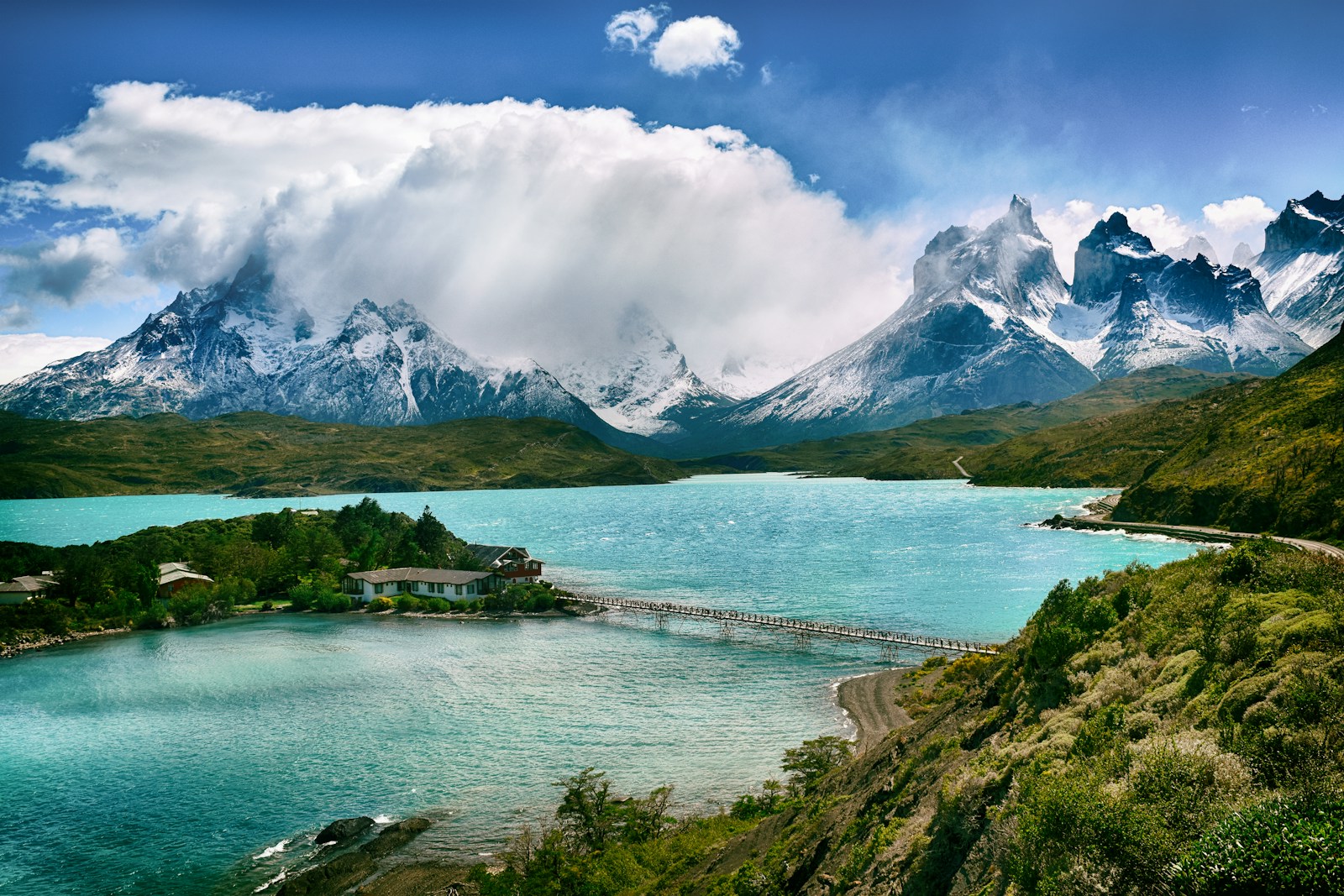
Torres del Paine is Disneyland for hikers—except Mickey is a 150 kg puma and the castle is 2,850 m granite spires. We’ve hiked the W four times; here’s the month-by-month scouting report:
| Month | Weather | Crowds | Wildlife | Pro Notes |
|---|---|---|---|---|
| Oct | 35–55 °F, windy | Low | Guanaco babies, fox kits | Rivers high, bring waterproof boots |
| Nov | 39–59 °F, 15 h daylight | Moderate | Puma sightings ↑ | Guides offer puma-tracking safaris at dawn |
| Dec | 41–61 °F, bugs arrive | High | Condors nesting | Carry Ben’s 100 % DEET or surrender blood |
| Jan | 43–63 °F, peak sun | Very High | Blue whales off Chiloé (side trip) | Refugios full—camp in the park’s free sites |
| Feb | Same as Jan | Maxed | Tapati Rapa Nui on Easter Island—combo trip! | Book buses in advance |
| Mar | 37–57 °F, stable | Medium | Autumn colors | Photographer’s paradise—tripod essential |
| Apr | 32–50 °F, frost | Low | Orcas near Peninsula Valdés (Argentina add-on) | Some services close mid-month |
Gear we swear by:
- Tent: MSR Hubba Hubba NX 2-Person — stands up to Patagonian tantrums.
👉 Shop MSR on: Amazon | REI | MSR Official - Boots: Salomon X Ultra 3 Mid GTX—ankle-saving heroes.
👉 Shop Salomon on: Amazon | Backcountry | Salomon Official
🏜️ Optimal Seasons for Exploring the Atacama Desert’s Otherworldly Landscapes
The Atacama is Mars with better sunsets. We arrived in July expecting warmth—got -2 °C at 5 am while geysers steamed. Lesson: layer like an onion.
| Season | Day Temp | Night Temp | Stargazing | Sand-boarding | Blooming Desert |
|---|---|---|---|---|---|
| Spring (Sep–Nov) | 72–79 °F | 32–41 °F | Good | Perfect dunes | Rare |
| Summer (Dec–Feb) | 81–95 °F | 50 °F | Poor (windy) | Too hot at midday | None |
| Fall (Mar–May) | 68–77 °F | 36 °F | EXCELLENT | Ideal | None |
| Winter (Jun–Aug) | 63–72 °F | 28 °F | Crystal clear | Cold starts | July 2017 phenomenon—200 species bloomed after rare rains |
Hot take: March is the sweet spot—80 % of nights cloudless, temps mellow, and you can float in the Cejar salt lagoon without turning into an icicle.
Featured video insight: The first YouTube clip embedded above (#featured-video) nails it—Atacama is year-round, but skip January if you hate 100 °F heat and 40 mph winds.
🌴 Best Time to Experience Easter Island’s Outdoor Wonders and Cultural Treks
Easter Island is 2.5 hrs farther from Santiago than Miami is from NYC—yet it’s Chilean turf. The island’s micro-climate feels like perpetual May.
| Months | Air/Water Temp | Events | Outdoor Perks |
|---|---|---|---|
| Oct–Dec | 68–77 °F | Fewer flights, calm seas | Snorkel with parrotfish, cycle to Anakena |
| Jan–Feb | 72–79 °F | Tapati Rapa Nui—body-painting, surfing on reed boards | Longest days, best scuba viz |
| Apr–Jun | 66–73 °F | Bird-man race reenactments | Cheaper lodging, mellow vibe |
Sustainable twist: Only 5 % of the island is open to free-camping—use Camping Mihinoa in Hanga Roa; they recycle and serve killer banana pancakes.
🍇 When to Visit Colchagua Valley for Outdoor Wine Tours and Vineyard Strolls
Colchagua is Chile’s Napa with cowboy boots. We horseback rode between Carménère rows at sunset—felt like a grape-whispering gaucho.
| Season | Vineyard Vibe | Outdoor Activities | Bonus |
|---|---|---|---|
| Spring (Sep–Nov) | Blossoms, 64–79 °F | Bike between bodegas, picnic among poppies | Harvest festival vibes minus crowds |
| Fall (Mar–May) | Crimson leaves, harvest rituals | Grape-stomping, barrel rolling | Fiesta de la Vendimia (Mar) = folk dancing + free-flow wine |
Pro move: Rent an e-bike from Bicicleta Verde—covers 25 km of valley trails without the wobble.
🏞️ Ideal Seasons for Outdoor Exploration in the Chilean Lake District
The Lake District is Switzerland with volcanoes and better steak. We kayaked Lago Todos los Santos while Osorno volcano mirrored like a screensaver.
| Months | Temp | Rain Days | Best For |
|---|---|---|---|
| Nov | 48–66 °F | 7 | Wild rhododendrons, empty trails |
| Dec–Feb | 52–72 °F | 4 | Whitewater rafting, volcano climbing |
| Mar | 46–68 °F | 6 | Fall colors, cheaper cabins |
Gear shout-out: Pack a packable rain jacket—weather flips faster than a TikTok trend.
🚵 ♂️ Adventure Sports and Outdoor Activities in Chile: Best Times for Biking, Kayaking, and More
We polled our guides—here’s the adrenaline calendar:
| Activity | Prime Months | Where | Gear We Trust |
|---|---|---|---|
| Mountain Biking | Nov–Mar | Ski resort trails in La Parva (summer) | Santa Cruz Hightower |
| Kayak Fjords | Jan–Feb | Aysén, Chiloé | Oru folding kayak |
| Sand-board Valle de la Muerte | Apr–Oct | Atacama | Venice Sandboard |
| Volcano Climb Villarrica | Nov–Feb | Pucón | Petzl Vasak crampons |
| Surf Punta de Lobos | Mar–May | Pichilemu | O’Neill Psycho wetsuit |
Safety nugget: Always check Windguru before water sports—Chilean coast can swing from glassy to gnarly in minutes.
🌿 Tailor-Made Itineraries for Outdoor Enthusiasts: Planning Your Chile Adventure
We design trips like playlists—match tempo to mood. Below are three crowd-faves:
1. The “Spring Fling” 14-Day Eco-Romance
- Days 1–3: Santiago bike + vineyard sleepover at Vik Chile
- Days 4–6: Atacama stargazing + Valley of the Moon sunset
- Days 7–10: Lake District volcano trek + kayak Llanquihue
- Days 11–14: Patagonia puma tracking in Torres del Paine
Best for: Couples who want brag-worthy pics without summer crowds.
2. The “Summer Slam” 21-Day Adrenaline Overload
- Days 1–4: Ski-portillo downhill MTB camp
- Days 5–8: Raft Futaleufú class-IV rapids
- Days 9–14: W Trek + ice-hike Grey Glacier
- Days 15–18: Easter Island scuba + Tapati body-paint
- Days 19–21: Return via Santiago rooftop pisco sours
Best for: College buddies on gap-year glory.
3. The “Fall Chill” 10-Day Wallet-Friendly Wander
- Days 1–3: Colchagula wine harvest festivals (free tastings)
- Days 4–6: Chillán hot-springs + volcano snow-shoe
- Days 7–10: Patagonia autumn beech forests + cheap refugios
Best for: Digital nomads stretching the peso.
Need more inspo? Dive into our Adventure Travel archives or hit up Budget Travel for peso-pinching hacks.
📬 Join Our Mailing List for Exclusive Tips on Chile’s Outdoor Seasons
Still dithering about dates? Drop your email below and we’ll slide into your inbox monthly with:
- Secret shoulder-season deals (think 40 % off eco-lodges)
- Live volcano alerts (so you don’t roast s’mores unwittingly)
- Gear giveaways—last month we sent a lucky reader a Garmin inReach Mini for off-grid SOS.
👉 Subscribe here—because FOMO is so last season.
🔚 Conclusion: When to Pack Your Bags for Chile’s Great Outdoors

So, what’s the best time of year to visit Chile for outdoor activities? The short answer: it depends on your adventure style and destination. But here’s the long, juicy scoop from the Chile Vacay™ team:
- Spring (September–November) is the all-rounder champion. Wildflowers bloom, crowds thin, and Patagonia wakes up from its winter slumber. It’s perfect for hikers, photographers, and wine lovers alike.
- Summer (December–February) dazzles with endless daylight, warm beaches, and festivals. Ideal for those who want to cram in every outdoor thrill—from glacier trekking to surfing.
- Fall (March–May) offers golden landscapes, harvest festivals, and quieter trails. A dream for vineyard tours and wildlife watchers.
- Winter (June–August) is for snow bunnies and stargazers, with skiing in the Andes and crystal-clear desert skies.
Chile’s diverse geography means you can chase your perfect climate year-round—just tailor your itinerary regionally. Whether you’re sandboarding the Atacama dunes, kayaking volcanic lakes, or hiking Torres del Paine’s iconic trails, there’s a season that fits your vibe.
Remember our Patagonia wind story? That’s a reminder to always pack smart: layers, waterproof gear, and a spirit ready for surprises. And if you want to avoid the crowds and snag the best deals, aim for shoulder seasons—spring and fall.
Ready to start planning? Check out our tailor-made itineraries and gear recommendations to make your Chile adventure unforgettable. We promise, Chile’s outdoor playground will reward your timing with memories that last a lifetime.
🔗 Recommended Links for Planning Your Outdoor Trip to Chile
👉 CHECK PRICE on:
- MSR Hubba Hubba NX 2-Person Tent: Amazon | REI | MSR Official Website
- Salomon X Ultra 3 Mid GTX Hiking Boots: Amazon | Backcountry | Salomon Official Website
- Ben’s 100% DEET Insect Repellent: Amazon
- Garmin inReach Mini Satellite Communicator: Amazon
- Santa Cruz Hightower Mountain Bike: Amazon
- Oru Bay ST Folding Kayak: Amazon
- Venice Sandboard: Amazon
- Petzl Vasak Crampons: Amazon
- O’Neill Psycho Wetsuit: Amazon
Recommended Books:
- Moon Chile by Sarah Cameron — a comprehensive guidebook with insider tips on seasons and outdoor activities.
- Lonely Planet Chile & Easter Island — trusted for detailed regional weather and activity guides.
- Wild Patagonia by John Hamilton — perfect for those seeking in-depth knowledge of Patagonia’s climate and trails.
❓ Frequently Asked Questions About Visiting Chile for Outdoor Activities
When is the peak season for hiking and trekking in Chile?
The peak hiking season generally runs from October to April, with December to February being the busiest months, especially in Patagonia’s Torres del Paine. These months offer the warmest temperatures, longest daylight hours (up to 18 hours in summer), and the best trail conditions. However, spring (October–November) and fall (March–April) provide fewer crowds and still excellent weather, making them ideal for those who prefer a quieter experience. Keep in mind that Patagonia’s weather is famously unpredictable year-round, so always prepare for wind and sudden changes.
What months offer the best weather for Patagonia exploration?
October through April is the sweet spot for Patagonia. Spring (Oct–Nov) brings blooming wildflowers and newborn wildlife, while summer (Dec–Feb) offers long days and warmer temps perfect for multi-day treks like the W and O Circuits. Autumn (Mar–Apr) dazzles with golden beech forests and fewer tourists. Winter (Jun–Aug) is cold and windy, with many trails closed, but great for snow sports. For the best balance of weather and accessibility, plan your trip between November and March.
Which season is ideal for water sports and beach activities in Chile?
Chile’s summer months (December to February) are prime for water sports and beach fun. Coastal areas like Viña del Mar and Pichilemu offer warm air temperatures and ocean water temps in the high 60s to mid-70s °F (20–24 °C). Surfing, kayaking, and snorkeling thrive in this window, with festivals and lively beach culture adding to the vibe. The Atacama Desert’s salt lagoons and the Lake District’s volcanic lakes are also best enjoyed in summer when water temperatures are most comfortable.
How does the climate vary across Chile for outdoor adventures throughout the year?
Chile’s climate varies dramatically from north to south and east to west due to its length and geography:
- Northern Chile (Atacama Desert): Extremely dry year-round, with mild spring and fall temperatures ideal for stargazing and desert trekking. Summer can be very hot during the day.
- Central Chile (Santiago, Colchagua Valley): Mediterranean climate with wet winters and dry summers. Spring and fall offer mild weather perfect for hiking and wine tours.
- Chilean Lake District: Temperate rainforest climate with significant rainfall year-round. Summer is best for outdoor activities; spring and fall are pleasant but wetter.
- Patagonia (South): Cool temperate with strong winds and rapid weather changes. Summer offers the best hiking conditions; winter is for snow sports.
- Easter Island: Subtropical climate with mild temperatures year-round, best visited in spring and fall to avoid crowds and enjoy calm seas.
How can I prepare for Chile’s unpredictable weather during outdoor activities?
Layering is key! Use moisture-wicking base layers, insulating mid-layers like fleece or down, and waterproof/windproof outer shells. Always pack a hat, gloves, and sunscreen—even in winter, UV rays are strong at altitude. Check local weather forecasts daily via apps like Windy or Windguru and consult park rangers for trail conditions. Bringing a satellite communicator like the Garmin inReach Mini adds an extra safety net for remote treks.
Are there any specific festivals or events that enhance outdoor experiences in Chile?
Absolutely! Chile’s outdoor adventures are often paired with vibrant cultural events:
- Fiestas Patrias (September 18–19): National holiday with outdoor barbecues, folk dancing, and horseback riding competitions.
- Tapati Rapa Nui Festival (February, Easter Island): Polynesian cultural games, music, and traditional sports.
- Fiesta de la Vendimia (March, Colchagua Valley): Grape harvest celebrations with vineyard tours and tastings.
- Santiago a Mil (January): Outdoor theater and street performances across the capital city.
These events add a festive layer to your outdoor explorations and are worth timing your trip around.
📚 Reference Links and Resources for Chile Travel and Outdoor Adventures
- Blue Parallel: The Best Time to Visit Chile
- Kimkim: Best Time to Visit Chile
- Swoop Patagonia: Best Time to Visit Patagonia
- SERNAGEOMIN Chile Volcano Alerts
- WWF Chile: Marine Wildlife
- Bikesantiago Bike Share
- Windguru Weather Forecasts
- Garmin Official Website
- MSR Official Website
- Salomon Official Website
For more insider tips and region-specific guides, explore Chile Vacay™’s Destinations and Adventure Travel categories.