Support our educational content for free when you purchase through links on our site. Learn more
🌤️ When to Plan Your Chile Vacation: The 12-Month Guide (2026)

The absolute best time to plan a Chile vacation depends entirely on your destination, but for most travelers seeking the perfect balance of weather and crowds, October and March are the golden months. When is the best time to plan a Chile vacation? It’s a trickier question than it seems because this country stretches 4,30 kilometers, meaning you can be skiing in the Andes and surfing in the Pacific on the same day.
We once met a couple who flew in during January, only to find the Patagonian trails so packed they couldn’t hike the W Circuit without a reservation made a year prior. Meanwhile, their friends visited in November, enjoying crisp air, bloming wildflowers, and empty trails. Chile isn’t a one-size-fits-all destination; it’s a collection of micro-climates that demand a tailored approach to timing.
Key Takeaways
- 🗓️ The Sweet Spot: Aim for October to November or March to April for the best balance of mild weather, fewer crowds, and lower prices across most regions.
- 🏔️ Region Matters: Patagonia is only accessible for hiking from October to March, while the Atacama Desert is a year-round destination with different seasonal highlights.
- 🎉 Festival Timing: Plan around major events like the Tapati Festival in February or Independence Day in September if you want to experience authentic Chilean culture.
- 🎒 Book Early: For peak summer (December–February) and Patagonian treks, secure your refugios and flights 6–12 months in advance to avoid disappointment.
Table of Contents
- ⚡️ Quick Tips and Facts
- 📜 From Desert Dunes to Glacial Giants: A Brief History of Chilean Seasons
- 🌤️ Decoding the Climate: When is the Best Time to Visit Chile by Region?
- 🗓️ The Ultimate Month-by-Month Guide to Planning Your Chilean Adventure
- 🌸 January: Summer Solstice and Coastal Crowds
- 🌊 February: The Peak of Patagonian Hiking Season
- 🍂 March: Wine Harvest and the Golden Hour in the Andes
- 🍁 April: Shoulder Season Magic and Fewer Tourists
- ❄️ May: The Quiet Before the Winter Storms
- 🎿 June: Ski Season Kicks Off in Central Chile
- 🌨️ July: Deep Winter in the South and Sking in the North
- 🌬️ August: Late Winter Winds and Early Spring Anticipation
- 🌱 September: Spring Bloms and the Return of Wildlife
- 🌼 October: The Best Balance of Weather and Crowds
- 🌞 November: Early Summer Vibes and Long Days
- 🎆 December: Holiday Cheer and the Start of High Season
- 🎉 Chilean Festivals and Events: Timing Your Trip for Culture
- 🎭 Carnival (Late January): Water Wars and Street Parties
- 💃 Tapati Festival (February): The Rapa Nui Spectacle
- 🎸 Valdiviana Week (February): A Music Lover’s Dream
- 🇨🇱 Feast of Our Lady of Mount Carmel (July 16): Chile’s Patron Saint
- 🍷 Independence Day – Dieciocho (September 18): The Ultimate Fonda
- 📊 Weather Deep Dives: Patagonia, Atacama, and Santiago Charts
- 🏔️ Patagonia Weather Chart: When to Trek the W Circuit
- 🌵 Atacama Weather Chart: Stargazing and Desert Adventures
- 🏙️ Santiago Weather Chart: Urban Exploration Year-Round
- ❓ Our Travelers Also Ask: Your Burning Questions Answered
- What is the absolute best month to go to Chile?
- When is the rainy season in Chile?
- What is the cheapest time to travel to Chile?
- Which month offers the warmest temperatures?
- Where can I find the most reliable weather?
- 🎒 Pro Tips for Packing and Planning Your Chilean Itinerary
- 📝 Conclusion: Your Perfect Chilean Moment Awaits
- 🔗 Recommended Links
- 📚 Reference Links
⚡️ Quick Tips and Facts
Before you start frantically refreshing your browser for flight deals, let’s hit the pause button and drop some essential intel that will save you from a very cold, very crowded, or very expensive mistake. Chile isn’t just a country; it’s a geographical marathon stretching over 4,0 kilometers from the driest desert on Earth to the icy winds of Patagonia. Because of this, the “best time” isn’t a single date on the calendar; it’s a moving target depending on where you want to be.
Here is the Chile Vacay™ cheat sheet to get you started:
| Factor | The Gist | What You Need to Know |
|---|---|---|
| Seasons | Opposite of the North | When it’s freezing in New York, it’s beach time in Viña del Mar. Summer runs December to February; Winter is June to August. |
| Crowds | Peak vs. Shoulder | January is packed (locals on holiday + tourists). October/November and March/April are the sweet spots for balance. |
| Weather | Micro-climates | You can ski in the Andes and surf in the Pacific on the same day. Pack layers, always. |
| Booking | Book Early | For Patagonia treks (W Circuit), book 6-12 months ahead. For Easter Island, book 4-6 months ahead. |
| Budget | High vs. Low | June-August (winter) is cheapest for flights/hotels in the south, but Atacama is great year-round. |
Pro Tip: If you want to avoid the “herd mentality,” skip January for Patagonia. The trails are crowded, and the wind is still a beast. Aim for October or March instead.
For a deeper dive into how we curate these experiences, check out our guide on Chile Vacay.
📜 From Desert Dunes to Glacial Giants: A Brief History of Chilean Seasons
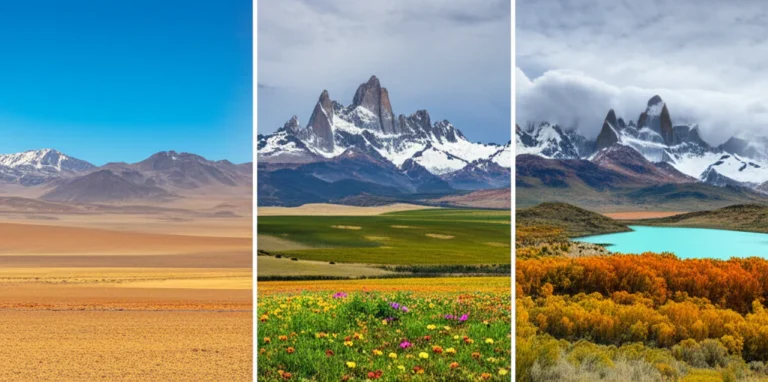
Understanding when to visit Chile requires a tiny bit of history and geography. Chile is a long, skinny strip of land squeezed between the Andes Mountains and the Pacific Ocean. This unique geography creates a rain shadow effect in the north (Atacama) and a Mediterranean climate in the center (Santiago), while the south (Patagonia) is dominated by sub-polar oceanic conditions.
Historically, indigenous cultures like the Mapuche in the south and the Atacameño in the north developed calendars based on agricultural cycles and animal migrations, not just the sun. The Spanish colonization brought European seasonal concepts, but the local reality remained: weather dictates life.
- The North: For centuries, the Atacama was a barrier to travel due to extreme aridity. Today, it’s a year-round playground, but the “seasons” are defined by stargazing clarity (winter) vs. daytime heat (summer).
- The Center: The central valley has always been the agricultural heartland. The harvest seasons (March/April) have historically been the busiest times for locals, a tradition that continues with modern wine tourism.
- The South: Patagonia was a frontier of wind and ice. The “season” for exploration was strictly summer (November to March) when the snow melted enough to open the trails. Winter meant isolation.
This historical context explains why Patagonia is inaccessible in July, while Santiago is perfectly fine. You aren’t just picking a month; you’re picking a climatic zone.
🌤️ Decoding the Climate: When is the Best Time to Visit Chile by Region?
You can’t ask “When is the best time to visit Chile?” without asking “Which Chile?” The answer changes completely depending on your destination. Let’s break it down by region so you can stop guessing and start planning.
🏜️ The Atacama Desert (North)
Best Time: Year-Round, but with a twist.
- Summer (Dec-Feb): Hot days (up to 30°C/86°F), warm nights. Great for lagons and salt flats.
- Winter (Jun-Aug): Cool days, freezing nights. Perfect for stargazing as the air is crisp and dry.
- Shoulder (Mar-May, Sep-Nov): The “Goldilocks” zone. Pleasant temperatures for hiking Vale de la Luna without the miday scorch.
🏙️ Santiago & Central Valley
Best Time: September to November (Spring) and March to May (Autumn).
- Summer (Dec-Feb): Hot and dry. Locals flock to the coast, so Santiago feels a bit quieter, but it can get smogy.
- Winter (Jun-Aug): Mild days (15°C/59°F), rainy afternons. Ideal for sking in the Andes.
- Why it matters: This is the wine country. If you want to see the grape harvest, you must be here in March.
🏔️ Patagonia (South)
Best Time: October to March.
- Peak (Dec-Feb): Long days (up to 17 hours of light), warmest temps (15-20°C/59-68°F). Crowded.
- Shoulder (Oct-Nov, Mar): Fewer people, stunning colors (autumn foliage in March), but windy.
- Winter (Apr-Sep): Most trails closed. Only for serious skiers or those seeking solitude in extreme cold.
🗿 Easter Island (Rapa Nui)
Best Time: April to June and October to December.
- Summer (Dec-Mar): Warm, humid, and busy.
- Winter (Jun-Sep): Cooler, rainier, but great for exploring the Moai without the sweat.
- Special Note: If you want the Tapati Festival, you must be there in February.
🗓️ The Ultimate Month-by-Month Guide to Planning Your Chilean Adventure
Ready to pick your dates? Here is the month-by-month breakdown that covers every region, festival, and weather nuance. We’ve numbered the months because, well, there are 12 of them, and you need to know exactly what to expect in each.
1. 🌸 January: Summer Solstice and Coastal Crowds
The Vibe: It’s peak summer in Chile. The sun is high, the days are long, and the beaches are packed.
- What’s Happening: Locals are on holiday. Santiago is hot (often 30°C+), but the coast (Viña del Mar, Valparaíso) is buzzing with festivals.
- Patagonia: The W Circuit is fully open, but expect crowds. Book your refugios now if you haven’t already.
- Atacama: Hot days, but great for Laguna Cejar swimming.
- The Catch: It’s the most expensive time to fly, and finding last-minute accommodation in Patagonia is nearly impossible.
2. 🌊 February: The Peak of Patagonian Hiking Season
The Vibe: The warmest month in the south. The winds are still present but manageable.
- What’s Happening: Tapati Festival on Easter Island takes center stage. In the south, it’s the prime time for trekking.
- Wildlife: Whale watching off Chiloé is fantastic (blue whales!).
- The Catch: If you miss a booking for Torres del Paine, you’re out of luck. The trails are busy.
3. 🍂 March: Wine Harvest and the Golden Hour in the Andes
The Vibe: Shoulder season begins. The heat breaks, and the colors turn golden.
- What’s Happening: Fiesta de la Vendimia (Wine Harvest) in the Central Valley. Perfect weather for Santiago and Valparaíso.
- Patagonia: The crowds thin out. The autumn foliage in the Lake District is breathtaking.
- The Catch: Days start getting shorter. You need to plan your hikes carefully to beat the sunset.
4. 🍁 April: Shoulder Season Magic and Fewer Tourists
The Vibe: Quiet, crisp, and beautiful.
- What’s Happening: Puma sightings in Torres del Paine increase as the snow melts and animals become more visible.
- Atacama: Still great, but nights are getting colder.
- The Catch: Some services in Patagonia start winding down. Check if your favorite refugio is still open.
5. ❄️ May: The Quiet Before the Winter Storms
The Vibe: The transition to winter. Rain becomes more frequent in the south.
- What’s Happening: Ski season is about to start in the Andes. The Atacama is still dry and pleasant.
- Patagonia: Many trails close by late May. The W Circuit is often shut down.
- The Catch: If you’re heading south, you need to be fast. The weather can turn on a dime.
6. 🎿 June: Ski Season Kicks Off in Central Chile
The Vibe: Winter has arrived in the center and south.
- What’s Happening: Sking in Vale Nevado and Portillo. Stargazing in Atacama is world-class (clear skies).
- Patagonia: Most of the south is closed to hikers.
- The Catch: It’s cold. If you want to hike in Patagonia, you’ve missed the boat.
7. 🌨️ July: Deep Winter in the South and Sking in the North
The Vibe: The coldest month.
- What’s Happening: Feast of Our Lady of Mount Carmel (La Tirana) in the north. Sking is in full swing.
- Atacama: Perfect for stargazing and desert exploration (bring a heavy jacket!).
- The Catch: Smog can be an issue in Santiago due to temperature inversions.
8. 🌬️ August: Late Winter Winds and Early Spring Anticipation
The Vibe: The end of winter. The first hints of spring.
- What’s Happening: Sking continues. Flowers start bloming in the Atacama (rare and beautiful).
- Patagonia: Still closed, but the winds are picking up.
- The Catch: It’s still very cold in the south. Don’t try to hike yet.
9. 🌱 September: Spring Bloms and the Return of Wildlife
The Vibe: Spring arrives! Wildflowers bloom, and animals wake up.
- What’s Happening: Independence Day (Dieciocho) preparations begin. Wine regions start waking up.
- Patagonia: Some trails start opening, but weather is unpredictable.
- The Catch: The Careta Austral highway might still be closed in parts. Check road conditions.
10. 🌼 October: The Best Balance of Weather and Crowds
The Vibe: The sweet spot.
- What’s Happening: Patagonia is fully open again. Fewer crowds than summer. Wildlife is active.
- Atacama: Perfect temperatures.
- The Catch: The wind can be fierce. Pack a good windbreaker.
1. 🌞 November: Early Summer Vibes and Long Days
The Vibe: The start of the high season.
- What’s Happening: Days are long. Wildlife is abundant. Flamingos return to the Atacama.
- Patagonia: Great for hiking, but book early as it fills up fast.
- The Catch: Prices start to rise. The wind can still be a factor.
12. 🎆 December: Holiday Cheer and the Start of High Season
The Vibe: Summer is here!
- What’s Happening: Christmas and New Year celebrations. Beaches are packed.
- Patagonia: The W Circuit is busy.
- The Catch: Expensive and crowded. Book everything months in advance.
🎉 Chilean Festivals and Events: Timing Your Trip for Culture
Chileans know how to party, and their festivals are deeply rooted in history and tradition. Timing your trip around these events can make your vacation unforgettable.
🎭 Carnival (Late January): Water Wars and Street Parties
Held in Arica and other northern cities, this is a colorful explosion of Andean music, dance, and water fights.
- Why Go: It’s a mix of Chilean, Peruvian, and Bolivian cultures.
- The Vibe: Energetic, wet, and incredibly fun.
- Tip: Bring a waterproof bag for your phone!
💃 Tapati Festival (February): The Rapa Nui Spectacle
On Easter Island, this is the bigest event of the year.
- Why Go: Traditional Haka Pei (sliding down a hill on banana trunks), horse racing, and Moai carving competitions.
- The Vibe: A celebration of Rapa Nui culture.
- Tip: Book flights and hotels 6 months in advance.
🎸 Valdiviana Week (February): A Music Lover’s Dream
In Valdivia, this festival celebrates German heritage with music, beer, and illuminated boats.
- Why Go: A unique blend of Chilean and German traditions.
- The Vibe: Relaxed, musical, and family-friendly.
🇨🇱 Feast of Our Lady of Mount Carmel (July 16): Chile’s Patron Saint
Held in La Tirana, this is the largest religious festival in Chile.
- Why Go: Elaborate costumes, traditional dances, and a deep sense of spiritual community.
- The Vibe: Solemn yet festive.
🍷 Independence Day – Dieciocho (September 18): The Ultimate Fonda
The national holiday. Every town has a Fonda (tent) with empanadas, asado (BBQ), and cueca dancing.
- Why Go: Experience Chilean culture at its most authentic.
- The Vibe: Patriotic, loud, and delicious.
- Tip: Many businesses close, so plan your meals accordingly.
📊 Weather Deep Dives: Patagonia, Atacama, and Santiago Charts
To help you visualize the weather, here are the average conditions for the three main regions. Remember, these are averages; Chilean weather is unpredictable.
🏔️ Patagonia Weather Chart: When to Trek the W Circuit
| Month | Avg High (°C) | Avg Low (°C) | Rainfall (mm) | Wind Speed | Status |
|---|---|---|---|---|---|
| Jan | 18 | 8 | 40 | Moderate | Open (Crowded) |
| Feb | 17 | 7 | 50 | Moderate | Open (Peak) |
| Mar | 15 | 5 | 60 | High | Open (Shoulder) |
| Apr | 12 | 3 | 80 | High | Closing |
| May | 8 | 0 | 10 | Very High | Closed |
| Jun | 5 | -3 | 120 | Very High | Closed |
| Jul | 4 | -4 | 10 | Very High | Closed |
| Aug | 6 | -2 | 90 | Very High | Closed |
| Sep | 9 | 1 | 70 | High | Opening |
| Oct | 12 | 3 | 50 | High | Open (Good) |
| Nov | 15 | 5 | 40 | Moderate | Open (Good) |
| Dec | 17 | 7 | 35 | Moderate | Open (Crowded) |
🌵 Atacama Weather Chart: Stargazing and Desert Adventures
| Month | Avg High (°C) | Avg Low (°C) | Rainfall (mm) | Sky Clarity | Best For |
|---|---|---|---|---|---|
| Jan | 28 | 12 | 0 | Good | Lagons |
| Feb | 27 | 1 | 0 | Good | Lagons |
| Mar | 25 | 9 | 0 | Excellent | Hiking |
| Apr | 2 | 6 | 0 | Excellent | Hiking |
| May | 19 | 3 | 0 | Excellent | Stargazing |
| Jun | 16 | 0 | 0 | Perfect | Stargazing |
| Jul | 15 | -1 | 0 | Perfect | Stargazing |
| Aug | 17 | 1 | 0 | Perfect | Stargazing |
| Sep | 20 | 4 | 0 | Excellent | Hiking |
| Oct | 23 | 7 | 0 | Excellent | Hiking |
| Nov | 26 | 10 | 0 | Good | Lagons |
| Dec | 28 | 12 | 0 | Good | Lagons |
🏙️ Santiago Weather Chart: Urban Exploration Year-Round
| Month | Avg High (°C) | Avg Low (°C) | Rainfall (mm) | Smog Risk | Best For |
|---|---|---|---|---|---|
| Jan | 30 | 12 | 0 | High | Beaches |
| Feb | 29 | 1 | 0 | High | Beaches |
| Mar | 26 | 9 | 10 | Medium | Wine |
| Apr | 2 | 6 | 30 | Low | City |
| May | 18 | 4 | 60 | Low | City |
| Jun | 15 | 2 | 80 | Medium | Sking |
| Jul | 14 | 1 | 90 | High | Sking |
| Aug | 16 | 2 | 70 | Medium | Sking |
| Sep | 19 | 4 | 50 | Low | City |
| Oct | 2 | 7 | 30 | Low | City |
| Nov | 25 | 9 | 10 | Low | City |
| Dec | 28 | 1 | 0 | High | Beaches |
❓ Our Travelers Also Ask: Your Burning Questions Answered
We get asked these questions every day. Here are the real answers based on our experience.
What is the absolute best month to go to Chile?
If you want perfect weather and don’t mind crowds, January is the winner. But if you want a balance of good weather, fewer people, and lower prices, October or March are our top picks. It depends on where you are going!
When is the rainy season in Chile?
In Central Chile (Santiago), the rainy season is May to August. In Patagonia, it rains year-round, but it’s wetest in winter. The Atacama is a desert; it rarely rains.
What is the cheapest time to travel to Chile?
June to August (winter) is generally the cheapest for flights and hotels, especially in the south. However, Atacama and Easter Island remain pricey year-round due to limited supply.
Which month offers the warmest temperatures?
January and February are the warmest in the north and center. In Patagonia, January is the warmest, but it’s still cool compared to the north.
Where can I find the most reliable weather?
The Atacama Desert has the most stable weather. Patagonia is the most unpredictable. Always check the local forecast a few days before your trip.
🎒 Pro Tips for Packing and Planning Your Chilean Itinerary
Packing for Chile is like packing for four different countries in one trip. Here’s how to do it right.
The Layering System
Chilean weather changes fast. You might start the day in a t-shirt and end it in a parka.
- Base Layer: Merino wool or synthetic.
- Mid Layer: Fleece or down jacket.
- Outer Layer: Waterproof and windproof shell.
- Footwear: Hiking boots for Patagonia, sandals for the coast.
Essential Gear
- Sunscreen: The sun is stronger at high altitudes (Atacama).
- Sunglasses: Essential for the glare in Patagonia and the desert.
- Reusable Water Bottle: Stay hydrated, especially in the desert.
- Power Adapter: Chile uses Type C and L plugs (20V).
Booking Tips
- Patagonia: Book refugios and huts 6-12 months in advance.
- Easter Island: Book flights and hotels 4-6 months ahead.
- Santiago: Book 1-2 months ahead for the best deals.
Recommended Brands & Gear
For reliable gear that can handle the windy Patagonian conditions and the scorching Atacama sun, we recommend:
- Arc’teryx: For high-performance jackets.
- Patagonia: For sustainable and durable clothing.
- Merell: For comfortable hiking boots.
- Osprey: For reliable backpacks.
👉 Shop
- Arc’teryx: Amazon | Official Site
- Patagonia: Amazon | Official Site
- Merell: Amazon | Official Site
- Osprey: Amazon | Official Site
📝 Conclusion: Your Perfect Chilean Moment Awaits

So, when is the best time to plan a Chile vacation? The answer is whenever you can make it work for your specific goals. If you crave sun and beaches, hit January. If you want solitude and stunning colors, choose October or March. If you’re a stargazer, July in the Atacama is unbeatable.
Chile is a land of extremes, and that’s what makes it so magical. Whether you’re treking through the W Circuit, exploring the Moai of Easter Island, or sipping Carmenère in the Central Valley, the timing is just the first step. The real adventure begins when you pack your bags and embrace the unpredictable beauty of this incredible country.
Don’t let the fear of “wrong timing” stop you. With the right preparation and flexibility, you can have an unforgettable experience anytime of the year. So, what are you waiting for? Start planning your Chilean adventure today!
🔗 Recommended Links
Ready to gear up for your trip? Here are some of our top picks for products and services to make your journey smoother.
Travel Gear & Clothing:
- Arc’teryx Beta AR Jacket: Amazon | Official Site
- Patagonia Better Sweater Fleece: Amazon | Official Site
- Merell Moab 3 Hiking Boots: Amazon | Official Site
- Osprey Atmos AG 65 Backpack: Amazon | Official Site
Books & Guides:
Tours & Experiences:
- Patagonia Tours: Booking.com | Tripadvisor
- Easter Island Day Tours: Viator | GetYourGuide
📚 Reference Links
- Chile Vacay: Chile Vacay Official Site
- Responsible Vacation: Best Time to Visit Chile
- Patagonia Hero: Best Time to Visit Chile – Month-by-Month Guide by Region
- National Weather Service (Chile): Chilean Meteorological Service
- Chile Travel: Official Tourism Board
- Tores del Paine National Park: Official Park Info
- Easter Island (Rapa Nui) National Park: CONAF Info
FAQ

When should I book flights and accommodations for a Chile vacation?
For peak season (December-February), book 6-12 months in advance, especially for Patagonia and Easter Island. For shoulder season (March-May, September-November), 3-6 months is usually sufficient. For winter (June-August), you can often find deals 1-3 months out, but popular ski resorts still fill up.
Read more about “🚫 No Day Trip! How Long to Stay on Easter Island (2026)”
How do seasonal changes affect wildlife viewing in Chile?
- Summer (Dec-Feb): Best for whales (Chiloé), penguins (Magdalena Island), and flamingos (Atacama).
- Autumn (Mar-May): Great for pumas in Torres del Paine as they become more visible.
- Winter (Jun-Aug): Stargazing is optimal in the Atacama. Some wildlife migrates or becomes less active.
- Spring (Sep-Nov): Bird migration and wildlife births are common.
What months offer the best conditions for hiking in Chile?
October to March is the best window for Patagonia hiking. March to May and September to November are ideal for Santiago and the Central Valley. The Atacama is great year-round, but March to May and September to November offer the most comfortable temperatures.
Read more about “🏔️ 8 Epic Patagonia Hikes: The Ultimate 2026 Trail Guide”
Are there any festivals in Chile that are worth planning a trip around?
Absolutely! The Tapati Festival (February) on Easter Island is a must-see. Independence Day (September 18) offers a unique cultural experience with Fondas. The Carnival (January) in Arica is a vibrant celebration. The Feast of Our Lady of Mount Carmel (July 16) in La Tirana is a major religious event.
When is the best time to visit Patagonia in Chile?
The best time is October to March. December to February offers the warmest weather and longest days, but it’s crowded. October/November and March provide a great balance of good weather and fewer people.
Read more about “🌍 7 Chilean Musicians Gaining Global Recognition (2026)”
How does the weather vary across Chile throughout the year?
Chile has four distinct climates:
- North (Atacama): Arid, hot days, cold nights.
- Center (Santiago): Mediterranean, hot summers, mild winters with rain.
- South (Patagonia): Sub-polar, windy, cool summers, cold winters.
- Easter Island: Tropical, warm year-round, with a rainy season in winter.
What are the peak tourist seasons in Chile?
Peak season is December to February (summer). Shoulder seasons are March to May and September to November. Low season is June to August (winter), except for ski resorts.
What are the best hiking trails in Chile for beginners?
- Vale de la Luna (Atacama): Easy, short hikes.
- San Cristóbal Hill (Santiago): Easy city hike with great views.
- Laguna Negra (Valparaíso): Moderate hike with stunning views.
- Tores del Paine (O Circuit): Challenging, but the W Circuit has easier sections for beginners.
Read more about “Luxury Glamping in Chilean Patagonia”
How can I plan an adventure tour in Patagonia, Chile?
Start by deciding on your budget and timeframe. Book refugios or campsites well in advance. Consider hiring a local guide for safety and navigation. Popular operators include Patagonia Hero and Chile Travel.
Read more about “🌟 15+ Top Celebrities in Chile: Stars Born & Famous (2026)”
What are the must-try foods during a trip to Chile?
- Empanadas: Savory pastries filled with meat, cheese, or spinach.
- Pastel de Choclo: Corn pie with meat and chicken.
- Ceviche: Fresh seafood marinated in citrus.
- Mote con Huesillo: A sweet, refreshing drink with wheat and peaches.
- Wine: Try Carmenère, Cabernet Sauvignon, and Sauvignon Blanc.
Read more about “🇨🇱 15 Epic Things for Your Ultimate Santiago Chile Vacation (2026)”
What outdoor activities are popular in Chile?
- Hiking: Torres del Paine, Atacama, and the Andes.
- Sking: Valle Nevado, Portillo, and La Parva.
- Stargazing: Atacama Desert.
- Whale Watching: Chiloé and the fjords.
- Surfing: Pichilemu and other coastal towns.
Read more about “🌊 7 Bahia Inglesa Turquoise Water Beaches You Must Visit (2026)”
Which Chilean cities are best for cultural experiences?
- Santiago: Museums, art galleries, and historic sites.
- Valparaíso: Colorful houses, street art, and bohemian vibe.
- Concepción: University town with rich history.
- La Serena: Colonial architecture and beaches.
- Puerto Mont: Gateway to the Lake District and fjords.
Read more about “🏔️ 15 Epic Chile Adventure Tours for 2026: From Desert to Ice”
What are the top natural attractions to see in Chile?
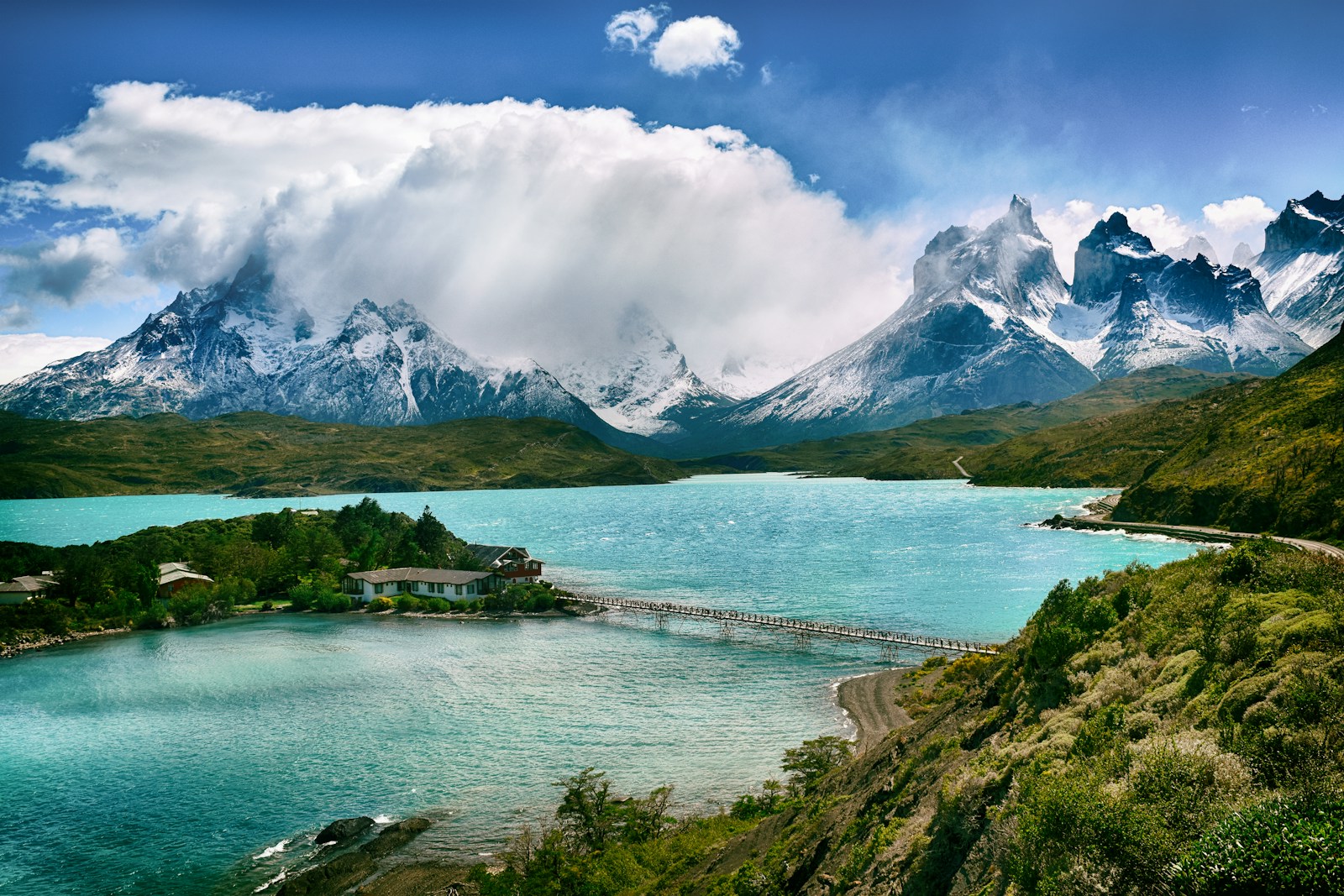
- Tores del Paine National Park: Iconic mountains and glaciers.
- Atacama Desert: Salt flats, geysers, and lagons.
- Easter Island: Moai statues and volcanic craters.
- Lake District: Volcanoes, lakes, and forests.
- Patagonian Fjords: Dramatic landscapes and wildlife.
Read more about “🇨🇱 15+ Top Chile Tourist Attractions: Beyond the Top 20 (2026)”
When is the best time to visit Chile for sightseeing?
September to November and March to May are the best times for sightseeing in most regions. The weather is mild, and crowds are smaller. December to February is great for beach and Patagonia sightseeing, but expect crowds.