Support our educational content for free when you purchase through links on our site. Learn more
Best Time to Visit Chile for Outdoor Activities and Festivals

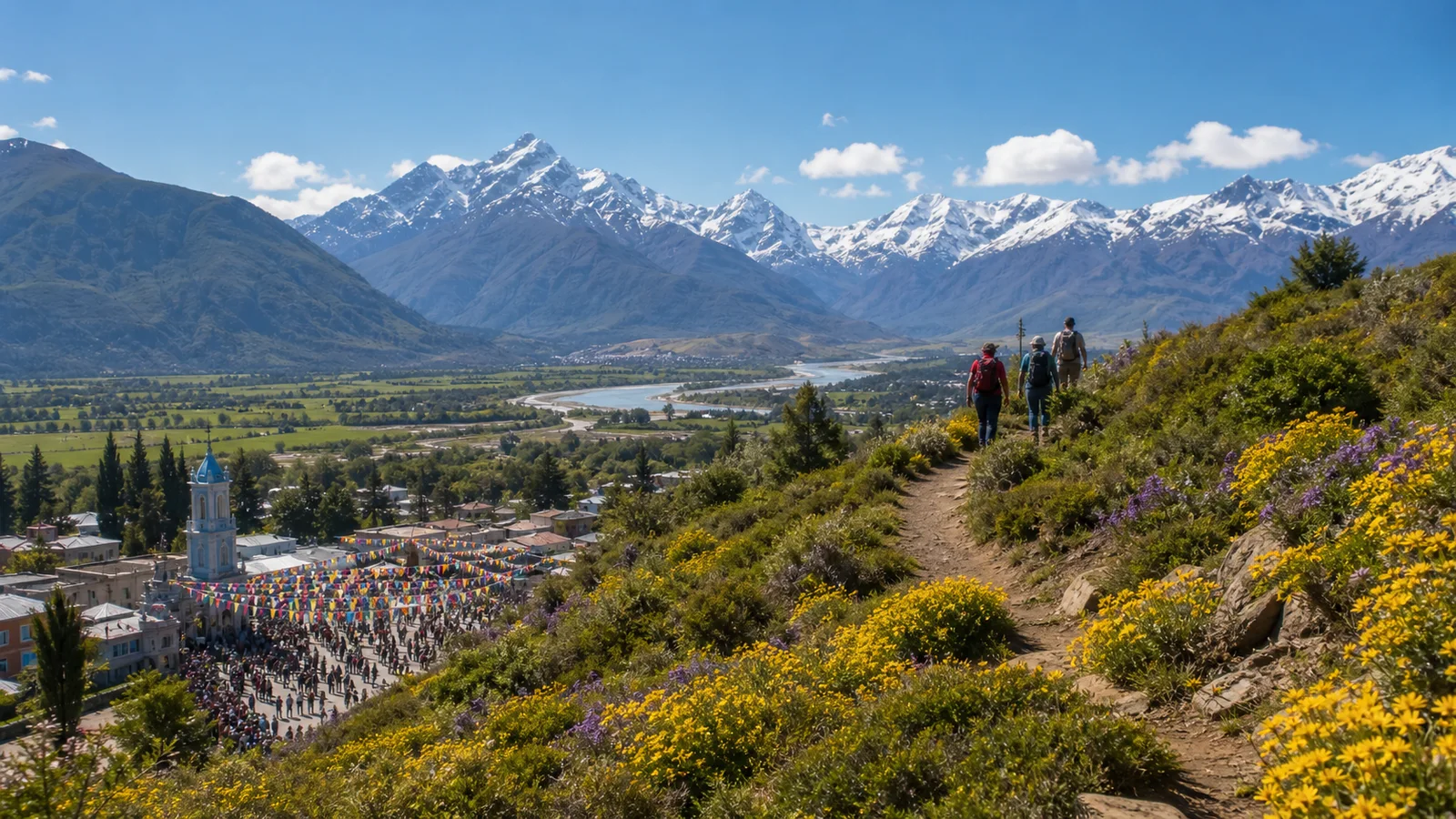

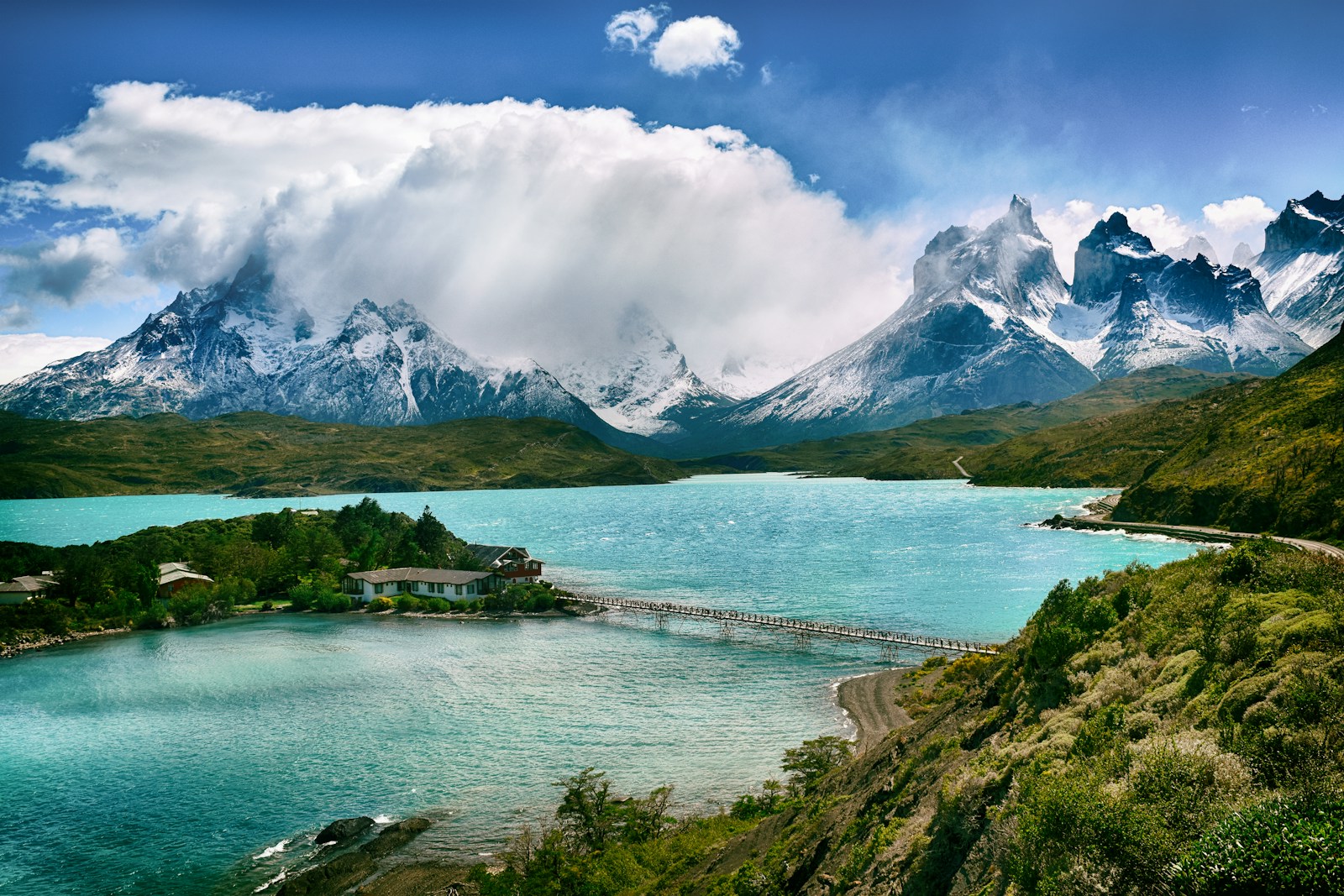
Ever tried to pack for a trip where you might ski in the morning, sip wine in the afternoon, and watch a desert bloom at sunset? Welcome to Chile, the world’s most geographically dramatic country. We’ve spent years chasing the perfect window to experience this 4,30-kilometer strip of paradise, and let us tell you: timing isn’t just everything; it’s the only thing. While many guides tell you to simply “go in summer,” the truth is far more nuanced. If you miss the Desierto Florido by a week, you’ll see a barren wasteland instead of a sea of wildflowers. If you hit Patagonia in peak January, you’ll be elbow-to-elbow with every other hiker on the W Trek.
So, when exactly should you book your flight? The answer depends entirely on your adventure DNA. Are you a winter warrior craving the powder of the Andes, a wine enthusiast hunting for the Vendimia harvest, or a nature lover seeking the solitude of the shoulder seasons? In this guide, we break down the best times of year to visit Chile for outdoor activities and festivals, revealing the secret months when the crowds vanish, the prices drop, and the landscapes transform. From the freezing fjords of the south to the sun-drenched beaches of the north, we’ll show you how to sync your calendar with Chile’s unique rhythm. Ready to stop guessing and start planning the trip of a lifetime? Let’s dive in.
Key Takeaways
- 🌸 Spring (Sept–Nov) is the magical window for the rare Desierto Florido in the Atacama and the quiet start of the Patagonian hiking season.
- ☀️ Summer (Dec–Feb) offers the longest days and warmest weather for trekking the W Trek, surfing in Viña del Mar, and celebrating Easter Island’s Tapati Festival.
- 🍂 Autumn (Mar–May) delivers the best wine harvests (Vendimia) and stunning red foliage in Patagonia with significantly fewer crowds.
- ❄️ Winter (Jun–Aug) transforms the Andes into a world-class sking destination and offers the clearest skies for stargazing in the Atacama.
- 💰 Pro Tip: For the perfect balance of weather, cost, and solitude, aim for the shoulder seasons (March–May or September–November).
Table of Contents
- ⚡️ Quick Tips and Facts
- 📜 A Brief History of Chile’s Seasonal Rhythms and Cultural Evolution
- 🌸 Spring in Chile: Wildflowers, Wine Harvests, and the Return of the Sun
- ☀️ Summer in Chile: Beaches, Patagonian Treks, and the Longest Days
- 🍂 Autumn in Chile: Foliage, Gastronomy, and the Quiet Magic of the Andes
- ❄️ Winter in Chile: Sking, Snowboarding, and the Festive Spirit of the South
- 🏔️ Best Time for Hiking and trekking in Patagonia and the Andes
- 🏄 ♂️ Optimal Seasons for Surfing, Kayaking, and Water Sports
- 🍷 When to Visit for Chile’s Premier Wine Festivals and Harvest Celebrations
- 🎉 Top Chilean Festivals by Season: From Fiestas Patrias to Carnival
- 🌋 Best Time to Explore the Atacama Desert and Northern Chile
- 🐧 Wildlife spotting: Penguin Colonies, Whales, and Albatross Migration Windows
- 🏖️ Coastal Getaways: When to Hit the Beaches of Viña del Mar and Easter Island
- 🎒 Budget Traveler’s Guide: Off-Peak vs. Peak Season Costs and Crowds
- 🌦️ Weather Patterns and Microclimates: What to Expect Region by Region
- 📅 Sample Itineraries: 7, 10, and 14-Day Plans for Every Season
- 🧳 Packing Essentials: What to Bring for Chile’s Extreme Weather Shifts
- 🚫 Common Mistakes to Avoid When Planning Your Chilean Adventure
- ✅ Final Verdict: Choosing Your Perfect Window for Chile
- Conclusion
- Recommended Links
- FAQ
- Reference Links
⚡️ Quick Tips and Facts
Before you start packing your bags (or debating whether to bring a parka or a bikini), let’s hit the highlights of visiting Chile. This isn’t just a country; it’s a 4,30-kilometer-long strip of land that defies logic, stretching from the driest desert on Earth to the icy winds of Patagonia.
Video guide
Here is the cheat sheet you need to survive the planning phase:
| Feature | The Gist | Why It Matters |
|---|---|---|
| Seasons | Opposite to the Northern Hemisphere | Summer is Dec–Feb; Winter is June–Aug. Plan accordingly! |
| Best All-Rounder | Shoulder Seasons (Mar–May & Sep–Nov) | Fewer crowds, milder weather, and better prices. |
| Patagonia Access | Summer Only (Dec–Feb) | Trails open, but book 6+ months ahead. |
| Ski Season | Winter (June–Sept) | World-class snow in the Andes. |
| Wine Harvest | Autumn (Mar–Apr) | The Vendimia festivals are legendary. |
| Desert Bloom | Spring (Sep–Oct) | The Atacama turns pink and white (rare event!). |
| Major Festivals | Sept 18 (Fiestas Patrias) | The whole country shuts down for asado and dancing. |
Pro Tip: If you are looking for the top tourist attractions to see in Chile, you’ll find everything from the otherworldly landscapes of the Atacama Desert to the ancient Moai of Easter Island. For a deep dive into those specific spots, check out our guide on What are the top tourist attractions to see in Chile?.
Did you know? Chile has more than 30 volcanoes, and the Atacama Desert is so dry that NASA tests Mars rovers there! 🚀
📜 A Brief History of Chile’s Seasonal Rhythms and Cultural Evolution

To understand when to visit, you have to understand why the seasons feel so different here. Chile’s geography is a geological anomaly. Sandwiched between the towering Andes Mountains and the Pacific Ocean, the country has developed a unique cultural rhythm dictated by these extreme barriers.
The Indigenous Roots of Seasonal Celebrations
Long before the Spanish arrived, the Mapuche people in the south and the Atacameño in the north lived in harmony with the seasons.
- We Tripantu: The Mapuche New Year, celebrated in June (winter solstice), marks the rebirth of nature. It’s a time for cleansing rituals and family gatherings.
- Harvest Traditions: In the central valley, indigenous communities celebrated the grape harvest long before the winemaking industry became an economic powerhouse.
The Colonial Influence
When the Spanish arrived, they brought their own calendar of saints and festivals. The fusion of Catholic traditions with indigenous customs created the vibrant Fiestas Patrias we see today.
- September 18th: Originally a military parade, it evolved into a massive national celebration of independence, blending cueca dancing with indigenous storytelling.
- Winter Solstice: The Spanish introduced Christmas in summer, but the indigenous winter solstice celebrations in the south (like La Tirana) remain deeply rooted in pre-Hispanic beliefs.
Modern Tourism and the “Shoulder Season” Boom
In the last two decades, the concept of the “shoulder season” has revolutionized Chilean tourism. While summer (Dec–Feb) was once the only time to visit Patagonia, savvy travelers now flock in November and March to avoid the “human tide” of the peak season. This shift has allowed local communities to sustain tourism year-round, preserving the delicate ecosystems of the south.
Fun Fact: The Fiesta de la Virgen del Carmen in La Tirana (July) attracts over 20,0 pilgrims, blending Catholic devotion with indigenous dance, a tradition dating back to the 16th century.
🌸 Spring in Chile: Wildflowers, Wine Harvests, and the Return of the Sun
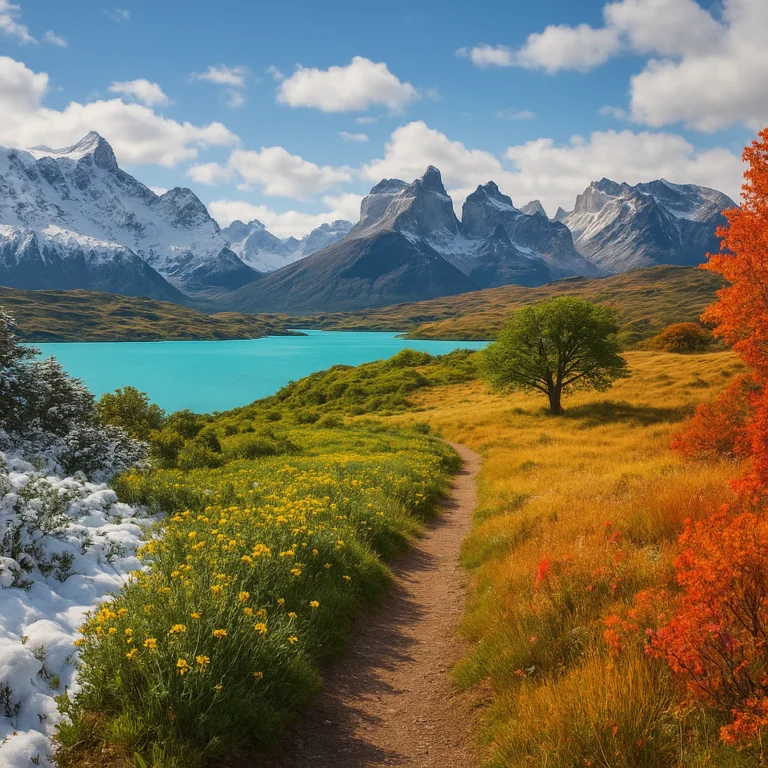
Spring in Chile (September to November) is the country’s great awakening. The snow melts in the Andes, rivers swell, and the arid north explodes into color. It is arguably the most photogenic time of year.
The Desert Bloom: A Once-in-a-Lifetime Spectacle
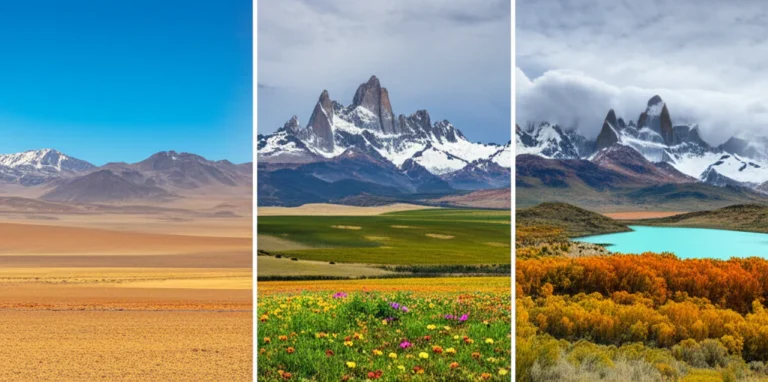
In the Atacama Desert, specifically around San Pedro de Atacama and the Laguna Chaxa, spring brings the Desierto Florido (Flowering Desert).
- When: Late September to October.
- What: Millions of wildflowers (pink, white, yellow) carpet the desert floor after rare winter rains.
- Why it’s special: This phenomenon happens only every 5 to 7 years. If you time it right, you’ll see a landscape that looks like it was painted by a digital artist.
Patagonia: The Quiet Before the Storm
For hikers, November is the golden ticket.
- The Advantage: The trails in Torres del Paine are open, but the crowds haven’t arrived yet. You can hike the W Trek with relative solitude.
- The Weather: Days are getting longer (up to 14 hours of daylight), but nights are still crisp. Pack layers!
- Wildlife: This is prime time to spot guanacos and Andean condors as they become more active.
Central Valley: Mild Days and City Life
In Santiago and Valparaíso, spring offers perfect weather for walking tours.
- Temperature: Highs of 20°C–25°C (68°F–7°F).
- Activity: Visit the Cerro San Cristóbal for panoramic views without the summer heat.
- Festivals: The Fiestas Patrias kick off in mid-September. The entire country celebrates with fondas (festival grounds), empanadas, and pisco sours.
Warning: While spring is beautiful, the weather in Patagonia can be unpredictable. One minute you’re basking in the sun, the next you’re battling 80 km/h winds. Always check the forecast!
☀️ Summer in Chile: Beaches, Patagonian Treks, and the Longest Days
Summer (December to February) is peak season for a reason. The days are long, the sun is high, and the entire country is in full swing. If you want to hike the W Trek or swim in the Pacific, this is your window.
Patagonia: The Ultimate Summer Playground
- Accessibility: All trails, including the challenging Base Las Torres hike, are fully accessible.
- Daylight: In Punta Arenas, the sun sets as late as 1:0 PM! You can hike all day and still have time for a sunset dinner.
- The Crowd Factor: It gets busy. Campsites like Refugio Grey and Los Cuernos book out months in advance.
- Pro Tip: If you don’t book 6 months ahead, consider the Circuito (a longer, less crowded alternative to the W Trek).
Beaches and Coastal Getaways
- North: Iquique and Arica offer world-class surfing and warm waters.
- Central: Viña del Mar and Reñaca are packed with locals. The Viña del Mar International Song Festival (late February) is the biggest music event in Latin America.
- South: Isla Magdalena is a must-visit for penguin colonies, accessible only by boat in summer.
Easter Island: The Rapa Nui Experience
- Tapati Rapa Nui: Held in the first two weeks of February, this two-week festival celebrates Rapa Nui culture with body painting, canoe races, and the haka pei (sliding down hills on banana trunks).
- Weather: Warm and sunny, perfect for exploring the Moai statues without the winter chill.
The Downside of Summer
- Prices: accommodation and flights are at their most expensive.
- Crowds: Popular sites can feel like theme parks.
- Fire Risk: In the central and southern regions, dry summers increase the risk of wildfires.
🍂 Autumn in Chile: Foliage, Gastronomy, and the Quiet Magic of the Andes
Autumn (March to May) is the hidden gem of Chilean travel. The crowds have thinned, the air is crisp, and the landscape transforms into a canvas of reds, oranges, and golds.
The Wine Harvest: La Vendimia
This is the best time for wine lovers.
- Regions: Colchagua Valley, Casablanca Valley, and Maipo Valley.
- Events: The Fiesta de la Vendimia features grape-stomping competitions, live folk music, and the crowning of the “Grape Queen.”
- Tastings: Many wineries offer exclusive harvest tours where you can taste the new vintage before it’s bottled.
Patagonia: The Foliage Season
- The View: The Lenga and Nothofagus trees turn brilliant shades of red and orange.
- The Experience: Hiking in Torres del Paine during autumn is magical. The trails are quieter, and the reflections in the lakes are stunning.
- Weather: Days are cooler, but still pleasant for hiking. Nights can be freezing, so pack a down jacket.
Coastal and City Life
- Valparaíso: The city is less crowded, making it perfect for exploring the colorful hills and street art.
- Santiago: The weather is mild, ideal for visiting the Museo Nacional de Bellas Artes or enjoying a cazuela (stew) at a local restaurant.
Did you know? The Colchagua Valley is home to over 10 wineries, making it one of the most important wine regions in South America.
❄️ Winter in Chile: Sking, Snowboarding, and the Festive Spirit of the South
Winter (June to August) is the snowy season in the Andes and the stargazing season in the Atacama. It’s a time for cozy lodges, hot springs, and winter festivals.
Sking in the Andes
Chile boasts some of the best ski resorts in the Southern Hemisphere.
- Top Resorts: Vale Nevado, La Parva, Portillo, and Termas de Chillán.
- Conditions: Reliable snowfall from June to September.
- Unique Feature: Termas de Chillán offers natural volcanic hot springs right on the slopes!
Stargazing in the Atacama
- Why Winter? The skies are crystal clear, with minimal light pollution.
- Observatories: Visit the ALMA Observatory or the Mamalluca Observatory for guided tours.
- Temperature: Nights can drop to -10°C (14°F), so dress warmly!
Winter Festivals
- La Tirana: A massive religious festival in July honoring the Virgen del Carmen, featuring traditional dances.
- Festival de la Lluvia: In Puerto Varas, this festival celebrates the rain with parades and concerts.
- We Tripantu: The Mapuche New Year in June, celebrated with family gatherings and traditional food.
The Deep South: A Different Kind of Winter
- Ushuaia: Just across the border in Argentina, but accessible from Chile, offers skiing and dogsledding.
- Patagonia: Many trails are closed, and some lodges shut down. However, the fjords are stunning in the winter light, and you can spot whales migrating along the coast.
🏔️ Best Time for Hiking and trekking in Patagonia and the Andes
Hiking is the heart and soul of Chilean adventure. But timing is everything.
The W Trek and O Circuit (Torres del Paine)
- Best Time: November to March.
- Why: Trails are open, and the weather is (relatively) stable.
- Shoulder Season: October and April offer solitude but carry a higher risk of snow and wind.
- Winter: The O Circuit is generally closed due to snow and dangerous conditions.
The Andes (Santiago Region)
- Best Time: December to February for high-altitude hikes.
- Summer: The Vale del Elqui and Vale de Aconcagua offer great day hikes.
- Winter: Some high-altitude trails are closed, but lower valleys are accessible for snowshoeing.
The Atacama Desert
- Best Time: Year-round, but spring and autumn are most comfortable.
- Summer: Can be scorching (40°C+), so hike early in the morning.
- Winter: Nights are freezing, but days are pleasant.
Safety First: Always check with local park rangers before starting a hike. Weather in Patagonia can change in minutes!
🏄 ♂️ Optimal Seasons for Surfing, Kayaking, and Water Sports
Chile’s 4,30 km coastline offers a playground for water sports enthusiasts.
Surfing
- Best Time: April to October (Autumn/Winter/Spring).
- Why: The Southern Hemisphere winter brings consistent swells from the south.
- Top Spots: Iquique: Consistent waves year-round. Pichilemu: The “Hawaii of South America,” best in May to August. Arica: Known for its long, right-hand waves.
Kayaking and Rafting
- Best Time: December to February (Summer).
- Why: Rivers are full from snowmelt, and the weather is warm.
- Top Spots: Llanquihue Lake: Great for kayaking. Rio Futaleufú: World-class whitewater rafting (best in January).
Whale Watching
- Best Time: June to September (Winter/Spring).
- Why: Humpback whales migrate to the Chiloé and Magallanes regions to breed.
- Top Spots: Puerto Mont and Punta Arenas.
🍷 When to Visit for Chile’s Premier Wine Festivals and Harvest Celebrations
Chile is a wine lover’s paradise, and the harvest season is the highlight of the year.
The Vendimia (Grape Harvest)
- When: March to April.
- Where: Colchagua Valley, Casablanca Valley, Maipo Valley.
- What to Expect:
- Grape-stomping competitions.
- Live folk music and dance.
- Exclusive tastings of the new vintage.
- Traditional asado (barbecue) and empanadas.
Top Wine Festivals
- Fiesta de la Vendimia (Colchagua Valley): The biggest and most famous.
- Fiesta de la Vendimia (Casablanca Valley): Known for its white wines and cooler climate.
- Fiesta de la Vendimia (Maipo Valley): The birthplace of Chilean wine, with a more traditional feel.
Pro Tip: Book your winery tours months in advance. Many small family-run wineries only open during harvest.
🎉 Top Chilean Festivals by Season: From Fiestas Patrias to Carnival
Chile’s calendar is packed with cultural celebrations. Here’s a breakdown by season.
Spring (September–November)
- Fiestas Patrias (Sept 18–19): The bigest national holiday. Expect fondas, cueca dancing, and asado.
- Oktoberfest (October): Celebrated in Maloco, Valdivia, and Puerto Varas with German beer and food.
Summer (December–February)
- Viña del Mar International Song Festival (Late Feb): The biggest music festival in Latin America.
- Tapati Rapa Nui (Feb): Easter Island’s cultural festival.
- Santiago a Mil (Jan): The largest theater festival in Latin America.
Autumn (March–May)
- Fiesta de la Vendimia (March/April): Grape harvest festivals across the wine valleys.
- Semana Santa (April): Holy Week, with processions and traditional food.
Winter (June–August)
- La Tirana (July 16): A massive religious festival in the Atacama.
- Festival de la Lluvia (July): A celebration of rain in Puerto Varas.
- We Tripantu (June): The Mapuche New Year.
🌋 Best Time to Explore the Atacama Desert and Northern Chile
The Atacama Desert is a year-round destination, but the experience changes with the seasons.
Spring (September–November)
- Highlight: The Desierto Florido (Flowering Desert).
- Weather: Mild days, cool nights.
- Activities: Hiking, stargazing, visiting salt flats.
Summer (December–February)
- Highlight: Warm days, but can be scorching.
- Activities: Early morning hikes, visiting geysers.
- Note: Avoid miday sun.
Autumn (March–May)
- Highlight: Clear skies, fewer crowds.
- Weather: Pleasant temperatures.
- Activities: Stargazing, visiting lagoons.
Winter (June–August)
- Highlight: Best stargazing of the year.
- Weather: Cold nights, but sunny days.
- Activities: Visiting observatories, exploring the desert at night.
Pro Tip: The Vale de la Luna is best visited at sunset for the most dramatic colors.
🐧 Wildlife spotting: Penguin Colonies, Whales, and Albatross Migration Windows
Chile is a wildlife haven, with different species visible at different times of the year.
Penguins
- Best Time: November to March.
- Where: Isla Magdalena (near Punta Arenas) and Magellanic Penguin Colony in Chiloé.
- What to See: Magellanic penguins, Humboldt penguins.
Whales
- Best Time: June to September.
- Where: Puerto Mont, Chiloé, and Magallanes.
- What to See: Humpback whales, blue whales, orcas.
Albatross and Seabirds
- Best Time: October to March.
- Where: Cape Horn and Tierra del Fuego.
- What to See: Wandering albatross, giant petrels.
Did you know? The Magellanic Penguin colony in Isla Magdalena is one of the largest in the world, with over 60,0 pairs!
🏖️ Coastal Getaways: When to Hit the Beaches of Viña del Mar and Easter Island
Chile’s coast offers everything from surfing to relaxing.
Viña del Mar and Reñaca
- Best Time: December to February.
- Why: Warm weather, long days, and the Viña del Mar International Song Festival.
- Activities: Swimming, surfing, exploring the gardens.
Easter Island (Rapa Nui)
- Best Time: February to April.
- Why: Warm weather, fewer crowds, and the Tapati Festival.
- Activities: Exploring the Moai, snorkeling, hiking.
Iquique and Arica
- Best Time: April to October (for surfing).
- Why: Consistent swells and warm water.
- Activities: Surfing, kiteboarding, visiting the Zoo de Iquique.
🎒 Budget Traveler’s Guide: Off-Peak vs. Peak Season Costs and Crowds
Traveling on a budget? Timing is everything.
Peak Season (December–February)
- Costs: Highest. Flights, hotels, and tours are at a premium.
- Crowds: Maximum. Popular sites are packed.
- Pros: Best weather, all trails open.
- Cons: Expensive, crowded, hard to book.
Shoulder Season (March–May, September–November)
- Costs: Moderate. 20–40% cheaper than peak.
- Crowds: Moderate. Fewer people, but still busy.
- Pros: Good weather, fewer crowds, better deals.
- Cons: Some trails may be closed, weather can be unpredictable.
Off-Peak (June–August)
- Costs: Lowest. Great deals on flights and hotels.
- Crowds: Minimal.
- Pros: Cheap, quiet, unique experiences (sking, stargazing).
- Cons: Cold weather, some trails closed, limited services in the south.
Pro Tip: Book your flights and accommodation 6 months in advance for peak season, and 3 months for shoulder season.
🌦️ Weather Patterns and Microclimates: What to Expect Region by Region
Chile’s weather is complex. One region can be sunny while another is snowing.
Central Chile (Santiago, Valparaíso)
- Climate: Mediterranean.
- Summer: Hot and dry (25°C–35°C).
- Winter: Cool and wet (5°C–15°C).
Atacama Desert (North)
- Climate: Arid.
- Summer: Hot days (30°C+), cool nights.
- Winter: Mild days, freezing nights.
Lakes District (South)
- Climate: Temperate.
- Summer: Mild (15°C–25°C).
- Winter: Cold and rainy (0°C–10°C).
Patagonia (Far South)
- Climate: Subpolar.
- Summer: Cool and windy (10°C–15°C).
- Winter: Cold and snowy (-5°C to 5°C).
Pro Tip: Always pack layers. The weather can change from sunny to snowy in an hour!
📅 Sample Itineraries: 7, 10, and 14-Day Plans for Every Season
7-Day Spring Itinerary (September–November)
- Days 1–3: Santiago and Valparaíso.
- Days 4–7: Atacama Desert (Flowering Desert).
10-Day Summer Itinerary (December–February)
- Days 1–3: Santiago.
- Days 4–7: Torres del Paine (W Trek).
- Days 8–10: Easter Island.
14-Day Autumn Itinerary (March–May)
- Days 1–4: Santiago and Wine Valeys (Vendimia).
- Days 5–10: Patagonia (Foliage).
- Days 1–14: Lakes District.
7-Day Winter Itinerary (June–August)
- Days 1–3: Santiago.
- Days 4–7: Andes Sking (Vale Nevado).
🧳 Packing Essentials: What to Bring for Chile’s Extreme Weather Shifts
Packing for Chile is like packing for four seasons in one day.
Must-Haves
- Layers: Base layers, fleece, and a down jacket.
- Waterproof Gear: Rain jacket and pants.
- Footwear: Hiking boots, sandals, and warm socks.
- Sun Protection: Sunglasses, sunscreen, and a hat.
- Stargazing Gear: Red-light flashlight (for Atacama).
Seasonal Additions
- Spring: Wildflower guide, light jacket.
- Summer: Swimsuit, sunscreen, hiking poles.
- Autumn: Warm layers, rain gear.
- Winter: Thermal underwear, gloves, beanie.
Pro Tip: Don’t forget a power bank for your phone. You’ll be taking tons of photos!
🚫 Common Mistakes to Avoid When Planning Your Chilean Adventure
1. Underestimating the Distance
Chile is long. A flight from Santiago to Punta Arenas takes 3.5 hours. Plan your logistics carefully.
2. Booking Too Late
Peak season accommodation in Patagonia books out 6 months in advance.
3. Ignoring the Weather
Don’t assume “summer” means “hot.” Patagonia can be cold even in January.
4. Skipping the Shoulder Seasons
You’ll miss out on fewer crowds and better prices by only visiting in summer.
5. Not Respecting the Environment
Chile’s ecosystems are fragile. Follow Leave No Trace principles.
✅ Final Verdict: Choosing Your Perfect Window for Chile
So, when is the best time to visit Chile? It depends on what you want:
- For Hiking & Patagonia: November to March (Summer/Shoulder).
- For Wine & Foliage: March to May (Autumn).
- For Sking & Stargazing: June to August (Winter).
- For Desert Bloom: September to October (Spring).
Our Recommendation: If you can, aim for the shoulder seasons (March–May or September–November). You’ll get the best of both worlds: great weather, fewer crowds, and lower prices.
But wait… is there a perfect time that works for everyone? Not really. Chile is too diverse. The key is to match your interests with the season. Whether you’re chasing the Desierto Florido or the W Trek, Chile has a season for you.
Conclusion

Chile is a land of extremes, offering everything from the driest desert to the icy winds of Patagonia. The best time to visit depends entirely on your adventure goals.
- Summer (Dec–Feb) is perfect for hiking and beaches, but expect crowds and higher prices.
- Autumn (Mar–May) offers wine harvests and stunning foliage with fewer people.
- Winter (Jun–Aug) is ideal for sking and stargazing, but some trails are closed.
- Spring (Sep–Nov) brings the Desierto Florido and wildlife with mild weather.
Final Thought: Don’t let the “perfect time” paralyze you. Chile is beautiful year-round. Just pack your layers, book in advance, and embrace the adventure!
FAQ

How do I plan my trip to Chile to coincide with the country’s famous ski season and other winter sports festivals?
The ski season in Chile runs from June to September, with the best snow conditions typically in July and August. To coincide with festivals like La Tirana (July 16) or the Festival de la Lluvia (July), plan your trip for mid-July. Book your ski resort (e.g., Vale Nevado, Termas de Chillán) and accommodation 3–6 months in advance.
Are there any specific regions in Chile that are best to visit during the spring or autumn for hiking and trekking?
Spring (September–November) is ideal for the Atacama Desert (Desierto Florido) and Patagonia (before the summer crowds). Autumn (March–May) is perfect for Patagonia (foliage) and the Wine Valeys (Vendimia). Both seasons offer milder weather and fewer tourists.
What festivals and events take place in Chile during the winter season, and how can I experience them?
Winter festivals include La Tirana (July 16, Atacama), Festival de la Lluvia (July, Puerto Varas), and We Tripantu (June, Mapuche New Year). To experience them, book local tours or stay in the host cities. Many festivals are free to attend, but some require tickets.
What are the most popular outdoor activities to do in Chile during the summer months?
Summer (Dec–Feb) is perfect for hiking (W Trek, O Circuit), beach hopping (Viña del Mar, Iquique), whale watching (Chiloé), and Easter Island exploration. The long days (up to 14 hours) allow for extended adventures.
Read more about “🌍 When to Visit Chile for Outdoor Activities: The Ultimate 2026 Guide”
What is the best month to hike in Torres del Paine?
The best months are November to March. November and March offer fewer crowds and milder weather, while December–February provide the warmest temperatures but the most crowds.
Read more about “🇨🇱 7 Best Times to Visit Chile for a Perfect Vacation (2026)”
When is the optimal time to visit Chile for wine harvest festivals?
The Vendimia (grape harvest) takes place in March and April. The Fiesta de la Vendimia in Colchagua Valley is the most famous, but similar events occur in Casablanca and Maipo valleys.
What are the peak seasons for skiing in the Chilean Andes?
The peak ski season is July and August, with the best snow conditions. The season runs from June to September, but some resorts may open in late May or close in early October depending on snowfall.
Read more about “🇨🇱 15 Essential Chile Packing Items for Any Climate (2026)”
Which time of year offers the best weather for exploring Easter Island?
February to April offers the best weather for Easter Island. The Tapati Rapa Nui festival (February) is a highlight, and the weather is warm and sunny.
Read more about “🇨🇱 15 Epic Chilean Landmarks & Natural Wonders (2026)”
Reference Links
- Chilean National Tourism Service (SERNATUR): https://www.chile.travel/en/
- Torres del Paine National Park: https://www.toresdelpaine.com/
- Atacama Desert Tourism: https://www.atacamadesierto.com/
- Wine Chile: https://www.winechile.cl/en/
- Latin Excursions: Best Time to Visit Chile: A Comprehensive Guide
- Kim: Best Time to Visit Chile
- National Geographic: Chile’s Climate and Geography
- Lonely Planet: Chile Travel Guide