Support our educational content for free when you purchase through links on our site. Learn more
💰 What Does a Chile Vacation Cost in 2026?

A typical Chile vacation costs roughly $70–$140 person per day, excluding international flights, for a comfortable independent trip. Budget travelers can often manage on $40–$70 daily, while Patagonia, Easter Island, luxury lodges, and private excursions can push the total well beyond that range.
So, what is the typical cost of a Chile vacation? A one-week trip commonly falls around $490–$980 person before international airfare, depending on accommodation, domestic flights, food, and activities. A Santiago city break may feel pleasantly manageable; a Torres del Paine adventure is where your wallet starts asking for hiking boots.
We’ve seen travelers spend surprisingly little by using Chile’s excellent long-distance buses, supermarket breakfasts, local markets, and free city attractions. One detailed two-week trip averaged approximately $71.60 person per day, even during December, while remote destinations demanded a much larger share of the budget.
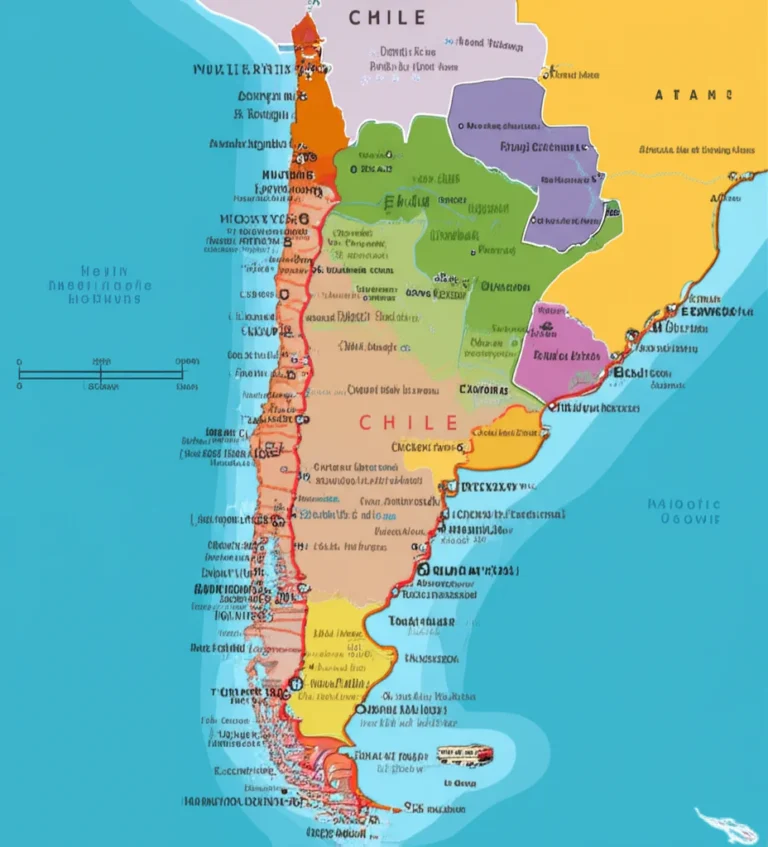
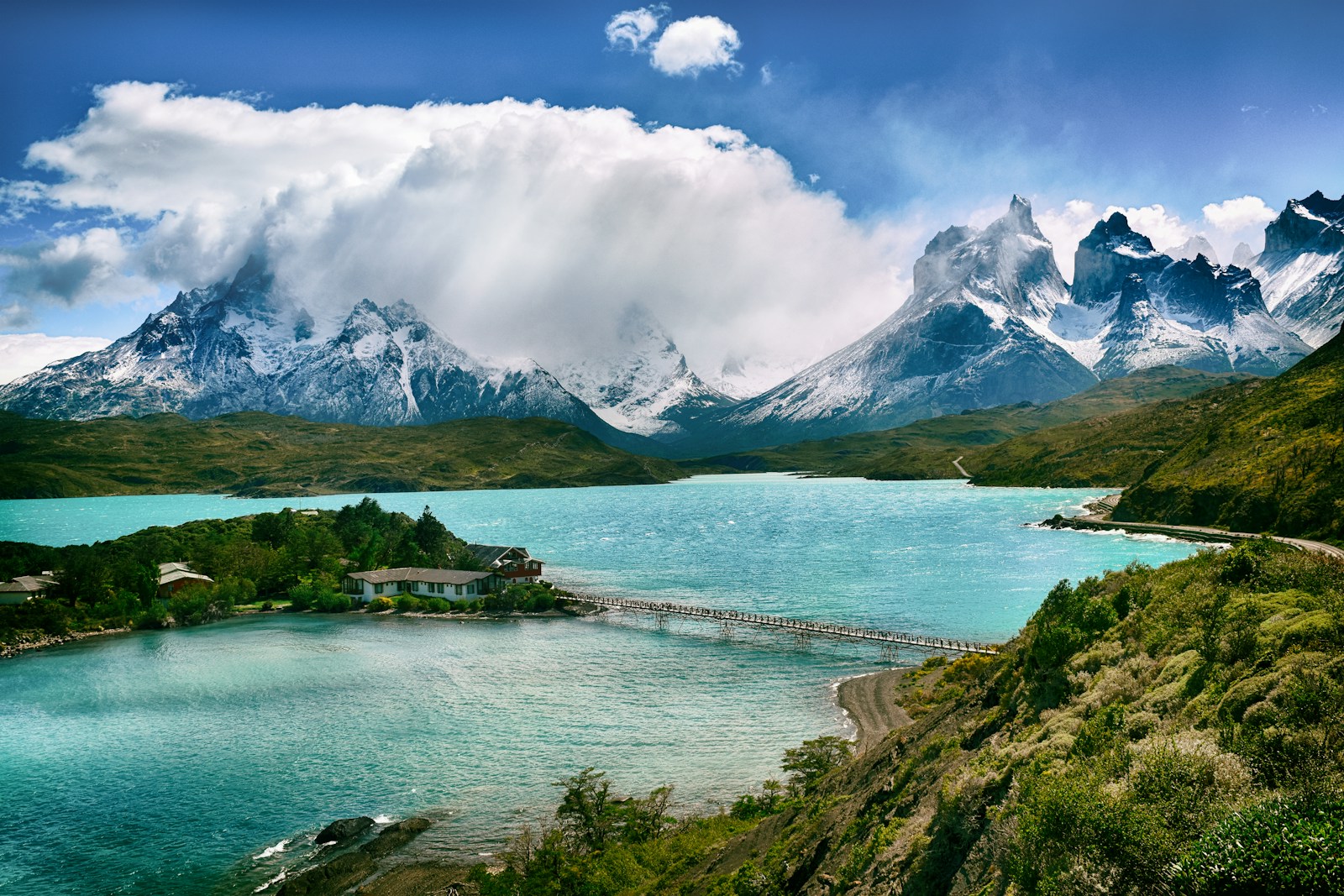
Chile’s geography explains the difference. This long, narrow country stretches from the Atacama Desert to windswept Patagonia, and reaching those spectacular places can cost as much as the experience itself. The good news? With the right route, season, and booking strategy, you can spend more on unforgettable landscapes and less on avoidable logistics.
✅ Key Takeaways
- Typical comfortable budget: Plan for approximately $70–$140 person per day, excluding international flights.
- Shoestring travel: Backpackers may spend around $40–$70 daily using hostels, buses, markets, and free attractions.
- One-week vacation: A realistic in-country budget is roughly $490–$980 person for a mid-range trip.
- Patagonia costs more: Torres del Paine involves park fees, limited lodging, trekking meals, gear, and regional transport.
- Atacama is activity-heavy: San Pedro de Atacama accommodation may be manageable, but desert tours and transfers quickly increase spending.
- Santiago offers better value: Public transport, markets, museums, and neighborhood restaurants help keep daily costs under control.
- Easter Island requires extra planning: Flights, limited accommodation, park access, and local transport make Rapa Nui one of Chile’s costlier destinations.
- Shoulder season can save money: Autumn and spring often offer better availability and value, though some remote services operate seasonally.
- Book remote destinations early: Patagonia camps, refugios, domestic flights, and popular tours can sell out and leave expensive alternatives.
- Keep an emergency buffer: Weather delays, ferry changes, gear rental, and extra nights are genuine possibilities in Chile’s remote regions.
Table of Contents
- ⚡️ Quick Tips and Facts: What Does a Chile Vacation Typically Cost?
- Average Daily Travel Budget in Chile at a Glance
- Budget, Mid-Range, and Luxury Chile Vacation Costs
- What Makes Chile More or Less Expensive?
- 🌎 Chile Travel Costs: Background, Currency, and Seasonal Pricing
- Chile’s Currency, Exchange Rates, and Payment Methods
- High Season, Shoulder Season, and Low Season in Chile
- Regional Price Differences From Santiago to Patagonia
- 🧳 What’s Included in a Typical Chile Vacation Budget?
- Essential Chile Vacation Expenses
- Extra Costs Travelers Often Forget
- Sample Budgets for Solo Travelers, Couples, and Families
- 💰 15 Chile Vacation Cost Scenarios by Trip Style and Destination
- 1. Backpacking Chile on a Shoestring Budget
- 2. A Budget City Break in Santiago
- 3. A Mid-Range Santiago Vacation
- 4. A Luxury Santiago Getaway
- 5. Exploring Valparaíso and Viña del Mar
- 6. Visiting the Atacama Desert
- 7. Touring Chile’s Lake District
- 8. Traveling Through Chiloé Island
- 9. Exploring the Caretera Austral
- 10. Hiking in Torres del Paine National Park
- 11. Taking a Chilean Patagonia Cruise
- 12. Enjoying Chile’s Wine Valleys
- 13. Planning a Family-Friendly Chile Vacation
- 14. Organizing a Romantic Chile Honeymoon
- 15. Building a Two-Week Chile Itinerary
- ✈️ The Cost of Flights to Chile
- International Airfare to Santiago
- Domestic Flights to Patagonia, Atacama, and Easter Island
- How Far in Advance Should You Book Chile Flights?
- LATAM, Sky Airline, and JetSMART: What to Know
- Baggage Fees, Seat Selection, and Airport Transfers
- 🏨 The Cost of Accommodation in Chile
- Hostels and Budget Guesthouses
- Mid-Range Hotels and Boutique Stays
- Luxury Hotels, Lodges, and Eco-Camps
- Accommodation Costs in Santiago
- Accommodation Costs in San Pedro de Atacama
- Accommodation Costs in Puerto Varas and the Lake District
- Accommodation Costs in Puerto Natales and Torres del Paine
- How to Save Money on the Cost of Accommodation in Chile
- 🚌 The Cost of Transportation in Chile
- Public Transportation in Santiago
- Long-Distance Buses and Bus Companies
- Domestic Flights Versus Overnight Buses
- Rental Cars, Fuel, Tolls, and Parking
- Taxis, Rideshares, and Airport Transfers
- Ferries and Boat Transfers in Southern Chile
- Transportation Costs on Easter Island
- 🍽️ THE COST OF FOOD IN CHILE
- Breakfast, Lunch, and Dinner Budgets
- Street Food, Local Markets, and Empanadas
- Restaurants, Cafés, and Chilean Wine
- Grocery Shopping and Self-Catering
- Tipping Customs and Restaurant Service Charges
- Eating Affordably in Tourist Destinations
- 🏜️ The Cost of Activities and Entrance Fees in Chile
- Santiago Museums, Markets, and City Tours
- Atacama Desert Tours and Stargazing
- Tores del Paine Treking and Park Fees
- Wine-Tasting Tours in the Central Valley
- Volcanoes, Hot Springs, and Lake District Excursions
- Whale Watching, Kayaking, and Wildlife Tours
- Sking and Snowboarding in the Andes
- Easter Island Archaeological Sites and Guided Tours
- 🛡️ The Importance of Travel Insurance in Chile
- What Chile Travel Insurance Should Cover
- Adventure Sports, Treking, and Medical Evacuation
- Trip Cancellation, Delays, and Lost Baggage
- How Insurance Changes Your Overall Chile Vacation Cost
- 🗓️ HOW MUCH DOES IT COST TO TRAVEL IN CHILE?
- Three-Day Chile Vacation Budget
- One-Week Chile Vacation Budget
- Two-Week Chile Vacation Budget
- One-Month Chile Travel Budget
- Chile Vacation Cost Person and Per Day
- 📊 How Much Did You Think It Would Cost to Travel Around Chile?
- Where Travelers Commonly Underestimate Costs
- Where Travelers Can Spend Less Than Expected
- Our Realistic Chile Travel Budget Lessons
- 🧾 Chile Vacation Packages, Tours, and Independent Travel
- Are Chile Vacation Packages Worth the Cost?
- Independent Travel Versus Organized Tours
- What Chile Tour Packages Usually Include
- How to Compare Chile Travel Itineraries
- 💡 How to Save Money on a Chile Vacation
- Best Ways to Reduce Daily Travel Expenses
- Free and Low-Cost Things to Do in Chile
- When to Travel for Better Value
- Booking Strategies for Flights, Hotels, and Tours
- Avoiding Tourist Traps and Hidden Fees
- 📋 Building Your Own Chile Vacation Budget
- A Step-by-Step Chile Travel Budget Worksheet
- Daily Spending Categories to Track
- Emergency Funds and Unexpected Travel Costs
- Currency Conversion and International Card Fees
- ✅ Practical Chile Travel Tips Before You Book
- Visa, Entry, and Passport Considerations
- Safety, Health, and Altitude Advice
- Packing for Chile’s Extreme Climate Zones
- Internet Access, SIM Cards, and Connectivity
- Responsible Tourism and Sustainable Travel Costs
- 🏆 Conclusion
- 🔗 Recommended Links
- ❓ FAQ
- What is the typical cost of a Chile vacation?
- Is Chile expensive compared with other South American countries?
- How much money do I need per day in Chile?
- What is the cheapest month to visit Chile?
- How much does a one-week trip to Chile cost?
- How much does it cost to visit Patagonia in Chile?
- How much should I budget for food in Chile?
- Are credit cards widely accepted in Chile?
- Should I book a Chile vacation package or travel independently?
- 📚 Reference Links
⚡️ Quick Tips and Facts: What Does a Chile Vacation Typically Cost?
If you’re wondering “What is the typical cost of a Chile vacation?”, our practical answer is this: plan around $70–$110 person per day for a comfortable independent trip, excluding international flights. Backpackers can spend less, while Patagonia, Easter Island, luxury lodges, and private excursions can send the daily total climbing quickly.
At Chile Vacay™, we’ve learned that Chile rarely punishes careful planning, but it does charge handsomely for remoteness. Santiago can be surprisingly manageable; Torres del Paine can make your wallet stare dramatically into the distance.
Our quick planning figure:
- Budget traveler: roughly $40–$70 person per day
- Mid-range traveler: roughly $70–$140 person per day
- Luxury traveler: $180+ person per day
- International flights: budget separately
- Patagonia and Easter Island: allow a substantial regional supplement
These are planning ranges rather than fixed quotes. Chile’s exchange rate changes, accommodation availability fluctuates, and a trip built around buses and markets will look very different from one built around private transfers and glacier treks. The official Chile tourism service, SERNATUR, is useful for destination planning, while Chile Travel provides current regional information.
📌 Average Daily Travel Budget in Chile at a Glance
The clearest comparison comes from real traveler budgets. One detailed two-week December trip reported $71.60 person per day, including accommodation, transportation, activities, food, drinks, and miscellaneous costs, but excluding international airfare. Its author described the total as:
“Grand total spent in Chile: $71.60 person per day.”
That figure is a helpful mid-range baseline, not a universal Chile price tag. It included relatively economical buses, local food, free attractions, and accommodations that sometimes provided breakfast or kitchen access.
| Travel style | Typical daily spending person | Usually includes | Usually excludes |
|---|---|---|---|
| Shoestring backpacker | $40–$70 | Dorm bed, markets, buses, free attractions | International flights, major tours |
| Comfortable independent traveler | $70–$140 | Private room, restaurants, domestic transport, selected tours | Premium treks and luxury lodges |
| Adventure-focused traveler | $110–$220 | Patagonia, Atacama excursions, park logistics, gear | International flights and high-end lodging |
| Luxury traveler | $180–$400+ | Boutique hotels, private transfers, fine dining, guides | Special expedition costs |
| Easter Island traveler | $100–$250+ | Island lodging, car or tours, meals, park access | Flights from mainland Chile |
The World Bank’s Chile country profile provides useful economic context, but it is not a vacation-budget calculator. For actual trip planning, we trust recent traveler breakdowns plus current booking and transport searches more than a single old conversion rate.
💳 Budget, Mid-Range, and Luxury Chile Vacation Costs
Here’s how those travel styles look in real life:
| Expense category | Budget approach | Mid-range approach | Luxury approach |
|---|---|---|---|
| Lodging | Hostel dorm, guesthouse, simple cabin | Central hotel, boutique inn, private room | Luxury lodge, vineyard hotel, eco-camp |
| Food | Supermarkets, markets, completos, empanadas | Cafés, neighborhood restaurants, wine bars | Tasting menus, private dining, premium wine |
| Transport | Buses, metro, shared taxis | Mix of buses, flights, rideshares, rental cars | Private transfers, chartered services |
| Activities | Free walks, museums, self-guided hikes | Group tours and selected excursions | Private guides, heli-adventures, expedition cruises |
| Best for | Long trips and flexibility | First-time visitors | Special occasions and maximum comfort |
| Main drawback | More time and logistical effort | Costs rise in remote areas | Very high regional and seasonal costs |
A budget traveler might cook breakfast in a hostel kitchen, take a Turbus between cities, and explore Santiago on foot. A mid-range traveler might fly to Puerto Natales, stay in a private room, join a small-group Torres del Paine excursion, and enjoy dinner with Carménère. Both are experiencing Chile. They’re simply paying for different amounts of time, comfort, and convenience.
🧭 What Makes Chile More or Less Expensive?
Six factors drive most Chile vacation costs:
- Distance: Chile stretches more than 4,000 kilometers from north to south. Reaching remote places costs money, time, or both.
- Season: December through February is popular for Patagonia; January and February are also busy in beach destinations.
- Region: Santiago is generally easier to budget than San Pedro de Atacama, Torres del Paine, or Easter Island.
- Transport choices: A long-distance bus may save money but take many more hours than a domestic flight.
- Tour intensity: A city break with free museums costs far less than a week of guided desert and glacier excursions.
- Booking timing: Limited park lodging and popular trekking routes can force travelers into expensive alternatives when booked late.
The first video’s Patagonia comparison makes the point bluntly: Chilean Patagonia is more polished, organized, and expensive, while Argentine Patagonia is often more flexible and budget-friendly. That comparison is useful, but not absolute. Chile’s infrastructure, national parks, and organized logistics can justify some of the premium; Argentina may offer cheaper independent hiking but different transport and currency complications.
We’ll return to this Patagonia trade-off when we compare destinations and build sample itineraries. For now, remember the rule that saved us from a nasty budget surprise: the farther you travel from Chile’s central corridor, the more valuable advance planning becomes.
🌎 Chile Travel Costs: Background, Currency, and Seasonal Pricing

Chile is often described as one of South America’s more expensive destinations, alongside Argentina. That reputation is partly deserved, especially in remote tourism hubs, but it needs nuance.
A traveler staying in Santiago, eating at local markets, and using the metro may find Chile very reasonable. Someone visiting San Pedro de Atacama, flying south to Puerto Natales, staying beside Torres del Paine, and booking daily excursions will encounter a completely different cost structure.
Our guides to Chile’s destinations break down those regional differences in more detail.
🇨🇱 Chile’s Currency, Exchange Rates, and Payment Methods
Chile uses the Chilean peso, written as CLP. Exchange rates move constantly, so historical articles that convert pesos into U.S. dollars should be treated as snapshots, not current quotes.
A few practical rules:
- Check the current rate through the Banco Central de Chile or a reputable currency service before departure.
- Carry a small amount of cash for markets, rural buses, lockers, tips, and small cafés.
- Use a card with no foreign transaction fee whenever possible.
- Visa and Mastercard are widely accepted in cities and established hotels.
- Remote destinations, ferries, small vendors, and rural guesthouses may still prefer cash.
- Tell your bank that you’re traveling, and carry two separate cards.
Chile has a useful tax detail for some foreign visitors: eligible tourists may receive an exemption from VAT on certain hotel services when paying with an internationally issued card or qualifying foreign currency, subject to current rules and documentation. Check the Servicio de Impuestos Internos and ask the property directly before assuming the tax will disappear from your bill.
Our card-and-cash routine: one card in the day bag, one hidden backup card, and a modest emergency cash reserve. Losing your only card beside the Atacama salt flats is a very expensive way to admire the horizon.
📅 High Season, Shoulder Season, and Low Season in Chile
Chile spans several climate zones, so “high season” depends on where you’re going.
| Region | Busiest period | Shoulder periods | Budget considerations |
|---|---|---|---|
| Santiago and central Chile | December–February | March–May, September–November | Weekdays and shoulder months can offer better value |
| Valparaíso and Viña del Mar | Summer, especially weekends | Autumn and spring | Beach-area accommodation rises during holidays |
| Atacama Desert | Year-round, with popular holiday periods | Spring and autumn | Tours may sell out during holidays |
| Lake District | December–February | November and March–April | Rental cars and cabins become scarce in summer |
| Torres del Paine | October–April | October–November, March–April | Trek permits, camps, and lodging require early planning |
| Ski resorts near Santiago | June–September | Early June and late September | Snow conditions affect both availability and value |
| Easter Island | Holiday periods and local festivals | Many dates outside major events | Flights and limited accommodation shape the budget |
A detailed traveler budget from Never Ending Footsteps was based on December high-season travel and still averaged approximately $71.60 person per day. The same author expected late September–November and March–May to be more economical.
That makes shoulder season attractive, but don’t treat it as a magic discount button. Some Patagonia services operate on reduced schedules outside summer, and mountain weather can close trails or disrupt transfers. The cheaper month is only cheaper if the experiences you want are actually running.
🗺️ Regional Price Differences From Santiago to Patagonia
| Destination | Cost profile | Why it costs that way |
|---|---|---|
| Santiago | Moderate | Strong public transport, broad accommodation choice, supermarkets |
| Valparaíso | Moderate | Walkable attractions, but waterfront lodging can be seasonal |
| La Serena and Elqui Valley | Moderate | Accessible buses, varied guesthouses, affordable local food |
| Pucón | Moderate to high | Adventure activities, summer demand, ski season |
| Puerto Varas | Moderate to high | Scenic lodging, rental cars, excursions |
| San Pedro de Atacama | High | Remote supply chain, guided tours, premium desert lodging |
| Puerto Natales | High in peak season | Gateway to Torres del Paine, limited rooms and services |
| Torres del Paine | High to very high | Park logistics, remote lodging, trekking demand |
| Easter Island | High | Airfare, isolation, limited inventory and imported goods |
We once watched a “cheap” southern itinerary become expensive by the third transfer: one flight, one airport shuttle, one remote lodge, and suddenly the supposedly economical route was wearing a tuxedo. Chile’s cost is often determined by logistics, not luxury.
🧳 What’s Included in a Typical Chile Vacation Budget?
A realistic budget starts by separating costs you can control from costs dictated by geography.
🧾 Essential Chile Vacation Expenses
Most travelers should create these budget lines:
- International flights
- Domestic flights or long-distance buses
- Accommodation
- Meals and drinks
- Tours and entrance fees
- Local transport
- Travel insurance
- Visa or entry-related costs, if applicable
- SIM card or eSIM
- Laundry
- Tips
- Outdoor equipment rental
- Emergency reserve
The two biggest mistakes we see are forgeting regional transport and underestimating activities. Travelers often calculate a cheap hostel and cheap meals, then add Atacama tours, Patagonia transfers, and park lodging as an afterthought. The afterthought is usually where the budget develops a dramatic plot twist.
🧮 Extra Costs Travelers Often Forget
| Often-forgoten expense | Why it matters |
|---|---|
| Airport transfer | Santiago airport is outside the central city |
| Checked baggage | Domestic low-cost fares may charge separately |
| Park reservation | Popular campsites and lodges can sell out |
| Treking meals | Remote routes may require prepaid food packages |
| Gear rental | Sleeping bags, trekking poles, and waterproof layers add up |
| Laundry | Long itineraries and outdoor activities make it unavoidable |
| Card fees | Foreign transaction and cash withdrawal fees compound |
| Weather delays | Extra nights may be necessary in mountain regions |
| Tips | Guides, drivers, and restaurant staff may expect gratuities |
| Drinking water | Safe access varies by route and region |
| Connectivity | Remote areas may need an eSIM plus Wi-Fi backup |
👥 Sample Budgets for Solo Travelers, Couples, and Families
Traveling together does not simply double every expense. Couples can share a room and rental car, while solo travelers often absorb the full cost of a private room or transfer.
| Traveler type | Best savings opportunity | Common budget pressure |
|---|---|---|
| Solo traveler | Dorms, buses, group tours | Private rooms and single supplements |
| Couple | Shared room, car, transfers | Double tour fees and peak-season lodging |
| Family | Apartment kitchens, family rooms | Domestic flights, larger vehicles, child-friendly excursions |
| Group of friends | Shared cabins and rental vehicles | Coordinating schedules and deposits |
For families, apartments through providers such as Booking.com or serviced apartments can reduce restaurant spending. For solo travelers, a well-reviewed hostel such as Hostelworld’s Chile listings can make both the budget and the social side of the trip easier.
💰 15 Chile Vacation Cost Scenarios by Trip Style and Destination
These scenarios show how the same country produces wildly different budgets. The ranges exclude international flights and avoid specific prices because airfare, exchange rates, and availability change constantly.
1. Backpacking Chile on a Shoestring Budget
A shoestring traveler can make Chile work by combining:
- Hostel dorms
- Overnight buses
- Supermarket breakfasts
- Markets and bakeries
- Free city walks
- Self-guided hikes
- Fewer domestic flights
- Shoulder-season travel
The approach works best along the central corridor: Santiago, Valparaíso, La Serena, and parts of the Lake District. It becomes harder in Patagonia and Easter Island, where transport and supplies cost more.
Pros: long travel time, local interaction, flexibility.
Cons: slower journeys, less privacy, more weather exposure, and fewer spontaneous options in remote areas.
The Chilean Ministry of Foreign Affairs is worth checking for current entry information before committing to a long overland route.
2. A Budget City Break in Santiago
Santiago is one of the easiest places in Chile to control spending.
A sensible budget itinerary includes:
- Metro and walking rather than frequent taxis
- Free viewpoints and neighborhood walks
- Markets such as Mercado Central and La Vega
- Affordable lunch menus
- A hostel or simple hotel near a metro station
- One paid attraction, such as the Sky Costanera or a cable-car ride
Our favorite budget trick is choosing accommodation near public transport rather than chasing the cheapest room in an isolated neighborhood. A slightly higher nightly rate can save money on transfers and time.
For attractions and culture, browse our Cultural Experiences guide.
3. A Mid-Range Santiago Vacation
A comfortable Santiago trip usually adds:
- A private room in Providencia, Lastarria, or Bellavista
- Rideshares after dark
- Neighborhood restaurants
- A day trip to a vineyard or Valparaíso
- Museum admissions and guided walks
- A few bottles of Chilean wine
The Santiago Metro is clean, extensive, and useful for reducing local transportation costs. Use normal urban awareness in crowded areas, especially around busy stations and tourist zones.
4. A Luxury Santiago Getaway
Luxury in Santiago often centers on:
- Design hotels in Las Condes or Vitacura
- Restaurant reservations
- Private vineyard transfers
- Spa treatments
- Fine-dining tasting menus
- Premium wine experiences
The advantage is convenience. The drawback is that it’s easy to spend heavily without seeing much beyond polished neighborhoods. We’d rather pair two luxurious Santiago nights with a smaller vineyard or mountain stay than spend the entire trip inside an international hotel bubble.
5. Exploring Valparaíso and Viña del Mar
These neighboring coastal cities suit different budgets:
- Valparaíso: colorful hills, street art, historic elevators, bohemian cafés
- Viña del Mar: beaches, resorts, manicured parks, and a more polished feel
Buses from Santiago make the area accessible without a rental car. Free activities include walking Cerro Alegre and Cerro Concepción, admiring murals, and relaxing along the coast.
Costs rise during summer weekends and festivals. Book early if you want an ocean-view room, but consider staying inland or near a transit connection for better value.
6. Visiting the Atacama Desert
San Pedro de Atacama is one of Chile’s clearest examples of moderate daily costs plus expensive activities.
Typical expenses include:
- Flights or long-distance buses to the region
- Accommodation
- Transfers from Calama Airport
- Moon Valley excursions
- Geyser and high-altitude lagoon tours
- Stargazing
- Meals and water
- Warm layers for cold desert nights
A traveler can save by comparing group tours locally, staying near the center, sharing transfers, and choosing only the experiences that matter most. However, the cheapest tour is not automatically the best. Check vehicle condition, guide credentials, altitude planning, pickup times, and recent reviews.
Atacama’s landscape belongs in our Adventure Travel collection, but high-altitude excursions deserve respect. The CDC’s travel health advice is a useful pre-trip reference.
7. Touring Chile’s Lake District
Puerto Varas, Frutillar, Puerto Mont, and Chiloé offer a good middle ground between urban travel and full expedition mode.
Budget-friendly choices include:
- Buses between towns
- Guesthouses with kitchens
- Shared excursions
- Self-guided waterfront walks
- Local bakeries and seafood markets
- A rental car shared among several travelers
The rental-car option is particularly useful for volcano viewpoints, lakes, and small villages, but always check road conditions and insurance. Compare reputable providers through Rentalcars.com and read the excess and gravel-road restrictions carefully.
8. Traveling Through Chiloé Island
Chiloé rewards travelers who slow down. Its palafitos, wooden churches, seafood, markets, and mythology create a very different cultural rhythm.
Costs can be controlled with:
- Buses rather than private transfers
- Family-run guesthouses
- Cabins with kitchens
- Local markets
- Shared ferries
- A short rental car only for remote areas
Expect higher grocery prices in isolated places, and build in weather flexibility. The island’s appeal is not a checklist of attractions; it’s the smell of woodsmoke, the sound of rain on a cabin roof, and an unexpectedly excellent bowl of seafood stew.
9. Exploring the Caretera Austral
The Caretera Austral is spectacular and logistically demanding. Costs depend heavily on whether you:
- Rent a car
- Use buses and ferries
- Camp
- Stay in lodges
- Travel independently
- Join a guided route
Camping can reduce accommodation costs, but only if you already own suitable equipment or can rent reliably. A rental car shared by three or four people may be economical per traveler, but fuel, ferry reservations, gravel-road driving, and one-way rental fees can change the calculation.
Our advice: budget for delays. Patagonia roads and weather do not care about your perfectly color-coded spreadsheet.
10. Hiking in Torres del Paine National Park
Tores del Paine is often the largest single component of a Chile trip budget.
Plan for:
- Transport to Puerto Natales
- Park entry
- Accommodation or campsites
- Treking meals
- Gear rental
- Transfers between trailheads
- Optional guides
- Extra nights for weather flexibility
The [official CONAF park information](https://www.parques nacionales.cl/) and Tores del Paine reservation information should be checked before booking. Reservation systems and operating conditions change.
The W Trek and O Circuit are not ideal places for budget improvisation. Limited campsites and refugios can sell out, forcing expensive last-minute alternatives outside the park.
Best value strategy: reserve early, carry only essential gear, compare campsite and refugio options, and avoid paying for services you genuinely don’t need.
11. Taking a Chilean Patagonia Cruise
Expedition cruises with operators such as Australis offer comfort and access to remote fjords, glaciers, and wildlife without arranging every land transfer.
They can be good value for travelers who prioritize:
- Remote landscapes
- Guided shore excursions
- Full-board meals
- Minimal logistics
- A once-in-a-lifetime experience
They are poor value for travelers who prefer:
- Independent hiking
- Flexible schedules
- Long stays in local communities
- Low daily spending
The cruise fare is only part of the budget. Add flights, pre-cruise lodging, transfers, insurance, gear, and optional drinks or excursions.
12. Enjoying Chile’s Wine Valleys
Wine tourism near Santiago can range from a self-guided bus-and-tasting day to a private vineyard experience.
Popular regions include:
- Maipo Valley
- Casablanca Valley
- Colchagua Valley
- Aconcagua Valley
A group tour can be cost-effective because transport and tastings are bundled. A private driver offers more flexibility but costs more. Serious wine travelers should compare tasting formats: some focus on scenery and lunch, while others emphasize rare vintages and cellar access.
Chile’s Wines of Chile organization provides regional background. We recommend sampling local grapes such as Carménère, Cabernet Sauvignon, Sauvignon Blanc, and País.
13. Planning a Family-Friendly Chile Vacation
Families often save by choosing:
- Apartment accommodation
- Kitchen access
- Private transfers for complicated airport days
- Fewer hotel changes
- Shorter travel segments
- Flexible outdoor activities
- Free parks and beaches
A family itinerary should not attempt Santiago, Atacama, Patagonia, Easter Island, and Chiloé in one heroic sweep. Children may love the landscapes, but they generally do not love the sixth airport transfer.
The best family balance is often Santiago plus one major region, or Santiago plus the Lake District, with enough rest days.
14. Organizing a Romantic Chile Honeymoon
Chile works beautifully for honeymoons because you can combine:
- Wine valleys
- Desert stargazing
- Hot springs
- Boutique hotels
- Glacier landscapes
- Coastal sunsets
- Private dining
Couples should decide where to spend for maximum emotional payoff. A private Atacama stargazing experience or a vineyard lodge may be more memorable than upgrading every hotel.
Our honeymoon budgeting formula: splurge on two signature experiences, stay comfortable elsewhere, and protect a buffer for weather-related changes.
15. Building a Two-Week Chile Itinerary
A two-week trip can cover a lot, but not everything. Consider one of these structures:
| Itinerary | Strength | Cost tendency |
|---|---|---|
| Santiago + Valparaíso + wine country | Culture, food, easy logistics | Lower to moderate |
| Santiago + Atacama | Urban life plus desert | Moderate to high |
| Santiago + Lake District | Food, lakes, volcanoes | Moderate |
| Santiago + Patagonia | Iconic landscapes | High |
| Atacama + Patagonia | Extreme geographic contrast | High due to flights |
| Easter Island + Santiago | Culture and archaeology | High due to airfare |
If Patagonia is the priority, give it enough days to justify the transport. Flying south for two nights is usually an expensive introduction rather than a satisfying visit.
✈️ The Cost of Flights to Chile
International airfare can be the largest single line in a Chile vacation budget, particularly for travelers coming from Europe, Asia, Oceania, or South Africa.
🌐 International Airfare to Santiago
Flight prices depend on:
- Departure city
- Season
- Number of connections
- Baggage
- Flexibility
- Booking lead time
- Airline competition
Use Google Flights, Skyscanner, and airline websites to compare. A traveler summary cited booking two to three months ahead for a long-haul India–Santiago itinerary, but that is not a guarantee for every route.
The most useful strategy is to search a date range rather than one exact date. Also compare Santiago with nearby South American gateways only if the savings justify an extra border crossing or separate-ticket risk.
🛫 Domestic Flights to Patagonia, Atacama, and Easter Island
Domestic flights are often the sensible choice because Chile is so long. Main operators include:
Common routes include:
- Santiago to Calama for San Pedro de Atacama
- Santiago to Puerto Mont for the Lake District
- Santiago to Punta Arenas or Puerto Natales for Patagonia
- Santiago to Rapa Nui for Easter Island
Low-cost fares can look attractive until baggage, seat selection, and schedule limitations appear. Always compare the total fare, not the headline number.
🗓️ How Far in Advance Should You Book Chile Flights?
Our general approach:
- Monitor international flights several months ahead.
- Book when the fare fits your route and dates rather than waiting for a mythical perfect deal.
- Reserve domestic Patagonia flights early for peak season.
- Check baggage allowances before choosing a fare.
- Leave a buffer between international and domestic tickets.
- Avoid separate-ticket connections with no overnight contingency.
Peak-season Patagonia flights and Easter Island seats deserve earlier attention than flexible Santiago weekends.
🧳 LATAM, Sky Airline, and JetSMART: What to Know
| Airline | Strength | Watch out for |
|---|---|---|
| LATAM | Broad network and frequent routes | Fare families and baggage rules |
| Sky Airline | Competitive domestic network | Extras may increase the final fare |
| JetSMART | Low headline fares | Strict add-on and baggage policies |
Traveler reviews vary by route and expectations. A passenger who packs light may love a low-cost fare; someone carrying trekking equipment may prefer a more inclusive ticket.
🎒 Baggage Fees, Seat Selection, and Airport Transfers
For a Chile itinerary involving hiking gear, consider the total cost of:
- Checked luggage
- Sports equipment
- Seat selection
- Airport transfers
- Storage during multi-region trips
- Laundry versus extra clothing
We’ve saved money by packing lighter, but Patagonia is not a place for a single thin hoodie and optimism. Layering is more efficient than carrying bulky outfits.
🏨 The Cost of Accommodation in Chile
Accommodation is often the largest daily expense. A recent traveler breakdown allocated approximately $39.60 person per day to lodging, while transportation averaged much less. That pattern is common: Chile’s buses may be reasonable, but a private room in a popular destination can dominate the budget.
🛏️ Hostels and Budget Guesthouses
Hostels range from basic dormitories to design properties with private rooms, kitchens, coworking spaces, and tour desks.
Look for:
- Recent cleanliness reviews
- Heating in southern Chile
- Hot water reliability in remote areas
- Kitchen access
- Breakfast inclusion
- Lockers
- Laundry
- Distance from the bus terminal
- Late check-in arrangements
Useful search platforms include Hostelworld and Booking.com Chile.
A budget property near the bus station can be more valuable than a cheaper property requiring repeated taxis. In San Pedro de Atacama, proximity tour pickup points and restaurants can save both time and transfer costs.
🏨 Mid-Range Hotels and Boutique Stays
Mid-range accommodation is where many Chile trips feel most comfortable. Expect features such as:
- Private bathrooms
- Reliable Wi-Fi
- Breakfast
- Heating or air conditioning
- Central locations
- Local design
- Staff assistance with transfers and tours
Santiago neighborhoods such as Providencia, Lastarria, and Bellavista offer different personalities. Providencia is convenient and polished; Lastarria is cultural and walkable; Bellavista is lively but requires normal city awareness.
🏕️ Luxury Hotels, Lodges, and Eco-Camps
Luxury accommodation in Chile often means location as much as thread count:
- Desert lodges with astronomy programs
- Vineyard hotels surrounded by vines
- Patagonia lodges facing mountains
- Eco-camps near Torres del Paine
- Design hotels on Easter Island
Brands and properties vary by region, but well-known luxury operators include Explora, Tierra Hotels, and Awasi.
The benefit is frictionless logistics. The drawback is that all-inclusive packages can make independent day trips difficult and often lock you into a higher overall spend.
🏙️ Accommodation Costs in Santiago
For better value:
- Stay near a metro station.
- Compare weekday and weekend rates.
- Consider an apartment with laundry.
- Check whether airport transfer is included.
- Avoid paying a premium for a view you won’t enjoy because of your itinerary.
🏜️ Accommodation Costs in San Pedro de Atacama
San Pedro’s accommodation costs reflect:
- Remote supply chains
- Constant tourism demand
- Water and energy constraints
- Tour convenience
- Seasonal occupancy
Hostels and guesthouses can be excellent value, particularly when they include breakfast, bicycle use, kitchens, or tour booking support.
🌲 Accommodation Costs in Puerto Varas and the Lake District
Puerto Varas offers hotels, hostels, apartments, and cabins. Cabins can reduce food costs for couples and families, particularly if you plan to explore by car.
Check:
- Parking
- Heating
- Road access
- Cancellation rules
- Distance from the waterfront
- Kitchen equipment
🏔️ Accommodation Costs in Puerto Natales and Torres del Paine
Puerto Natales has more flexible lodging than the park itself. Many travelers stay there before and after trekking to:
- Rent equipment
- Buy food
- Organize transfers
- Check weather
- Recover from the trail
Inside Torres del Paine, availability is limited. Use official park and concessionaire information rather than relying only on third-party listings.
💡 How to Save Money on the Cost of Accommodation in Chile
Try these methods:
- Travel in shoulder season.
- Book rooms with breakfast.
- Choose a kitchen when visiting remote regions.
- Share cabins or rental houses.
- Stay slightly outside the most famous viewpoint.
- Use loyalty programs selectively.
- Compare refundable and nonrefundable rates.
- Read recent reviews about heating and water, not only décor.
- Consider housesitting platforms such as TrustedHousesitters if your dates are flexible.
👉 CHECK PRICE on:
- Chile hotels: Booking.com | Expedia Chile hotels
- Chile hostels: Hostelworld
- Chile vacation rentals: Vrbo
🚌 The Cost of Transportation in Chile
Transportation can either keep Chile affordable or quietly consume the budget.
🚇 Public Transportation in Santiago
Santiago’s integrated public transport system includes metro and buses. Check current fares and operating information through Red Movilidad.
Use public transport for:
- Historic-center sightseeing
- Providencia
- Bellavista
- Lastarria
- Connecting to major bus terminals
- Reaching some airport-transfer points
Avoid displaying phones casually in crowded vehicles, and use official or reputable rideshare services when public transport is inconvenient.
🚌 Long-Distance Buses and Bus Companies
Long-distance buses are a major strength of Chilean travel. Operators include:
Seats often come in styles such as:
- Semi-cama: partially reclining
- Salón cama: more spacious and deeply reclining
A traveler summary praised Chilean buses as comfortable, air-conditioned, and affordable. We agree with the comfort assessment, with one caveat: a 20-hour bus is still a 20-hour bus, even if the seat reclines heroically.
✈️ Domestic Flights Versus Overnight Buses
Choose a bus when:
- The route is manageable overnight.
- You want to avoid airport transfers.
- Your schedule is flexible.
- Baggage rules make flying awkward.
Choose a flight when:
- You have limited vacation time.
- The bus journey consumes an entire day.
- You are connecting to Patagonia.
- Weather and tour schedules require reliability.
Calculate the full cost of a bus: seat, meals, terminal transfers, and lost sightseeing time. Sometimes the cheaper ticket is the more expensive vacation choice.
🚗 Rental Cars, Fuel, Tolls, and Parking
A rental car is useful in:
- The Lake District
- Elqui Valley
- Atacama’s independent routes
- Caretera Austral, with suitable planning
- Rural wine regions
It is less useful in central Santiago, where parking and traffic create unnecessary hassle.
Before signing, inspect:
- Insurance excess
- Gravel-road restrictions
- One-way fees
- Ferry arrangements
- Tire and windshield coverage
- Fuel policy
- Additional driver charges
👉 CHECK PRICE on:
- Chile rental cars: Rentalcars.com | Discover Cars Chile
- LATAM flights: LATAM Official Website
- Sky Airline flights: Sky Airline Official Website
- JetSMART flights: JetSMART Official Website
🚕 Taxis, Rideshares, and Airport Transfers
Use official airport taxis or prearranged transfers after arriving in Santiago. Avoid accepting unsolicited offers inside the terminal.
Rideshare availability varies by city. Check the app before departure and confirm the pickup location. In smaller destinations, taxis and colectivos may be more practical.
⛴️ Ferries and Boat Transfers in Southern Chile
Ferries are essential in parts of southern Chile. Schedules can change with weather, and vehicles may require advance reservations.
Consult Transporte Público Marítimo and local operators for current information. Build a buffer into any itinerary involving multiple ferries; southern weather enjoys rewriting timetables.
🛻 Transportation Costs on Easter Island
Rapa Nui travelers commonly choose among:
- Rental cars
- Guided tours
- Taxis
- Hotel transfers
- Bicycles for shorter distances
A rental car offers flexibility, but a guide can add valuable historical and cultural context. The Ma’u Henua Indigenous Community manages Rapa Nui National Park information and should be consulted for current access requirements.
🍽️ THE COST OF FOOD IN CHILE
Food costs range from remarkably manageable to eye-wateringly ambitious, depending on where you eat.
One detailed traveler account reported average food and drink spending of approximately $14.86 person per day, helped by included breakfasts, supermarkets, local stalls, and shared kitchens.
🍳 Breakfast, Lunch, and Dinner Budgets
| Meal style | Budget approach | Comfortable approach | Splurge approach |
|---|---|---|---|
| Breakfast | Bakery, fruit, yogurt, hostel kitchen | Café breakfast | Hotel buffet or specialty café |
| Lunch | Market menu, empanada, completo | Neighborhood restaurant | Winery lunch or seafood restaurant |
| Dinner | Groceries and simple takeaway | Sit-down local restaurant | Fine dining and wine pairing |
| Drinks | Water, supermarket beverages | Beer or local wine | Cocktails and premium bottles |
Look for menú del día offerings, especially at lunchtime. Portions and quality vary, but they are often better value than ordering à la carte in a tourist-heavy district.
🌭 Street Food, Local Markets, and Empanadas
Affordable Chilean staples include:
- Empanadas
- Completos
- Sopaipillas
- Humitas
- Cazuela
- Churrasco sandwiches
- Pastel de choclo
- Fresh seafood
- Chilote potatoes and curanto
Food markets can be economical, but hygiene standards vary. Choose busy stalls with high turnover, observe local practice, and avoid food that has been sitting lukewarm for mysterious lengths of time.
🍷 Restaurants, Cafés, and Chilean Wine
Chile’s restaurant scene ranges from casual neighborhood eateries to acclaimed fine dining. Wine is often excellent value in supermarkets and wine shops compared with imported bottles.
Try:
- Carménère
- Cabernet Sauvignon
- País
- Sauvignon Blanc
- Syrah
- Coastal Chardonnay
For responsible wine travel, consult Wines of Chile and consider visiting smaller producers rather than only famous estates.
🛒 Grocery Shopping and Self-Catering
Supermarkets such as Jumbo, Lider, and Unimarc make self-catering practical in cities.
A simple grocery strategy:
- Buy breakfast supplies and snacks in Santiago.
- Refill before entering remote regions.
- Choose shelf-stable items for bus journeys.
- Buy local produce when possible.
- Confirm whether your accommodation has cookware, refrigeration, and utensils.
Prices generally rise on islands and in remote southern and northern destinations because of transport costs.
🍽️ Tipping Customs and Restaurant Service Charges
Restaurants may add a suggested 10% tip, often called a voluntary gratuity. Check the bill and decide based on service. Tipping practices can vary by setting, so ask if uncertain.
Do not confuse a suggested gratuity with a mandatory service fee. If the bill is unclear, ask politely.
🥟 Eating Affordably in Tourist Destinations
To control food costs:
- Eat lunch away from the main viewpoint.
- Ask accommodation staff where locals eat.
- Carry snacks on tours.
- Refill water safely where possible.
- Avoid buying every meal inside a national park or remote lodge.
- Share larger dishes where appropriate.
- Reserve expensive dining for one memorable evening.
🏜️ The Cost of Activities and Entrance Fees in Chile
Activities are where travelers disagree most about Chile’s value. One traveler’s two-week breakdown averaged roughly $11.49 person per day for activities, thanks to free city attractions and a modest number of paid tours. Another itinerary focused on volcanoes, glaciers, and multi-day desert excursions would be far higher.
🏙️ Santiago Museums, Markets, and City Tours
Santiago offers many low-cost experiences:
- Plaza de Armas
- Street art and neighborhood walks
- Mercado Central
- La Vega market
- Museum visits
- Cerro San Cristóbal
- Metropolitan Park
- Cultural centers
- Free walking tours, where tipping is customary
The Museo de la Memoria y los Derechos Humanos is a powerful, often low-cost cultural stop. Travelers should allow time for its exhibits rather than rushing through as another checkbox.
🌌 Atacama Desert Tours and Stargazing
Common excursions include:
- Valle de la Luna
- Valle de la Muerte
- El Tatio Geysers
- Altiplano lagons
- Piedras Rojas
- Salt flats
- Thermal pools
- Stargazing
Compare:
- Group size
- Pickup location
- Meal inclusion
- Altitude
- Vehicle quality
- Guide language
- Time spent at each stop
- Refund rules for weather
For astronomy, Chile is home to major observatories such as ESO’s Paranal Observatory and ALMA. Tourist stargazing programs are not the same as professional observatory access, but the dry desert skies can still produce unforgettable nights.
🥾 Torres del Paine Treking and Park Fees
The cost of a Torres del Paine trek includes more than park admission. Add:
- Bus to the park
- Catamaran or shuttle logistics
- Campsite or refugio
- Food
- Gear
- Guide, if desired
- Puerto Natales accommodation
- Weather buffer
Check current policies through CONAF and the park’s official visitor information. Trail conditions and reservations change, so old blog figures can mislead.
🍇 Wine-Tasting Tours in the Central Valley
Wine tours vary from:
- One vineyard and a short tasting
- Full-day group tours
- Bicycle tours
- Private drivers
- Multi-course winery lunches
- Premium cellar experiences
For value, compare what is included. “Wine tour” can mean two tastings and transport, or it can mean a full day of food, history, and cellar access.
🌋 Volcanoes, Hot Springs, and Lake District Excursions
Popular activities include:
- Villarrica Volcano trekking
- Hot springs near Pucón
- Waterfalls
- Rafting
- Kayaking
- Horseback riding
- Lake cruises
- Scenic drives
Volcano ascents require guides, equipment, and suitable weather. Do not economize by ignoring safety requirements. Review recommendations from SERNATUR and local operators.
🐋 Whale Watching, Kayaking, and Wildlife Tours
Wildlife excursions can be worthwhile when they support trained guides and responsible viewing. Ask operators about:
- Group sizes
- Wildlife-distancing policies
- Weather cancellation rules
- Safety equipment
- Local conservation contributions
- Guide qualifications
The International Union for Conservation of Nature provides broader conservation guidance, though local operators remain the best source for current conditions.
⛷️ Sking and Snowboarding in the Andes
Ski resorts near Santiago, such as Vale Nevado, El Colorado, and La Parva, can be visited as day trips or multi-day stays.
Budget for:
- Resort transport
- Lift access
- Equipment rental
- Lessons
- Food
- Accommodation, if staying overnight
A city-based ski day can be more economical than a resort stay, but road and weather conditions matter.
🗿 Easter Island Archaeological Sites and Guided Tours
Easter Island, or Rapa Nui, is not a casual low-cost add-on. Flights, limited accommodation, local transport, and park access make it a significant budget commitment.
The Rapa Nui National Park contains major archaeological sites, and visitors should follow current access rules and guide requirements. A guide adds cost but can transform silent stone platforms into a living cultural landscape.
🛡️ The Importance of Travel Insurance in Chile
Travel insurance is especially valuable for Chile because the itinerary may involve:
- Remote hiking
- High altitude
- Rental cars
- Delayed flights
- Ferry cancellations
- Medical evacuation
- Expensive park logistics
- Lost trekking equipment
The U.S. Department of State travel information for Chile and UK government travel advice provide current safety and health context.
🏥 What Chile Travel Insurance Should Cover
Look for:
- Emergency medical care
- Hospital treatment
- Medical evacuation
- Repatriation
- Trip interruption
- Delays
- Lost or stolen baggage
- Rental-car excess, if needed
- Hiking and adventure activities
- Pre-existing-condition rules
A policy that excludes trekking above a certain altitude is not useful for a Patagonia or Atacama itinerary.
🧗 Adventure Sports, Treking, and Medical Evacuation
Read the exclusions carefully for:
- Glacier trekking
- Sking
- Snowboarding
- Volcano climbing
- White-water rafting
- Scuba diving
- Mountain biking
- High-altitude excursions
You may need an adventure add-on. Keep receipts and follow the operator’s safety instructions, as insurers can reject claims connected to prohibited activities.
🧳 Trip Cancellation, Delays, and Lost Baggage
Weather disruptions are not hypothetical in southern Chile. Insurance may help with covered costs, but policies differ on:
- Natural disasters
- Airline strikes
- Pre-existing conditions
- Missed connections
- Self-booked separate tickets
- Accommodation booked with points
- Government travel advisories
🧮 How Insurance Changes Your Overall Chile Vacation Cost
Insurance is usually a small percentage of the total trip budget, but the protection can be disproportionate. A traveler summary praised SafetyWing for flexible coverage, but no single insurer suits everyone.
Compare policies through providers such as:
Do not buy on brand recognition alone. Read the wording for your exact activities and destinations.
🗓️ HOW MUCH DOES IT COST TO TRAVEL IN CHILE?
The most useful answer depends on trip length, region, and comfort level. Here are practical planning ranges excluding international flights:
| Trip length | Budget style | Mid-range style | Luxury or activity-heavy style |
|---|---|---|---|
| Three days | $120–$210 person | $210–$420 person | $540+ person |
| One week | $280–$490 person | $490–$980 person | $1,260+ person |
| Two weeks | $560–$980 person | $980–$1,960 person | $2,520+ person |
| One month | $1,200–$2,100 person | $2,100–$4,200 person | $5,400+ person |
These ranges are broad because a two-week Santiago-and-Valparaíso trip is not financially comparable to a two-week Patagonia expedition.
🗓️ Three-Day Chile Vacation Budget
A short trip works best in one compact region.
Santiago-focused plan:
- Accommodation near a metro station
- Airport transfer
- Two days of city sightseeing
- One paid viewpoint or museum
- One restaurant splurge
- Public transport and occasional rideshare
A three-day Patagonia trip is possible, but flights and transfers may consume much of the experience. We recommend Santiago, Valparaíso, or a focused wine-country visit for a short break.
📆 One-Week Chile Vacation Budget
Good one-week options include:
- Santiago and Valparaíso
- Santiago and a wine valley
- Puerto Varas and the Lake District
- San Pedro de Atacama with selected tours
- Puerto Natales with a day in Torres del Paine
Avoid adding three distant regions. Chile will not shrink because your vacation calendar is enthusiastic.
🗺️ Two-Week Chile Vacation Budget
Two weeks allow a meaningful regional combination:
- Santiago plus Atacama
- Santiago plus Patagonia
- Santiago plus Lake District and Chiloé
- Atacama plus Patagonia for travelers comfortable with higher transport costs
A two-week independent traveler’s reported average of approximately $71.60 person per day is a useful benchmark, but current Patagonia and Easter Island trips may exceed it significantly.
🌎 One-Month Chile Travel Budget
Long trips benefit from:
- Monthly apartment stays
- Overnight buses
- Cooking
- Slow travel
- Fewer domestic flights
- Volunteer or housesitting arrangements, where legally appropriate
- Shoulder-season timing
A month allows you to spread expensive transport over more days, which often makes the daily average more reasonable.
👤 Chile Vacation Cost Person and Per Day
Use this formula:
Total trip cost ÷ number of travelers ÷ number of days = daily cost person
Then calculate a second figure including international flights. Keeping both totals separate helps answer two different questions:
- How expensive is it to be in Chile?
- How expensive is it to reach Chile from home?
📊 How Much Did You Think It Would Cost to Travel Around Chile?
This is where many travelers discover that their expectations were built around the wrong destination.
🤔 Where Travelers Commonly Underestimate Costs
The biggest underestimates usually involve:
- Domestic flights
- Torres del Paine lodging
- Atacama tour bundles
- Easter Island airfare
- Rental-car insurance
- Gear rental
- Airport transfers
- Meals in remote parks
- Weather-related extra nights
The phrase “Chile is affordable” may be true for buses, markets, and city attractions, but not necessarily for a remote lodge beside a glacier.
✅ Where Travelers Can Spend Less Than Expected
Savings are possible with:
- Santiago’s metro
- Long-distance buses
- Supermarket wine
- Local bakeries
- Free museums and parks
- Shared rooms
- Hostel kitchens
- Shoulder-season travel
- Self-guided city walks
- Carefully selected group tours
A budget traveler summary found that local food, buses, and free attractions were the foundation of a relatively moderate two-week trip.
🧠 Our Realistic Chile Travel Budget Lessons
Our most reliable lessons are:
- Choose regions before choosing hotels.
- Count transport days honestly.
- Reserve limited-capacity Patagonia logistics early.
- Do not cut travel insurance to fund one more excursion.
- Spend on experiences that are difficult to replicate.
- Leave space for weather and exhaustion.
The trip that looked cheapest on paper often became less enjoyable because it required constant transfers and rushed decisions. The best value is not always the lowest total; it is the strongest experience per hour and per dollar.
🧾 Chile Vacation Packages, Tours, and Independent Travel
A package can simplify a complex country, but independence can save money and increase flexibility.
📦 Are Chile Vacation Packages Worth the Cost?
Packages can be worthwhile when they include:
- Domestic flights
- Airport transfers
- Hotel coordination
- Park access
- Guides
- Meals in remote areas
- Emergency support
They may be poor value when they bundle:
- Activities you would not choose
- High-end hotels in every city
- Private transfers where buses work
- Rigid schedules
- Large commissions
- Nonrefundable arrangements
Review Expedia’s Chile Vacation Packages 2026 as a comparison point, but verify what any advertised package includes. Search-result headlines such as “from” figures do not represent the final cost for every departure date, traveler count, baggage requirement, or destination.
🧭 Independent Travel Versus Organized Tours
| Travel style | Advantages | Drawbacks |
|---|---|---|
| Independent | Flexible, often cheaper, local pace | More research and logistics |
| Small-group tour | Easier transfers, social, guided context | Less flexibility |
| Private tour | Personalized, efficient, comfortable | Highest cost |
| Package | Coordinated and simple | May include unwanted services |
The sweet spot for many first-time visitors is a hybrid trip: independent Santiago and Valparaíso, organized Atacama excursions, and carefully reserved Patagonia logistics.
🧳 What Chile Tour Packages Usually Include
Check whether the package includes:
- Domestic luggage
- Park fees
- Meals
- Airport transfers
- Guide language
- Internal flights
- Ferry tickets
- Hotel taxes
- Travel insurance
- Treking gear
- Cancellation coverage
If the itinerary says “Patagonia experience” without naming the park, lodge, transfers, or trail, ask questions before paying.
🔍 How to Compare Chile Travel Itineraries
Use this checklist:
- Mark every included service.
- Identify every excluded meal and transfer.
- Calculate free time.
- Check cancellation deadlines.
- Confirm luggage rules.
- Verify internal flight times.
- Read recent reviews.
- Compare the same hotel category.
- Check guide credentials.
- Add insurance and contingency funds.
💡 How to Save Money on a Chile Vacation
Chile rewards travelers who plan strategically rather than simply traveling cheaply.
📉 Best Ways to Reduce Daily Travel Expenses
- Use the metro in Santiago.
- Take long-distance buses on suitable routes.
- Book accommodation with breakfast.
- Cook one meal daily.
- Carry snacks on tours.
- Travel in shoulder season.
- Share rental cars and transfers.
- Book Patagonia services early.
- Compare group-tour inclusions.
- Stay longer in fewer regions.
🆓 Free and Low-Cost Things to Do in Chile
Examples include:
- Santiago neighborhood walks
- Metropolitan Park
- Street art in Valparaíso
- Viña del Mar beaches
- La Serena’s waterfront
- Local markets
- Public plazas
- Selected museums
- Scenic viewpoints
- Self-guided walks in smaller towns
Free does not mean low-value. Some of our favorite Chile memories involved no ticket at all: a rainy Valparaíso afternoon, a market lunch, and a sunset that behaved like it had a production budget.
🌤️ When to Travel for Better Value
For central Chile, consider autumn and spring. For Patagonia, shoulder months can offer better accommodation availability, but confirm trail, ferry, and lodge operations.
Avoid assuming that winter is always cheap. Ski resorts can be expensive during snow season, and some southern services close entirely.
🧾 Booking Strategies for Flights, Hotels, and Tours
- Compare several booking platforms.
- Check the property’s direct website.
- Use refundable rates when plans are uncertain.
- Book limited Patagonia inventory first.
- Search nearby airports.
- Review baggage rules before booking flights.
- Save confirmation numbers offline.
- Ask hotels about airport transfers.
- Compare bundled tours with independent components.
🚫 Avoiding Tourist Traps and Hidden Fees
Watch for:
- Restaurant bills with unclear charges
- Taxi overcharging
- Unlicensed guides
- Fake accommodation listings
- Low-cost flights without baggage
- Rental-car damage disputes
- Tour operators with vague itineraries
- “Free” tours with aggressive tipping pressure
Use official websites and recent reviews. If a deal is dramatically cheaper than every comparable option, investigate before celebrating.
📋 Building Your Own Chile Vacation Budget
A good budget is not a prediction carved into stone. It is a decision-making tool.
📝 A Step-by-Step Chile Travel Budget Worksheet
- List every destination.
- Assign the number of nights in each.
- Choose accommodation level.
- Add transport between destinations.
- Add local transport.
- List must-do activities.
- Estimate daily food spending.
- Add insurance.
- Add connectivity and laundry.
- Add a contingency reserve.
- Separate international flights from in-country costs.
- Convert the total into your home currency.
📊 Daily Spending Categories to Track
| Category | Questions to ask |
|---|---|
| Accommodation | Private room or dorm? Breakfast included? |
| Food | Kitchen access? Remote-region surcharge? |
| Transport | Bus, flight, rental car, ferry, taxi? |
| Activities | Which experiences are essential? |
| Park access | Entry, camps, permits, shuttles? |
| Insurance | Does the policy cover planned activities? |
| Extras | Laundry, SIM, tips, gear, souvenirs? |
🚨 Emergency Funds and Unexpected Travel Costs
Keep a reserve for:
- Flight changes
- Extra accommodation
- Medical treatment
- Gear replacement
- Missed buses
- Road closures
- Ferry cancellations
- Lost cards
- Emergency transfers
Remote travel magnifies small disruptions. A missed transfer in Santiago is annoying; a missed ferry connection in Patagonia can reshape the next two days.
💱 Currency Conversion and International Card Fees
Before departure:
- Confirm your card’s foreign transaction fee.
- Check cash withdrawal limits.
- Download an offline currency converter.
- Notify your bank.
- Bring a backup card.
- Keep receipts for large transactions.
- Avoid exchanging all your money at the airport.
✅ Practical Chile Travel Tips Before You Book
🛂 Visa, Entry, and Passport Considerations
Entry rules depend on nationality and can change. Check the official Chilean consular information and your government’s travel advice before booking nonrefundable arrangements.
Verify:
- Passport validity
- Blank pages
- Visa requirements
- Maximum stay
- Proof of onward travel
- Vaccination or health requirements
- Customs restrictions
🩺 Safety, Health, and Altitude Advice
Chile is generally well suited tourism, but visitors should prepare for:
- Altitude in the Atacama
- Strong sun
- Dehydration
- Suden weather changes
- Earthquakes
- Urban petty theft
- Remote medical access
The CDC Chile travel page provides health recommendations. Consult a qualified medical professional for personalized advice.
🧥 Packing for Chile’s Extreme Climate Zones
A single itinerary may involve:
- Desert heat
- Freezing high-altitude mornings
- Rainy forests
- Windy Patagonia
- Sunny beaches
- Snowy Andes
Pack layers:
- Moisture-wicking base layer
- Warm insulating layer
- Waterproof shell
- Sun protection
- Comfortable walking shoes
- Treking socks
- Reusable water bottle
- Small first-aid kit
- Dry bags
- Headlamp for trekking
👉 CHECK PRICE on:
- Patagonia clothing: Patagonia Official Website | Patagonia on Amazon
- Merino base layers: Smartwool Official Website | Smartwool on Amazon
- Filtered water bottles: LifeStraw Official Website | LifeStraw on Amazon
- Trekking poles: Black Diamond Official Website | Black Diamond on Amazon
📶 Internet Access, SIM Cards, and Connectivity
Chile’s cities generally have good connectivity, while remote Patagonia, desert, and island areas can be patchier.
Options include:
- Local SIM cards
- eSIM providers
- Hotel Wi-Fi
- Offline maps
- Downloaded booking confirmations
- Satellite communication for serious remote routes
Check whether your phone is unlocked before departure.
🌱 Responsible Tourism and Sustainable Travel Costs
Responsible choices may cost slightly more but support the places you visit:
- Hire local guides.
- Use refillable water bottles.
- Stay on marked trails.
- Avoid touching archaeological sites.
- Respect Indigenous communities.
- Choose licensed operators.
- Carry out all waste.
- Avoid wildlife disturbance.
- Support family-run businesses.
Chile’s protected landscapes are the reason many travelers accept higher costs. Treating them as disposable scenery is a poor bargain for everyone.