Support our educational content for free when you purchase through links on our site. Learn more
12 Must-See Chile Destinations for First-Timers 🏔️


For What are the must-see destinations in Chile for first-time travelers? Start with Santiago, then choose a few places that match your travel style: the Atacama Desert for surreal landscapes, Valparaíso for coastal culture, the Lake District for volcanoes and outdoor adventures, and Patagonia for iconic hikes and glaciers. Chile is famously long, so a focused itinerary beats trying to see everything at once.
We’ve learned that lesson the dusty way: a destination can look close on the map and still take a flight, a ferry, or a whole day of travel to reach. Give each region time to surprise you—and leave room for the unexpected, like a clear-sky stargazing night in the Atacama or a sudden glimpse of guanacos beneath Patagonia’s peaks.
Key Takeaways
- Choose destinations by region: Chile’s vast north-to-south distances make a few well-planned stops more enjoyable than a rushed countrywide tour.
- For a classic first trip, consider Santiago, the Atacama, and Patagonia—with domestic flights and enough days to enjoy each.
- Match the destination to your interests: Try Valparaíso for art and history, Pucón for adventure, Puerto Varas for Lake District scenery, or Chiloé for distinctive island culture.
- Book Patagonia logistics early, especially if you plan to hike or stay in Torres del Paine National Park.
- Plan around seasons, altitude, and transport: Chile’s regions have different weather and travel requirements, so check conditions before setting out.
Table of Contents
- ⚡️ Quick Tips and Facts for First-Time Travelers to Chile
- 🗺️ Chile at a Glance: Geography, Regions, and Travel Distances
- 🏆 12 Must-See Destinations in Chile for First-Time Visitors
- 1. Atacama Desert: Salt Flats, Desert Valleys, and Unforgettable Stargazing
- 2. Santiago: Culture, Food, and an Easy Starting Point for Chile Itineraries
- 3. Valparaíso: Colorful Hills, Street Art, and Pacific Coast Views
- 4. Rapa Nui (Easter Island): Moai, Volcanic Landscapes, and Polynesian Culture
- 5. Pucón: Volcano Hikes, Hot Springs, and Lakeside Adventure
- 6. Puerto Varas: Lake District Scenery and Outdoor Adventures
- 7. Chiloé Island: Wooden Churches, Mythology, and Wild Coastlines
- 8. Caretera Austral: Chilean Patagonia’s Remote Road-Trip Country
- 9. Puerto Natales: The Gateway to Torres del Paine
- 10. Torres del Paine National Park: Patagonia’s Iconic Peaks and Glaciers
- 11. Punta Arenas: Magellanic History and Wildlife Excursions
- 12. Chilean Wine Country: Vineyards and Day Trips from Santiago
- 🧭 How to Choose the Right Chile Destinations for Your Trip
- Best Places in Chile for Nature, Hiking, Culture, and Wildlife
- How Many Days to Spend in Chile
- 🧳 Planning Your Chile Itinerary: Routes, Flights, and Travel Order
- North to South or South to North: Where to Start
- How to Combine Patagonia and the Lake District
- Sample Chile Itineraries for 1, 2, and 3 Weeks
- When to Book Flights, Park Tickets, and Patagonia Lodging
- 🌤️ Best Time to Visit Chile: Seasons, Weather, and Regional Differences
- 🚍 Getting Around Chile: Domestic Flights, Buses, Rental Cars, and Ferries
- 🏨 Where to Stay in Chile: Useful Bases for First-Time Visitors
- 🥟 Chilean Food and Drink to Try Along the Way
- 💵 Practical Chile Travel Tips: Money, Safety, Language, and Connectivity
- 🎒 What to Pack for Chile’s Different Climates
- 🌱 Responsible Travel and Park Etiquette in Chile
- 🏁 Conclusion: The Best Chile Destinations for Your First Trip
- 🔗 Recommended Links
- ❓ FAQ About Visiting Chile for the First Time
- 📚 Reference Links
⚡️ Quick Tips and Facts for First-Time Travelers to Chile
Welcome to Chile Vacay™, your guide to unforgettable Chilean adventures. Chile is a country of extraordinary contrasts: a dry northern desert, a long Pacific coastline, Andean volcanoes, temperate forests, and immense Patagonian ice fields. The catch? Those landscapes are very far apart. Pick a few regions and give them room to breathe instead of trying to collect the whole country like fridge magnets.
| Travel question | First-timer answer |
|---|---|
| How long is Chile? | More than 4,000 km from north to south, so regional flights can save serious travel time. See Chile Travel for destination and route ideas. |
| Best first-trip combination | Santiago + one northern destination + one southern destination, if you have at least two weeks. |
| Best-known desert base | San Pedro de Atacama, for salt flats, geysers, lagons, and stargazing. |
| Best-known Patagonia base | Puerto Natales, for access to Torres del Paine National Park. |
| Best season for classic Patagonia hiking | The Southern Hemisphere’s warmer months, roughly October to April, with peak demand in summer. Conditions still change quickly; check CONAF and park operators before you go. |
| Do you need a car? | Not for every trip. Buses and guided tours work well for popular routes; a rental car adds flexibility in remote areas. |
| Biggest planning priority | Reserve Torres del Paine lodging, campsites, and trek logistics early if you plan to stay inside the park. |
| Best approach to altitude | Build in time to adjust before high-elevation excursions, especially around the Atacama altiplano. |
Our quick recommendations
- First trip under 10 days: Focus on Santiago and one region, such as the Atacama or Patagonia.
- First trip of 10–14 days: Add a second region only if you are comfortable taking domestic flights and keeping travel days.
- First trip of three weeks or more: Consider a north-to-south route, with time for the Atacama, Santiago, the Lake District, and Patagonia.
- For culture: Explore cultural experiences in Chile, including food, historic neighborhoods, and Indigenous heritage.
- For big landscapes: Browse our Chile destinations and Andes Mountains guides.
- For active travel: Chile’s hiking, rafting, volcano, and kayaking options make it a natural fit for adventure travel.
One warning from our notebooks: Chilean distances look deceptively neat on a map. A place that appears “nearby” may require a flight, an overnight bus, a ferry, or a long stretch of gravel road. Check the actual transport route before building your itinerary.
🗺️ Chile at a Glance: Geography, Regions, and Travel Distances
Chile is a long, narrow country bordered by the Pacific Ocean and the Andes. Its geography creates several distinct travel regions, each with different weather, scenery, transport, and packing needs. The official Chile Travel destination guide is useful for getting a broad regional overview.
| Region | First-time highlights | Typical travel base | What to plan for |
|---|---|---|---|
| Norte Grande | Atacama Desert, Lauca National Park, high-altitude lagons | San Pedro de Atacama | Dry air, altitude, large distances |
| Norte Chico | Elqui Valley, coastal reserves, desert valleys | La Serena or Vicuña | Long transfers between towns and natural sites |
| Central Chile | Santiago, Valparaíso, wineries, Pacific coast | Santiago | Urban traffic, day-trip timing |
| Lake District | Pucón, Puerto Varas, volcanoes, lakes, forests | Pucón or Puerto Varas | Changeable rain, seasonal activities |
| Chiloé | Churches, palafitos, coastal parks, local food | Castro or Ancud | Ferry schedules and regional bus connections |
| Aysén and northern Patagonia | Caretera Austral, fjords, glaciers, Marble Caves | Coyhaique or smaller route towns | Remote roads, ferries, limited services |
| Magallanes and southern Patagonia | Torres del Paine, Puerto Natales, Punta Arenas | Puerto Natales | Wind, park logistics, seasonal demand |
| Rapa Nui | Moai, volcanic landscapes, Polynesian culture | Hanga Roa | Flight availability and protected-site rules |
The travel-distance reality check
Chile’s geography rewards slow travel. Flying from Santiago to a faraway region may make sense, but you still need time for airport transfers, weather delays, ground transport, and the actual experience.
- San Pedro de Atacama is reached through Calama Airport, followed by a road transfer.
- Tores del Paine is commonly approached through Puerto Natales or Punta Arenas, then onward by road.
- Chiloé involves crossing the Chacao Channel by ferry if traveling overland from the mainland.
- The Caretera Austral is not a quick point-to-point highway; ferry crossings and unpaved stretches make flexibility essential.
For broad inspiration, the first video featured in this article also tours Chile’s deserts, capital, Lake District, Rapa Nui, and Patagonia. Its dramatic range is a useful reminder of how much the country holds, but the video’s far-flung stops are not a practical checklist for a short first visit. Watch the featured video.
🏆 12 Must-See Destinations in Chile for First-Time Visitors
There is no single “correct” Chile itinerary. A city-loving traveler, a dedicated hiker, and a stargazer could all choose different favorites. These destinations cover the classic first-trip mix: desert landscapes, culture, coastal cities, volcanoes, island heritage, and Patagonia’s headline scenery.
1. Atacama Desert: Salt Flats, Desert Valleys, and Unforgettable Stargazing
The Atacama Desert is one of Chile’s signature landscapes: broad salt flats, high-altitude lagons, volcanic backdrops, and terrain that looks like someone set the world to “other planet.” Most first-time visitors stay in San Pedro de Atacama, a small desert town that serves as a base for day tours.
What to see around San Pedro de Atacama
- Vale de la Luna (Valey of the Moon): A landscape of eroded rock, dunes, and mineral-colored ridges, especially beautiful near sunset.
- Laguna Chaxa: A salt-lagoon stop in the Los Flamencos National Reserve, known for flamingos and high-desert birdlife. Check current access and conservation guidance with CONAF.
- Lagunas Altiplánicas: High-elevation lagons framed by volcanic peaks. The scenery is stunning; the altitude is not a joke.
- Piedras Rojas: A striking high-altitude landscape often paired with the lagons on full-day excursions.
- El Tatio Geysers: A high-altitude geothermal field visited early in the morning, when cold air makes steam especially visible.
- Baltinache Lagons: A set of saline lagons visited on organized excursions. Confirm current swimming rules and access conditions before booking.
- Night-sky tours: The region’s dry conditions and dark skies make guided astronomy a memorable option. For context on observatory work in northern Chile, see the European Southern Observatory’s Paranal Observatory.
How to visit
- Fly or travel to Calama, the main transport gateway.
- Continue by road to San Pedro de Atacama.
- Spend at least one acclimatization day before high-altitude excursions.
- Choose tours by elevation and physical demand, not just by pretty photos.
- Bring sun protection, warm layers, water, and any medication you normally use for altitude travel.
A rental car offers flexibility, but guided tours are often simpler for remote sites and high-altitude routes. One competing travel writer calls the Atacama among the most memorable landscapes they had seen; another singles out Piedras Rojas as a personal highlight. We agree with the underlying advice: don’t try to cram every excursion into one day. Altitude and distance can turn an ambitious plan into a very long, very dusty lesson.
Benefits and drawbacks
| Benefits | Drawbacks |
|---|---|
| Otherworldly scenery and excellent stargazing opportunities | High-altitude trips can be physically demanding |
| A wide mix of lagons, geysers, salt flats, and desert valleys | Many attractions require tours or long drives |
| San Pedro is a convenient base with restaurants and tour operators | Cold mornings, strong sun, and dry air call for preparation |
For more desert and mountain inspiration, explore Chile Vacay’s Andes Mountains and adventure travel guides.
2. Santiago: Culture, Food, and an Easy Starting Point for Chile Itineraries
Santiago is Chile’s main international gateway and a worthwhile city stop, especially if you enjoy food, museums, architecture, and neighborhood wandering. We recommend one or two full days for a first visit, more if you plan winery trips or want a slower city break.
Santiago highlights
- Plaza de Armas: The historic center’s main square, surrounded by important civic and religious buildings.
- Cerro Santa Lucía: A central hilltop park with city views and a small dose of greenery between museum visits.
- Parque Metropolitano and Cerro San Cristóbal: A large urban park with viewpoints and access options that include the city’s historic funicular. Check service updates through Parque Metropolitano.
- Museo Nacional de Bellas Artes: A strong choice for art lovers; check current exhibitions at the museum’s official site.
- Museo de la Memoria y los Derechos Humanos: A thoughtful, sobering museum documenting human-rights abuses during Chile’s dictatorship. Visit the museum’s official site for hours and context.
- La Chascona: One of Pablo Neruda’s former homes, now a museum. Confirm opening times through Fundación Pablo Neruda.
- Neighborhoods: Bellavista, Lastarria, and Barrio Italia offer different combinations of dining, art, and independent shops.
How much time should you spend?
Santiago may not be every traveler’s favorite Chilean stop, but skipping it entirely means missing a more urban side of the country. One competitor describes it as a useful starting point rather than the country’s most charming city; that’s a fair personal take, not a universal verdict. Travelers who love museums, cafés, and city viewpoints may gladly stay longer.
First-time tip: Keep your first afternoon light if you have just arrived from overseas. Jet lag and a steep hill walk are an awkward introduction to each other.
3. Valparaíso: Colorful Hills, Street Art, and Pacific Coast Views
Valparaíso is famous for steep hills, historic funiculars, port views, murals, and layers of architecture. Its historic quarter is recognized by UNESCO, while its steep streets make comfortable shoes more useful than a perfectly coordinated outfit.
What to do
- Explore the historic hills and street art on foot, ideally with a knowledgeable local guide.
- Ride a functioning ascensor (funicular) where service is operating.
- Visit viewpoints overlooking the bay and harbor.
- Make time for cafés, seafood, and slow wandering; Valparaíso is better explored by neighborhood than by hurried checklist.
- Pair it with nearby Viña del Mar only if the coast fits your interests.
Valparaíso is an easy day trip from Santiago by bus, but staying overnight gives you more time to explore and avoids rushing back. Use normal urban safety awareness: keep valuables discreet, use trusted transport after dark, and ask your accommodation which routes are best. Safety conditions can vary by neighborhood and change over time, so consult current travel advice such as your government’s official advisory and local guidance.
For art, heritage, and everyday culture beyond the famous murals, browse Chile Vacay’s Cultural Experiences category.
4. Rapa Nui (Easter Island): Moai, Volcanic Landscapes, and Polynesian Culture
Rapa Nui is one of the world’s most distinctive island destinations, known for the monumental moai and a living Polynesian culture. It is not a quick side trip: the island lies far offshore in the Pacific, and flights, accommodation, and park visits require planning.
What to plan
- Visit Rapa Nui National Park sites with a licensed guide where required.
- Learn about the island’s history and cultural landscape through the UNESCO World Heritage listing.
- Respect site rules: do not climb on or touch archaeological structures.
- Build in several days rather than flying in for a single overnight.
- Confirm current park ticket, entry, and guide requirements through CONAF and official local sources before travel.
Rapa Nui offers a different kind of first trip from mainland Chile: fewer long road transfers, more time at archaeological sites, beaches, and volcanic viewpoints. If it is your priority, plan the rest of your route around it rather than trying to bolt it onto an already crowded itinerary.
5. Pucón: Volcano Hikes, Hot Springs, and Lakeside Adventure
Pucón sits beside Lago Villarrica, with Volcán Villarrica looming over town like the world’s most impressive weather vane. It is a leading base for hiking, rafting, kayaking, hot springs, and other outdoor activities.
Popular adventures
- Villarrica volcano climb: A serious guided outing that depends on weather, volcanic conditions, and operator approval. Check current alerts with SENAPRED and follow the guide’s decision-making.
- Parque Nacional Huerquehue: Forest trails, lakes, and mountain views; check trail status and access details with CONAF.
- Santuario El Cañi: A demanding reserve hike with broad views over the surrounding volcanic landscape.
- Río Trancura: Popular for rafting and other river activities.
- Hot springs: A welcome recovery plan after a strenuous day.
- Lago Villarrica: A place for swimming, sailing, kayaking, and lakeside downtime in suitable conditions.
The draw is obvious: Pucón makes it easy to mix a big outdoor day with an easy-going evening. The drawback is that its signature adventures are weather- and safety-dependent. A summit attempt is never guaranteed, and that is precisely why reputable operators matter.
For active route ideas, see Chile Vacay’s Adventure Travel section.
6. Puerto Varas: Lake District Scenery and Outdoor Adventures
Puerto Varas is a scenic Lake District base on the shore of Lago Llanquihue, with views toward Volcán Osorno on clear days. It pairs well with nearby waterfalls, national parks, lakes, and small towns.
Best things to do
- Visit Saltos del Petrohué, where turquoise water rushes through volcanic rock.
- Continue to Petrohué and Lago Todos los Santos for boat trips and lake views.
- Explore Llanquihue National Reserve and nearby trails, checking conditions with CONAF.
- Try kayaking, rafting, hiking, cycling, or fly-fishing with qualified local operators.
- Take time in town for lakeside walks, cafés, and views of the volcanoes.
A competing traveler notes that the bus to Petrohué can be slow but practical. We’d add: check the return timetable before setting off, because “we’ll just catch the next one” is not a transport strategy when the next one is several hours away. In warm months, bring insect repellent for hikes and lakeside stops.
7. Chiloé Island: Wooden Churches, Mythology, and Wild Coastlines
Chiloé feels distinct from mainland Chile, with a strong local identity, rolling green landscapes, wooden churches, coastal villages, and a rich tradition of stories and food. The Churches of Chiloé are a UNESCO World Heritage property; see UNESCO’s site listing.
Highlights for a first visit
- Castro: A practical central base, known for colorful palafitos—houses built on stilts over the water.
- Ancud: A useful northern base for ferry arrivals, coastal scenery, and excursions.
- Chiloé National Park: A Pacific-facing landscape of forest, dunes, and coastal trails. Check current conditions with CONAF.
- Puñihuil: A coastal area known for boat excursions to nearby islets and seabird and penguin habitat. Tours and wildlife access are seasonal and subject to local conditions.
- Curanto: A traditional feast of seafood, meat, and potatoes cooked in a covered pit. Ask about local preparations; recipes and serving styles vary.
Chiloé rewards a slower pace. One travel writer compares parts of it to “a little corner of Ireland in South America,” a vivid image for its green hills and coastal weather, though the island’s culture is distinctly Chilote. If your schedule is tight, choose either the northern area around Ancud or the central Castro area instead of trying to cross the island in a day.
8. Caretera Austral: Chilean Patagonia’s Remote Road-Trip Country
The Caretera Austral is a legendary road journey through remote Aysén, passing forests, rivers, fjords, glaciers, and small settlements. It is often described as roughly 1,200 km long, but the exact travel experience depends on your route, ferry connections, and detours. The road is not fully paved, and services are limited in some stretches.
What makes the route special
- Queulat National Park: Known for its hanging glacier and forest trails.
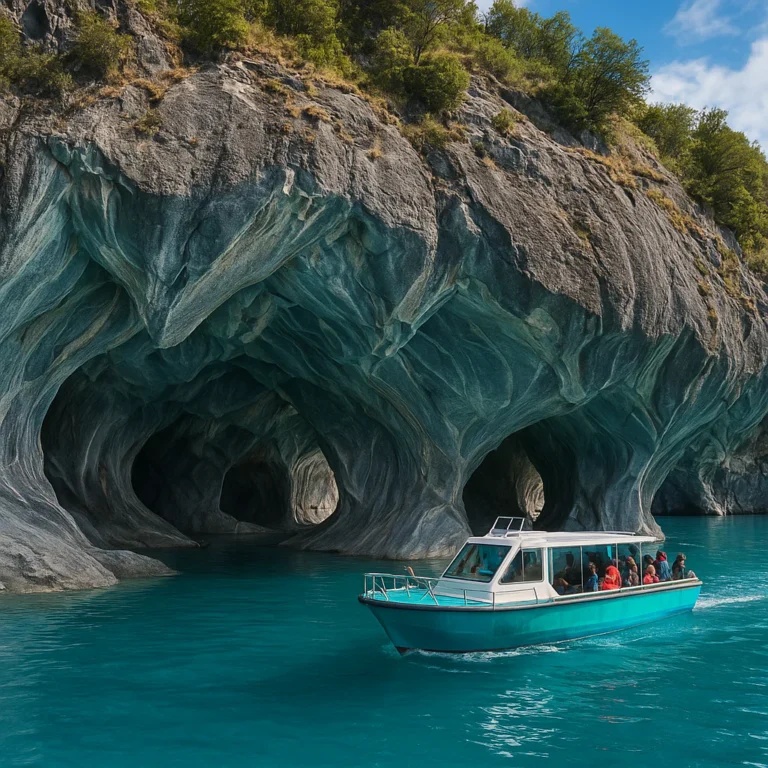
- Marble Caves: A striking network of sculpted rock formations on Lago General Carrera, usually visited by boat.
- San Rafael Lagoon: A remote glacial landscape accessed through organized excursions.
- Scenic drives: Mountain valleys, rivers, and viewpoints make the journey itself a central attraction.
How to prepare
- Allow more days than the map suggests.
- Confirm rental-car terms explicitly allow the route and any ferry segments.
- Check ferry schedules and road conditions before leaving each town.
- Carry food, water, warm layers, and offline navigation.
- Have a backup plan for weather or schedule changes.
A competitor emphasizes the Caretera Austral as a spectacular road trip; another video spotlights its glaciers and fjords. Both perspectives capture the appeal, but this is not an ideal add-on for a rushed itinerary. It suits travelers who enjoy long drives, flexible plans, and remote travel logistics.
9. Puerto Natales: The Gateway to Torres del Paine
Puerto Natales is the main service town for many Torres del Paine trips. It is where visitors organize transport, arrange food and gear, and make last checks before heading into the park.
Useful things to do before the park
- Confirm bus or transfer times.
- Check whether your accommodation includes luggage storage.
- Collect any pre-booked permits, tickets, or gear.
- Buy trail food and check your water-carrying setup.
- Review weather and park notices.
Buses link Puerto Natales with Punta Arenas, and transport options vary by season. Check current schedules directly with carriers and the official Torres del Paine park information before booking a tight connection.
Puerto Natales is more than a functional stop: it has waterfront scenery, restaurants, and a relaxed atmosphere. Still, if your dream is a multi-day trek, treat the town as the launchpad, not the whole trip.
10. Torres del Paine National Park: Patagonia’s Iconic Peaks and Glaciers
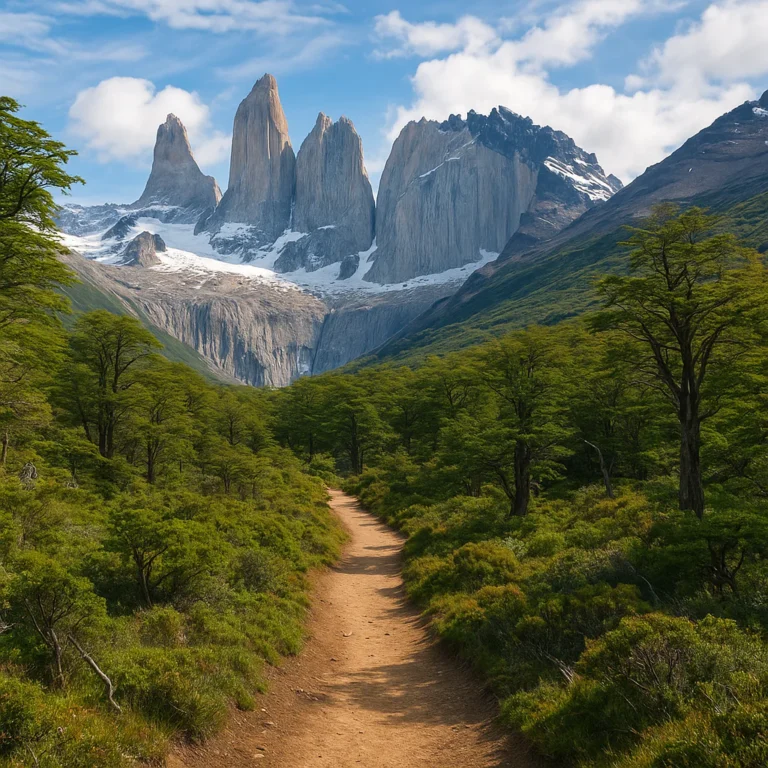
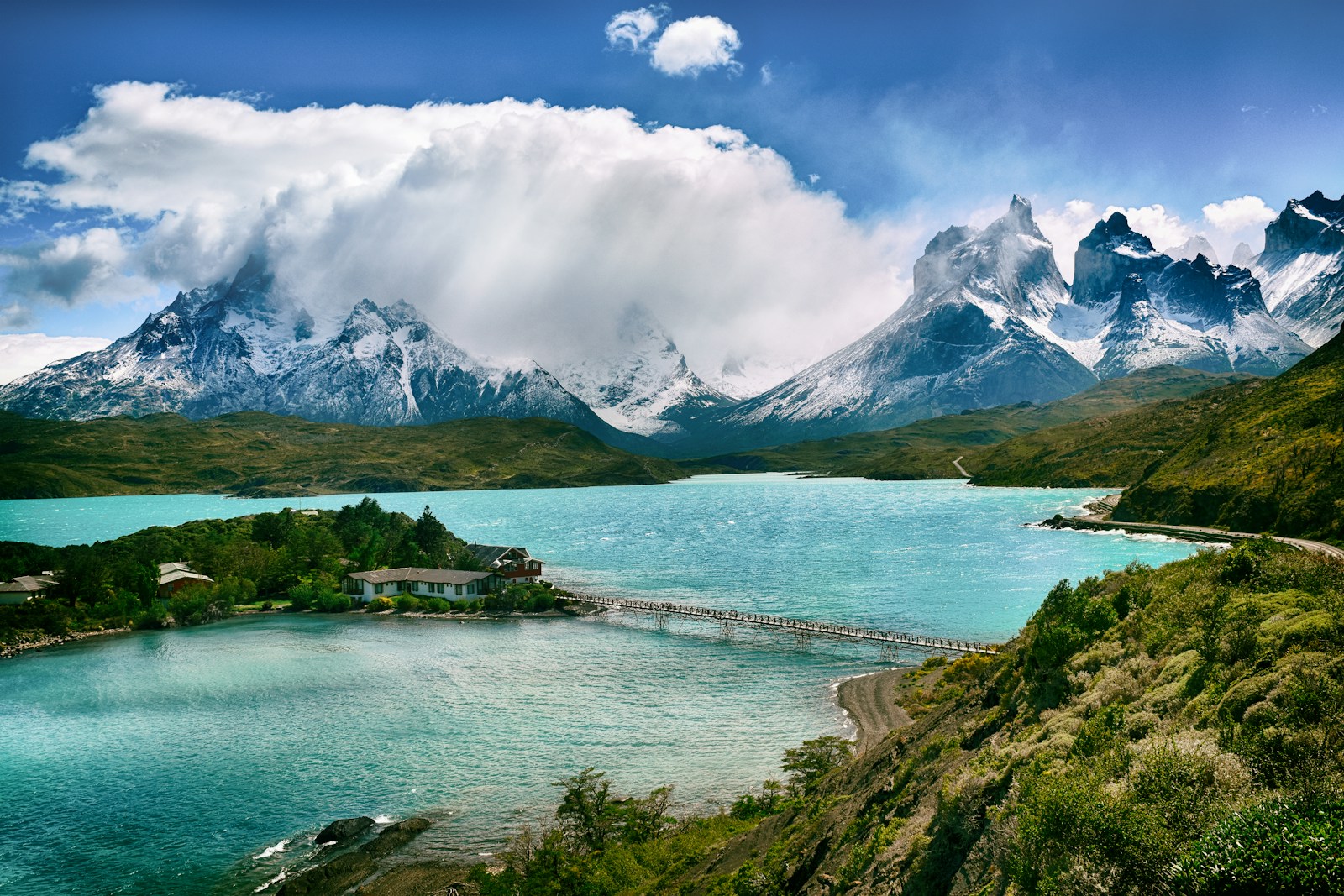
Tores del Paine is one of Chile’s headline destinations, with granite towers, turquoise lakes, glaciers, and wildlife including guanacos. The UNESCO Biosphere Reserve designation reflects its larger ecological importance, while the park’s own official site provides practical visitor information.
Choose your Torres del Paine experience
| Visit style | Best for | What to expect |
|---|---|---|
| Day trip | Travelers short on time | Scenic stops, viewpoints, and shorter walks |
| Independent day hikes | Fit travelers with careful planning | Trail access, weather exposure, and transport coordination |
| W Trek | Multi-day hikers seeking classic viewpoints | Several days of walking and advance accommodation planning |
| O Circuit | Experienced or well-prepared trekkers seeking a longer route | A longer commitment, more remote sections, and detailed logistics |
| Guided trek | Visitors who want support with navigation and arrangements | An operator-led experience; compare inclusions and group size |
Plan the logistics first
- Decide whether you want day hikes or an overnight trek.
- Confirm trail and accommodation availability.
- Reserve relevant park entry, campsites, refugios, or transport through official channels.
- Check whether your plan requires booking multiple providers.
- Build a weather buffer into your itinerary.
- Pack for wind, rain, sun, and sudden temperature changes.
A competing travel blogger calls Torres del Paine their personal top destination, while another recommends the longer O Circuit over the more popular W Trek. Those are individual preferences—not proof that one trek is universally better. The best choice depends on your available days, fitness, budget, comfort with remote hiking, and lodging availability. A shorter day hike with a clear view can be a better first experience than an overambitious trek.
Wildlife sightings are never guaranteed. Keep distance from animals, stay on marked trails, and follow park instructions to protect both visitors and habitat.
11. Punta Arenas: Magellanic History and Wildlife Excursions
Punta Arenas is an important southern transport hub, but it is also a useful base for learning about the Strait of Magellan and exploring nearby wildlife sites.
What to consider
- Isla Magdalena: Seasonal boat excursions visit a major Magellanic penguin colony. Operators, sailing schedules, and landing access depend on weather and seasonal conditions.
- Museums and historic sites: Explore the city’s maritime and regional history.
- Strait of Magellan excursions: Summer trips may focus on wildlife and coastal landscapes.
- Southern Patagonia connections: Punta Arenas is a common gateway for onward travel to Puerto Natales and the park.
A competing article reports that penguins are present seasonally and that tours typically include a short time on the island. Treat wildlife numbers and exact operating dates as season-dependent, and confirm directly with a licensed operator before booking. For conservation and species background, consult Sernapesca and local protected-area information.
12. Chilean Wine Country: Vineyards and Day Trips from Santiago
Chile’s central valleys make an easy contrast to its mountains and desert. Wine-country day trips are popular from Santiago, with routes to valleys such as Maipo, Casablanca, and Colchagua. The Wines of Chile organization offers background on the country’s wine regions.
How to choose a wine region
- Maipo Valley: Convenient for a shorter trip from Santiago.
- Casablanca Valley: Often combined with coastal travel toward Valparaíso.
- Colchagua Valley: A longer outing that suits travelers with more time or an overnight stay.
Book tastings ahead, especially on weekends, and decide how you will get back before you start sampling. A guided tour or hired driver makes more sense than pretending the designated driver can “just taste a little.” You can also find cultural and culinary ideas through Chile Vacay’s Cultural Experiences category.
🧭 How to Choose the Right Chile Destinations for Your Trip
The best places to visit in Chile depend on what you most want from the trip. Instead of choosing every famous stop, choose a travel theme and build around it.
Best Places in Chile for Nature, Hiking, Culture, and Wildlife
| If you love… | Start with… | Add if you have time |
|---|---|---|
| Desert scenery and stars | Atacama Desert | Lauca National Park or Elqui Valley |
| City culture and food | Santiago | Valparaíso or wine country |
| Street art and coastal history | Valparaíso | Viña del Mar or nearby beaches |
| Volcanoes and adventure | Pucón | Puerto Varas |
| Lakes, forests, and small-town scenery | Puerto Varas | Chiloé |
| Big hikes and glaciers | Torres del Paine | Puerto Natales and Punta Arenas |
| Remote road trips | Caretera Austral | Chiloé or the Lake District |
| Archaeology and Polynesian culture | Rapa Nui | Add time in Santiago for flights and connections |
| Penguins and southern wildlife | Punta Arenas | Puerto Natales and Torres del Paine |
Match the itinerary to your energy
- Want comfort and convenience? Focus on Santiago, Valparaíso, and a well-organized Atacama stay.
- Want active days? Choose Pucón, the Lake District, or Patagonia.
- Want quiet and remote landscapes? Consider Aysén, Chiloé, or a slower stay in Patagonia.
- Prefer minimal long transfers? Pick destinations within one region rather than trying to cover Chile end to end.
How Many Days to Spend in Chile
| Available time | A sensible first-trip plan |
|---|---|
| 5–7 days | Santiago plus one major region |
| 8–10 days | Santiago and the Atacama, or Santiago and Patagonia |
| 11–14 days | Santiago, one northern stop, and one southern stop—with domestic flights |
| 2–3 weeks | Add the Lake District, Chiloé, or a longer Patagonia stay |
| 3+ weeks | Consider a broader north-to-south route, Rapa Nui, or a remote road trip |
These are planning frameworks, not magic formulas. A week in Patagonia can feel more satisfying than two rushed weeks trying to reach every region. For a first visit, we usually prefer fewer transfers and more full days on the ground.
🧳 Planning Your Chile Itinerary: Routes, Flights, and Travel Order
Chile’s long geography makes route planning part of the adventure. The best itinerary usually links destinations by region and transport rather than drawing a straight line between every pin.
North to South or South to North: Where to Start
North-to-south route
A classic route begins in Santiago, continues north to the Atacama, then returns south for the Lake District or Patagonia. This makes sense if desert landscapes are your priority and you want to finish with Patagonia’s major hikes.
South-to-north route
Starting with Patagonia can be smart if Torres del Paine availability is the main constraint. Once park dates are secured, build the rest of the trip around them, then head north to Santiago and the Atacama.
How to decide
- Start where fixed bookings require you to be. Torres del Paine lodging and multi-day treks can shape the whole route.
- Check seasonal flight schedules before assuming a nonstop connection exists.
- Use domestic flights for long jumps, then buses or transfers for regional travel.
- Add buffer days before international departures and after remote-region connections.
- Avoid overnight bus journeys immediately before demanding hikes if you can.
How to Combine Patagonia and the Lake District
The Lake District and Patagonia can fit into a longer trip, but do not treat them as neighboring weekend destinations. A practical route could be:
- Fly into Santiago.
- Spend time in the capital and nearby central Chile.
- Fly south to Puerto Mont for Puerto Varas or Chiloé.
- Continue by flight or road transfer toward Patagonia.
- Use Puerto Natales as your base for Torres del Paine.
- Return through Punta Arenas or another available connection.
For a more adventurous overland journey, cross-border routes can connect the Lake District with Argentina, but border schedules, luggage rules, and seasonal conditions need checking. Chile Vacay’s Destinations and Adventure Travel guides can help you compare regional options.
Sample Chile Itineraries for 1, 2, and 3 Weeks
One week: choose a region
Option A: City and desert
- Days 1–2: Santiago
- Days 3–7: San Pedro de Atacama and nearby excursions
Option B: City and Patagonia
- Day 1: Santiago connection or overnight
- Days 2–3: Punta Arenas or Puerto Natales
- Days 4–7: Torres del Paine day trips or a short trek, depending on availability
Two weeks: northern and southern highlights
- Days 1–2: Santiago
- Days 3–6: Atacama Desert
- Day 7: Travel and buffer
- Days 8–9: Santiago or onward connection
- Days 10–14: Puerto Natales and Torres del Paine
This itinerary works best by air and requires careful planning around park access and accommodation.
Three weeks: add a slower regional stop
- Days 1–2: Santiago
- Days 3–6: Atacama
- Days 7–8: Travel and Santiago
- Days 9–12: Puerto Varas and the Lake District
- Days 13–14: Chiloé, if connections fit
- Days 15–20: Patagonia and Torres del Paine
- Day 21: Return buffer
This is still ambitious. If you want a Caretera Austral road trip or Rapa Nui, consider adding days or removing another region rather than squeezing in another flight and hoping for the best.
When to Book Flights, Park Tickets, and Patagonia Lodging
For Patagonia treks, book the key pieces first:
- Choose your park dates and route.
- Confirm trail access and entry requirements.
- Reserve campsites, refugios, and other in-park accommodation.
- Arrange transport to the park.
- Book flights and Puerto Natales accommodation around those fixed dates.
- Add the rest of Chile after the Patagonia block is secure.
For remote routes such as the Caretera Austral, check ferry timetables and accommodation availability before committing to tight daily distances. In the Atacama, compare tour departure times, elevation, group size, and what is included; the cheapest-looking option is not automatically the best fit.
🌤️ Best Time to Visit Chile: Seasons, Weather, and Regional Differences
Chile’s seasons run opposite to those in the Northern Hemisphere. Summer generally falls from December to February, while winter runs from June to August. But the country’s great length means “best time to visit Chile” depends on the region and activity. See Chile Travel’s seasonal guidance and check local forecasts before departure.
| Season | Northern Chile | Central Chile | Lake District | Patagonia |
|---|---|---|---|---|
| Spring | Pleasant days, cold nights | Mild and increasingly warm | Variable, often wet | Shoulder-season conditions; check trail access |
| Summer | Hot sun, cool nights, busy bases | Warm, dry conditions | Popular outdoor season | Long days, strong winds, high demand |
| Autumn | Comfortable travel, cooler evenings | Mild conditions | Cooler and wetter | Fewer services may operate; verify access |
| Winter | Cold nights, possible high-altitude weather impacts | Rainier and cooler | Rain and snow in higher areas | Short days and some seasonal closures |
Regional timing tips
- Atacama: Visit year-round, but expect cold nights and changing high-altitude conditions.
- Santiago and central Chile: Spring and autumn are often pleasant for city visits and vineyards.
- Lake District: Summer is popular for outdoor activities; rain remains possible.
- Tores del Paine: The warmer season brings longer days and more services, but also greater demand and strong winds.
- Rapa Nui: Plan around flight schedules and park requirements as much as seasonal weather.
There is no weather-proof month in Patagonia. Pack for wind and rain even in summer, and check park and operator updates just before travel.
🚍 Getting Around Chile: Domestic Flights, Buses, Rental Cars, and Ferries
Chile’s transport network works well in many popular corridors, but remote destinations require more planning. Domestic flights can save time over long distances; buses are useful between cities and towns; rental cars are valuable when public transport is limited.
| Transport | Best for | Watch-outs |
|---|---|---|
| Domestic flights | Long regional jumps | Seasonal routes, baggage rules, airport transfers |
| Intercity buses | Santiago, regional towns, overnight journeys | Journey length and station locations |
| Rental cars | Flexible road trips and remote stops | Gravel roads, fuel gaps, insurance and route permissions |
| Ferries | Chiloé, fjords, remote Patagonia routes | Timetables, weather, reservations |
| Guided tours | Atacama excursions and wildlife trips | Compare group size, safety standards, and included costs |
Practical transport steps
- Map the route between actual transport hubs, not just the destinations.
- Confirm whether a connection is direct, seasonal, or only offered on certain days.
- Leave a buffer between a domestic arrival and an international departure.
- For a rental car, verify coverage for gravel roads and ferry routes.
- Save offline maps and accommodation details for remote travel.
For budget-conscious planning, Chile Vacay’s Budget Travel section can help you compare routes and travel styles.
🏨 Where to Stay in Chile: Useful Bases for First-Time Visitors
Choosing a good base can save hours of backtracking. These towns and cities are useful starting points for first-time travelers:
| Base | Best for | Stay longer if… |
|---|---|---|
| Santiago | City culture, flights, central Chile day trips | You enjoy museums, dining, and urban neighborhoods |
| San Pedro de Atacama | Desert tours and stargazing | You want time to acclimatize and explore at a relaxed pace |
| Valparaíso | Art, historic hills, and coastal atmosphere | You want to explore beyond a rushed day trip |
| Pucón | Volcanoes, lakes, adventure sports | You want several activities plus a rest day |
| Puerto Varas | Lake District scenery and day trips | You plan to explore Petrohué, Osorno, and nearby parks |
| Castro or Ancud | Chiloé culture and coastal excursions | You want to explore more than one part of the island |
| Puerto Natales | Torres del Paine logistics | You want a weather buffer or pre-/post-trek rest |
| Punta Arenas | Southern Patagonia connections and wildlife | You are taking a seasonal wildlife excursion |
For Torres del Paine, decide whether you want to stay inside or outside the park. Staying inside can reduce daily transit but often requires earlier booking; staying in Puerto Natales offers more restaurants and services but adds transport time.
🥟 Chilean Food and Drink to Try Along the Way
Chile’s food changes with its geography. Expect seafood on the coast, hearty soups and stews inland, potatoes and shellfish in Chiloé, and wines from the central valleys.
First-timer favorites
- Empanadas: Baked or fried pastries with regional fillings.
- Pastel de choclo: A baked dish layered with corn and savory ingredients.
- Cazuela: A comforting meat or chicken broth with vegetables.
- Curanto: A traditional Chilote feast of seafood, meat, and potatoes.
- Chilean seafood: Try local preparations in coastal towns, asking what is in season.
- Completo: A loaded Chilean hot dog; order one when you are hungry enough to understand its ambition.
- Pisco sour: A widely known cocktail; drink responsibly and check ingredients if you have dietary concerns.
For wine, explore the central valleys and check producer information through Wines of Chile. For local food traditions and cultural context, browse Chile Vacay’s Cultural Experiences.
💵 Practical Chile Travel Tips: Money, Safety, Language, and Connectivity
Money and payments
- Carry a backup payment method and a small amount of local currency for places where cards may not be convenient.
- Notify your bank of travel plans and check foreign-transaction policies.
- Keep a record of important bookings offline.
- Do not assume remote towns or small operators accept every payment method.
Safety and awareness
Chile is not one uniform safety environment. Use normal urban precautions in cities, keep valuables out of sight, and follow local guidance in unfamiliar areas. For current country-specific advice, consult your government’s official travel advisory rather than relying on old forum posts.
In the outdoors:
- Follow marked trails and park rules.
- Tell someone your plans for remote hikes.
- Check weather, river, and volcanic alerts.
- Use licensed guides for technical or high-risk activities.
- Keep a respectful distance from wildlife.
Language and connectivity
Spanish is the main language, and English availability varies outside major visitor hubs. A few useful phrases go a long way:
- Hola: Hello
- Por favor: Please
- Gracias: Thank you
- ¿Cuánto cuesta?: How much does it cost?
- ¿Dónde está…?: Where is…?
- ¿Me puede ayudar?: Can you help me?
Download offline maps, booking confirmations, and key addresses before heading into remote areas. Mobile coverage can be limited on rural roads, in national parks, and around Patagonia’s more isolated routes.
🎒 What to Pack for Chile’s Different Climates
A Chile trip can involve desert sun, cold high-altitude mornings, rainy forests, and Patagonian wind. Pack in layers rather than betting everything one heroic jacket.
Useful essentials
- Lightweight, breathable clothing
- Warm mid-layer and insulated jacket
- Waterproof shell
- Comfortable walking shoes or hiking boots
- Sun hat, sunglasses, and high-protection sunscreen
- Reusable water bottle
- Small daypack
- Power bank and charging cables
- Personal medications
- Insect repellent forest and wetland areas
- Offline maps and a compact first-aid kit for hikes
For Atacama excursions, bring warm clothes for dawn departures and sun protection for exposed daytime sites. For Patagonia, prioritize a windproof outer layer and quick-drying clothing. A travel writer’s account of finding summer horseflies miserable on a Lake District hike is a useful reminder: beautiful scenery does not repel insects. Pack repellent when the season and route call for it.
🌱 Responsible Travel and Park Etiquette in Chile
Chile’s landscapes are not just spectacular backdrops; they are protected places and living cultural environments. Responsible travel helps keep them healthy and welcoming.
- Stay on marked trails and respect closures.
- Follow all instructions from CONAF and park staff.
- Do not feed or approach wildlife.
- Carry out all waste, including food scraps.
- Ask permission before photographing people, homes, or cultural ceremonies.
- Choose reputable operators with clear safety practices.
- Respect archaeological sites on Rapa Nui and elsewhere.
- Be flexible: weather closures and wildlife restrictions exist for good reasons.
Chile’s most memorable places often ask visitors to slow down. That may mean missing one attraction to protect a trail, or waiting for better conditions rather than pushing ahead. The payoff is a safer, more thoughtful trip—and scenery that stays wild for the next traveler.