Support our educational content for free when you purchase through links on our site. Learn more
🇨🇱 12 Ways to Save on Chile Food & Drink (2026)

Ever walked into a picada in Santiago, ordered a three-course Menú del Día, and felt like you just pulled off a magic trick because the bill was less than a single coffee in New York? That’s the Chilean dining secret we’re spilling today. While many travelers assume Chile is the “Switzerland of South America”—expensive and exclusive—the reality is that with the right local hacks, you can feast like a king on a backpacker’s budget. From the hidden ferias libres (open-air markets) that slash produce prices in half to the specific hours when restaurants serve gourmet meals for pennies, Chile is a culinary goldmine if you know where to dig.
In this guide, we’re not just listing cheap places; we’re decoding the entire Chilean food ecosystem. We’ll show you how to navigate the “tourist tax” in places like San Pedro de Atacama, where a simple sandwich can cost double the national average, and reveal exactly which supermarket chains to hit for the best pan con palta. We’ve even included a deep dive into the regional price wars between Santiago and Patagonia, plus a step-by-step breakdown of how to enjoy world-class Carmenere wine without paying bar prices. By the end of this read, you’ll know exactly how to stretch your peso so far that you’ll be wondering why you ever paid full price for a meal again.
Key Takeaways
- Master the “Menú del Día”: The single most effective way to save is eating a three-course lunch between 12 PM and 3 PM, often costing less than $10 USD.
- 👉 Shop Like a Local: Skip tourist traps and hit Ferias Libres (street markets) and supermarkets like Líder or Jumbo for groceries that are 30-50% cheaper than restaurant prices.
- Drink Smart: Buy wine and craft beer at supermarkets instead of bars; a bottle of quality Chilean wine can cost less than a single glass in a tourist zone.
- Avoid the “Tourist Tax”: Prices in San Pedro de Atacama and Tores del Paine are significantly higher; self-catering and bringing supplies from major cities is essential for budget survival.
- Embrace Street Food: Traditional bites like the Completo Italiano and Empanadas offer authentic, filling meals for under $5 USD.
Table of Contents
- ⚡️ Quick Tips and Facts
- 🇨🇱 The Real Cost of Eating in Chile: A Budget Traveler’s Background
- 🍽️ 12 Smart Strategies to Slash Your Food and Drink Bills in Chile
- 1. Master the Art of the “Comida Corida” Lunch Deal
- 2. Hunt Down the Best “Menú del Día” in Santiago and Beyond
- 3. Embrace the Local “Almuerzo” Culture Over Tourist Traps
- 4. Shop Like a Local at Municipal Markets and Ferias Libres
- 5. Decode the Menu: What “Plato del Día” Actually Means
- 6. Skip the Hotel Breakfast and Hunt for “Pan con Palta”
- 7. Drink Smart: Where to Find Cheap Wine and Craft Beer
- 8. Avoid the “Tourist Tax” in Valparaíso and San Pedro de Atacama
- 9. Utilize Supermarket Chains like Jumbo, Líder, and Tottus for Snacks
- 10. Navigate the “Copa” vs. Bottle Pricing in Chilean Bars
- 1. Pack a Reusable Bottle and Tap Water Safety Tips
- 12. Leverage Apps like PedidosYa and Rappi for Student Discounts
- 🍷 Regional Deep Dive: Where to Eat Cheap in Major Chilean Cities
- Santiago: The Hidden Gems of Bario Lastaria and Bellavista
- Valparaíso: Street Food and the Port’s Best Bargains
- Puerto Varas and the Lakes District: Affordable Trout and Local Fare
- Patagonia and Torres del Paine: Surviving the High Cost of Remote Dining
- San Pedro de Atacama: Budget Survival in the Desert
- 🥖 The Ultimate Guide to Chilean Street Food and Cheap Eats
- 🍷 Wine on a Dime: How to Enjoy Chile’s Best Vintages Without Breaking the Bank
- 🚫 Common Budget Mistakes Tourists Make When Eating in Chile
- 📊 Price Comparison: Street Food vs. Sit-Down Restaurants vs. Supermarkets
- 🎒 Packing List: Essential Items to Save Money on Food Abroad
- 🏆 Conclusion: Eating Well in Chile on a Shoestring Budget
- 🔗 Recommended Links
- ❓ FAQ: Your Burning Questions About Cheap Food in Chile
- 📚 Reference Links
⚡️ Quick Tips and Facts
Before you even unpack your suitcase, let’s hit the ground running with the absolute non-negotiables for saving cash on your Chilean culinary adventure. We’ve tasted the good, the bad, and the surprisingly cheap, and here is the distilled wisdom you need to survive (and thrive) without draining your bank account.
- The “Menú del Día” is Your Best Friend: If you eat lunch between 12:0 PM and 3:0 PM, you can get a three-course meal (soup, main, drink, and sometimes dessert) for a fraction of the dinner price. It’s the golden rule of Chilean budget dining.
- Tap Water is Safe (Mostly): Unlike many South American neighbors, Chile’s tap water is generally safe to drink in major cities and tourist hubs. Ditch the plastic bottles and save that money for wine!
- Street Food is King: A completo (hot dog) or empanada can cost you less than a fancy coffee in the US. Don’t be afraid to eat standing up at a stall; it’s often the freshest food in town.
- Supermarkets are Your Kitchen: Brands like Líder, Jumbo, and Tottus are everywhere. Buying breakfast and snacks here is significantly cheaper than eating out.
- Tipping Etiquette: While not mandatory, a 10% tip (propina) is customary in sit-down restaurants for good service. It’s not added automatically unless it’s a large group.
Ready to dive deeper? If you’re wondering how to structure your entire trip around these savings, check out our ultimate guide on How do I plan a trip to Chile on a budget? before you book a single flight.
🇨🇱 The Real Cost of Eating in Chile: A Budget Traveler’s Background

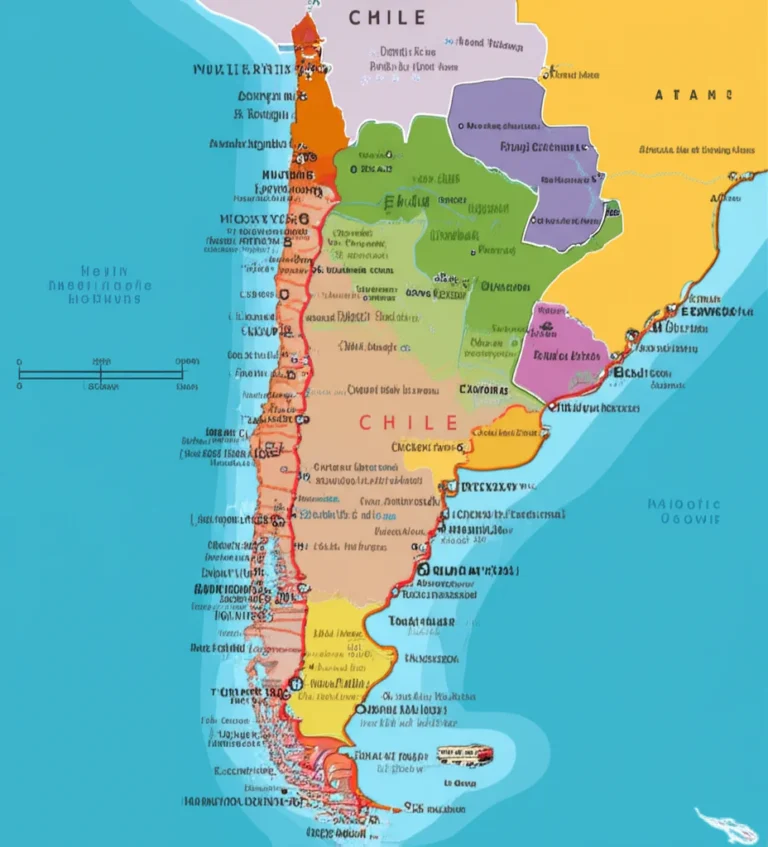
Chile is a land of extremes. From the driest desert in the north to the icy glaciers of Patagonia, the geography dictates the food, and the food dictates the cost. But here is the secret the guidebooks often miss: Chile is not as expensive as people think, provided you know where to look.
For decades, the narrative was that Chile was the “Switzerland of South America”—expensive, exclusive, and out of reach for the backpacker. While it is certainly pricier than Bolivia or Peru, the gap has narrowed significantly. The inflation rates have stabilized, and the rise of local chains has democratized dining.
Why Prices Vary So Wildly
The cost of a cazuela (stew) in Santiago is vastly different from one in San Pedro de Atacama. Why?
- Logistics: Transporting fresh produce to the Atacama Desert or the remote islands of Patagonia adds a massive markup.
- Tourist Density: In Valparaíso’s Cero Alegre, a simple sandwich can cost double what it does in a local neighborhood just a few blocks away.
- Seasonality: During the summer (December to February), prices in coastal towns skyrocket.
Did you know? In the video we featured earlier, the creator mentioned that living with family is a common cultural practice in Chile, which keeps local food costs down for residents but can sometimes confuse tourists expecting a different dining landscape.
If you are planning a multi-region trip, understanding these variances is crucial. You might save $10 on lunch in Santiago, only to spend $20 on the same meal in Torres del Paine. The key is strategic splurging and smart saving.
🍽️ 12 Smart Strategies to Slash Your Food and Drink Bills in Chile
We’ve tested every trick in the book, and these 12 strategies are the difference between eating like a king on a budget and eating like a pauper on a budget.
1. Master the Art of the “Comida Corida” Lunch Deal
Note: While “Comida Corida” is a Mexican term, in Chile, the concept is identical to the “Menú del Día.”
This is the holy grail of Chilean dining. Between 12:0 PM and 3:0 PM, almost every local restaurant (picada) offers a fixed-price menu.
- What you get: Soup or salad, a main course (meat, fish, or vegetarian), a drink (agua, soda, or wine), and often dessert or coffee.
- The Strategy: Never order à la carte for lunch. Look for the chalkboard sign that says “Menú del Día” or “Plato del Día.”
- Pro Tip: Ask for agua de la llave (tap water) to save on bottled water costs.
2. Hunt Down the Best “Menú del Día” in Santiago and Beyond
Not all Menús are created equal. In Santiago, the Bario Lastaria and Bellavista areas are famous for them, but the real gems are in the residential neighborhoods.
- Where to look: Avoid the main plazas. Walk two blocks away from the tourist center.
- What to expect: You can find hearty meals like porotos granados (bean stew) or pastel de choclo for a price that feels like a steal.
- Insider Secret: If you see a line of locals waiting for lunch, that’s the place. If it’s empty, keep walking.
3. Embrace the Local “Almuerzo” Culture Over Tourist Traps
“Almuerzo” is lunch, but in Chile, it’s a ritual. Tourists often skip this meal, opting for a light snack, and then face a massive dinner bill.
- The Mistake: Eating a light breakfast and a small lunch, then starving yourself until 9 PM when prices are highest.
- The Fix: Make almuerzo your main meal of the day. It’s cheaper, heartier, and more authentic. Save your appetite for a light onces (afternoon tea) or a small dinner.
4. Shop Like a Local at Municipal Markets and Ferias Libres
Chileans love their ferias libres (open-air markets). These are held weekly in neighborhoods across the country.
- Why go? You can buy fresh fruits, vegetables, and meats at 30-50% less than supermarket prices.
- What to buy: Avocados (palta), tomatoes, onions, and seasonal fruits like peaches or grapes.
- Safety: These markets are generally safe, but keep an eye on your belongings.
5. Decode the Menu: What “Plato del Día” Actually Means
You will see “Plato del Día” (Dish of the Day) everywhere.
- The Difference: Unlike the Menú del Día (which is a full set), the Plato del Día is just the main course, often served with fries or salad.
- Cost: Usually cheaper than the full menu but still a great deal.
- Variety: The dish changes daily, so you can try something new every day without breaking the bank.
6. Skip the Hotel Breakfast and Hunt for “Pan con Palta”
Hotel breakfasts in Chile are often overpriced and underwhelming.
- The Local Alternative: Pan con Palta (bread with avocado).
- How to do it: Buy a loaf of maraqueta (crusty Chilean bread) and a ripe avocado at a bakery or supermarket. Add a pinch of salt and maybe some oil.
- Cost: A fraction of a hotel buffet.
- Where to buy: Any panadería (bakery) in the morning.
7. Drink Smart: Where to Find Cheap Wine and Craft Beer
Chile produces some of the world’s best wine, and it’s incredibly affordable compared to Europe or the US.
- Supermarket Wine: You can buy a bottle of decent Carmenere or Cabernet Sauvignon for the price of a glass in a bar. Brands like Concha y Toro, Santa Rita, and Errázuriz are everywhere.
- Craft Beer: The craft beer scene is booming. Look for local brands like Kross, Patagonia, or Austral.
- Strategy: Buy a bottle at the supermarket and enjoy it in your hostel or a public park (where allowed).
8. Avoid the “Tourist Tax” in Valparaíso and San Pedro de Atacama
In these two destinations, prices can be double or triple the national average.
- Valparaíso: Avoid the restaurants right on the ceros (hills) facing the ocean. Walk down to the port area or the bario for better prices.
- San Pedro de Atacama: Bring your own snacks and water from Calama (the nearest city with a supermarket). Everything in San Pedro is marked up for tourists.
9. Utilize Supermarket Chains like Jumbo, Líder, and Tottus for Snacks
Chile has a highly developed supermarket culture.
- Líder: Owned by Walmart, great for bulk items and international brands.
- Jumbo: Often has higher quality fresh produce and a great bakery section.
- Tottus: A great option for budget-friendly groceries and household items.
- What to stock up on: Maraqueta, cheese, cold cuts, yogurt, and fruit.
10. Navigate the “Copa” vs. Bottle Pricing in Chilean Bars
In bars, the price difference between a glass (copa) and a bottle is huge.
- The Math: A glass of wine might cost $5, while a bottle is $15. If you are with a group, always order the bottle.
- The Trick: Ask for media botella (half bottle) if you don’t want a full one. It’s often cheaper than two glasses.
1. Pack a Reusable Bottle and Tap Water Safety Tips
We mentioned this in the tips, but it bears repeating.
- Safety: Tap water is safe in Santiago, Valparaíso, and most major cities. In remote areas like the high Andes or Patagonia, check with locals or boil it.
- Brands: Bring a Hydro Flask or Nalgene bottle.
- Refill: Most hostels and cafes have water dispensers.
12. Leverage Apps like PedidosYa and Rappi for Student Discounts
Delivery apps are huge in Chile.
- Apps: PedidosYa and Rappi are the leaders.
- Discounts: They often have “Happy Hour” deals or student discounts.
- Strategy: Use these apps to find local picadas that don’t have a strong online presence but offer great deals.
🍷 Regional Deep Dive: Where to Eat Cheap in Major Chilean Cities
Chile is a long, narrow country, and the food culture changes with every region. Here is where to find the best bang for your buck in the major hubs.
Santiago: The Hidden Gems of Bario Lastaria and Bellavista
Santiago is a foodie paradise, but it can be a wallet-killer if you aren’t careful.
- Bario Lastaria: Known for its bohemian vibe, this area has many menú del día options. Look for small picadas tucked away in the side streets.
- Bario Bellavista: Famous for nightlife, but during the day, it’s full of affordable lunch spots. Avoid the restaurants on Paseo Ahumada (the main tourist strip) and head to Calle Merced or Calle Estado.
- Must-Try: Completo Italiano (hot dog with avocado, tomato, and mayo) from a street vendor.
Valparaíso: Street Food and the Port’s Best Bargains
Valparaíso is a labyrinth of hills and colorful houses.
- The Port Area: The Puerto has many cheap mariscos (seafood) stalls. Look for choritos a la valdiviana (mussels in white wine sauce).
- Cerro Alegre: Avoid the tourist traps near the funiculars. Walk further up the hill for local cas de comida.
- Street Food: Empanadas de pino are a staple. Buy them from a panadería in the morning.
Puerto Varas and the Lakes District: Affordable Trout and Local Fare
In the south, trout (trucha) is king.
- Local Markets: The Mercado de Puerto Varas has fresh fish and local cheeses at great prices.
- Self-Catering: The supermarkets here are well-stocked. Buy trout filets and cook them yourself.
- Budget Tip: Many cabañas (cabins) have kitchens. Rent one and cook your own meals.
Patagonia and Torres del Paine: Surviving the High Cost of Remote Dining
Patagonia is expensive. Period.
- The Reality: A simple meal in Torres del Paine can cost $20-$30.
- The Strategy: Self-catering is mandatory. Buy all your food in Puerto Natales before heading to the park.
- What to buy: Canned goods, pasta, rice, and dehydrated meals.
- Dining Out: If you must eat out, look for menú del día in Puerto Natales, but expect to pay a premium.
San Pedro de Atacama: Budget Survival in the Desert
San Pedro is the most expensive town in Chile.
- The Only Option: Bring everything from Calama.
- Water: Buy large jugs of water in Calama.
- Food: Buy dried fruits, nuts, and canned goods in Calama.
- Eating Out: If you eat in San Pedro, stick to picadas and avoid the fancy restaurants.
🥖 The Ultimate Guide to Chilean Street Food and Cheap Eats
Street food in Chile is not just cheap; it’s a cultural institution. Here is your guide to the best bites that won’t break the bank.
The Completo
The Chilean hot dog is a work of art.
- Completo Italiano: The most popular version. Topped with avocado, tomato, and mayo.
- Completo Alemán: Topped with sauerkraut and mustard.
- Where to find: Any street corner, especially in the evenings.
- Cost: Very affordable.
Empanadas de Pino
The classic Chilean pastry.
- Filling: Ground beef, onions, olives, and a hard-boiled egg.
- Where to find: Panaderías and street stalls.
- Tip: Eat them fresh from the oven.
Choripán
Grilled sausage sandwich.
- Filling: Chorizo (sausage) with pebre (chili salsa).
- Where to find: Football matches and street festivals.
Pastel de Choclo
A savory corn pie.
- Filling: Ground beef, chicken, onions, and olives, topped with a sweet corn crust.
- Where to find: Picadas and street stalls.
Mote con Huesillo
A traditional non-alcoholic drink.
- Ingredients: Cooked wheat (mote) and dried peaches (huesillo) in a sweet syrup.
- Where to find: Street vendors in the summer.
- Cost: Very cheap and refreshing.
🍷 Wine on a Dime: How to Enjoy Chile’s Best Vintages Without Breaking the Bank
Chile is a wine lover’s dream. You don’t need to spend a fortune to enjoy world-class vintages.
Supermarket vs. Wine Shop
- Supermarkets: Great for everyday wines. Brands like Concha y Toro, Santa Rita, and Montes offer excellent value.
- Wine Shops: For premium wines, visit specialized shops like Wine & More or Vinos y Vinos. They often have tastings and knowledgeable staff.
The “Bodega” Experience
Many wineries offer tours and tastings.
- Budget Option: Look for wineries that offer “tasting flights” instead of full tours.
- Self-Guided: Buy a bottle and enjoy it in the vineyard (if allowed).
Best Value Varietals
- Carmenere: Chile’s signature grape. Look for bottles under $15.
- Cabernet Sauvignon: Consistently high quality at low prices.
- Sauvignon Blanc: Crisp and refreshing, perfect for summer.
🚫 Common Budget Mistakes Tourists Make When Eating in Chile
Even the saviest travelers can fall into these traps. Here is what to avoid.
1. Eating in Tourist Zones
- The Mistake: Dining on the main square of every town.
- The Fix: Walk 3-4 blocks away from the center.
2. Ignoring the “Menú del Día”
- The Mistake: Ordering à la carte for lunch.
- The Fix: Always look for the set menu.
3. Buying Bottled Water
- The Mistake: Buying plastic water bottles everywhere.
- The Fix: Bring a reusable bottle and refill it.
4. Skipping the Supermarket
- The Mistake: Eating every meal out.
- The Fix: Buy breakfast and snacks at the supermarket.
5. Not Tipping
- The Mistake: Leaving no tip for good service.
- The Fix: Leave 10% for good service.
📊 Price Comparison: Street Food vs. Sit-Down Restaurants vs. Supermarkets
To give you a clear picture, here is a breakdown of typical costs (in USD) for different dining options. Note: Prices vary by region and season.
| Dining Option | Typical Cost (USD) | Best For | Pros | Cons |
|---|---|---|---|---|
| Street Food | $3 – $8 | Quick bites, snacks | Authentic, fast, cheap | Limited seating, hygiene varies |
| Menú del Día | $8 – $15 | Lunch, full meals | 3 courses, great value | Only available 12-3 PM |
| Casual Restaurant | $15 – $25 | Dinner, groups | Good atmosphere, variety | More expensive than menú |
| Supermarket | $5 – $10 | Breakfast, snacks, self-catering | Cheapest option, flexible | Requires cooking/equipment |
| High-End Dining | $30+ | Special occasions | Fine dining, unique flavors | Very expensive |
🎒 Packing List: Essential Items to Save Money on Food Abroad
You don’t need to pack a kitchen, but a few items can save you hundreds of dollars.
1. Reusable Water Bottle
- Why: Tap water is safe in most places.
- Recommendation: Hydro Flask or Nalgene.
- Where to buy: Amazon | REI
2. Portable Camping Stove
- Why: Perfect for hostels and camping.
- Recommendation: Jetboil or MSR PocketRocket.
- Where to buy: Amazon | REI
3. Reusable Cutlery Set
4. Collapsible Food Container
- Why: Take leftovers or buy from ferias libres.
- Recommendation: Stasher Bag or Collapsible Silicone Container.
- Where to buy: Amazon | Walmart
5. Portable Blender
- Why: Make fresh smoothies with local fruit.
- Recommendation: BlendJet.
- Where to buy: Amazon | BlendJet Official
🏆 Conclusion: Eating Well in Chile on a Shoestring Budget
So, can you really eat like a king in Chile without spending a fortune? Absolutely. The secret lies in embracing the local rhythm: eating the menú del día for lunch, shopping at the ferias libres, and skipping the tourist traps. Chile offers an incredible diversity of flavors, from the completo on the street to the world-class wines of the Maipo Valley, all at prices that are surprisingly reasonable if you know where to look.
Remember, the best food is often the most local. Don’t be afraid to ask for recommendations, venture off the beaten path, and trust your instincts. If a place is full of locals, it’s probably a great deal. And if you’re ever in doubt, just grab a pan con palta and a bottle of Carmenere from the supermarket—you’ll be eating like a Chilean in no time.
Ready to start your budget adventure? Check out our Budget Travel category for more tips on saving money on accommodation and transport.
🔗 Recommended Links
Here are some essential resources and products to help you save money on your Chilean food adventure.
Essential Gear
- Reusable Water Bottle: Hydro Flask on Amazon | REI
- Portable Camping Stove: Jetboil on Amazon | REI
- Collapsible Food Container: Stasher Bag on Amazon | Stasher Official
Books & Guides
Food & Drink
- Concha y Toro Wines: Wine.com | Vivino
- Kross Craft Beer: Kross Official Website
❓ FAQ: Your Burning Questions About Cheap Food in Chile
What are some tips for saving money on drinks, such as wine and coffee, while traveling in Chile?
Wine: The biggest money saver is buying wine at supermarkets instead of bars. A bottle of decent Carmenere or Cabernet Sauvignon from a supermarket like Líder or Jumbo can cost as little as $5-$10, whereas a glass in a bar can cost $5-$8. If you want to try premium wines, look for “tasting flights” at wineries or buy a bottle and enjoy it in your accommodation.
Coffee: Avoid chain cafes like Starbucks or Coffee House. Instead, visit local cafeterías or buy instant coffee from the supermarket. If you want a fresh brew, look for cafeterías in residential neighborhoods, which are often cheaper than those in tourist areas.
Are there any budget-friendly supermarkets or markets in Chile where I can buy snacks and groceries?
Yes! Chile has a highly developed supermarket culture. The main chains are Líder (Walmart), Jumbo, Tottus, and Unimarc. For the best prices on fresh produce, visit the Ferias Libres (open-air markets) that operate in neighborhoods on specific days of the week. These markets offer fresh fruits, vegetables, and meats at significantly lower prices than supermarkets.
How can I find cheap eats and street food in popular destinations like Santiago and Valparaiso?
In Santiago, avoid the main tourist squares and venture into neighborhoods like Bario Lastaria or Bellavista for affordable menú del día options. For street food, look for vendors selling completos (hot dogs) and empanadas. In Valparaíso, the port area has many cheap mariscos (seafood) stalls. Always look for places with a line of locals; that’s a sign of good food and fair prices.
What are the most affordable traditional Chilean dishes to try while traveling in Chile?
Some of the most affordable and delicious traditional dishes include:
- Completo: A loaded hot dog with avocado, tomato, and mayo.
- Empanadas de Pino: Meat-filled pastries.
- Choripán: Grilled sausage sandwich.
- Pastel de Choclo: Corn pie filled with ground beef, onions, and chicken.
- Cazuela: A hearty stew made with meat, vegetables, and squash.
- Mote con Huesillo: A sweet, non-alcoholic drink made with wheat and peaches.
Read more about “🇨🇱 15 Free & Low-Cost Chile Activities (2026)”
What are the cheapest street food options in Santiago?
The cheapest street food options in Santiago are the completo (hot dog) and empanadas. You can find these at almost every street corner, especially in the evenings. A completo typically costs between $3-$5, and an empanada is around $2-$3. Look for vendors with high turnover to ensure freshness.
Read more about “🇨🇱 7 Secrets to Affordable Stays in Santiago & Valparaíso (2026)”
How much does a typical meal cost in Chilean hostels?
Many hostels in Chile offer a communal kitchen where you can cook your own meals. If you buy groceries from a supermarket, a meal can cost as little as $3-$5. Some hostels also offer a breakfast for a small fee or included in the room rate. If you eat at the hostel’s restaurant, prices are usually higher than the menú del día but still affordable, around $8-$12.
Where can I find affordable wine tastings in the Maipo Valley?
The Maipo Valley is famous for its wineries. While some offer expensive tours, many have tasting flights or self-guided tours that are more affordable. Look for wineries like Concha y Toro or Santa Rita, which offer a range of options. You can also buy a bottle from a local wine shop and enjoy it in the vineyard (if allowed).
Read more about “Chile Vacay 2026: 17 Epic Rentals & Insider Tips 🇨🇱”
Are there budget-friendly supermarkets for self-catering in Patagonia?
Patagonia is remote, and prices are higher. The main town, Puerto Natales, has supermarkets like Líder and Jumbo, but they are more expensive than in Santiago. It’s highly recommended to buy all your food in Calama or Punta Arenas before heading to Patagonia. If you must buy in Patagonia, look for local markets for fresh produce.
Read more about “6 Epic Chilean Patagonia Hiking & Camping Adventures to Try in 2025 🏕️”
📚 Reference Links
- Chilean Tourism Board: Chile Travel
- Supermarket Chains: Líder, Jumbo, Tottus
- Wine Information: Wines of Chile
- Trip.com Guide: Discover the Real Trip to Chile Cost in 2026
- Budget Your Trip: Chile Budget Guide (Note: Content may behind a CAPTCHA)